Zhuhai is China's premier garden city, offering a relaxed coastal pace characterized by palm-fringed boulevards and a massive network of islands. It is the perfect destination for travelers seeking a mix of modern infrastructure, seafood-centric gastronomy, and easy access to Macau.
Zhuhai stands as a serene outlier among the industrial giants of the Pearl River Delta. Known as the City of Romance, it trades the frantic pace of neighboring Shenzhen for expansive coastal parks, clean air, and a lifestyle that revolves around the water. The city is defined by its hundred-plus islands and a winding coastline that provides a constant view of the South China Sea, making it a favorite for domestic travelers and expats looking for a weekend reprieve.
While many visitors treat Zhuhai as a mere transit point between Hong Kong and Macau, the city rewards those who linger. It offers a unique blend of Chinese modernity and tropical leisure. You will find massive theme parks on one end of the city and quiet, traditional fishing villages on the other. The city layout is linear and breezy, encouraging long walks along the Lover's Road and slow afternoon tea sessions in the emerging cafe districts of Xiangzhou.
For the international traveler, Zhuhai provides a manageable introduction to mainland China. It is cleaner, less crowded, and more navigable than Guangzhou, yet it retains a deep culinary heritage focused on the freshest possible seafood. Whether you are crossing the record-breaking bridge from Hong Kong or walking across the border from Macau, Zhuhai offers a distinct coastal identity that feels worlds apart from the inland metropolises.
Orientation and Neighborhoods
Zhuhai is stretched thin along the coast, divided primarily into three main districts that travelers should know. Understanding the geography is vital because the city is long and narrow; staying in the wrong end can result in hour-long commutes.
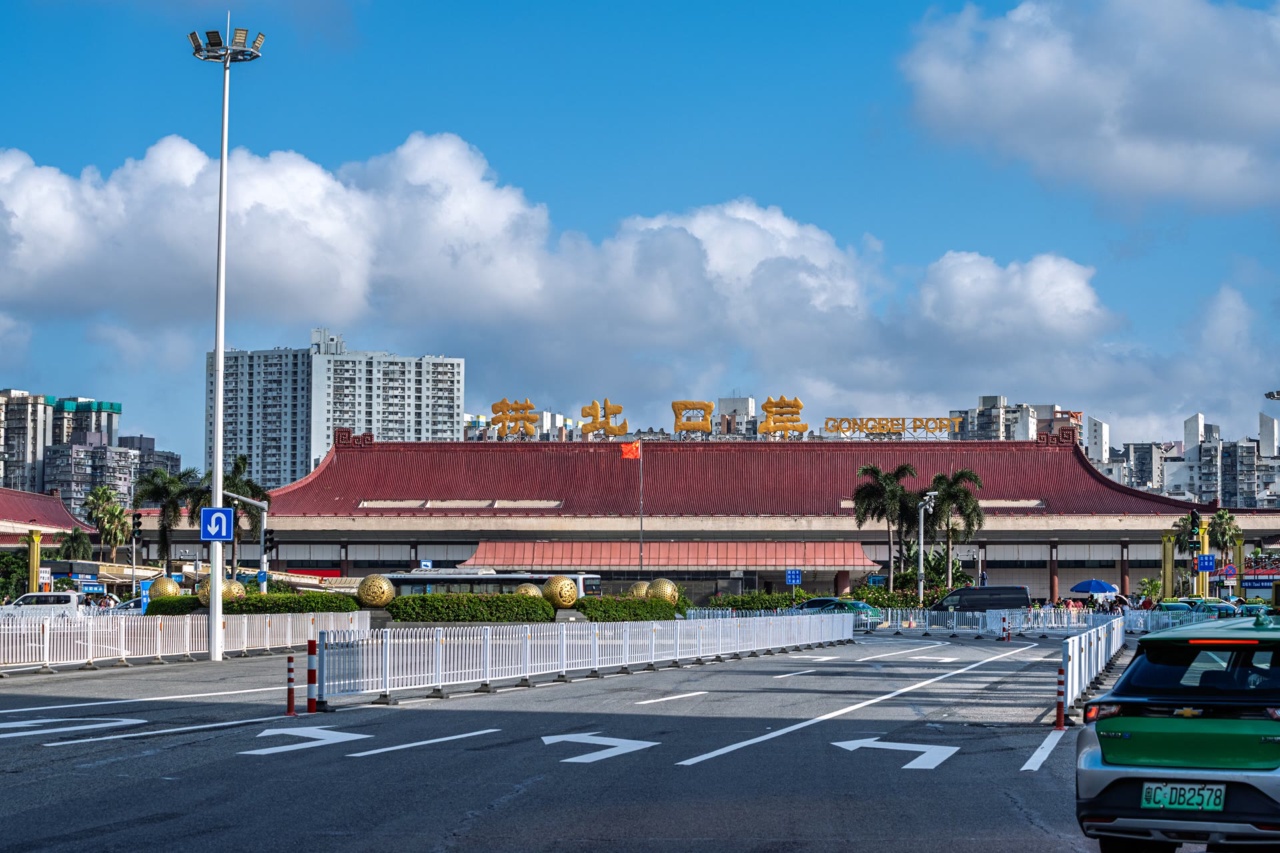
Gongbei (Xiangzhou District): This is the functional heart of the city and the busiest area due to the Gongbei Port of Entry to Macau. It is the best place for first-time visitors who want high-density shopping, endless dining options, and proximity to the high-speed railway station. It is loud, chaotic, and very convenient.
Jida: Located just north of Gongbei, Jida is the upscale business and diplomatic hub. It offers better hotels, cleaner beaches, and a more refined atmosphere. It is the best area for families and business travelers who want to be central but away from the border crowds.
Hengqin: This is a massive new development area located across a narrow channel from Macau's Cotai Strip. It is home to the Chimelong Ocean Kingdom and high-end luxury resorts. Stay here only if your primary goal is the theme parks, as it is quite far from the traditional city center.
Tangjiawan: Situated in the north, this area blends high-tech hubs with historical university campuses and ancient villages. It is the cultural soul of the city, perfect for those who want to explore Zhuhai's history and quiet coastal cafes.
Things to Do
Offers are only loaded from GetYourGuide after you click. GetYourGuide can then process your IP address and set cookies. Privacy Policy
GetYourGuide partner offers. GoAsia may earn a commission if you book through these offers. Check whether tickets or transfers are included, and follow the attraction's official booking and admission rules.
Best Time to Visit
Zhuhai has a humid subtropical climate. The weather is generally pleasant, but the summer months can be punishingly hot and prone to typhoons. The sweet spot for visiting is the late autumn and early winter when the humidity drops and the skies clear.
Month Range
Weather
Crowds
Prices
October to December
Cool, dry, sunny
Moderate
Average
January to February
Chilly, overcast
Very High (CNY)
Peak
March to May
Warm, humid, rainy
Moderate
Average
June to September
Hot, typhoons, humid
High (Summer holidays)
High
Avoid the first week of October (Golden Week) and the Chinese New Year period. During these times, the border crossings to Macau become very crowded and hotel prices in Gongbei and Hengqin rise.
Arriving: Zhuhai Jinwan Airport (ZUH) serves domestic routes across China. For international arrivals, many travelers fly into Hong Kong (HKG) and take a coach over the Hong Kong-Zhuhai-Macao Bridge; coaches to the Zhuhai Port leave from the Mainland Coaches centre in Terminal 2, with service hours of 06:30 to 22:30.[1] Alternatively, fly into Macau (MFM) and walk across the border at Gongbei, which is open daily from 06:00 to 01:00.[2] High-speed trains connect Guangzhou South with Zhuhai in about 52 minutes to just over an hour.[3]
Public Transport: The bus network is extensive and cheap. You can pay using Alipay or WeChat Pay transport codes. There is a tram line in the north, but it is limited in scope. For most tourists, the bus is the primary mode of transport alongside taxis.
Ride-Hailing and Taxis: Didi (the Chinese equivalent of Uber) is the most efficient way to get around. It is affordable. Standard taxis are also plentiful; ensure the meter is running. Most drivers do not speak English, so have your destination written in Chinese characters.
Walkability: The Lover's Road (Qinglv Lu) is highly walkable and spans nearly the entire coastline. However, the city is too large to explore entirely on foot. Renting a shared bicycle via Meituan or HelloBike is a great way to cover the coastal paths.
Top Sights and Experiences
Must-See Attractions
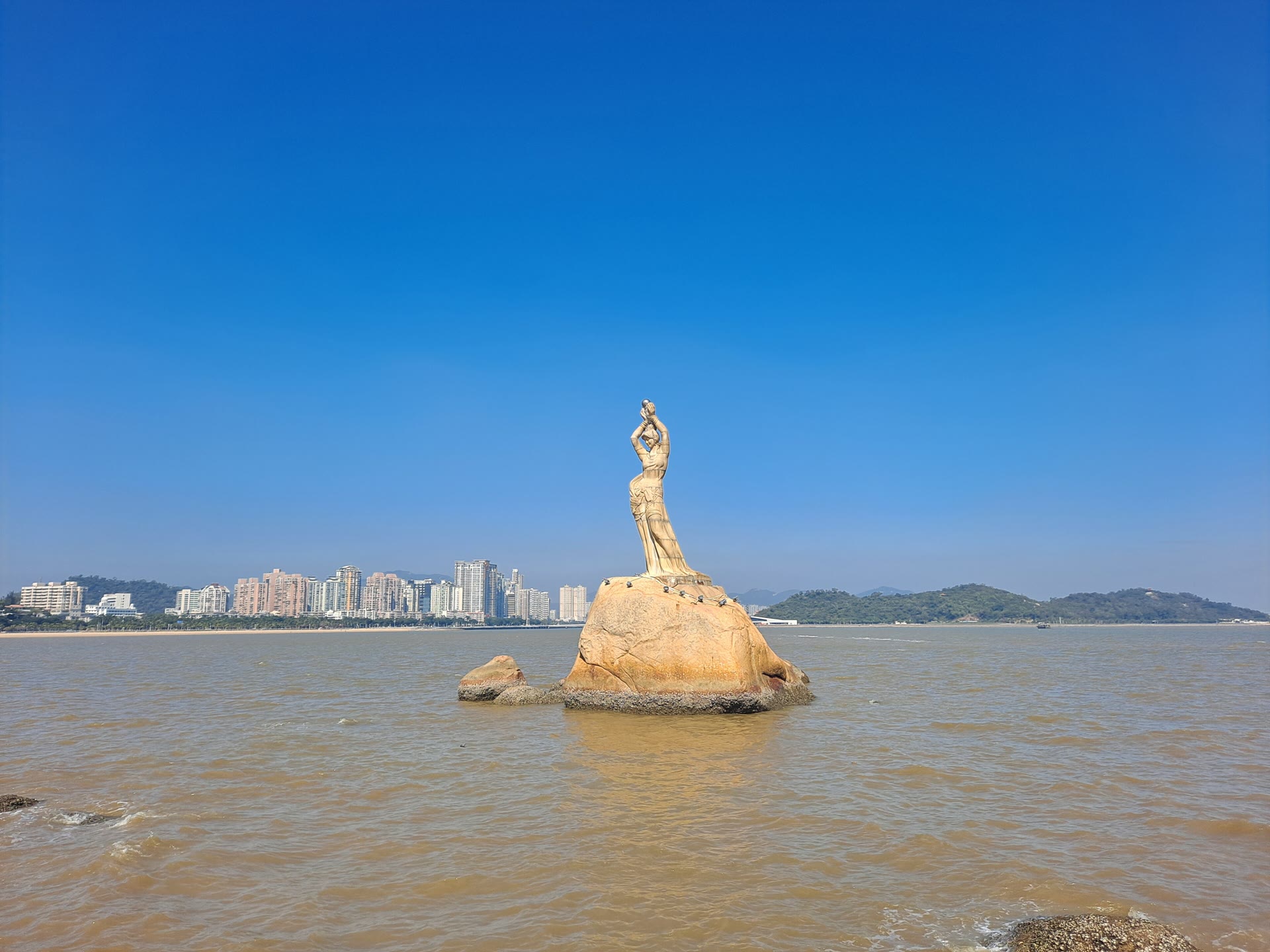
Fisher Girl Statue: Located in Xiangzhou, this is the city's iconic landmark. While it is just a statue in the sea, the surrounding park and coastal walk offer the quintessential Zhuhai photo opportunity. Visit at sunset for the best light.
Hong Kong-Zhuhai-Macau Bridge: The bridge is a feat of engineering. Even if you aren't traveling to Hong Kong, you can take a dedicated sightseeing boat from the Jiuzhou Port to see the bridge up close.
Chimelong Ocean Kingdom: Located on Hengqin Island, this is one of the world's largest marine theme parks. It features massive whale shark tanks and impressive polar exhibits. Plan for a full day here.
New Yuan Ming Palace: A partial 1:1 scale recreation of the Old Summer Palace in Beijing. While it is a modern build, the classical architecture and evening performances provide a great backdrop for cultural photography.
Lesser-Known Gems
Beishan Village: A repurposed historical village in the middle of the city. Ancient ancestral halls now house chic coffee shops, craft beer bars, and bookstores. It is the best place to experience Zhuhai's creative side.
Wailingding Island: Reached by ferry from Jiuzhou Port. It offers clear water, hiking trails, and some of the best sun-dried seafood in the region. It feels worlds away from the mainland skyscrapers.
Tangjiawan Ancient Village: Walk through narrow stone alleys to find the former residences of historical figures and surprisingly well-preserved Lingnan architecture.
Overrated Spots
Gongbei Underground Market: While famous for cheap goods and knock-offs, it is often cramped, stressful, and many products are of low quality. Shop here for the experience, but don't expect high-end finds.
Jida Beach (City Beach): It is often crowded and the water quality isn't ideal for swimming. For a better beach experience, take a ferry to the outer islands.
Food and Drink
Zhuhai's culinary scene is dominated by Cantonese seafood. Because of its location, the seafood is very fresh. The local style is to keep flavors light to emphasize the quality of the ingredients.
Dish
Description
Where to Try
Hengqin Oysters
Large, succulent oysters grown locally.
Hengqin seafood street
Doumen Mud Crab
Highly prized for its sweet meat and roe.
Wanzai Seafood Street
Dim Sum
Traditional Cantonese morning tea.
Cantonese restaurants in Gongbei
Salt and Pepper Shrimp
Crispy, deep-fried fresh shrimp.
Any seafood stall
Wanzai Seafood Street is a must-visit. You buy live seafood from the wet market vendors on one side of the street and take it to the restaurants on the other side to be cooked to your preference. Expect to pay a small processing fee per dish.
For nightlife, the Huafa Kwun Tong area and Beishan offer the best craft bars and lounges. Zhuhai is not a high-intensity clubbing city; it favors outdoor seating and relaxed social drinking.
Where to Stay
Accommodation in Zhuhai is spread along the coast; choose the district that matches your plans.
Budget: Look for business hotels or boutique guesthouses in the Gongbei backstreets or near Jinan University. These are clean, functional, and very central.
Mid-Range: The Jida coastline has many international brands and local 4-star hotels with sea views. These offer the best balance of comfort and location.
Upscale: For luxury, head to Hengqin for theme-park resorts or look at the hotels near the bridge for views of the Macau skyline.
Practical Tips
Payment: Cash is rarely used. Download Alipay or WeChat Pay and link your international card before arrival. Even small fruit stalls expect mobile payment.
Internet: A VPN is necessary to access Google, Instagram, and Facebook. Alternatively, use a roaming SIM or an eSIM.
Language: Mandarin is the primary language, though Cantonese is widely spoken by locals. English is limited to high-end hotel staff. Use a translation app like Baidu Translate.
Safety: Standard precautions against pickpockets in crowded areas like Gongbei Port are sufficient.
Tipping: There is no tipping culture in Zhuhai. It is not expected in taxis or restaurants.
Transport Details: You can find more specific transport schedules and booking links for ferries and buses on GoAsia.cc.
Day Trips
Macau: Literally a walk away. Cross at the Gongbei border, which is open daily from 06:00 to 01:00.[2] Ensure you have a multiple-entry visa or another way to re-enter China if you plan to return to Zhuhai.
Dongao Island: Accessible by ferry. It is known for its "Diamond Beach" and more upscale resort feel compared to other islands. Great for a quiet overnight stay.
Kaiping Diaolou: A trip by road from Zhuhai. These multi-storeyed fortified village houses are a UNESCO World Heritage Site and blend Chinese and Western architectural styles.[4]
Guangzhou: Take the high-speed rail from Zhuhai Station. The trip to Guangzhou South takes about 52 minutes to just over an hour,[3] and puts you in the provincial capital for shopping and the Canton Tower.
Sample 3-Day Itinerary
Day 1: Coastal Icons and Seafood
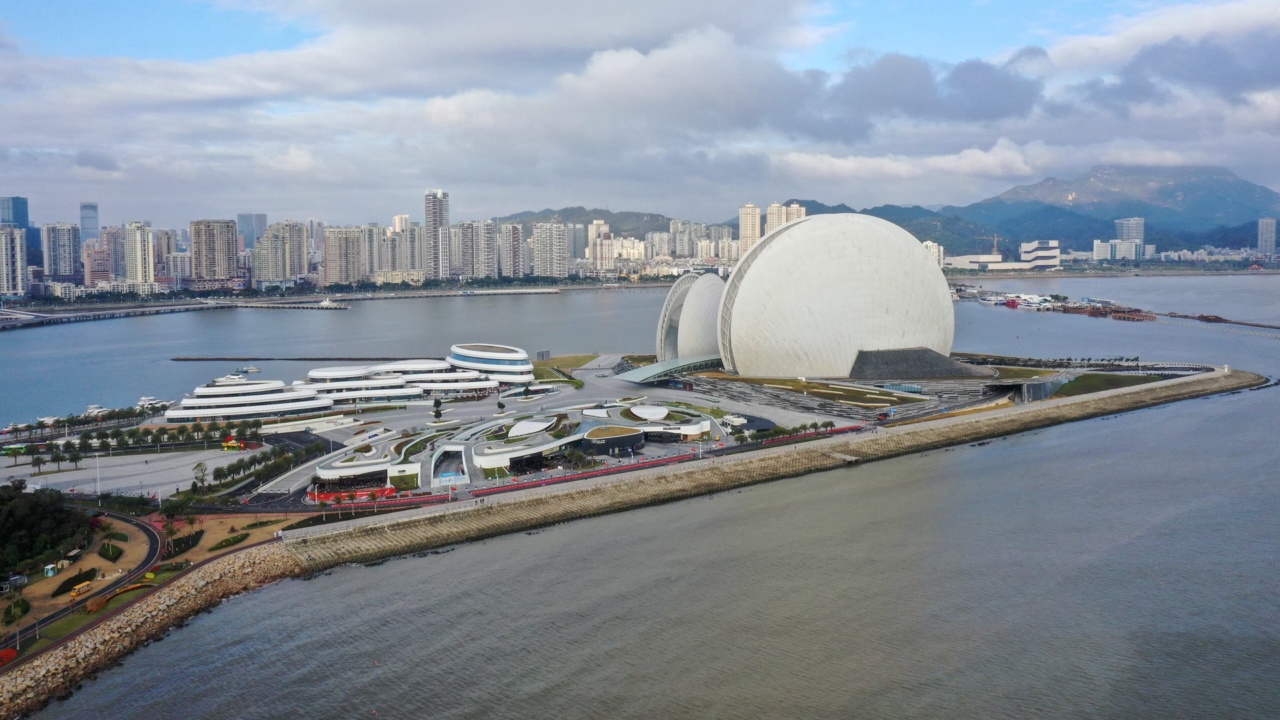
Start your morning with traditional Dim Sum in Gongbei. Walk or cycle along Lover's Road toward the Fisher Girl Statue. In the afternoon, visit the Zhuhai Opera House, uniquely shaped like two scallops on an island. Finish the day at Wanzai Seafood Street for a customized dinner feast.
Spend the morning exploring Beishan Village, visiting the Yang Ancestral Hall and grabbing coffee in a renovated courtyard. In the afternoon, head to New Yuan Ming Palace for a walk through the gardens. In the evening, take a Bridge Sightseeing Cruise to see the HKZM Bridge illuminated at night.
Day 3: Island Escape or Theme Park
Option A: Take an early ferry to Wailingding Island. Hike to the island's peak for views of the surrounding archipelago and enjoy fresh seafood for lunch before returning. Option B: Head to Chimelong Ocean Kingdom for a full day of world-class aquarium exhibits and rides, staying for the evening fireworks show.
Frequently Asked Questions
Is Zhuhai worth visiting?
Yes, Zhuhai is worth visiting for its relaxed coastal atmosphere, excellent Cantonese seafood, and the unique experience of exploring its many offshore islands. It provides a much calmer and greener alternative to the more industrial cities in the Pearl River Delta.
How many days do you need in Zhuhai?
2 to 3 days is sufficient to see the main city sights, enjoy the seafood, and visit one of the major islands or theme parks. If you plan to use it as a base for exploring Macau or the Kaiping Diaolou, extend your stay to 5 days.
Is Zhuhai safe for tourists?
Zhuhai is generally considered a safe city for visitors. The most common issues are pickpockets and bargain-hunting scams around the underground markets near the Macau border.
Can you walk from Zhuhai to Macau?
Yes, you can walk across the border at the Gongbei Port of Entry, which is open daily from 06:00 to 01:00, after clearing both Chinese and Macau immigration. Hengqin has its own crossing to Macau.
Do I need a visa to visit Zhuhai?
Eligible travellers can use China’s 240-hour visa-free transit policy for a stay of up to 10 days within the permitted areas. This requires an ordinary passport from an eligible country, entry through a designated port, and an onward ticket with a confirmed seat and departure date to a third country or region. It is not a general visa exemption for every traveller or itinerary. Check the current nationality list, ports and permitted areas with the before booking.
Is English widely spoken in Zhuhai?
English is not widely spoken outside of international hotel chains and major tourist attractions like Chimelong. It is highly recommended to have translation apps and your hotel address written in Chinese characters.
What is the best neighborhood to stay in Zhuhai?
Jida is the best neighborhood for a mix of comfort and views, while Gongbei is best for those who want to be near the train station and the Macau border. Hengqin is ideal specifically for families visiting the theme parks.
Can you drink tap water in Zhuhai?
No, you should not drink the tap water in Zhuhai. Boiled water is usually provided in hotels, and bottled water is very cheap and readily available at every convenience store.
Sources and background
Numbers in the text such as [1] refer to these sources.