
Guangzhou
Guangzhou is a massive commercial powerhouse where ancient Lingnan culture meets a futuristic skyline along the Pearl River. Known as the culinary capital of China, it offers a sophisticated mix of traditional dim sum houses, colonial history on Shamian Island, and cutting-edge architecture.
Last updated: October 15, 2026
When to go
Climate and best time for GuangzhouBest months: October to March
- January: Great. 18 °C by day, 10 °C at night, 45 mm of rain
- February: Great. 19 °C by day, 12 °C at night, 52 mm of rain
- March: Great. 22 °C by day, 15 °C at night, 86 mm of rain
- April: Good (a lot of rain). 26 °C by day, 19 °C at night, 157 mm of rain
- May: Good (a lot of rain). 30 °C by day, 23 °C at night, 214 mm of rain
- June: Poor (a lot of rain and typhoon risk). 32 °C by day, 25 °C at night, 291 mm of rain
- July: Mixed (a lot of rain and typhoon risk). 33 °C by day, 25 °C at night, 217 mm of rain
- August: Mixed (a lot of rain and typhoon risk). 33 °C by day, 25 °C at night, 213 mm of rain
- September: Mixed (a lot of rain and typhoon risk). 32 °C by day, 24 °C at night, 132 mm of rain
- October: Great. 29 °C by day, 21 °C at night, 56 mm of rain
- November: Great. 25 °C by day, 16 °C at night, 37 mm of rain
- December: Great. 20 °C by day, 12 °C at night, 39 mm of rain
- Great
- Good
- Mixed
- Poor
Contents
- 1. Orientation and Neighborhoods
- 2. Best Time to Visit
- 3. Getting There and Getting Around
- 4. Top Sights and Experiences
- 4.1 Must-See Attractions
- 4.2 Lesser-Known Gems
- 4.3 Overrated Spots
- 5. Food and Drink
- 6. Where to Stay
- 7. Practical Tips
- 8. Day Trips
- 9. Sample 3-Day Itinerary
- 9.1 Day 1: Old Canton and Colonial Charm
- 9.2 Day 2: Modern Marvels and Museums
- 9.3 Day 3: Parks and Pedestrian Streets
- 10. Budget Overview
- 11. Frequently Asked Questions
Guangzhou is a city defined by its dual identity as a 2,000-year-old port and a relentless engine of modern global trade. Formerly known as Canton, it serves as the gateway to the Pearl River Delta, a region that has shaped the flavor of Chinese diaspora communities worldwide. Visitors here find a city that feels more lived-in and grounded than Beijing or Shanghai, where the humid subtropical air is filled with the scent of steaming jasmine tea and frying ginger.
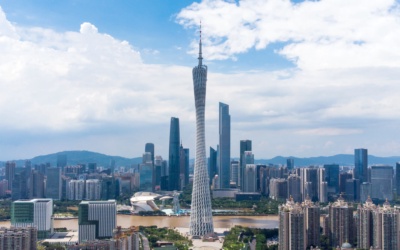
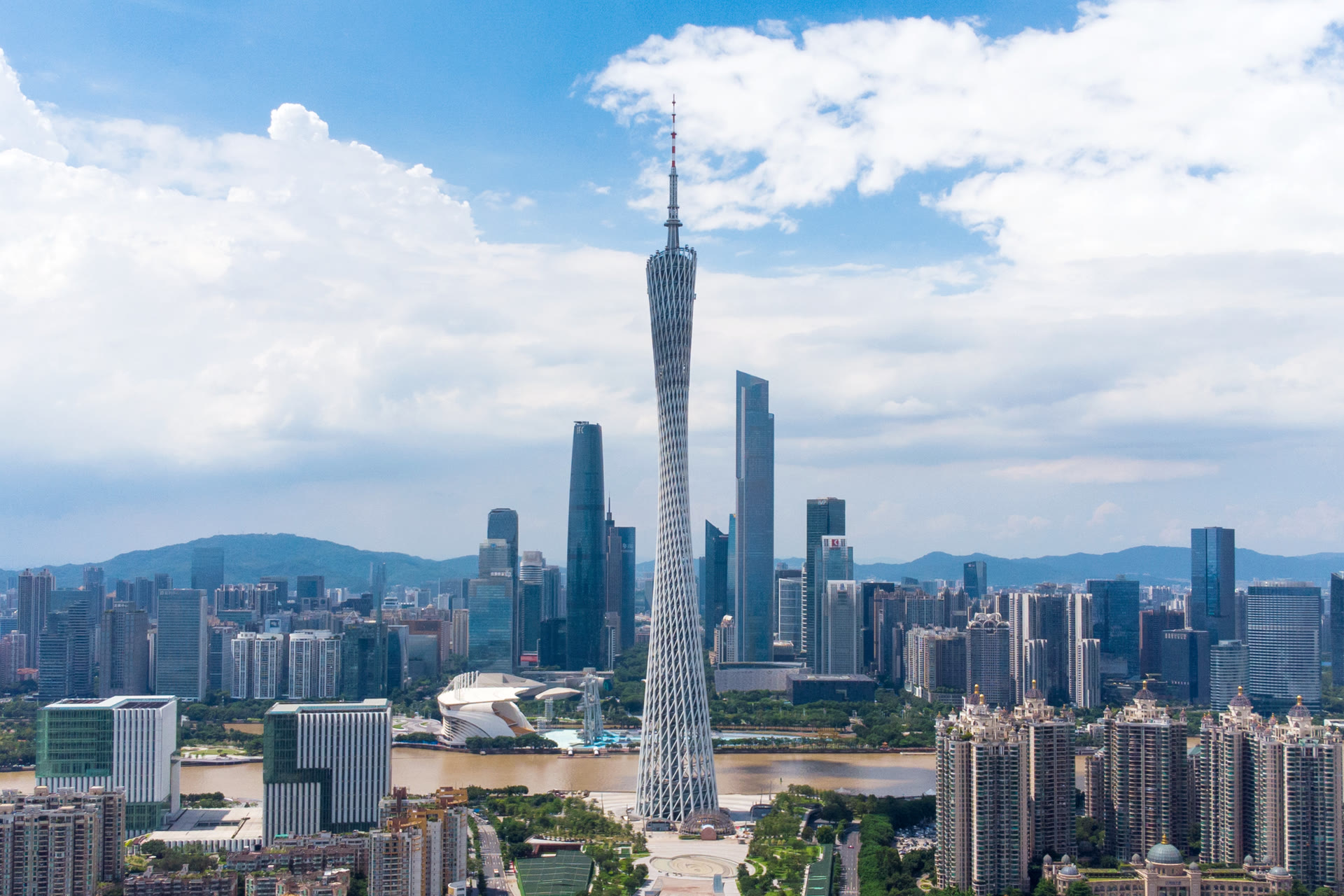
The city is a paradise for those who travel to eat. In Guangzhou, the concept of 'Yum Cha' (drinking tea) is a sacred morning ritual involving hundreds of varieties of small plates. Beyond the dining table, the city reveals a complex history of foreign concession architecture, sprawling wholesale markets that supply the world, and a skyline dominated by the glowing, twisted lattice of the Canton Tower.
While it is a business hub, Guangzhou offers immense value for leisure travelers seeking authentic Cantonese culture without the polished artifice of more tourist-heavy cities. It is a place of banyan-shaded alleys, intricate ancestral temples, and a pace of life that, despite the glass skyscrapers, remains tied to the slow enjoyment of a perfectly steamed shrimp dumpling.
Orientation and Neighborhoods
Guangzhou is sprawling, but the main points of interest are concentrated along the Pearl River and the central axis. Understanding the districts is key to navigating this metropolis effectively.
- Liwan: The old heart of the city. This is where you find traditional Xiguan-style houses, the bustling Qingping Market, and the most authentic dim sum restaurants. Stay here for culture and history.
- Yuexiu: The political and cultural center, home to the massive Yuexiu Park and the Beijing Road pedestrian street. It offers a mix of old temples and mid-range shopping.
- Zhujiang New Town (Tianhe): The modern CBD. This is where the skyscrapers, luxury hotels, and high-end malls are located. It is the best place for nightlife and views of the Canton Tower.
- Haizhu: Located south of the river, this district is home to the Canton Tower and the Pazhou Exhibition Center. It is quieter but well-connected by the APM line and metro.
- Shamian Island: A tiny sandbank island in Liwan with European colonial architecture. It is a peaceful, pedestrian-friendly pocket perfect for those who want a slower pace.
Things to Do
Offers are only loaded from GetYourGuide after you click. GetYourGuide can then process your IP address and set cookies. Privacy Policy
GetYourGuide partner offers. GoAsia may earn a commission if you book through these offers. Check whether tickets or transfers are included, and follow the attraction's official booking and admission rules.
Best Time to Visit
Guangzhou is hot and humid for much of the year. Timing your visit is crucial to avoid the oppressive summer heat and the heavy rains of the monsoon season.
| Season | Months | Weather | Crowds/Prices |
|---|---|---|---|
| Spring | March to May | Warm and humid, frequent drizzle | Moderate; high during Canton Fair (April) |
| Summer | June to August | Very hot, humid, typhoons possible | High (school holidays); lower hotel rates |
| Autumn | September to November | Clear skies, mild temperatures, dry | Peak season; high during Canton Fair (October) |
| Winter | December to February | Cool and dry, rarely freezing | Low; very busy during Lunar New Year |
The absolute best window is October to December when the humidity drops and the temperature hovers around 20-25 degrees Celsius. Avoid the Canton Fair periods (mid-April to early May and mid-October to early November) unless you are there for business, as hotel prices triple and transport is packed.
Getting There and Getting Around
Guangzhou Baiyun International Airport (CAN) is a major global hub. To reach the city center, take Metro Line 3 (roughly 45-60 minutes, around $1) or an airport express bus (around $4). Taxis to Zhujiang New Town cost approximately $25 including tolls.
The Guangzhou Metro is world-class, clean, and has English signage. Fares start at less than $0.50. For short distances in the CBD, the automated APM line is convenient. Ride-hailing via the DiDi app (which has an English version and accepts international credit cards) is highly recommended over traditional taxis. Most trips within the city center cost between $3 and $8. The city is very large, so while neighborhoods like Liwan are walkable, you will need the metro to jump between districts. You can find more specific transport connections to other Pearl River Delta cities on GoAsia.cc.
Top Sights and Experiences
Must-See Attractions
Canton Tower: Once the tallest tower in the world, this 'slim waist' structure offers incredible views. Visit at sunset to see the city lights flicker on. The 450-meter outdoor observation deck is the highlight. Budget roughly $25 for entry.
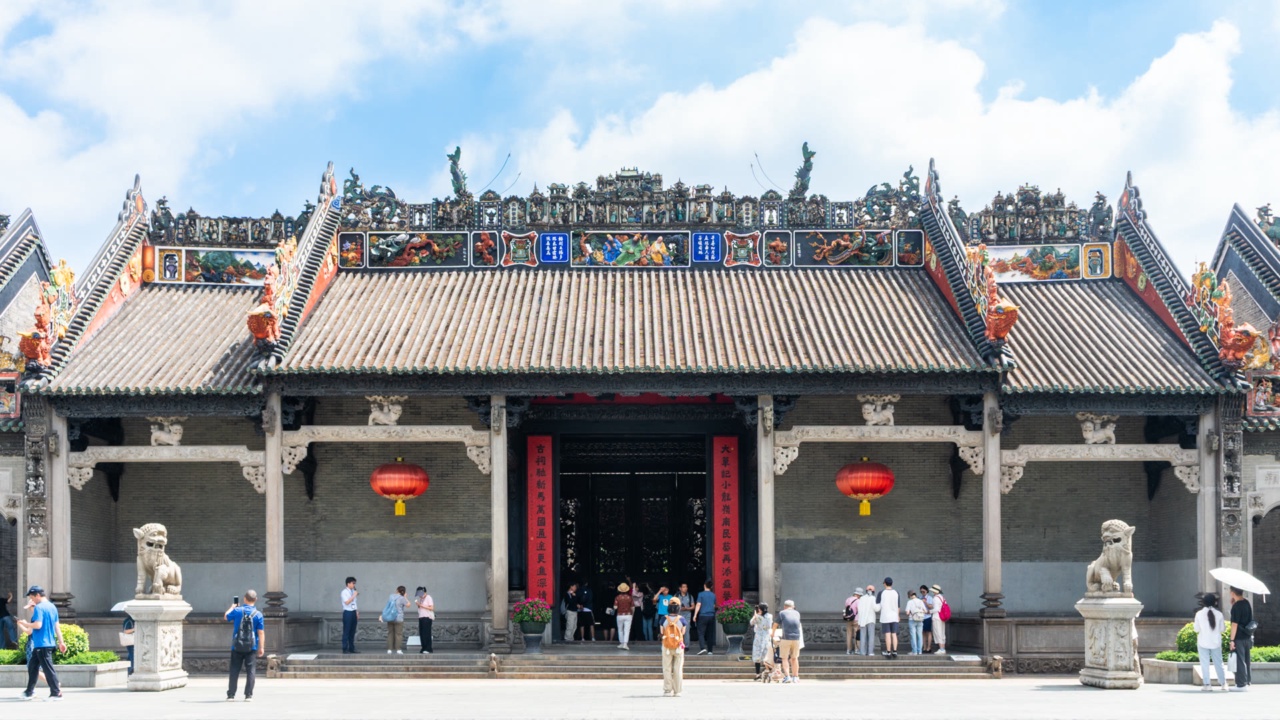
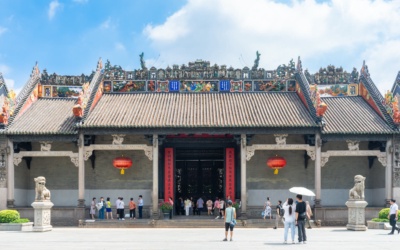
Chen Clan Ancestral Hall: A masterpiece of Lingnan architecture featuring incredibly detailed wood, brick, and stone carvings. It now houses the Guangdong Folk Arts Museum. Spend at least 90 minutes here to appreciate the craftsmanship.
Shamian Island: This former British and French concession feels like a slice of Europe in China. The tree-lined avenues and restored mansions provide a stark contrast to the surrounding skyscrapers. It is free to enter and best enjoyed in the late afternoon.
Lesser-Known Gems
Guangdong Museum: Located in Zhujiang New Town, this 'treasure box' building offers deep dives into Cantonese history and art. Entry is free but requires a passport for registration. The tea set and lacquerware collections are exceptional.
Enning Road: A revitalized area in Liwan that preserves the traditional 'Tong Lau' (tenement) architecture while hosting modern boutiques and coffee shops. It is less commercial than Beijing Road.
Overrated Spots
Beijing Road Pedestrian Street: While historically significant, it is now dominated by generic global brands and loud speakers. For a more authentic shopping experience, head to the wholesale markets or the smaller streets of Liwan.
The Pearl River Night Cruise: Unless you have a private boat, these are often overcrowded and noisy with pre-recorded commentary. You can get the same views for free by walking the wooden boardwalks along the Haizhu side of the river.
Food and Drink
In Guangzhou, eating is the primary activity. Cantonese cuisine focuses on the freshness of ingredients and subtle flavors. Dim sum is traditionally a breakfast or lunch affair, while dinner focuses on roasted meats and seafood.
| Dish | Description | Where to Try | Typical Price |
|---|---|---|---|
| Har Gow | Translucent shrimp dumplings | Panxi Restaurant | $4 - $6 per basket |
| Siu Mei | Roasted meats (Goose/Pork) | Bing Sheng | $10 - $20 per plate |
| Double-Skin Milk | A silky, sweet milk custard | Nanxin Milk Desserts | $2 - $3 |
| Wonton Noodles | Thin egg noodles with shrimp wontons | Baohua Mian Dian | $3 - $5 |
Street food is best explored in the Liwan district, particularly around Shangxiajiu. For a high-end experience, the restaurants in the Four Seasons or Ritz-Carlton offer Michelin-starred Cantonese dining with views to match. Expect to pay $15-$30 for a mid-range meal for two.
Where to Stay
Budget ($20 - $40): Look for local chains like 7 Days Inn or boutique hostels in the Liwan and Yuexiu districts. These areas offer the most 'local' feel and easy access to cheap eats.
Mid-Range ($50 - $100): The area around the Garden Hotel (Taojin Metro) is excellent. It is an established expat hub with plenty of international dining and solid 4-star options.
Upscale ($150+): Zhujiang New Town is the place for luxury. The Park Hyatt, Four Seasons, and Rosewood Guangzhou (the world's highest hotel) offer unparalleled luxury and views of the CBD.
Practical Tips
- Payment: Cash is rarely used. Download Alipay or WeChat Pay and bind your international Visa/Mastercard. This is essential for everything from vending machines to street food.
- Internet: A VPN is required to access Google, Facebook, and Instagram. Alternatively, buy an international roaming SIM or an eSIM (like Airalo) before you arrive to bypass the firewall.
- Language: English is spoken in high-end hotels and by younger residents in the CBD, but very little in local markets or taxis. Have your destination written in Chinese characters or use a translation app.
- Safety: Guangzhou is extremely safe. Petty theft is rare but keep an eye on your phone in crowded markets.
- Tipping: Tipping is not expected and can sometimes be seen as confusing or offensive in local eateries.
Day Trips
Foshan: Just 45 minutes away via the intercity metro. Visit the Ancestral Temple to see world-class lion dancing and martial arts demonstrations. It is the birthplace of Ip Man and Bruce Lee's lineage.
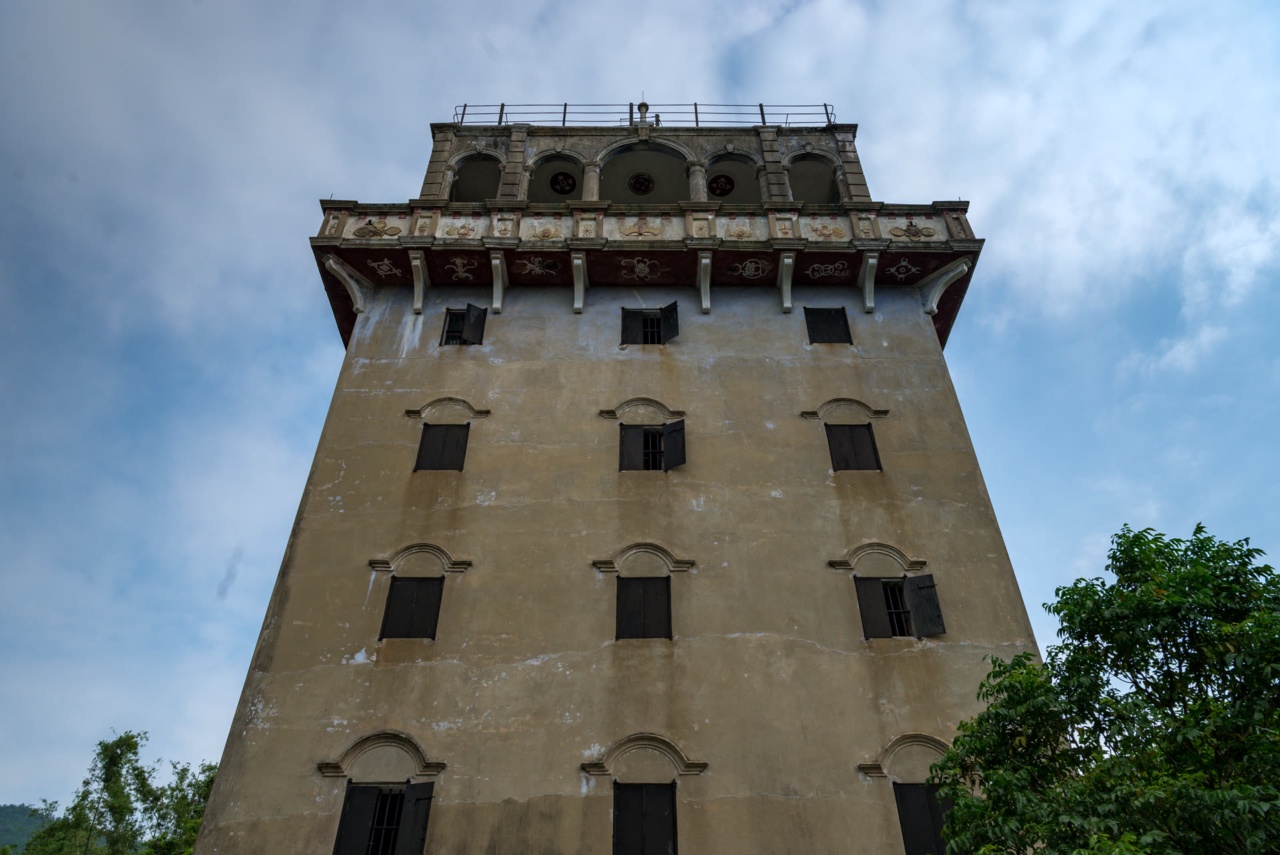
Kaiping Diaolou: Roughly 2 hours by bus or high-speed rail. These are fortified multi-story village houses that blend Western and Chinese architectural styles. It is a UNESCO site and feels worlds away from the city.
Lotus Hill (Lianhuashan): Located in Panyu, about an hour away. It features ancient stone quarries and a massive gold-plated statue of Guanyin. It is a scenic escape from the urban density.
Sample 3-Day Itinerary
Day 1: Old Canton and Colonial Charm
Start your morning with traditional dim sum at Panxi Restaurant in Liwan. Walk through Liwan Lake Park and explore the Chen Clan Ancestral Hall. In the afternoon, head to Shamian Island for a stroll through the colonial history. Finish the evening with a walk along the Pearl River in the Liwan district, eating street food as you go.
Day 2: Modern Marvels and Museums
Head to Zhujiang New Town. Visit the Guangdong Museum in the morning (book ahead). Walk through Flower City Square to admire the Opera House and the Library. In the late afternoon, ascend the Canton Tower for sunset views. End the night with dinner and drinks in the Liede area, known for its vibrant bar scene.
Day 3: Parks and Pedestrian Streets
Spend the morning in Yuexiu Park, home to the Five Rams Statue and the Zhenhai Tower. Afterward, head to the Museum of the Mausoleum of the Nanyue King to see 2,000-year-old royal artifacts. Spend your final afternoon shopping for souvenirs on Beijing Road or exploring the specialized wholesale markets for tea or electronics.
Budget Overview
| Category | Budget | Mid-Range | Comfort |
|---|---|---|---|
| Accommodation | $30 | $75 | $180 |
| Food | $15 | $35 | $80 |
| Transport | $3 | $10 | $25 |
| Activities | $5 | $20 | $40 |
| Daily Total | $53 | $140 | $325 |
Frequently Asked Questions
Is Guangzhou worth visiting?
Yes, especially for food lovers and those interested in the intersection of traditional Chinese culture and modern commerce. It offers a more authentic, less-touristy experience than Shanghai while serving as the world's capital for Cantonese cuisine.
How many days do you need in Guangzhou?
Three days is sufficient to see the major historical sites, explore the modern CBD, and enjoy several dim sum feasts. If you plan to visit nearby Foshan or the Kaiping towers, add an extra two days.
Is Guangzhou safe for tourists?
Guangzhou is remarkably safe for international travelers. Violent crime is extremely rare, and even petty theft has decreased significantly with the rise of a cashless society and widespread security cameras.
Can you drink tap water in Guangzhou?
No, you should not drink tap water in Guangzhou. Boiled water provided in hotels is safe, but most travelers stick to bottled water which is very cheap and available at every street corner.
Do I need a visa to visit Guangzhou?
Eligible travellers can use China’s 240-hour visa-free transit policy for a stay of up to 10 days within the permitted areas. This requires an ordinary passport from an eligible country, entry through a designated port, and an onward ticket with a confirmed seat and departure date to a third country or region. It is not a general visa exemption for every traveller or itinerary. Check the current nationality list, ports and permitted areas with the National Immigration Administration before booking. National Immigration Administration
Is English widely spoken in Guangzhou?
English is common in luxury hotels and the Zhujiang New Town business district. However, in local markets and taxis, it is minimal. Using translation apps and having addresses in Chinese is necessary.
What is the best neighborhood to stay in Guangzhou?
For first-time visitors, Zhujiang New Town is best for luxury and convenience, while Liwan is better for those who want to be close to traditional food and historical architecture.
What should I avoid in Guangzhou?
Avoid visiting during the Canton Fair (April and October) when hotel prices skyrocket. Also, be wary of 'tea ceremonies' where strangers invite you to a private room, as these can result in exorbitant bills.
Routes
🗺️ Getting Around Guangzhou - Local Transport Guide
→ Routes from Guangzhou (12)