
Contents
- 1. Getting Around Guangzhou by Metro
- 2. Getting Around Guangzhou by Didi (Ride-Hailing)
- 3. Getting Around Guangzhou by Taxi
- 4. Getting Around Guangzhou by Bus
- 5. Getting Around Guangzhou by Ferry
- 6. Getting Around Guangzhou by Bike and on Foot
- 7. Comparing Your Options
- 8. Practical Tips for Getting Around Guangzhou
- 9. Popular Routes and Destinations
- 10. Frequently Asked Questions
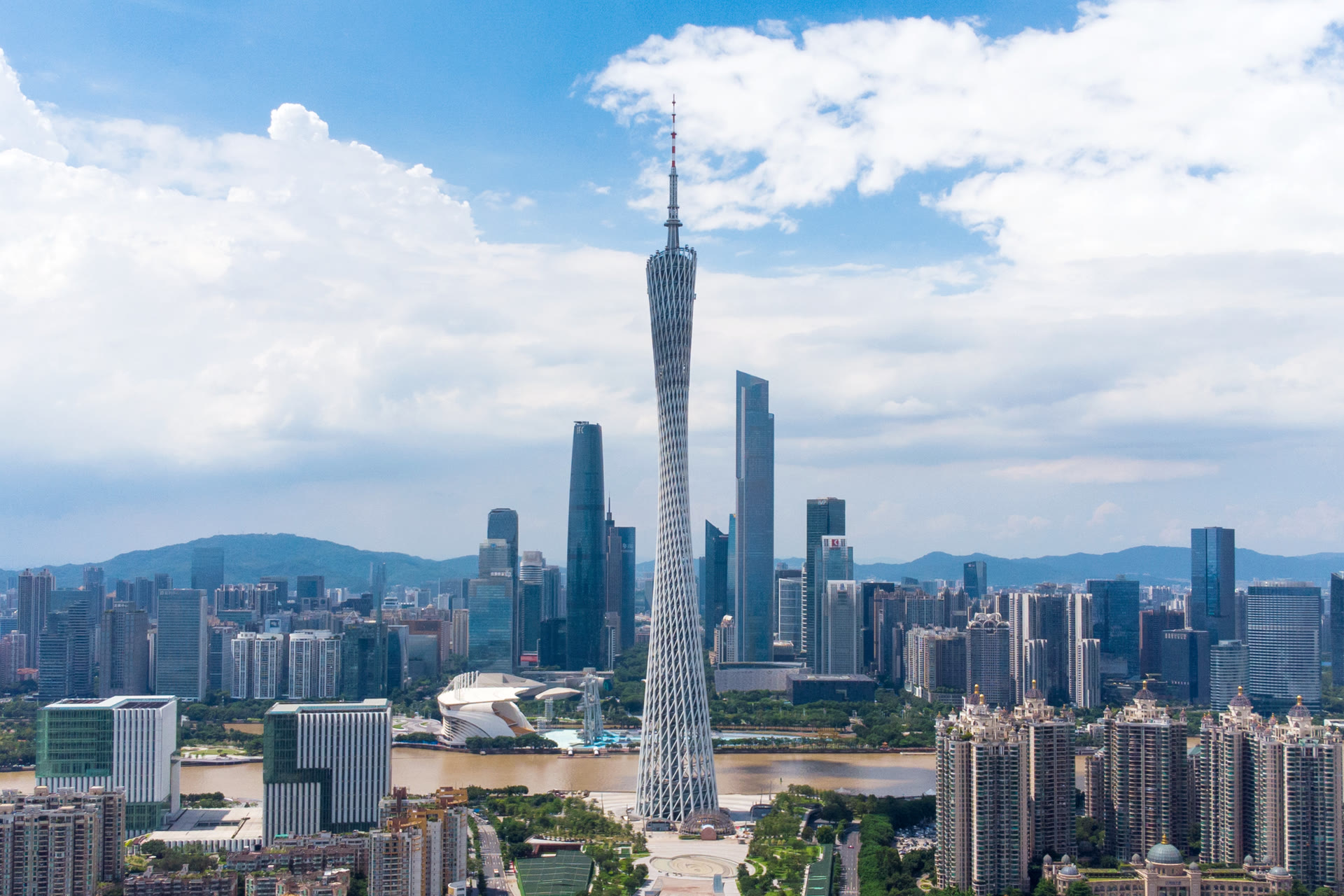
Guangzhou is a city that rewards anyone who learns its rhythm. By day, the riverside Pearl River corridor hums with commuters pouring out of glittering metro stations, while old Liwan neighborhoods still echo with the bells of the occasional cyclist threading between dim sum teahouses. This is one of China's largest and most fluid cities, a place where ancient trading lanes sit beneath the shadow of the Canton Tower, and where moving from one district to the next can mean covering serious distance.
The good news for visitors is that Guangzhou runs on one of the best metro systems in the world. It is fast, cheap, air conditioned and signposted in English, and for most travelers it will be the backbone of getting around. Above ground, the city sprawls in a way that makes walking impractical for long distances, but ride-hailing through Didi is so cheap and so widely used that taxis have become almost an afterthought for locals.
What surprises many first-time visitors is how smooth the whole experience can be once you set up mobile payment. Cash is fading fast here, and almost everything from a metro ticket to a riverside ferry can be paid for with a quick scan of a QR code. Understanding that single shift unlocks the entire city.
Getting Around Guangzhou by Metro
The Guangzhou Metro is the single most useful tool a traveler can have. With well over a dozen lines stretching deep into the suburbs and out to neighboring cities, it connects almost every place worth visiting, from Sun Yat-sen Memorial Hall and the old town of Liwan to the modern towers of Zhujiang New Town and the Canton Tower across the river.
Trains are frequent, usually arriving every two to five minutes during the day, and they run roughly from 6am until around 11pm to 11:30pm depending on the line. Stations are clean, signage is bilingual in Chinese and English, and onboard announcements are made in both languages plus Cantonese.
Fares are distance based and remarkably cheap, typically starting around 2 RMB (under $1) for short trips and rising to roughly 14 RMB ($2) for the longest journeys across the network. You can buy a single-journey green plastic token from the touchscreen machines, which accept cash and increasingly mobile payment. Far more convenient is tapping in with a Yang Cheng Tong transit card or, for most foreign travelers, using a metro QR code through Alipay or WeChat Pay.
Rush hours, roughly 8am to 9:30am and 5:30pm to 7:30pm, get genuinely crowded, especially on lines crossing the river and around interchange stations like Gongyuanqian and Tiyu Xilu. If you can avoid traveling at these times you will have a far more pleasant ride. Watch your belongings in packed carriages and let passengers off before you board.
Getting Around Guangzhou by Didi (Ride-Hailing)
Didi Chuxing is China's dominant ride-hailing app and the easiest door-to-door option in Guangzhou. It works much like other ride-hailing services: you set your pickup and destination on a map, and the price is calculated and paid through the app, so there is no haggling and no risk of being overcharged.
Fares are very affordable by international standards. A typical cross-town ride of 20 to 30 minutes might cost roughly 25 to 50 RMB (around $4 to $7), with short hops costing just a few dollars. Prices rise during rush hour and rain, when demand surges, but they remain reasonable.
The DiDi app has an English interface, and you can link an international credit card or use Alipay and WeChat Pay to settle fares. The main hurdle for visitors is communicating your pickup point, since drivers may call to confirm. Using a clear map pin and standing somewhere identifiable solves most of this. You can compare ride-hailing against other options on GoAsia.cc when planning longer journeys.
Getting Around Guangzhou by Taxi
Metered taxis are still plentiful, usually painted in distinctive colors and easy to flag on the street. The starting fare is around 12 RMB (about $2) for the first few kilometers, with the meter ticking up modestly after that. Most cross-town journeys land somewhere between 30 and 60 RMB ($4 to $9).
Insist on the meter, which drivers almost always use without complaint. The biggest challenge is the language barrier, as many taxi drivers speak little English. Have your destination written in Chinese characters or shown on a map, and a hotel business card for the return trip. During shift changes in the late afternoon and in heavy rain, finding an empty cab can be frustrating, which is exactly when Didi proves its worth.
Getting Around Guangzhou by Bus
Guangzhou's bus network is enormous and dirt cheap, with most rides costing just 2 RMB (under $1) paid by transit card or QR code as you board. Buses reach corners of the city the metro does not, and the elevated Bus Rapid Transit (BRT) corridor along Zhongshan Avenue moves large numbers of passengers efficiently in its own dedicated lanes.
That said, buses are harder for visitors to use. Routes and stop announcements are mostly in Chinese, traffic can slow journeys to a crawl, and figuring out which bus goes where takes effort. For travelers, buses are best used with a navigation app that plots the route for you, or skipped entirely in favor of the metro and Didi. If you do ride one, prepare exact payment in advance and keep an eye on the route map displayed inside.
Getting Around Guangzhou by Ferry
The Pearl River ferries are part transport, part sightseeing. Local commuter ferries cross the river at several points for just a couple of RMB, offering a cheap and breezy alternative to bridges and tunnels. They are not the fastest way to travel, but they connect riverside districts and give you a low-cost glimpse of the waterfront.
Separate from these are the evening river cruises that glide past the illuminated Canton Tower and the city's skyline. These are tourist experiences rather than practical transport, with tickets running considerably higher, but they are a memorable way to see Guangzhou after dark.
Getting Around Guangzhou by Bike and on Foot
Shared bikes from operators like Hellobike and Meituan are scattered across the city, unlocked by scanning a QR code through their app or via Alipay. Rides cost just a couple of RMB, and bikes are ideal for short hops within a single neighborhood, especially in flatter, leafier areas like Ersha Island or around the university districts.
Guangzhou is not a walking city in the way a compact old town might be, simply because of its scale and heat. However, individual neighborhoods are very walkable and best explored on foot. The lanes of Liwan, the Shamian Island colonial quarter, the buzz of Beijing Road pedestrian street, and the parks around the Canton Tower all reward slow wandering. The subtropical climate means summers are hot and humid, so plan walking for mornings or evenings and stay hydrated.
Comparing Your Options
| Mode | Typical Cost | Duration | Best For |
|---|---|---|---|
| Metro | 2 to 14 RMB (under $1 to $2) | Fast, frequent | Crossing the city quickly and cheaply |
| Didi | 25 to 50 RMB (around $4 to $7) cross-town | 20 to 40 min in traffic | Door-to-door convenience, late nights |
| Taxi | From around 12 RMB ($2) | Varies with traffic | Flagging a ride on the street |
| Bus / BRT | Around 2 RMB (under $1) | Slow in traffic | Budget trips where metro does not reach |
| Ferry | A couple of RMB (commuter) | Short crossings | Scenic river crossings on a budget |
| Shared bike | A couple of RMB | Short hops | Exploring a single neighborhood |
| Walking | Free | Neighborhood scale | Old quarters, pedestrian streets, parks |
Practical Tips for Getting Around Guangzhou
The most important step before you arrive is setting up mobile payment. Guangzhou is overwhelmingly cashless, and both Alipay and WeChat Pay now allow foreign visitors to link international credit cards. With one of these set up, you can ride the metro, hail a Didi, rent a bike and pay for almost everything else without touching cash.
- Download these apps before your trip: DiDi for rides, Alipay or WeChat Pay for payment, and a navigation app like Amap or Baidu Maps. Google Maps does not work reliably in mainland China.
- A VPN installed before arrival keeps your usual apps working, since many western services are blocked inside China.
- Carry a small amount of cash in small notes (10 and 20 RMB) as a backup, though you will rarely need it.
- For the metro, get a Yang Cheng Tong card if you prefer not to scan a phone, or simply use the metro QR code inside Alipay.
- Avoid the metro and roads during peak commuting hours of roughly 8am to 9:30am and 5:30pm to 7:30pm if your schedule allows.
- Save your hotel address in Chinese characters, either as a screenshot or on a card, to show drivers and ask for directions.
Guangzhou is generally a safe city for travelers, including at night, but ordinary urban caution applies. Pickpocketing can happen in crowded metro carriages and busy markets, so keep valuables secure. Stick to metered taxis or Didi rather than unofficial drivers who tout at transport hubs, as these almost always overcharge. Cantonese is the local dialect, though Mandarin is widely understood, and a translation app bridges most gaps when neither English speaker nor sign in your language is available.
Popular Routes and Destinations
For the airport, Baiyun International is connected to the city center by Metro Line 3, which is reliable and inexpensive though it requires a transfer for many destinations. If you have luggage or arrive late, a Didi or taxi is far more comfortable and brings you straight to your hotel door.
Within the city, the Canton Tower and Zhujiang New Town are easily reached by metro, with stations placing you right at the base of the major sights. The old quarters of Liwan, Shamian Island and Beijing Road pedestrian street are best approached by metro to a nearby station, then explored slowly on foot. For these short final stretches between attractions, a shared bike or a brief Didi ride fills the gap nicely.
Frequently Asked Questions
Use this guide to compare local transport in Guangzhou. When bookable tickets are available, the booking tool shows current options and prices.
The metro is the best all-round option for travelers in Guangzhou. It is fast, cheap, air conditioned and signposted in English, reaching almost every major sight. For door-to-door trips or late nights, the Didi ride-hailing app is inexpensive and convenient.
Transport in Guangzhou is very affordable. Metro fares run from around 2 to 14 RMB (under $1 to $2) depending on distance, buses cost about 2 RMB, and a typical cross-town Didi ride is roughly 25 to 50 RMB (around $4 to $7). Taxis start around 12 RMB (about $2).
Yes, Guangzhou is generally safe and its public transport is reliable and well maintained, including at night. The main risk is pickpocketing in crowded metro carriages and markets, so keep your valuables secure and use only official taxis or the Didi app.
Yes, DiDi is the dominant ride-hailing app and works throughout Guangzhou with an English interface. You can link an international credit card or pay through Alipay or WeChat Pay, and fares are set in advance so there is no haggling or risk of being overcharged.
No, a card is optional. You can buy single-journey tokens from the machines, use a Yang Cheng Tong stored-value card, or simply scan a metro QR code through Alipay or WeChat Pay, which is the easiest option for most visitors.
Metro signs and announcements are bilingual in Chinese and English, so the metro is easy to navigate. For taxis and buses, where English is limited, save your destination in Chinese characters or on a map and use a translation app to bridge any gaps.
Metro Line 3 connects Baiyun International Airport to the city and is the cheapest option, though some destinations require a transfer. With luggage or for late arrivals, a Didi or metered taxi is more comfortable and takes you directly to your hotel.
Guide prices and journey times are indicative, not live quotes. A booked package may include transfers and waiting time as well as the main journey. Check the selected offer, pickup point and current conditions before booking.