
Shanghai
Shanghai is China's most futuristic metropolis where colonial-era architecture meets a skyline of neon-lit skyscrapers. It is a world-class destination for foodies, shoppers, and urban explorers seeking a high-energy blend of Eastern tradition and Western luxury.
Last updated: October 15, 2026
When to go
Climate and best time for ShanghaiBest months: March to May and October to December
- January: Good (cold). 9 °C by day, 2 °C at night, 61 mm of rain
- February: Good (cold). 10 °C by day, 4 °C at night, 56 mm of rain
- March: Great. 15 °C by day, 7 °C at night, 62 mm of rain
- April: Great. 20 °C by day, 12 °C at night, 69 mm of rain
- May: Great. 25 °C by day, 17 °C at night, 85 mm of rain
- June: Good (a lot of rain). 28 °C by day, 21 °C at night, 163 mm of rain
- July: Good (typhoon risk). 32 °C by day, 26 °C at night, 115 mm of rain
- August: Mixed (a lot of rain and typhoon risk). 32 °C by day, 26 °C at night, 156 mm of rain
- September: Good (typhoon risk). 28 °C by day, 22 °C at night, 101 mm of rain
- October: Great. 24 °C by day, 16 °C at night, 42 mm of rain
- November: Great. 18 °C by day, 11 °C at night, 59 mm of rain
- December: Great. 12 °C by day, 4 °C at night, 65 mm of rain
- Great
- Good
- Mixed
- Poor
Contents
- 1. Orientation and Neighborhoods
- 2. Best Time to Visit
- 3. Getting There and Getting Around
- 4. Top Sights and Experiences
- 4.1 The Bund and Pudong Skyline
- 4.2 The Former French Concession
- 4.3 Yu Garden and the City God Temple
- 4.4 Overrated: The Bund Sightseeing Tunnel
- 4.5 Overrated: Nanjing Road East
- 5. Food and Drink
- 6. Where to Stay
- 7. Practical Tips
- 8. Day Trips
- 9. Sample 3-Day Itinerary
- 9.1 Day 1: The Classics
- 9.2 Day 2: Culture and Lanes
- 9.3 Day 3: Art and Water
- 10. Budget Overview
- 11. Frequently Asked Questions
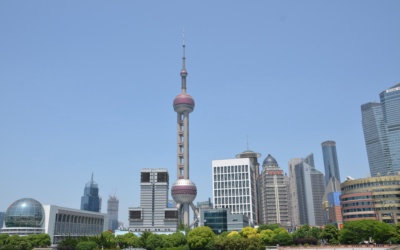
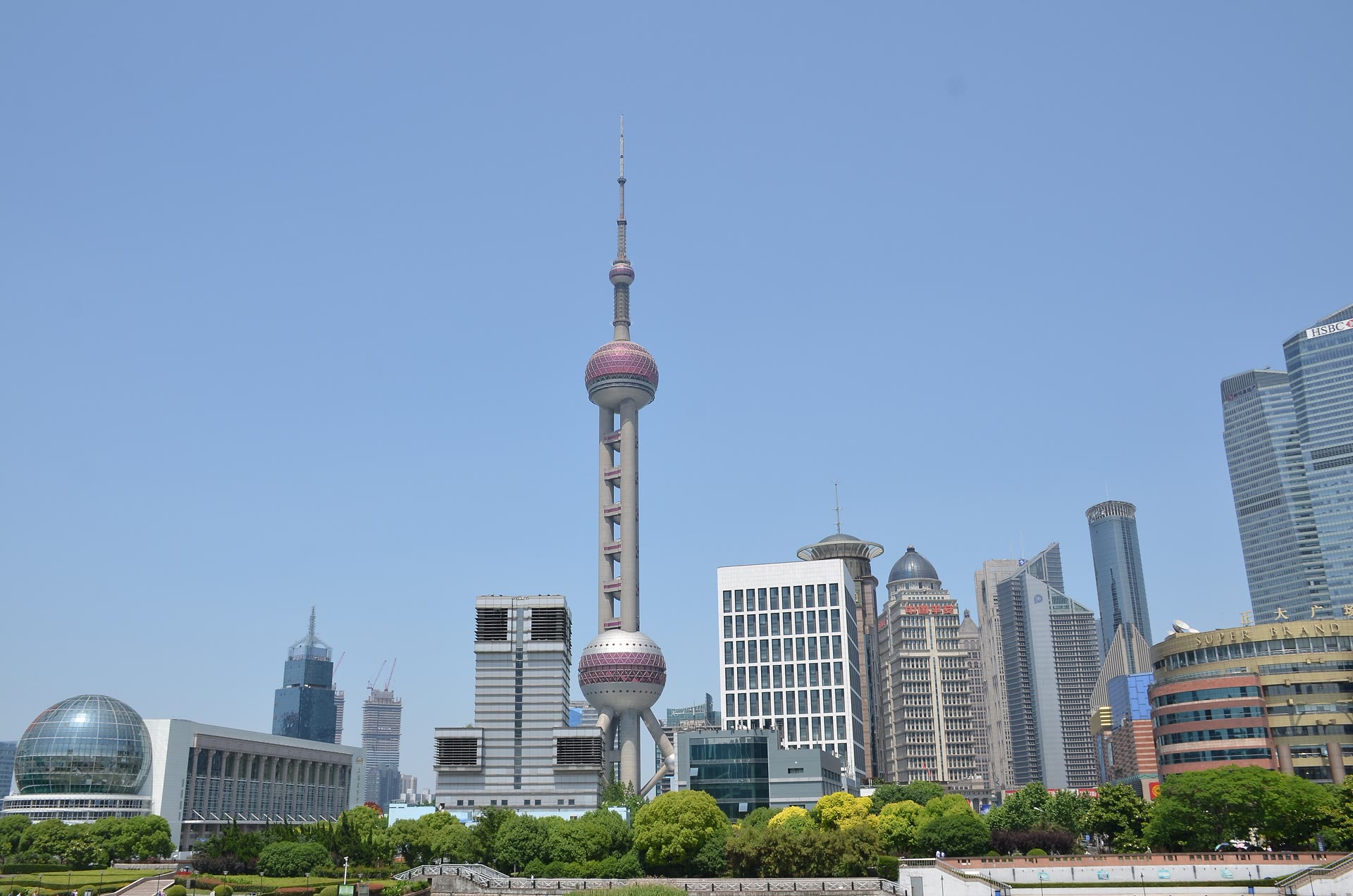
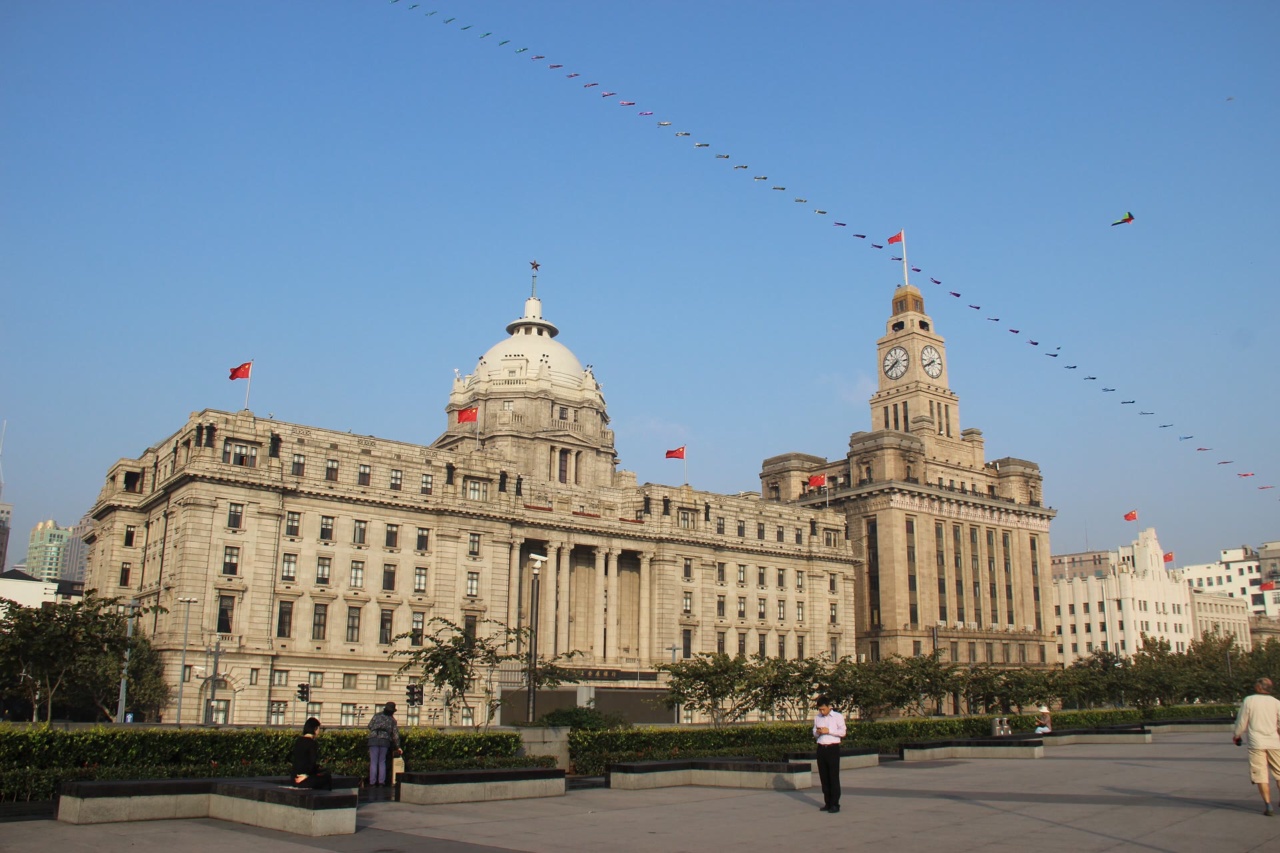
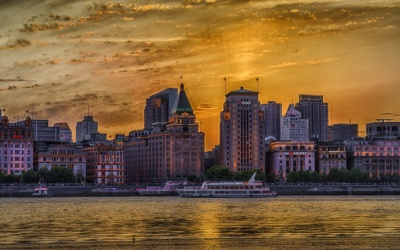
Shanghai is a city that lives in two eras simultaneously. On the western bank of the Huangpu River, the Bund showcases the grand, neoclassical stone facades of the early 20th century. Directly across the water in Pudong, the skyline erupts into a forest of glass and steel, including some of the tallest buildings on the planet. This contrast defines the city: a relentless drive toward the future rooted in a complex, cosmopolitan past.
For the traveler, Shanghai is the most accessible gateway to China. It lacks the heavy political atmosphere of Beijing, offering instead a lifestyle focused on commerce, fashion, and an incredible culinary scene. It is a city of hidden lanes (longtang) tucked behind massive shopping malls, where elderly residents hang laundry over the same streets where young professionals sip high-end pour-over coffee.
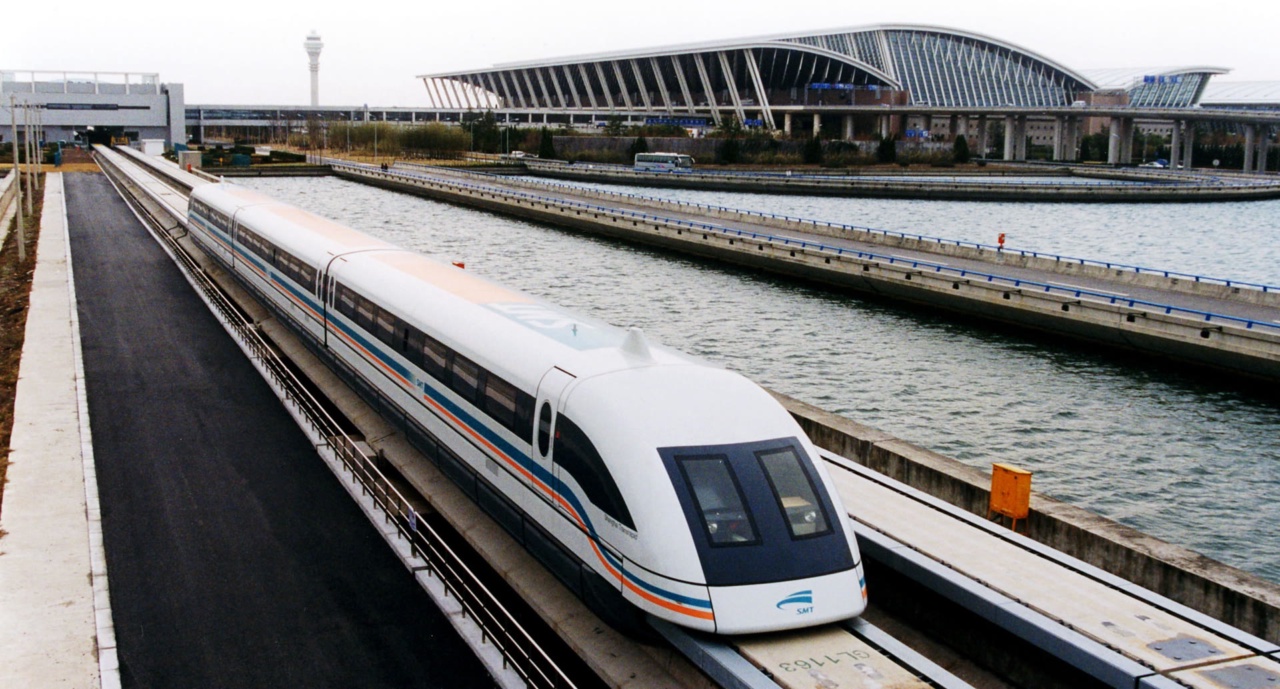
Whether you are navigating the high-speed Maglev train from the airport or getting lost in the manicured chaos of Yu Garden, Shanghai rewards those who embrace its scale. It is a city designed to impress, often overwhelming the senses with its sheer density and the pace of its development.
Orientation and Neighborhoods
Shanghai is divided by the Huangpu River into Puxi (West Bank) and Pudong (East Bank). Puxi is the historic heart, while Pudong is the modern financial hub. Understanding these districts is key to navigating the city efficiently.
- The Bund (Waitan): The iconic waterfront strip. It is best for first-time visitors who want to be near the major sights and luxury hotels, though it can be extremely crowded.
- The Former French Concession (FFC): A sprawling area of tree-lined avenues and European-style villas. This is the cultural heart of the city, perfect for those who prefer boutique cafes, leafy walks, and a slower pace. It is the best neighborhood for long-term stays or those who enjoy nightlife.
- Jing’an: A central business district that blends high-end malls with the famous Jing’an Temple. It is highly convenient for transport and offers a mix of luxury and mid-range accommodation.
- Pudong (Lujiazui): The skyscraper district. Stay here if you have business in the financial sector or want a room with a view of the Bund. It feels more sterile and less walkable than Puxi.
- Old Town (Nanmao): The area surrounding Yu Garden. It is the most traditional-looking part of the city, though heavily commercialized. It is good for a day visit but can feel like a tourist trap for staying.
Things to Do
Offers are only loaded from GetYourGuide after you click. GetYourGuide can then process your IP address and set cookies. Privacy Policy
GetYourGuide partner offers. GoAsia may earn a commission if you book through these offers. Check whether tickets or transfers are included, and follow the attraction's official booking and admission rules.
Best Time to Visit
Shanghai has four distinct seasons. The best times to visit are during the shoulder seasons of spring and autumn when temperatures are mild and the humidity is manageable.
| Season | Months | Weather | Crowds/Prices |
|---|---|---|---|
| Spring | March to May | Mild, blooming flowers | Moderate / Mid-range |
| Summer | June to August | Hot, humid, rainy | High / Peak prices |
| Autumn | September to November | Cool, crisp, clear skies | High / Peak prices |
| Winter | December to February | Cold, damp, gray | Low / Best deals |
Warning: Avoid visiting during the "Golden Week" holidays (the first week of October and the Lunar New Year in January/February). During these times, domestic tourism surges, making public transport, hotels, and major sights incredibly crowded and expensive.
Getting There and Getting Around
Shanghai is served by two major airports: Pudong International (PVG) for most international flights and Hongqiao (SHA) primarily for domestic and short-haul Asian flights. From PVG, the Maglev train is the fastest option, reaching Longyang Road station in 8 minutes for roughly $7. Alternatively, Metro Line 2 connects both airports to the city center for under $2, though it takes over an hour from PVG. Taxis to the center cost around $25 to $35.
The Shanghai Metro is one of the world's best systems. It is clean, cheap (usually under $1 per trip), and has English signage. You can pay using the "Metro大都会" app or by purchasing a physical Shanghai Public Transportation Card at stations. Ride-hailing is dominated by Didi (which has an English version integrated into its app). Taxis are plentiful but drivers rarely speak English, so have your destination written in Chinese characters.
Walkability is high in the Former French Concession and the Bund area, but the city is massive. For longer distances, use the metro or Didi. You can find detailed transport schedules and ticketing advice on GoAsia.cc to plan your logistics.
Top Sights and Experiences
The Bund and Pudong Skyline
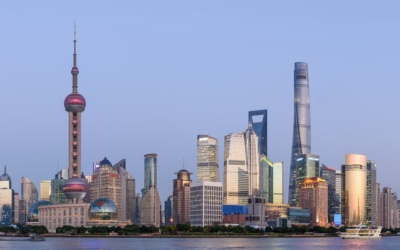
The classic Shanghai experience involves walking the 1.5-kilometer promenade of the Bund at sunset. Start at the southern end and walk north toward the Waibaidu Bridge. To see the skyline from the water, take the cross-river ferry for just $0.30 rather than the expensive tourist cruises. For the best view from above, head to the Shanghai Tower (the world's second-tallest building) or the "Bottle Opener" (Shanghai World Financial Center). Tip: Visit the observation decks on a weekday morning to avoid two-hour queues.
The Former French Concession
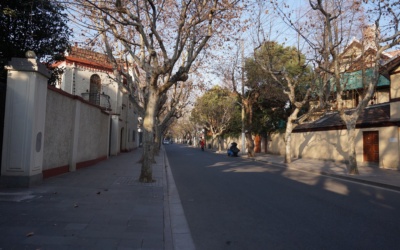
This area is best explored on foot or by bike. Wander down Wukang Road to see the iconic Wukang Mansion and explore the narrow alleys of Tianzifang. While Tianzifang is very touristy, the surrounding residential blocks offer a glimpse into authentic lane-house life. Spend at least half a day here simply getting lost in the side streets between Huaihai Road and Fuxing Road.
Yu Garden and the City God Temple
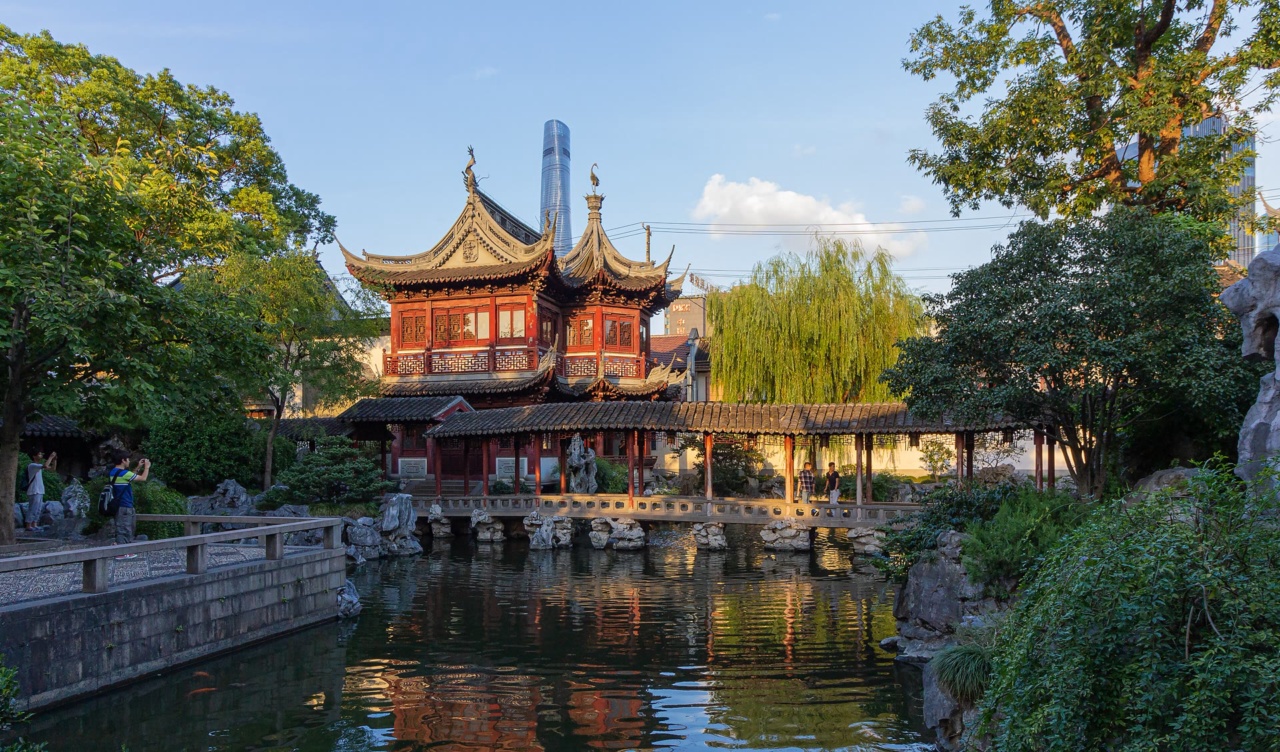
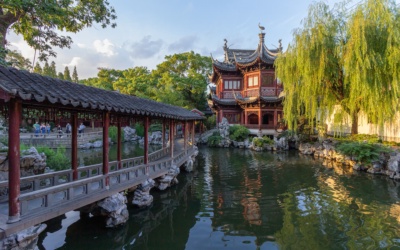
Located in the Old Town, this Ming Dynasty garden is a masterpiece of classical Chinese design. However, the surrounding "Yuyuan Bazaar" is a chaotic tourist trap. Tip: Arrive at the garden the moment it opens (typically 9:00 AM) to enjoy the rockeries and ponds before the tour groups arrive. Afterward, skip the souvenir shops and find a small dumpling stall in the back alleys for lunch.
Overrated: The Bund Sightseeing Tunnel
This is a slow-moving tram that goes under the river with a bizarre, dated light show. It is expensive and underwhelming. Take the public ferry or the metro instead for a fraction of the price.
Overrated: Nanjing Road East
While famous as a shopping street, it is mostly filled with the same global brands you find anywhere, plus aggressive touts. For a better shopping experience, head to Nanjing Road West or the boutiques in the French Concession.
Food and Drink
Shanghai's cuisine (Benbang units) is known for being sweet, oily, and fresh. Seafood, particularly hairy crab (in autumn), is a local obsession.
| Dish | Description | Where to Try | Typical Price |
|---|---|---|---|
| Shengjian Bao | Pan-fried pork buns with a crispy bottom and soup inside. | Yang's Dumplings | $3 for 4 buns |
| Xiao Long Bao | Classic steamed soup dumplings. | Jia Jia Tang Bao | $5 per steamer |
| Hong Shao Rou | Braised pork belly in a sweet soy glaze. | Old Jesse (Fulu Ju) | $15 - $20 |
| Scallion Oil Noodles | Simple, fragrant wheat noodles with fried scallions. | Local street stalls | $2 - $4 |
Street food culture is shrinking due to regulation, but breakfast markets still thrive. Look for "The Four King Kongs" of Shanghai breakfast: sticky rice rolls (cifantuan), soy milk, fried dough sticks (youtiao), and large flatbreads (dabing). For drinks, the city has a world-class cocktail scene concentrated in the French Concession, where a high-end drink will cost around $12 to $18.
Where to Stay
Budget ($30 - $60 per night): Look for "Captain Hostel" near the Bund for rooftop views on a budget, or international chains like Ibis in the Jing'an or Zhabei districts. Hostels are clean and often have English-speaking staff.
Mid-Range ($80 - $150 per night): The Former French Concession has many boutique hotels converted from old villas. Alternatively, modern business hotels near People's Square offer excellent metro connectivity.
Upscale ($200+ per night): Shanghai has some of the world's best luxury hotels. The Peninsula or Waldorf Astoria on the Bund offer historic charm, while the Park Hyatt or Ritz-Carlton in Pudong offer incredible views from the top of skyscrapers.
Practical Tips
- Payments: China is almost entirely cashless. Download Alipay or WeChat Pay and link your international credit card before arrival. Cash is accepted but many vendors may not have change.
- Internet: Many Western websites (Google, Facebook, Instagram) are blocked. You must purchase a VPN before you enter the country or use a roaming SIM card from your home country which often bypasses the firewall.
- Language: English is spoken in high-end hotels and by younger locals, but it is not widespread. Download a translation app (like Baidu Translate or Google Translate with offline files) that can scan text.
- Safety: Shanghai is exceptionally safe for tourists. The most common issues are "tea house scams" where friendly strangers invite you for a drink and leave you with a massive bill. Politely decline invitations from strangers in tourist areas.
- Tipping: Tipping is not expected and can sometimes be seen as confusing or offensive in local restaurants. In high-end international hotels, a service charge is usually included.
Day Trips
- Suzhou: Only 30 minutes by high-speed train. Known for its UNESCO-listed classical gardens and canals. It is the best day trip from Shanghai.
- Zhujiajiao: An ancient water town within the Shanghai metro system (Line 17). It features stone bridges and traditional boats. It is very crowded on weekends; go on a Tuesday or Wednesday.
- Hangzhou: About an hour by high-speed train. Famous for West Lake and tea plantations. It is beautiful but requires a full day and lots of walking.
- Overrated: Nanxiang: While it is the birthplace of the soup dumpling, the town itself is now largely a concrete suburb of Shanghai and lacks the charm of Suzhou or Zhujiajiao.
Sample 3-Day Itinerary
Day 1: The Classics
Morning: Start at Yu Garden early to beat the crowds. Explore the surrounding Old Town alleys.
Afternoon: Walk from the Old Town to the Bund. Cross the river via the ferry to Pudong and go to the top of the Shanghai Tower.
Evening: Walk back along the Bund to see the buildings illuminated (usually until 10:00 PM).
Day 2: Culture and Lanes
Morning: Visit the Shanghai Museum at People's Square (book tickets in advance).
Afternoon: Head to the Former French Concession. Walk the length of Wukang Road and Anfu Road. Stop for coffee and watch the fashionable locals.
Evening: Explore the nightlife in the Xintiandi area or find a hidden speakeasy in the FFC.
Day 3: Art and Water
Morning: Take the metro to M50 Creative Park, a complex of contemporary art galleries in old warehouses.
Afternoon: Take Metro Line 17 to Zhujiajiao Water Town for an afternoon boat ride.
Evening: Return to the city for a final celebratory dinner of Shengjian Bao and braised pork belly.
Budget Overview
| Category | Budget (USD) | Mid-Range (USD) | Comfort (USD) |
|---|---|---|---|
| Accommodation | $40 | $110 | $250 |
| Food | $15 | $45 | $100 |
| Transport | $3 | $10 | $25 |
| Activities | $10 | $30 | $60 |
| Daily Total | $68 | $195 | $435 |
Frequently Asked Questions
Is Shanghai worth visiting?
Absolutely. It offers a unique look at China's rapid modernization alongside its colonial history. It is the best city in China for food, shopping, and experiencing a high-tech urban lifestyle.
How many days do you need in Shanghai?
Three to four days is ideal for seeing the main highlights of Puxi and Pudong. If you plan to take day trips to nearby water towns like Suzhou, five to six days is better.
Is Shanghai safe for tourists?
Shanghai is one of the safest large cities in the world. Violent crime is extremely rare. Tourists should mainly be aware of overcharging in markets and the 'tea house' or 'art student' scams in tourist hubs.
Can you drink tap water in Shanghai?
No, you should not drink the tap water directly. Even locals boil it first or use filtered water. Bottled water is cheap and available at every convenience store.
What should I avoid in Shanghai?
Avoid the Bund Sightseeing Tunnel and Nanjing Road East's pushy touts. Also, try to avoid traveling during major Chinese national holidays when crowds become overwhelming.
Do I need a visa to visit Shanghai?
Eligible travellers can use China’s 240-hour visa-free transit policy for a stay of up to 10 days within the permitted areas. This requires an ordinary passport from an eligible country, entry through a designated port, and an onward ticket with a confirmed seat and departure date to a third country or region. It is not a general visa exemption for every traveller or itinerary. Check the current nationality list, ports and permitted areas with the National Immigration Administration before booking. National Immigration Administration
Is English widely spoken in Shanghai?
In major hotels, high-end restaurants, and among younger professionals, English is common. However, taxi drivers and local shop owners usually do not speak English, so a translation app is essential.
What is the best way to pay for things in Shanghai?
Alipay and WeChat Pay are the primary methods. Most international travelers now use Alipay, which allows you to link an overseas Visa or Mastercard for seamless mobile payments.
Routes
🗺️ Getting Around Shanghai - Local Transport Guide
→ Routes from Shanghai (21)