Shanghai Tower: Observation Deck, Tickets and Getting There
Contents
- 1. Observation floor, art-space package or a street-level visit?
- 2. Ticket prices: compare the exact products
- 3. Opening hours and identification
- 4. Getting there: two named Lujiazui metro approaches
- 5. Understand the building, not just the height
- 6. Visibility, visit time and photographs
- 7. Build a flexible Lujiazui itinerary
- 8. Sources and background
- 9. Frequently Asked Questions
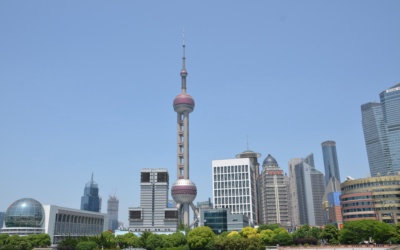
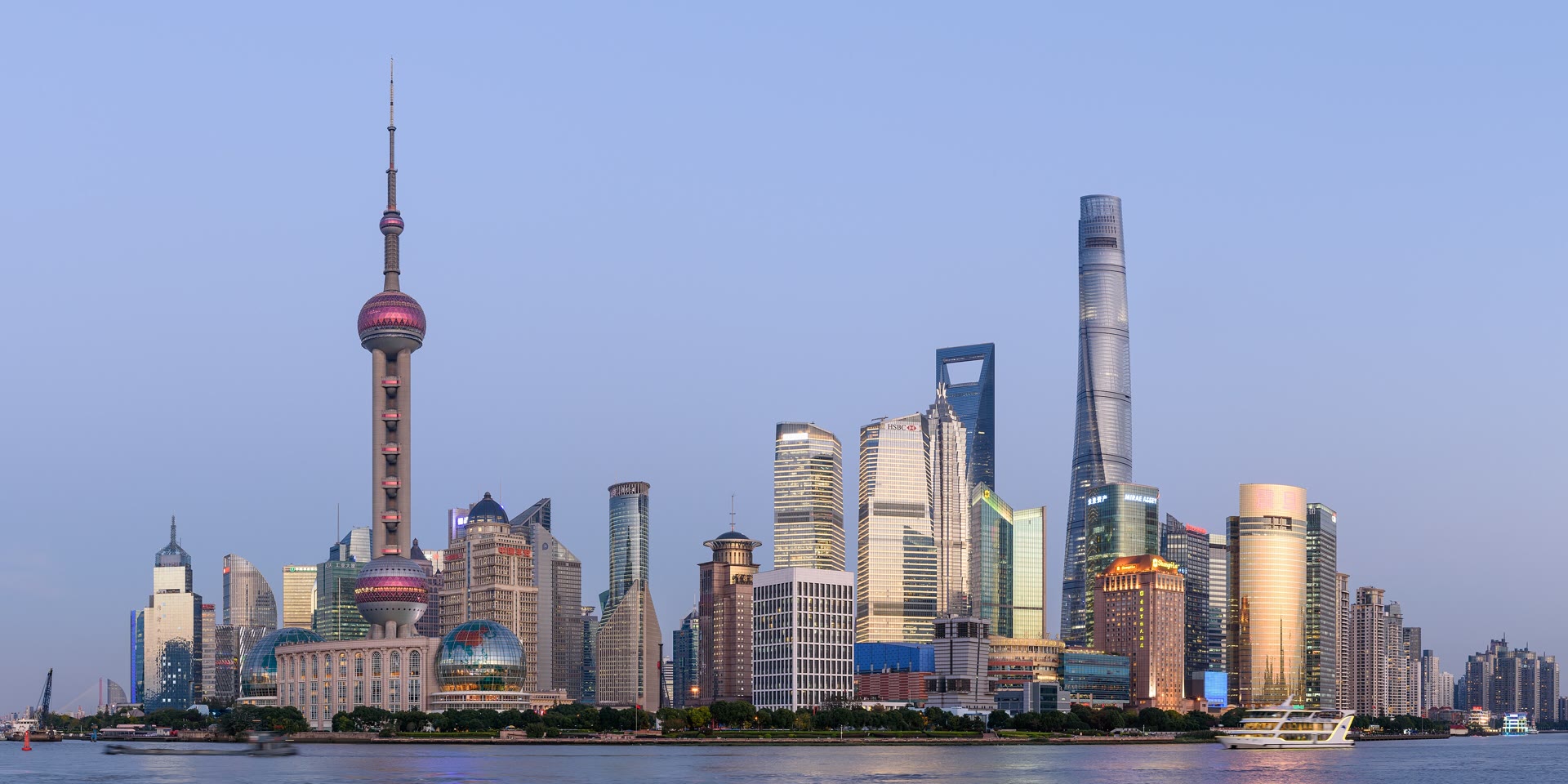
Shanghai Tower (上海中心大厦) rises 632 metres in Pudong's Lujiazui district. Its Top of Shanghai Observatory is on floor 118 at 546 metres, a height confirmed by the operator and the city's May 2026 visitor description. The building height and the viewing-floor height are different figures.
Choose the visit for the view and the architecture you want, not a claim that every ticket reaches the topmost floors. The operator describes a B1 exhibition hall, the floor-118 observatory and the SKY632 Art Space on floors 125 and 126. Check which of those your actual ticket includes.
Observation floor, art-space package or a street-level visit?
| Choice | Reason to choose it | What to check |
|---|---|---|
| Floor-118 observatory | A high-level view of Shanghai and the Lujiazui skyline | Visibility, visit date, admission window and included exhibition access |
| Observatory plus SKY632 | The city view together with a multimedia art experience on floors 125 and 126 | The named package, open areas and any separately timed experience |
| Architecture from ground level | The tower's silhouette and its relationship with the surrounding district | Accessible public walking routes; shopping, restaurants and private venues have their own conditions |
If the panorama is your main reason to pay, give visibility particular weight. If you are also interested in the building's design, the exhibition and an exterior walk add another focus. SKY632 is a specific art-space product, not an automatic upgrade for every observatory visitor.
As an editorial planning allowance, keep roughly two to three hours for admission, the viewing experience and some time around the base. Add more for an art-space package, a meal or a riverfront walk. This is not a guaranteed queue or visit duration, and travel from your starting address comes separately.
If mobility, large luggage or photographic equipment affects your plan, ask about the whole visitor route and current storage or equipment rules before buying. A lift ride to the viewing floor does not establish that every approach, queue or additional venue is suitable for every visitor.
Things to Do
Offers are only loaded from GetYourGuide after you click. GetYourGuide can then process your IP address and set cookies. Privacy Policy
GetYourGuide partner offers. GoAsia may earn a commission if you book through these offers. Check whether tickets or transfers are included, and follow the attraction's official booking and admission rules.
Ticket prices: compare the exact products
| Product in the seller listing | Displayed CNY price | Comparison basis |
|---|---|---|
| Floor-118 observatory adult ticket | 180 CNY | A named adult admission product, not a meal or a private group booking |
| Observatory plus SKY632 package | 268 CNY | A listing with multiple selectable options; confirm the visitor category and exact contents |
Those prices were displayed in the Trip.com CNY listing checked on 5 October 2026. They are seller-listing orientation, not a completed date-selected checkout or a permanent operator tariff. Other products bundle photographs, souvenirs, priority access or meals, so compare like with like rather than choosing by the lowest headline number.
The operator names Ctrip, LY.com, Lvmama, Meituan and Dianping among its online ticket channels. Before payment, check date, visitor category, admission window, identity-document entry, included floors and total charge. The seller also lists child and older-person products; their names alone do not establish eligibility for your group.
Read the actual change and cancellation conditions of your selected ticket. A same-day-use label does not prove walk-up counter availability or space in your preferred slot. A cancellation badge is not a complete poor-visibility refund policy. If you want flexibility for weather, verify the deadline and permitted changes before committing.
Opening hours and identification
The seller listing checked on 5 October publishes 08:30 to 22:00, with last admission at 21:30. Confirm the schedule for your visit date and product before planning a late ascent. The operator's 09:00 to 18:00 is explicitly the telephone inquiry period, not the observatory's opening hours.
The operator asks visitors to carry an ID card or passport. If using a foreign passport, ensure the seller's entry process accepts that document and that the booking details match it. Keep your confirmation available and allow time for the admission process. For current operational questions, the operator lists +86-21-80370150.
Getting there: two named Lujiazui metro approaches
The tower's transport page lists Metro Line 2, Lujiazui station, Exit 6, with an approach via LG2 of Shanghai IFC Mall, and Metro Line 14, Lujiazui station, Exit 9A. Follow current signs and confirm the observatory entrance rather than joining an office or hotel entrance queue. The seller gives the building address as 501 Yincheng Middle Road (银城中路501号).
From the Bund or another Puxi address, compare the complete metro journey with a taxi or booked car to that entrance. A river ferry, sightseeing cruise and the Bund Sightseeing Tunnel are different products. The tower page mentions Dongchang Road Ferry Wharf but does not establish a current crossing timetable or fare; only add a ferry after checking the actual terminals and operating conditions.
For a car, agree or check the total vehicle fare, luggage, drop-off and any waiting or return booking. The operator's older airport and railway-station journey estimates are not a live traffic forecast. If using public transport late, check the return connection from your actual station rather than assuming that the viewing floor and metro close together.
Understand the building, not just the height
The operator's project account records construction starting on 29 November 2008, civil engineering completion by the end of 2014 and trial operation beginning in January 2017. It describes a mixed-use building with offices, hotel, entertainment and sightseeing functions, rather than a tower built solely for observation.
Gensler, the architect, explains that the spiral form reduces wind load and the double-skin facade improves energy efficiency. Its account also describes sky gardens and a vertical mix of uses. Notice the curved exterior from below, but do not assume an observatory ticket grants access to every garden, hotel or office area.
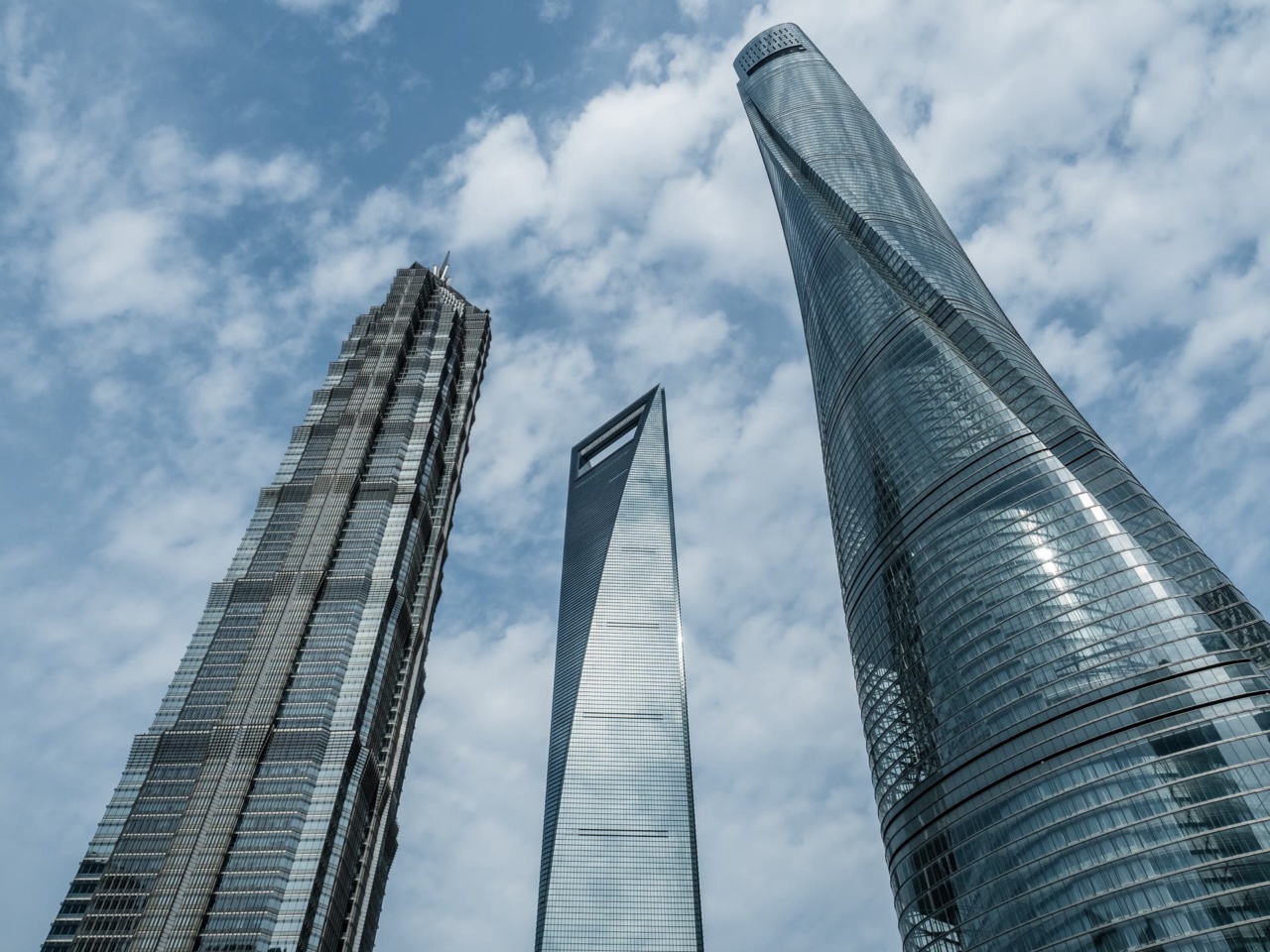
The operator's B1 exhibition introduces the skyline, skyscraper design and the idea of a vertical city through multimedia displays. It gives the lift journey and panorama architectural context. On the viewing floor, use the river and surrounding towers to orient yourself; distant landmarks depend on the actual visibility, not a guaranteed checklist of sights.
Visibility, visit time and photographs
Check the weather and the upper part of the building before travelling. Low cloud or haze can limit a high-floor view. Seeing the top from outside is a useful observation, not a guarantee of a clear panorama later. An air-quality reading alone does not establish visibility at 546 metres or the conditions at your admission time.
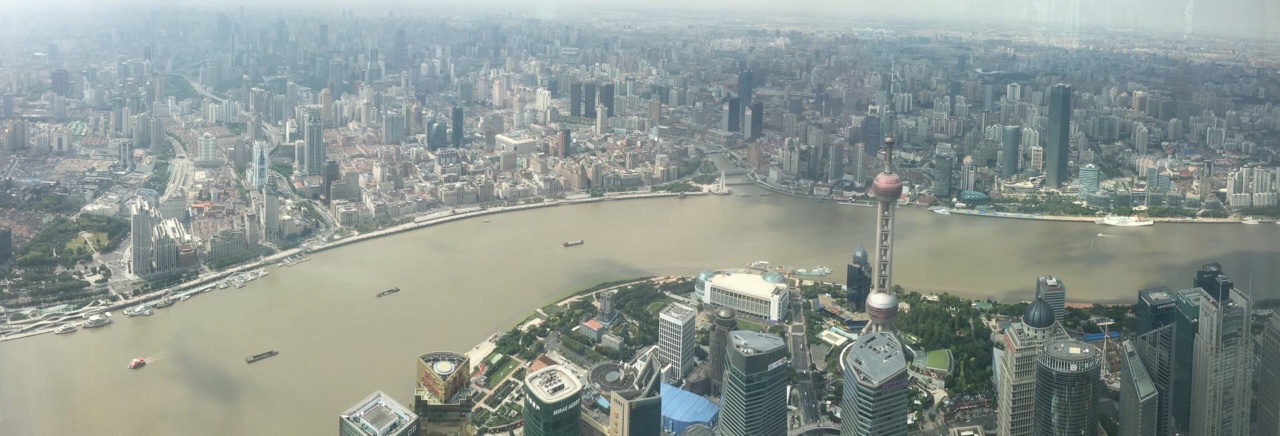
Choose daylight for understanding the city layout or an evening visit if your priority is an illuminated skyline. Seeing the transition around sunset is a preference, not the best choice for everyone. It requires a suitable admission slot and enough time after entry; queue lengths and access conditions can affect that plan.
Indoor light reflected in the glass can complicate night photographs. Try a position that reduces reflections and avoid disturbing other visitors; do not assume flash or a tripod is allowed. Check current equipment rules rather than relying on a blanket tripod ban. If the view disappoints, your remedy depends on the purchased ticket's conditions, not an automatic refusal or automatic refund.
Build a flexible Lujiazui itinerary
Combine the tower with an exterior walk through Lujiazui or a separate riverfront stop if time, weather and accessible routes suit you. The neighbouring Jin Mao Tower and Shanghai World Financial Center help explain the district's architecture from outside. Do not schedule a second observation-deck visit merely because an old guide describes a glass-floor experience: first establish current public operation and bookable access.
If high-floor visibility is poor, keep a lower-level architecture, exhibition or meal plan available. Decide before purchase whether the non-panoramic parts of your selected package interest you enough. Do not assume you can move an already purchased ticket to another day without checking its terms.
The China travel overview can help connect Shanghai with the rest of your trip. Separate per-person admission from per-vehicle transport and optional meals or packages in your budget. Keep the return route practical, and choose the floors you actually want rather than treating every extra as essential.
Sources and background
These sources support the topics listed below, not every statement or current price in this article.
- [1] Shanghai Tower Construction and Development Co., Ltd.: Top of Shanghai: observation floors, ticket channels and identification. Retrieved October 5, 2026. Access, Admission, Registration
- [2] Shanghai Tower Construction and Development Co., Ltd.: Official transport guide: Lujiazui metro exits and arrival options. Retrieved October 5, 2026. Transport, Access
- [3] Shanghai Tower Construction and Development Co., Ltd.: Shanghai Tower: building dimensions and construction history. Retrieved October 5, 2026. History, Culture
- [4] Gensler: Shanghai Tower: the architect explains its spiral and double-skin design. Retrieved October 5, 2026. Culture, History
- [5] Trip.com: Trip.com seller listing: CNY ticket products and published opening guidance. Retrieved October 5, 2026. Admission, Opening hours
- [6] Shanghai Municipal Government: Top of Shanghai Observatory: city visitor description of 22 May 2026. Retrieved October 5, 2026. Culture, Access
Frequently Asked Questions
Top of Shanghai Observatory is on floor 118 at 546 metres. The building itself is 632 metres high. The operator also describes the B1 exhibition and SKY632 Art Space on floors 125 and 126, but your exact ticket determines which experiences are included.
The Trip.com CNY listing checked on 5 October 2026 displayed 180 CNY for the floor-118 adult ticket and 268 CNY for an observatory-plus-SKY632 product with multiple options. These are dated listing prices, not a date-selected checkout or universal tariff. Check category, floors, admission window and final total.
The seller listing checked on 5 October publishes 08:30 to 22:00 with last admission at 21:30. Confirm your date and package before arranging a late visit. The operator’s 09:00 to 18:00 is its inquiry period, not the viewing floor’s opening schedule.
The operator lists Metro Line 2, Lujiazui, Exit 6 via Shanghai IFC Mall LG2, or Metro Line 14, Lujiazui, Exit 9A. Follow current signs to the observatory entrance. The listed address is 501 Yincheng Middle Road. Check the actual last-mile and return route; no current ferry fare or timetable is established here.
Choose flexibility only after checking your selected ticket’s availability, permitted changes and cancellation deadline. Same-day-use labels do not guarantee walk-up tickets or your preferred slot. Poor visibility does not establish either an automatic refund or an automatic refusal.
It is a neighbouring building you can include in an exterior architecture walk, but current public observation-deck operation and bookable access were not established in this review. Do not plan its former glass-floor experience as an available substitute without a current operator confirmation.