
Contents
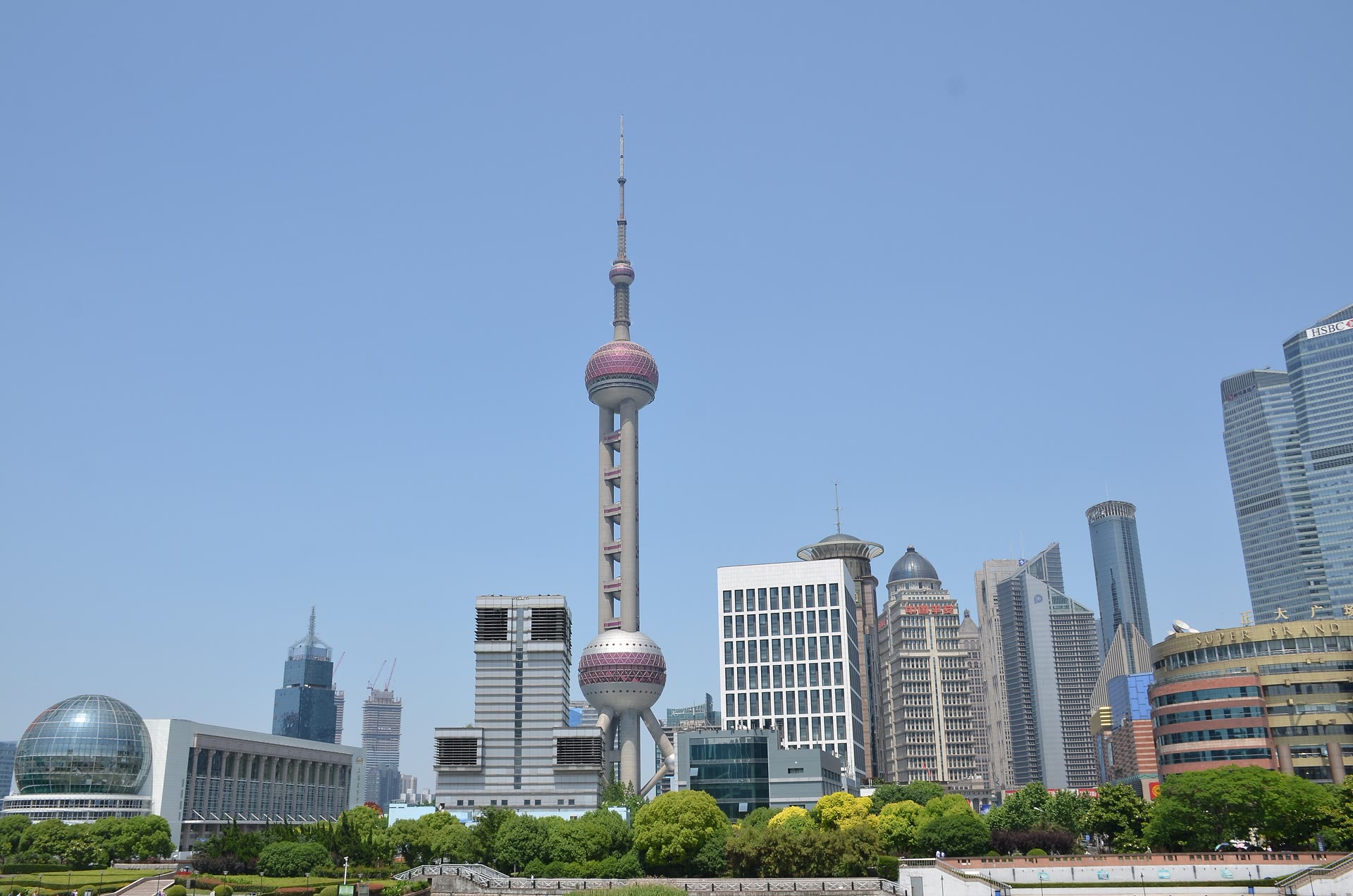
The journey between Hangzhou and Shanghai is a classic transition between two of China's most distinctive cities. Hangzhou is known for its poetic West Lake and tea plantations, while Shanghai has the neon skyline and the colonial Bund. Because the two hubs are so closely linked by commerce and tourism, the transit infrastructure is excellent and the short hop is a seamless part of any East China itinerary.
While the distance is short, the volume of commuters and travelers means you have several ways to make the trip. You can compare options and book on GoAsia.cc.
Hangzhou to Shanghai by Train
The train is the best option on this route. China's high-speed rail connects the two cities so frequently that it feels more like a metropolitan subway than a long-distance railway. The Shanghai to Hangzhou high-speed line was designed for 350 km/h trains, and at its opening the fastest trains between Hangzhou and Shanghai Hongqiao took 45 minutes and the slowest 61 minutes.[1]
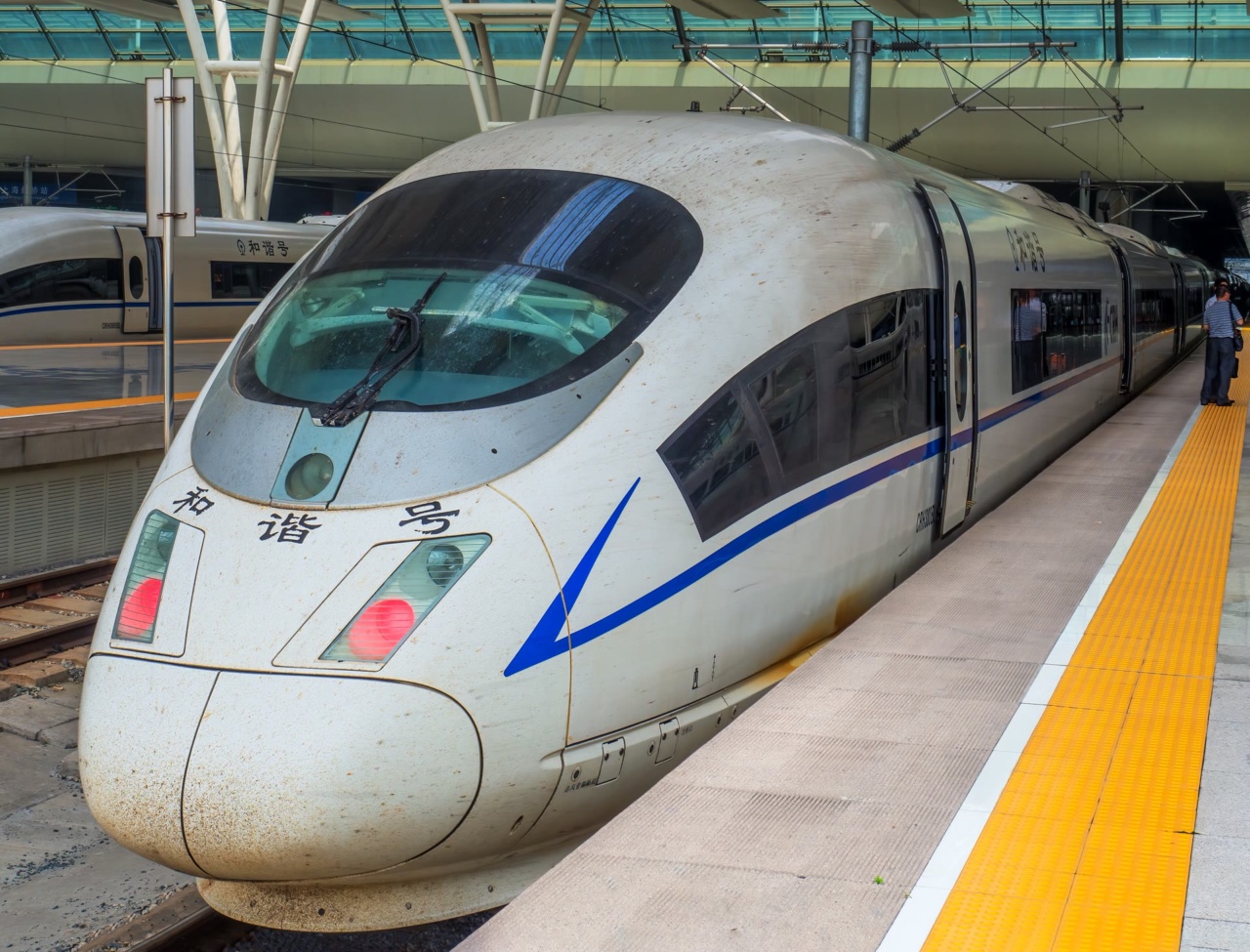
Since June 2024, 12306 has used floating fares on the Shanghai to Hangzhou section for trains running at 300 km/h or more. The published fare between Shanghai Hongqiao and Hangzhou East is the upper limit: 87 yuan for Second Class, 140 yuan for First Class, 157 yuan for Premier Class and 306 yuan for Business Class. The fare actually charged can fall to as low as 55 percent of that, for example 48 yuan for a Second Class seat, depending on the train, date and time.[2] Check the exact fare of your train when you book.
Second Class and Standing
For most travelers, a Second Class seat is the standard choice. It is affordable and comfortable for a trip of around an hour. If seats are sold out during peak holidays, standing tickets are sometimes available.
First Class and Business Class
If you want more personal space, First Class offers wider seats, and Business Class sits at the top of the price range. For a trip this short, many travelers find Second Class perfectly adequate.
Hangzhou to Shanghai by Flight
Flying from Hangzhou to Shanghai is an unconventional choice given the efficiency of the train, but it can make sense for those connecting directly to an international flight at one of Shanghai's airports. Check-in, security and the trip to Hangzhou Xiaoshan International Airport, which is further from the city center than the main railway stations, take time. Compare current flights and fares on GoAsia.cc.
In Shanghai, Hongqiao airport is 13 km from the city center and Pudong is about 30 km away.[3]
Comparing Your Options
| Mode | Fare (yuan, Second Class published) | Best for |
|---|---|---|
| High Speed Train | Up to 87, often lower[2] | Station to station travel in under an hour or so |
| Flight | Varies by date and airline | Connecting to an international flight |
Tips for Traveling from Hangzhou to Shanghai
- Choose the right station: Hangzhou has several stations, but Hangzhou East (Hangzhoudong) is the main hub for high-speed trains to Shanghai. In Shanghai, most high-speed trains arrive at Shanghai Hongqiao, which is connected to the metro and the airport.
- Book in advance: While there are many trains daily, popular time slots such as Friday evenings and Sunday afternoons sell out fast. Use GoAsia.cc to secure your seat a few days ahead.
- Carry your passport: Foreign passengers buy real-name tickets with a valid passport and must show the same passport to enter and leave the station and to board the train.[4]
- Arrive early: Even with electronic tickets, you pass luggage security and ID checks, so allow extra time before departure.
- Luggage space: High-speed trains have racks above the seats and space for large suitcases. With heavy luggage, board early to find space.
Timetable
| Flight Hangzhou - Shanghai $ 196.83 1h 40m | |
|
|
| Train Hangzhou - Shanghai $ 14.02–60.70 46m – 1h 48m | |
|
Frequently Asked Questions
Use the booking tool on this page to compare the transport options currently available from Hangzhou to Shanghai, including current prices and schedules.
The cheapest way is a Second Class seat on the high-speed train. The published fare between Shanghai Hongqiao and Hangzhou East is up to 87 yuan, and discounted trains can cost as little as 48 yuan.
The high-speed train is the fastest option once you count the whole journey. At its opening, the fastest trains between Hangzhou and Shanghai Hongqiao took 45 minutes. A flight adds check-in, security and airport transfers.
By high-speed train the trip takes about an hour. The fastest G trains took 45 minutes and the slowest 61 minutes between Hangzhou and Shanghai Hongqiao when the line opened.
Most high-speed trains from Hangzhou arrive at Shanghai Hongqiao Railway Station. It has good connections to the Shanghai Metro and sits next to Hongqiao Airport.
Business Class is worth it if you want extra space or a quiet place to work. The published Business Class fare between Shanghai Hongqiao and Hangzhou East is 306 yuan, against 87 yuan for Second Class, and the trip is only about an hour.
No. Foreign passengers buy real-name tickets with a valid passport and show the same passport to enter the station and board the train.
Sources and background
Numbers in the text such as [1] refer to these sources.
- [1] China Railway Materials Group (China News Service report): 沪杭高铁今日起运营 最快铁路重塑长三角城市圈 (Shanghai-Hangzhou high-speed railway opens). Retrieved October 15, 2026.
- [2] China Railway (12306): 沪杭调价公告 (Shanghai-Hangzhou fare adjustment notice). Retrieved October 15, 2026.
- [3] Shanghai Municipal People's Government (Shanghai International Service Portal): Transportation at Shanghai airports. Retrieved October 15, 2026.
- [4] China Railway (12306): 12306 FAQ: real-name tickets and passports. Retrieved October 15, 2026.
Guide prices and journey times are indicative, not live quotes. A booked package may include transfers and waiting time as well as the main journey. Check the selected offer, pickup point and current conditions before booking.