
Hangzhou
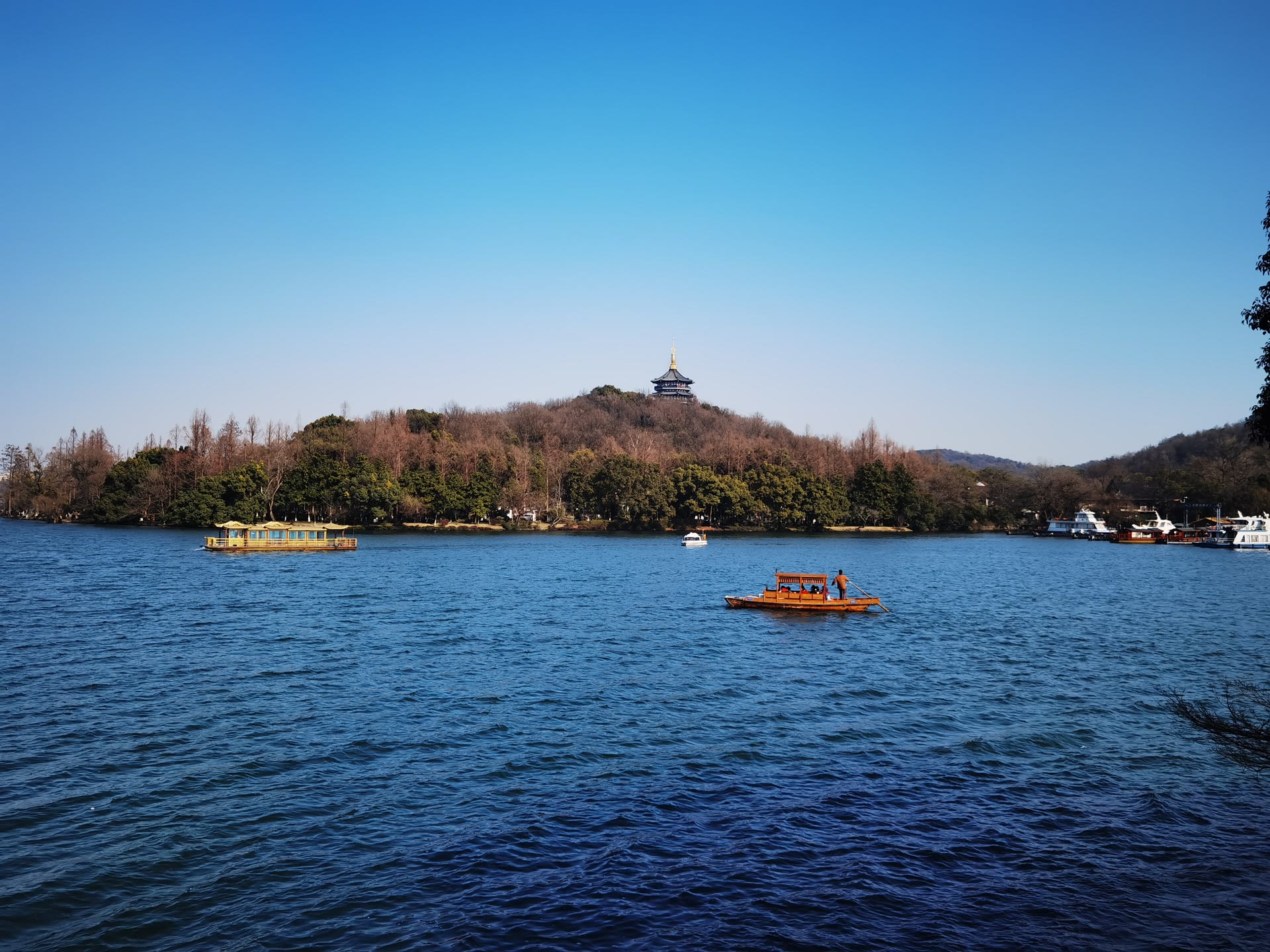
A poetic fusion of ancient Chinese heritage and cutting-edge tech innovation, Hangzhou is centered around the mist-covered West Lake. It is the ultimate destination for travelers seeking classical gardens, world-class tea culture, and the sleek efficiency of modern China.
Last updated: October 15, 2026
When to go
Climate and best time for HangzhouBest months: February to May, July, and October to December
- January: Good (cold). 9 °C by day, 2 °C at night, 65 mm of rain
- February: Great. 11 °C by day, 3 °C at night, 77 mm of rain
- March: Great. 16 °C by day, 7 °C at night, 100 mm of rain
- April: Great. 22 °C by day, 13 °C at night, 107 mm of rain
- May: Great. 27 °C by day, 18 °C at night, 130 mm of rain
- June: Good (a lot of rain). 29 °C by day, 22 °C at night, 174 mm of rain
- July: Great. 34 °C by day, 26 °C at night, 119 mm of rain
- August: Mixed (a lot of rain and typhoon risk). 33 °C by day, 25 °C at night, 148 mm of rain
- September: Good (typhoon risk). 29 °C by day, 21 °C at night, 118 mm of rain
- October: Great. 24 °C by day, 15 °C at night, 51 mm of rain
- November: Great. 18 °C by day, 10 °C at night, 62 mm of rain
- December: Great. 12 °C by day, 4 °C at night, 58 mm of rain
- Great
- Good
- Mixed
- Poor
Contents
- 1. Orientation and Neighborhoods
- 2. Best Time to Visit
- 3. Getting There and Getting Around
- 4. Top Sights and Experiences
- 4.1 West Lake (Xi Hu)
- 4.2 Lingyin Temple and Feilai Feng
- 4.3 Longjing (Dragon Well) Tea Fields
- 4.4 The Grand Canal (Gongchen Bridge Area)
- 4.5 Overrated Attractions to Skip
- 5. Food and Drink
- 6. Where to Stay
- 7. Practical Tips
- 8. Day Trips
- 9. Sample 3-Day Itinerary
- 9.1 Day 1: The Classic West Lake
- 9.2 Day 2: Temples and Tea
- 9.3 Day 3: Canals and Modernity
- 10. Budget Overview
- 11. Frequently Asked Questions
Hangzhou is often described by the ancient Chinese proverb: 'In heaven there is paradise, on earth there are Suzhou and Hangzhou.' This city serves as the spiritual heart of classical Chinese aesthetics, where willow-lined causeways and pagodas reflect in the still waters of West Lake. It is a place where the air smells of roasted chestnuts in autumn and fresh green tea in spring, offering a slower pace of life than the nearby financial hub of Shanghai.
Beyond the traditional landscapes, Hangzhou is a global leader in technology and the headquarters of Alibaba. This creates a fascinating duality: you can spend your morning meditating in a 1,600-year-old Buddhist temple and your afternoon using a smartphone to pay for street food in a completely cashless ecosystem. It is a city that rewards those who wake up early to beat the crowds and those who are willing to wander into the tea-covered hills surrounding the urban core.
For travelers, Hangzhou is remarkably accessible. It is a high-speed rail hub that connects seamlessly to the rest of eastern China, making it an essential stop for anyone wanting to understand the intersection of China's imperial past and its digital future. Whether you are a solo backpacker, a luxury seeker, or a family, the city's blend of public parks, sophisticated museums, and vibrant night markets ensures a dense itinerary of experiences.
Orientation and Neighborhoods
Hangzhou is organized around West Lake (Xi Hu), which sits to the west of the modern city center. Understanding this layout is key to navigating efficiently. The city can be broadly divided into the lake area, the commercial center, and the suburban tech hubs.
- West Lake (Xihu District): The primary reason most people visit. The eastern shore is the most developed, bordering the downtown area, while the western and southern shores are quieter, filled with parks, temples, and tea plantations. This is the best area for first-time visitors who want to be within walking distance of the main sights.
- Shangcheng District: The historic core of the city. It contains Hefang Street and the Southern Song Imperial Street. This area is excellent for those interested in traditional architecture, pharmacy museums, and local snacks. It offers a mix of budget hostels and boutique courtyard hotels.
- Gongshu District: Located to the north, this area is defined by the Grand Canal. It is less touristy than West Lake and offers a glimpse into the city's industrial past and canal-side living. Stay here for a more local vibe and cheaper accommodation.
- Binjiang and Xihu Tech Zone: These are the modern faces of Hangzhou, located across the Qiantang River or further west. While great for business travelers, they are generally too far from the main tourist attractions for leisure visitors.
Things to Do
Offers are only loaded from GetYourGuide after you click. GetYourGuide can then process your IP address and set cookies. Privacy Policy
GetYourGuide partner offers. GoAsia may earn a commission if you book through these offers. Check whether tickets or transfers are included, and follow the attraction's official booking and admission rules.
Best Time to Visit
Hangzhou experiences four distinct seasons. The humidity is a constant factor, making summers feel hotter and winters feel colder than the thermometer suggests.
| Season | Months | Weather | Crowds/Prices |
|---|---|---|---|
| Spring | March to May | Mild and misty, peach blossoms in bloom | High crowds, especially during Qingming Festival |
| Summer | June to August | Very hot and humid, frequent rain | High crowds (school holidays), mid-range prices |
| Autumn | September to November | Cool, crisp, and dry; osmanthus fragrance | Peak season, very high prices in early October |
| Winter | December to February | Cold and damp, occasional light snow | Low crowds and lowest prices |
The absolute best times to visit are late March for the tea harvest and late October for the autumn foliage. Avoid the 'Golden Week' (first week of October) at all costs, as West Lake becomes almost impassable due to the volume of domestic tourists.
Getting There and Getting Around
Hangzhou Xiaoshan International Airport (HGH) connects the city to major Asian hubs and domestic destinations. A metro line now connects the airport directly to the city center, taking roughly 60 to 90 minutes and costing around $1.50. Alternatively, a taxi or ride-hail (using the Alipay Didi mini-app) costs approximately $15 to $25 depending on traffic.
The high-speed rail is the most efficient way to arrive from Shanghai (1 hour) or Beijing (4.5 to 6 hours). Hangzhou East Station is a massive hub; from there, Metro Lines 1 and 4 will take you to the West Lake area in about 20 minutes. You can check schedules and book tickets via GoAsia.cc to plan your regional connections.
Within the city, the Metro is clean, fast, and easy to navigate with English signage. Payment is best handled via the 'Transport' QR code in the Alipay app. Public bicycles are everywhere and free for the first hour, though you need a registered account. Taxis and Didi are affordable, with most cross-city trips costing under $10. West Lake itself is best explored on foot or by the electric golf carts that circulate the perimeter for a small fee.
Top Sights and Experiences
West Lake (Xi Hu)
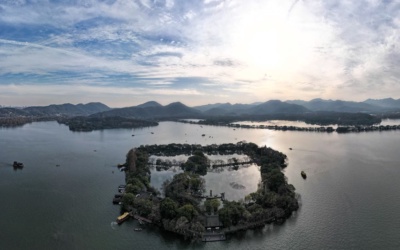
This UNESCO World Heritage site is the city's focal point. Walk the Su Causeway, a 2.8-kilometer path built nearly a thousand years ago, or take a traditional wooden boat to the Three Pools Mirroring the Moon. For the best views without the crowds, head to the lesser-known Maojiabu area on the west side of the lake. Spend at least half a day here, preferably starting at sunrise.
Lingyin Temple and Feilai Feng
Lingyin is one of China's largest and wealthiest Buddhist temples. The surrounding Feilai Feng (Peak Flown From Afar) features hundreds of intricate Buddhist carvings into the limestone cliffs dating back to the 10th century. Arrive before 8:30 AM to experience the chanting of the monks. Tickets for the grottoes and the temple are sold separately, totaling about $12.
Longjing (Dragon Well) Tea Fields
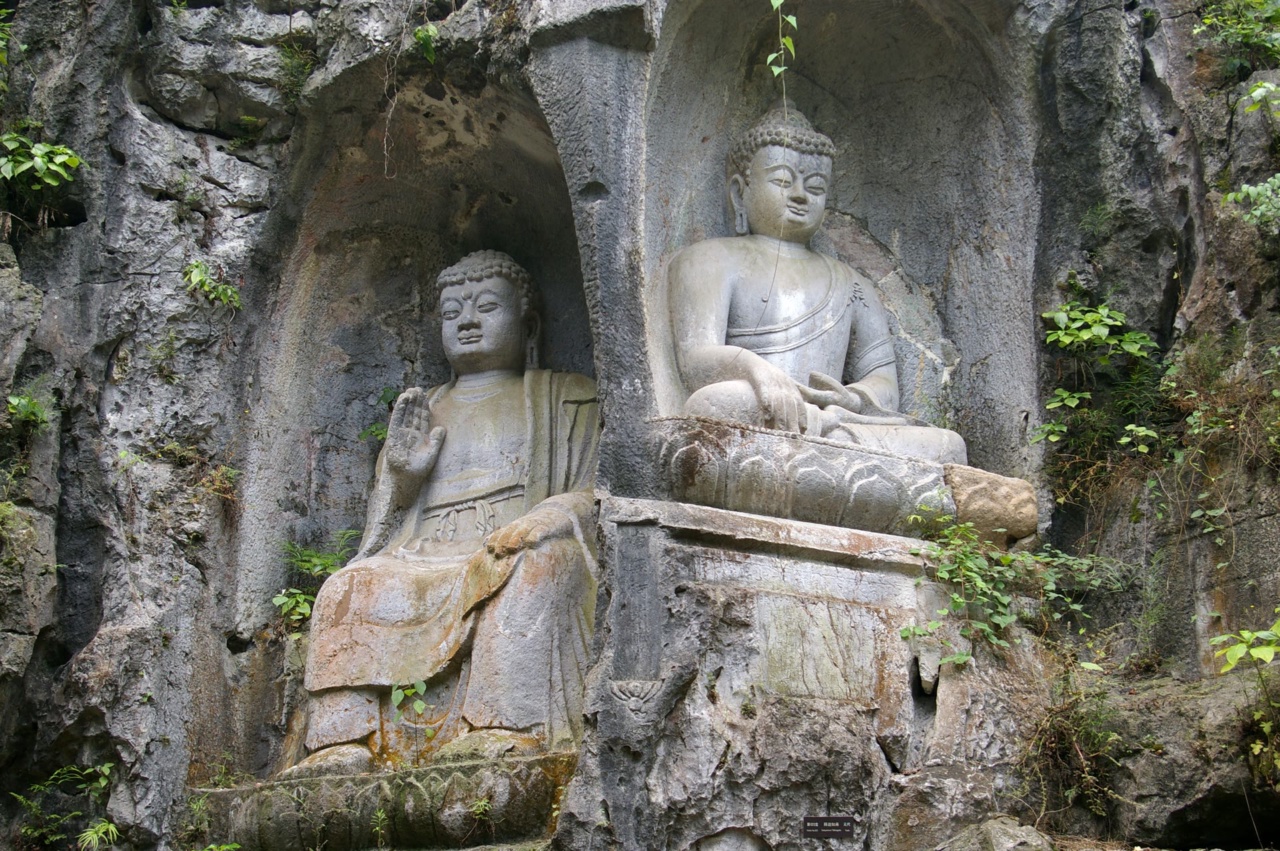
The hills surrounding Hangzhou produce the world's most famous green tea. Visit the China National Tea Museum (Maojiabu branch) and then hike through the terraced fields of Longjing Village or Meijiawu. Avoid buying tea from aggressive street vendors; instead, look for reputable tea houses where you can sit and taste the different grades of tea for roughly $10 to $30 per pot.
The Grand Canal (Gongchen Bridge Area)
The southern terminus of the world's longest man-made waterway. The area around Gongchen Bridge retains a nostalgic atmosphere with old warehouses converted into museums (Umbrella Museum, Knife and Sword Museum). A water bus ride from Wulin Gate to Gongchen Bridge costs only $0.45 and offers a unique perspective on the city's residential life.
Overrated Attractions to Skip
Hefang Street: While historic in name, it is now a crowded tourist trap filled with generic souvenirs and overpriced snacks. Visit the nearby Southern Song Imperial Street instead for a slightly more authentic architectural feel and better boutiques. Songcheng Theme Park: This is a highly commercialized 'cultural' park. Unless you are specifically looking for a Las Vegas-style stage show, the high entry fee (around $45) is better spent elsewhere.
Food and Drink
Hangzhou cuisine (Zhejiang style) is known for its freshness, subtle sweetness, and delicate presentation. It is less spicy than Sichuan food and less oily than Cantonese food.
| Dish | Description | Where to Try | Typical Price |
|---|---|---|---|
| Dongpo Pork | Braised pork belly in soy sauce and wine | Zhi Wei Guan | $8 - $12 |
| West Lake Vinegar Fish | Grass carp in a sweet and sour glaze | Lou Wai Lou | $15 - $25 |
| Longjing Shrimp | River shrimp stir-fried with tea leaves | Green Tea Restaurant | $12 - $18 |
| Sheng Jian Bao | Pan-fried pork buns with crispy bottoms | Local street stalls | $2 - $4 |
For a modern dining experience, head to the Hubin Road area near the lake, which features high-end malls and international restaurants. For budget eats, the Shengli River Food Street comes alive at night with seafood and barbecue stalls. Expect to pay $5 to $10 for a hearty meal at a local eatery and $30+ at a reputable lakeside restaurant.
Where to Stay
Budget (Under $40): Look for hostels or 'Guesthouses' in the Manjuelong or Siyanjing areas south of the lake. These are often converted village houses surrounded by greenery. They offer a peaceful retreat but require a short bus or Didi ride to reach the metro.
Mid-Range ($60 - $120): The area around Longxiangqiao Metro Station is ideal. You are steps away from West Lake and the main shopping districts. Many international hotel chains have properties here that provide Western-style amenities and English-speaking staff.
Upscale ($200+): For ultimate luxury, stay in the Amanfayun near Lingyin Temple or the Four Seasons at West Lake. These properties are destinations in themselves, featuring traditional Chinese architecture and private access to scenic areas.
Practical Tips
- Payment: China is virtually cashless. Download Alipay or WeChat Pay and link your international credit card before arrival. While cash is legally accepted, many vendors may not have change.
- Internet: A VPN is necessary to access Google, Facebook, and Instagram. Alternatively, buy an international roaming e-SIM which often bypasses the Great Firewall.
- Language: English is not widely spoken outside of major hotels. Use a translation app like Baidu Translate or the built-in translator in WeChat. Carrying a business card with your hotel's name in Chinese characters is essential.
- Safety: Hangzhou is extremely safe. The biggest 'scam' is the Tea Ceremony Scam, where friendly 'students' invite you to a tea house and leave you with a massive bill. Politely decline invitations from strangers to go somewhere private.
- Tipping: Tipping is not expected and can sometimes be seen as confusing or offensive.
Day Trips
- Wuzhen or Xitang Water Towns: Located about 1 to 1.5 hours away. These are 'Venice of the East' style towns with stone bridges and canals. Wuzhen is more restored and organized, while Xitang feels a bit more lived-in.
- Moganshan: A colonial-era hill station about 1 hour by high-speed train and taxi. It offers bamboo forests and hiking trails, perfect for escaping the summer heat.
- Shaoxing: A 20-minute high-speed train ride away. Famous for its yellow rice wine and the former residence of Lu Xun, one of China's most famous writers. It is far less crowded than Hangzhou's main sites.
Sample 3-Day Itinerary
Day 1: The Classic West Lake
Morning: Start at the Broken Bridge on the Bai Causeway at 7:30 AM. Walk across to the Solitary Hill (Gu Shan) to see the Seal Engravers' Society. Afternoon: Take a boat to the island in the center of the lake, then head to the Leifeng Pagoda for a sunset view over the water. Evening: Watch the West Lake Musical Fountain and explore the luxury shops and restaurants of Hubin Road.
Day 2: Temples and Tea
Morning: Explore Lingyin Temple and the Feilai Feng carvings. Afternoon: Take a bus or taxi to Longjing Village. Hike through the tea plantations up to the 'Manjuelong' area. Visit the China National Tea Museum. Evening: Walk through the Southern Song Imperial Street and have a traditional dinner at a historic restaurant like Zhi Wei Guan.
Day 3: Canals and Modernity
Morning: Head to the Gongchen Bridge area. Visit the Umbrella Museum and walk along the historic Xiaohe Zhijie street. Afternoon: Take the water bus back toward the city center. Visit the Zhejiang Provincial Museum for a dose of history. Evening: Head to the Qianjiang New Town to see the 'Golden Ball' (Intercontinental Hotel) and the spectacular light show on the skyscrapers (usually Tuesday, Friday, and Saturday nights).
Budget Overview
| Category | Budget | Mid-Range | Comfort |
|---|---|---|---|
| Accommodation | $25 | $80 | $250 |
| Food | $15 | $40 | $100 |
| Transport | $5 | $15 | $40 |
| Activities | $10 | $25 | $50 |
| Daily Total | $55 | $160 | $440 |
Frequently Asked Questions
Is Hangzhou worth visiting?
Absolutely. It is widely considered one of China's most beautiful cities, offering a perfect balance of historic culture and modern convenience. If you want to see the 'classical' China of paintings and poetry, Hangzhou is the best place to do so.
How many days do you need in Hangzhou?
Two to three days is ideal for seeing the main highlights of West Lake, Lingyin Temple, and the tea plantations. If you plan to add day trips to nearby water towns or Moganshan, extend your stay to five days.
Is Hangzhou safe for tourists?
Hangzhou is exceptionally safe, even at night. Violent crime is rare. The main concerns are standard travel issues like pickpocketing in crowded areas and the occasional tea house scam targeting foreigners.
Can you drink tap water in Hangzhou?
No, tap water in China is not potable. Most hotels provide free bottled water or a kettle to boil water. Bottled water is cheap and available at every convenience store.
Is English widely spoken in Hangzhou?
In major hotels and high-end restaurants, yes. However, most taxi drivers and street vendors do not speak English. You should have translation apps and your hotel's address in Chinese characters ready.
How do I get from Shanghai to Hangzhou?
The high-speed train is the best option, taking about 45 to 60 minutes from Shanghai Hongqiao Station. Trains run every 10 to 15 minutes, and tickets cost roughly $11 to $15.
What should I avoid in Hangzhou?
Avoid visiting during Chinese public holidays, especially the first week of October and the Lunar New Year. Also, avoid buying expensive 'pre-rain' Longjing tea from street hawkers as it is often fake or low quality.
What is the best neighborhood to stay in?
For convenience, stay near Longxiangqiao (Metro Line 1), which is close to both the lake and the city center. For a quieter, more scenic experience, stay in the tea villages like Manjuelong.
Guides & Tips
Routes
🗺️ Getting Around Hangzhou - Local Transport Guide
→ Routes from Hangzhou (7)
Routes to Hangzhou (3)