
Suzhou
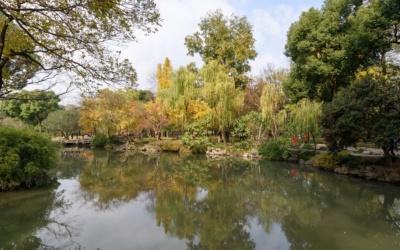
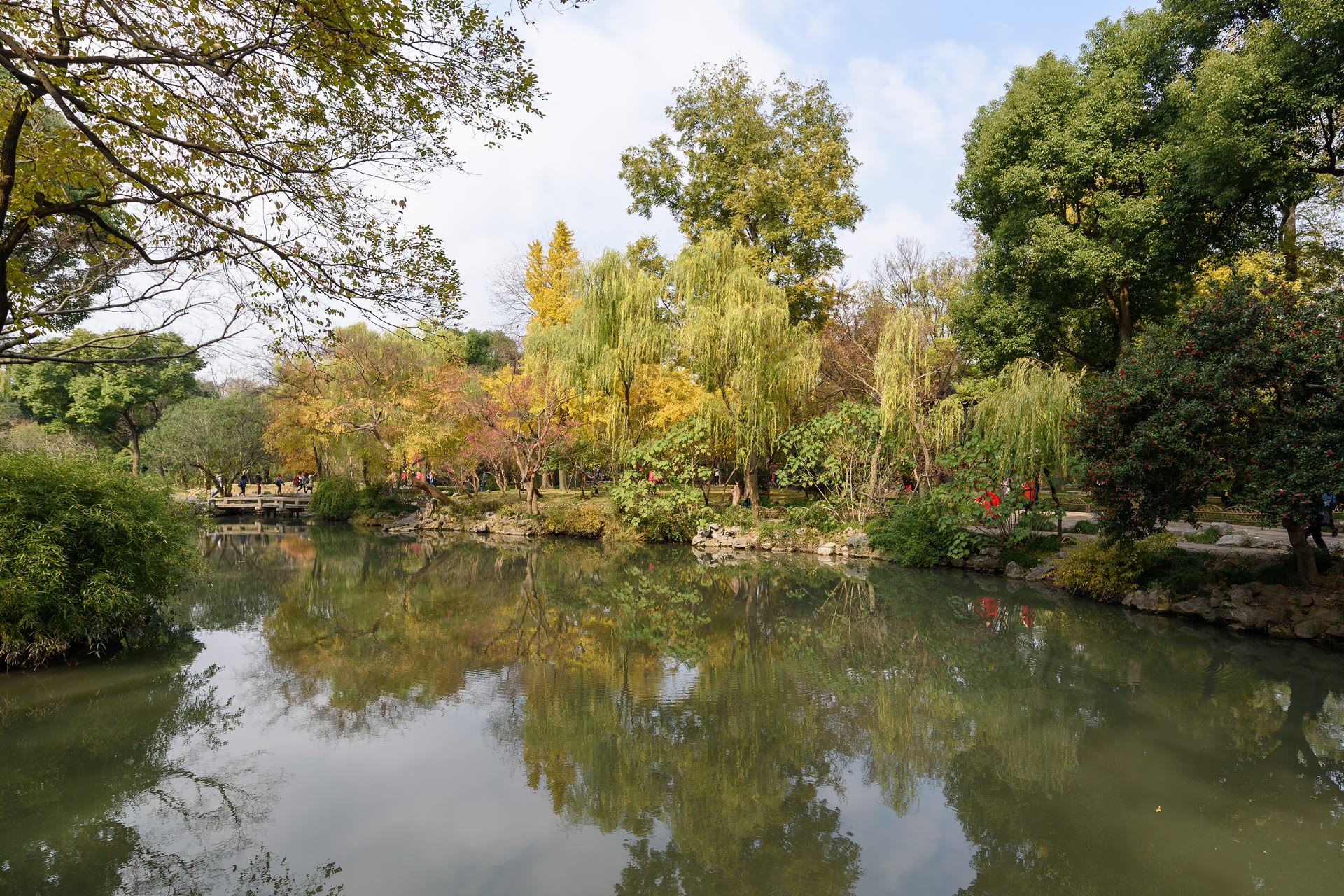
Suzhou is China's premier water town, where ancient UNESCO-listed gardens and network of stone bridges meet a high-tech industrial powerhouse. It is the ideal destination for travelers seeking the refined aesthetics of the Song and Ming dynasties within a modern, accessible urban framework.
Last updated: October 15, 2026
Contents
- 1. Orientation and Neighborhoods
- 2. Best Time to Visit
- 3. Getting There and Getting Around
- 4. Top Sights and Experiences
- 4.1 The Humble Administrator's Garden (Zhuozheng Yuan)
- 4.2 The Museum of Suzhou
- 4.3 Pingjiang Road
- 4.4 Tiger Hill (Huqiu)
- 4.5 Overrated: The Master of the Nets Garden (Night Show)
- 5. Food and Drink
- 6. Where to Stay
- 7. Practical Tips
- 8. Day Trips
- 9. Sample 3-Day Itinerary
- 9.1 Day 1: The Classics
- 9.2 Day 2: History and Heights
- 9.3 Day 3: Water Towns and Silk
- 10. Budget Overview
- 11. Frequently Asked Questions
Suzhou is often described as the Venice of the East, but this comparison barely scratches the surface of a city that has been China's center of high culture and wealth for over two thousand years. While the canals are beautiful, the true soul of Suzhou lies in its private scholars gardens, where every window frame and rock placement was designed to create a living painting. It is a city that moves at two speeds: the quiet, contemplative pace of the old town's whitewashed alleys and the neon-lit, futuristic momentum of the Suzhou Industrial Park (SIP).
For the traveler, Suzhou offers a more manageable and aesthetic alternative to the overwhelming scale of neighboring Shanghai. It is a place for those who appreciate the finer details of craftsmanship, whether it is the intricate embroidery of a silk fan or the subtle sweetness of a squirrel-shaped mandarin fish. The city serves as a living museum of Wu culture, where the melodic tones of Pingtan storytelling still echo in traditional teahouses along the Pingjiang Road canal.
Despite its rapid modernization, Suzhou has protected its historical core with strict building height limits, ensuring that the pagodas remain the tallest structures in the old city. This creates a unique atmosphere where you can spend your morning in a garden built in the 12th century and your evening under the world's largest LED ceiling at the Times Square in the SIP. It is this juxtaposition of the ancient and the avant-garde that makes Suzhou a mandatory stop on any East China itinerary.
Orientation and Neighborhoods
Suzhou is physically divided into several distinct zones, with the ancient moat-surrounded Old Town at its heart. Understanding these districts is key to choosing your base and navigating the city efficiently.
- Gusu District (The Old Town): This is the historical core enclosed by a rectangular moat. It contains the majority of the famous gardens, traditional canals, and historic streets like Pingjiang Road and Shantang Street. Stay here if you want to be within walking distance of the main sights and experience traditional Suzhou architecture.
- Suzhou Industrial Park (SIP): Located to the east of the Old Town, this is a hyper-modern district developed in partnership with Singapore. It features luxury hotels, high-end shopping malls, and the scenic Jinji Lake. It is the best area for families and business travelers who prefer modern amenities and wide, clean streets.
- Huqiu District (New District/SND): Situated to the west, this area is home to Tiger Hill and many Japanese and Korean expatriates. It offers a mix of tourist sites and modern residential living, with a famous 'Lion Mountain' commercial area.
- Wuzhong and Wujiang: These southern districts are where you will find the expansive Taihu Lake and the famous ancient water towns like Tongli and Luzhi. These areas are further out and better suited for day trips rather than a primary base.
Things to Do
Offers are only loaded from GetYourGuide after you click. GetYourGuide can then process your IP address and set cookies. Privacy Policy
GetYourGuide partner offers. GoAsia may earn a commission if you book through these offers. Check whether tickets or transfers are included, and follow the attraction's official booking and admission rules.
Best Time to Visit
Suzhou experiences four distinct seasons, with a humid subtropical climate. The transition seasons of spring and autumn are universally considered the best times for a visit.
| Month Range | Weather | Crowds | Prices |
|---|---|---|---|
| March - May | Mild and blossoming | Moderate to High | Mid-Range |
| June - August | Hot and rainy | High (School holidays) | High |
| September - November | Cool and dry | Moderate | Mid-Range |
| December - February | Cold and damp | Low | Budget |
Spring (March to May) is particularly beautiful as the classical gardens come into bloom, though you should avoid the Labor Day holiday in early May. Autumn (September to November) offers crisp air and the chance to eat the famous Yangcheng Lake hairy crabs. Winter can be surprisingly biting due to the humidity, and many older buildings lack central heating, making it less comfortable for sightseeing. Avoid the Chinese New Year period and the National Day Golden Week (first week of October) at all costs, as the narrow alleys of the Old Town become impassably crowded.
Getting There and Getting Around
Suzhou does not have its own commercial passenger airport, but it is exceptionally well-connected. Most travelers fly into Shanghai Hongqiao (SHA) or Shanghai Pudong (PVG). From Hongqiao, high-speed trains reach Suzhou in just 25 to 30 minutes. From Pudong, a bus or a private car takes roughly 2 hours. You can search for the latest train schedules and book tickets on GoAsia.cc.
Within the city, the Suzhou Rail Transit (Metro) is clean, efficient, and has English signage. It currently covers all major tourist hubs. For areas not reached by metro, the bus system is extensive, though harder to navigate without Chinese language skills. Taxis and ride-hailing apps like DiDi (which has an English version) are very affordable; a cross-city trip rarely exceeds $10 USD. The Old Town is highly walkable, and renting a public bicycle is a great way to explore the canal-side paths, provided you have a payment app like Alipay or WeChat Pay linked to your phone.
Top Sights and Experiences
The Humble Administrator's Garden (Zhuozheng Yuan)
As the largest and most famous garden in Suzhou, this UNESCO site is the pinnacle of Ming Dynasty design. It is centered around a massive pond with interconnected islands, pavilions, and bridges. To avoid the crushing crowds, arrive exactly when it opens at 7:30 AM. Expect to spend 2 to 3 hours here. Tickets should be booked in advance online through official WeChat mini-programs or travel platforms, as daily quotas are strictly enforced.
The Museum of Suzhou
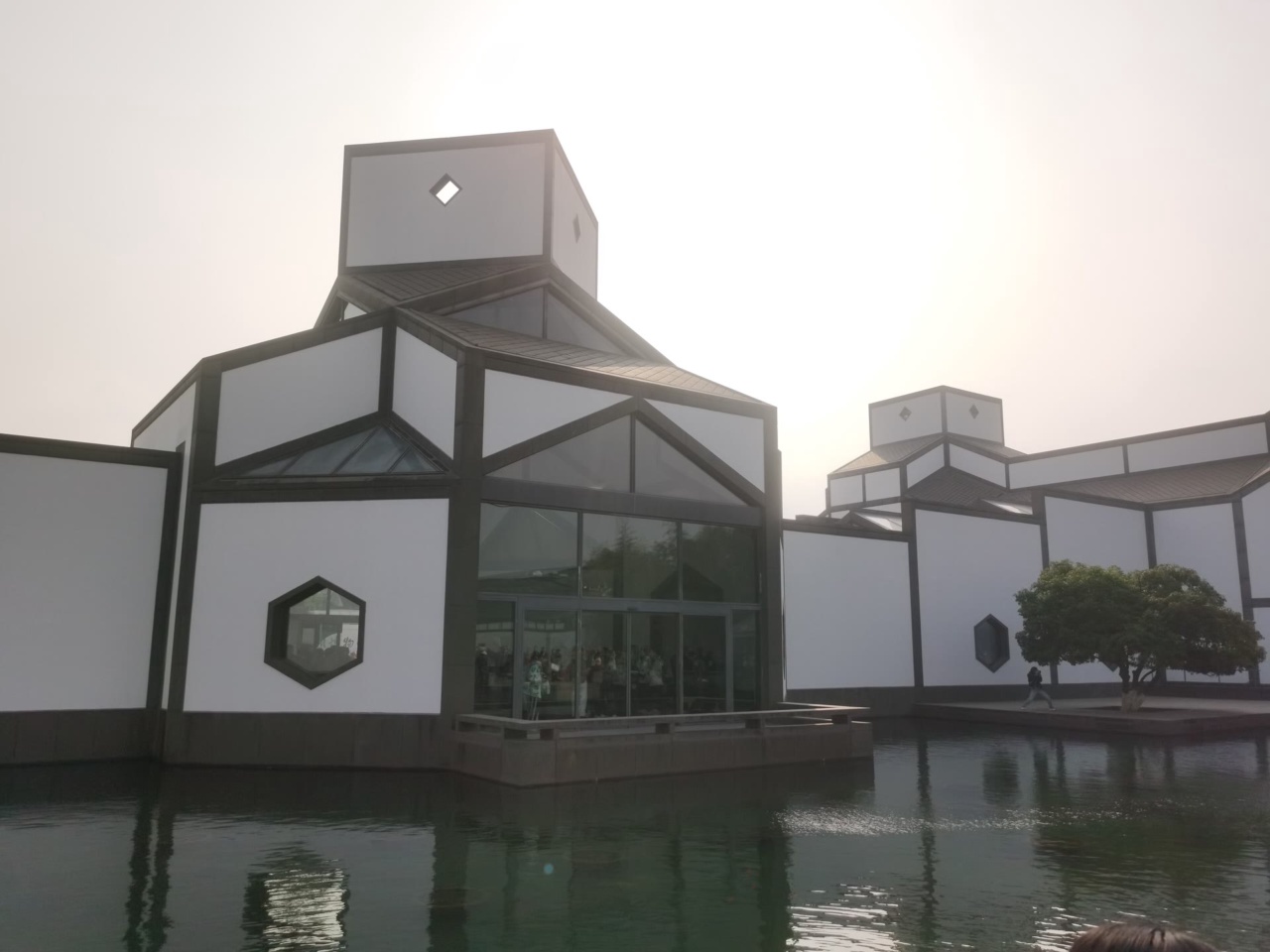
Designed by the world-renowned architect I.M. Pei (who grew up in a Suzhou garden family), the museum itself is as much of an attraction as the artifacts inside. It uses modern geometric lines to reinterpret traditional Suzhou architecture. Admission is free but requires a reservation days in advance. The 'lotus pond' in the central courtyard is a masterpiece of modern landscape design.
Pingjiang Road
This is the best-preserved historic block in Suzhou. A narrow stone path runs alongside a canal, lined with teahouses, boutiques, and traditional homes. While the main thoroughfare is touristy, ducking into the side alleys reveals the quiet daily life of residents washing clothes in the canal. Spend an evening here listening to a Pingtan performance (ballad singing in Suzhou dialect) while sipping green tea.
Tiger Hill (Huqiu)
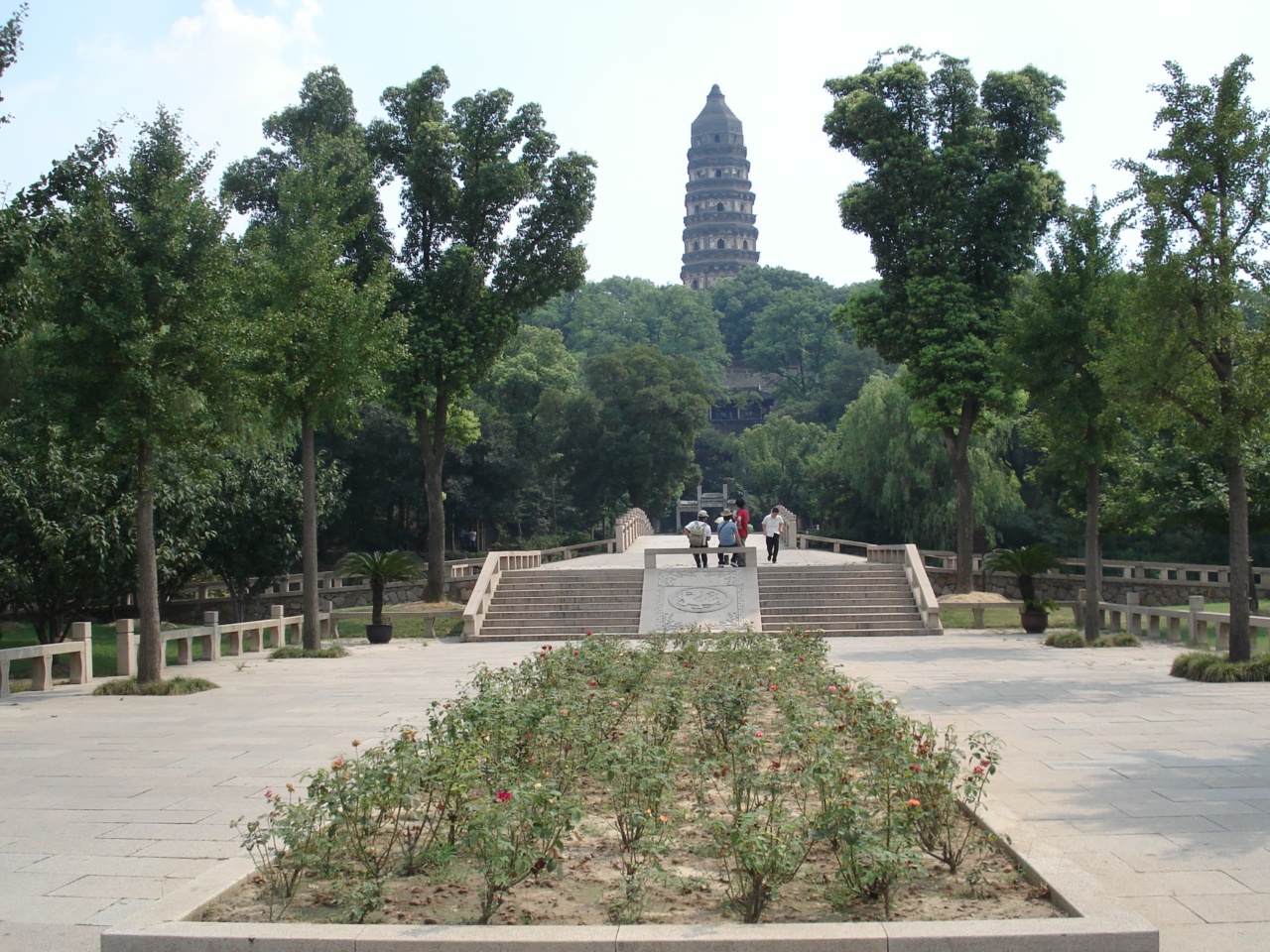
Known for the 'Leaning Tower of China' (the Yunyan Pagoda), this site has a history stretching back 2,500 years. The hill is artificial, built as a tomb for an ancient king. The Sword Pool, where thousands of swords are said to be buried, is a highlight. It is a bit far from the center, so allow half a day for this visit.
Overrated: The Master of the Nets Garden (Night Show)
While the garden itself is a masterpiece of small-scale design, the 'Night Garden' performance is often overpriced and feels rushed. The traditional performances are very brief, and you are ushered from room to room with large groups, which ruins the tranquil atmosphere the garden was built for. Visit during the day instead for a fraction of the price.
Food and Drink
Suzhou cuisine (Su Bang Cai) is one of the eight great culinary traditions of China. It emphasizes fresh, seasonal ingredients and a delicate, slightly sweet flavor profile. Freshwater fish and shrimp from the nearby lakes are staples.
| Dish | Description | Where to Try | Typical Price |
|---|---|---|---|
| Squirrel-Shaped Mandarin Fish | Deep-fried fish carved to look like a squirrel, topped with sweet and sour sauce. | Songhelou Restaurant | $25 - $35 |
| Pan-fried Buns (Shengjian Mantou) | Crispy-bottomed pork buns filled with hot broth. | Yang Zhenghua | $3 - $5 |
| Aozao Noodles | Thin wheat noodles in a rich, dark fish-based broth. | Tongdexing | $4 - $8 |
| Biluochun Tea | A famous green tea grown on nearby Dongting Mountain. | Pingjiang Road teahouses | $10 - $20 (per pot) |
For street food, head to Guanqian Street or the smaller stalls around Shantang Street. Don't miss the seasonal sweets, such as green sticky rice balls (Qingtuan) in the spring or mooncakes with savory meat filling in the autumn. Most local restaurants are casual; expect to pay around $15 USD for a very filling mid-range meal.
Where to Stay
Budget: Look for hostels and boutique guesthouses tucked away in the alleys near Pingjiang Road. Many are converted traditional homes. Prices range from $20 to $45 USD per night.
Mid-Range: The Gusu District has many 4-star hotels that blend modern comfort with Chinese aesthetics. Expect to pay $60 to $100 USD. Staying near a Metro Line 1 station is highly recommended for easy access to both the old and new parts of the city.
Upscale: The Suzhou Industrial Park (SIP) is home to the W, Park Hyatt, and Shangri-La. These hotels offer stunning views of Jinji Lake and the 'Gate to the East' skyscraper. Prices for luxury stays typically range from $150 to $300 USD per night.
Practical Tips
- Payment: China is almost entirely cashless. Download Alipay or WeChat Pay and link your international credit card before arrival. Cash is accepted but often difficult as vendors may not have change.
- Internet: A VPN is necessary to access Google, Facebook, and Instagram. Alternatively, buy an international roaming e-SIM before you land, which often bypasses the Great Firewall.
- Language: English is not widely spoken outside of luxury hotels. Download a translation app like Baidu Translate or Pleco. Use the 'photo translate' feature for menus.
- Safety: Suzhou is exceptionally safe, even late at night. The most common 'scam' is being invited to a tea ceremony or art gallery by 'students' who then leave you with a massive bill. Politely decline these offers.
- Tipping: Tipping is not part of the culture in China and can sometimes be seen as confusing or offensive. It is not expected in restaurants, taxis, or hotels.
Day Trips
Tongli Water Town: Located 45 minutes from the city center, Tongli is famous for its fifteen canals and seven islands. It is less commercialized than the famous Zhouzhuang and can be reached by Metro Line 4, making it the most convenient day trip. It is absolutely worth the half-day visit.
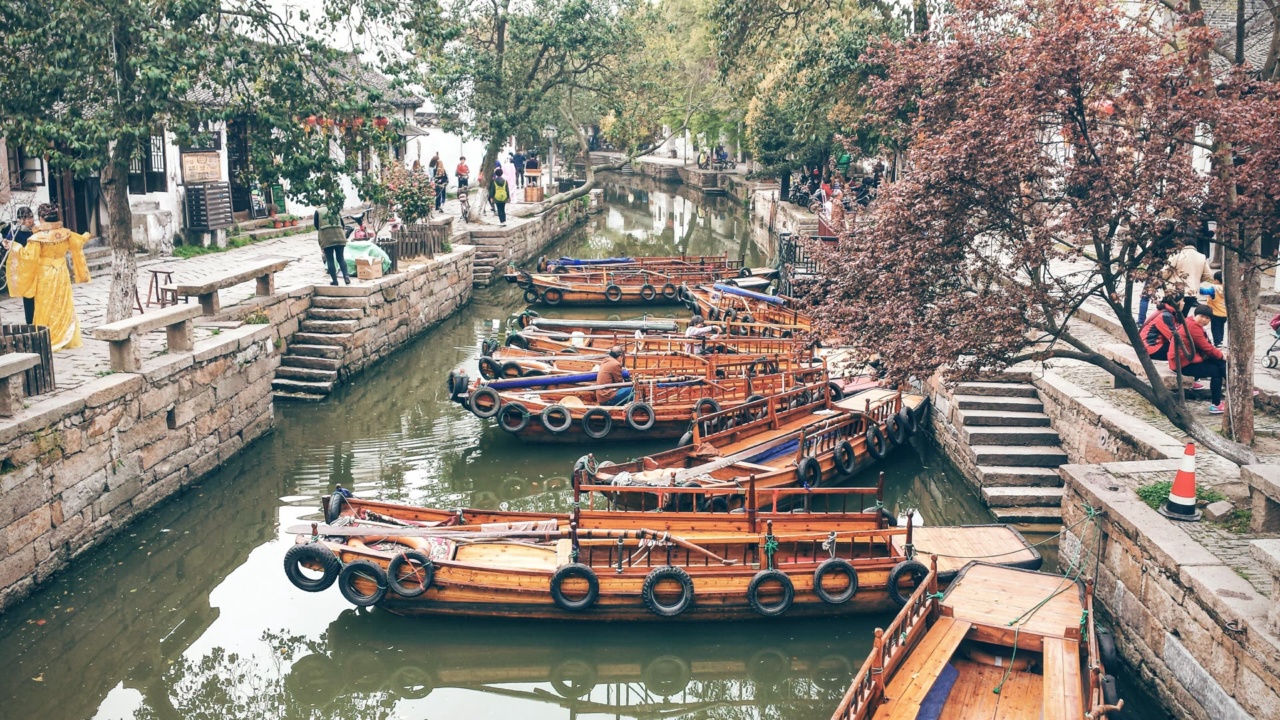
Zhouzhuang Water Town: Often called the 'No. 1 Water Town in China.' While beautiful, it is extremely touristy and can feel like a theme park. It is roughly 1 hour away by bus. Only visit if you don't mind heavy crowds and aggressive souvenir hawkers.
Mudu Water Town: Situated at the foot of Tianping Mountain, Mudu is unique because it is the only water town nestled in a mountainous landscape. It is famous for its private gardens that rival those in Suzhou city but with fewer tourists.
Sample 3-Day Itinerary
Day 1: The Classics
Morning: Start at the Humble Administrator's Garden at opening time. Walk 5 minutes to the Suzhou Museum. Afternoon: Explore the Lion Grove Garden, famous for its maze-like rock formations. Evening: Walk down Pingjiang Road, enjoy a canal-side dinner, and watch a Pingtan performance.
Day 2: History and Heights
Morning: Take a taxi to Tiger Hill to see the leaning pagoda. Afternoon: Visit the Panmen Gate, the only surviving combined water and land city gate in the world. Evening: Head to the Suzhou Industrial Park. Walk along the Jinji Lake promenade and see the 'Gate to the East' skyscraper lit up at night.
Day 3: Water Towns and Silk
Morning: Take Metro Line 4 to Tongli Water Town. Spend the morning exploring the Tuisi Garden and taking a wooden boat ride. Afternoon: Return to the city and visit the No. 1 Silk Factory to see how silk is harvested from cocoons. Evening: Final dinner at Shantang Street, which looks magical when the red lanterns are lit along the canal.
Budget Overview
| Category | Budget | Mid-Range | Comfort |
|---|---|---|---|
| Accommodation | $25 | $80 | $200 |
| Food | $15 | $40 | $100 |
| Transport | $3 | $10 | $25 |
| Activities | $10 | $25 | $50 |
| Daily Total | $53 | $155 | $375 |
Frequently Asked Questions
Is Suzhou worth visiting?
Absolutely. It offers a unique window into ancient Chinese aesthetics through its UNESCO gardens and canal systems, providing a much more traditional atmosphere than Shanghai or Beijing.
How many days do you need in Suzhou?
Two to three days is ideal. This allows you enough time to see the major gardens, visit the museum, and take a half-day trip to a nearby water town like Tongli.
Is Suzhou safe for tourists?
Suzhou is one of the safest cities in the world for travelers. Violent crime is extremely rare, and you can safely walk around at night. Just be cautious of minor tea house scams in tourist areas.
Can you drink tap water in Suzhou?
No, tap water in Suzhou is not potable. You should always drink bottled water or boil tap water first. Most hotels provide complimentary bottled water or an electric kettle.
What is the best neighborhood to stay in Suzhou?
Stay in the Gusu District (Old Town) near Pingjiang Road for traditional charm and walking access to sights, or the Suzhou Industrial Park (SIP) for luxury hotels and modern amenities.
Is English widely spoken in Suzhou?
English is limited. While staff at high-end hotels and major tourist sites speak some English, you will need a translation app for local restaurants, taxis, and smaller shops.
How do I get from Shanghai to Suzhou?
The best way is by high-speed train from Shanghai Hongqiao Station, which takes about 30 minutes. Trains run frequently throughout the day and are very affordable.
What should I buy in Suzhou?
Suzhou is world-famous for its silk. Look for high-quality silk scarves, embroidery, and traditional fans. Biluochun green tea is another excellent local specialty to bring home.
Routes
Routes from Suzhou (3)
Routes to Suzhou (1)