Humble Administrator’s Garden: Tickets, Hours and a Suzhou Visit
Contents
Choose the Humble Administrator’s Garden if you want a water-centred classical garden visit in Suzhou. Make it the main stop rather than rushing through several gardens, and add the nearby main Suzhou Museum only if its separate reservation fits. Allow about two hours as a planning example, with more time for sitting, photographs or slower movement. This is not a guaranteed completion time or a promise of an empty garden.
Why visit this garden?
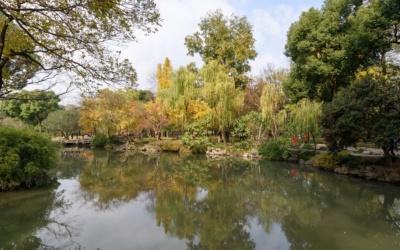
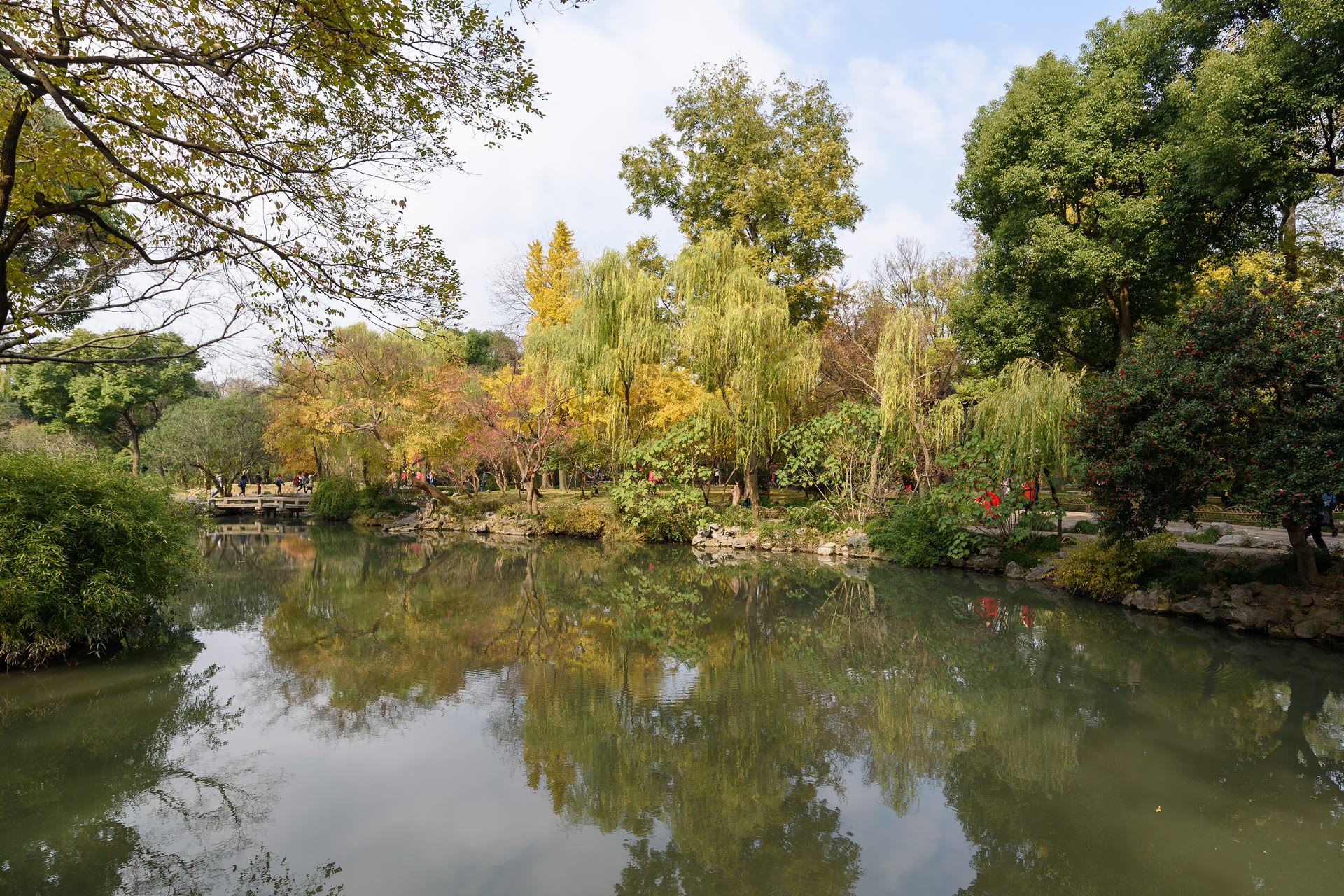
The garden, known in Chinese as Zhuozheng Yuan, began in 1509 as Wang Xianchen’s retreat. Its name draws on Pan Yue’s writing about tending a garden as a modest form of governing one’s life. It later changed owners and was restored; the garden seen today is not an untouched private estate from 1509. It belongs to the nine-garden Classical Gardens of Suzhou World Heritage group. Water, rocks, planting and architecture create a small-scale landscape rather than a single panoramic view.
Things to Do
Offers are only loaded from GetYourGuide after you click. GetYourGuide can then process your IP address and set cookies. Privacy Policy
GetYourGuide partner offers. GoAsia may earn a commission if you book through these offers. Check whether tickets or transfers are included, and follow the attraction's official booking and admission rules.
Read the landscape as you walk
The garden authority gives an area of 5.2 hectares and divides it into eastern, central and western sections. The east has a more open landscape; the centre is organised around water and buildings beside it; the west has decorated halls and winding covered walks. These are different parts of one visit, not three separate gardens or tickets. Use the posted map and current visitor route instead of assuming every path is open.
In the central area, look for the pond-side He Feng Si Mian Ting pavilion, Jian Shan Lou and Xiao Fei Hong bridge, named by the garden authority. Pause at doorways and patterned windows, then compare the view from another point beside the water. This makes the landscape’s framing easier to notice. Read the names and explanations where available. Ask about current guide services and languages rather than assuming an audio guide is always offered.
Tickets and visitor identity
On 5 October 2026, the tourism portal displayed an adult ticket at RMB80, including a passport-labelled category. This is a dated product example, not a universal year-round price or proof of every concession. Select your date and category, check the complete price and save the confirmation. A discounted or free category may still require reservation and eligibility evidence. Check the selected product’s payment and cancellation terms rather than assuming cash, a foreign card or an app always works.
The municipal notice of 19 June 2026 describes real-name timed reservations made one to seven days ahead. The current portal also lists a same-day passport adult product, so do not turn that general notice into a claim that every passport holder must book the previous day. Availability and entry procedure depend on the selected product. Use your correct document details, carry the document used to book and confirm how passport tickets are checked if the instructions describe only Chinese ID-card scanning.
Daytime and separate evening visits
The current portal lists ordinary daytime hours as 07:30-17:30, with ticket inspection ending at 17:00. The dated 2026 notice brings opening forward to 06:45 from 19 June through 7 October. That is a temporary date range, not a permanent annual schedule. Confirm your visit date and last admission: closing time is not the final time you can enter. Leave time after admission to follow the visitor route without rushing.
The garden’s Zhuozheng Wenya evening program is separate from ordinary daytime admission. The current portal shows conflicting seasonal end times of 21:15 and 21:45, so confirm the actual session and included areas before paying. The municipal summer announcement extending five other gardens to 21:00 did not extend this garden’s daytime ticket by the same rule. A night-tour listing is not permission to remain after daytime closing.
Getting there and adding the museum
Use the garden’s address, 178 Dongbei Street in Suzhou’s historic city, when planning your local journey. If arriving from Shanghai by rail, check the exact Suzhou arrival station and the onward connection; train time alone is not the complete trip. Choose a current public-transport route or dated transfer, and allow for walking from the stop to the entrance. Do not rely on old bus lists, a fixed cheap taxi fare or a guaranteed half-hour total journey.
The nearby main Suzhou Museum is at 204 Dongbei Street, not the West Museum at 399 Changjiang Road. The museum’s September 2026 notice requires timed reservations for the main building, with a booking window of seven days including the booking day. It describes queue entry without reservation for the West Museum, which is a different destination. Book garden and museum separately and check each date’s hours; holiday extensions are temporary, not standard opening times. Pingjiang Road can be another walk if your available time and route suit.
Leave room to enjoy the garden
Bring comfortable shoes and leave space for steps, narrow passages, weather and rests. Ask about the current accessible route if needed; a general map is not a step-free guarantee. Early arrival may suit your itinerary but does not guarantee quiet, ideal light or a particular crowd level. Keep paths clear, follow barriers and protect plants and buildings. One attentive garden visit can be enough; choose a second garden for a different design, not to reach a required number.
Sources and background
These sources support the topics listed below, not every statement or current price in this article.
- [1] UNESCO World Heritage Centre: Classical Gardens of Suzhou: nine-garden heritage group and landscape design. Retrieved October 5, 2026. History, Culture
- [2] Suzhou Gardens and Landscaping Administrative Bureau: Humble Administrator's Garden: 1509 origins, 5.2-hectare layout and Dongbei Street address. Retrieved October 5, 2026. History, Culture, Access
- [3] Suzhou Municipal Government: 19 June 2026 notice: temporary 06:45 opening through 7 October and advance real-name reservation. Retrieved October 5, 2026. Opening hours, Registration
- [4] Jun Dao Suzhou tourism portal: Current garden products: adult price, passport category, daytime rules and conflicting night-tour times. Retrieved October 5, 2026. Admission, Opening hours, Registration
- [5] Suzhou Municipal Government: July 2026 summer notice: five other gardens' extended hours and separate garden night-tour programs. Retrieved October 5, 2026. Opening hours, Culture
- [6] Suzhou Museum, republished by Suzhou Municipal Government: September 2026 museum notice: main versus west addresses, seven-day booking window and dated holiday schedules. Retrieved October 5, 2026. Opening hours, Registration, Access
Frequently Asked Questions
Choose the Humble Administrator’s Garden if you want a water-centred classical garden visit in Suzhou. Make it the main stop rather than rushing through several gardens, and add the nearby main Suzhou Museum only if its separate reservation fits. Allow about two hours as a planning example, with more time for sitting, photographs or slower movement. This is not a guaranteed completion time or a promise of an empty garden.
On 5 October 2026, the tourism portal displayed an adult ticket at RMB80, including a passport-labelled category. This is a dated product example, not a universal year-round price or proof of every concession. Select your date and category, check the complete price and save the confirmation. A discounted or free category may still require reservation and eligibility evidence. Check the selected product’s payment and cancellation terms rather than assuming cash, a foreign card or an app always works. The municipal notice of 19 June 2026 describes real-name timed reservations made one to seven days ahead. The current portal also lists a same-day passport adult product, so do not turn that general notice into a claim that every passport holder must book the previous day. Availability and entry procedure depend on the selected product. Use your correct document details, carry the document used to book and confirm how passport tickets are checked if the instructions describe only Chinese ID-card scanning.
Use the garden’s address, 178 Dongbei Street in Suzhou’s historic city, when planning your local journey. If arriving from Shanghai by rail, check the exact Suzhou arrival station and the onward connection; train time alone is not the complete trip. Choose a current public-transport route or dated transfer, and allow for walking from the stop to the entrance. Do not rely on old bus lists, a fixed cheap taxi fare or a guaranteed half-hour total journey.
The nearby main Suzhou Museum is at 204 Dongbei Street, not the West Museum at 399 Changjiang Road. The museum’s September 2026 notice requires timed reservations for the main building, with a booking window of seven days including the booking day. It describes queue entry without reservation for the West Museum, which is a different destination. Book garden and museum separately and check each date’s hours; holiday extensions are temporary, not standard opening times. Pingjiang Road can be another walk if your available time and route suit.
The current portal lists ordinary daytime hours as 07:30-17:30, with ticket inspection ending at 17:00. The dated 2026 notice brings opening forward to 06:45 from 19 June through 7 October. That is a temporary date range, not a permanent annual schedule. Confirm your visit date and last admission: closing time is not the final time you can enter. Leave time after admission to follow the visitor route without rushing. The garden’s Zhuozheng Wenya evening program is separate from ordinary daytime admission. The current portal shows conflicting seasonal end times of 21:15 and 21:45, so confirm the actual session and included areas before paying. The municipal summer announcement extending five other gardens to 21:00 did not extend this garden’s daytime ticket by the same rule. A night-tour listing is not permission to remain after daytime closing.
Bring comfortable shoes and leave space for steps, narrow passages, weather and rests. Ask about the current accessible route if needed; a general map is not a step-free guarantee. Early arrival may suit your itinerary but does not guarantee quiet, ideal light or a particular crowd level. Keep paths clear, follow barriers and protect plants and buildings. One attentive garden visit can be enough; choose a second garden for a different design, not to reach a required number.