Tongli Water Town: Tuisi Garden, Canals and Getting There
Contents
- 1. Which Tongli visit suits your trip?
- 2. Tuisi Garden: the UNESCO-listed highlight
- 3. The Three Bridges and a canal-side walk
- 4. Tickets: published prices and what to confirm
- 5. From Suzhou: Metro Line 4 needs a final connection
- 6. Boat rides: compare the actual product
- 7. Day trip or overnight: organise the practical details
- 8. Sources and background
- 9. Frequently Asked Questions
Tongli (同里), in Suzhou's Wujiang district, combines canal-side streets, stone bridges and historic gardens. A visit brings together Tuisi Garden, the Three Bridges and a walk through the town's waterways and lanes.
Decide whether you mainly want a garden visit, a canal walk with an optional boat ride, or an overnight stay. For a garden and walking visit, keeping roughly half a day at the destination is an editorial planning suggestion, not a fixed sightseeing duration. Add the journey from your actual Suzhou address and leave time for the return connection.
Which Tongli visit suits your trip?
| Plan | Best suited to | Practical trade-off |
|---|---|---|
| Tuisi Garden and the Three Bridges | Garden design, local heritage and a focused day trip | Check the garden's entry conditions and last admission before arranging the rest of the walk |
| Canal-side walk with an optional boat | A view of the town from both land and water | A boat is a separate purchase unless your exact ticket expressly includes it; check route and price basis |
| Overnight beside or within the old town | Travellers who want to spread the visit across two days | Confirm accommodation access, luggage arrangements and attraction entry; a room does not guarantee free admission or empty streets |
If you have limited time, prioritise Tuisi Garden and a connected walk rather than trying to enter every named attraction. If stairs, bridge crossings or luggage are a concern, ask about the actual route and accessible entrances before buying. Historic surroundings do not establish a step-free route.
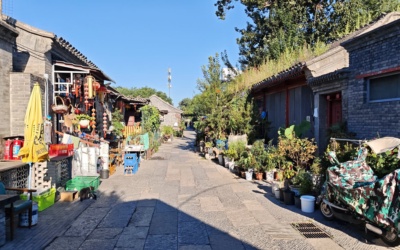
Tongli is also a place where people live and work. Keep residential doorways clear, ask before photographing people closely and distinguish public paths from homes or other private spaces. A canal view is not permission to enter a courtyard.
Things to Do
Offers are only loaded from GetYourGuide after you click. GetYourGuide can then process your IP address and set cookies. Privacy Policy
GetYourGuide partner offers. GoAsia may earn a commission if you book through these offers. Check whether tickets or transfers are included, and follow the attraction's official booking and admission rules.
Tuisi Garden: the UNESCO-listed highlight
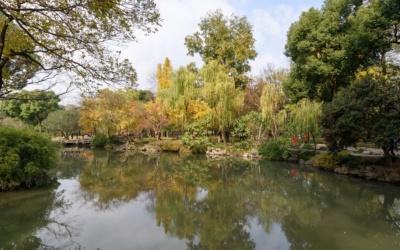
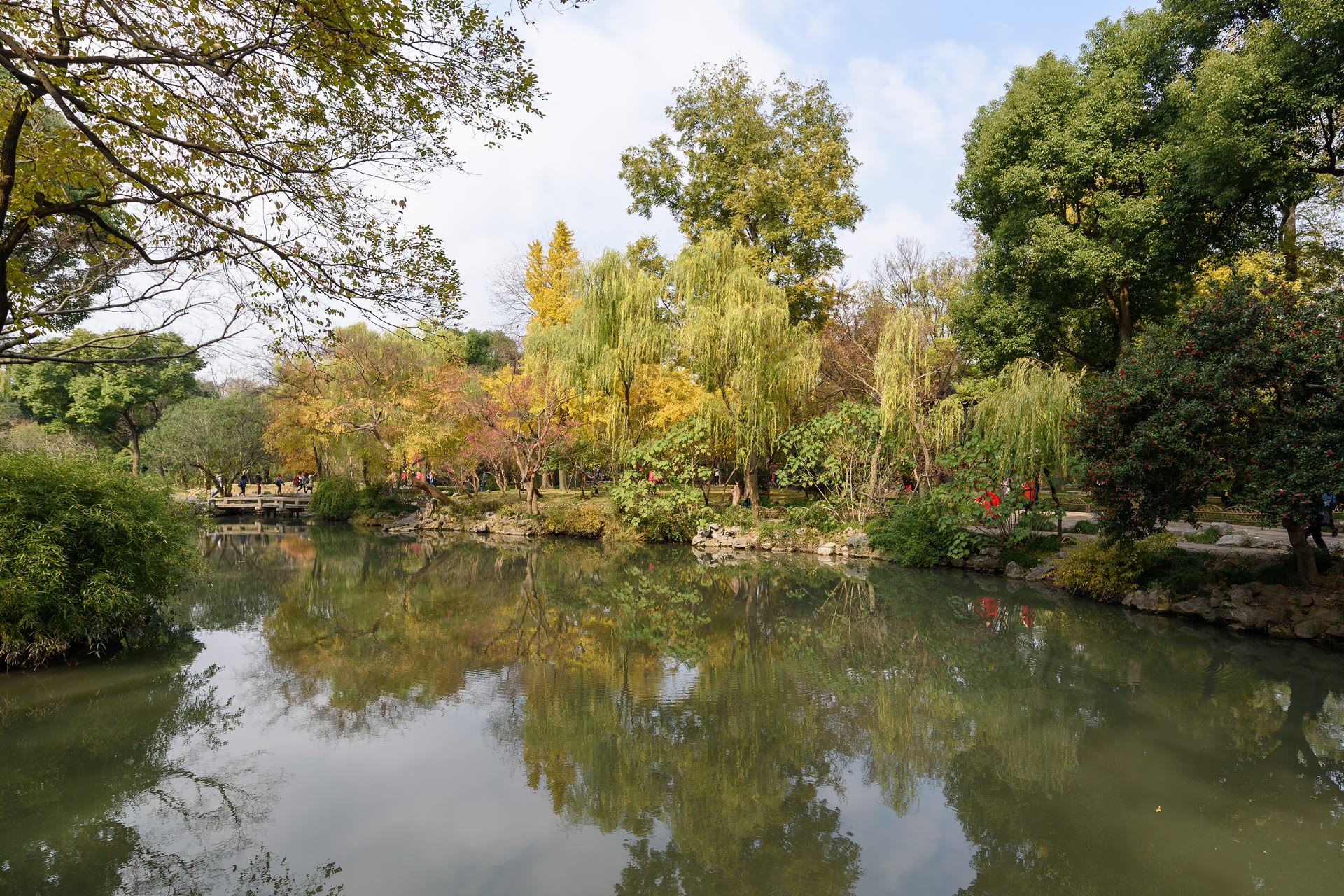
Tuisi Garden (退思园), translated as the Retreat and Reflection Garden, is one of the nine selected Classical Gardens of Suzhou on UNESCO's World Heritage List. The designation applies to the listed garden component, not automatically to every lane or building in Tongli.
The town's official garden account dates its construction to 1885 to 1887. It identifies the owner as Ren Lansheng, who returned home after dismissal from office, and the designer as the painter Yuan Long. The garden's name evokes reflection on one's conduct in retreat, rather than simply a scenic escape.
The same account describes a sequence of halls, residential spaces, courtyard and garden from west to east. UNESCO explains the wider Suzhou garden tradition as a miniature natural world made from water, stones, plants and buildings. Look at how a small area opens into different compositions as you move, instead of treating the garden as a single photograph stop. Confirm which parts are accessible on your day.
The Three Bridges and a canal-side walk
The town's official folklore account names the Three Bridges (三桥) as Taiping (太平桥), Jili (吉利桥) and Changqing (长庆桥). Their meeting point at three waterways gives a canal walk a specific destination rather than a vague instruction to wander.
Walking across the bridges is associated in that account with celebrations such as weddings, birthdays and the arrival of a child. This is cultural background, not a promise that a ceremony will be taking place when you arrive or that following a particular sequence brings guaranteed good fortune.
Use the bridges as an orientation point and then choose nearby canal-side lanes that suit your time and mobility. Pause where there is room without blocking a crossing. If you stop for a meal, read the menu and ask about portion size, price and any extra charges before ordering; a waterside seat is a preference, not proof that a restaurant is better or worse value.
Tickets: published prices and what to confirm
| Officially listed product | Published price | Important condition |
|---|---|---|
| Adult same-day ticket | 100 CNY per person | Confirm the exact included attractions, date and entry rules |
| Adult advance ticket | 80 CNY per person | The listing requires booking at least one day ahead and describes Chinese identity-card entry |
| Student or older-person product | 50 CNY in the listing | Eligibility and document requirements need confirmation; do not assume every foreign visitor qualifies |
These are prices published on the operator's ticket page, checked on 5 October 2026. The page itself gives no clear tariff publication date. Use it as price orientation, then check the product offered for your visit date before paying. A combined-ticket label does not establish the precise attraction list, multi-day validity, boat inclusion or every refund condition.
The advance-ticket description specifically says entry by Chinese identity card. If travelling with a foreign passport, ask the official tourism operator which booking and ticket-exchange process accepts your document before buying. Do not assume that a Chinese ID-based online purchase flow will work unchanged with a passport. Student and age discounts also need their own eligibility check.
Check Tuisi Garden's opening hours and last admission separately from the time you can walk through accessible town lanes. The reviewed ticket and garden pages do not establish current opening hours or universal free street access outside ticketing hours. Ask whether your exact ticket permits re-entry if you plan a meal break or overnight stay.
From Suzhou: Metro Line 4 needs a final connection
The official town transport guide lists Suzhou Metro Line 4 to Tongli station (同里站), followed by bus 725 to Shipaifang (石牌楼) for the scenic area. The metro station and the old town are not the same arrival point. Save both Chinese names so that the final connection is clear.
The transport page is undated and contains older service details. Confirm the bus stop, current route, fare and last return service with the transport operator or at the station rather than treating its published headways and last departures as a live timetable. A late metro departure does not mean the connecting bus runs equally late. Work backwards from both return legs.
Start with your actual Suzhou railway station, hotel or address: Suzhou Railway Station and Suzhou North are different starting points. Compare the entire metro-and-bus journey with a vehicle transfer, not just a single ride. For a taxi or booked car, specify the old-town drop-off and agree the total vehicle price, passengers, luggage, waiting and return; no universal 40-minute journey or fixed current fare is established.
Boat rides: compare the actual product
A canal boat can add a different perspective to a walking visit, but it need not be the centre of every trip. At the departure point, ask which route operates, how long the actual ride lasts and whether it suits your group. The reviewed official pages do not provide a current boat tariff, capacity or guaranteed operating period.
Before paying, establish whether the quoted amount is per boat or per passenger, how many people it covers and whether your attraction ticket includes anything. A shared ride and a private boat are not equivalent products. Ask about safe boarding, available safety equipment and what happens if weather interrupts the ride. Follow staff instructions at the boat.
Keep a land-based alternative if the boat is unavailable, the weather is unsuitable or the boarding arrangement does not work for your mobility. Allow for waiting and the duration actually offered before deciding whether the boat fits your return journey.
Day trip or overnight: organise the practical details
For a day trip, start with the last admission of the attraction you most want to enter, then arrange the bridge and canal walk, meal and optional boat around it. Weekday, early and late visits are choices to consider, not a guarantee of quiet streets. Public holidays and current group bookings can change the experience.
For an overnight stay, confirm the accommodation's exact entrance and whether a vehicle can reach it. Ask about luggage transfer, check-in, reception hours and any attraction or town ticket requirements. Check the current room offer and whether the property's location suits the parts of town you want to visit. Arrange Tuisi Garden around its confirmed admission times, even if you are staying nearby.
The China travel overview can help you connect Tongli with a wider trip. Keep the visit budget in CNY and separate attraction tickets, boats, food and vehicle costs. No current evening performance has been established here, so choose an overnight stay for the pace and accommodation you want, not for an old event announcement.
Sources and background
These sources support the topics listed below, not every statement or current price in this article.
- [1] Suzhou Tongli International Tourism Development Co., Ltd.: Tongli official ticket listing: same-day and advance adult products. Retrieved October 5, 2026. Admission, Registration
- [2] Suzhou Tongli International Tourism Development Co., Ltd.: Tongli official transport guide: Metro Line 4 and bus 725. Retrieved October 5, 2026. Transport, Access
- [3] Suzhou Tongli International Tourism Development Co., Ltd.: Tuisi Garden: construction, layout and World Heritage history. Retrieved October 5, 2026. History, Culture
- [4] Suzhou Tongli International Tourism Development Co., Ltd.: Tongli folklore: Taiping, Jili and Changqing bridges. Retrieved October 5, 2026. History, Culture
- [5] UNESCO World Heritage Centre: Classical Gardens of Suzhou: Retreat and Reflection Garden. Retrieved October 5, 2026. History, Culture
- [6] Suzhou Tongli International Tourism Development Co., Ltd.: Tongli tourism operator: official contact details. Retrieved October 5, 2026. Access, Admission
Frequently Asked Questions
Yes, a focused plan can combine Tuisi Garden and a canal walk around the Three Bridges. Allow time at the destination and add the journey from your actual starting address. The official transport guide lists Metro Line 4 to Tongli station and a final bus connection, not a metro stop directly inside the old town.
The operator page checked on 5 October 2026 lists adult same-day admission at 100 CNY and advance admission at 80 CNY, with booking at least one day ahead. It also lists 50 CNY student and older-person products, whose eligibility needs checking. Confirm the current product, attraction coverage and boat inclusion; the reviewed page does not establish a current boat fare.
The town guide lists bus 725 from Metro Line 4 Tongli station to Shipaifang for the scenic area. Its service details are undated, so confirm the current stop, route and last return before relying on them. Allow for both the metro journey and this final connection.
If avoiding busy periods matters to you, check public-holiday dates and ask locally about group visits before choosing your day. Plan around confirmed attraction hours, weather and return transport. Neither a particular weekday nor an overnight stay guarantees quiet streets or early garden access.
Tuisi, the Retreat and Reflection Garden, is one of UNESCO’s nine selected Classical Gardens of Suzhou. The operator dates it to 1885 to 1887 and identifies Ren Lansheng as owner and Yuan Long as designer. Its arrangement offers a concentrated example of the Suzhou garden tradition; the UNESCO designation is not a blanket listing of the whole town.
Consider it if you want to split the visit across two days rather than add a late return journey. Compare current room offers and check the property’s actual location, vehicle access, luggage arrangements and entry or re-entry requirements. Choose the stay for its pace and practical arrangements, not for an unconfirmed evening programme.