
Nanjing
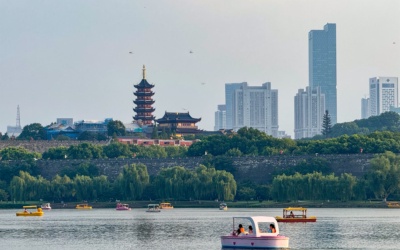
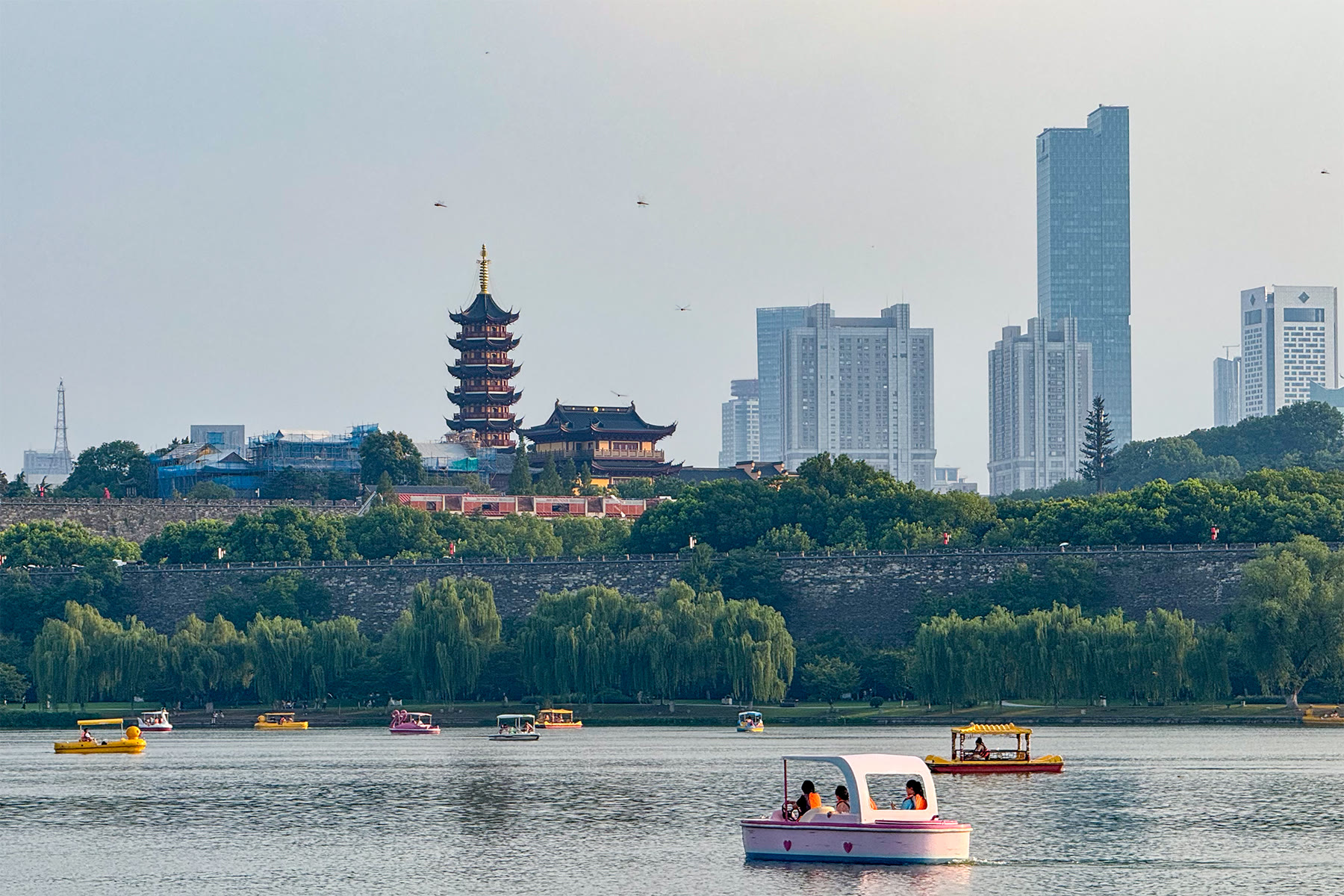
Nanjing serves as a profound historical anchor for China, blending the remnants of its imperial capital past with a vibrant, leafy university atmosphere. It is the ideal destination for travelers seeking deep cultural insights, Ming Dynasty architecture, and a more relaxed pace than nearby Shanghai.
Last updated: October 15, 2026
Contents
- 1. Orientation and Neighborhoods
- 2. Best Time to Visit
- 3. Getting There and Getting Around
- 4. Top Sights and Experiences
- 4.1 The Must-Sees
- 4.2 Lesser-Known Gems
- 4.3 What to Skip
- 5. Food and Drink
- 6. Where to Stay
- 7. Practical Tips
- 8. Day Trips
- 9. Sample 3-Day Itinerary
- 9.1 Day 1: Imperial Grandeur and Ancient Walls
- 9.2 Day 2: Reflection and Modern History
- 9.3 Day 3: The Sacred Mountain
- 10. Budget Overview
- 11. Frequently Asked Questions
Nanjing is a city of layers, where the colossal grey stone of Ming Dynasty city walls meets the neon glow of modern commercial hubs and the hushed, tree-lined avenues of the former Republican era. Unlike the relentless pace of Shanghai or the sprawling political weight of Beijing, Nanjing offers a more contemplative urban experience. It is a place where history is not just found in museums but is physically woven into the city's geography, from the massive fortifications that still encircle the center to the sacred slopes of the Purple Mountain.
For the traveler, Nanjing represents the 'Southern Capital' (as its name translates), a title it has held through multiple dynasties and the turbulent early 20th century. This heritage has left behind a rich architectural legacy ranging from traditional rooflines and hidden temples to neoclassical villas. It is a scholarly city, home to prestigious universities that lend the streets a youthful energy and a thriving cafe culture that softens the edges of its monumental past.
Visiting Nanjing provides a unique perspective on the Chinese identity, balancing the scars of wartime history with a resilient, forward-looking spirit. Whether you are walking the world's longest ancient city wall at sunset or navigating the bustling night markets near the Confucius Temple, the city reveals itself as a place of profound depth and surprisingly accessible charm.
Orientation and Neighborhoods
Nanjing is structured around its historic Ming Dynasty city wall and the natural landmark of the Purple Mountain to the east. The city center is generally defined by the area within the wall, though the modern metropolis has expanded far beyond it. Understanding the distinct character of each district is key to planning your stay.
- Xinjiekou: The 'Times Square' of Nanjing. This central intersection is a massive hub of department stores, underground shopping malls, and high-end hotels. It is the best place for those who want to be in the heart of the action with maximum transport connectivity.
- Fuzimiao (Confucius Temple Area): Located in the south, this is the historic soul of the city. While highly commercialized, the traditional architecture and the Qinhuai River views make it a scenic, albeit crowded, place to stay. It is ideal for first-time visitors who want to be near traditional snacks and evening boat rides.
- Gulou and Xuanwu: These central-north districts offer a more academic and administrative feel. You will find leafy streets, the impressive Nanjing University campus, and easy access to Xuanwu Lake. This area is perfect for travelers seeking a quieter, more local atmosphere with excellent cafes.
- Jiangning: A rapidly developing suburban district to the south. It is home to the airport and several high-tech zones. While too far for daily sightseeing, it offers modern, international hotels often at a lower price point.
- Pukou: Located across the Yangtze River, this area is historic for its old railway station but is generally too far from the main sights for most tourists to use as a base.
Things to Do
Offers are only loaded from GetYourGuide after you click. GetYourGuide can then process your IP address and set cookies. Privacy Policy
GetYourGuide partner offers. GoAsia may earn a commission if you book through these offers. Check whether tickets or transfers are included, and follow the attraction's official booking and admission rules.
Best Time to Visit
Nanjing is notorious as one of the 'Four Furnaces' of the Yangtze River due to its intense summer heat. Timing your visit is crucial for comfort. Spring and autumn are the undisputed champions of Nanjing travel.
| Month Range | Weather | Crowds | Prices |
|---|---|---|---|
| March to May | Mild and blooming | Moderate | Standard |
| June to August | Extremely hot and humid | High (School holidays) | High |
| September to November | Cool and crisp | Moderate | Standard |
| December to February | Cold and damp | Low | Low |
Spring (March-May): The city turns pink and white with cherry blossoms and plum blossoms, particularly around the Plum Blossom Hill. Autumn (October-November): This is arguably the most beautiful time. The ginkgo trees turn brilliant gold and the maple trees on Purple Mountain turn red. Avoid: The first week of October (National Day) and the Lunar New Year period, as domestic crowds at sites like the Sun Yat-sen Mausoleum can be overwhelming.
Getting There and Getting Around
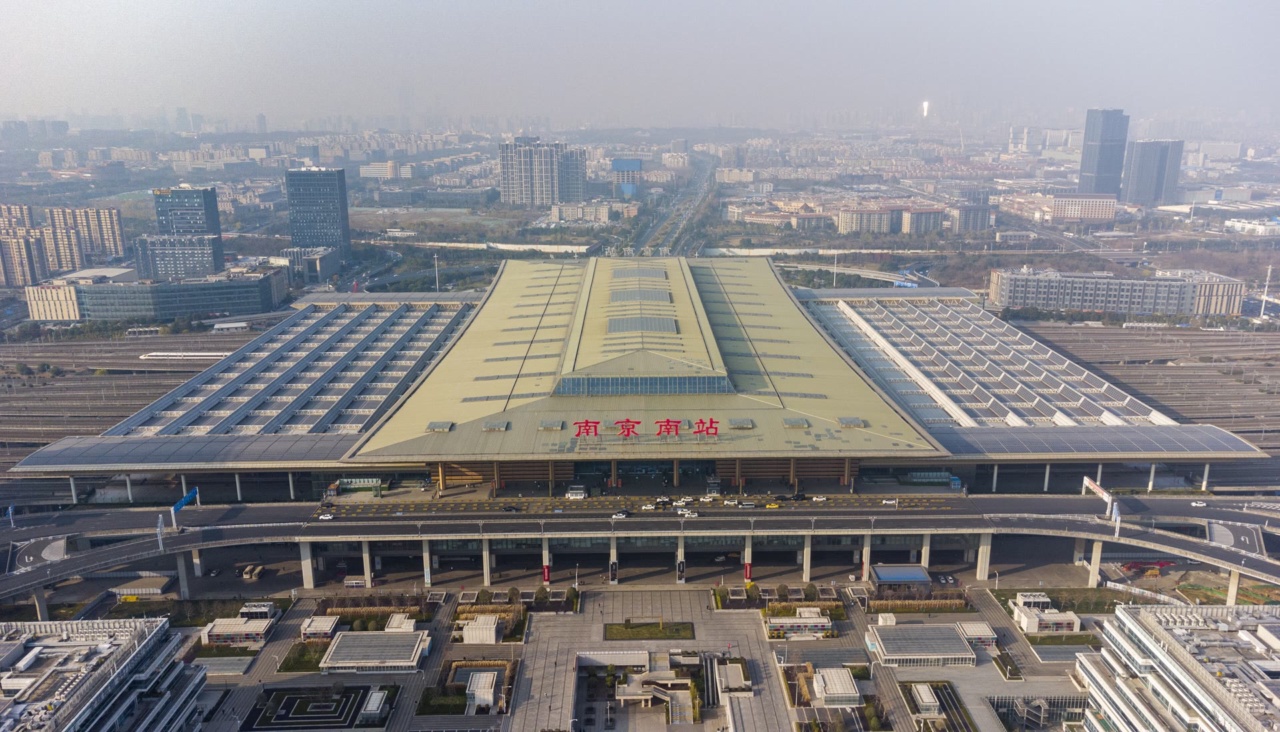
Nanjing Lukou International Airport (NKG) serves as the primary gateway, located about 28 miles south of the city. A taxi to the center costs roughly $25 to $35. Alternatively, Metro Line S1 connects the airport to Nanjing South Railway Station in about 35 minutes for less than $2. From the South Station, you can transfer to Line 1 or 3 to reach the city center.
High-speed rail is the most efficient way to arrive from other Chinese cities. Nanjing South is the primary hub for high-speed trains (1.5 hours from Shanghai, 3.5 to 4 hours from Beijing). Nanjing Railway Station, located on the north shore of Xuanwu Lake, handles both high-speed and conventional trains and offers one of the most scenic arrivals in China.
Internal Transport: The Nanjing Metro is world-class, clean, and easy to navigate with English signage. Fares are distance-based, typically ranging from $0.30 to $1.20. Ride-hailing via the Didi app (which has an English version) is extremely convenient and affordable, with most cross-city trips costing between $4 and $8. While the city is large, specific areas like the Ming City Wall or the university district are highly walkable. For regional travel planning, you can find further transport details on GoAsia.cc.
Top Sights and Experiences
The Must-Sees
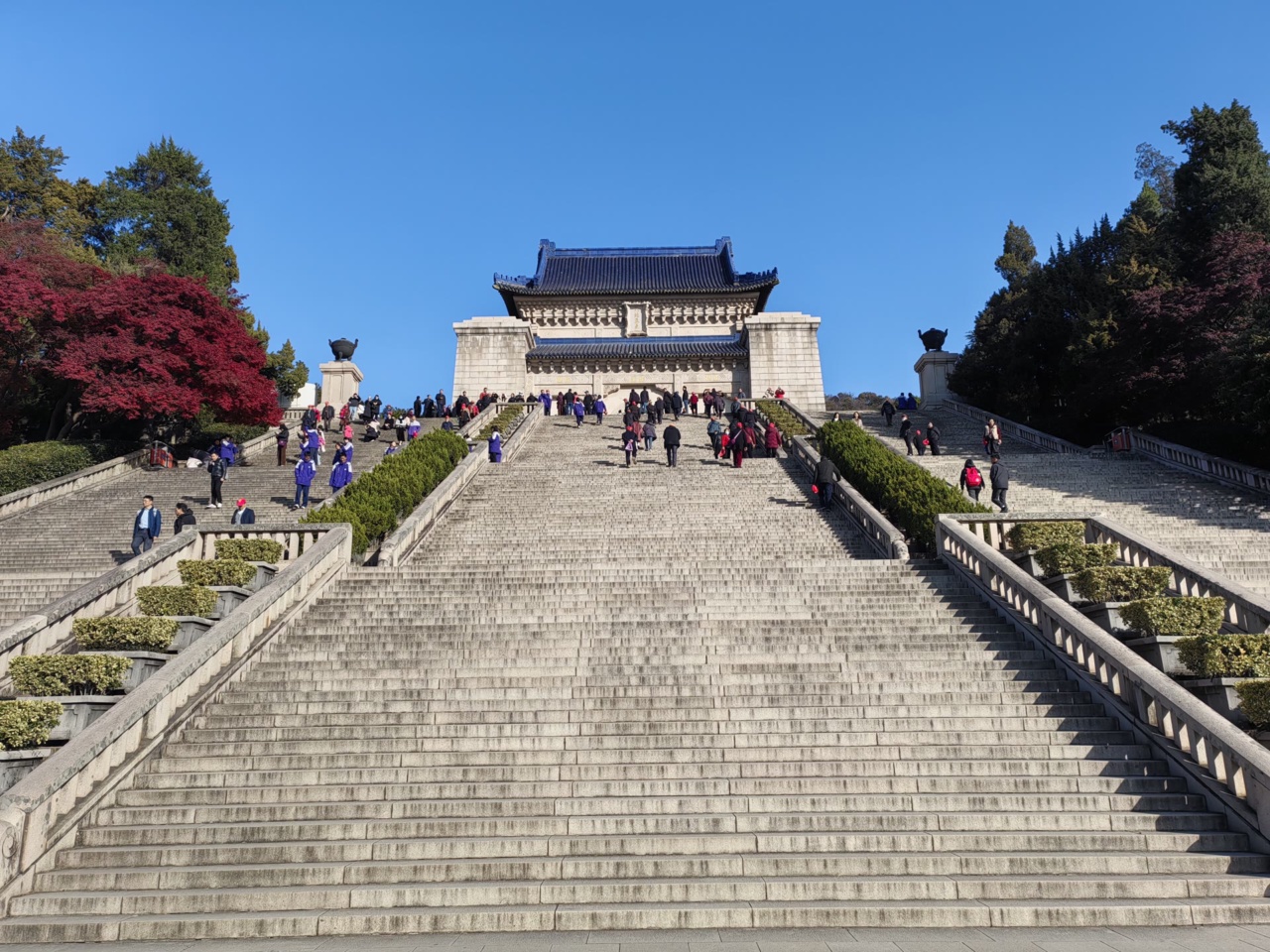
Purple Mountain (Zijin Shan): This forested park east of the city houses several of Nanjing's most significant sites. The Sun Yat-sen Mausoleum is a monumental tribute to the founder of modern China; be prepared for a long climb up 392 stone steps. Nearby, the Linggu Temple features a stunning 'Beamless Hall' built entirely of brick. Tip: Buy a combo ticket for roughly $15 to access multiple sites and use the electric shuttle buses to move between them.
The Memorial Hall of the Victims in Nanjing Massacre by Japanese Invaders: A somber, powerful, and essential visit. The museum is built over a mass grave site and provides a harrowing but necessary look at the events of 1937. Entry is free, but you must book a time slot in advance via their official WeChat mini-program (requires passport info). Allow at least 3 hours.
Nanjing Ming City Wall: At its peak, this was the longest city wall in the world. The section from Jiming Temple to Jiefang Gate offers incredible views of Xuanwu Lake on one side and the ancient temple on the other. Walking the ramparts at sunset is a quintessential Nanjing experience. Entry to the wall sections is typically around $4.
Lesser-Known Gems
The Yihe Road Mansions: This area contains dozens of well-preserved villas from the 1920s and 30s, formerly housing embassies and high-ranking officials. It is the most 'European' feeling part of the city and perfect for a quiet afternoon stroll away from the crowds.
Ushoushan Cultural Park: Located on the outskirts, this is a mind-blowing modern Buddhist site. The 'Usnisa Palace' is a multi-story underground complex built into a former mine, featuring gold-leafed halls and intricate carvings that feel like a futuristic religious fever dream. It is expensive (around $22) but visually unlike anything else in China.
What to Skip
The Qinhuai River Boat Ride (at night): While the lights are pretty, the boats are often packed, the 'narrative' is only in Chinese, and the views are largely of reconstructed concrete buildings. You can see the same scenery for free by walking the riverside paths near Fuzimiao.
Nanjing Underwater World: It is a standard aquarium that is often crowded with families and lacks the unique historical significance of Nanjing's other sites. Save your time for the museums.
Food and Drink
Nanjing cuisine, part of the Jiangsu culinary tradition, favors subtle sweetness and expert knife skills. It is most famous for its 'Duck Economy'—it is said that no duck survives a day in Nanjing.
| Dish | Description | Where to Try | Typical Price |
|---|---|---|---|
| Salted Duck | Cold, tender duck marinated in brine. | Nanjing Impressions | $8 - $12 |
| Duck Blood Fan Soup | Savory broth with vermicelli and duck offal. | Xiao Yang Sheng Jian | $2 - $4 |
| Pan-fried Beef Potstickers | Crispy, crescent-shaped dumplings. | Qi Jia Wan area | $2 - $3 |
| Lion's Head Meatballs | Large, tender pork meatballs with cabbage. | Any local eatery | $5 - $8 |
For a reliable and atmospheric introduction to local food, Nanjing Impressions (Nanjing Da Pai Dang) is a must. It is a themed restaurant chain that recreates a Qing Dynasty marketplace. While touristy, the food quality is consistently high and the menu is extensive. For street food, head to Lao Men Dong, a restored historical district south of the Confucius Temple that houses many 'Time-Honored Brand' snack shops.
Where to Stay
Budget: Look for hostels and local guesthouses in the Gulou District near the universities. You can find clean, basic rooms for $25 to $40 per night. This area has the best cheap eats and a great student vibe.
Mid-Range: The Xinjiekou area offers numerous business hotels and international chains (like Holiday Inn or Mercure) for $60 to $100 per night. You pay for the convenience of being at the subway crossroads of the city.
Upscale: For luxury, the Xuanwu District offers hotels with views of the lake or the Purple Mountain. Expect to pay $150 to $300 per night for brands like the Ritz-Carlton or the Westin. Alternatively, the boutique hotels within the Yihe Mansions offer a unique stay in historic villas.
Practical Tips
- Payment: Cash is rarely used. While major hotels take international cards, you must set up Alipay or WeChat Pay on your phone before arrival. Link your international credit card to Alipay; it works for almost everything from street food to subway tickets.
- Internet: The 'Great Firewall' blocks Google, Facebook, Instagram, and WhatsApp. Purchase an eSim with a built-in roaming feature or use a reputable VPN service.
- Language: English is not widely spoken outside of high-end hotels and university circles. Download a translation app (like Baidu Translate or Google Translate with offline packs) that can scan text/menus.
- Safety: Nanjing is exceptionally safe for tourists, even late at night. The most common 'scams' are the 'tea house' or 'art student' scams where locals invite you to a gallery or tea tasting and leave you with a massive bill. Politely decline invitations from overly friendly strangers in tourist hubs.
- Etiquette: When visiting the Massacre Memorial, dress modestly and maintain a quiet, respectful demeanor. Smoking is banned in most indoor public spaces.
Day Trips
Yangzhou: Just 50 minutes away by high-speed train. Famous for its Slender West Lake and 'Morning Tea' culture. It is a more traditional, slower-paced version of the region's water towns.
Zhenjiang: A 20-minute train ride. It offers the impressive Jinshan Temple and is the birthplace of the famous Chinkiang black vinegar. It is a compact, manageable day trip that feels much less touristy than Nanjing.
Wuxi: About 1 hour by train. Home to the Lingshan Giant Buddha (88 meters tall) and the beautiful shores of Lake Tai. It is worth it for the scale of the Buddha statue alone.
Sample 3-Day Itinerary
Day 1: Imperial Grandeur and Ancient Walls
Morning: Start at the Zhonghua Gate, the most complex barbican in the world. Walk a section of the Ming City Wall toward the east. Afternoon: Head to Lao Men Dong for a lunch of beef potstickers and plum cakes. Explore the traditional lanes and the Nanjing Jinling Gold Leaf Museum. Evening: Visit the Fuzimiao (Confucius Temple) area as the lanterns come on. Walk along the Qinhuai River but skip the boat ride in favor of a riverside dinner.
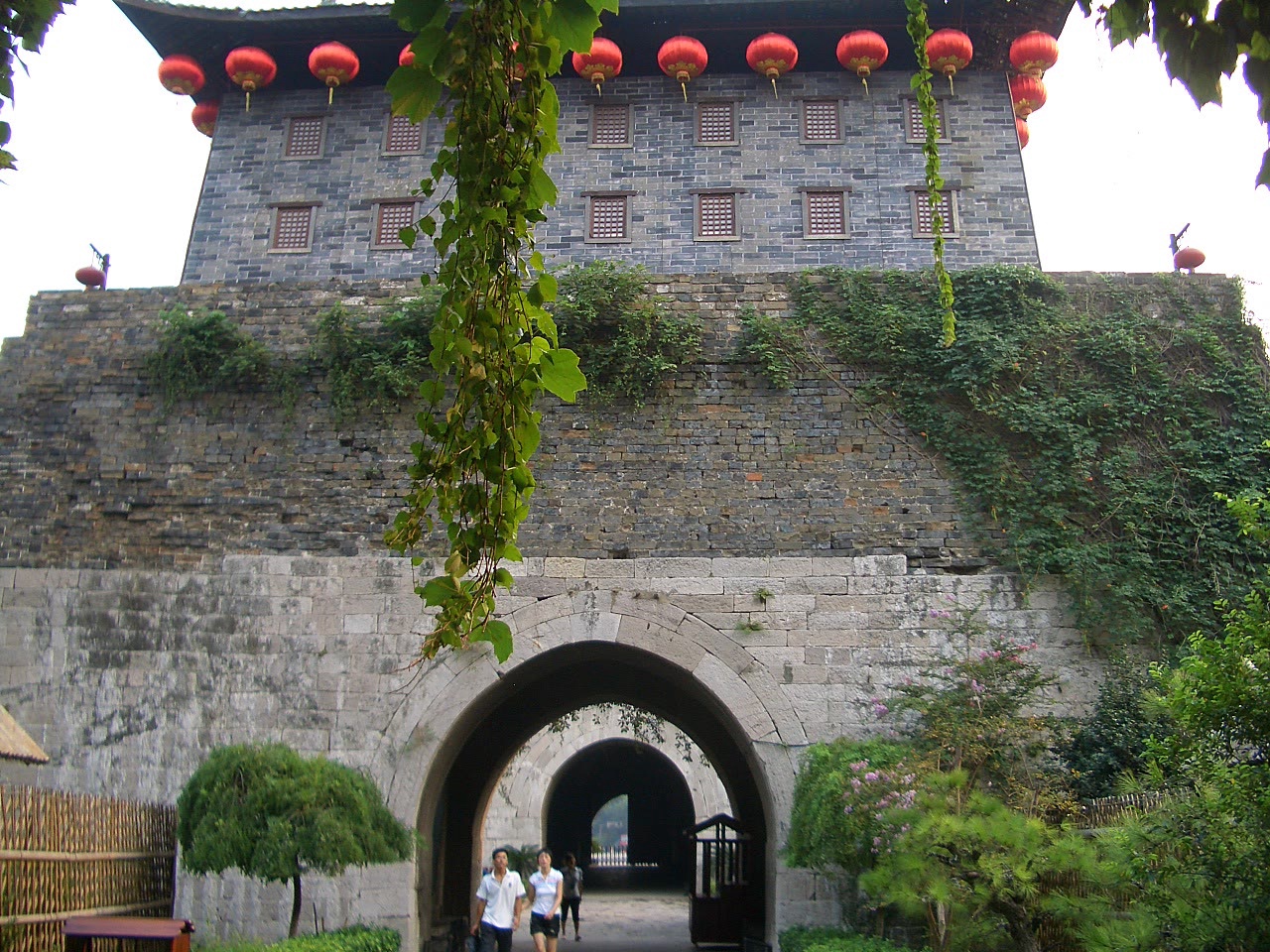
Day 2: Reflection and Modern History
Morning: Visit the Nanjing Massacre Memorial Hall (ensure you have a pre-booked slot for 9:00 AM). It is an emotionally heavy morning but essential for understanding the city. Afternoon: Lighten the mood with a visit to the Presidential Palace, the former headquarters of the Republic of China. Afterward, walk to the nearby 1912 District for a coffee or craft beer. Evening: Take the metro to Xuanwu Lake Park. Join the locals for a sunset stroll with the city skyline reflecting in the water.
Day 3: The Sacred Mountain
Morning: Take Metro Line 2 to Muxuyuan and spend the morning on Purple Mountain. Visit the Sun Yat-sen Mausoleum and the Ming Xiaoling Mausoleum (the tomb of the Ming founder). Afternoon: Head to the Nanjing Museum (one of China's 'Big Three'). The underground 'Republican Street' gallery is a highlight. Evening: End your trip with a feast at Nanjing Impressions in Xinjiekou and some final souvenir shopping in the underground malls.
Budget Overview
| Category | Budget | Mid-Range | Comfort |
|---|---|---|---|
| Accommodation | $30 | $80 | $180 |
| Food | $10 | $25 | $60 |
| Transport | $3 | $10 | $20 |
| Activities | $5 | $15 | $30 |
| Daily Total | $48 | $130 | $290 |
Frequently Asked Questions
Is Nanjing worth visiting?
Absolutely. Nanjing offers a more authentic and manageable look at Chinese history than the larger megacities. Its blend of Ming Dynasty relics, Republican-era architecture, and lush green spaces makes it a highlight of East China.
How many days do you need in Nanjing?
Three days is the ideal amount of time to see the major historical sites, explore the Purple Mountain, and enjoy the local food scene without rushing. You could add a fourth day for a trip to nearby Yangzhou.
Is Nanjing safe for tourists?
Nanjing is extremely safe, with very low rates of violent crime. Standard precautions against pickpockets in crowded areas like Fuzimiao and being wary of over-friendly strangers offering tea or art tours are all that is required.
What is the best time to visit Nanjing?
Autumn (October and November) is the best time due to the comfortable temperatures and the stunning gold and red foliage. Spring (March to May) is also beautiful for blossoms, though occasionally rainy.
What food is Nanjing famous for?
Nanjing is the 'Duck Capital' of China. You must try Salted Duck, Roast Duck, and Duck Blood Fan Soup. Pan-fried beef potstickers and hairy crab (in autumn) are also local specialties.
Is English widely spoken in Nanjing?
English is limited. While staff at major hotels and students at universities will speak it, you will need a translation app for taxis, local restaurants, and navigating markets.
Can you drink tap water in Nanjing?
No, tap water in Nanjing is not potable. Most hotels provide free bottled water daily, and boiled water (available via kettles in rooms) is safe for tea or coffee.
How do I get from the airport to the city center?
The most efficient way is Metro Line S1, which connects Lukou Airport to Nanjing South Railway Station in 35 minutes. From there, you can transfer to the main city lines. Taxis take about 45-60 minutes.