
Shangri-La
Perched on the edge of the Tibetan Plateau, Shangri-La is a high-altitude sanctuary of gilded monasteries, vast alpine meadows, and deep Tibetan culture. It is the ideal destination for travelers seeking spiritual immersion, rugged mountain landscapes, and a slower pace of life in Yunnan province.
Last updated: October 15, 2026
When to go
Climate and best time for Shangri-LaBest months: April to June and August to October
- January: Good (cold). 6 °C by day, -9 °C at night, 12 mm of rain
- February: Good (cold). 8 °C by day, -6 °C at night, 24 mm of rain
- March: Good (cold). 11 °C by day, -3 °C at night, 54 mm of rain
- April: Great. 13 °C by day, -0 °C at night, 65 mm of rain
- May: Great. 17 °C by day, 4 °C at night, 50 mm of rain
- June: Great. 19 °C by day, 9 °C at night, 69 mm of rain
- July: Good (a lot of rain). 19 °C by day, 10 °C at night, 135 mm of rain
- August: Great. 18 °C by day, 9 °C at night, 121 mm of rain
- September: Great. 17 °C by day, 8 °C at night, 77 mm of rain
- October: Great. 15 °C by day, 2 °C at night, 45 mm of rain
- November: Good (cold). 11 °C by day, -4 °C at night, 13 mm of rain
- December: Good (cold). 8 °C by day, -7 °C at night, 5 mm of rain
- Great
- Good
- Mixed
- Poor
Contents
- 1. Orientation and Neighborhoods
- 2. Best Time to Visit
- 3. Getting There and Getting Around
- 4. Top Sights and Experiences
- 4.1 Ganden Sumtseling Monastery
- 4.2 Potatso (Pudacuo) National Park
- 4.3 Dukezong Prayer Wheel
- 4.4 Napa Lake (Napa Hai)
- 5. Food and Drink
- 6. Where to Stay
- 7. Practical Tips
- 8. Day Trips
- 9. Sample 3-Day Itinerary
- 9.1 Day 1: Old Town Immersion
- 9.2 Day 2: Nature and Lakes
- 9.3 Day 3: Culture and Mountains
- 10. Budget Overview
- 11. Frequently Asked Questions
Shangri-La, formerly known as Zhongdian, sits at roughly 3,300 meters (10,800 feet) above sea level in the Diqing Tibetan Autonomous Prefecture. This is where the rolling hills of Yunnan meet the jagged peaks of the Himalayas, creating a landscape dominated by prayer flags, grazing yaks, and the smell of burning juniper. The air is thin and crisp, and the sunlight has a piercing quality that makes the gold-leafed roofs of the monasteries shimmer against a deep blue sky.
The city serves as the gateway to the Tibetan world for those traveling from the south. It is a place of profound silence in the early mornings and vibrant community life in the evenings, when locals gather in the town squares for traditional circle dancing. Unlike the more commercialized Lijiang, Shangri-La retains a rugged, frontier atmosphere that rewards those who are willing to brave the altitude and the cooler temperatures.
Visitors come here not just for the sights, but for the shift in perspective. Life moves according to the rhythms of the seasons and religious festivals. Whether you are circling a stupa with local pilgrims or trekking through the nearby national parks, the city offers a blend of physical challenge and spiritual calm that is increasingly rare in modern China.
Orientation and Neighborhoods
Shangri-La is divided into two primary areas: the Dukezong Old Town and the newer, sprawling modern city. Understanding this divide is crucial for planning your stay and navigating the high-altitude terrain.
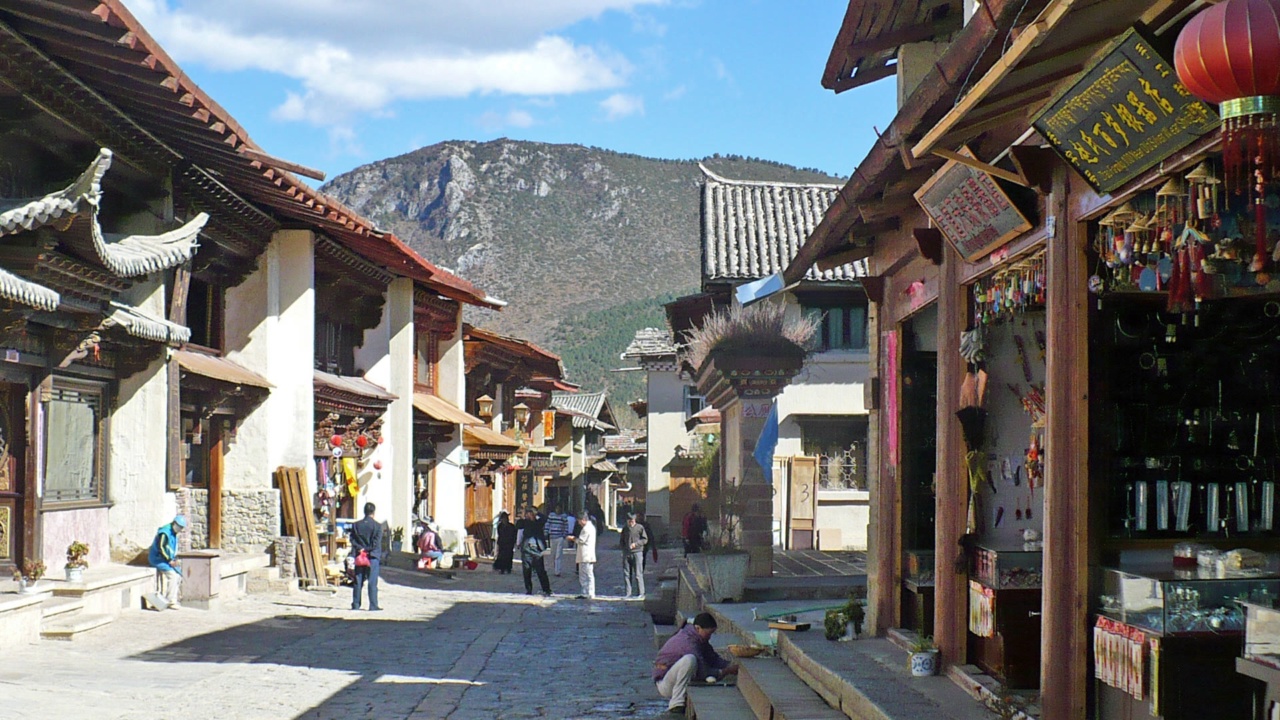
- Dukezong Old Town: This is the historical heart of the city, characterized by winding cobblestone alleys and traditional Tibetan timber houses. Although a significant fire in 2014 destroyed parts of the town, it has been meticulously rebuilt. This is the best area for tourists to stay, as it contains the most atmospheric guesthouses, cafes, and boutique shops. It is centered around Moonlight Square and the giant prayer wheel on Guishan Hill.
- The New Town (Jiantang): Surrounding the Old Town, this area looks like a typical Chinese city with wide boulevards, concrete buildings, and functional shopping centers. While less scenic, it offers more practical amenities like larger supermarkets, banks, and the main bus station.
- Songzanlin Area: Located about 5 kilometers north of the city center, this neighborhood surrounds the massive Ganden Sumtseling Monastery. It is quieter and more rural, offering a few high-end boutique lodges for those who want to wake up to the sound of chanting monks and temple bells.
- Napa Lake Outskirts: To the west of the city lies the Napa Lake wetlands. Staying here is ideal for nature lovers and birdwatchers, though you will be further from the dining and social options of the Old Town.
Things to Do
Offers are only loaded from GetYourGuide after you click. GetYourGuide can then process your IP address and set cookies. Privacy Policy
GetYourGuide partner offers. GoAsia may earn a commission if you book through these offers. Check whether tickets or transfers are included, and follow the attraction's official booking and admission rules.
Best Time to Visit
The climate in Shangri-La is dominated by its altitude. Winters are long and harsh, while summers are brief and rainy. The best time to visit is during the shoulder seasons when the weather is stable and the landscapes are at their most colorful.
| Month Range | Weather | Crowds | Prices |
|---|---|---|---|
| March - May | Cool and clear; blooming azaleas | Moderate | Average |
| June - August | Mild but rainy; lush green meadows | High | High |
| September - November | Crisp and sunny; autumn colors | Moderate | Average |
| December - February | Very cold; frequent snow; dry | Low | Low |
Spring (May to June) is arguably the most beautiful time, as the alpine meadows are carpeted in wildflowers and the mountain peaks are still capped with snow. Autumn (September to October) offers the best visibility for mountain views and comfortable hiking temperatures. Avoid the first week of October (National Day Golden Week) as domestic tourism peaks and prices skyrocket.
Getting There and Getting Around
By Air: Diqing Shangri-La Airport (DIG) handles flights from major hubs like Kunming, Chengdu, Lhasa, and Chongqing. A taxi from the airport to the Old Town takes about 15 minutes and costs roughly $5 to $8. There is no reliable airport shuttle, so ride-hailing apps or official taxis are your best bet.
By Train: The high-speed rail connection now links Shangri-La to Lijiang and Kunming. The journey from Lijiang takes about 1.5 hours, and from Kunming roughly 4.5 to 5 hours. This is the most efficient and scenic way to arrive. The train station is a 15-minute drive from the Old Town.
Getting Around: The Old Town is entirely pedestrianized and best explored on foot. For longer distances, local taxis are plentiful and use meters, though you can often negotiate a flat rate for half-day or full-day trips (usually $30 to $50 depending on the distance). Public buses are cheap (around $0.15) but can be confusing for non-Chinese speakers. E-bikes are available for rent near the Old Town and are a fantastic way to explore Napa Lake, provided you are comfortable with the altitude and wind.
Top Sights and Experiences
Ganden Sumtseling Monastery
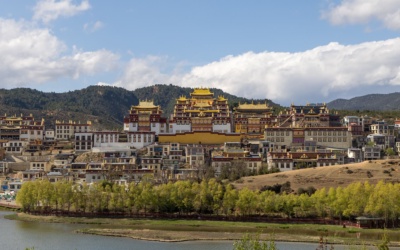
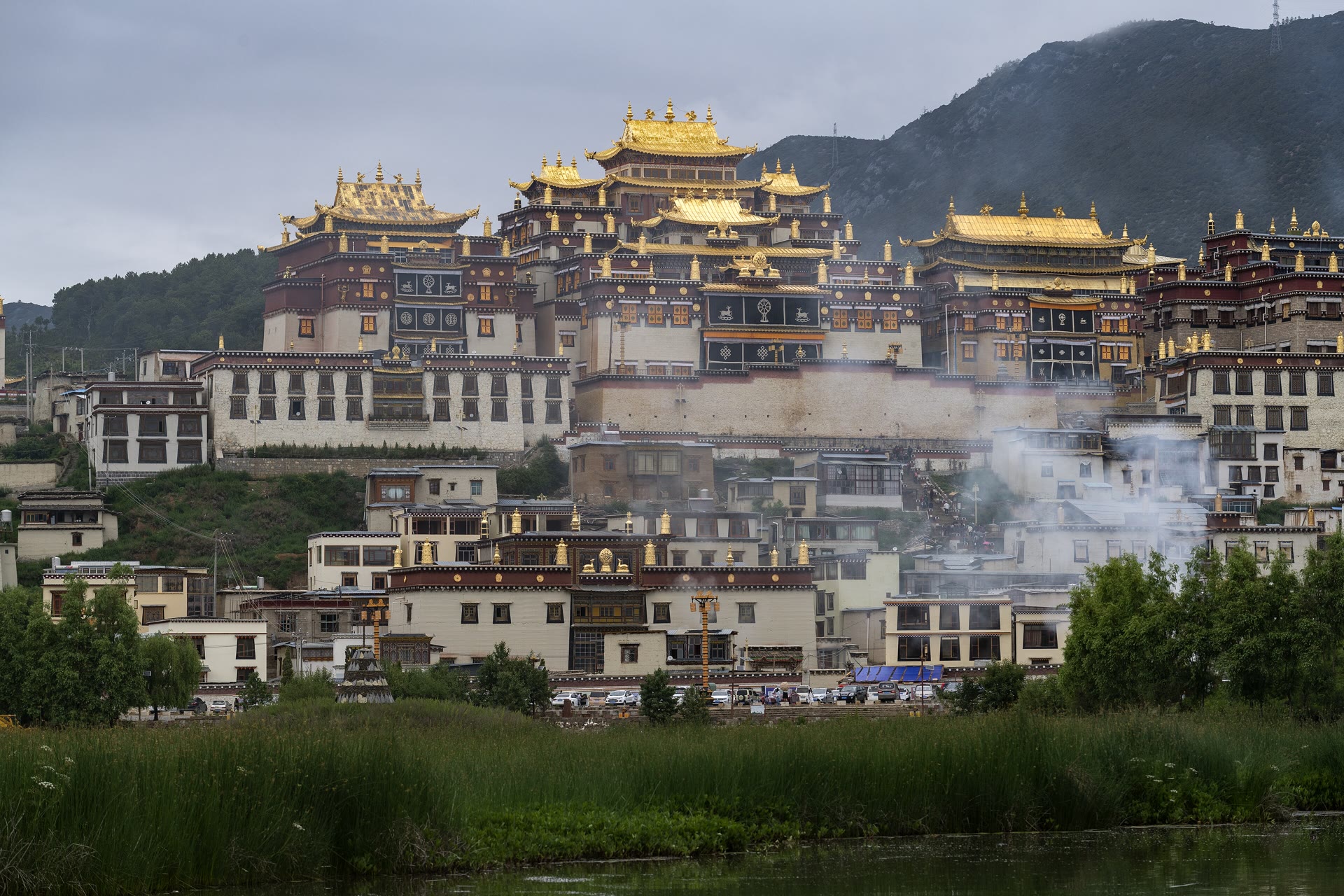
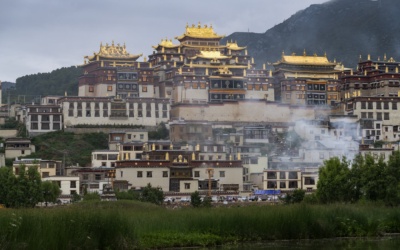
Often called the "Little Potala Palace," this is the largest Tibetan Buddhist monastery complex in Yunnan. It houses hundreds of monks and features several magnificent halls filled with intricate murals, golden statues, and heavy incense smoke. Tip: Arrive early in the morning to witness the monks' morning prayers. Allow at least 3 hours to explore the complex and walk the kora (pilgrim circuit) around the adjacent Lamuyangcuo Lake for the best photos of the monastery reflected in the water.
Potatso (Pudacuo) National Park
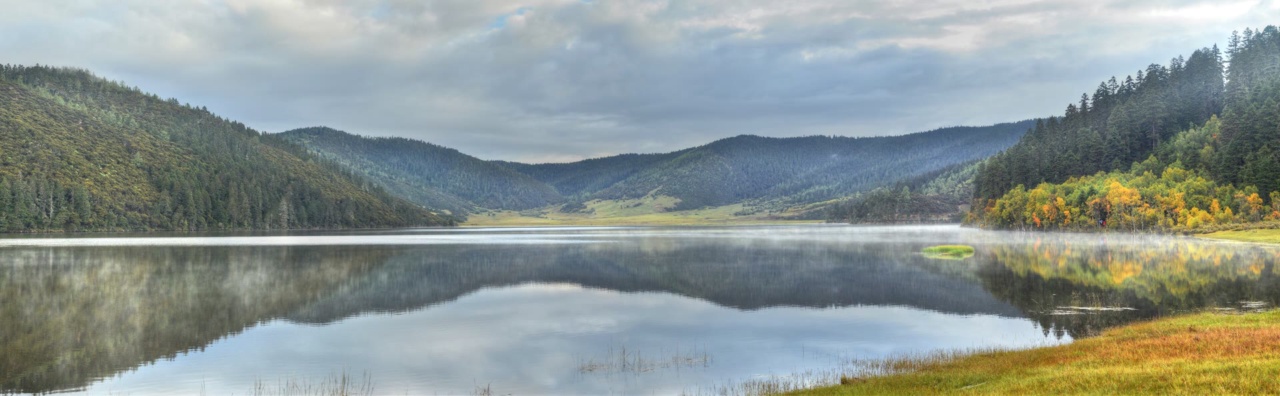
China's first national park is a high-altitude wonderland of pristine lakes, dense forests, and marshlands. The park is very well-organized with boardwalks and eco-buses. Shudu Lake is the highlight, offering a 3.3-kilometer walk along the shore. Tip: The altitude here reaches 3,500 meters, so walk slowly and carry water. Entrance fees are roughly $15 to $20 including the bus.
Dukezong Prayer Wheel
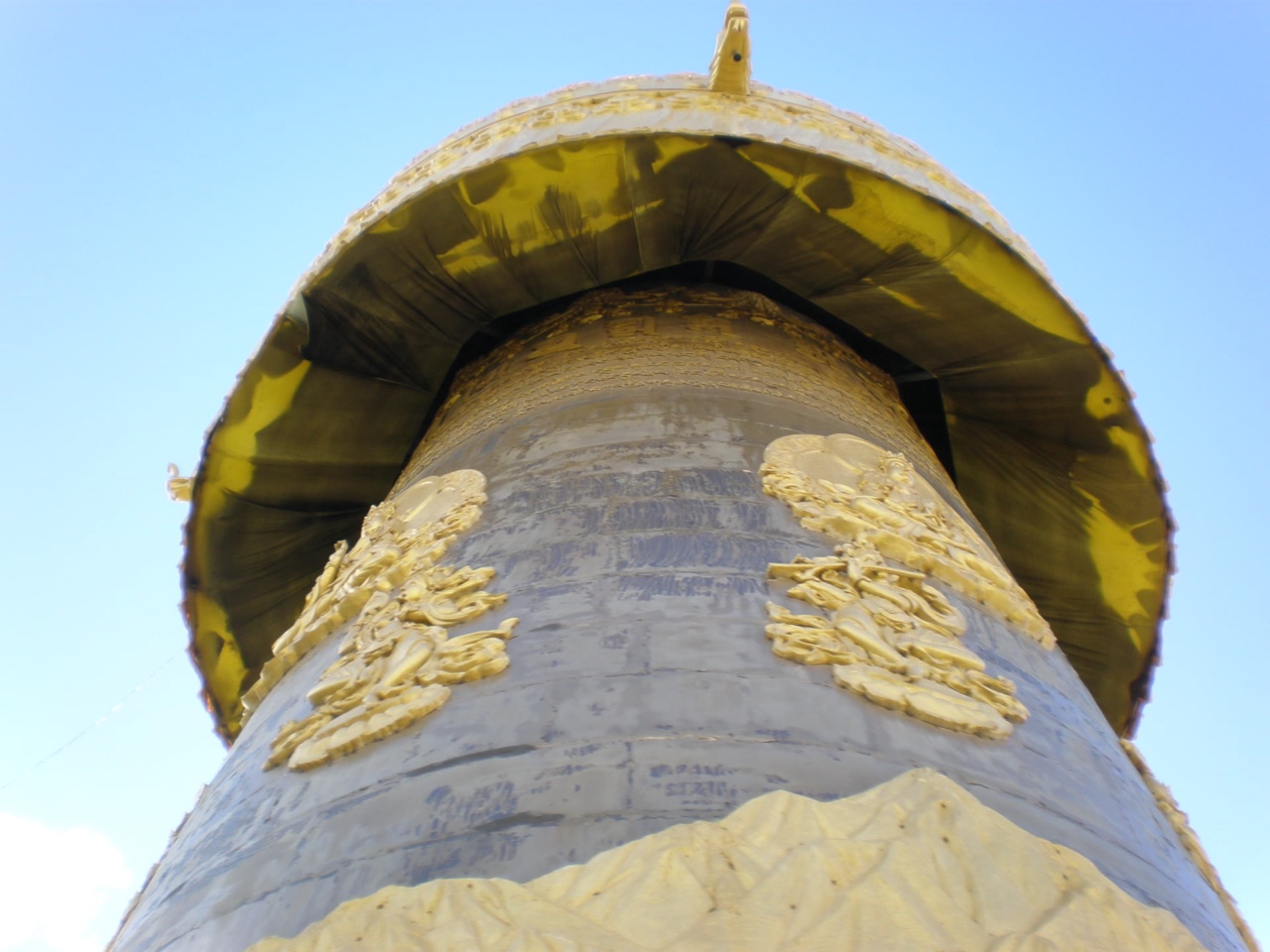
Perched on Guishan Hill overlooking the Old Town, this is one of the largest prayer wheels in the world. It requires at least 6 to 8 people to pull the thick ropes and get it spinning. Joining the locals to turn the wheel three times clockwise is a quintessential Shangri-La experience, especially at sunset when the wheel is illuminated.
Napa Lake (Napa Hai)
This seasonal lake transforms from a vast wetland in summer to a grassy meadow in winter. It is a haven for migratory birds, including the rare black-necked crane. The best way to see it is by cycling or driving the 40-kilometer loop road that circles the basin. Overrated Alert: Avoid the "horse trekking" tours offered at the main entrances; they are often overpriced and follow very short, controlled paths. It is better to just enjoy the views from the road.
Food and Drink
Tibetan cuisine is hearty and designed for the cold. It relies heavily on barley, dairy, and yak meat. You will find that flavors are more earthy and less spicy than the Sichuan-influenced food found elsewhere in Yunnan.
| Dish | Description | Where to Try | Typical Price |
|---|---|---|---|
| Yak Hotpot | Slices of yak meat and vegetables simmered in a rich broth. | Old Town specialty restaurants | $15 - $25 |
| Tsamba | Roasted barley flour mixed with butter tea; a Tibetan staple. | Local family-run cafes | $2 - $4 |
| Butter Tea (Su You Cha) | Salty tea churned with yak butter and salt. | Everywhere in the Old Town | $1 - $2 |
| Yak Cheese Pancakes | Crispy fried dough filled with slightly sour local cheese. | Street food stalls | $1.50 |
For a unique experience, look for "Tibetan Home Experiences" where you can dine with a local family. In the Old Town, many cafes also serve western-style breakfasts and yak burgers for those needing a break from local flavors. Expect to pay $5 to $10 for a standard meal in a casual restaurant.
Where to Stay
Accommodation in Shangri-La ranges from basic hostels to ultra-luxury Tibetan-style lodges.
- Budget ($15 - $30 per night): Look for guesthouses in the northern part of the Old Town. These are usually converted timber homes with heated blankets and basic amenities.
- Mid-Range ($40 - $80 per night): Boutique hotels in the center of the Old Town offer better insulation, oxygen concentrators (vital for some), and beautiful Tibetan decor.
- Upscale ($150 - $500+ per night): Luxury lodges are located near the Sumtseling Monastery or in the surrounding valleys. These offer world-class service, spa facilities, and floor heating.
Note: Always check if your hotel has heating. Even in summer, nights can be freezing, and many older buildings lack central heating.
Practical Tips
- Altitude Sickness: This is the biggest challenge. Spend your first day resting and drinking plenty of water. Avoid alcohol and strenuous exercise for the first 24 hours. Many hotels provide small oxygen canisters; if you feel severe headaches or nausea, seek medical help immediately.
- Payment: Alipay and WeChat Pay are used everywhere. While many places accept cash, cards are rarely accepted except in high-end hotels.
- Internet: A VPN is necessary to access Google, Facebook, or Instagram. Purchase a local SIM card (China Unicom or China Mobile) at the New Town service centers for the best data rates.
- Language: English is limited to staff in boutique hotels and cafes. Download a translation app that works offline.
- Customs: Always walk clockwise around monasteries, stupas, and prayer wheels. Never point your feet at Buddhist statues or altars.
Day Trips
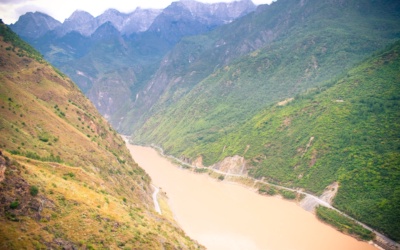
- Balagezong Grand Canyon: Located about 2 hours from the city, this massive canyon offers dramatic cliffs, a "Skyglass" walkway, and a preserved Tibetan village. It is worth a full day if you enjoy mountain scenery.
- Nixi Pottery Village: A 45-minute drive away, this village is famous for its black pottery. You can watch artisans work and even try the local specialty, Nixi Chicken Pot, which is cooked in the local earthenware.
- White Water Terraces (Baishuitai): About 3 hours away, these natural travertine terraces are stunning but require a long, winding drive. Only visit if you have an extra day; otherwise, it can be an exhausting trip.
Sample 3-Day Itinerary
Day 1: Old Town Immersion
Morning: Arrive and settle into your Old Town guesthouse. Walk slowly to Moonlight Square to see the giant prayer wheel. Afternoon: Visit the Sumtseling Monastery, taking the bus from the Old Town. Walk the lake circuit. Evening: Watch the community dancing in the Old Town square and enjoy a yak hotpot dinner.
Day 2: Nature and Lakes
Morning: Take a taxi or bus to Potatso National Park. Spend the morning walking the Shudu Lake boardwalk. Afternoon: Return to town and rent an e-bike to ride around the shores of Napa Lake. Evening: Explore the smaller alleys of Dukezong for silver handicrafts and local snacks.
Day 3: Culture and Mountains
Morning: Visit a local Tibetan thangka painting school or take a short drive to the Nixi Pottery Village. Afternoon: Hike up to the 100-Chicken Temple for a panoramic view of the entire Shangri-La valley. Evening: Enjoy a final Tibetan meal with butter tea and tsamba before heading to the train station or airport.
Budget Overview
| Category | Budget | Mid-Range | Comfort |
|---|---|---|---|
| Accommodation | $20 | $60 | $200 |
| Food | $10 | $25 | $60 |
| Transport | $5 | $15 | $40 |
| Activities | $10 | $25 | $40 |
| Daily Total | $45 | $125 | $340 |
Frequently Asked Questions
Is Shangri-La worth visiting?
Absolutely. It offers one of the most accessible ways to experience authentic Tibetan culture and high-altitude Himalayan landscapes without the permit restrictions of the Tibet Autonomous Region.
How many days do you need in Shangri-La?
Three days is the ideal amount of time. This allows one day for acclimating to the altitude and exploring the town, one day for the Sumtseling Monastery, and one day for Potatso National Park.
Is Shangri-La safe for tourists?
Yes, it is very safe. The main risks are altitude sickness and the cold weather. Petty crime is rare, but always be cautious in crowded markets and when using unlicensed taxis.
What is the best time to visit Shangri-La?
The best months are May, June, September, and October. These months offer the most pleasant temperatures and the best visibility for mountain views.
Can you drink tap water in Shangri-La?
No, tap water is not safe to drink. Use bottled water for drinking and brushing teeth. Most hotels provide a kettle to boil water or free bottled water daily.
Is English widely spoken in Shangri-La?
English is not widely spoken outside of tourist-focused hotels and cafes. It is highly recommended to have a translation app and your hotel's address written in Chinese characters.
Do I need a special permit to visit Shangri-La?
No, unlike the Tibet Autonomous Region, Shangri-La is in Yunnan province and does not require a special Tibet Entry Permit for foreign travelers.
How do I deal with altitude sickness in Shangri-La?
Drink plenty of water, avoid alcohol, and don't exert yourself on the first day. Most pharmacies and many hotels sell small oxygen canisters if you feel lightheaded.
Routes
Routes to Shangri-La (1)