Pudacuo National Park: Highland Lakes and Tibetan Plateau Scenery Near Shangri La

Pudacuo National Park: Highland Lakes and Tibetan Plateau Scenery Near Shangri La

Last updated: June 9, 2026

Pudacuo sits in the highlands of northwest Yunnan, an easy excursion from the town of Shangri La, and it offers something rare in China: a large protected area built around alpine lakes, wetland meadows, conifer forest, and grazing yaks rather than around temples or city sights. At roughly 3,500 meters and higher, this is genuine Tibetan plateau country, and the air, the light, and the scenery all feel a world away from lowland China.

The park is organized around two main scenic zones, Shudu Lake and Bita Lake, connected by a shuttle bus system with raised boardwalks at each stop. You do not freely wander the whole park; instead you ride the bus between fixed points, walk the wooden trails along the water, and reboard. That structure keeps the wetlands protected and makes the visit accessible even if you are not a serious hiker, though it also means you trade spontaneity for convenience.

For travelers basing themselves in Shangri La, Pudacuo is the headline natural attraction, and on a clear day with good light it is genuinely beautiful. It is also a place where altitude, weather, and timing matter a lot. This guide covers how the park works, what to see, when it is worth the extra day, and the mistakes that quietly ruin people's visits.

What Pudacuo National Park Actually Is

Pudacuo is a highland park covering lakes, peat wetlands, meadows, and old-growth forest on the eastern edge of the Hengduan Mountains. It is often described as China's first national park, and whatever the exact label, the practical point for visitors is that it protects a fragile alpine wetland ecosystem and limits how people move through it.

The two centerpieces are Shudu Lake and Bita Lake, both clear high-altitude lakes ringed by spruce and fir forest. Between and around them you find seasonal meadows, grazing yaks and horses belonging to local Tibetan communities, and boardwalks that let you walk close to the water without trampling the wetland. The scenery is the attraction. There are no major monuments here, just landscape, and that is exactly the point of coming.

Because the park sits on the plateau, the environment changes dramatically by season. Summer brings green meadows and wildflowers, autumn turns the forest gold and red, and the shoulder periods can deliver crisp clear skies. Winter is cold and quiet, with snow possible and reduced daylight, and some facilities or routes may operate differently in the off season.

Things to Do

How the Park and Shuttle System Work

Pudacuo is designed to be experienced by shuttle bus plus walking, not by driving your own vehicle through it or hiking freely across the whole area. After buying your ticket and the included or separate shuttle pass at the entrance, you board the park's bus, which stops at the main scenic points.

At each stop you typically:

  • Get off the bus at a designated platform.
  • Walk a boardwalk loop or lakeside trail at your own pace.
  • Return to the bus stop and board the next available shuttle.

The boardwalk walks are the heart of the visit. They are flat to gently sloping, well surfaced, and built for ordinary travelers rather than mountaineers. Walking the lake boardwalks lets you slow down, photograph reflections in still water, and watch wildlife and grazing animals along the shore. If you skip the walking and only ride the bus, you miss most of what makes Pudacuo worthwhile.

Exact routing, which lakes are open, and whether walking trails are full loops or shortened sections can change with the season and with conservation needs. Treat the specific stop list and trail lengths as things to confirm at the entrance on the day you visit, since the park adjusts access to protect the wetlands.

What to See: Shudu Lake and Bita Lake

Shudu Lake

Shudu Lake is a long, narrow alpine lake set among dense forest, often the first major stop on the route. Its boardwalk follows the shoreline through spruce and fir, with views across the water to wooded slopes. In calm weather the reflections are excellent. Look for grazing yaks in the meadows near the lake and, depending on season, birdlife around the wetland margins.

The walk here is the classic Pudacuo experience: flat boardwalk, big sky, clear water, and the quiet of a high forest. Give yourself time to stop rather than power walking to the next bus.

Bita Lake

Bita Lake is the other signature site, a clear lake surrounded by forest and meadow. The setting feels open and pastoral, and the light on the water in the morning or late afternoon can be spectacular. Boardwalks and trails let you walk sections of the shore, and the combination of lake, meadow, and forested ridges is the postcard image of the park.

Between the two lakes, the shuttle passes through meadow and forest country where you see the broader landscape: rolling pasture, grazing livestock, and the textures of plateau vegetation that shift sharply with the seasons.

Seasons, Flowers, and the Best Time to Visit

Pudacuo is a seasonal park, and the experience depends heavily on when you come.

SeasonWhat it is likeNotes
Late springMeadows greening up, early wildflowers, variable weatherCan be cool and changeable; fewer crowds
SummerGreen meadows, wildflowers, longest daylightPeak greenery but also peak rain and peak visitors
AutumnGolden forest, clear crisp days, dramatic colorOften the most photogenic window; cold mornings
WinterCold, quiet, possible snow, short daysAtmospheric but harsh; confirm what is open

For wildflowers and lush green meadows, the warm months are the draw, though plateau weather in summer often means afternoon cloud and rain, so mornings tend to be clearer. For color and clarity, autumn is a favorite, with golden larch and forest contrasting against the lakes, though nights and early mornings get cold. Whatever the season, plateau weather can change fast within a single day, swinging from bright sun to cloud, wind, or rain.

Aim to enter the park early. The light is better, the lakes are calmer for reflections, crowds are thinner, and you give yourself buffer time before any afternoon weather rolls in.

Altitude: The Single Most Important Practical Issue

Pudacuo sits high, in the 3,500 meter range and above. Shangri La itself is already at high altitude, so most visitors arrive at the park having had at least some time to adjust. Still, altitude is the factor that most affects how the day feels, and underestimating it is the most common mistake travelers make here.

Practical guidance:

  • Acclimatize first. Spend a night or two in Shangri La before doing a full day at Pudacuo so your body has time to adjust to the elevation.
  • Move slowly. The boardwalks are flat, but even gentle walking feels harder at altitude. Take an unhurried pace and rest when you need to.
  • Stay hydrated and eat lightly. Drink water through the day and avoid heavy meals and alcohol the night before.
  • Know the symptoms. Headache, breathlessness, nausea, and trouble sleeping are common mild altitude effects. If symptoms become severe, descend and seek help.
  • Consult a doctor in advance if you have heart, lung, or other relevant conditions, and discuss altitude medication before your trip if appropriate.

Most reasonably fit travelers handle the boardwalk walking fine after acclimatizing, but everyone moves more slowly than they expect at this height. Plan a relaxed visit rather than a rushed one.

What to Wear and Pack

The plateau demands layers. Mornings can be cold even when afternoons are mild, and weather can shift quickly. Dress for a day where you might experience sun, wind, cold, and rain in the same outing.

  • Layered clothing: a base layer, a warm mid layer such as fleece, and a windproof, waterproof outer shell.
  • Sun protection: high-altitude sun is intense. Bring sunscreen, sunglasses, and a hat even on cool days.
  • Comfortable closed shoes with grip for boardwalks that can be wet or slick.
  • Water and snacks: dining options inside the park are limited and you will be on the plateau for hours.
  • A light hat and gloves for cold mornings, especially in autumn and winter.
  • Rain protection: a packable rain layer or compact umbrella for afternoon showers in the warm season.

Getting There from Shangri La

Pudacuo is a day trip from Shangri La, the usual base for visiting. The town has accommodation across budgets, restaurants, and the transport links that make it the natural launch point for the park.

Common ways to reach the park:

  • Organized day tours or arranged transport from Shangri La, which handle the drive and timing for you and are the simplest option for independent travelers without a car.
  • Private car or driver hired in town, which gives you flexibility on departure time and lets you leave early for the best light.
  • Local transport options that may run to or near the park, though schedules can be limited and worth confirming locally the day before.

From Shangri La the drive to the entrance is relatively short, often well under an hour, but build in time at the gate for ticketing and boarding the shuttle. Confirm current transport options, departure points, and return timing with your accommodation in Shangri La, since arrangements change and the last shuttle and last return transport set your hard deadline for the day.

Tickets, Timing, and How Long to Spend

Entry to Pudacuo typically involves an entrance ticket plus a shuttle bus fee, and the shuttle pass is essentially mandatory because that is how you move through the park. Prices, whether tickets and shuttle are bundled or separate, and any seasonal differences are details to verify at the entrance or through your accommodation before you go, since published figures online are often outdated.

For time on the ground, plan a half day to a full day. A typical visit looks like:

  • Arrive at the entrance, buy tickets and shuttle pass.
  • Ride to the first lake stop and walk the boardwalk.
  • Reboard, continue to the second lake, and walk again.
  • Allow extra time for photos, rest stops, and the slower pace altitude imposes.

Three to five hours inside the park is realistic for most people. If you love landscape photography or want to linger at both lakes in good light, give it most of a day. Whatever you plan, note the time of the last shuttle and the last transport back to Shangri La so you are not caught out.

Is Pudacuo Worth the Extra Day?

This is the honest question, because Pudacuo costs you a full day and is not cheap once you add entrance, shuttle, and transport. Whether it earns that day depends on you.

It is worth it if you value highland landscape, lakes, and plateau scenery for their own sake; you are already spending several days in the Shangri La area; and you can catch reasonable weather, ideally a clear morning. The boardwalk format also makes it accessible to travelers who cannot do hard hikes but still want immersive nature.

It may not be worth it if your trip is tightly packed and you have limited days in Yunnan, if the forecast is heavy rain or thick cloud that flattens the scenery, or if you primarily want culture and towns rather than landscape. On a gray, wet day the lakes lose much of their magic, and the fixed shuttle route can feel constrained.

A useful rule: if you have two or more full days based in Shangri La and at least one of them looks clear, Pudacuo is a strong choice. If you have only a single rushed day in the area, weigh it against spending that time in Shangri La's old town and surrounding sights instead. For more ideas on building a Yunnan itinerary around the park, GoAsia.cc is a good place to keep planning your Asia travels.

Practical Tips for a Smooth Pudacuo Visit

  • Acclimatize before you go. Sleep at least one night, ideally two, in Shangri La first so the altitude does not blindside you on the boardwalks.
  • Start early. Morning light, calm water for reflections, fewer people, and a buffer before afternoon clouds all favor an early entry.
  • Walk the boardwalks, do not just ride. The shuttle gets you between stops, but the walking is where the park rewards you. Budget time for it.
  • Layer up and add sun protection. Cold mornings, mild afternoons, strong UV, and possible rain can all happen in one day at this altitude.
  • Carry water and snacks. Food and drink inside the park are limited, and altitude makes hydration more important.
  • Confirm last shuttle and return timing. Your latest bus and your ride back to Shangri La set the real end of your day.
  • Check the forecast and stay flexible. If you have multiple days in the area, save Pudacuo for the clearest one.
  • Verify current tickets, shuttle rules, and open routes at the entrance or via your accommodation, since the park changes access seasonally to protect the wetlands.
  • Respect the environment. Stay on boardwalks and trails, do not disturb grazing animals, and pack out your trash. The whole point of the park is protecting a fragile alpine ecosystem.

Combining Pudacuo with the Rest of Shangri La

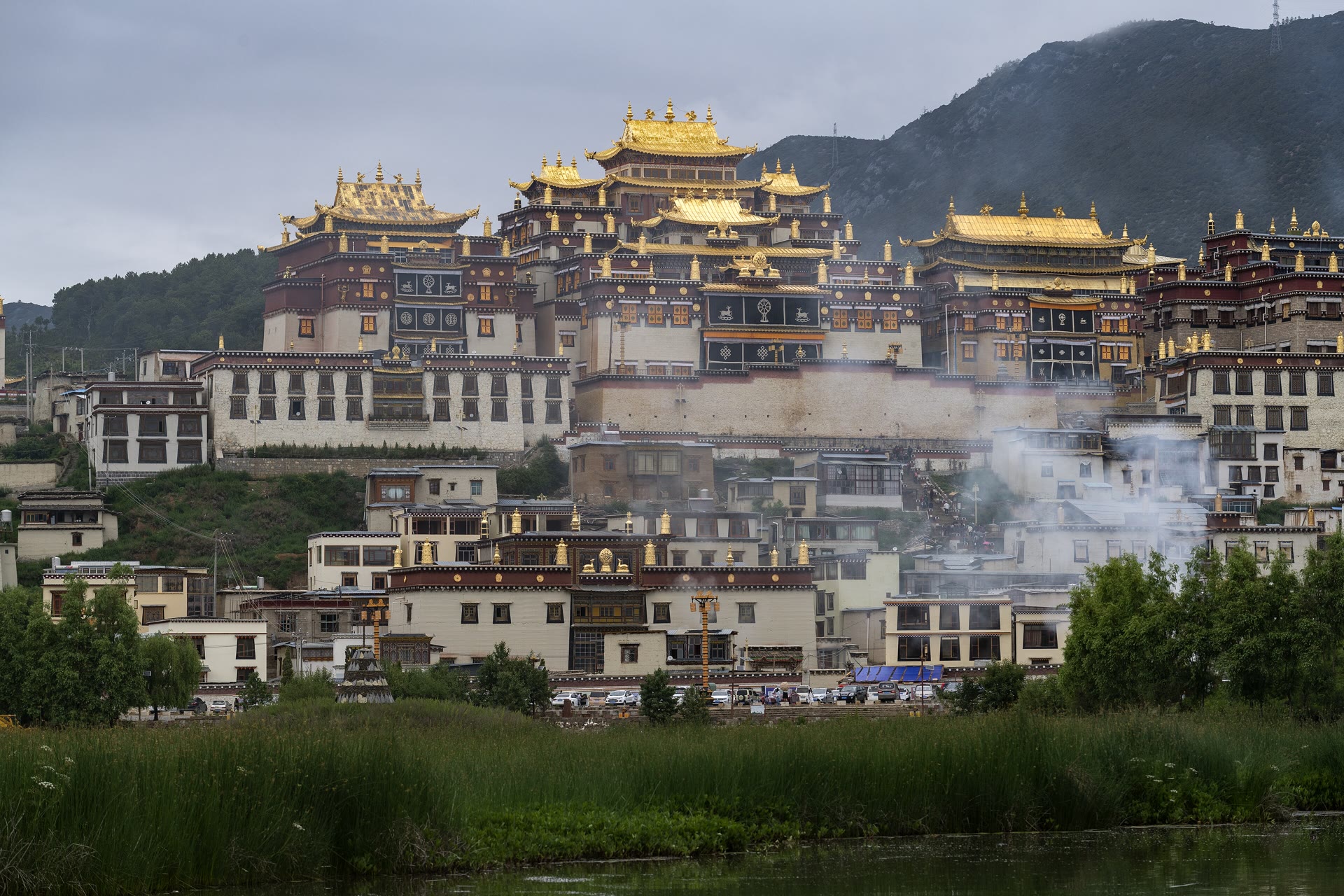
Because Pudacuo is best as one day within a longer Shangri La stay, it pairs naturally with the town and its surroundings. Shangri La's old town, the large monastery complex above the town, and the broader Tibetan-influenced culture of the area give you cultural counterweight to the park's pure landscape day. The region also sits along popular northwest Yunnan routes, so many travelers reach Shangri La as part of a longer journey through the province.

A sensible structure is to spend your first day in and around Shangri La acclimatizing and exploring at a gentle pace, then dedicate a clear day to Pudacuo once your body has adjusted to the elevation. That sequence handles the altitude well and lets you see the park at its best rather than rushing it straight off a long travel day.

Pudacuo will not overwhelm you with grand monuments or famous landmarks. What it offers instead is space, altitude, and the quiet beauty of plateau lakes and meadows, experienced at a slow walking pace on boardwalks above clear water. On the right day, with the right preparation, that is more than enough to justify the extra day.

Frequently Asked Questions

How many days should I spend in Shangri La to visit Pudacuo National Park properly?

Plan at least two days in the Shangri La area. Use your first day to explore the town and acclimatize to the high altitude, then dedicate a separate full or half day to Pudacuo once your body has adjusted. This sequence handles the elevation well and lets you visit the park at its best.

How much does Pudacuo cost and do I need the shuttle bus?

Entry usually involves an entrance ticket plus a shuttle bus fee, and the shuttle is essentially required because that is how you move between the lake stops. Prices and whether the ticket and shuttle are bundled change over time and by season, so confirm current rates at the entrance or through your accommodation before you go.

How do I get to Pudacuo National Park from Shangri La?

The park is a short drive from Shangri La town, often well under an hour. Most independent travelers use an organized day tour, a private car or driver hired in town, or local transport where available. Confirm departure points, schedules, and the last return transport with your accommodation the day before.

Is the altitude at Pudacuo a problem for ordinary travelers?

The park sits around 3,500 meters and higher, so altitude is the main practical concern. Most reasonably fit travelers manage the flat boardwalks after acclimatizing in Shangri La first, but everyone moves more slowly than expected. Move at a relaxed pace, stay hydrated, and consult a doctor in advance if you have relevant health conditions.

What is the best season to visit Pudacuo?

Summer brings green meadows and wildflowers but also more rain and crowds, while autumn often delivers golden forest color and crisp clear skies. Whatever the season, enter early for better light and calmer water, and try to schedule your visit for a clear day, since heavy cloud and rain flatten the scenery.

How long does a visit to Pudacuo take?

Plan roughly three to five hours inside the park, with a full day worthwhile if you want to linger at both Shudu and Bita lakes in good light. The shuttle moves you between stops, but the boardwalk walks are the highlight, so leave time to walk rather than only riding the bus.

Is Pudacuo worth the extra day if my trip is short?

If you have two or more days based in Shangri La and at least one looks clear, Pudacuo is a strong choice for highland lake and plateau scenery. If your itinerary is tight or the forecast is heavy rain and cloud, you may get more value from Shangri La's old town and surrounding sights instead.