
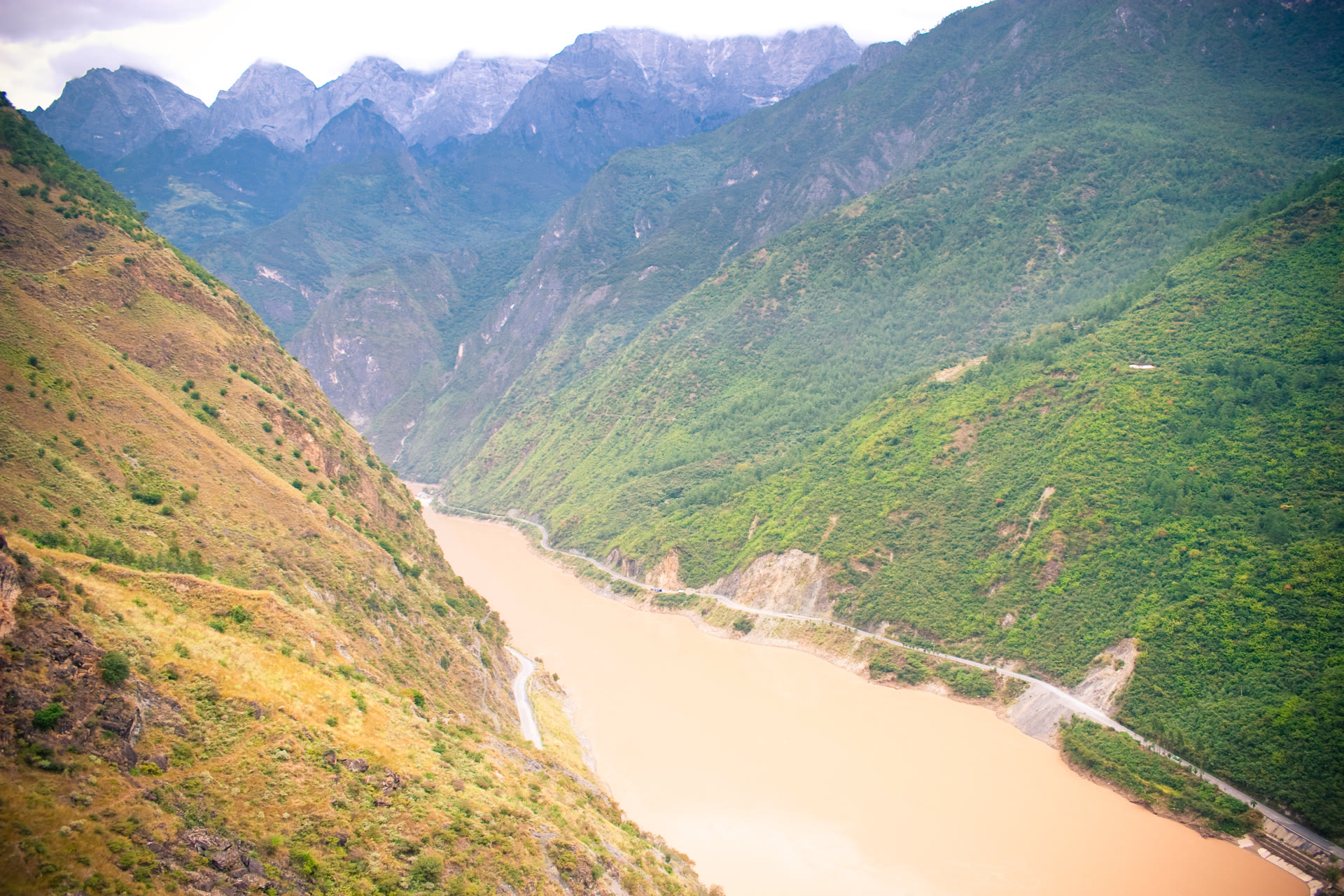
Tiger Leaping Gorge: Choose a Gorge Visit or High Trail Hike
Contents
- 1. Choose the experience that fits your day
- 2. Use reported durations only as a planning starting point
- 3. Keep the High Trail separate from a viewpoint visit
- 4. Plan the connection from Lijiang or Shangri-La
- 5. Verify current access before you set out
- 6. Sources and background
- 7. Frequently Asked Questions
Tiger Leaping Gorge is not one single walk. The visitor site for the Shangri-La Tiger Leaping Gorge tourism operating company presents three gorge sections, Upper, Middle and Lower, alongside a separate High Trail. Choose the experience first, then confirm the current access and return plan for that specific section. Use the comparison below to decide whether you want a river-section visit or a longer mountain walk.
Choose the experience that fits your day
| If you want | Start by comparing | What the source describes |
|---|---|---|
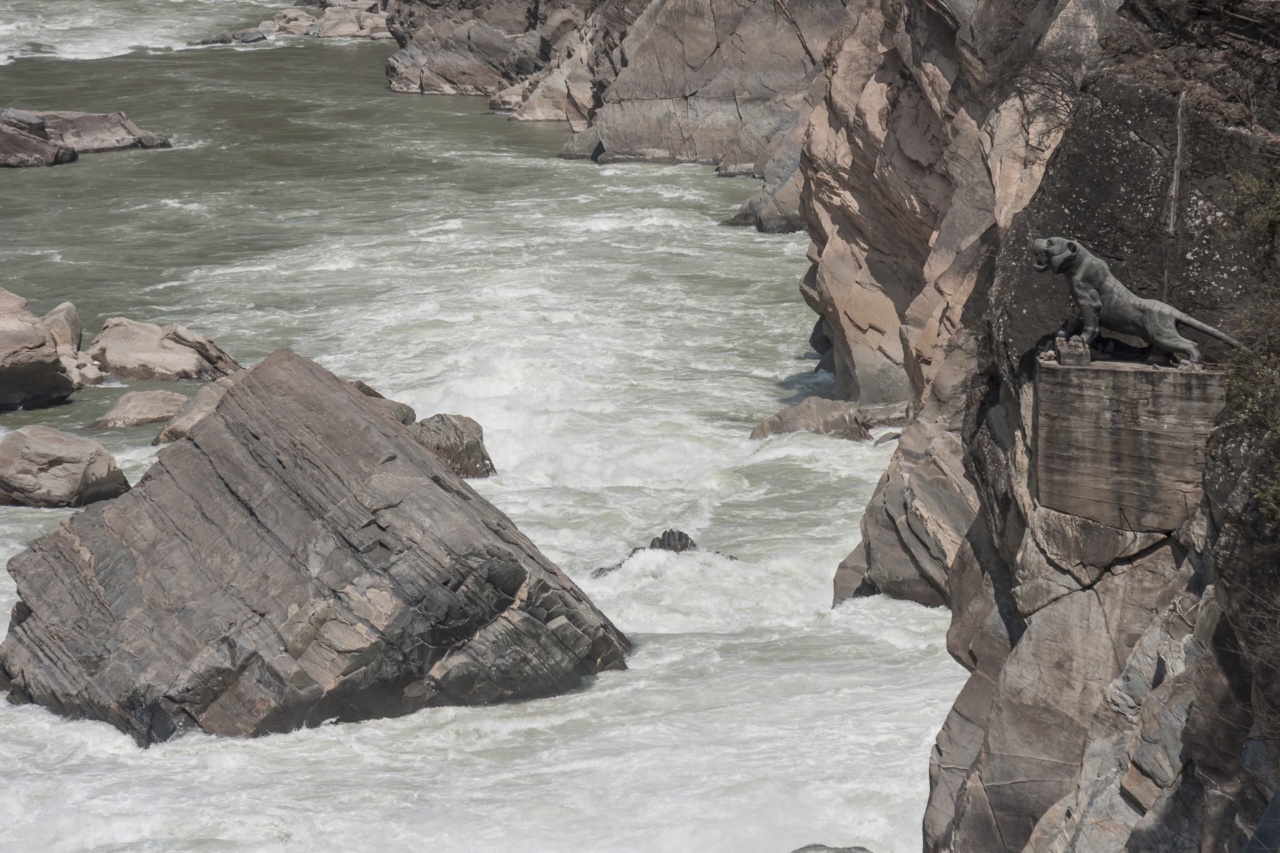
| A look at the famous river narrows | Upper Gorge | The operator describes the river narrowing here around Tiger Leaping Stone. Ask for the walking distance and stair access of the particular viewpoint you plan to use. |
| Steep canyon scenery and rapids | Middle Gorge | The operator describes boulders in the river, rapids and steep rock walls. Check the exact visitor route and access conditions before choosing it. |
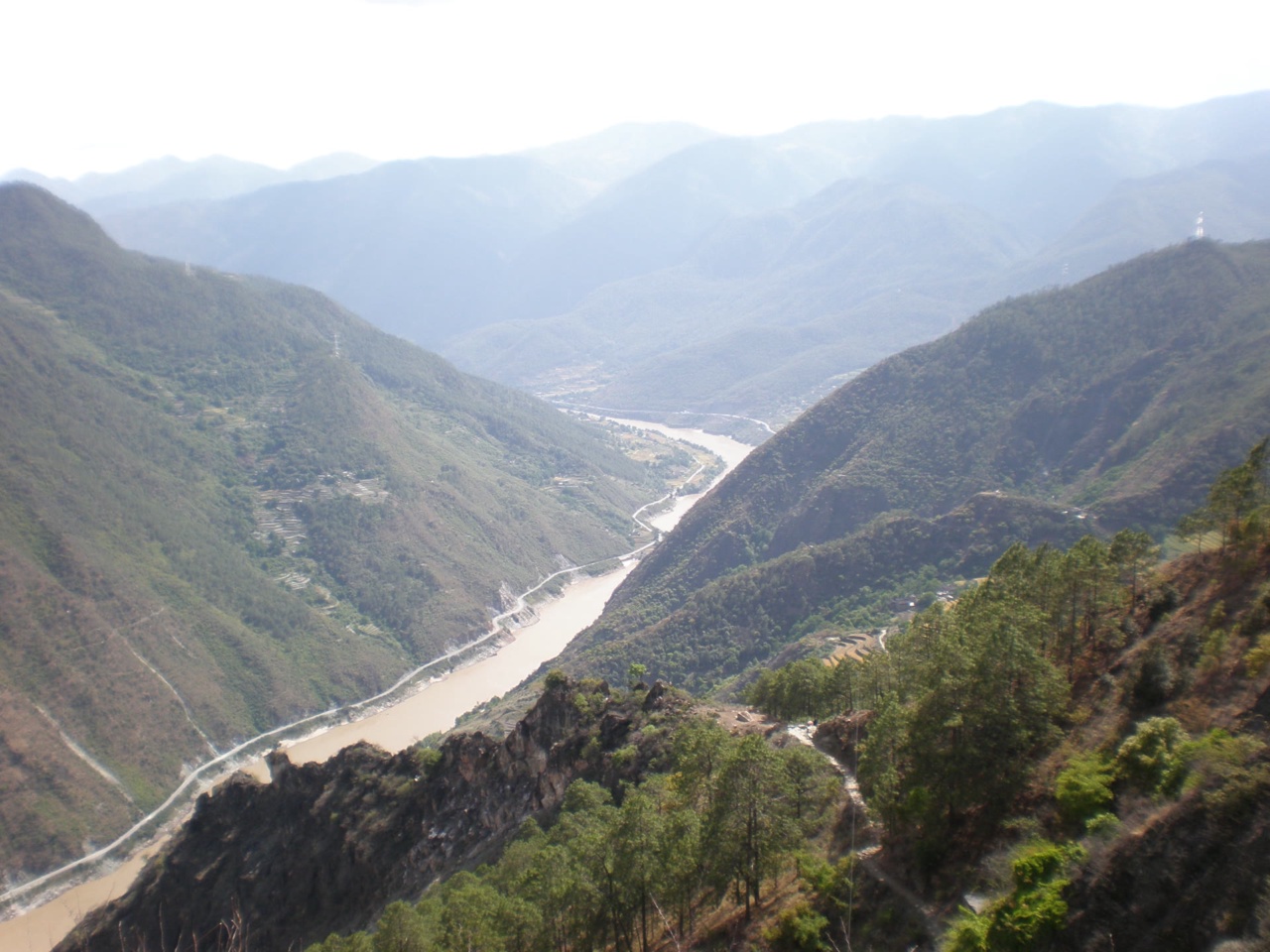
| A broader, less constricted river landscape | Lower Gorge | The operator describes this section as more open, with fields and views toward Haba and Jade Dragon Snow Mountains. |
| A longer mountain walk with guesthouse stops | High Trail | The operator describes a separate high walking route beginning at Lengdu Village, with mountain scenery and guesthouses along the way. Do not assume it is the same thing as the gorge viewpoints. |
These are different parts or ways of experiencing the gorge, not a single continuous path that every visitor should attempt. The operator page groups the three named sections and High Trail under the attraction, while its descriptions distinguish the Upper narrows, Middle rapids and broader Lower landscape. Compare your available time, preferred walking effort, and the actual route and return arrangement for your date.
Things to Do
Offers are only loaded from GetYourGuide after you click. GetYourGuide can then process your IP address and set cookies. Privacy Policy
GetYourGuide partner offers. GoAsia may earn a commission if you book through these offers. Check whether tickets or transfers are included, and follow the attraction's official booking and admission rules.
Use reported durations only as a planning starting point
A June 2024 Xinhua feature on hiking in the gorge described the High Trail as usually taking two days, Middle Gorge as a one-day choice and Lower Gorge as a half-day choice. These are the article's reported general estimates, not an itinerary guarantee or a current operating schedule. They may not match your chosen entry point, pace, stops, weather or the access conditions on your date. The article helps compare the broad shape of the options; confirm the exact walk and transfer plan locally.
Keep the High Trail separate from a viewpoint visit
The operator describes the High Trail as starting at Lengdu Village in Tiger Leaping Gorge Town and passing between Haba and Jade Dragon Snow Mountains, with guesthouses along the route. A multi-day walk needs its own decisions about trail access, overnight stops, luggage, food, water and how you will leave at the end. Agree overnight stops and the endpoint pickup before committing to the walk.
If you are comparing a river viewpoint with the High Trail, ask which entrance or access point serves the exact section you want, whether the route is open on your date, and how you will return to your accommodation or onward destination. Do not infer that an attraction ticket includes every trail or river descent.
Plan the connection from Lijiang or Shangri-La
Tiger Leaping Gorge lies between Lijiang and Shangri-La, making it a possible stop on an overland itinerary through northwest Yunnan. That geographic position does not establish a direct bus, a current departure time, a luggage transfer or a same-day connection. Match the route you have chosen with a current transport arrangement from a carrier or the visitor site's contact channel, and leave time for the return leg rather than relying on a historic timetable.
Verify current access before you set out
Current fees, hours, transport schedules and trail conditions were not established for this guide. The operator overview contains undated bus times, which are not used as current timetables here. Before committing, ask the visitor site which sections are open, what the current entry and registration process is, whether your chosen walking route is accessible, and what transport is available back from its endpoint.
- Choose Upper, Middle or Lower Gorge for a section visit, or the High Trail for a longer walk.
- Confirm the exact start and end points, route condition and any closure for your date.
- Check current admission, registration and payment details with the visitor site.
- Arrange onward transport and guesthouse plans directly, without assuming services are bundled.
- Follow posted restrictions around the river and do not treat the article's dated duration estimates as safety or access advice.
The operator's gorge overview and section descriptions and Xinhua's dated route comparison help you choose the kind of visit. For the wider itinerary, see our China travel overview.
Sources and background
These sources support the topics listed below, not every statement or current price in this article.
- [1] Shangri-La Tiger Leaping Gorge tourism operating company, as identified by its visitor website: Tiger Leaping Gorge visitor overview and section descriptions. Retrieved October 8, 2026. Access, Nature
- [2] Xinhua News: Xinhua feature: Why Tiger Leaping Gorge hiking became popular overseas. Retrieved October 8, 2026. Nature, Access
Frequently Asked Questions
The visitor site groups Upper, Middle and Lower Gorge separately from the High Trail. The operator describes the Upper narrows around Tiger Leaping Stone, Middle Gorge rapids and steep walls, a broader Lower landscape, and a longer high walking route. Confirm which section and access route are open for your date.
A June 2024 Xinhua feature described the High Trail as usually taking two days, Middle Gorge as one day and Lower Gorge as half a day. Treat those as dated general estimates, not current schedules or guarantees. Your route, pace, stops and return transport can change the time needed.
No. The operator describes the High Trail as a separate walking route beginning at Lengdu Village, with mountain scenery and guesthouses along the way. A section visit to Upper, Middle or Lower Gorge is a different choice. Verify the exact start, access and endpoint before you set out.
The operator describes it as beginning at Lengdu Village in Tiger Leaping Gorge Town. That published route description does not confirm current access or trail status, so check with the visitor site before planning around that start point.
The gorge is located between Lijiang and Shangri-La, so it can fit an overland itinerary. The sources reviewed do not verify current bus times, direct connections or luggage transfers. Confirm transport with a carrier for your travel date and allow time for your chosen route and return.
Ask whether your chosen section or trail is open, where the current access point is, what entry or registration applies, and how you will return from the route endpoint. For the High Trail, confirm overnight plans and current guesthouse availability directly. Follow posted restrictions and weather advice.
No current fee, opening schedule or transport timetable was verified for this guide. The visitor pages include descriptive material and one page contains bus times that are not treated here as current. Check the current visitor notice or contact channel and your transport provider before travel.