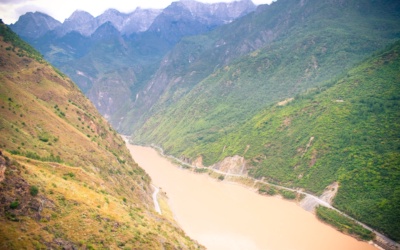
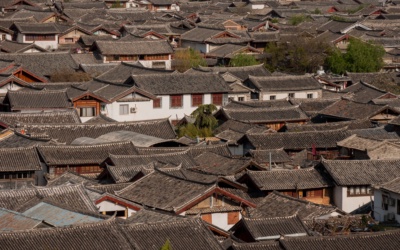
Lijiang is a high-altitude sanctuary where ancient Naxi culture meets the dramatic backdrop of the Jade Dragon Snow Mountain. It is an ideal destination for history enthusiasts and nature lovers seeking a blend of cobblestone heritage and alpine scenery.
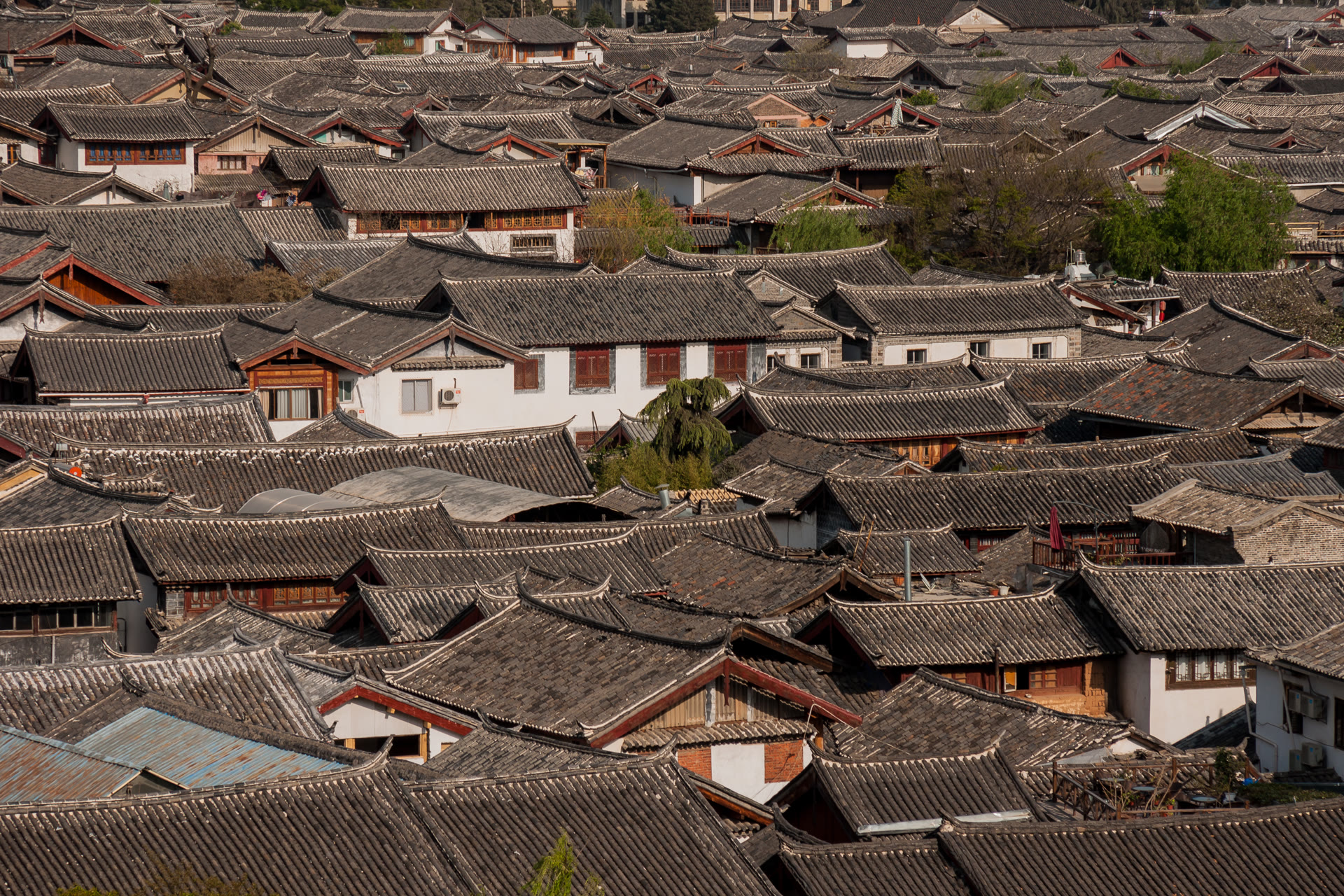
Lijiang sits high on the Yunnan-Guizhou Plateau, offering a sharp contrast to the humid lowlands of eastern China. The air here is thin and crisp, and the sunlight has a piercing quality that illuminates the intricate timber architecture of the Naxi people. This is a city defined by water; a network of canals fed by mountain springs winds through the streets, part of a water system that originates from the snow-capped mountain.[1]
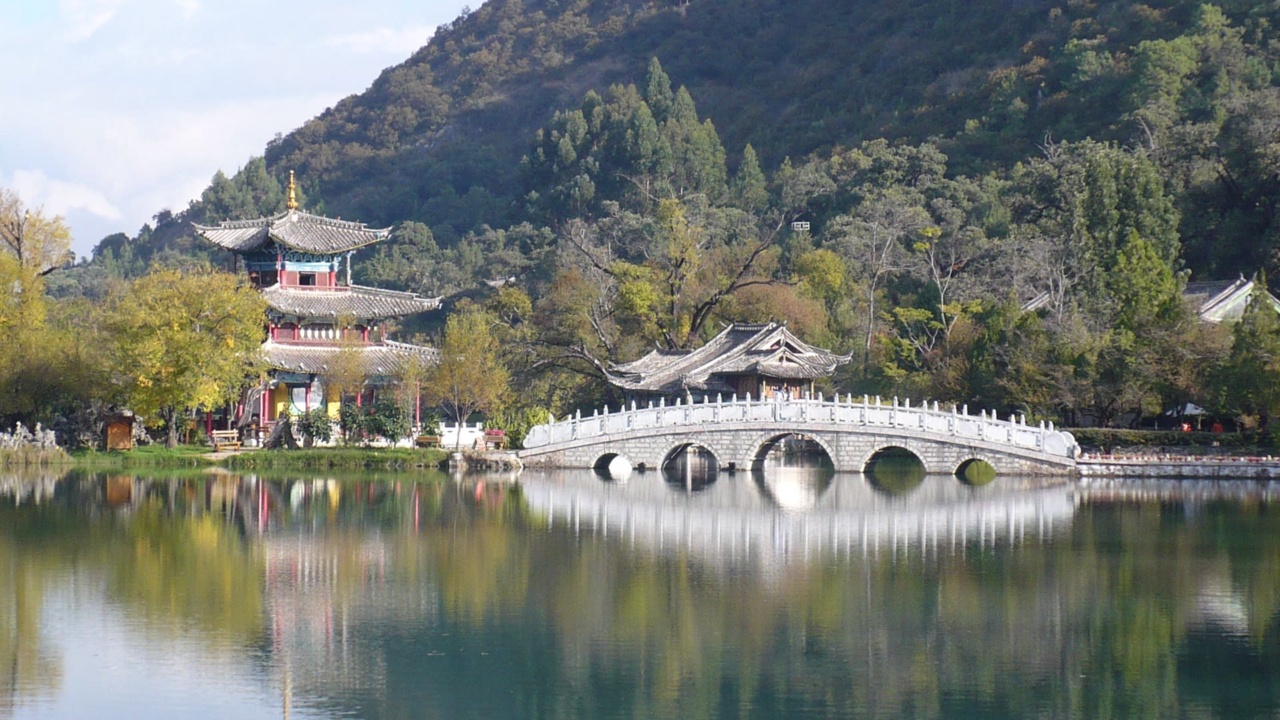
While the city has become one of China's most popular domestic tourism hubs, its soul remains tied to the Dongba culture. You will see the unique pictographic script on shop signs and hear the haunting melodies of Naxi ancient music played on traditional flutes. It is a place that rewards those who wake up at dawn to see the mist rise off the Black Dragon Pool and those who venture beyond the commercial center into the quieter rural valleys.
Lijiang serves as the gateway to the high Himalayas and the deep gorges of the Yangtze River. It is a transition point where the Han Chinese influence fades and the Tibetan and ethnic minority cultures become dominant. Travelers come here not just for the UNESCO-listed Old Town, but for the physical challenge of the surrounding peaks and the opportunity to slow down in a landscape that feels suspended in time.
Orientation and Neighborhoods
Lijiang is divided into the sprawling New Town and the preserved Old Town areas. Understanding the geography is vital for choosing where to base yourself, as the experience varies wildly between districts.
Dayan Old Town: This is the primary part of the UNESCO World Heritage site, which also includes Baisha and Shuhe.[1] It is a labyrinth of narrow alleys, stone bridges, and traditional courtyards. Stay here if you want to be in the heart of the action, but be aware that the main thoroughfares are highly commercialized and can be noisy late into the night.
Shuhe Ancient Town: Located north of Dayan, Shuhe is a smaller, more relaxed version of the Old Town. It was once a key stop on the Ancient Tea Horse Road. It is better for travelers who want a quieter atmosphere and more boutique guesthouse options without the massive crowds.
Baisha Village: Further north still, Baisha is the most authentic of the three. It remains a working village where Naxi elders sit in the squares and traditional embroidery schools are still active. It is the best choice for budget travelers and those seeking a rustic, rural experience.
New Town (Gucheng District): This is where the locals live and work. It features wide boulevards, modern shopping malls, and standard high-rise hotels. It is less atmospheric but offers better value for money and easier vehicle access.
Things to Do
Offers are only loaded from GetYourGuide after you click. GetYourGuide can then process your IP address and set cookies. Privacy Policy
GetYourGuide partner offers. GoAsia may earn a commission if you book through these offers. Check whether tickets or transfers are included, and follow the attraction's official booking and admission rules.
Best Time to Visit
Lijiang is a year-round destination, but the high altitude means weather can change rapidly. The dry season is generally preferred for mountain views.
Season
Months
Weather Characteristics
Traveler Impact
Spring
March to May
Mild days, cool nights, flowers in bloom.
Excellent visibility for mountains; moderate crowds.
Summer
June to August
Rainy season, humid but rarely hot.
Clouds often hide the peaks; peak domestic tourist season.
Autumn
September to November
Dry, crisp air, clear blue skies.
Best time for photography and hiking; very busy in early October.
Winter
December to February
Cold nights, sunny days, very dry.
Fewest tourists; snow-capped peaks are most visible.
Avoid the first week of October (National Day) and the Lunar New Year period, as visitor numbers in the Old Town climb sharply during the holidays and the narrow streets become very crowded.[2]
Getting There and Getting Around
Lijiang Sanyi International Airport (LJG) is located about 30 kilometers from the city. An airport shuttle bus runs to the city about every 30 minutes and takes around 50 minutes,[3] while a taxi or Didi (ride-hailing) is the door-to-door alternative. For those coming from Kunming or Dali, the train is the most efficient option: trains from Kunming take roughly 3.5 to 5 hours,[4] and trains from Dali take between 1 hour 36 minutes and about 2.5 hours.[5]
Within the Old Town areas, walking is the main way to get around because the alleys are narrow. To travel between Dayan, Shuhe, and Baisha, public buses are available, though Didi is more convenient for these short hops. For trips to the mountains or Tiger Leaping Gorge, you can find transport details and book private drivers on GoAsia.cc to ensure a fixed price and reliable service.
Top Sights and Experiences
Jade Dragon Snow Mountain (Yulong Xueshan)
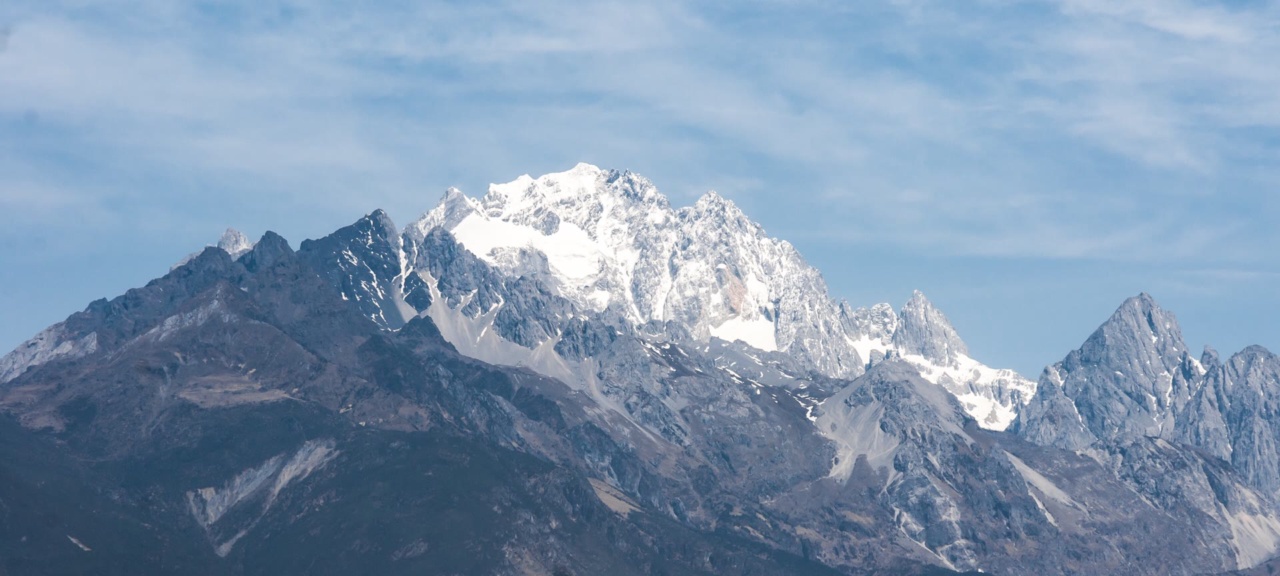
This massive mountain range dominates the northern horizon. The most popular experience is the cable car to Glacier Park. Tickets are sold through the official "Lijiang Tourism Group" WeChat mini-program with real-name registration, are released 7 days ahead and often sell out in the busy season.[6] Plan to spend a full day here to include the Blue Moon Valley at the base.
This is the classic postcard view of Lijiang. The pond reflects the peaks of the Jade Dragon Snow Mountain. Visit at sunrise for the best light and to watch locals practicing Tai Chi. Entry is technically free, but you may be asked to show proof of having paid the Old Town protection fee. The fee rules have changed in recent years, so check the current rules at the gate.
Baisha Murals
Located in Baisha Village, these murals date back to the Ming Dynasty. They are unique because they blend elements of Han Buddhism, Tibetan Buddhism, and Taoism, reflecting the cultural melting pot of the region. A visit takes about an hour and provides deep insight into Naxi history.
Overrated Attractions to Skip
Mufu Palace: While historically significant as the home of the Naxi chieftains, the current structure is a modern reconstruction. Unless you are a devotee of Ming architecture, it may not be worth the entry fee for everyone.
The Old Town bar streets: At night, the bar streets of the Old Town turn into loud, neon-lit zones with pricey drinks and loud music. For a real drink, seek out the smaller craft beer bars in the back alleys of Shuhe.
Food and Drink
Naxi cuisine is hearty and relies heavily on preserved meats and mountain vegetables. It is less spicy than Sichuan food but uses plenty of wild herbs.
Dish
Description
Where to Try
Naxi Baba
A dense, round flatbread served sweet or savory.
Street stalls in Baisha
Cured Pork Rib Hotpot
Salty, air-dried ribs simmered with seasonal greens.
Venture into the New Town
Chickpea Jelly (Jidou Liangfen)
Savory jelly served cold with vinegar and chili or fried.
Dayan Market Square
Yak Butter Tea
A salty, high-calorie tea.
Traditional Naxi teahouses
Street food is prevalent in the Old Town, but for the best prices and most authentic flavors, eat where the locals do in the New Town or the outskirts of Baisha.
Where to Stay
Accommodation in Lijiang is dominated by "Inns" (客栈, kezhan), which are traditional courtyard houses converted into boutique hotels.
Budget: Baisha Village offers guesthouses. These are basic but full of character and usually run by friendly locals or expats.
Mid-Range: Shuhe Ancient Town has beautiful boutique courtyards. These often feature heated floors (essential in winter) and high-quality tea sets.
Upscale: For luxury, look to the international brands on the outskirts of the Old Town or near Jade Dragon Snow Mountain. Expect high-end resorts with mountain views.
Practical Tips
Altitude Sickness: Lijiang is high enough that some people feel lightheaded. Drink plenty of water, avoid alcohol on your first night, and move slowly.
Payment: Digital payment is the norm. Alipay and WeChat Pay are the standard. Link your international credit card to these apps before arrival.
Internet: Most western websites and apps are blocked. Purchase a roaming SIM or a reputable VPN before entering China.
Sun Protection: The UV rays at this altitude are intense. Even on cloudy days, wear high-SPF sunscreen and a hat.
Tipping: Tipping is not expected and can sometimes be seen as confusing. It is not necessary in restaurants or taxis.
Day Trips
Tiger Leaping Gorge
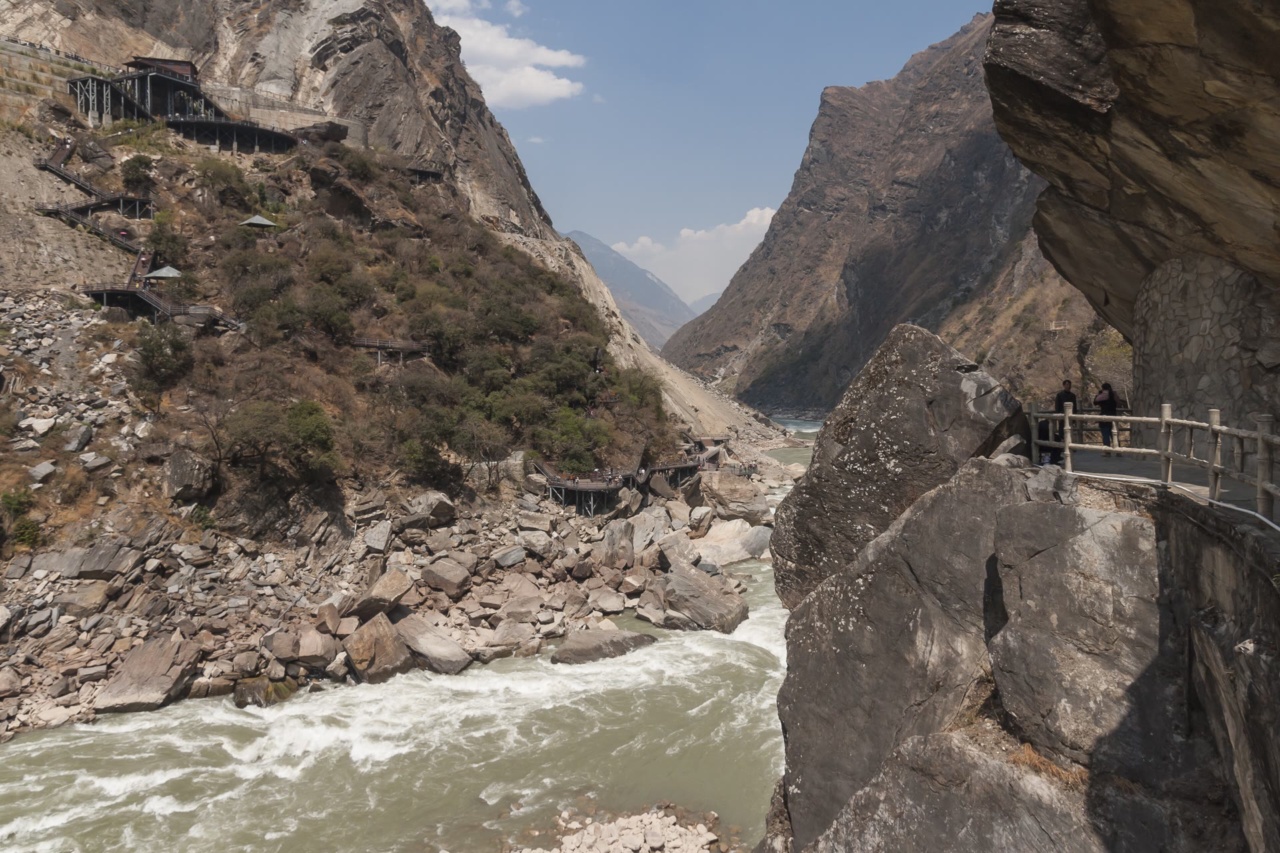
A famous gorge on the Yangtze River north of Lijiang. You can do a day trip to the "Upper Gorge" to see the viewing platforms, but the multi-day high trail hike is the real draw. It is strenuous but offers world-class views of the Yangtze River far below.
Located several hours away, this high-altitude lake is home to the Mosuo people, known for their matrilineal society. While it can be done as a very long day trip, an overnight stay is highly recommended to appreciate the serenity. The road is winding, so bring motion sickness medication.
First Bend of the Yangtze
Located in Shigu Town, this is where the Yangtze River makes a dramatic turn. It is a scenic drive from Lijiang and is often combined with a trip to Tiger Leaping Gorge.
Sample 3-Day Itinerary
Day 1: The Old Town Immersion
Morning: Start at Black Dragon Pool Park at 7:30 AM for the best photos of the mountain. Walk from the park back into Dayan Old Town. Afternoon: Explore the winding alleys of Dayan, heading up to Lion Hill for a panoramic view of the rooftops. Evening: Take a taxi to Shuhe Ancient Town for a quiet dinner in a courtyard restaurant.
Day 2: Peaks and Valleys
Morning: Take the early cable car to Jade Dragon Snow Mountain Glacier Park (book tickets in advance through the official mini-program). Afternoon: Descend to the Blue Moon Valley to see the turquoise glacial meltwater. On the way back to the city, stop at the Baisha Murals. Evening: Enjoy a traditional Naxi hotpot in the New Town.
Day 3: Rural Life and Culture
Morning: Rent a bicycle and ride from Shuhe to Baisha Village. Spend the morning exploring the local market and embroidery schools. Afternoon: Visit a local Naxi family home or take a short hike in the foothills of the mountains near Yuhu Village. Evening: Return to Dayan for a final stroll and souvenir shopping for silver or tea.
Frequently Asked Questions
Is Lijiang worth visiting?
Yes, Lijiang is a unique destination that combines well-preserved ethnic Naxi culture with stunning Himalayan scenery. While the main Old Town is touristy, the surrounding villages and mountains offer some of the most beautiful landscapes in China.
How many days do you need in Lijiang?
Three days is the minimum to see the Old Town, Jade Dragon Snow Mountain, and Baisha Village. If you plan to hike Tiger Leaping Gorge or visit Lugu Lake, you should allow five to six days.
Is Lijiang safe for tourists?
Lijiang is generally safe for tourists, even at night. The main risks are altitude sickness and occasional petty scams in highly commercialized areas, such as overcharging for tea or taxi rides without a meter.
Can you drink tap water in Lijiang?
No, you should not drink tap water in Lijiang. Most hotels and guesthouses provide bottled water or have a filtered water dispenser. Boiled water is generally safe for tea.
Do I need a visa to visit Lijiang?
Whether you need a visa to enter China depends on your passport, purpose and itinerary. The National Immigration Administration page dated 17 February 2026 lists specified countries whose ordinary passport holders may enter without a visa for business, tourism, visits to relatives and friends, exchange visits or transit for up to 30 days. This does not provide a general exemption for every nationality, and transit has separate conditions. Before booking, check the current official NIA list and the Chinese embassy information.
What is the best neighborhood to stay in Lijiang?
Shuhe Ancient Town offers the best balance of atmosphere and tranquility. For those seeking a rustic experience, Baisha is best, while Dayan is ideal if you want to be close to the most shops and restaurants.
Is English widely spoken in Lijiang?
English is not widely spoken outside of major hotels and tourist-oriented cafes. Using a translation app and having your destination written in Chinese characters is highly recommended.
How do I get from Lijiang to Tiger Leaping Gorge?
You can take a public bus from the Lijiang Passenger Bus Station towards Qiaotou. Alternatively, many hostels arrange shared vans, or you can hire a private driver for the day.
Sources and background
Numbers in the text such as [1] refer to these sources.
[1]UNESCO World Heritage Centre: Old Town of Lijiang. Retrieved October 15, 2026.