
Kunming
Known as the City of Eternal Spring, Kunming is a high-altitude plateau capital where blooming flowers and mild weather persist year-round. It serves as the sophisticated gateway to China's diverse Yunnan province, blending laid-back lake culture with vibrant ethnic minority traditions.
Last updated: October 15, 2026
When to go
Climate and best time for KunmingBest months: September to May
- January: Great. 16 °C by day, 3 °C at night, 17 mm of rain
- February: Great. 19 °C by day, 5 °C at night, 15 mm of rain
- March: Great. 22 °C by day, 8 °C at night, 22 mm of rain
- April: Great. 25 °C by day, 11 °C at night, 35 mm of rain
- May: Great. 26 °C by day, 15 °C at night, 81 mm of rain
- June: Good (a lot of rain). 26 °C by day, 17 °C at night, 157 mm of rain
- July: Good (a lot of rain). 25 °C by day, 17 °C at night, 184 mm of rain
- August: Good (a lot of rain). 25 °C by day, 17 °C at night, 175 mm of rain
- September: Great. 24 °C by day, 15 °C at night, 100 mm of rain
- October: Great. 21 °C by day, 12 °C at night, 67 mm of rain
- November: Great. 19 °C by day, 7 °C at night, 28 mm of rain
- December: Great. 16 °C by day, 4 °C at night, 15 mm of rain
- Great
- Good
- Mixed
- Poor
Contents
- 1. Orientation and Neighborhoods
- 2. Best Time to Visit
- 3. Getting There and Getting Around
- 4. Top Sights and Experiences
- 4.1 Must-See Attractions
- 4.2 Lesser-Known Gems
- 4.3 Overrated Spots
- 5. Food and Drink
- 6. Where to Stay
- 7. Practical Tips
- 8. Day Trips
- 9. Sample 3-Day Itinerary
- 9.1 Day 1: The Heart of the City
- 9.2 Day 2: Natural Wonders
- 9.3 Day 3: Culture and Craft
- 10. Budget Overview
- 11. Frequently Asked Questions
Kunming sits at an elevation of 1,900 meters on the Yunnan-Guizhou Plateau, offering a temperate escape from the stifling humidity of southern China and the frigid winters of the north. The city moves at a noticeably slower pace than the coastal megacities of Shanghai or Shenzhen. Here, the air is thinner and crisper, the sunlight is intense, and the local lifestyle revolves around public parks, tea houses, and the seasonal rhythms of the natural world. It is a city where high-tech skyscrapers stand alongside bustling wet markets overflowing with wild mushrooms and tropical fruits from the province's southern reaches.
For travelers, Kunming is far more than just a transit hub for Lijiang or Shangri-La. It is a cultural melting pot where 25 of China's 56 recognized ethnic minority groups have a presence, influencing the local architecture, textiles, and legendary culinary scene. Whether you are navigating the labyrinthine stalls of the Dounan Flower Market or watching Siberian seagulls migrate to the shores of Dianchi Lake, Kunming offers a sensory experience that feels uniquely frontier-like yet comfortably modern. It is an ideal destination for those who appreciate natural landscapes, botanical diversity, and a deep dive into China's southwestern heritage.
The city's character is defined by its greenery. Even in the dense urban core, emerald canopies line the boulevards and pocket parks provide sanctuary for elderly residents practicing tai chi or playing mahjong. Kunming is a city that rewards the patient observer; the joy here is found in the small details, like the scent of roasting coffee from a local Yunnan bean roastery or the vibrant purple of jacaranda trees in full bloom. It is a place that invites you to breathe deeply and linger before heading further into the mountains.
Orientation and Neighborhoods
Kunming is centered around the Green Lake (Cuihu) area, which serves as the city's spiritual and recreational heart. The city is roughly organized in concentric rings, with the Panlong River cutting through the center from north to south. Understanding the distinct vibes of each district will help you decide where to plant your flag.
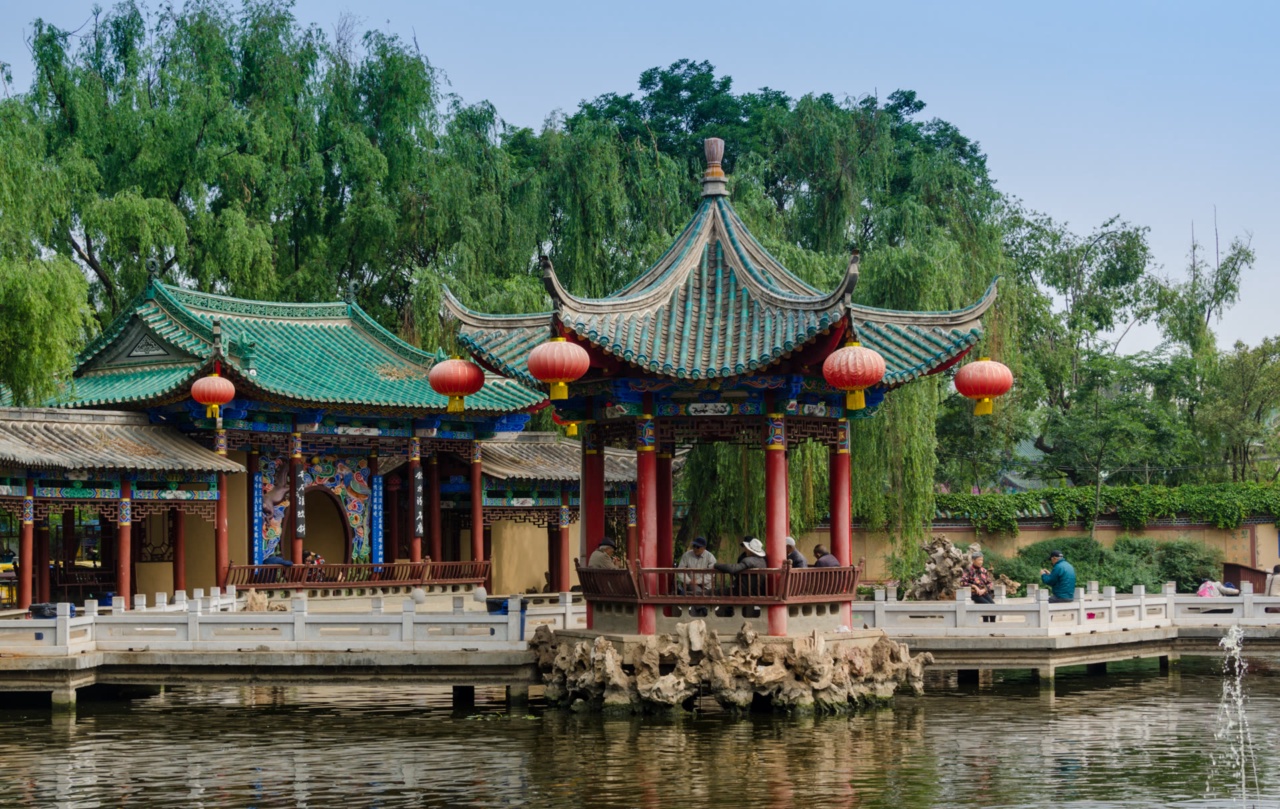
- Wuhua District (Green Lake & Wenlin Street): This is the cultural and intellectual hub. It is home to Yunnan University and the city's best concentration of cafes, bookstores, and craft bars. Stay here if you want walkability, a youthful atmosphere, and proximity to historical sites.
- Guandu District: Located to the southeast, this area blends the ancient with the modern. It contains the Guandu Old Town and the massive Dounan Flower Market. It is a good choice for those interested in traditional crafts and local snacks, though it is further from the city center.
- Xishan District: Bordering the western edge of Dianchi Lake, this district is dominated by the Western Hills Forest Park. It is ideal for nature lovers and those seeking luxury resorts with lake views. It is quieter but requires more travel time to reach urban attractions.
- Panlong District: A commercial powerhouse with high-end shopping malls and luxury hotels. This is the place for those who prefer modern amenities, international dining, and easy access to the main railway station.
- Chenggong District: A newer development further south. While mostly residential and academic, it is home to the Kunming South Railway Station (high-speed rail hub). Only stay here if you have an early morning train and want to avoid the long commute from downtown.
Things to Do
Offers are only loaded from GetYourGuide after you click. GetYourGuide can then process your IP address and set cookies. Privacy Policy
GetYourGuide partner offers. GoAsia may earn a commission if you book through these offers. Check whether tickets or transfers are included, and follow the attraction's official booking and admission rules.
Best Time to Visit
Kunming's nickname, the City of Eternal Spring, is mostly accurate, but there are still distinct seasonal shifts to consider. The high altitude means the sun is strong, and temperature swings between day and night can be significant.
| Season | Months | Weather | Pros & Cons |
|---|---|---|---|
| Spring | March - May | Mild, dry, sunny | Best for blossoms; peak flower season. Low humidity. |
| Summer | June - August | Warm, rainy, lush | Rain can disrupt hiking; cooler than most of China. |
| Autumn | September - November | Cool, clear skies | Harvest season for mushrooms; stable weather for photography. |
| Winter | December - February | Chilly nights, bright days | Siberian seagulls arrive; fewest crowds; indoor heating is rare. |
The best time to visit is from March to May when the city is literally covered in flowers. Avoid the "Golden Week" holidays (first week of October and Lunar New Year) as domestic tourism surges, making local transport and attractions like the Stone Forest extremely crowded. Winter is surprisingly pleasant for sightseeing due to the clear blue skies, though you will need a heavy jacket for the evenings as many buildings lack central heating.
Getting There and Getting Around
Kunming Changshui International Airport (KMG) is one of China's major gateways. It is located about 25 kilometers northeast of the city center. The most efficient way to reach the city is via Metro Line 6, which takes around 45 minutes and costs roughly $1.50. Alternatively, an airport shuttle bus costs about $4, and a taxi or ride-hail (Didi) will cost approximately $15 to $20 depending on traffic.
For domestic travel, Kunming has two main railway stations. Kunming Railway Station (near the center) handles most conventional trains and some high-speed lines. Kunming South (Chenggong) is the dedicated high-speed hub connecting to Southeast Asia and major Chinese cities. You can find detailed schedules and booking options on GoAsia.cc to plan your regional connections.
Within the city, the Metro system is clean, fast, and has English signage. Fares start at less than $0.50. For areas not covered by the metro, the Didi app (which has an English interface) is the most reliable way to get around. Taxis are plentiful but drivers rarely speak English, so have your destination written in Chinese characters. Kunming is also very bike-friendly; look for the ubiquitous blue or yellow shared bikes, though you will need an active Alipay or WeChat Pay account to use them.
Top Sights and Experiences
Must-See Attractions
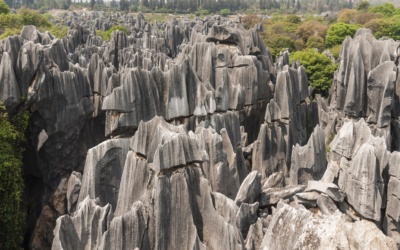
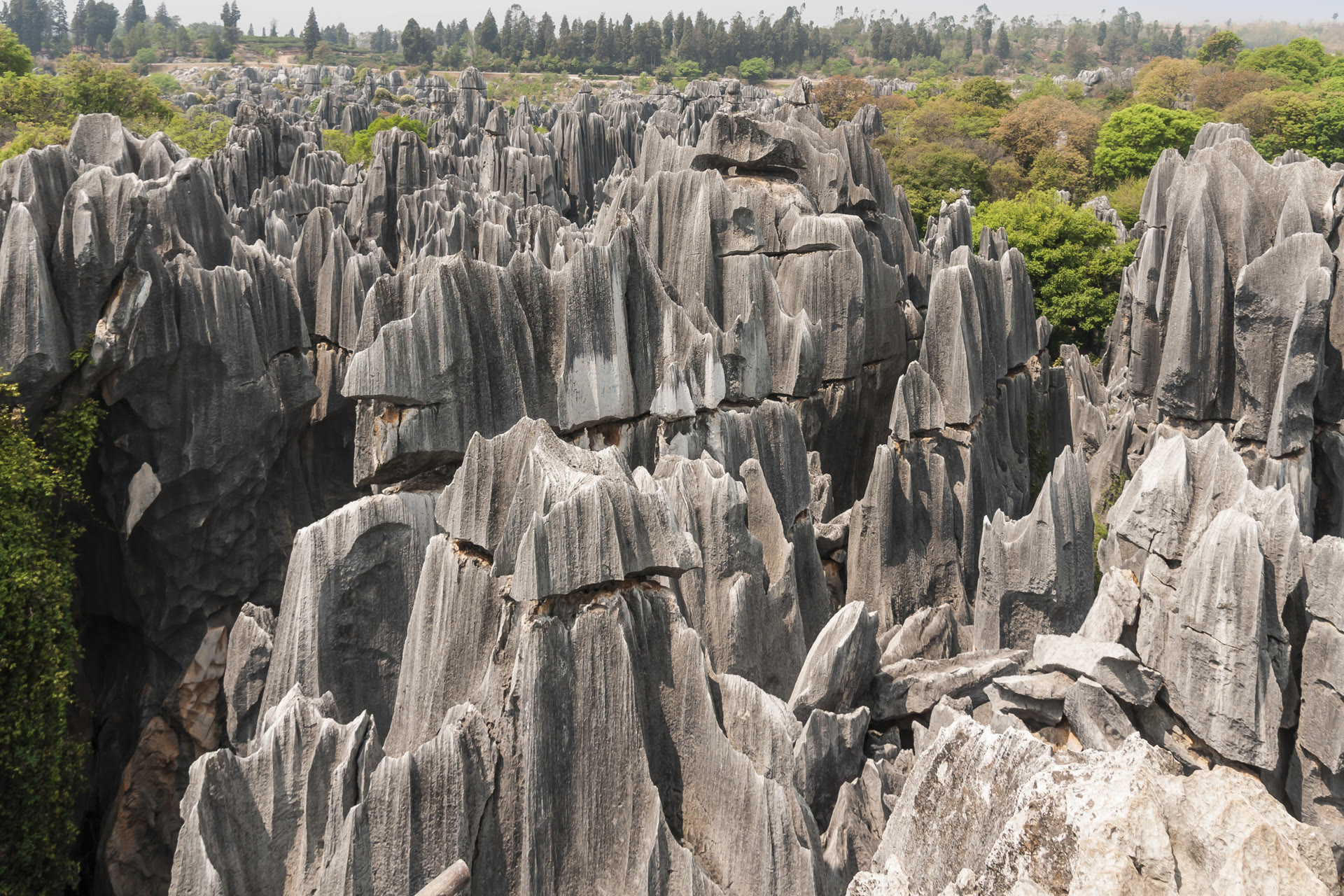
- The Stone Forest (Shilin): A UNESCO World Heritage site located about 75 miles from the city. These towering limestone karst formations look like a petrified forest. Plan for at least 4 hours here. Tip: Take the earliest bus or train from Kunming to beat the tour groups that arrive by 10:30 AM.
- Green Lake Park (Cuihu): The heart of Kunming's social life. It consists of four ponds connected by bridges. In winter, it is filled with thousands of black-headed gulls. It is free to enter and perfect for people-watching.
- Western Hills (Xishan): A steep range on the edge of Dianchi Lake. Take the cable car over the water for stunning views, then hike up to the Dragon Gate, a series of grottoes carved into the cliffside. Allow a half-day for this excursion.
- Dounan Flower Market: The largest wholesale flower market in Asia. Visit after 8:30 PM when the professional auctions start to see the true scale of the operation. It is a chaotic, fragrant, and neon-lit experience unlike any other.
Lesser-Known Gems
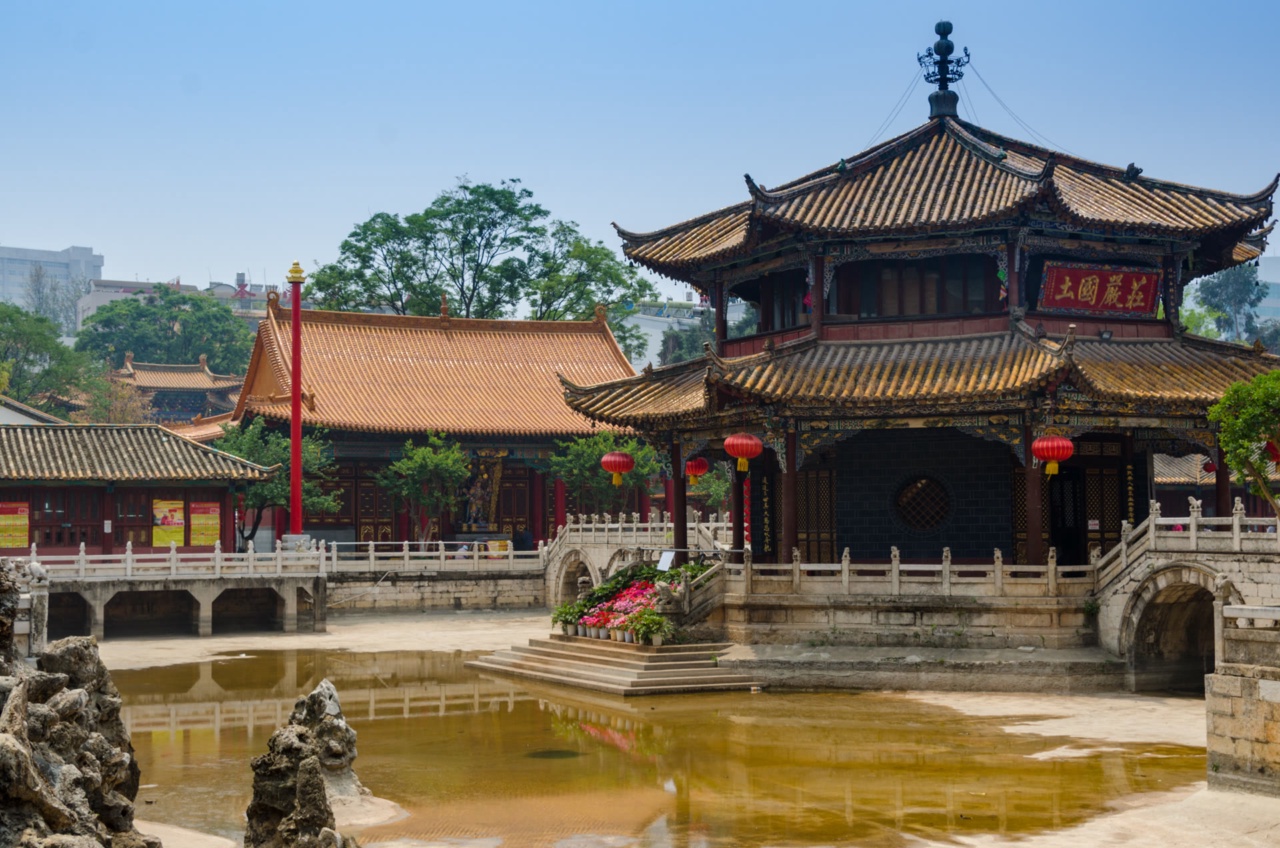
- Yuantong Temple: One of the oldest Buddhist sites in the city. Unlike most temples that lead upward, this one is built on a descent, leading to a beautiful pond and pavilion at the center.
- Kunming Botanical Garden: Home to the Camellia Garden and a stunning greenhouse. It is quieter than the city parks and showcases the incredible floral diversity of Yunnan.
- Wenlin Street: A charming neighborhood behind Green Lake. It is the best place to find independent coffee shops, craft beer, and small boutiques selling ethnic minority textiles.
Overrated Spots
- Yunnan Nationalities Village: This is a theme-park version of ethnic culture. While informative, it can feel staged and commercial. For a more authentic experience, visit the local markets or travel to the actual minority autonomous prefectures outside the city.
- Grand Park Hotel Revolving Restaurant: While the view is okay, the food is overpriced and the interior feels dated. You are better off getting a window seat at a modern high-rise bar in the Panlong district.
Food and Drink
Yunnan cuisine (Dian Cai) is famous for its use of fresh herbs, wild mushrooms, and spicy-sour flavor profiles. It is arguably the most diverse regional cuisine in China due to the influence of neighboring Southeast Asia and the varied ethnic groups.
| Dish | Description | Where to Try | Typical Price |
|---|---|---|---|
| Crossing the Bridge Noodles | Hot broth with separate bowls of meat, veggies, and rice noodles. | Brothers Jiang or Jianxin Yuan | $3 - $8 |
| Steam Pot Chicken | Chicken slow-cooked in a unique ceramic pot with medicinal herbs. | Old Kunming restaurants | $10 - $15 |
| Rubing (Goat Cheese) | Firm goat cheese, usually pan-fried or served with broccoli. | Traditional Yunnan eateries | $5 - $7 |
| Wild Mushrooms | Seasonal (Summer) stir-fries of porcini, chanterelles, or morels. | Specialty mushroom restaurants | $15 - $40 |
Street food is concentrated around the Nanqiang Night Market and the Guandu Old Town. Look for "Shaoyang" (barbecue) skewers and "Xibe" (sticky rice cakes). For drinks, Kunming is the gateway to Pu'er tea country. Visit a tea house near Green Lake for a formal tasting. The city also has a burgeoning craft beer scene, with several local breweries serving IPA infused with local jasmine or pomelo.
Where to Stay
Accommodation in Kunming offers excellent value compared to Beijing or Hong Kong. Most travelers should aim for the city center to stay mobile.
- Budget ($15 - $30 per night): Look for hostels and guesthouses in the Wuhua District near Yunnan University. These often have English-speaking staff and organized tours to the Stone Forest.
- Mid-Range ($40 - $80 per night): Boutique hotels near Green Lake or modern business hotels in the Panlong District. These provide international standards, comfortable beds, and often include a solid buffet breakfast.
- Upscale ($100 - $250 per night): International brands like the InterContinental (near Dianchi Lake for a resort feel) or the Sofitel (in the city center for luxury and high-floor views).
Practical Tips
- Payment: China is almost entirely cashless. Download Alipay or WeChat Pay and link your international credit card before arrival. Cash is accepted but often difficult for small vendors to provide change for.
- Internet: A VPN is necessary to access Google, Facebook, Instagram, and WhatsApp. Alternatively, buy an international roaming SIM or an eSIM that bypasses the firewall.
- Safety: Kunming is exceptionally safe. Petty theft is rare but can happen in crowded markets. The biggest danger is the sun; use high-SPF sunscreen even on cloudy days due to the altitude.
- Language: English is not widely spoken outside of large hotels and youth hostels. Use translation apps like Baidu Translate or Pleco.
- Tipping: Tipping is not expected and can sometimes be seen as confusing or offensive. In high-end hotels, a service charge may be included.
- Altitude: At 1,900m, some may feel slight shortness of breath. Stay hydrated and avoid heavy alcohol consumption on your first night.
Day Trips
- Jiuxiang Caves: Located near the Stone Forest, these are massive limestone caverns with underground waterfalls. It is often combined with a Stone Forest trip. Distance: 90km.
- Fuxian Lake: A deep, crystal-clear freshwater lake about an hour south of Kunming. It is less touristy than Dianchi and offers great swimming and lakeside dining. Distance: 60km.
- Dongchuan Red Land: A photographer's dream where the soil is a deep crimson due to iron oxidation. Best visited in May or November. Distance: 150km (3-4 hours one way; better as an overnight trip).
Sample 3-Day Itinerary
Day 1: The Heart of the City
Start your morning at Green Lake Park to watch the locals exercise. Walk to the nearby Yuantong Temple by midday. In the afternoon, explore the Kunming Military Academy museum and the shops along Wenlin Street. For dinner, try a classic bowl of Crossing the Bridge Noodles at a historical restaurant near Nanping Pedestrian Street.
Day 2: Natural Wonders
Take an early morning high-speed train to Shilin (Stone Forest). Spend the morning navigating the rock formations. Return to Kunming by mid-afternoon and head to the Western Hills. Take the cable car up for the sunset view over Dianchi Lake. End the night at the Dounan Flower Market to see the midnight floral trade in action.
Day 3: Culture and Craft
Spend the morning at the Yunnan Provincial Museum to understand the region's ethnic history. In the afternoon, visit Guandu Old Town to try local snacks and see the Vajra Pagoda. Spend your final evening enjoying craft beers and live music in the Wuhua District.
Budget Overview
| Category | Budget | Mid-Range | Comfort |
|---|---|---|---|
| Accommodation | $20 | $60 | $150 |
| Food | $10 | $25 | $60 |
| Transport | $3 | $10 | $30 |
| Activities | $5 | $25 | $50 |
| Daily Total | $38 | $120 | $290 |
Frequently Asked Questions
Is Kunming worth visiting?
Yes, Kunming is worth visiting for its unique blend of mild climate, diverse ethnic culture, and the stunning Stone Forest. It offers a more relaxed pace than China's coastal cities and serves as the best introduction to Yunnan's world-class cuisine.
How many days do you need in Kunming?
Two to three days are sufficient to see the major urban highlights, the Western Hills, and the Stone Forest. If you plan to use it as a base for day trips to Fuxian Lake or the Red Lands, extend your stay to five days.
Is Kunming safe for tourists?
Kunming is very safe for tourists, including solo female travelers. Violent crime is extremely rare, though you should exercise standard precautions against pickpockets in crowded markets like Dounan or Nanping Street.
What food is Kunming famous for?
Kunming is most famous for Crossing the Bridge Noodles, Steam Pot Chicken, and wild mushrooms. It is also known for Rubing (goat cheese) and Erkuai (chewy rice cakes), reflecting the city's diverse ethnic influences.
Can you drink tap water in Kunming?
No, you should not drink tap water in Kunming. Most hotels provide bottled water or have kettles for boiling. Filtered water dispensers are common in modern shopping malls and airports.
Is English widely spoken in Kunming?
English is not widely spoken by the general public. While staff at high-end hotels and youth hostels speak some English, you will need a translation app and your destination written in Chinese characters for taxi drivers.
What is the best neighborhood to stay in Kunming?
The area around Green Lake (Cuihu) in the Wuhua District is the best for tourists. It is walkable, filled with cafes and historical sites, and offers the best atmosphere for experiencing the local lifestyle.
How do I get from the airport to the city center?
The most convenient way is Metro Line 6, which connects the airport to the city network for about $1.50. Taxis and Didi ride-hailing services are also available for roughly $15 to $20.