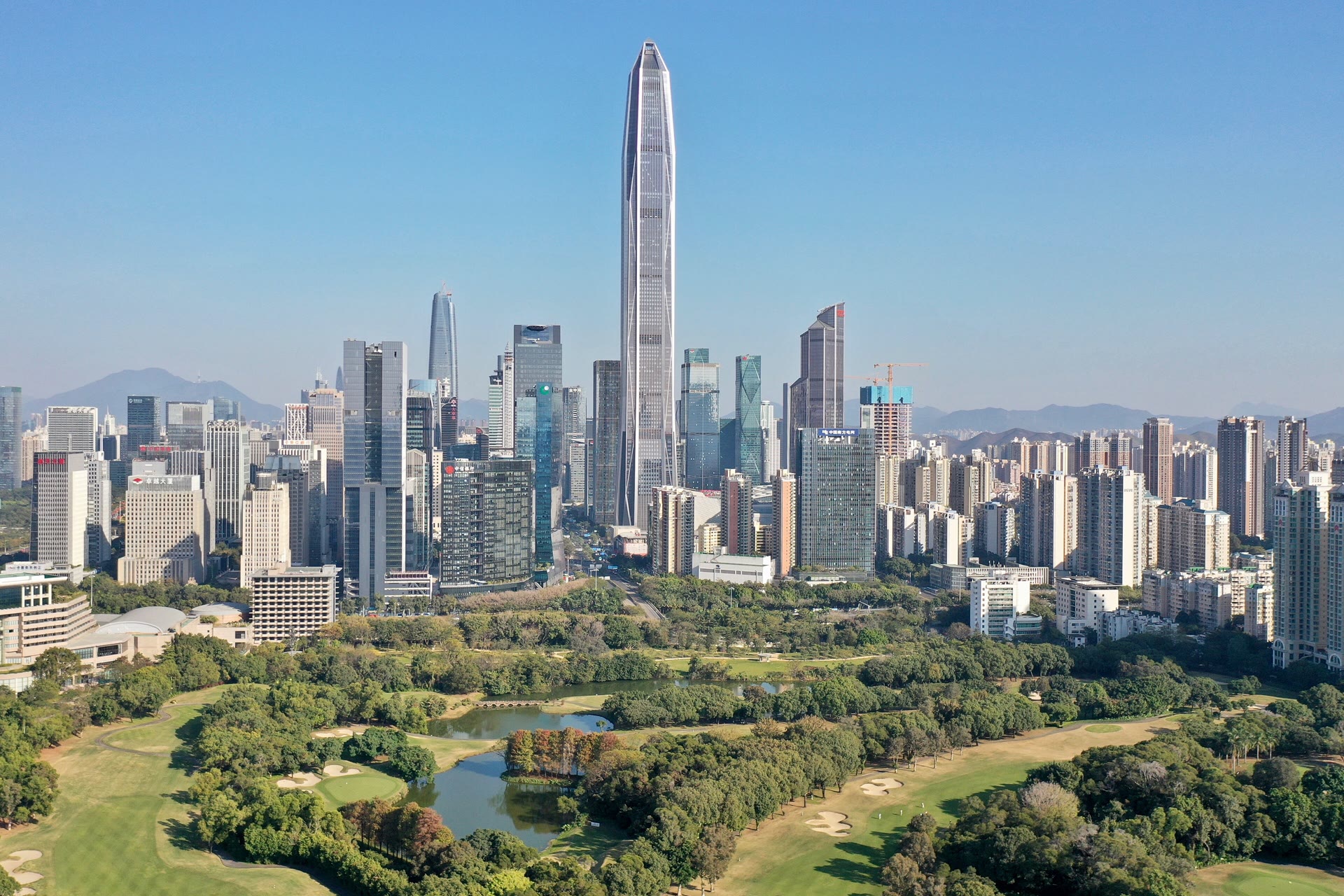
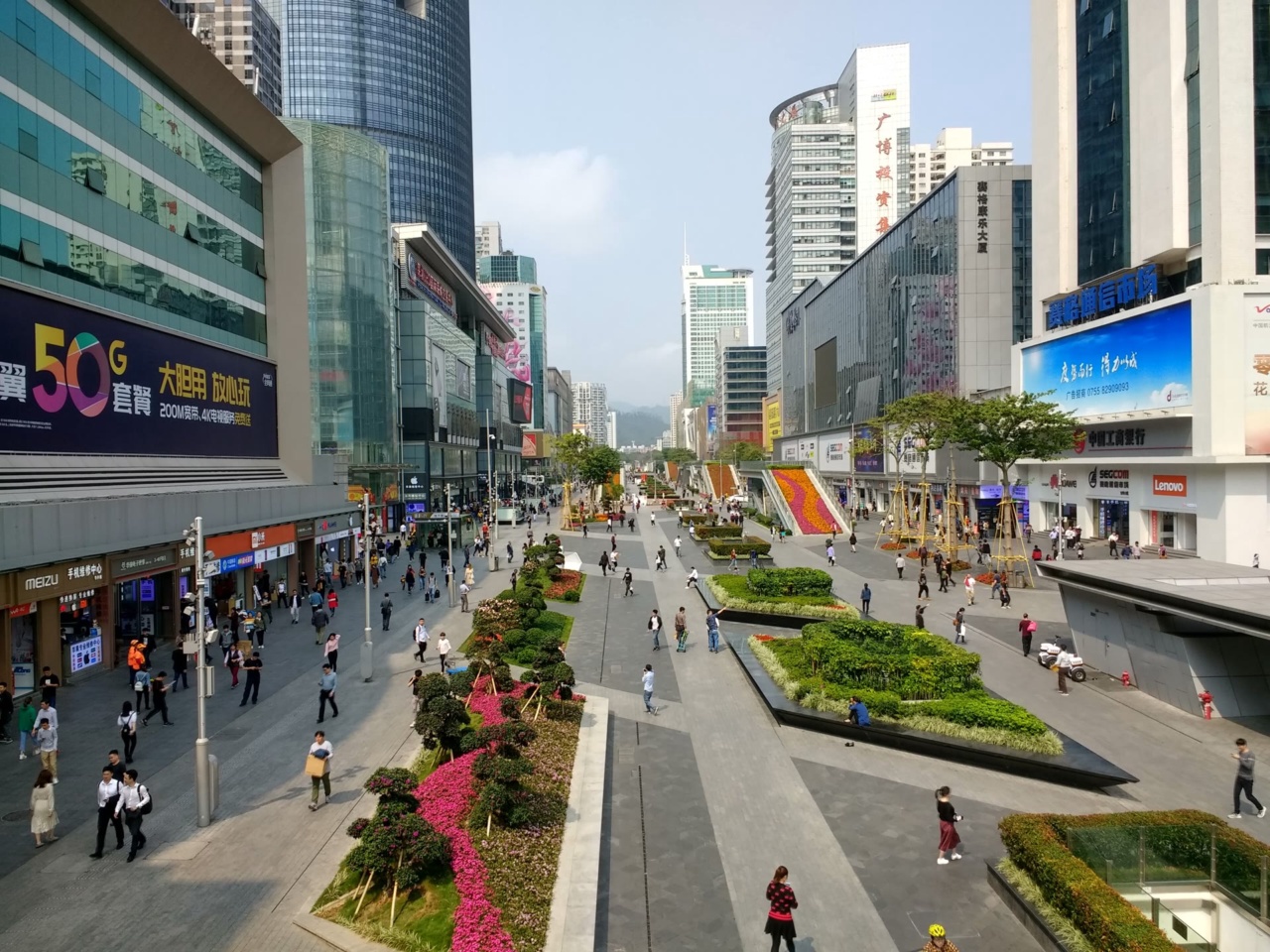
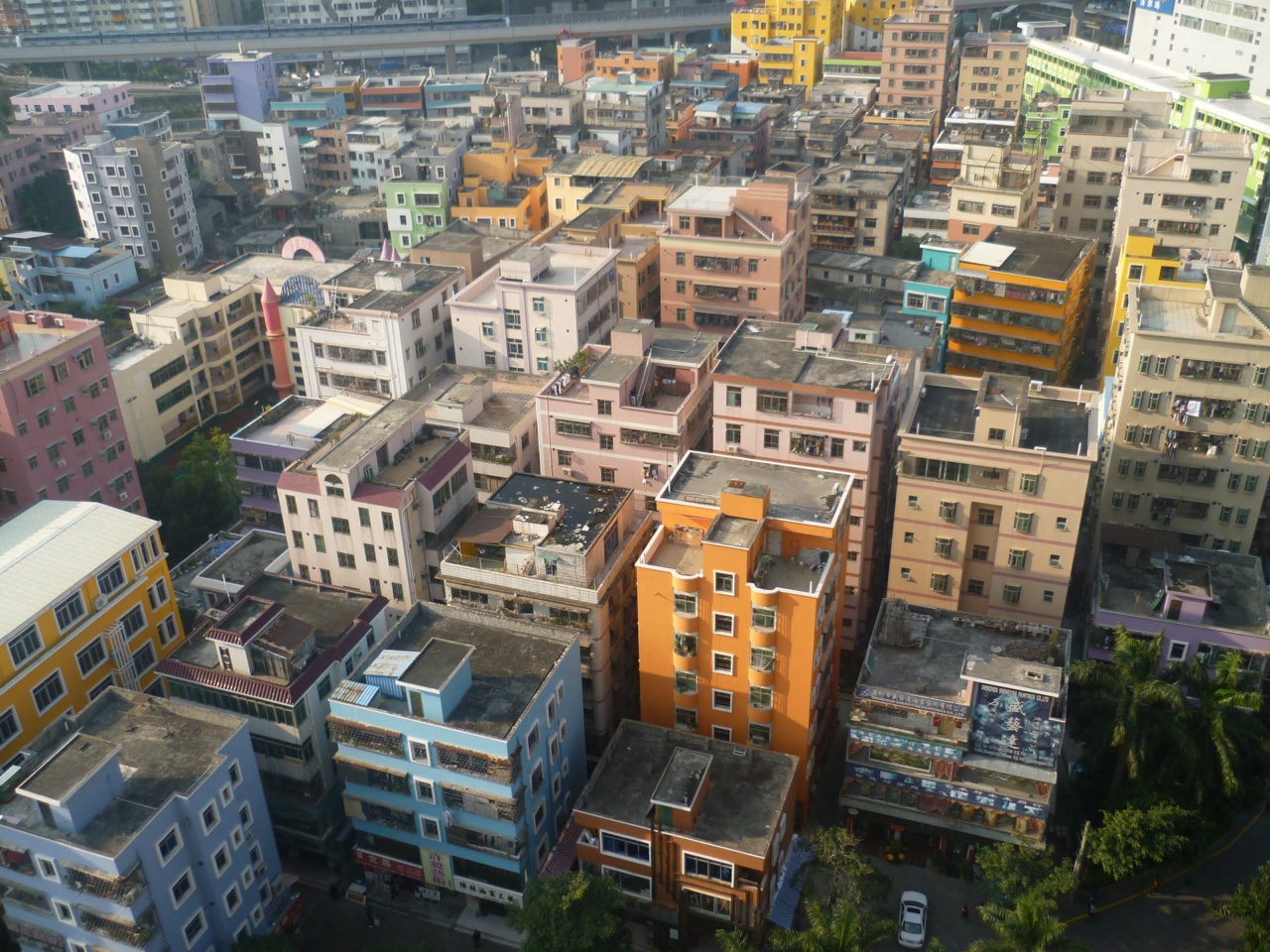
Shenzhen is a high-tech metropolis that transformed from a fishing village into China's Silicon Valley in just a few decades. It is a playground for tech enthusiasts, shoppers, and urban explorers looking for futuristic architecture and lush green parks.
Shenzhen is a city that defies traditional Chinese urban logic. While Beijing offers imperial history and Shanghai provides colonial elegance, Shenzhen is a neon-lit testament to the future. It is a place where hardware is king, and the pace of life is dictated by the rapid cycles of innovation. For travelers, it offers a unique look at a planned megacity where skyscrapers are interspersed with meticulously maintained parks and some of the world's most sophisticated logistics networks.
This is not a city for those seeking ancient pagodas or dusty alleyways. Instead, Shenzhen caters to the tech-curious, the enthusiast of modern urban planning, and the shopper looking for everything from high-end fashion to the most obscure electronic components. It is a highly efficient, clean, and increasingly green metropolis that serves as the gateway between mainland China and Hong Kong.
Visiting Shenzhen requires an appreciation for the 'new.' Many residents come from other parts of China, which creates a diverse culinary scene that represents many provinces. It is a city that never stops building, evolving, and refining itself, making every visit feel like a glimpse into the next decade of urban living.
Orientation and Neighborhoods
Shenzhen is stretched thin along the border with Hong Kong, running primarily East to West. The city is divided into several distinct districts, each with a specific character and purpose.
Futian: The central business district and the heart of the city. This is where you will find the highest concentration of skyscrapers, luxury hotels, and the Civic Center. It is the best place to stay for first-time visitors who want to be in the middle of the action.
Nanshan: The tech hub, home to giants like Tencent and DJI. It features the posh coastal area of Shekou, which has a large expat population and a Western-style dining scene. Stay here for a more relaxed, international vibe.
Luohu: The older part of the modern city. It is famous for the Luohu Commercial City shopping mall and the main railway station. It is budget-friendly but can feel more chaotic and crowded than Futian.
Bao'an: Located in the West near the airport. While mostly industrial and residential, it is becoming a new center for arts and culture.
Dapeng New District: The far East of the city. This is where the beaches and the fortress are located. It is far from the city center but essential for nature lovers.
Things to Do
Offers are only loaded from GetYourGuide after you click. GetYourGuide can then process your IP address and set cookies. Privacy Policy
GetYourGuide partner offers. GoAsia may earn a commission if you book through these offers. Check whether tickets or transfers are included, and follow the attraction's official booking and admission rules.
Best Time to Visit
Shenzhen has a humid subtropical climate. The weather is generally warm, but humidity and rainfall play a major role in planning your trip.
Month Range
Weather
Crowds
Prices
October to December
Cool, dry, and sunny
Moderate
Standard
January to February
Mild but can be chilly
High (Lunar New Year)
High
March to May
Warm and humid
Moderate
Standard
June to September
Hot, rainy, typhoons
Low
Lower
The absolute best time to visit is from October to early December. The humidity drops, temperatures are mild and the sky is often clear. Avoid the Golden Week national holiday in early October and the Lunar New Year period, as transport becomes difficult and many smaller shops close.
Getting There and Getting Around
Shenzhen Bao'an International Airport (SZX) is a major hub in the west of the city. From the airport, metro, airport buses and taxis connect to Futian and the other central districts. If you are coming from Hong Kong, high speed trains run from West Kowloon to Shenzhen North in 18 to 32 minutes, and some trains also stop at Futian. The adult Second Class fare to Shenzhen North is HK$87.[1]
The Shenzhen Metro is clean and easy to navigate with English signage. Fares are based on distance. You can pay with a QR code via WeChat Pay or Alipay. Ride-hailing is dominated by Didi, which is available within the WeChat or Alipay apps. The city is somewhat walkable within specific districts like Futian, but the vast distances between districts make the Metro essential. You can find more specific transport connections and booking options on GoAsia.cc.
Top Sights and Experiences
Huaqiangbei Electronics Market
This is one of the largest electronics markets in China and a sensory overload of tech. Countless stalls sell everything from individual microchips to the latest drones. Even if you aren't an engineer, the scale of the SEG Plaza and surrounding buildings is breathtaking. Best visited in the afternoon when all stalls are open. Plan a few hours here.
Located at the northern end of Futian's central axis, this park offers the best view of the city skyline. A short, paved hike leads to a statue of Deng Xiaoping and a panoramic lookout over the Civic Center. It is free and best visited just before sunset to see the city lights come on.
OCT-LOFT Creative Culture Park
A former industrial estate turned into an arts district. It is filled with galleries, indie coffee shops, and jazz bars. It provides a much-needed bohemian contrast to the city's glossy skyscrapers. It is a great spot for a relaxed afternoon of people-watching.
Dafen Oil Painting Village
Once known for producing replica oil paintings in large numbers, Dafen has evolved into an art colony. You can watch artists at work in narrow alleys and buy original pieces or replicas.
Overrated: Window of the World
While famous, this theme park featuring miniature versions of world landmarks is often crowded, relatively expensive, and feels dated compared to the rest of the city. Unless you are traveling with small children who love replicas, your time is better spent exploring the real urban fabric of Shenzhen.
Food and Drink
Because Shenzhen is a city of immigrants, you can find authentic food from every corner of China. However, Cantonese cuisine remains the local foundation.
Dish
Description
Where to Try
Dim Sum
Bite-sized steamed or fried snacks
Any large teahouse in Futian
Coconut Chicken
A local specialty using coconut water broth
Specialty restaurants in Nanshan
Claypot Rice
Rice cooked with meats in a ceramic pot
Street stalls in Luohu
Seafood
Fresh catches from the South China Sea
Leyuan Road or Shekou
For a high-end experience, head to the rooftop bars in Futian for cocktails with a view. For budget eats, explore the 'Urban Villages' like Baishizhou, where narrow streets are packed with cheap, delicious skewer stalls and noodle shops.
Where to Stay
Budget: Luohu District. You can find clean, basic hotels or hostels. It is convenient for shopping and crossing into Hong Kong.
Mid-Range: Nanshan or parts of Futian. Modern, international-standard hotels are common here. Look for properties near Metro stations for ease of movement.
Upscale: Futian Central Business District. This area hosts the city's top luxury hotels, with views over the skyline.
Practical Tips
Payment: Cash is rarely used and many vendors don't carry change. Download Alipay or WeChat Pay and link your international credit card before arrival. This is essential.
Internet: The 'Great Firewall' blocks Google, Facebook, Instagram, and WhatsApp. A roaming SIM card from your home country or a travel eSIM can get around these restrictions without a VPN.
Language: English is spoken in high-end hotels and by younger tech workers, but most taxi drivers and shopkeepers speak only Mandarin. Have your destination written in Chinese characters on your phone.
Safety: Be wary of 'tea house scams' or 'student art scams' in high-tourist areas like Luohu.
Tipping: Tipping is not expected and can sometimes be seen as confusing. In high-end hotels, a service charge is usually included in the bill.
Day Trips
Dapeng Fortress
Located in the far east of the city, this Ming Dynasty fortress is one of the few historical sites in the region. It is surrounded by beaches like Jiaochangwei and is a long trip from the center, so allow a full day.
Splendid China Folk Village
If you want to learn about China's ethnic groups in one afternoon, this park offers performances and architecture. It is located right in the city (Nanshan), making it an easy half-day trip.
Hong Kong
With the high-speed rail, Hong Kong is practically a neighborhood of Shenzhen. Ensure you can re-enter mainland China, for example with a multiple-entry visa or a visa-free entitlement, if you plan to return to Shenzhen after your Hong Kong visit.
Sample 3-Day Itinerary
Day 1: The Tech and the View
Morning: Start at Huaqiangbei Electronics Market. Explore the multi-story malls and witness the scale of global hardware trade. Afternoon: Take the Metro to Lianhuashan Park. Hike to the top for the skyline view, then walk down to the Shenzhen Library and Civic Center. Evening: Walk around the Civic Center when it is lit up and have dinner in the Futian underground malls.
Day 2: Art and Innovation
Morning: Visit Dafen Oil Painting Village. Wander the alleys and watch the artists. Afternoon: Head to OCT-LOFT for a late lunch and coffee. Explore the contemporary art galleries and boutiques. Evening: Go to Sea World in Shekou (a waterfront plaza, not an aquarium). See the Minghua ship and enjoy the fountain show and international dining.
Morning: Take a trip to the Shenzhen Bay Park. Rent a bike and ride along the coast with views of the Hong Kong mountains across the water. Afternoon: Explore the Ping An Finance Center observatory for a bird's eye view over the city. Evening: End your trip with a traditional Cantonese Dim Sum feast or a spicy Sichuan hotpot in the Nanshan district.
Frequently Asked Questions
Is Shenzhen worth visiting?
Yes, especially for those interested in technology, modern architecture, and urban planning. It offers a unique look at China's rapid development and serves as a fantastic shopping and dining destination.
How many days do you need in Shenzhen?
Three days is sufficient to see the major highlights, including the electronics markets, the main parks and the art districts. If you plan to visit the beaches in the east, add a couple of days.
Is Shenzhen safe for tourists?
Shenzhen is very safe with low rates of violent crime. Standard precautions against pickpockets in crowded markets like Luohu or Huaqiangbei are recommended, but solo travelers generally feel very secure.
Can I visit Shenzhen from Hong Kong without a visa?
Whether you can enter without a visa depends on your passport: China lets ordinary passport holders of a list of countries enter visa-free for up to 30 days, and many nationalities can use a visa-free transit of up to 240 hours with an onward ticket to a third country or region. Check the current lists on the National Immigration Administration website before you travel.
What is the best way to pay for things in Shenzhen?
Mobile payment via Alipay or WeChat Pay is the standard. Most shops and even small street vendors prefer these over cash or international credit cards. Link your card to these apps before you enter China.
Is English widely spoken in Shenzhen?
English is common in luxury hotels and among the younger tech-savvy population, but is not widely spoken by taxi drivers or in local markets. Using a translation app is highly recommended.
Can you drink tap water in Shenzhen?
It is not recommended to drink tap water directly. Most hotels provide bottled water, and it is cheap and readily available at convenience stores throughout the city.
What is the most famous thing to buy in Shenzhen?
Shenzhen is world-famous for electronics. From the latest gadgets and drones to customized computer components, the Huaqiangbei district is the premier place for tech shopping.
Sources and background
Numbers in the text such as [1] refer to these sources.