
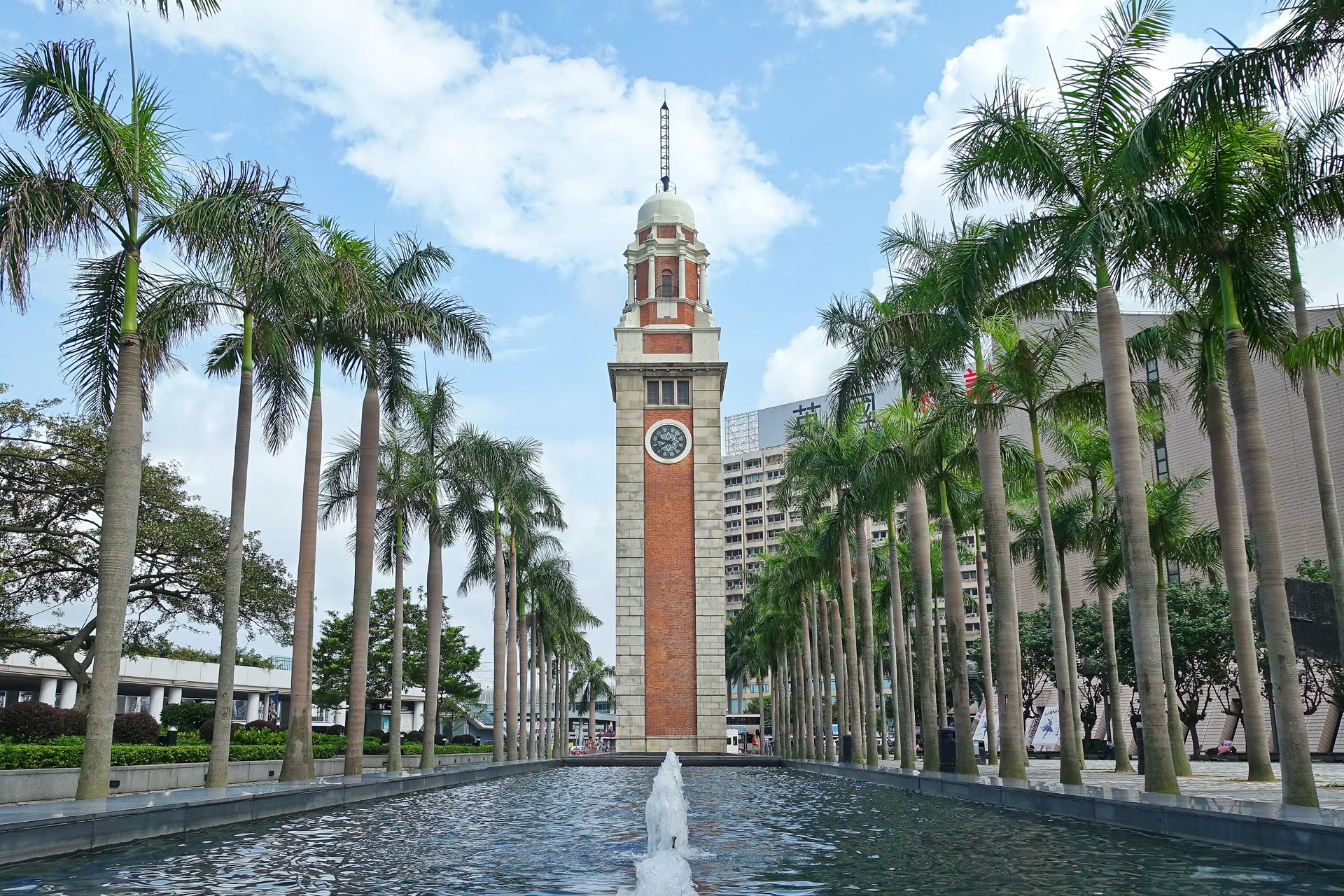
Kowloon
Kowloon is the high-energy urban heart of Hong Kong, defined by neon-lit street markets, dense skyscraper forests, and a legendary harbor skyline. It offers an authentic, gritty contrast to the polished financial towers of Hong Kong Island, making it the ultimate destination for foodies and photographers.
Last updated: October 15, 2026
Contents
- 1. Orientation and Neighborhoods
- 2. Best Time to Visit
- 3. Getting There and Getting Around
- 4. Top Sights and Experiences
- 4.1 Must-See Attractions
- 4.2 Lesser-Known Gems
- 4.3 Overrated Spots to Skip
- 5. Food and Drink
- 6. Where to Stay
- 7. Practical Tips
- 8. Day Trips
- 9. Sample 3-Day Itinerary
- 9.1 Day 1: The Classic Waterfront and Markets
- 9.2 Day 2: Culture and Spirituality
- 9.3 Day 3: Local Life and Hidden Corners
- 10. Budget Overview
- 11. Frequently Asked Questions
Kowloon is the dense, pulsating peninsula that serves as the cultural and commercial engine of Hong Kong. While the neighboring Hong Kong Island houses the gleaming glass towers of finance, Kowloon is where the city's soul resides in its crowded tenements, aromatic wet markets, and relentless street energy. It is a place where five-star luxury hotels overlook the harbor while just blocks away, local residents queue for Michelin-starred dim sum at humble hole-in-the-wall eateries.
For the traveler, Kowloon represents the Hong Kong of cinema. It is the maze-like corridors of Chungking Mansions, the chaotic brilliance of the Temple Street Night Market, and the iconic view of the Star Ferry crossing Victoria Harbour. It is unapologetically loud, incredibly fast-paced, and serves as one of the most densely populated places on earth. Whether you are hunting for rare sneakers in Mong Kok or seeking spiritual peace at the Chi Lin Nunnery, Kowloon offers a sensory overload that is both exhausting and exhilarating.
This guide focuses on the Kowloon peninsula, covering the major districts from the waterfront of Tsim Sha Tsui up to the residential foothills of Diamond Hill. Navigating this area requires an appreciation for crowds and a sharp eye for local etiquette, but rewards the visitor with some of the best urban exploration opportunities in Asia.
Orientation and Neighborhoods
Kowloon is roughly divided into a grid-like pattern by major north-south arteries like Nathan Road. Understanding these key districts is essential for choosing your base and planning your days.
- Tsim Sha Tsui (TST): The southern tip of the peninsula. This is the primary tourist hub, home to the Cultural Centre, major museums, and high-end shopping on Canton Road. It offers the best views of the Hong Kong Island skyline but is also the most expensive and crowded area.
- Mong Kok: One of the most densely populated spots on the planet. It is the center of local youth culture, street food, and specialized markets like the Ladies' Market and Sneaker Street. Stay here for a gritty, authentic atmosphere and lower prices.
- Jordan and Yau Ma Tei: Situated between TST and Mong Kok, these neighborhoods bridge the gap between tourist-centric and local-centric. They are famous for the Temple Street Night Market and traditional jade and fruit markets.
- West Kowloon: A newly developed cultural district on reclaimed land. It features the M+ Museum, the Palace Museum, and a large waterfront park. It is spacious and modern, offering a rare breath of fresh air.
- Sham Shui Po: Further north, this is a working-class district known for electronics markets, textile shops, and some of the city's most affordable Michelin-recommended street food. It is ideal for budget travelers and photographers.
- Diamond Hill and Wong Tai Sin: These northern residential areas house significant religious sites like the Wong Tai Sin Temple and Chi Lin Nunnery. They are quieter and provide a glimpse into the spiritual life of the city.
Things to Do
Offers are only loaded from GetYourGuide after you click. GetYourGuide can then process your IP address and set cookies. Privacy Policy
GetYourGuide partner offers. GoAsia may earn a commission if you book through these offers. Check whether tickets or transfers are included, and follow the attraction's official booking and admission rules.
Best Time to Visit
Kowloon experiences a subtropical climate with four distinct seasons. Timing your visit is crucial to avoid the oppressive humidity of summer or the heavy rains of typhoon season.
| Month Range | Weather | Crowds | Prices |
|---|---|---|---|
| October to December | Cool, dry, sunny | High | High |
| January to March | Cool, cloudy, occasional mist | Moderate | Moderate |
| April to June | Hot, humid, rainy | Moderate | Lower |
| July to September | Very hot, humid, typhoons | Low | Lowest |
The absolute best time to visit is from October to early December. The skies are generally clear blue, and the temperatures are comfortable for walking. Avoid the first week of October (Golden Week) and the Lunar New Year (usually late January or February) as crowds from mainland China surge and many local shops close. Late spring and summer bring intense humidity and the risk of typhoons, which can shut down public transport and attractions.
Getting There and Getting Around
Hong Kong International Airport (HKG) is the primary gateway. The most efficient way to reach Kowloon is the Airport Express train, which reaches Kowloon Station in roughly 20 minutes for around $14 USD. From there, free shuttle buses or taxis can take you to your hotel. Alternatively, the A21 bus is a budget-friendly option at roughly $5 USD, offering a scenic upper-deck view as it travels down Nathan Road.
Public transport within Kowloon is world-class. The MTR (subway) is the backbone of the system. It is clean, fast, and uses the Octopus Card, a contactless stored-value card that is essential for any visitor. You can buy one at any MTR station or convenience store. Fares are usually between $0.60 and $2.00 USD for trips within Kowloon.
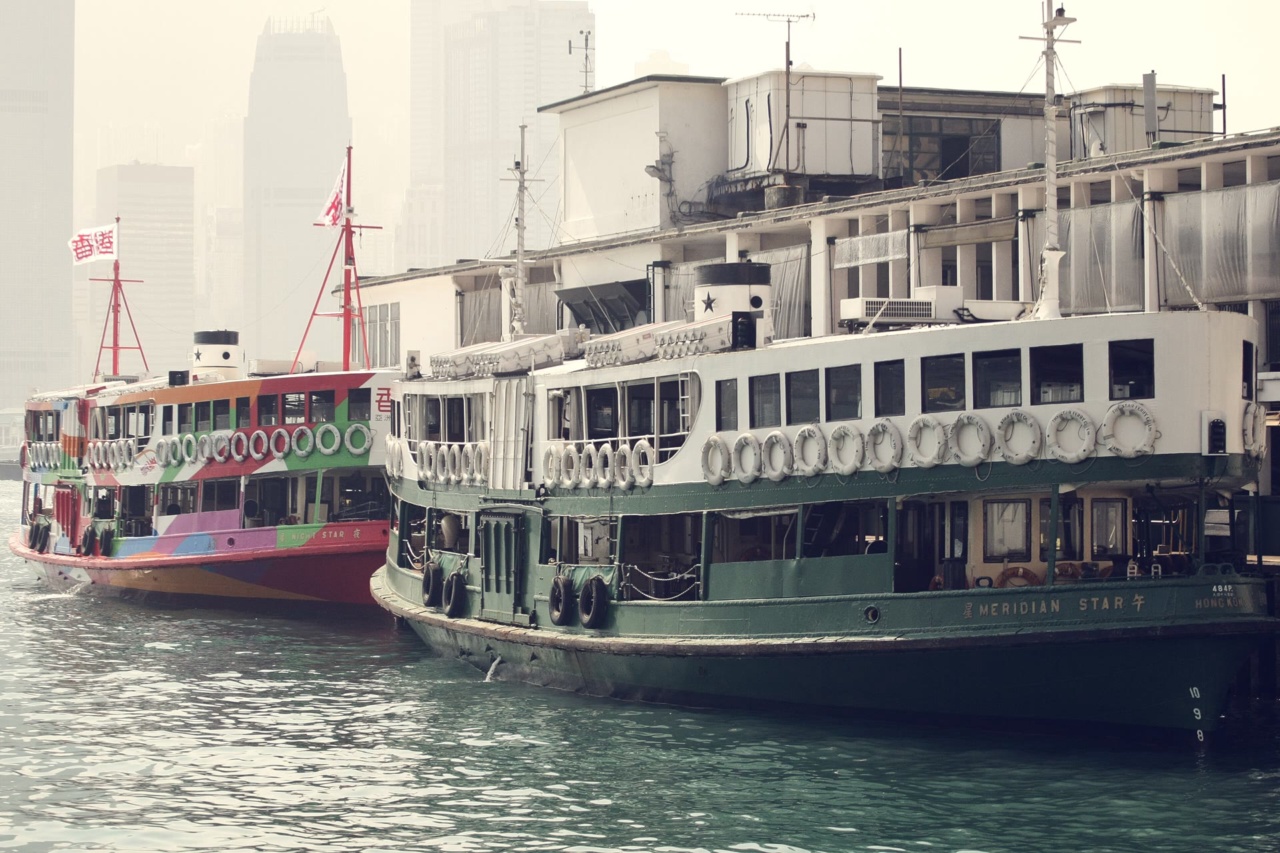
The Star Ferry is the most iconic transport method, connecting Tsim Sha Tsui to Central or Wan Chai for less than $1.00 USD. Taxis are plentiful and relatively affordable; a typical cross-district trip in Kowloon costs roughly $8 to $12 USD. Ride-hailing via Uber is available but often more expensive than taxis. Kowloon is highly walkable, though the heat and crowds can make long treks tiring.
Top Sights and Experiences
Must-See Attractions
The Tsim Sha Tsui Promenade: This waterfront walkway offers the definitive view of the Hong Kong skyline. Visit at 8:00 PM to see the Symphony of Lights, a free laser and light show. While the show itself is somewhat dated, the view of the illuminated skyscrapers across the water is unmatched.
Wong Tai Sin Temple: A vibrant Taoist temple famous for 'kau cim' (fortune telling via shaking bamboo sticks). It is a sensory experience of incense smoke, colorful architecture, and local devotion. Arrive early in the morning to beat the tour groups.
M+ Museum: Located in the West Kowloon Cultural District, this is one of the world's largest museums of modern and contemporary visual culture. The architecture is as impressive as the collection. Spend at least three hours here.
Lesser-Known Gems
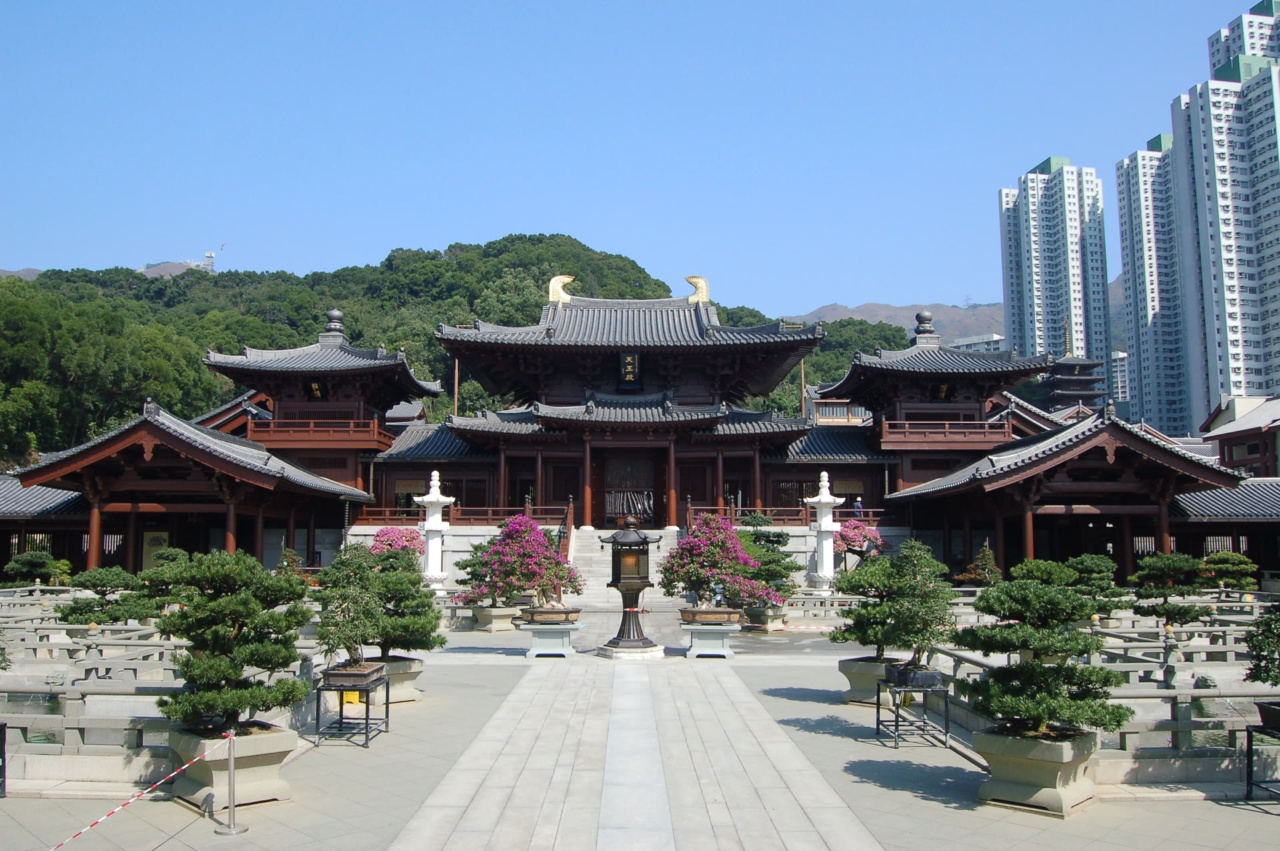
Chi Lin Nunnery and Nan Lian Garden: A serene Tang Dynasty-style wooden temple complex built without a single nail. The adjacent gardens are meticulously manicured. It is a peaceful escape from the chaos of nearby Mong Kok.
Sky100 Observation Deck: While most people go to The Peak on Hong Kong Island, Sky100 in the ICC building offers a 360-degree view of the entire peninsula and the harbor from the 100th floor. It is rarely as crowded as The Peak.
Overrated Spots to Skip
The Ladies' Market: While iconic, it has become a repetitive stretch of mass-produced souvenirs, fake designer bags, and cheap electronics. Unless you enjoy aggressive haggling for low-quality goods, a quick walk-through is enough. For a better market experience, head to the nearby Flower Market or Goldfish Market.
Avenue of Stars: It is essentially a sidewalk with handprints of local film stars. Unless you are a die-hard fan of Hong Kong cinema, the promenade itself is the real draw; don't spend extra time hunting for specific stars.
Food and Drink
Kowloon is arguably the food capital of the world. From high-end Cantonese dining to the humble 'cha chaan teng' (tea restaurant), the variety is staggering.
| Dish | Description | Where to Try | Typical Price |
|---|---|---|---|
| Dim Sum | Small bite-sized portions served in bamboo steamers. | One Dim Sum (Prince Edward) | $15 - $25 USD |
| Pineapple Bun | Sweet bun with a crunchy topping and a thick slab of cold butter. | Kam Wah Cafe (Mong Kok) | $2 - $4 USD |
| Roasted Goose | Succulent meat with crispy, honey-glazed skin. | Yat Lok (nearby) or local TST spots | $15 - $30 USD |
| Curry Fish Balls | The quintessential Kowloon street snack. | Street stalls in Mong Kok | $1 - $2 USD |
| Claypot Rice | Rice cooked in a clay pot with meats and savory soy sauce. | Hing Kee (Temple Street) | $8 - $12 USD |
Street food is most concentrated in Mong Kok and Sham Shui Po. Look for queues of locals; this is the most reliable indicator of quality. For a mid-range experience, try a 'Dai Pai Dong' (open-air stall), though these are becoming rarer. Expect to pay roughly $50 to $80 USD for two people at a nice mid-range Cantonese restaurant.
Where to Stay
Accommodation in Kowloon is generally more affordable than on Hong Kong Island, but space is at a premium. Rooms are notoriously small.
- Budget ($40 - $80 USD): Look in Sham Shui Po or the upper reaches of Mong Kok. Guesthouses in the Mirador Mansion are better maintained than those in the infamous Chungking Mansions, though both offer the lowest prices in the city.
- Mid-Range ($100 - $180 USD): Jordan and Tsim Sha Tsui East offer excellent boutique hotels. These areas are quieter than central TST but still within walking distance of the MTR.
- Upscale ($250+ USD): The waterfront in Tsim Sha Tsui features legendary properties like The Peninsula or the Rosewood. These offer world-class service and harbor views that justify the price tag.
Practical Tips
- Octopus Card: This is your most important tool. Use it for the MTR, buses, ferries, convenience stores, and even some vending machines. You can top it up with cash at any MTR station.
- Tipping: Tipping is not strictly expected in local eateries. In mid-range to upscale restaurants, a 10% service charge is usually added to the bill. Rounding up the change for taxi drivers is appreciated.
- Internet: Buy a local SIM card at the airport or any 7-Eleven. Data is cheap and 5G coverage is nearly universal.
- Language: Cantonese is the primary language. English is widely spoken in Tsim Sha Tsui and by younger generations, but in local markets or older districts like Sham Shui Po, communication may require pointing and a translation app.
- Safety: Kowloon is exceptionally safe. The main risks are pickpocketing in crowded markets like Temple Street. Avoid the 'touts' in TST offering cheap suits or watches; they are harmless but persistent.
- Cash: While cards are accepted in malls, many small restaurants and market stalls are cash-only or require local payment apps like AliPay/WeChat Pay. Always carry some Hong Kong Dollars.
Day Trips
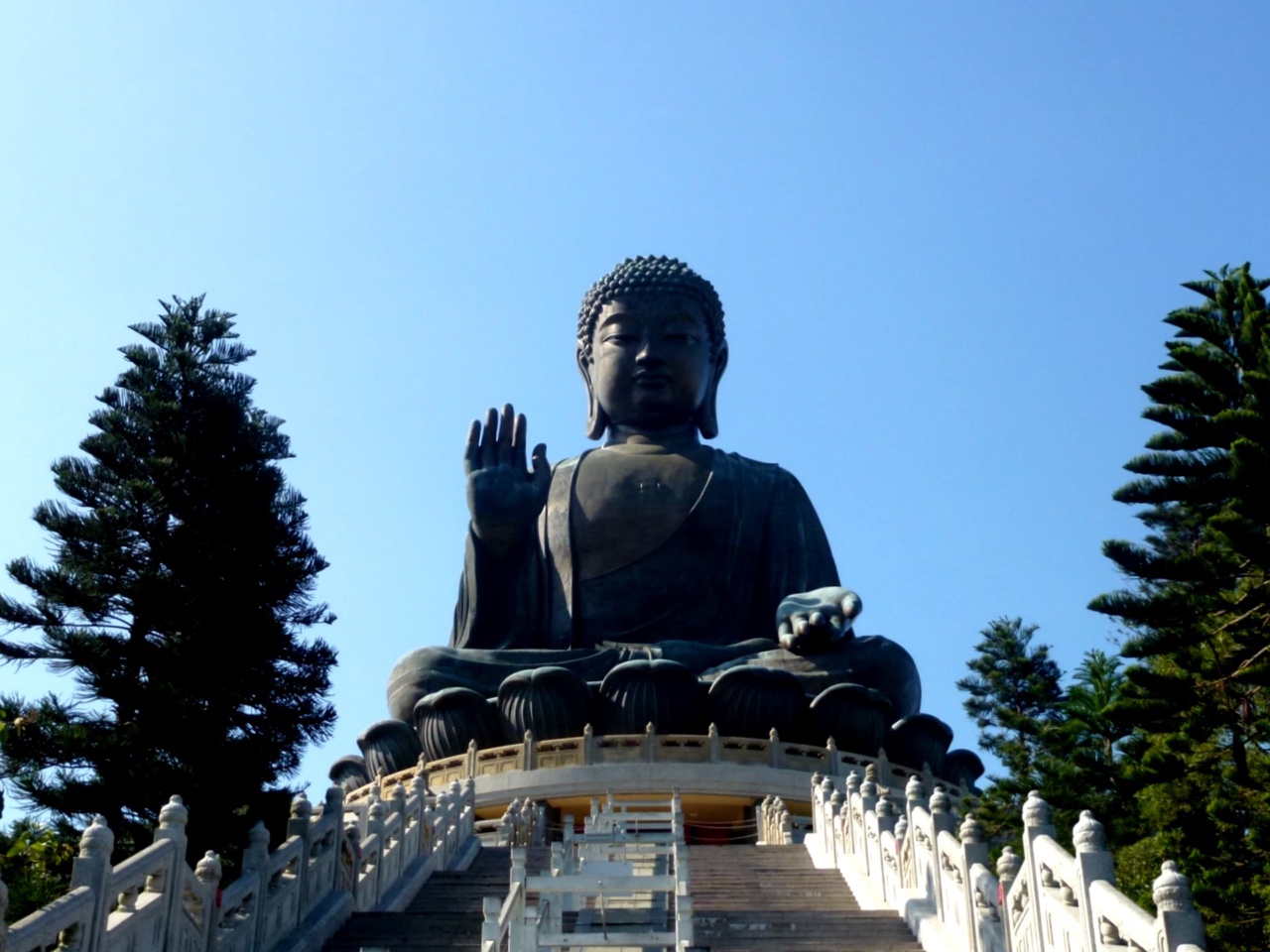
Lantau Island: Take the MTR to Tung Chung (about 45 minutes) for the Ngong Ping 360 cable car and the Big Buddha. It is a full-day commitment but worth it for the mountain views. Check GoAsia.cc for updated ferry and bus schedules to the outlying islands.
Sai Kung: Known as the 'back garden' of Hong Kong. It takes about an hour via MTR and minibus. It offers stunning beaches, hiking trails, and the best seafood restaurants where you pick your dinner from outdoor tanks.
The New Territories: Visit the Ten Thousand Buddhas Monastery in Sha Tin. It requires a steep climb up a hill lined with golden statues. It is less touristy than the Big Buddha and completely free.
Sample 3-Day Itinerary
Day 1: The Classic Waterfront and Markets
Morning: Start at the Tsim Sha Tsui Promenade for morning photos of the skyline. Visit the Hong Kong Museum of History for a deep dive into the city's past.
Afternoon: Walk up Nathan Road to Jordan. Explore the Jade Market and then continue to Mong Kok to see the Goldfish Market and the Flower Market.
Evening: Eat dinner at Temple Street Night Market. Try the claypot rice. Stay for the fortune tellers and outdoor opera singers.
Day 2: Culture and Spirituality
Morning: Head north to Diamond Hill to visit the Chi Lin Nunnery and Nan Lian Garden when they open to enjoy the silence.
Afternoon: Take the MTR to Wong Tai Sin Temple to observe local religious practices. Later, head to West Kowloon Cultural District to explore the M+ Museum.
Evening: Watch the sunset from the West Kowloon Art Park, then take the Star Ferry across to Hong Kong Island and back just for the night view.
Day 3: Local Life and Hidden Corners
Morning: Explore Sham Shui Po. Visit the electronics market on Apliu Street and have a cheap dim sum breakfast at a local favorite like Tim Ho Wan.
Afternoon: Visit the Mei Ho House to see how residents lived in the 1950s. Do some last-minute shopping in the malls of Tsim Sha Tsui East.
Evening: Enjoy a high-end dinner in TST or a cocktail at a rooftop bar overlooking the harbor to celebrate your final night.
Budget Overview
| Category | Budget | Mid-Range | Comfort |
|---|---|---|---|
| Accommodation | $50 | $130 | $300 |
| Food | $20 | $50 | $100 |
| Transport | $5 | $15 | $30 |
| Activities | $10 | $30 | $60 |
| Daily Total | $85 | $225 | $490 |
Frequently Asked Questions
Absolutely. Kowloon offers the most authentic Hong Kong experience, featuring the city's best street food, most famous markets, and the iconic skyline views that define the territory's identity.
Three days is the ideal amount of time to see the major districts, visit the top museums in West Kowloon, and explore the northern temples without feeling rushed.
Kowloon is very safe, even late at night. Standard urban precautions apply in crowded markets to prevent pickpocketing, but violent crime against tourists is extremely rare.
Tsim Sha Tsui is best for first-timers and luxury seekers, while Mong Kok or Jordan are better for those wanting a local atmosphere and easier access to street food.
The water is technically safe at the source but old piping in many Kowloon buildings can affect quality. Most locals and tourists prefer to boil tap water or drink bottled water.
It is generally cheaper than Hong Kong Island. While luxury options exist, you can find excellent meals for under $10 USD and affordable guesthouses if you look in districts like Sham Shui Po.
Avoid the aggressive tailors and watch sellers on Nathan Road, and skip the Ladies' Market if you aren't interested in low-quality souvenir trinkets.
In tourist areas like Tsim Sha Tsui, English is common. In more local areas like Sham Shui Po, it is less common, but most menus have pictures and basic English translations.