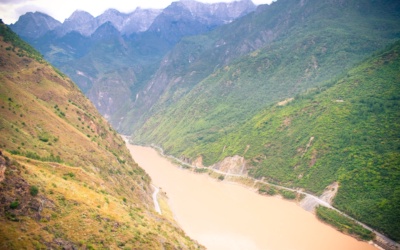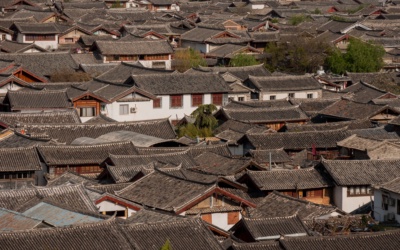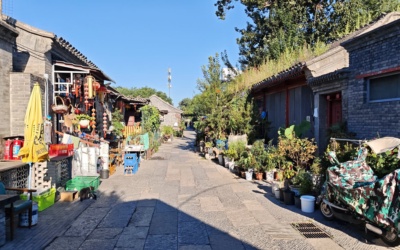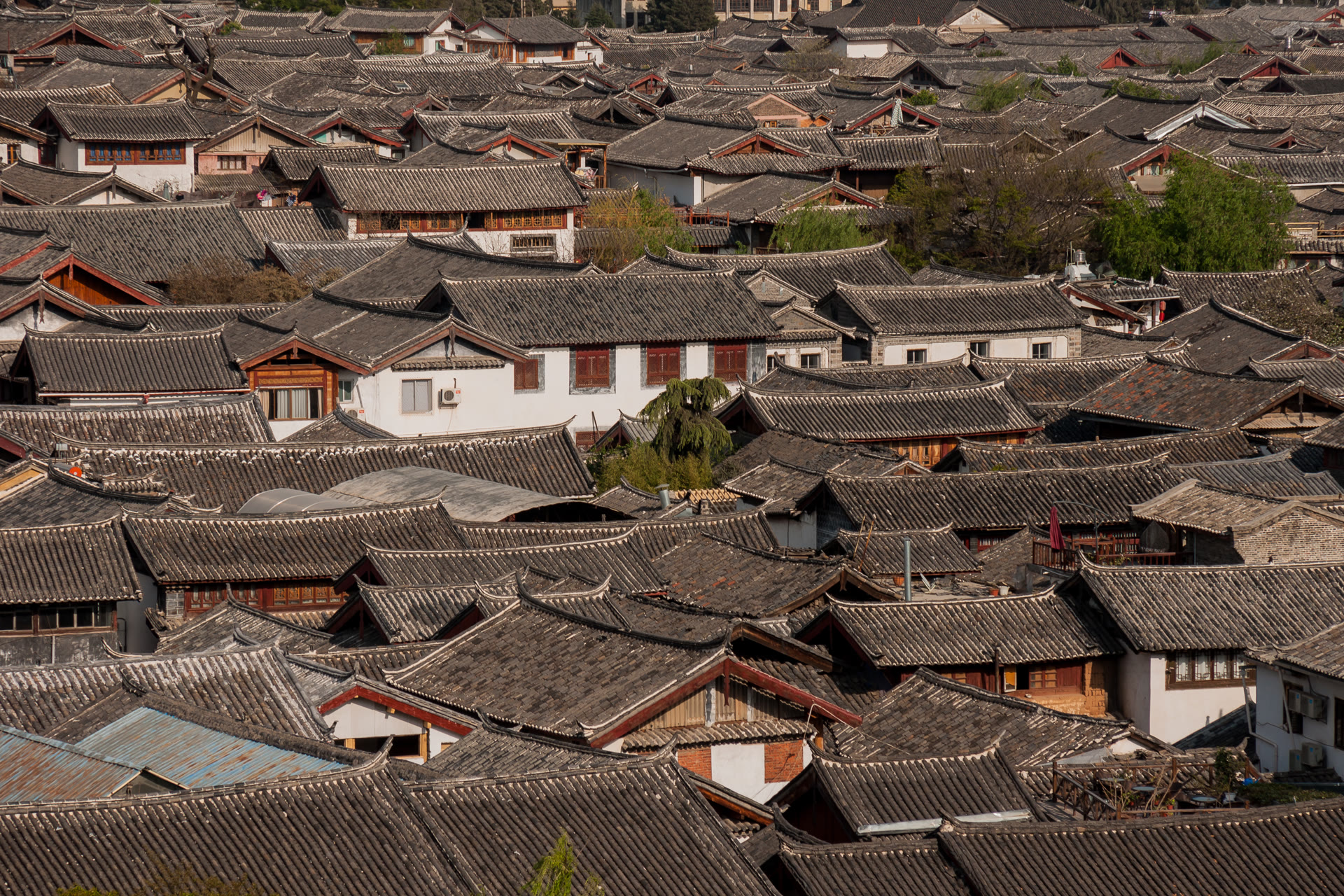
Rising more than 5,500 meters above the plains of northwest Yunnan, Jade Dragon Snow Mountain forms the dramatic white backdrop that gives Lijiang its postcard skyline. On clear mornings the serrated ridge seems to float above the old town's tiled rooftops, glaciers catching the light long before the streets below warm up. For most visitors to Lijiang, a day trip to the mountain is the single biggest excursion on the itinerary.
This is a managed scenic area rather than a wilderness trek. You will not be scrambling up snowfields. Instead, cable cars lift you toward the glaciers, boardwalks lead you across alpine meadows, and a turquoise river winds through a valley below. The experience is engineered for accessibility, which is both its strength and its limitation. The reward is genuine high-altitude scenery; the catch is crowds, queues, and the very real effects of thin air.
Understanding how the area is laid out, how the ticketing works, and how altitude will affect you makes the difference between a memorable day and an exhausting, overpriced one. This guide walks through the practical details an independent traveler needs to plan the visit well.
What Jade Dragon Snow Mountain Actually Is
Jade Dragon Snow Mountain, known in Chinese as Yulong Xueshan, is a massif of more than a dozen peaks running roughly north to south. The highest, Shanzidou, tops out above 5,500 meters and has never been officially summited. The mountain holds glaciers that are among the lowest-latitude in the Northern Hemisphere, a fragile feature that has been steadily retreating.
For the Naxi people, the area's indigenous culture, the mountain is sacred and tied to local legend. Today the entire zone is a national scenic area with a controlled entrance, internal shuttle buses, multiple cable car systems, and a string of attractions spread across a wide area. You move between these by bus and on foot, not by free roaming.
The most important thing to grasp is that "visiting the mountain" really means visiting one or more of several distinct sites, each reached by a different cable car or path. You choose your route based on how high you want to go, how you handle altitude, and how much time you have.
Things to Do
The Three Cable Car Routes and What Each Offers
There are three separate cable car systems, and they are not interchangeable. Each climbs to a different elevation and delivers a different experience. Many first-time visitors assume a single ticket covers all three, which is not the case.
Glacier Park Cable Car
This is the headline ride and the most popular. It carries you up toward the glaciers, with the top station sitting at roughly 4,500 meters. From there, a network of wooden boardwalks and steps climbs higher, often toward 4,680 meters or beyond if your body cooperates. This is where the altitude hits hardest. The views of the glacier and the surrounding peaks are the most dramatic on the mountain, but the climb up the stairs at that elevation leaves many people breathless after just a few steps. Expect long queues for this cable car, especially in peak season.
Spruce Meadow Cable Car
This route reaches a high alpine meadow at around 3,200 meters, surrounded by spruce forest with the peaks rising behind it. It is far gentler on the body than the Glacier Park route and offers some of the most photogenic, classic mountain-and-meadow scenery. For travelers worried about altitude or short on time, this is often the smarter choice. The walking here is easy and the air is more forgiving.
Yak Meadow Cable Car
The quietest of the three, Yak Meadow sits at roughly 3,500 meters and sees fewer visitors. It offers a more peaceful experience with grazing yaks, meadows, and a small monastery. If your priority is avoiding crowds rather than reaching the glacier, this route rewards you with breathing room that the Glacier Park area simply cannot.
| Route | Top elevation | Scenery | Altitude difficulty | Crowds |
|---|---|---|---|---|
| Glacier Park | ~4,500 m and up | Glacier, high peaks | High | Heavy |
| Spruce Meadow | ~3,200 m | Meadow and forest | Moderate | Moderate |
| Yak Meadow | ~3,500 m | Meadow, monastery, yaks | Moderate | Light |
A common strategy is to combine the Glacier Park cable car with one of the meadow areas for variety, but doing all three in a single day is rushed and physically demanding. Most people pick one cable car as their main objective.
Blue Moon Valley and the Lower Attractions
Below the cable car stations lies Blue Moon Valley, also called White Water River, one of the most accessible and rewarding parts of the entire area. A series of milky turquoise pools, fed by glacial meltwater and tinted by mineral deposits, cascade down the valley floor against the backdrop of the snow peaks. On a sunny day the color is genuinely striking.
Blue Moon Valley sits at a comfortable elevation, so it is easy to enjoy even if the higher cable car routes leave you winded. Internal shuttle buses connect it with the other zones. Because it requires no strenuous climbing and photographs beautifully, it is a popular stop and can get busy, but the boardwalks spread crowds out reasonably well.
Many organized tours also include the Impression Lijiang outdoor performance, a large-scale show staged in an open-air theater with the mountain as a backdrop, directed in the style associated with major Chinese spectacle productions. It is a separate ticket and an optional add-on. Whether it is worth your time depends on your interest in staged cultural performance versus more time in the natural landscape.
Ticketing and Costs to Verify Before You Go
Ticketing here is layered and can be confusing, so plan carefully and confirm current details before your visit, as prices and systems change.
Generally you will encounter several separate charges: an entrance or scenic area fee for the mountain zone, a Lijiang-wide ancient town maintenance fee that is sometimes bundled in, a cable car ticket specific to whichever route you choose, and an internal sightseeing bus fee to move between sites. The Glacier Park cable car is the most expensive of the three and the one most prone to selling out.
Because of strong demand and daily caps on the Glacier Park cable car in particular, advance reservation is strongly recommended. Tickets are often released through official online channels and may require your passport number to book. Walking up on the day and hoping to ride the Glacier Park cable car during high season is a real risk; it can be sold out by mid-morning or unavailable.
Many independent travelers find that booking through a reputable local agency or a day tour simplifies the layered ticketing, transport, and reservation process. This trades a little flexibility for a lot less logistical friction. If you prefer full independence, build in time to navigate the booking system and verify exactly what each ticket covers.
Altitude: The Single Biggest Practical Issue
This deserves its own section because it catches so many visitors off guard. Lijiang itself sits at roughly 2,400 meters, which is already high enough that some arriving travelers feel mild effects. The Glacier Park cable car then lifts you to around 4,500 meters in a matter of minutes, with no time to acclimatize. That rapid ascent is what makes the symptoms hit hard.
Common effects include shortness of breath, headache, dizziness, fatigue, and nausea. Climbing stairs at the glacier viewpoint can feel genuinely exhausting; people stop every few steps. These symptoms are normal but should be taken seriously.
How to reduce the risk
- Spend at least a day or two in Lijiang before heading up, so your body has begun adjusting to elevation.
- Stay hydrated and avoid heavy alcohol the night before.
- Move slowly at the top. Do not race up the boardwalk stairs.
- Eat lightly before the ascent rather than going up on a heavy stomach.
- If you have a heart or lung condition, are pregnant, or have known altitude sensitivity, consider the lower Spruce Meadow or Yak Meadow routes instead, and consult a doctor before the trip.
Oxygen canisters and warm clothing
Portable oxygen canisters are sold widely, both in Lijiang and at the mountain, and many visitors buy one for reassurance. They can provide temporary relief but are not a cure for serious altitude sickness; if symptoms are severe, the only reliable fix is to descend. Down jackets are also available for rent near the cable car bases, which is useful because the temperature at the glacier station can be near or below freezing even when Lijiang is warm. Layer up regardless of how the weather looks from town.
Weather, Visibility, and When to Go
The mountain is notoriously shy. Cloud cover can hide the peaks entirely, and visibility changes hour to hour. Mornings are generally clearer than afternoons, which is one of the strongest arguments for an early start. On overcast days the glacier viewpoint may sit inside the clouds, reducing the dramatic views to a white blur.
Yunnan has a distinct wet and dry pattern. The rainy season, roughly through the summer months, brings more cloud and the chance of cable cars being suspended in poor weather, but it also means greener meadows. The dry season delivers clearer skies and better odds of seeing the full ridge, along with colder temperatures up high and larger crowds during major holiday periods. Spring and autumn are often cited as the most comfortable windows, balancing decent weather with manageable conditions.
Whatever the season, build flexibility into your plans. If clouds completely shroud the mountain on your chosen day and you have spare time in Lijiang, it can be worth swapping the visit to a clearer morning.
Getting There and Timing the Day
The scenic area lies a short drive north of Lijiang old town, typically under an hour depending on traffic and your start point. There is no convenient public transport line that gets you neatly to the multiple internal sites, so independent travelers usually arrange transport in one of a few ways.
- Chartered car or driver for the day: the most flexible option, letting you set your own schedule and depart early.
- Day tour: bundles transport, tickets, and often a guide, which removes much of the ticketing and reservation hassle but locks you into a fixed pace and frequent group stops.
- Taxi or ride-hailing: workable for getting to the entrance, but you still need internal shuttle tickets and may struggle to coordinate a return.
An early departure is the recurring theme of any successful visit. Leaving Lijiang early gives you the best chance of clear skies, shorter cable car queues, and enough buffer to handle the internal bus transfers without rushing. The Glacier Park cable car queue in particular grows dramatically as the morning progresses.
How Much Time You Need
A focused half-day is possible if you target a single cable car and Blue Moon Valley, but most visitors find a full day more realistic given travel time, internal transfers, queues, and the slow pace forced by altitude. If you want to combine the Glacier Park route with a meadow and the valley, plan for a long, full day and accept that you will be tired by the end.
Trying to cram in all three cable cars plus the performance show in one day is overambitious and works against the relaxed appreciation the scenery deserves. Pick your priorities. For continued route planning across Yunnan and the rest of the region, GoAsia.cc is a useful place to map out how the mountain fits with Lijiang, the surrounding towns, and onward destinations.
Honest Downsides to Expect
It helps to set realistic expectations. The mountain is heavily commercialized and can feel crowded, with long lines, packed shuttle buses, and busy viewpoints during peak periods. The layered ticketing and reservation requirements add friction. Prices add up quickly once you combine entrance fees, cable cars, internal transport, and optional extras.
Weather can also simply ruin the views, and there is no refund for clouds. The altitude leaves some visitors feeling unwell for much of the day. And the experience is firmly a managed-attraction one rather than a raw mountain adventure; if you are seeking solitude and trail hiking, this is not that.
None of this means it is not worth visiting. The glaciers, the turquoise valley, and the sheer scale of the peaks are genuinely impressive, and the accessibility lets travelers who could never hike to such altitudes stand near a glacier. Going in with clear expectations is what makes the visit satisfying.
Practical Tips for a Smoother Visit
- Book the Glacier Park cable car in advance if it is your goal, and have your passport ready for the reservation.
- Start early for clearer skies and shorter lines. The difference between an 8 a.m. and an 11 a.m. arrival can be dramatic.
- Acclimatize first by spending a day or two in Lijiang before going up.
- Dress in warm layers regardless of the temperature in town, and consider renting a down jacket at the base if you did not bring one.
- Carry water and light snacks, and avoid overexerting at the high viewpoint.
- Bring sun protection. UV exposure at altitude is intense even on cool days.
- Decide on your route before arriving so you buy the correct cable car and bus tickets without confusion.
- Have a backup plan for a cloudy day, such as visiting Blue Moon Valley and a lower meadow, which remain rewarding even without clear peak views.
- Verify all fees, hours, and reservation rules close to your travel date, since these change and bundled fees vary.
Approached thoughtfully, Jade Dragon Snow Mountain delivers one of Yunnan's signature experiences: standing among glaciers and alpine meadows with the snow ridge towering overhead, all within easy reach of one of China's most atmospheric old towns. Plan the logistics, respect the altitude, and let the weather guide your timing, and the mountain that hovers over Lijiang's rooftops becomes the highlight of the trip.
Frequently Asked Questions
Yes, especially for the Glacier Park cable car, which has daily limits and frequently sells out by mid-morning in peak season. Reservations are usually made through official online channels and may require your passport number. Many travelers book through a local agency or day tour to simplify the layered ticketing and transport.
Costs are layered and include a scenic area entrance fee, a Lijiang maintenance fee, a cable car fee that varies by route, and internal shuttle bus tickets. The Glacier Park cable car is the most expensive of the three. Confirm current prices before you go, since fees and bundling change over time.
The scenic area is a short drive north of Lijiang old town, typically under an hour. There is no single convenient public transport route to the internal sites, so most independent travelers use a chartered car, a day tour, or ride-hailing to the entrance combined with internal shuttle tickets. An early departure gives you clearer skies and shorter cable car lines.
The Glacier Park cable car climbs to roughly 4,500 meters, and walking the stairs there leaves many visitors short of breath. Common effects include headache, dizziness, and fatigue. Acclimatize in Lijiang first, move slowly, stay hydrated, and consider the lower Spruce Meadow or Yak Meadow routes if you are sensitive to altitude or have a relevant medical condition.
Oxygen canisters are widely sold and many visitors buy one for reassurance, though they only offer temporary relief and are not a substitute for descending if symptoms are severe. Warm layers are essential because the glacier station can be near freezing even when Lijiang is mild. Down jackets are available to rent at the cable car base.
Blue Moon Valley, also called White Water River, is a series of milky turquoise glacial pools below the cable car stations with the snow peaks as a backdrop. It sits at a comfortable elevation and requires no strenuous climbing, making it accessible even if the higher routes leave you winded. It is one of the most photogenic and easygoing parts of the whole area.
Cloud cover can hide the peaks completely, and there are no refunds for poor visibility. Mornings tend to be clearer than afternoons, so an early start improves your odds. If clouds shroud the summit, Blue Moon Valley and the lower meadows remain worthwhile, and if your schedule allows you can try again on a clearer day.