Potala Palace: How to Visit Lhasa's Sacred Mountain of Tibetan History

Potala Palace: How to Visit Lhasa's Sacred Mountain of Tibetan History

Last updated: June 9, 2026

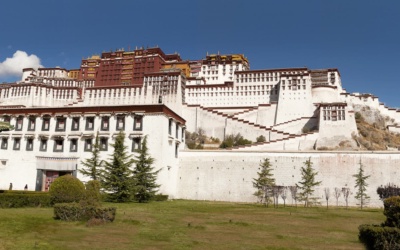
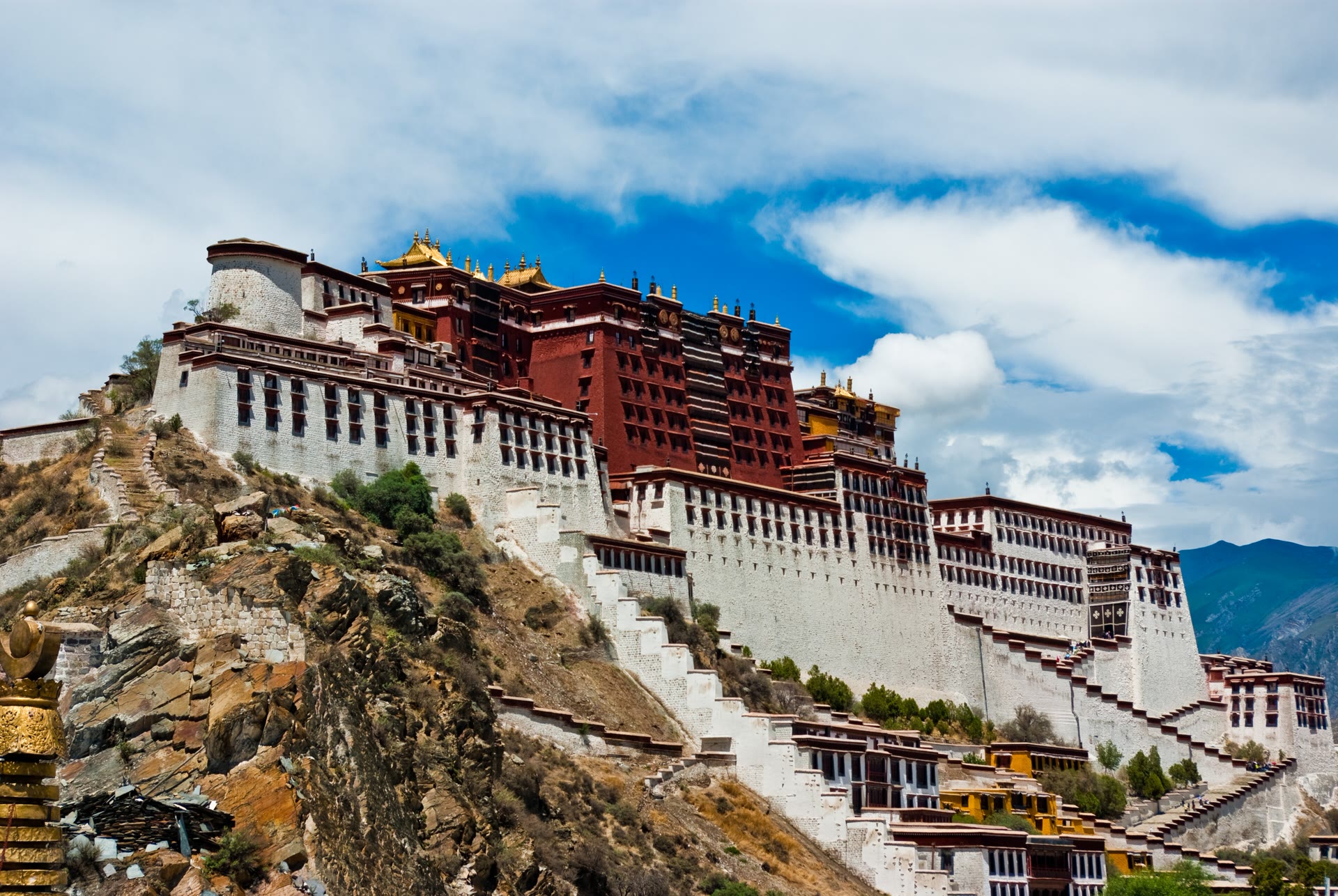
Rising more than 100 meters above the Lhasa valley floor, the Potala Palace is the image most people carry of Tibet long before they ever arrive. Its white and red walls climb the slope of Marpo Ri, or Red Hill, in a sequence of golden roofs and steep stone staircases that seem to grow straight out of the rock. For centuries it served as the winter residence of the Dalai Lamas and the political and spiritual heart of the Tibetan plateau.

Today the palace is a UNESCO World Heritage Site and one of the most heavily managed monuments in China. Visiting it independently is possible, but it is not like wandering into a European cathedral. You need a Tibet travel permit before you can even reach Lhasa, you need a timed ticket to enter the palace, and you need to be acclimatized to an altitude of roughly 3,650 meters. Get those three things right and the visit is unforgettable. Get them wrong and you can lose a day or feel genuinely unwell.

This guide focuses on the practical reality of reaching the Potala Palace, climbing it without exhausting yourself, behaving respectfully inside an active religious site, and combining it with the other essential stop in central Lhasa, the Jokhang Temple.

What the Potala Palace Actually Is

The Potala is not a single building but a layered complex divided into two main parts. The White Palace was historically the administrative and living quarters, used for government affairs and as the residence of the Dalai Lama. The Red Palace, set higher and at the center, is devoted to religious functions and contains chapels, assembly halls, and the elaborate golden burial stupas of past Dalai Lamas. Some of these tombs are enormous, covered in gold and inset with precious stones, and they remain among the most striking sights inside.

The structure you see today largely dates from a major reconstruction begun in the 17th century, built on the site of earlier fortifications. The palace has hundreds of rooms, thousands of religious statues, and a vast collection of murals, scriptures, and ritual objects. For Tibetan Buddhists it is a deeply sacred place, and many of the visitors you see circling the base are pilgrims, not tourists.

Understanding this dual nature helps set expectations. You are not touring an empty museum. You are moving through a working monument with chapels still in use, guided along a fixed route that protects both the fragile interiors and the pilgrims' practices.

Things to Do

The Tibet Travel Permit: Your First Hurdle

The single most important thing to understand is that foreign travelers cannot visit Tibet independently in the same way they can visit the rest of China. Entry to the Tibet Autonomous Region requires a Tibet Travel Permit, and obtaining one means booking through a registered travel agency that arranges your itinerary, a licensed guide, and often transport for parts of the trip.

This is a firm rule rather than a suggestion. You will be asked for the permit when boarding a flight or train into Tibet and at checkpoints. The permit is tied to a planned itinerary, so the Potala Palace and other sites usually need to be specified in advance. Because permit rules, processing times, and the exact documents required can change and are sometimes affected by seasonal closures, confirm the current requirements with your agency well before you travel. Allow extra lead time, as permits are not issued instantly.

For independent-minded travelers this feels restrictive, and it is. The honest tradeoff is that you give up spontaneity in exchange for access. You can still shape your own pace, choose your hotels in Lhasa, and explore on foot in the city, but the formal permit and guide framework is the price of entry. Treat the agency as a logistics partner rather than a tour you are trapped in, and ask directly how much free time you will have around the structured visits.

Altitude: Take It Seriously

Lhasa sits at around 3,650 meters above sea level. The Potala Palace itself adds a long climb of stone steps on top of that. Many travelers underestimate how much altitude affects them, and the palace is one of the places where it shows.

Common symptoms of mild altitude sickness include headache, shortness of breath, fatigue, poor sleep, and loss of appetite. These usually appear within the first day or two. The most effective strategy is simple: do not schedule the Potala Palace for your first day in Lhasa. Give yourself at least one full day, ideally two, to acclimatize before tackling the climb.

Practical altitude advice for the visit:

  • Walk slowly on the staircases and pause often. The climb is not long in distance but it is steep and at high elevation.
  • Stay hydrated, but avoid heavy meals and alcohol on arrival days.
  • Do not plan a strenuous itinerary for the same day as the palace.
  • If you have heart or lung conditions, are pregnant, or have had altitude problems before, get medical advice before booking.
  • Consider discussing acetazolamide or other preventive measures with a doctor at home, and know the symptoms that mean you should descend.

Bottle oxygen is widely available in Lhasa and some travelers carry a small canister, but the better long-term fix is acclimatization and pacing. If you feel seriously unwell, the palace is not worth pushing through symptoms for.

Timed Tickets and the One Hour Rule

The Potala Palace controls visitor numbers tightly to protect the structure. Entry is by timed ticket, and the time slot matters. Once inside the upper palace, visitors are typically limited to about one hour to move through the interior route. This is enforced, so the visit has a brisk rhythm rather than an open-ended wander.

Tickets are limited in number, especially in the high travel season, and demand can exceed supply. Because you will be visiting through an agency, ticket procurement is usually handled for you, but it is worth confirming this explicitly. Ask your agency how they secure your slot, what time of day you are scheduled, and whether there is any flexibility. Prices, the exact ticketing process, and whether passport details are required at booking can change, so verify the current arrangements rather than relying on older accounts.

The timing also shapes how you experience the climb. Because you have a window to enter the upper palace, you generally ascend at your own pace through the lower sections and grounds, then move through the controlled interior route once you reach it. Budget more time than you expect for the approach and the steps, particularly given the altitude.

Climbing the Palace: What to Expect

The visit begins well below the main structure. From the entrance you ascend a series of stone ramps and staircases that wind up the hill. There are landings where you can stop, catch your breath, and look back over Lhasa and the square below. The views improve steadily as you climb, and on a clear day the panorama over the city to the surrounding mountains is one of the rewards of the effort.

Inside, the route leads through the White Palace and into the Red Palace, passing chapels, assembly halls, statues, intricate murals, and the towering golden stupas of past Dalai Lamas. Interiors are dim, narrow in places, and can feel crowded when several groups overlap. The air inside is heavy with the scent of yak butter lamps. Your guide will explain the significance of the chapels and figures, which adds a great deal, since the iconography is dense and unfamiliar to most first-time visitors.

Be prepared for the descent as well. After the controlled interior section you exit on the far side and walk down. Sturdy shoes help on the uneven, sometimes slippery stone.

Etiquette and Respectful Behavior

The Potala Palace is sacred ground, and respectful conduct is expected, not optional. Many of the people around you are pilgrims who may have traveled great distances to be there.

  • Dress modestly. Cover shoulders and avoid very short shorts or revealing clothing. Bring a layer, as it can be cool inside even when the day is warm.
  • Remove hats inside chapels and lower your voice. Keep your phone silent.
  • Do not touch statues, murals, ritual objects, or offerings.
  • Walk clockwise around shrines and stupas where this is the custom, and follow your guide's lead.
  • Do not point your feet directly at images of the Buddha or sacred objects when seated or kneeling.
  • Be discreet and respectful when photographing pilgrims, and ask before taking close portraits.

Photography rules deserve special attention. Photography is generally restricted or prohibited inside the chapels and interior halls to protect the murals and out of respect for religious practice. You can usually photograph the exterior and the views freely, but inside, expect limits, and follow signage and your guide without argument. Do not attempt to sneak shots in restricted areas.

Best Time to Visit

Lhasa enjoys a high number of sunny days, but the season still matters for comfort and crowds.

SeasonConditionsNotes for visitors
SpringCool, dry, improving weatherPleasant and less crowded than peak summer; good light for photos.
SummerWarmest, occasional rainPeak season; tickets and permits in highest demand, busiest interiors.
AutumnClear skies, crisp airOften considered ideal; strong mountain views and comfortable days.
WinterCold, very dry, fewer touristsQuieter and atmospheric, but cold and some seasonal travel restrictions may apply.

Whatever the season, days are sunny and intense at altitude while nights and shaded interiors are cold. The temperature swing between sun and shade is large, so dress in layers. Sun protection is essential: the high elevation means strong UV, so bring sunscreen, sunglasses, and a hat for the outdoor climb.

Pairing With Jokhang Temple and the Barkhor

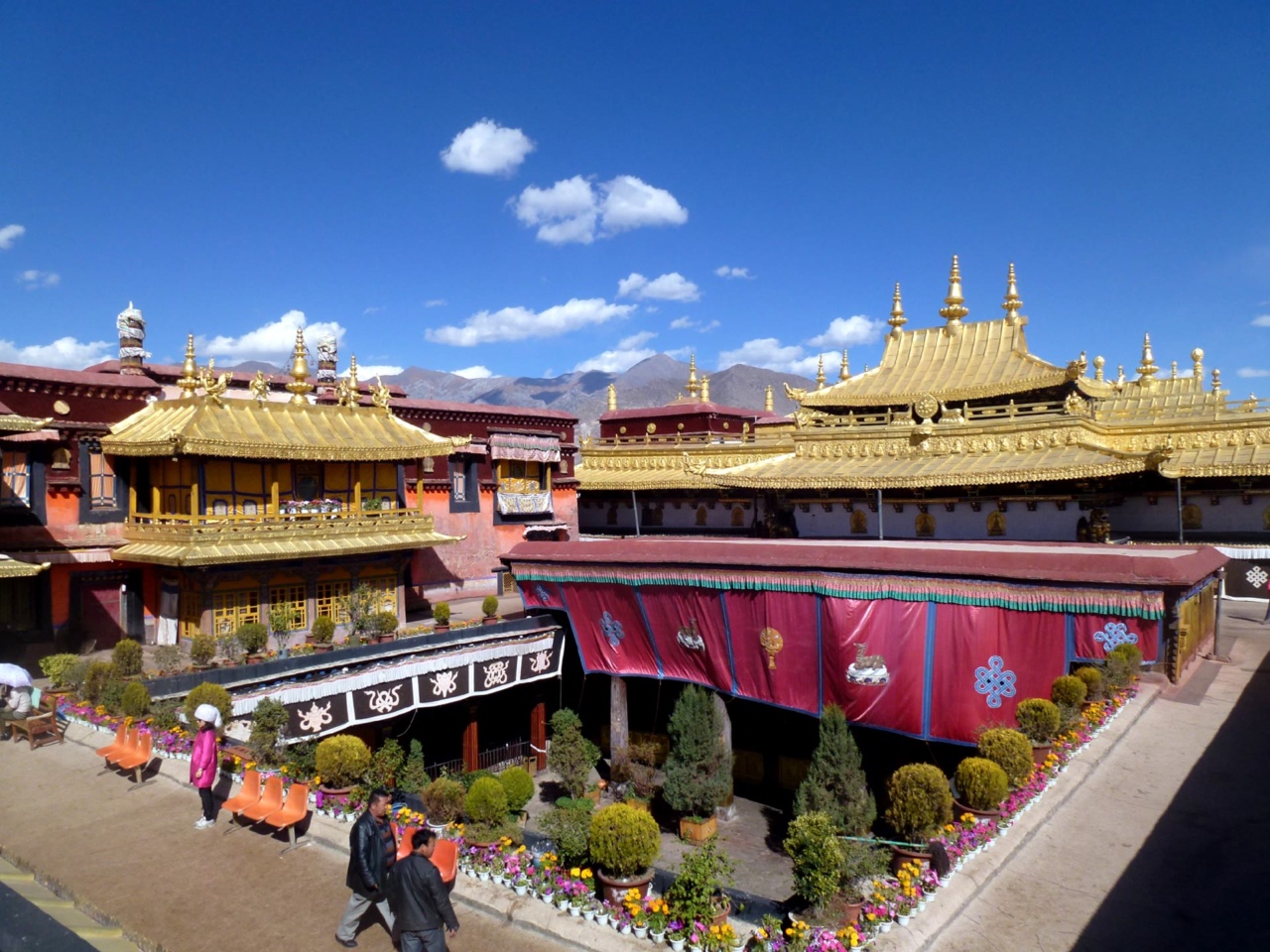
The Potala Palace is the architectural icon, but the spiritual heart of Tibetan Buddhism in Lhasa is arguably the Jokhang Temple, a short distance away in the old city. The two complement each other and are usually visited on the same trip.

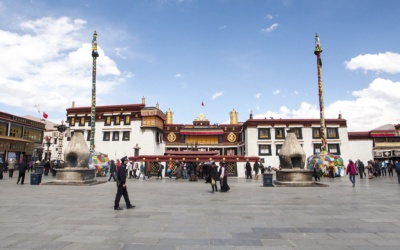
The Jokhang is older and more intimate, surrounded by the Barkhor, a circuit of streets where pilgrims walk clockwise, prostrating and spinning prayer wheels. Watching this devotion up close gives an emotional and human context that the grand, controlled palace cannot fully provide. The atmosphere in the Barkhor at dawn, with streams of pilgrims and the smell of juniper incense, is one of the defining experiences of Lhasa.

A sensible plan is to spread these sites across separate parts of your stay rather than cramming them into a single exhausting day, especially given the altitude. Many travelers also fit in Sera or Drepung monastery on the city's outskirts. For wider Tibet and China itinerary ideas you can keep planning your trip on GoAsia.cc, which collects regional logistics and routing in one place.

Practical Tips for a Smooth Potala Palace Visit

  • Acclimatize first. Never schedule the palace for your arrival day. Build in rest before the climb.
  • Confirm permit timing early. Permits take time to process and are tied to your itinerary. Book your agency well ahead and double-check what documents you must provide.
  • Verify your ticket slot. Ask your agency exactly when you enter and how the one-hour interior limit affects your day.
  • Carry your passport. You may need it for entry checks and the permit framework. Keep it accessible but secure.
  • Wear good shoes. The steps are steep, uneven, and can be slippery. Comfort matters more than style.
  • Pack layers and sun protection. Hot sun outside, cool air inside, strong UV everywhere.
  • Use the bathroom before you start. The climb and interior route do not leave easy options once you are moving through the controlled section.
  • Respect photography limits. Shoot the exterior and views freely; do not photograph restricted interiors.
  • Don't overpack your day. The combination of climbing and altitude is more tiring than the distance suggests.

Realistic Downsides to Know

The Potala Palace is genuinely spectacular, but it is worth being clear-eyed about the limitations. The visit is structured and time-limited, so you cannot linger over a chapel that captivates you. Interiors can be crowded and dim, which some travelers find less satisfying than the dramatic exterior. The permit and guide requirement adds cost and reduces flexibility compared to traveling elsewhere in China. And the altitude can flatten the energy of even fit visitors, so the climb that looks modest in a photo can feel demanding in person.

None of this should put you off. It simply means the palace rewards travelers who prepare. Arrive acclimatized, organized on permits and tickets, dressed for both sun and chill, and ready to follow a fixed route respectfully, and the Potala delivers one of the most memorable monument visits in Asia. The first sight of those white walls climbing the hill, and the view back over Lhasa from the upper terraces, tend to stay with people long after the trip ends.

Frequently Asked Questions

Do I need a special permit to visit the Potala Palace?

Yes. Foreign travelers cannot enter Tibet independently and must obtain a Tibet Travel Permit, which is arranged through a registered travel agency along with a licensed guide. Your itinerary, including the Potala Palace, is usually specified in advance. Permit rules and processing times can change, so confirm current requirements with your agency well before you travel.

How do tickets to the Potala Palace work and how much do they cost?

Entry is by timed ticket and visitor numbers are limited, with the upper palace interior typically capped at about one hour per group. Because you visit through an agency, ticketing is usually handled for you, but confirm your time slot and how it is secured. Prices and the exact booking process can change, so verify the current details rather than relying on older figures.

How do I actually get to Lhasa and the palace?

Most travelers reach Lhasa by flight or by the high-altitude train into the Tibet Autonomous Region, both of which require your Tibet permit at boarding. Within Lhasa the Potala Palace is centrally located and easy to reach, with your guide arranging transport for structured parts of the trip. From the entrance you climb on foot up stone staircases to the palace itself.

How serious is the altitude at the Potala Palace?

Lhasa sits at roughly 3,650 meters and the palace adds a steep climb of stairs. Many visitors feel headaches, breathlessness, or fatigue, so do not schedule the palace for your first day. Allow one to two days to acclimatize, walk slowly, stay hydrated, and seek medical advice beforehand if you have relevant health conditions.

Can I take photos inside the Potala Palace?

You can generally photograph the exterior and the views over Lhasa, but photography is usually restricted or prohibited inside the chapels and interior halls to protect murals and respect worship. Follow signage and your guide, and do not attempt photos in restricted areas. When photographing pilgrims, be discreet and ask before taking close portraits.

Should I visit the Jokhang Temple as well?

Yes, the two pair naturally and are usually visited on the same trip. The Jokhang is older and more intimate, surrounded by the Barkhor pilgrimage circuit, and gives a more human sense of living Tibetan Buddhism than the grand, controlled palace. Spread them across different parts of your stay rather than cramming both into one tiring day at altitude.

How much time should I budget for the Potala Palace?

Plan for roughly half a day overall. The interior route is time-limited to about an hour, but the climb up the staircases, frequent rest stops at altitude, and the descent take longer than expected. Avoid stacking other strenuous sightseeing on the same day so you can pace yourself comfortably.