Jokhang Temple in Lhasa: Tickets, Permits and Visiting Advice
Contents
Jokhang Temple stands in the old town of Lhasa, with the Barkhor pilgrimage and shopping streets around it. A worthwhile visit combines an understanding of this religious site with careful planning: temple admission, permission to travel in Tibet and altitude precautions are three separate tasks. Rooftop access is not something to assume when booking.
| Item | Planning information |
|---|---|
| Travel permission | Confirm requirements for your passport and itinerary |
| Guided visits | Confirm where a guide is required |
| Temple reservation | One day ahead under the notice of 28 September 2026 |
| Visit duration | 1 to 2 hours as an editorial estimate, plus queues and permitted extras |
| Rooftop | Access must be confirmed for your visit |
| Photography | No photos or filming in the main hall |
History and architecture
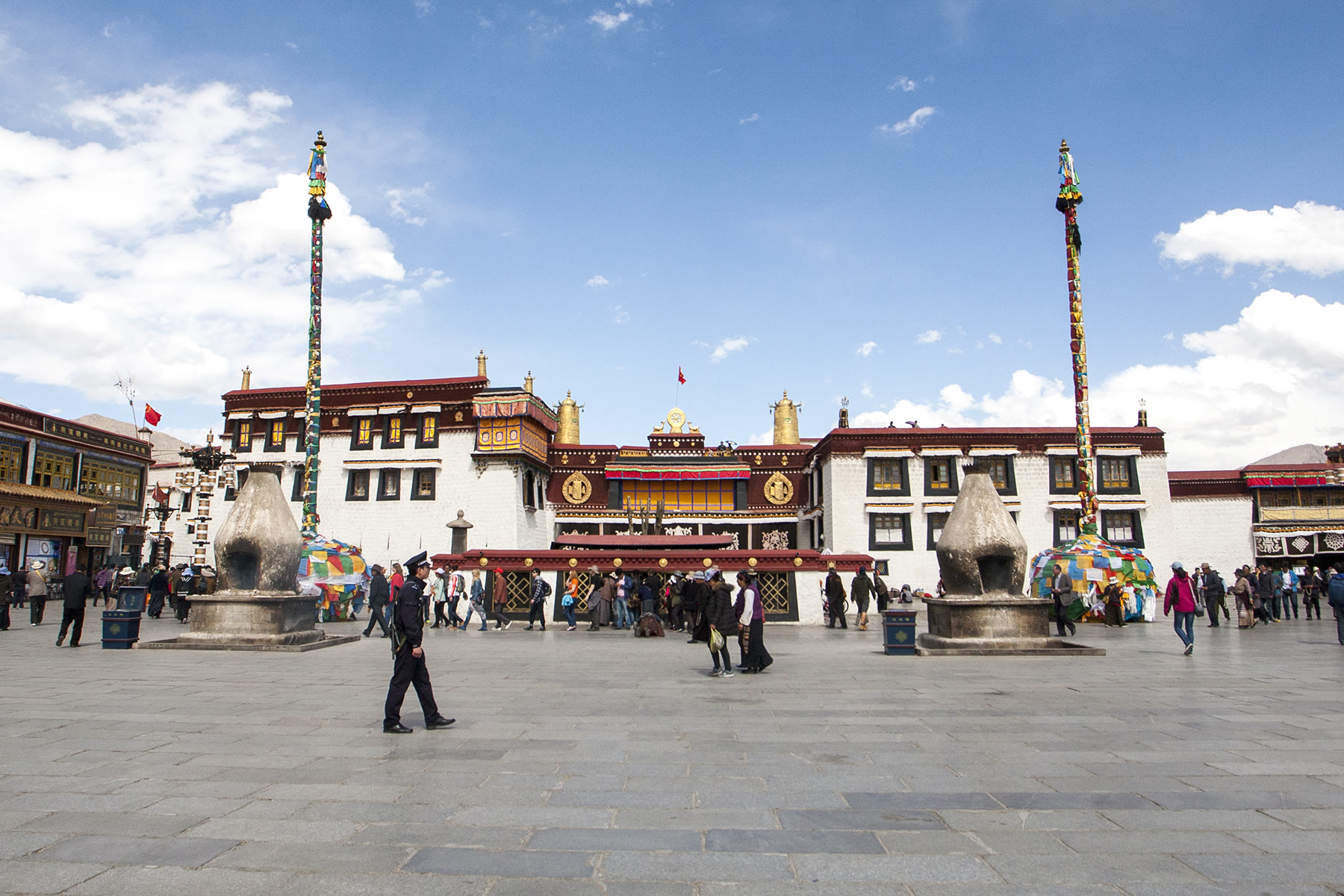
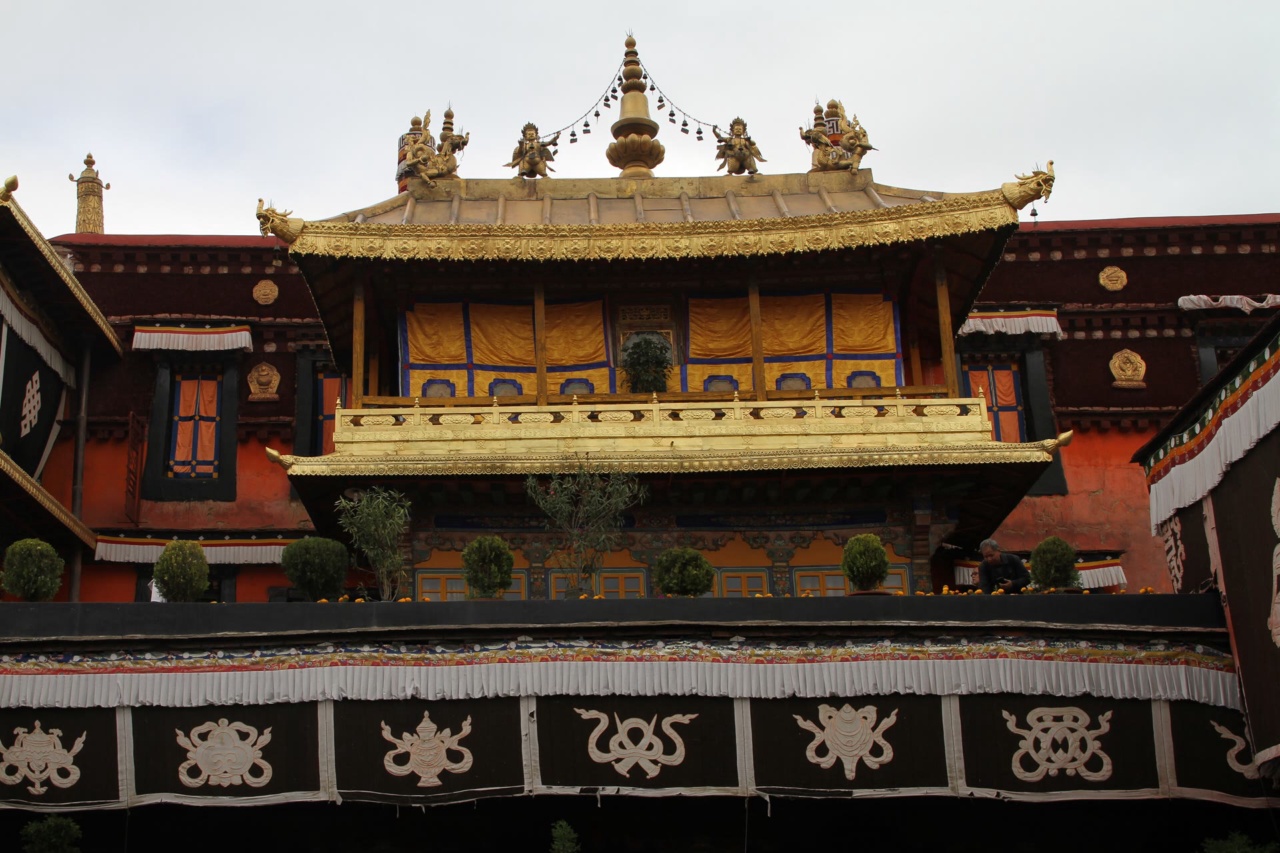
UNESCO dates the temple to the seventh century and includes it in the Historic Ensemble of the Potala Palace. The official account of nearby Ramoche describes a Buddha image brought to Tibet by Princess Wencheng and later transferred to Jokhang. This is the Jowo Shakyamuni image associated with the temple. Treat it as an object of worship, not a photo prop; ask your guide to explain the relationship between the two temples.
UNESCO describes a porch, courtyard and Buddhist hall within the complex, with buildings for monks and storage around it. Its wood-and-stone architecture combines influences from Tibet, China, India and Nepal. Religious murals are part of its heritage. Look at the layout and permitted details without touching cultural objects or expecting every chapel to be accessible.
Things to Do
Offers are only loaded from GetYourGuide after you click. GetYourGuide can then process your IP address and set cookies. Privacy Policy
GetYourGuide partner offers. GoAsia may earn a commission if you book through these offers. Check whether tickets or transfers are included, and follow the attraction's official booking and admission rules.
Tibet permissions and temple tickets
Separate the temple booking from permission to travel in Tibet. Check the rules for your passport, travel purpose and actual itinerary before paying for non-refundable transport.
UK travel advice says travellers to Tibet need a permit arranged through a specialist travel agent in China and must travel on an organised tour. That advice is written for British travellers, not a complete eligibility rule for every passport. Confirm your own China entry or visa requirements separately, as well as the Tibet permit and tour arrangements. Do not assume visa-free entry to China also permits travel in Tibet.
- Ask your agency which documents you need, when the permit can be issued and what the airline or railway requires for your specific journey. Do not rely on a generic processing time or an assumed paper-copy procedure.
- Confirm which visits need a guide and where independent movement is allowed on your itinerary. A temple reservation does not establish permission to walk every area of Barkhor or use the rooftop without restrictions.
- The UK advice warns that authorities can stop issuing permits without notice or restrict travel even when a permit has been issued. Reconfirm the permitted regions and tour arrangements before committing to transport and again before departure.
The Lhasa government’s notice of 28 September 2026 describes a real-name reservation one day before the visit through the WeChat mini-program “大昭寺” or its official account. After a successful reservation, visitors pay at the Jokhang ticket office on the visit day and exchange the reservation QR code or identity card for an entry ticket. Check the current notice, accepted identity documents and arrangements for your visitor category with the temple or your agency. A tour booking does not by itself prove that admission is included or reserved.
The official Tibet tourism guidance of 20 July 2026 prohibits photography and filming in the main hall and touching cultural objects or murals. Do not assume that paying a photography fee permits pictures there. Follow current signs and staff instructions; confirm the ticket price and any other charges separately before paying.
Build your budget around a written itinerary: agency services, guide, transport and temple admission need separate confirmation. Compare the inclusions rather than assuming every tour includes the same permissions and tickets.
Plan for altitude
Lhasa is a high-altitude destination. Plan gradual ascent and sleeping altitude before travelling, and seek individual medical advice if you have health concerns. Keep activity mild and avoid alcohol for the first 48 hours after arrival at altitude. One quiet day, a train journey or two to three days in the city do not guarantee acclimatization. Adapt sightseeing to your condition, not the other way round.
A new headache with nausea, dizziness or unusual fatigue after ascent can indicate altitude illness. Tell your guide promptly, stop ascending and do not sleep higher while symptoms persist. If symptoms worsen at the same altitude, descend and seek medical help. Drinking water or briefly resting is not a reliable treatment or proof of acclimatization.
A short day trip can still cause altitude illness. Confusion, difficulty walking or breathlessness at rest are emergency warning signs. Seek urgent medical help and arrange prompt assisted descent with as little exertion as possible; do not wait for the tour to finish. These general precautions do not replace individual medical advice.
The Barkhor pilgrimage circuit
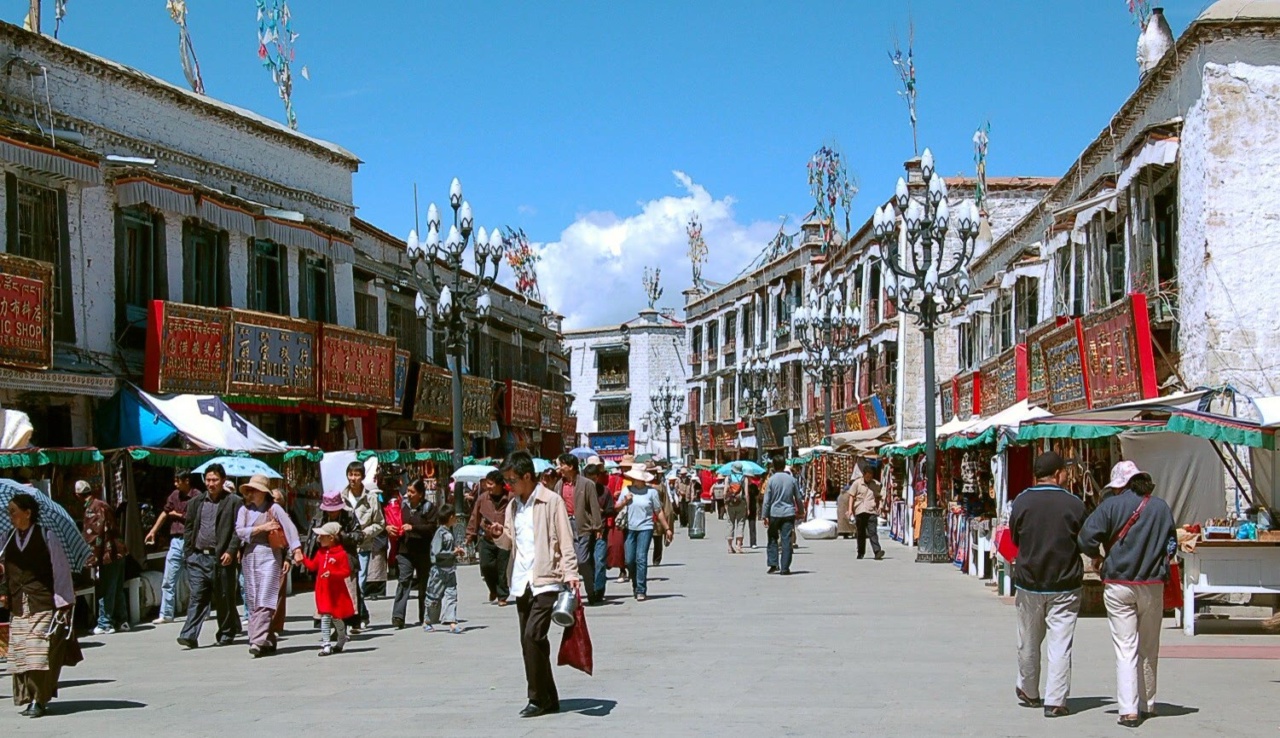
The official description of the Barkhor connects religious circumambulation with the surrounding commercial streets. Pilgrims follow a clockwise circuit around Jokhang. If you join an allowed section, move with the flow and leave space for people praying or prostrating. Shops do not turn the route into a purely tourist space. Ask before photographing people; a purchase or donation is optional.
Visitor rules and possible rooftop access
The Tibet tourism notice prohibits photography and filming in the main hall and touching cultural objects or murals. A claimed photography charge does not override this ban. Follow signed visitor routes and staff instructions in the temple rather than applying the Barkhor circuit rule to every interior space. Dress respectfully, speak quietly and confirm current requirements. Donations do not replace admission or confer photography rights.
Include the rooftop only if access for your visit is confirmed. Do not assume it is part of every ticket or that a particular view of the Potala is guaranteed. Confirm the permitted areas and photography rules before climbing. Keep stair use flexible, take account of your condition and do not continue with worsening altitude symptoms simply to reach a viewpoint.
Getting to Lhasa and the temple
Compare flights and trains that actually operate on your travel date, then confirm the onward transfer into Lhasa. Fixed airport transfer times and blanket direct connections from named cities are not a reliable itinerary. From your particular accommodation, check the route to the temple, permitted movement and guide arrangements. Staying somewhere in the Barkhor area does not itself guarantee a short walk or independent access.
China Railway’s published Qinghai-Tibet train guidance specifies oxygen supply for the Golmud to Lhasa section. It also says some trains require a transfer at Xining. Confirm your actual service and arrangements with the operator. This is not a high-speed rail claim, and oxygen provision or a longer train journey does not guarantee protection from altitude illness.
Choose a realistic visit programme
Choose the visit around the available reservation, permitted itinerary and your condition. Check the forecast, seasonal clothing needs and current notices close to departure. A season or early-morning visit cannot guarantee clear skies, small crowds, open roads or permission to travel. Keep optional sightseeing separate from essential arrangements so a closure or health concern does not derail the day.
Allow one to two hours as an editorial planning estimate for the temple, not a fixed visit duration. Add waiting time and any permitted Barkhor or rooftop visit. Confirm access and your reserved slot, and reduce the programme if you have symptoms. The length of a sightseeing itinerary is not medical clearance.
Sources and background
These sources support the topics listed below, not every statement or current price in this article.
- [1] Lhasa Municipal Government: Lhasa government: Jokhang reservation and visit-day ticket exchange, September 2026. Retrieved October 4, 2026. Admission, Access
- [2] Tibet Autonomous Region Department of Culture and Tourism: Tibet tourism department: Jokhang booking and main-hall visitor rules, July 2026. Retrieved October 4, 2026. Admission, Access, Culture
- [3] UK Foreign, Commonwealth and Development Office: UK travel advice: Tibet permits, organised tours and regional restrictions. Retrieved October 4, 2026. Access, Safety
- [4] UNESCO World Heritage Centre: UNESCO: Jokhang history and architecture within the Lhasa heritage ensemble. Retrieved October 4, 2026. Culture
- [5] Tibet Autonomous Region Foreign Affairs Office: Tibet Foreign Affairs Office: Barkhor and clockwise pilgrimage. Retrieved October 4, 2026. Culture
- [6] Tibet Autonomous Region Foreign Affairs Office: Tibet Foreign Affairs Office: Ramoche and the statue tradition. Retrieved October 4, 2026. Culture
- [7] US Centers for Disease Control and Prevention: CDC Yellow Book 2026: altitude travel, symptoms and emergency precautions. Retrieved October 4, 2026. Safety
- [8] China Railway 12306: China Railway: Qinghai-Tibet train guidance, oxygen and transfers. Retrieved October 4, 2026. Transport, Safety
Frequently Asked Questions
UK travel advice says travellers to Tibet need a permit arranged through a specialist travel agent in China and must travel on an organised tour. That advice is written for British travellers, not a complete eligibility rule for every passport. Confirm your own China entry or visa requirements separately, as well as the Tibet permit and tour arrangements. Do not assume visa-free entry to China also permits travel in Tibet.
The official notice dated 28 September 2026 requires a real-name reservation one day ahead through the Jokhang WeChat mini-program or official account, followed by payment and ticket exchange at the temple on the visit day using the reservation QR code or identity card. Check which documents and procedures apply to you, and whether your agency actually includes and arranges admission. The notice does not establish a universal tour-inclusive price. Photography and filming in the main hall are prohibited under the July 2026 tourism guidance.
Compare flights and trains that actually operate on your travel date, then confirm the onward transfer into Lhasa. Fixed airport transfer times and blanket direct connections from named cities are not a reliable itinerary. From your particular accommodation, check the route to the temple, permitted movement and guide arrangements. Staying somewhere in the Barkhor area does not itself guarantee a short walk or independent access.
Lhasa is a high-altitude destination. Plan gradual ascent and sleeping altitude before travelling, and seek individual medical advice if you have health concerns. Keep activity mild and avoid alcohol for the first 48 hours after arrival at altitude. One quiet day, a train journey or two to three days in the city do not guarantee acclimatization. Adapt sightseeing to your condition, not the other way round. A new headache with nausea, dizziness or unusual fatigue after ascent can indicate altitude illness. Tell your guide promptly, stop ascending and do not sleep higher while symptoms persist. If symptoms worsen at the same altitude, descend and seek medical help. Drinking water or briefly resting is not a reliable treatment or proof of acclimatization. A short day trip can still cause altitude illness. Confusion, difficulty walking or breathlessness at rest are emergency warning signs. Seek urgent medical help and arrange prompt assisted descent with as little exertion as possible; do not wait for the tour to finish. These general precautions do not replace individual medical advice.
The Tibet tourism notice prohibits photography and filming in the main hall and touching cultural objects or murals. A claimed photography charge does not override this ban. Follow signed visitor routes and staff instructions in the temple rather than applying the Barkhor circuit rule to every interior space. Dress respectfully, speak quietly and confirm current requirements. Donations do not replace admission or confer photography rights.
Choose the visit around the available reservation, permitted itinerary and your condition. Check the forecast, seasonal clothing needs and current notices close to departure. A season or early-morning visit cannot guarantee clear skies, small crowds, open roads or permission to travel. Keep optional sightseeing separate from essential arrangements so a closure or health concern does not derail the day.
Allow one to two hours as an editorial planning estimate for the temple, not a fixed visit duration. Add waiting time and any permitted Barkhor or rooftop visit. Confirm access and your reserved slot, and reduce the programme if you have symptoms. The length of a sightseeing itinerary is not medical clearance.