
Chongqing
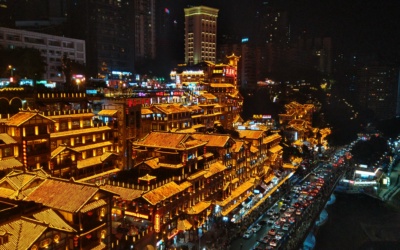
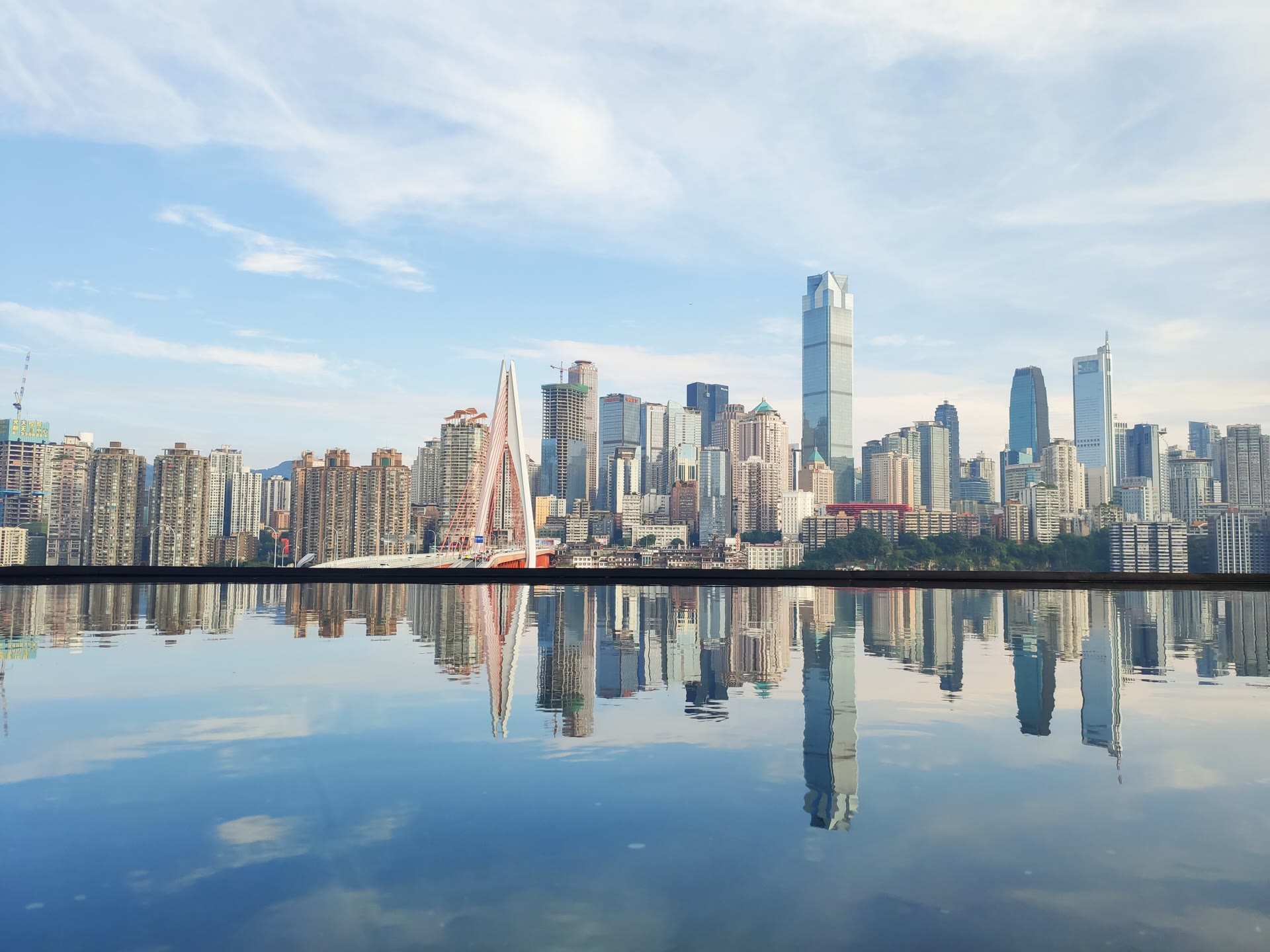
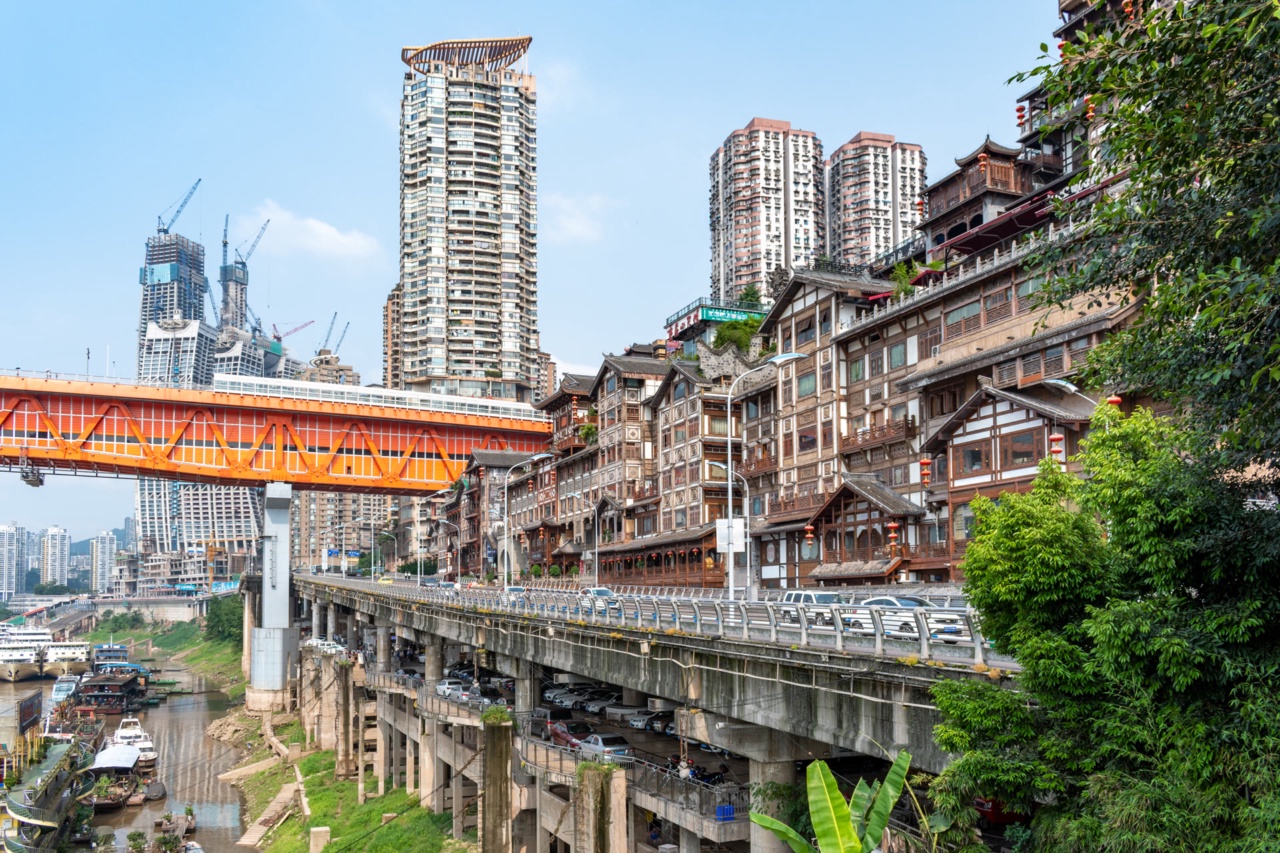
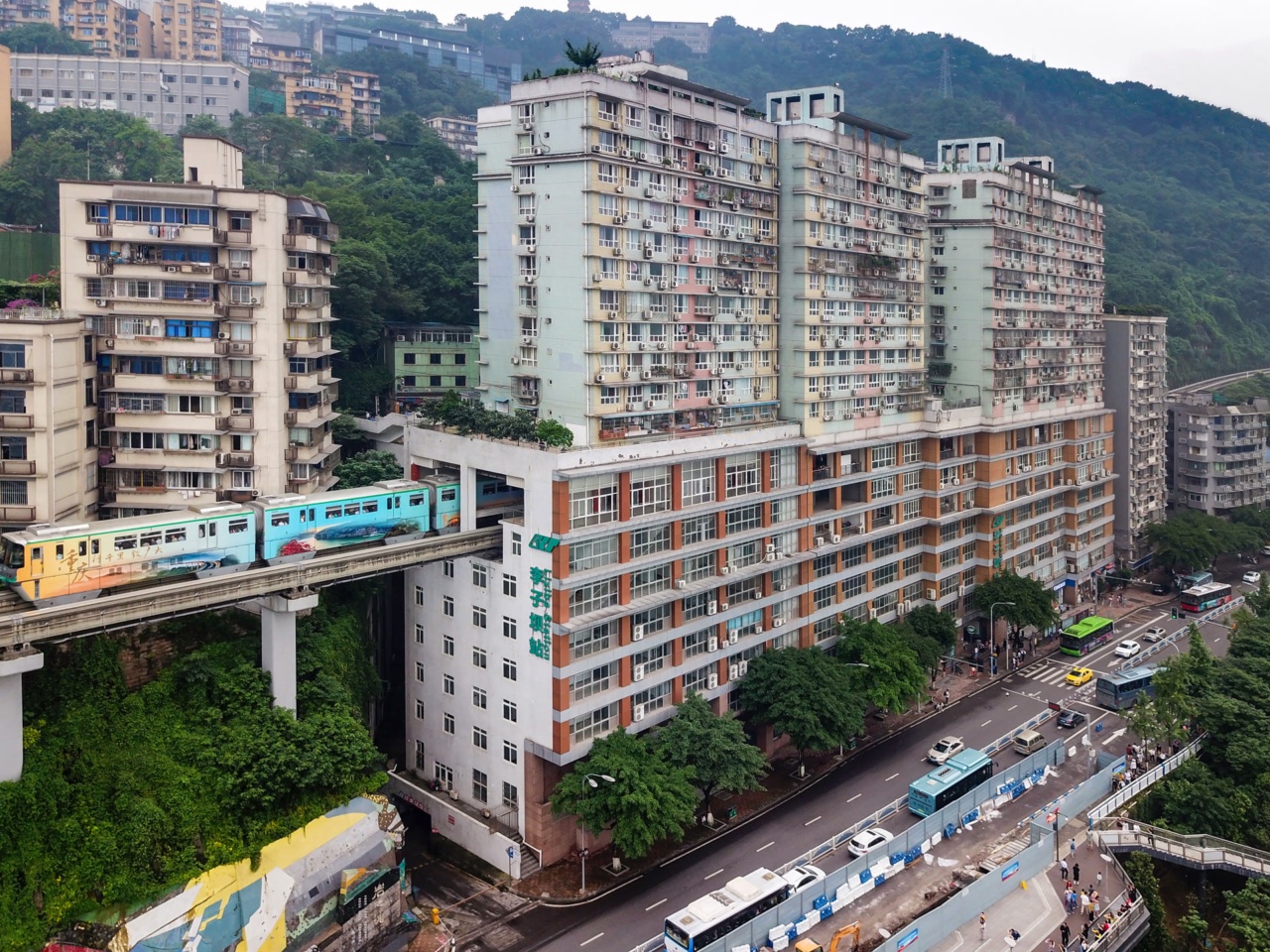
Chongqing is a vertical megacity defined by its dramatic mountain landscape, spicy Sichuan cuisine, and futuristic neon skylines. It is a sensory explosion where ancient stilt houses sit beneath monorails that glide through apartment buildings.
Last updated: October 15, 2026
Photo: 夏枫水月 / Wikimedia Commons, CC BY-SA 4.0
When to go
Climate and best time for ChongqingBest months: February to April and October to December
- January: Good (cold). 10 °C by day, 6 °C at night, 16 mm of rain
- February: Great. 13 °C by day, 8 °C at night, 21 mm of rain
- March: Great. 18 °C by day, 12 °C at night, 41 mm of rain
- April: Great. 24 °C by day, 16 °C at night, 82 mm of rain
- May: Good (a lot of rain). 27 °C by day, 19 °C at night, 141 mm of rain
- June: Good (a lot of rain). 30 °C by day, 22 °C at night, 196 mm of rain
- July: Good (a lot of rain). 33 °C by day, 25 °C at night, 176 mm of rain
- August: Good (a lot of rain). 34 °C by day, 25 °C at night, 149 mm of rain
- September: Good (a lot of rain). 28 °C by day, 21 °C at night, 133 mm of rain
- October: Great. 22 °C by day, 17 °C at night, 90 mm of rain
- November: Great. 17 °C by day, 13 °C at night, 46 mm of rain
- December: Great. 11 °C by day, 8 °C at night, 20 mm of rain
- Great
- Good
- Mixed
- Poor
Contents
- 1. Orientation and Neighborhoods
- 2. Best Time to Visit
- 3. Getting There and Getting Around
- 4. Top Sights and Experiences
- 4.1 Must-See Attractions
- 4.2 Lesser-Known Gems
- 4.3 Overrated Spots
- 5. Food and Drink
- 6. Where to Stay
- 7. Practical Tips
- 8. Day Trips
- 9. Sample 3-Day Itinerary
- 9.1 Day 1: The Heart of the Peninsula
- 9.2 Day 2: Art and Infrastructure
- 9.3 Day 3: Ancient Roots and Modern Heights
- 10. Budget Overview
- 11. Frequently Asked Questions
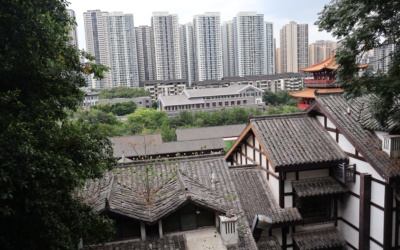
Chongqing is a sprawling metropolis that defies traditional urban logic. Known as the Mountain City, it is built into the steep slopes where the Yangtze and Jialing Rivers meet. This verticality creates a 3D landscape where the ground floor of one building might be the tenth floor of another. It is a city of layers, fog, and relentless energy, characterized by its humid climate and the pungent aroma of chili oil that wafts through every alleyway.
Unlike the polished internationalism of Shanghai or the historical weight of Beijing, Chongqing feels raw and futuristic. It is a gritty, high-octane destination for travelers who enjoy urban exploration, spicy food, and dramatic photography. The city is famous for its massive scale, its cyberpunk aesthetic, and a population that is famously fiery and welcoming. Visitors should prepare for a lot of stairs and a layout that frequently confuses even the most sophisticated GPS apps.
The city serves as the gateway to the Yangtze River's Three Gorges and holds deep historical significance as China's provisional capital during World War II. Today, it is a hub of heavy industry and high-tech manufacturing, but its heart remains in the bustling night markets and the riverside promenades. Whether you are navigating the labyrinthine docks or watching the city light up from a skyscraper rooftop, Chongqing offers a travel experience that is visually and culturally incomparable to anywhere else in Asia.
Orientation and Neighborhoods
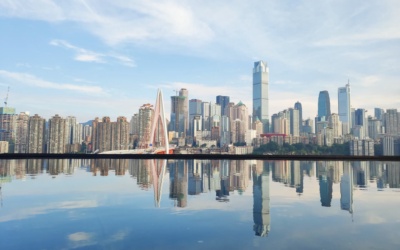
Chongqing is divided into several districts, but most travelers will spend their time in the central Yuzhong District. This is a narrow peninsula between the two rivers and serves as the city's historical and commercial core. It is the most densely packed area, home to the highest skyscrapers and the most famous landmarks. Staying here puts you within walking distance of Jiefangbei and Hongya Cave.
Across the Jialing River to the north lies Jiangbei District. This is a modern, upscale area known for high-end shopping at Guanyinqiao and a more polished nightlife scene. To the south, across the Yangtze, is Nan'an District. This area is famous for its riverside parks and the Nanshan Mountains, which offer the best panoramic views of the Yuzhong skyline. Shapingba District, to the west, is the cultural and educational hub, home to several universities and the ancient town of Ciqikou.
- Yuzhong (Jiefangbei): Best for first-time visitors who want to be in the center of the action. High walkability to major sites and excellent subway connections.
- Jiangbei (Guanyinqiao): Best for shoppers and those looking for a slightly more relaxed, modern atmosphere with plenty of dining options.
- Nan'an (Nanbin Road): Best for luxury hotels with river views and travelers who prefer a bit more space away from the dense peninsula.
- Shapingba: Best for budget travelers and students, offering a more traditional neighborhood feel.
Things to Do
Offers are only loaded from GetYourGuide after you click. GetYourGuide can then process your IP address and set cookies. Privacy Policy
GetYourGuide partner offers. GoAsia may earn a commission if you book through these offers. Check whether tickets or transfers are included, and follow the attraction's official booking and admission rules.
Best Time to Visit
Chongqing is known as one of the Three Furnaces of the Yangtze due to its extreme summer heat. The climate is humid subtropical, meaning it is often overcast and misty, which adds to the city's atmospheric charm but can limit long-range views.
| Month Range | Weather | Crowds | Prices |
|---|---|---|---|
| March to May | Mild and pleasant | Moderate | Average |
| June to August | Very hot and humid | High | High |
| September to November | Cool and comfortable | Moderate | Average |
| December to February | Cold and foggy | Low | Low |
Spring (March to May) and Autumn (September to November) are the ideal times to visit. The temperatures are manageable for the significant amount of walking and stair-climbing required. Avoid the first week of October (National Day) and the Lunar New Year period, as the city becomes exceptionally crowded and prices for accommodation can triple. Winter is damp and chilly, but it is the best time for those who enjoy hotpot and want to avoid the massive summer tourist groups.
Getting There and Getting Around
Chongqing Jiangbei International Airport (CKG) is a major regional hub with three terminals. It is located about 12 miles north of the city center. The most efficient way to reach Yuzhong is by Metro Line 10 or Line 3, which takes roughly 50 to 60 minutes and costs about $1. Airport shuttle buses are also available for roughly $3. A taxi or ride-hailing car to the center typically costs between $10 and $15 depending on traffic.
The Chongqing Rail Transit (CRT) is the backbone of the city's transportation. It includes both traditional subways and spectacular monorails that hug the hillsides. Fares are distance-based, usually ranging from $0.30 to $1. Paying is easy via AliPay or WeChat Pay transport codes. For short distances, taxis and the ride-hailing app Didi are very affordable, with most city trips costing under $5. However, traffic in Yuzhong can be gridlocked during rush hour.
Walking is a unique experience in Chongqing. Because of the terrain, a 500-meter walk on a map might involve 200 vertical stairs. Always look for public elevators and escalators, such as the Huangguan Escalator, which connects two major levels of the city for a small fee of about $0.30. You can check GoAsia.cc for detailed transport routes and updated schedules.
Top Sights and Experiences
Must-See Attractions
Hongya Cave (Hongyadong): This 11-story complex built into a cliffside mimics traditional Bayu stilt house architecture. While it is a commercial space filled with shops and restaurants, the exterior view at night is spectacular when the entire structure is illuminated in gold. Arrive at the Qiansimen Bridge around 7:00 PM for the best photo angle. Expect heavy crowds on weekends.
Liziba Monorail Station: Located on Line 2, this station gained international fame because the train passes directly through the middle of a 19-story residential apartment building. There is a dedicated viewing platform at street level for photographers. It is worth riding the train through the building just for the experience.
Jiefangbei (Liberation Monument): This is the geographical and commercial heart of Chongqing. The pedestrian zone surrounding the monument is lined with luxury malls and street food stalls. It is the best place to feel the city's scale and density.
Lesser-Known Gems
Graffiti Street (Huangjueping): Located near the Sichuan Fine Arts Institute, this entire neighborhood is covered in vibrant murals and street art. It offers a grittier, more artistic side of the city compared to the shiny malls of Yuzhong. The nearby 501 Art Warehouse is excellent for contemporary local art.
The Yangtze River Cableway: While popular, many tourists skip it because of the long lines. However, if you go early in the morning on a weekday, the ride provides an incredible perspective of the river and the layered architecture of the peninsula. Tickets are roughly $3 for a one-way trip.
Overrated Spots
Ciqikou Ancient Town: While historically significant, it has become extremely commercialized and overcrowded. The narrow streets are often packed shoulder-to-shoulder with tourists, and many of the shops sell generic souvenirs found elsewhere. If you go, visit early in the morning and head to the quieter back alleys away from the main entrance.
Eling Testbed 2: Once an industrial factory, it is now an artsy park. While it has some nice cafes, it can feel a bit staged for social media. The nearby Eling Park offers better views and a more authentic local atmosphere for free.
Food and Drink
Chongqing cuisine is dominated by the 'Ma La' flavor profile—a combination of numbing Sichuan peppercorns and spicy dried chilies. Hotpot is the city's culinary soul and is eaten at all times of the day.
| Dish | Description | Where to Try | Typical Price |
|---|---|---|---|
| Chongqing Hotpot | Meat and veg cooked in a spicy beef tallow broth | Old alleyway shops in Yuzhong | $15 - $25 per person |
| Xiao Mian (Noodles) | Spicy, numbing wheat noodles with minced pork | Street side stalls | $1.50 - $3.00 |
| Jiangtuan Fish | Steamed river fish known for its tender meat | Riverside restaurants | $10 - $20 |
| Suan La Fen | Sour and spicy sweet potato glass noodles | Bayi Haochi Street | $2 - $4 |
Street food is concentrated in areas like Bayi Road in Jiefangbei. Look for 'Mao Xue Wang,' a spicy stew of pig's blood, tripe, and other offal, which is a local favorite. For a mid-range dining experience, the restaurants inside Hongya Cave or the malls in Guanyinqiao offer excellent variety. A budget meal at a local noodle shop costs around $2, while a lavish hotpot feast in a high-end restaurant will be roughly $30 per person.
Where to Stay
Accommodation in Chongqing is generally very affordable compared to other Chinese tier-one cities. Most international travelers should stay in Yuzhong for convenience.
- Budget ($15 - $30): Look for youth hostels or local guesthouses in the Shapingba or Daxuecheng areas. Many high-rise apartments in Yuzhong also operate as 'boutique homestays' with great views.
- Mid-Range ($40 - $80): Business hotels around Jiefangbei or Guanyinqiao. Brands like Holiday Inn or local 4-star chains offer excellent value and central locations.
- Upscale ($100+): International luxury brands like the InterContinental (located in the Raffles City 'horizontal skyscraper'), the Niccolo, or the Westin. These hotels often occupy the top floors of skyscrapers, providing incredible views of the river confluence.
Practical Tips
Safety: Chongqing is exceptionally safe for tourists. Violent crime is rare. The biggest risks are tripping on uneven stairs or getting lost in the 3D layout of the city. Be cautious of unlicensed taxis at the airport; always use the official queue or Didi.
Payment: Cash is rarely used. You must have AliPay or WeChat Pay linked to an international card. Most shops and even street vendors rely entirely on QR code payments. Tipping is not expected and can sometimes be seen as confusing.
Internet: The Great Firewall of China blocks Google, Facebook, Instagram, and WhatsApp. Purchase a roaming SIM card or a reputable VPN before you arrive. Physical SIM cards can be bought at the airport with a passport, but the process takes time.
Language: English is not widely spoken outside of luxury hotels. Download a translation app that works offline. Learning basic phrases like 'Bu la' (not spicy) is helpful, though in Chongqing, even 'not spicy' might still have some heat.
Day Trips
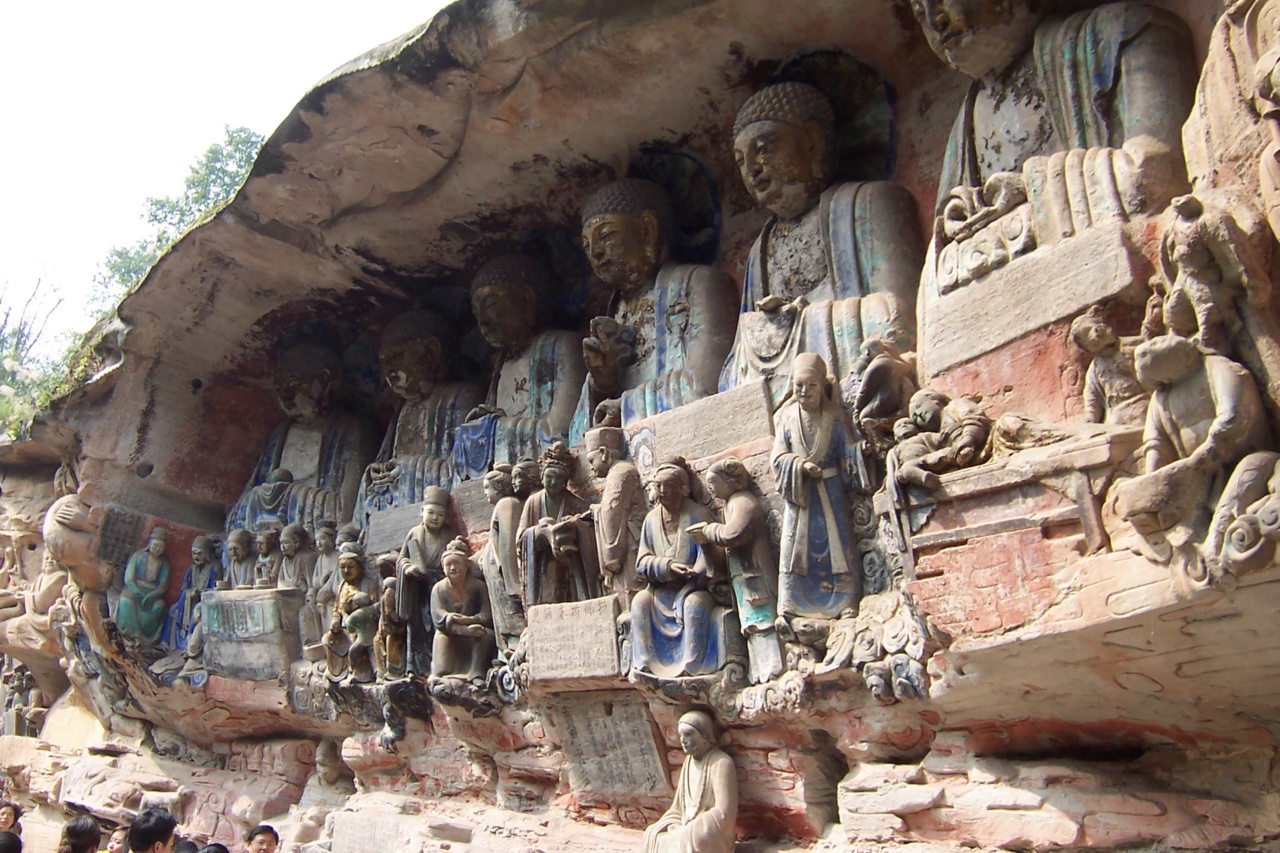
Dazu Rock Carvings: Located about 2 hours by high-speed train and bus, these UNESCO-listed Buddhist carvings date back to the 7th century. The Thousand-Hand Guanyin is a highlight. It is a full-day trip but highly recommended for history buffs.
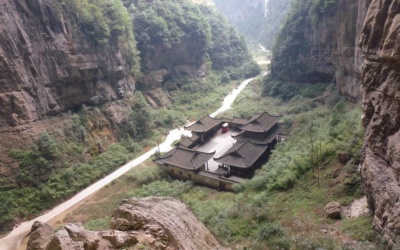
Wulong Karst National Geology Park: About 3 hours away, this park features massive natural stone bridges and deep sinkholes. It was a filming location for Transformers: Age of Extinction. It is stunning but requires a lot of walking; consider an organized tour to save time on logistics.
Fuling White Crane Ridge: An underwater museum on the Yangtze that protects ancient hydrological inscriptions. It is about an hour away by high-speed train and offers a unique look at how the river was monitored for centuries.
Sample 3-Day Itinerary
Day 1: The Heart of the Peninsula
Morning: Start at Jiefangbei to see the monument and explore the surrounding pedestrian streets. Walk to the nearby Bayi Food Street for a breakfast of Xiao Mian. Afternoon: Take the Yangtze River Cableway to the south bank and back for the views. Visit the Huguang Guild Hall to see traditional architecture. Evening: Head to Hongya Cave as the sun sets. Walk across the Qiansimen Bridge for the iconic night view of the illuminated stilt houses.
Day 2: Art and Infrastructure
Morning: Take Metro Line 2 to Liziba Station to watch the monorail pass through the apartment building. Continue to Eling Park for a panoramic view of the two rivers. Afternoon: Head to the Huangjueping Graffiti Street and explore the art installations. Visit a traditional teahouse in the area to see how locals relax. Evening: Go to Guanyinqiao in Jiangbei for modern shopping and a high-end hotpot dinner.
Day 3: Ancient Roots and Modern Heights
Morning: Visit Ciqikou Ancient Town early to avoid the heaviest crowds. Try the 'Chen Mahua' (fried dough twists). Afternoon: Return to Yuzhong and visit the Three Gorges Museum to understand the region's history and the impact of the dam. Evening: End your trip at the Raffles City Crystal observation deck or the Westin's glass-floor lounge for a final look at the city from above.
Budget Overview
| Category | Budget | Mid-Range | Comfort |
|---|---|---|---|
| Accommodation | $20 | $55 | $120 |
| Food | $10 | $25 | $50 |
| Transport | $2 | $8 | $20 |
| Activities | $5 | $15 | $30 |
| Daily Total | $37 | $103 | $220 |
Frequently Asked Questions
Is Chongqing worth visiting?
Absolutely. Chongqing offers one of the most unique urban landscapes in the world with its vertical architecture and cyberpunk aesthetic. It provides a raw, energetic look at modern China that is very different from coastal cities.
How many days do you need in Chongqing?
Three days is sufficient to see the city's main urban highlights and enjoy the food scene. If you plan to take day trips to the Dazu Rock Carvings or Wulong Karst, allow five days.
Is Chongqing safe for tourists?
Chongqing is very safe for solo and group travelers. Petty crime is rare, though you should be careful with your footing on the many steep stairs and watch for traffic in crowded areas.
What is the best neighborhood to stay in Chongqing?
Yuzhong District, specifically near Jiefangbei, is the best area for convenience. It is the city center and puts you within walking distance of major attractions and multiple subway lines.
Is Chongqing food too spicy for foreigners?
It can be very intense. Chongqing hotpot is famously spicy and numbing. You can ask for 'Wei La' (slight spice) or 'Yuan Yang Guo' (a split pot with one non-spicy side) to manage the heat.
How do I get around Chongqing without speaking Chinese?
The subway system is easy to use with English signage. For everything else, use a translation app and have AliPay or WeChat Pay set up on your phone, as most interactions are handled via these apps.
Can you drink tap water in Chongqing?
No, you should not drink tap water in Chongqing. Boiled water provided in hotels is safe, but most travelers prefer to buy cheap and widely available bottled water.
Is Chongqing expensive?
Compared to Beijing or Shanghai, Chongqing is very affordable. Street food, public transport, and mid-range hotels offer excellent value for the money.
Routes
🗺️ Getting Around Chongqing - Local Transport Guide
→ Routes from Chongqing (8)
Routes to Chongqing (6)