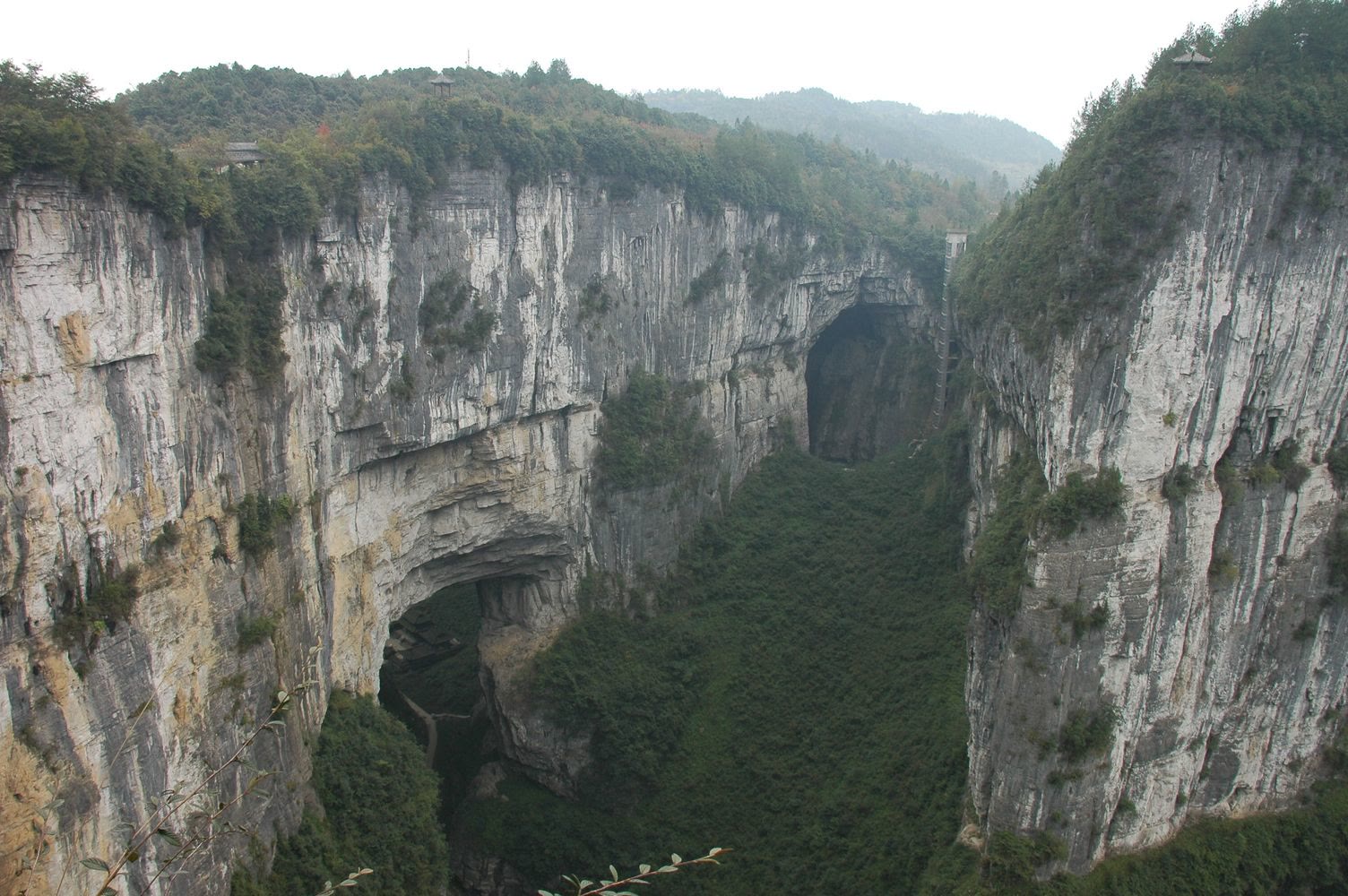
Wulong is a dramatic karst landscape in Southwest China featuring massive natural stone bridges, deep sinkholes, and ancient caves. It is a premier destination for nature lovers and hikers seeking some of the most spectacular geological formations on earth.
Wulong, officially a district of the Chongqing municipality, is a geological wonderland defined by the power of water and time. While many travelers overlook the interior of China for coastal hubs, Wulong offers a raw, vertical landscape of limestone cliffs and subterranean rivers. Wulong Karst is one component of the South China Karst World Heritage property, inscribed in 2007 for its giant sinkholes, natural bridges and caves.[1] It is a place where the scale of nature makes human structures look like toys, characterized by massive 'tiankeng' or heavenly pits that drop into lush, hidden forests.
This is not a city destination in the traditional sense; the urban center of Wulong serves merely as a base camp for the surrounding karst parks. Travelers come here for the Three Natural Bridges and the ethereal mist of Fairy Mountain, both among the scenic areas listed by the local tourism operator.[2] It is a destination that suits photographers, hikers, and those with an interest in geology.
The atmosphere in Wulong is a mix of rugged rural China and highly organized scenic tourism. You will find yourself descending glass elevators into deep chasms one hour and eating spicy Sichuan-style noodles in a foggy mountain village the next. It is a destination that requires physical stamina, as exploring the main sights involves significant walking and stair climbing, but the visual payoff is among the highest in Asia.
Orientation and Neighborhoods
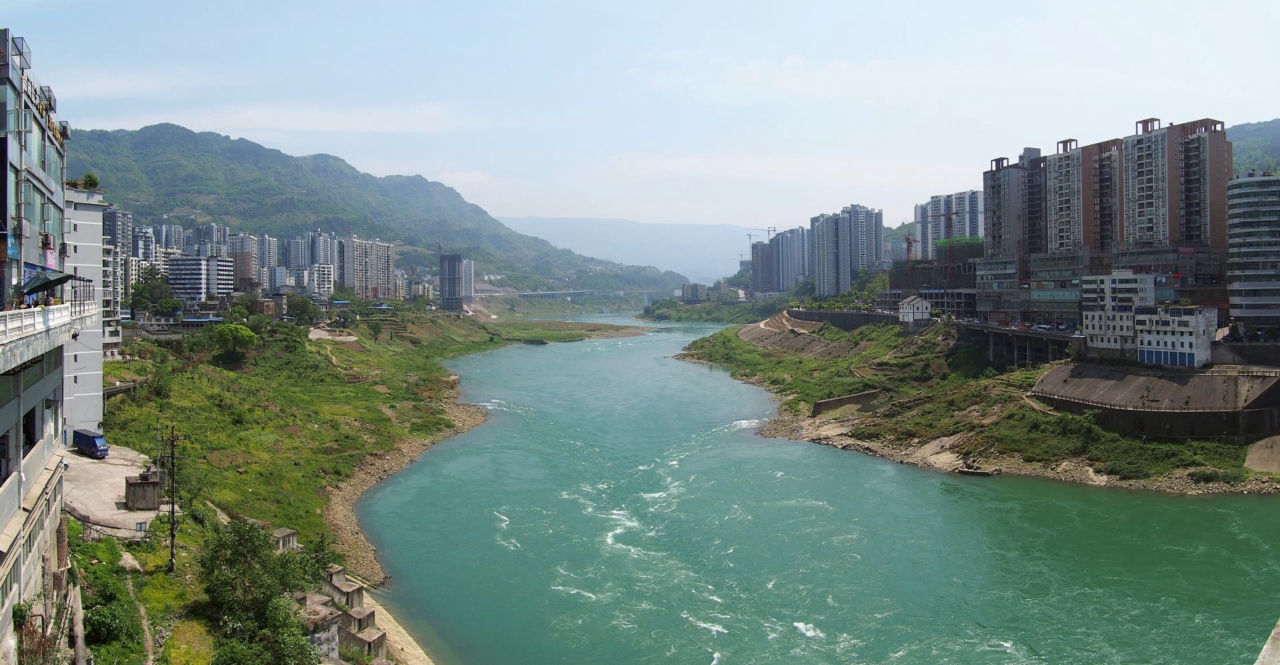
Wulong District is divided into two main areas of interest for travelers: Wulong Town and the tourist hub of Xiannvshan Town (Fairy Mountain Town). Wulong Town sits in the valley along the Wu River. It offers cheaper local food and a more authentic residential feel, but it is a drive uphill from the actual scenic spots.
Xiannvshan Town is the preferred base for most visitors. This purpose-built tourist town sits on a high plateau closer to the park entrances. It features Swiss-chalet style architecture, and a wide array of hotels ranging from budget hostels to luxury resorts. For those prioritizing convenience and proximity to nature, stay in Xiannvshan; for those on a tight budget or catching an early train, Wulong Town is better.
Things to Do
Offers are only loaded from GetYourGuide after you click. GetYourGuide can then process your IP address and set cookies. Privacy Policy
GetYourGuide partner offers. GoAsia may earn a commission if you book through these offers. Check whether tickets or transfers are included, and follow the attraction's official booking and admission rules.
Best Time to Visit
Wulong's mountainous terrain shapes its weather. Mist and fog are common, which adds to the atmosphere but can occasionally obscure views. The best time to visit is during the spring and autumn when temperatures are mild and the vegetation is at its most vibrant.
Month Range
Weather
Crowds
March to May
Mild and pleasant
Moderate
June to August
Hot, humid, rainy
High (school holidays)
September to November
Cool and crisp
Moderate
December to February
Cold, occasional snow
Low
Avoid the National Day holiday in early October (1 to 7 October in 2026) and the Lunar New Year period if you can.[3] During these times the narrow canyon paths become very crowded and hotel prices rise. Winter can be beautiful on Fairy Mountain, which can see snow, though some hiking trails in the canyons may be slippery.
Getting There and Getting Around
Most travelers arrive via Chongqing. The most efficient way to reach Wulong is by high speed train to Wulong South station. On 16 October 2026, China Railway's timetable listed G trains from Chongqing East (about 40 to 55 minutes), Chongqing West (about 1h40 to 1h55) and Chongqing North (about 1h55 to 2h25), plus slower conventional trains to Wulong station that take about 2 to 3 hours.[4]
From the station, take a local bus or taxi to Xiannvshan Town or Wulong Town. Within the scenic areas, private cars are generally restricted and shuttle buses link the visitor centers with the main attractions.
Top Sights and Experiences
The Three Natural Bridges (Tianlong, Qinglong, and Heilong)
This is the crown jewel of Wulong. These massive limestone arches span a deep gorge, Visitors descend into the gorge. At the bottom sits the Tianfu Post House, an ancient-style wooden courtyard. The local operator describes the Three Natural Bridges as the only outdoor location of the film 'Curse of the Golden Flower'.[2] Allow several hours here, and arrive early to beat the tour groups from Chongqing.
Longshuixia Fissure (Gap)
Often paired with the Three Natural Bridges, this is a narrow, deep karst canyon formed by underground rivers. The trail follows a boardwalk bolted to the cliffside, passing waterfalls and moss-covered rocks. It feels like a journey to the center of the earth. The trail can be very wet from spray, so bring a waterproof jacket.
Fairy Mountain (Xiannvshan) National Forest Park
A stark contrast to the deep canyons, this is a high-altitude grassland often called the 'Switzerland of South China'. It features rolling hills, grazing horses, and dense forests. It is a popular spot for camping in summer and skiing in winter. It is less about 'sights' and more about the fresh air and open space.
Furong Cave
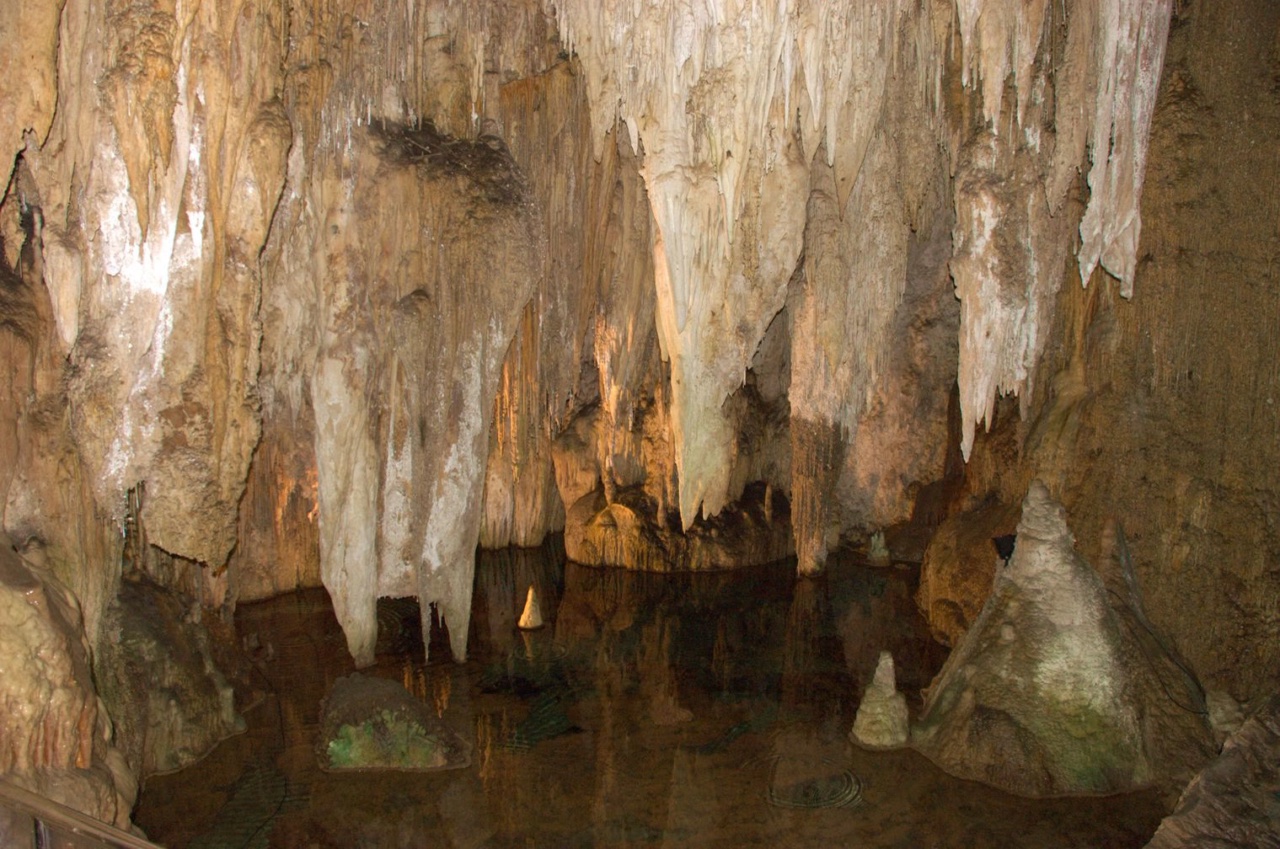
Located further away from the main hub, this is a large stalactite cave. The interior is massive and the lighting highlights formations like the 'Stone Waterfall'.
While the scale of this outdoor performance set against a limestone cliff is impressive, the narrative can be difficult to follow for non-Chinese speakers. If you have seen other 'Impression' shows in China, this may feel repetitive. Spend your time on an extra day of hiking instead.
Food and Drink
Wulong's cuisine is a subset of Chongqing's bold, spicy, and numbing flavors. The local specialty is 'Wulong Bowl Lamb' (Wulong Wanyang), a hearty stew made with local mountain goat, ginger, and chilies, which the local tourism operator lists among the region's dishes.[2] It is particularly satisfying during the foggy, damp winters.
Fresh fish from the Wu River at Jiangkou, often cooked in chili oil[2]
Immortal Tofu (Shenxian doufu)
Silky bean curd jelly served with savory or spicy toppings[2]
Fern-root cake with cured pork
Cured local pork stir-fried with fern-root cake[2]
Where to Stay
Xiannvshan Town (Mid-range to Upscale): This is the best choice for most. Look for hotels near the 'Visitor Center' to minimize walking with luggage. Many hotels here are built in a European style and offer heating, which is essential as mountain nights are cold.
Wulong Town (Budget): Ideal for backpackers. You can find clean, basic guesthouses. It is livelier at night with local markets and cheaper food options, but you will spend time every day commuting to the parks.
Fairy Mountain Forest Park (Resorts): High-end resorts located inside the park gates. These are expensive but offer total seclusion and immediate access to the grasslands. Best for families and couples on a relaxed schedule.
Practical Tips
Payment: Cash is rarely used. Alipay and WeChat Pay are the primary methods. Ensure your international card is linked to one of these apps before arriving. Carry a small amount of cash as a backup for remote mountain vendors.
Internet: A VPN is necessary to access Google, Facebook, or Instagram. Purchase an e-SIM or a local SIM card at the airport in Chongqing before heading to Wulong, as English-speaking service at Wulong phone shops is non-existent.
Language: English is very limited. Download a translation app like DeepL or Baidu Translate. Have your hotel names and destinations written in Chinese characters (Mandarin).
Walking: Wear sturdy, waterproof hiking shoes. The karst terrain is slippery, and you will do a lot of walking.
Safety: Wulong is very safe. The main hazards are slippery paths and steep drops.
Day Trips
Furong River Cruise: Located near Furong Cave, this boat trip takes you through a deep emerald-green gorge. It is a relaxing alternative to the strenuous hiking of the bridges.
Baima Mountain: Often called the 'spouse' of Fairy Mountain, this area is less developed and features the 'Flying Kiss' attraction: two rotating statues that rise over a cliff.
Chongqing City: While most come from there, if you are based in Wulong, a day trip back to Chongqing to see the Hongyadong stilt houses or the Liziba 'train through the building' is possible but exhausting. It is better to treat Chongqing and Wulong as separate stays.
Sample 3-Day Itinerary
Day 1: The Giant Bridges and Deep Fissures
Morning: Take the shuttle from the Visitor Center to the Three Natural Bridges. Descend the glass elevator and walk the valley floor, stopping at the Tianfu Post House. Afternoon: Take the connecting shuttle to Longshuixia Fissure. Walk the narrow boardwalks through the canyon. Evening: Dinner in Xiannvshan Town, trying the local Bowl Lamb.
Day 2: Subterranean Wonders and River Views
Morning: Travel to Furong Cave. Explore the massive stalactite chambers. Afternoon: Take the Furong River Cruise located right outside the cave exit. Evening: Return to Wulong Town for the riverside night market and local street food.
Day 3: The High Plateaus
Morning: Head to Fairy Mountain National Forest Park. Take the small train to the grasslands and enjoy a light hike or horse riding. Evening: Catch the late afternoon high-speed train back to Chongqing.
Frequently Asked Questions
Is Wulong worth visiting?
Yes, Wulong is absolutely worth visiting for its unique UNESCO-listed karst landscapes, which are among the most dramatic in China. It offers a scale of natural beauty that is difficult to find anywhere else, especially the Three Natural Bridges and the Longshuixia Fissure.
How many days do you need in Wulong?
Two full days are usually enough to see the primary sights like the Three Natural Bridges, the Fissure, and Fairy Mountain. Adding a third day allows for a more relaxed pace to visit Furong Cave or the Furong River.
Is Wulong safe for tourists?
Wulong is extremely safe for international travelers, with very low crime rates. The primary safety concerns are physical, such as slippery stairs in the canyons and steep drops, so wearing proper footwear and staying on marked paths is essential.
How do I get to Wulong from Chongqing?
The fastest way is by high speed train to Wulong South station. On 16 October 2026 the G trains took about 40 to 55 minutes from Chongqing East, about 1 hour 40 to 1 hour 55 minutes from Chongqing West and about 1 hour 55 to 2 hours 25 minutes from Chongqing North. Slower conventional trains to Wulong station take about 2 to 3 hours.
What is the best neighborhood to stay in Wulong?
Xiannvshan Town (Fairy Mountain Town) is the best place to stay for proximity to the parks and the Visitor Center. Wulong Town, in the valley, is better for budget travelers and those who want local food.
Can you visit Wulong as a day trip from Chongqing?
It is possible by high speed train, but a day trip only lets you see one major site, such as the Three Natural Bridges, so an overnight stay is highly recommended.
Is English widely spoken in Wulong?
English is not widely spoken. Most signage in the parks is translated, but staff at hotels and restaurants will likely only speak Mandarin. You should have a translation app and your addresses written in Chinese.
What should I pack for Wulong?
Pack sturdy hiking shoes with good grip, a waterproof jacket (even in summer, as the canyons are damp), and layers for the mountain air. A power bank is also essential as you will rely on your phone for payments and navigation.
Sources and background
Numbers in the text such as [1] refer to these sources.
[1]UNESCO World Heritage Centre: South China Karst. Retrieved October 15, 2026.