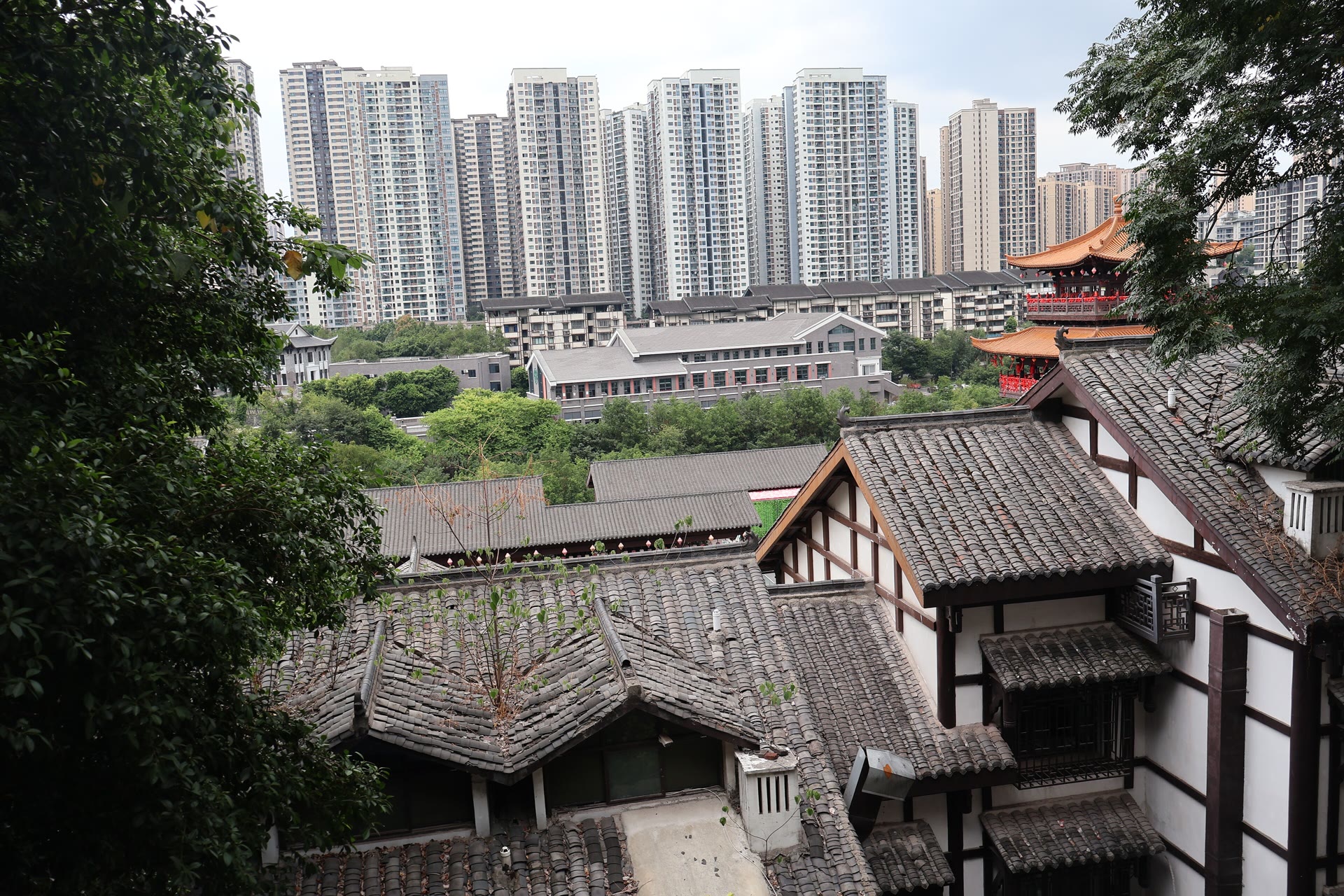
Ciqikou Ancient Town sits on the banks of the Jialing River in western Chongqing, a cluster of sloping stone lanes, timber shopfronts, and teahouses that hint at how this hilly port city looked before the skyscrapers arrived. Once a busy dock for ceramics and goods moving along the river, the district takes its name from the porcelain trade that gave it commercial life for centuries. Today it survives as a compact, walkable old quarter that most travelers can cover in a half day.
For independent visitors, Ciqikou offers an easy and satisfying introduction to Chongqing's flavor without the steep climbs and traffic of the central districts. It is touristy, loud, and unapologetically commercial along its main spine, but it also rewards anyone willing to slip into the quieter side lanes where the crowds thin and the older architecture comes into focus. The mix of spicy snacks, street performers, tea culture, and river views makes it one of the city's most popular outings.
This guide covers how to reach Ciqikou by metro, what the atmosphere is really like, where to find the calmer corners, what street food to seek out, and how to pair the visit with the rest of central Chongqing so the trip feels coherent rather than a detour.
What Ciqikou Is and Why It Matters
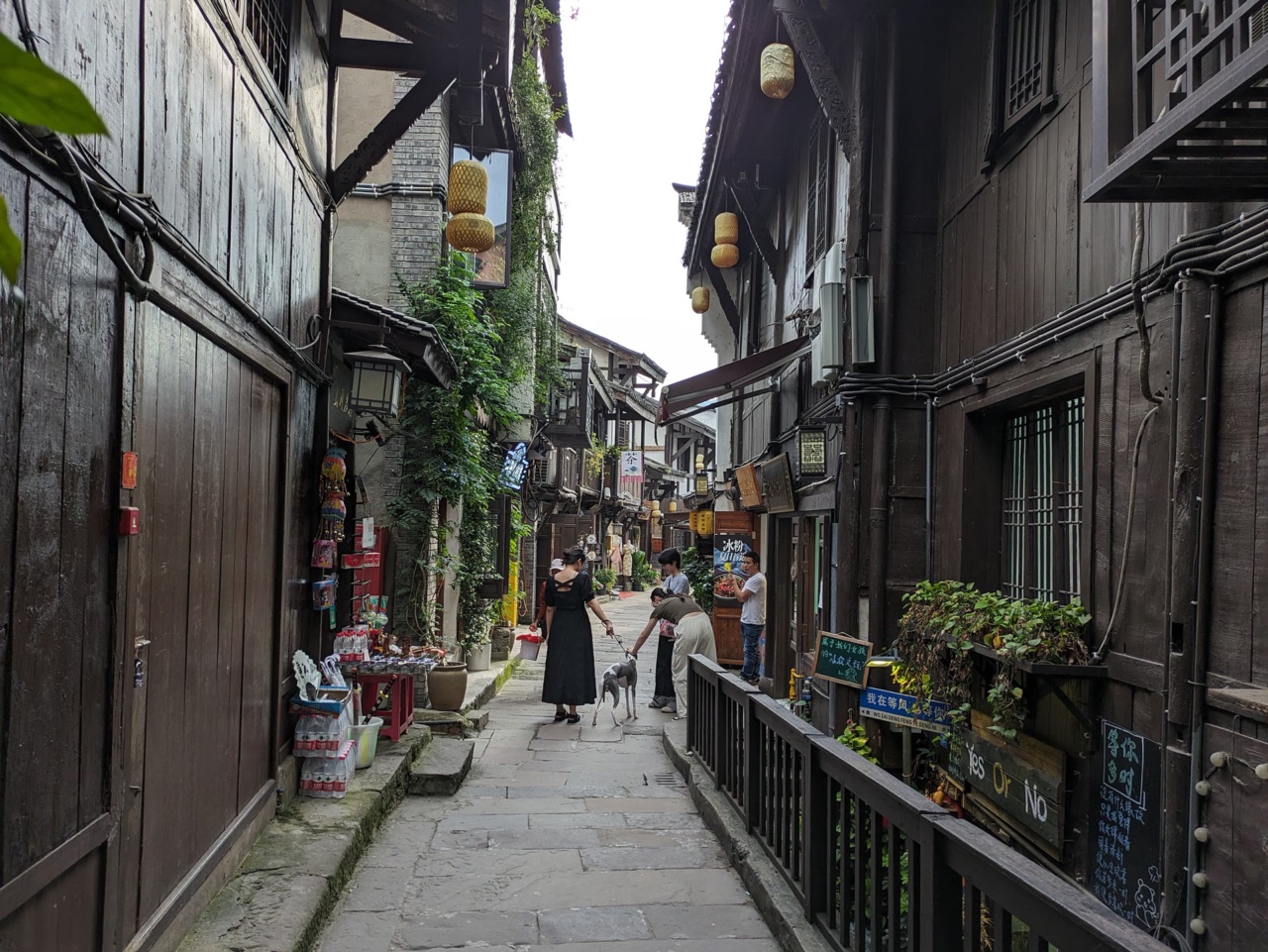
Ciqikou was historically a working river port. Boats unloaded porcelain, salt, and other trade goods here, and the dense maze of lanes climbing up from the water reflects centuries of organic growth rather than planned design. The name translates roughly as porcelain port, a direct reference to the ceramics that passed through. Many of the structures you see today are preserved or restored in a traditional Sichuan-Chongqing style, with wooden facades, gray tiled roofs, and narrow stepped alleys.
For the modern traveler, the value of Ciqikou is not in any single monument. There is no must-see temple or palace that anchors the visit. Instead, the appeal is the cumulative experience: walking the lanes, tasting regional snacks, hearing the clatter of teahouses, and getting a feel for the texture of old Chongqing in a manageable footprint. It functions as a living food street and shopping district layered on top of a historic shell.
This makes it ideal for short-stay visitors who want one concentrated dose of local character. It is also family friendly, flat-footed compared to the rest of vertical Chongqing along its main routes, and easy to combine with other sights.
Things to Do
How to Get There by Metro
The most reliable way to reach Ciqikou is by Chongqing's metro system, which avoids the city's notorious traffic and steep road grades. Ciqikou has its own station served by the rail network, and the walk from the station exit down to the old town entrance is short and clearly signed, mostly downhill toward the river.
Confirm the current line and station name on a mapping app before you set out, as Chongqing's network has expanded and route details can change. From central districts such as Jiefangbei or the area around Hongya Cave, the metro ride typically takes somewhere in the range of half an hour to forty-five minutes depending on transfers. Riding the metro here is also part of the experience, since Chongqing's trains famously thread through buildings and across deep valleys.
Buy a stored-value transit card or use a mobile payment method linked to the metro if your phone setup allows it. Single-journey tickets are available from machines at each station and are inexpensive. Taxis and ride-hailing also work, but during peak hours road congestion and the difficulty of finding a drop-off point near the crowded entrance make the metro the smarter choice.
The Atmosphere: Crowded Main Spine, Quiet Side Lanes
Be honest with yourself about expectations. The central pedestrian street of Ciqikou is intensely commercial and, on weekends and holidays, extremely crowded. Vendors hawk snacks, souvenir stalls sell similar trinkets, and amplified music competes with the crush of visitors. If you arrive expecting a sleepy, untouched village, you will be disappointed.
The trick is to treat the main street as just one layer. Branch off into the narrower side lanes that climb away from the principal route, and the mood shifts quickly. These quieter alleys reveal weathered wooden houses, small courtyards, local residents going about their day, and occasional viewpoints over the river and rooftops. Here you can appreciate the old-town fabric without elbowing through crowds.
A good strategy is to walk the main street once to get oriented and sample food, then deliberately wander uphill and sideways into the lanes with no fixed plan. Getting mildly lost in Ciqikou is part of the pleasure, and the district is small enough that you will never be far from a recognizable landmark or a way back down.
What to See and Do
Ciqikou is built for grazing and wandering rather than ticking off attractions, but a few elements give structure to a visit.
Teahouses
Traditional teahouses are central to Chongqing's old culture, and Ciqikou has several where you can sit, order a pot of tea, and watch the lanes go by. Some host occasional performances of local opera or storytelling. Sitting in a teahouse for half an hour is one of the most genuinely restful things to do here and a welcome break from the crowds.
Temples and Old Architecture
There are small temple sites and historic buildings scattered through the district. None require lengthy visits, but they add context and offer quieter spaces. Look for the older residential architecture in the upper lanes, where the construction and layout best reflect the town's past.
River Views
The Jialing River frames the town, and walking toward the water gives you a sense of why this spot mattered as a port. Viewpoints from the higher lanes look out over the river and the urban skyline beyond, a striking juxtaposition of old and new Chongqing.
Shopping and Crafts
Stalls and shops sell everything from porcelain and tea to chili products, dried snacks, and standard tourist souvenirs. The quality and authenticity vary widely. If you want something genuinely local, regional chili and spice products, tea, and certain handmade crafts are reasonable picks. Bargaining is sometimes possible at smaller stalls, less so at fixed-price shops.
Eating Your Way Through Ciqikou
Food is the main reason many people come, and Ciqikou is one of the easiest places in the city to sample Chongqing's spicy, intense flavors in snack form. Portions are small, prices are low, and you can taste many things in one walk.
Look for these specialties and street snacks:
- Mahua (fried dough twists) are perhaps the signature souvenir snack of Ciqikou. You will see shops with long queues frying and packaging these crunchy twists in sweet and savory flavors, including spicy versions.
- Spicy skewers and grilled items coated in chili and Sichuan peppercorn are everywhere. The numbing-spicy combination is the defining sensation of Chongqing cuisine.
- Suan la fen (hot and sour glass noodles) is a classic local bowl: chewy sweet potato noodles in a tangy, fiery broth.
- Liangfen and liangmian, cold jelly and cold noodle dishes dressed in chili oil, offer a refreshing counterpoint on a hot day.
- Various stuffed buns, tofu snacks, and sweet treats fill out the stalls for those who want a break from heat.
A few practical food tips. Spice levels here are real, so ask for milder versions if your tolerance is low, though staff may not always understand requests in English. Carry small cash or have a working mobile payment method, since many stalls move fast and prefer quick transactions. Eat at stalls with high turnover and visible cooking for freshness, and pace yourself so you can try several things rather than filling up at the first vendor.
How Much Time You Need
Most travelers find that two to four hours covers Ciqikou comfortably, including time to eat, browse the lanes, and sit in a teahouse. If you are a fast walker focused only on the main street, you could see the highlights in around ninety minutes, but that misses the quieter and more rewarding side alleys.
Treat it as a half-day outing rather than a full-day destination. Combining it with another nearby activity or a meal in central Chongqing makes for a well-balanced day. It is not large enough to justify a dedicated full day on its own unless you want a very slow, food-focused wander.
Best Time to Visit
Timing dramatically affects the experience because crowds are the single biggest variable. Weekday mornings are the most pleasant, with fewer visitors and cooler temperatures. Weekends, public holidays, and the middle of the day bring dense crowds that can make the main street uncomfortable.
Chongqing summers are hot and humid, so an early start helps you beat both heat and crowds. The shoulder seasons of spring and autumn are generally the most comfortable for walking. Evenings have their own appeal, with lanterns lit and a lively atmosphere, though the commercial intensity peaks then too. If you dislike crowds, prioritize a morning arrival.
Tickets and Access
Entry to the Ciqikou district itself is generally free, since it functions as an open public street rather than a gated attraction. You pay only for what you eat, buy, or for any specific small sites or performances that charge admission. This makes it an easy, low-commitment stop.
Because operational details such as specific opening hours of individual teahouses, shops, or any ticketed buildings can change, verify current information before relying on it. The district as a whole is accessible throughout the day, but individual vendors keep their own hours and tend to be busiest in the late morning through evening.
Pairing Ciqikou With Central Chongqing
Ciqikou works best as part of a broader Chongqing itinerary rather than an isolated trip. The metro connection makes it easy to combine with the central districts. Here is a rough comparison of how a Ciqikou visit fits alongside other popular city experiences to help you plan.
| Experience | Vibe | Time Needed | Best Paired With |
|---|---|---|---|
| Ciqikou Ancient Town | Old lanes, street food, teahouses | 2 to 4 hours | A daytime add-on before evening city sights |
| Hongya Cave | Stilted riverside complex, dramatic at night | 1 to 2 hours | Evening, after a daytime Ciqikou visit |
| Jiefangbei area | Central shopping and dining hub | 1 to 3 hours | Meals, nightlife, central base |
| Yangtze River cableway or cruise | Skyline and river perspectives | 1 to 2 hours | Pairs with central sights |
A practical day plan: arrive at Ciqikou in the morning for food and lanes, return to central Chongqing by metro for lunch or rest, then explore the central districts and end the day at a riverside viewpoint or the illuminated Hongya Cave complex after dark. This sequence keeps the crowds and heat manageable and lets you see both the historic and the modern faces of the city.
For more route ideas and city pairings across the region, GoAsia.cc is a useful place to continue planning your wider China and Asia travels.
Practical Tips for Visiting Ciqikou
- Go early on a weekday if you can, to enjoy the lanes before the worst crowds and midday heat arrive.
- Wear comfortable shoes with grip. The stone lanes are uneven and can be slippery, especially after rain or near food stalls.
- Carry a working mobile payment option. Many vendors expect quick digital payments, though small cash is a useful backup for tiny stalls.
- Manage spice expectations. Chongqing food is genuinely fiery and numbing. Sample in small amounts and keep water or a sweet drink handy.
- Venture off the main street. The quieter upper lanes are where the historic character and best photos are, and where you escape the commercial crush.
- Watch your belongings in crowds. Dense pedestrian areas anywhere call for normal vigilance with bags and phones.
- Limit how much you buy on the main spine. Souvenir prices and quality vary, and similar items appear in shop after shop, so compare before committing.
- Use the metro both ways. Driving and parking near the entrance is frustrating, while the rail link is fast and cheap.
Honest Downsides to Expect
Ciqikou is not a hidden gem, and treating it as one will lead to letdown. The main street is heavily commercialized, repetitive in its offerings, and can feel like a tourist machine at peak times. Some snacks are aimed squarely at visitors rather than reflecting deep local tradition, and the constant noise and crowds wear on people who prefer calm.
That said, the criticism is mostly about expectations. As a tasty, easy, low-cost half-day that captures a slice of old Chongqing and lets you eat well, it delivers. Approach it as a lively food and atmosphere outing, prioritize the quiet lanes and a teahouse pause, and you will likely leave satisfied rather than overwhelmed.
Final Thoughts
Ciqikou Ancient Town is the most accessible way to taste old Chongqing's character without the city's relentless verticality. Reach it easily by metro, walk the historic lanes, graze on spicy snacks, sit for tea, and then return to the modern center for the dramatic skyline and riverside lights. Plan around crowds and heat, lean into the side lanes, and it becomes a memorable and uncomplicated highlight of a Chongqing visit.
Frequently Asked Questions
Most travelers spend two to four hours, which covers the main street, the quieter side lanes, some street food, and a teahouse break. It works best as a half-day outing rather than a full day. Combine it with central Chongqing sights for a balanced itinerary.
Entry to the district itself is generally free since it functions as an open public street. You only pay for food, shopping, or any specific ticketed buildings or performances inside. Verify current details for individual sites before you rely on them, as hours and charges can change.
The metro is the easiest and most reliable option, with a dedicated Ciqikou station a short downhill walk from the old town entrance. From central districts the ride typically takes around thirty to forty-five minutes depending on transfers. Confirm the current line and station name on a mapping app before setting out.
Weekday mornings are quietest and coolest, while weekends, holidays, and midday bring heavy crowds. Chongqing summers are hot and humid, so an early start helps with both heat and congestion. Spring and autumn are the most comfortable seasons for walking the lanes.
Look for mahua fried dough twists, spicy grilled skewers, hot and sour glass noodles, and cold chili-oil noodle dishes. Portions are small and cheap, so you can sample several things in one walk. Ask for milder versions if you are sensitive to spice, and keep water handy.
Yes, if you set the right expectations. The main street is busy and touristy, but the quieter upper lanes preserve genuine old-town character and river views. Treat it as a lively food and atmosphere stop, explore the side alleys, and it delivers a satisfying taste of old Chongqing.
Common pairings include the central Jiefangbei shopping area, the stilted Hongya Cave complex which is best at night, and Yangtze River viewpoints or the cableway. A good plan is Ciqikou in the morning, central sights in the afternoon, and illuminated riverside spots after dark.