Lingyin Temple: Hangzhou's Forest Monastery and the Feilai Feng Carvings

Lingyin Temple: Hangzhou's Forest Monastery and the Feilai Feng Carvings

Last updated: June 9, 2026

Tucked into a wooded valley west of Hangzhou's West Lake, Lingyin Temple is one of the oldest and most revered Buddhist monasteries in China. Founded more than 1,600 years ago by an Indian monk who is said to have named the surrounding peak after a mountain in his homeland, the temple has burned, fallen, and been rebuilt many times over the centuries. What remains today is a working monastery where monks chant daily, incense smoke drifts through ancient halls, and pilgrims still climb the stone steps to pray.

For travelers, Lingyin offers two distinct experiences side by side. The first is the temple itself, a sequence of grand timber halls rising up a forested slope. The second, and the one many visitors underestimate, is Feilai Feng, the limestone hill facing the temple, whose grottoes and cliff faces are carved with hundreds of Buddhist figures dating back roughly a thousand years. Together they form one of the most atmospheric half-day excursions in eastern China.

The catch is that Lingyin is not a single ticket and not a quick stop. The site sits inside a larger scenic area, the carvings and the temple are charged separately, and crowds can be intense on weekends and holidays. This guide walks through exactly how the access works, what to prioritize, and how to fold it into a Hangzhou itinerary built around West Lake.

What Lingyin Temple Actually Is

The name Lingyin translates roughly as "Temple of the Soul's Retreat" or "Hidden Souls," a fitting label for a place set deep in a green valley away from the city bustle. It belongs to the Chan school of Buddhism, the Chinese tradition that later spread to Japan as Zen. At its historical peak the temple complex held thousands of monks and dozens of halls, and even today it is one of the largest and wealthiest monasteries in the country.

The architecture climbs the hillside in a series of terraces connected by stone staircases. The first major structure is the Hall of the Heavenly Kings, guarded by four imposing painted figures. Beyond it stands the Mahavira Hall, the main hall, which houses a towering seated Buddha carved from camphor wood and covered in gold. Further up the slope are additional halls dedicated to medicine Buddhas, bodhisattvas, and arhats, the last of which includes a vast room filled with hundreds of individually sculpted figures. Plan to climb steadily, as the upper halls reward the effort with fewer crowds and better hillside views.

Things to Do

Feilai Feng: The Carvings You Should Not Skip

Many first-time visitors come for the temple and treat Feilai Feng as background scenery. That is a mistake. Feilai Feng, often translated as "the Peak That Flew Here," is a craggy limestone outcrop directly across from the temple entrance, and its rock faces, overhangs, and cave mouths are studded with Buddhist carvings created over several dynasties.

The most famous figure is a rotund, smiling Maitreya Buddha, often called the Laughing Buddha, reclining against the cliff with attendants around him. Surrounding him are smaller niches and reliefs tucked into the rock, some weathered, some surprisingly crisp, ranging in style across centuries of patronage. A walking path winds along the base of the hill and into shaded grottoes, following a clear stream. It is cooler here than in the open temple courtyards, and on a hot day the carvings route is the more comfortable half of the visit.

Allow at least 45 minutes to an hour for Feilai Feng alone if you want to find the main carvings and explore the small caves. Bring a flashlight or use your phone light for the darker grottoes, and watch your footing on damp stone.

The Two-Ticket System Explained

This is the single most confusing thing about Lingyin, so it is worth getting straight before you arrive. Access is typically split into two layers:

  • The scenic area ticket (Feilai Feng). This grants you entry to the wider forested grounds, including the Feilai Feng carvings and the walking paths. You usually pay this first, at the outer gate.
  • The temple ticket. Lingyin Temple itself charges a separate admission, purchased after you are already inside the scenic area, at the temple's own entrance. This second ticket sometimes includes a few sticks of incense as part of the entry.

In practice this means a visitor who wants the full experience pays twice. Some travelers who only want the carvings and the forest skip the temple ticket, but most people come specifically for the monastery, so budget for both. Prices and the exact arrangement can change, so confirm the current fares and whether online or QR-code booking is required before you go. Many Chinese attractions now favor advance reservations through mini-programs, and Lingyin sees enough demand that pre-booking during busy periods is wise.

Incense and Temple Etiquette

Lingyin is an active place of worship, not a museum, and locals come to pray and offer incense in earnest. As a visitor you are welcome, but a little awareness goes a long way.

  • Bring or use the provided incense, not your own large bundles. Many temples now restrict the size and quantity of incense for fire-safety and air-quality reasons, and the small portion included with your ticket is usually plenty. Light it, hold it with both hands, bow slightly toward the hall, and place it in the communal burner outside.
  • Do not photograph the Buddha statues inside the halls where signs prohibit it. Photography rules vary by hall, so look for posted notices. Exterior shots and the carvings are generally fine.
  • Step over the raised thresholds, not on them. The wooden sills at hall entrances are traditional and should not be trodden on.
  • Keep your voice low inside the halls, especially when monks are chanting or worshippers are kneeling.
  • Dress with reasonable modesty. There is no strict dress code, but covering shoulders and avoiding very short shorts shows respect at a religious site.

How to Get There

Lingyin sits in the hills northwest of West Lake, roughly a 20 to 40 minute ride from central Hangzhou depending on traffic and your starting point.

By taxi or ride-hailing

The simplest option for most international visitors is a taxi or a ride booked through a Chinese ride-hailing app. Ask for or set the destination to Lingyin Temple or Feilai Feng. Traffic into the temple road can be slow on weekends and holidays, and drivers may drop you a short walk from the gate during peak congestion.

By bus

Several public bus routes connect West Lake and downtown Hangzhou to the Lingyin area, terminating at or near the scenic area entrance. Buses are cheap and frequent but can be crowded and signage is largely in Chinese, so use a mapping app with live transit directions and have the Chinese name of the temple saved. The bus is the budget-friendly choice if you are comfortable navigating local transit.

By metro plus connection

Hangzhou's metro does not run directly to the temple gate, so a metro ride still ends with a bus, taxi, or longer walk. For most travelers a direct taxi or a single bus is more efficient than a multi-leg metro journey.

How Much Time to Budget

A focused visit covering both Feilai Feng and the temple takes around two to three hours. Add buffer time for ticket lines, the walk in from the gate, and rest stops on the climb. If you want to explore the quieter upper halls, linger at the carvings, and avoid rushing, half a day is comfortable.

Visit styleWhat you seeTime needed
Quick highlightsMain halls and the Laughing Buddha carvingAbout 1.5 hours
Standard visitFull temple climb plus Feilai Feng grottoes2 to 3 hours
Unhurried half-dayTemple, all carvings, side paths, and tea break3.5 to 4 hours

Best Time to Visit

Lingyin is open year round, and each season has a different character. Spring and autumn are the most pleasant, with mild temperatures and good light filtering through the trees. Hangzhou summers are hot and humid, but the shaded valley and stream around Feilai Feng make the carvings route more bearable than the open temple courtyards. Autumn brings color to the surrounding hills and is arguably the prettiest time, though it also draws crowds.

For timing within the day, arrive early. The site opens in the morning, and the first hour or two before tour groups stream in is by far the best window for both photography and a calmer atmosphere. By midday on a weekend the staircases can be packed. Late afternoon thins out somewhat but you risk running short on time before closing, so confirm current opening hours in advance.

Avoid major Chinese public holidays if you possibly can. During the national holiday weeks the temple becomes extremely crowded with domestic pilgrims and tourists, lines lengthen, and the experience shifts from contemplative to chaotic.

Pairing Lingyin With West Lake

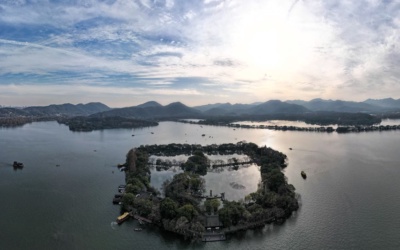
Lingyin works best as part of a Hangzhou day built around West Lake, the city's defining attraction and a UNESCO World Heritage cultural landscape. The temple is close enough to the lake's western shore that you can combine both in a single full day with sensible planning.

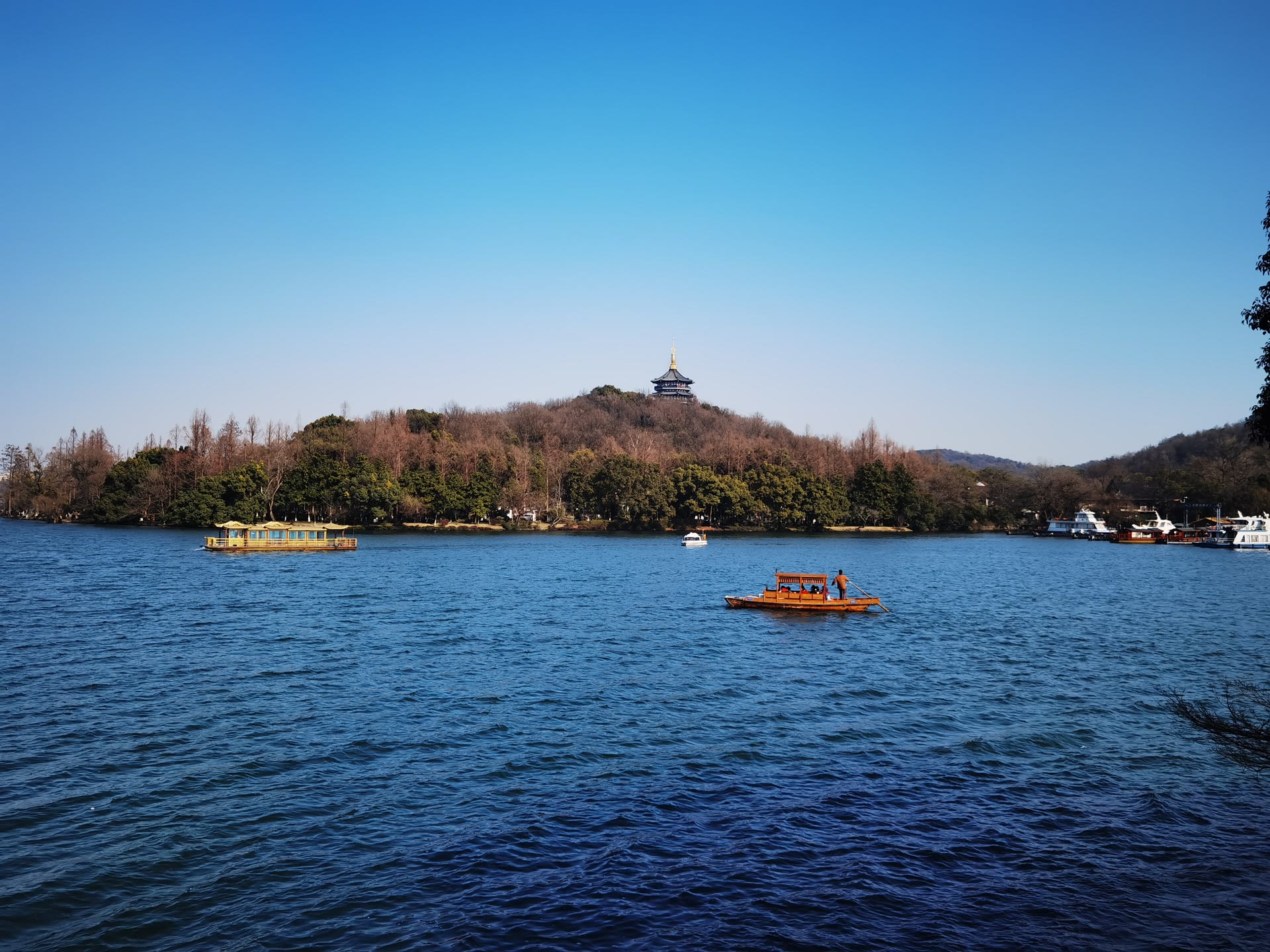
A common and effective routine is to visit Lingyin in the morning when it is coolest and least crowded, then head to West Lake for the afternoon and evening. The lake's causeways, gardens, pagodas, and tea villages are ideal for a slower afternoon stroll or a boat ride, and sunset over the water is a Hangzhou classic. The hills between Lingyin and the lake also hold tea-growing villages where you can taste the region's famous Longjing (Dragon Well) green tea, which makes a natural midday stop between the two.

If you only have a single day in Hangzhou, prioritize Lingyin in the morning, a tea-village or lakeside lunch, and a West Lake afternoon. With two days you can give each its own unhurried half. For broader help shaping a Zhejiang or wider China route, GoAsia.cc is a useful place to keep planning the rest of your trip.

Realistic Downsides and Common Mistakes

Lingyin deserves its reputation, but it is worth going in with clear expectations.

  • It is busy. As one of China's most famous temples, it draws large numbers of domestic pilgrims and tour groups. If you imagine a silent forest retreat, you may be disappointed at peak times. Early mornings and weekdays are your defense.
  • The two-ticket structure surprises people. Travelers regularly pay the scenic-area fee expecting it to cover the temple, only to find a second gate and a second charge inside. Plan for both costs.
  • There is a lot of climbing. The halls rise up the hillside on stone steps. It is not extreme, but it is sustained, and the upper halls require effort. Wear comfortable shoes and pace yourself in heat.
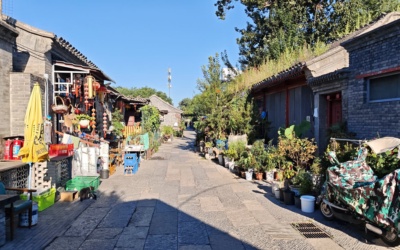
  • Commercial fringe. The approach and surrounding scenic area include vendors, photo spots, and the usual tourist commerce. The temple core remains genuinely sacred, but the edges feel touristy.
  • Underestimating Feilai Feng. Rushing past the carvings to reach the temple is the most common regret. The grottoes are a major reason the site is special, so give them real time.

Practical Tips for a Smooth Visit

  • Confirm tickets and booking before arrival. Check current admission fees for both the scenic area and the temple, and whether advance online reservation or a QR-code entry is required, especially in peak season.
  • Go early. Aim to be at the gate near opening time to beat tour buses and enjoy cooler, quieter halls.
  • Carry cash and a payment app. Mobile payment dominates in China, so set up a usable payment method, but a little cash is a helpful backup at small vendors.
  • Use the included incense rather than buying large bundles. It is more respectful, safer, and avoids overspending on unnecessary offerings.
  • Bring water and a hat in summer, and a light layer in cooler months, since the valley can feel chilly in the shade.
  • Save the Chinese name of the temple in your maps app and to show drivers, as English signage and English-speaking staff are limited.
  • Photograph respectfully. Skip flash, obey no-photography signs inside halls, and avoid pointing cameras at people praying.
  • Build in a tea stop. A Longjing tea tasting in the nearby hills is a relaxing and authentically local way to break up the day between the temple and the lake.

Final Thoughts

Lingyin Temple rewards travelers who treat it as more than a checkbox. Give it a morning, climb past the busy lower halls to the quieter upper terraces, spend real time tracing the thousand-year-old carvings across Feilai Feng, and observe the rhythm of a living monastery rather than just photographing it. Pair it with an afternoon at West Lake and a cup of Dragon Well tea, and you have one of the most complete days available anywhere in eastern China.

Frequently Asked Questions

How long should I spend at Lingyin Temple?

Budget two to three hours to cover both the temple halls and the Feilai Feng carvings at a reasonable pace. If you want to explore the quieter upper halls and linger at the grottoes, allow a half day. Arriving early helps you do more before the crowds build.

Do I need to pay separately for the temple and the carvings?

Yes. Access is typically split into a scenic-area ticket covering Feilai Feng and the grounds, and a separate temple admission paid at Lingyin's own entrance inside the scenic area. Most visitors pay both, and prices can change, so confirm current fares and any advance booking requirement before you go.

How do I get to Lingyin Temple from West Lake?

It is roughly a 20 to 40 minute trip depending on traffic. The easiest option is a taxi or a ride booked through a Chinese ride-hailing app, set to Lingyin Temple or Feilai Feng. Several public buses also connect West Lake and downtown Hangzhou to the scenic area gate for a cheaper ride.

What is the best time of day and year to visit?

Arrive near opening time to enjoy cooler, calmer halls before tour groups arrive. Spring and autumn offer the most pleasant weather, while the shaded carvings route is welcome relief in humid summers. Avoid major Chinese public holidays, when the temple becomes extremely crowded.

Can I take photos inside the temple?

Photography of exteriors, courtyards, and the Feilai Feng carvings is generally fine, but many halls prohibit photographing the Buddha statues. Look for posted signs, avoid flash, and never point a camera at people who are praying.

Is Lingyin Temple worth visiting if I already plan to see West Lake?

Yes, and the two pair naturally into a single full day. Visit Lingyin in the morning when it is coolest and least crowded, then spend the afternoon and sunset at West Lake. A tea tasting in the hills between them makes a relaxing midday break.

What should I know about incense etiquette here?

Lingyin is an active monastery, so treat offerings respectfully. Use the small amount of incense often included with your ticket rather than buying large bundles, hold it with both hands, bow toward the hall, and place it in the communal burner outside. Many temples now limit incense for fire safety.