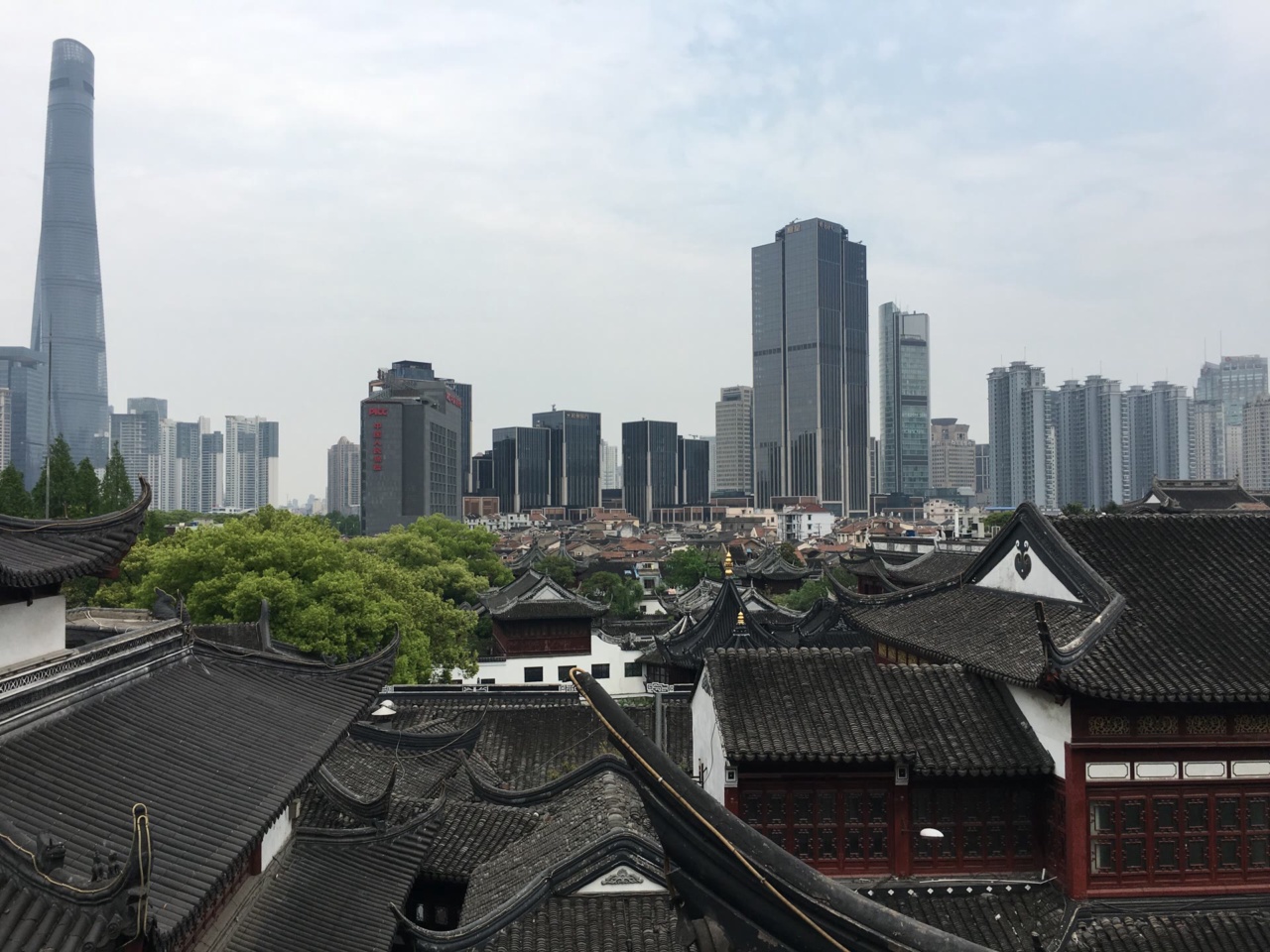
In a city defined by its glass towers and futuristic riverfront, Yu Garden is the place where Shanghai remembers it once had walls, courtyards, and a slower rhythm. Tucked into the heart of the Old City, this Ming dynasty garden was built more than four centuries ago by a wealthy official as a private retreat for his aging parents. Today it survives as one of the most complete classical gardens in southern China, a maze of rockeries, ponds, pavilions, and dragon-topped walls just a short walk from the elevated highways and shopping streets.
What makes Yu Garden confusing for first-time visitors is that it is really two things wearing the same name. There is the historic walled garden itself, which charges admission, and there is the sprawling commercial bazaar that surrounds it, which is free to wander and packed with shops, snack stalls, and tour groups. Many travelers arrive expecting tranquil scholar gardens and instead find themselves swept into a crowd outside a souvenir market. Understanding the difference before you go is the single most useful thing you can do.
Handled well, a half-day here gives central Shanghai a historic counterpoint to the Bund and Pudong skyline. Handled badly, it becomes a frustrating crush of selfie sticks and overpriced trinkets. This guide walks you through what the garden actually is, how to time your visit, and how to slip away from the busiest lanes.
What Yu Garden Actually Is
Yu Garden, sometimes written Yuyuan, translates roughly as the Garden of Peace and Comfort. It was laid out during the Ming dynasty by Pan Yunduan, an official who poured years and a fortune into creating an idealized landscape in miniature. Classical Chinese gardens are not about flowers or open lawns. They are designed as a sequence of framed scenes, where rocks stand in for mountains, ponds suggest lakes, and every doorway and window deliberately frames a view. You are meant to wander slowly, with vistas revealed and hidden as you move.
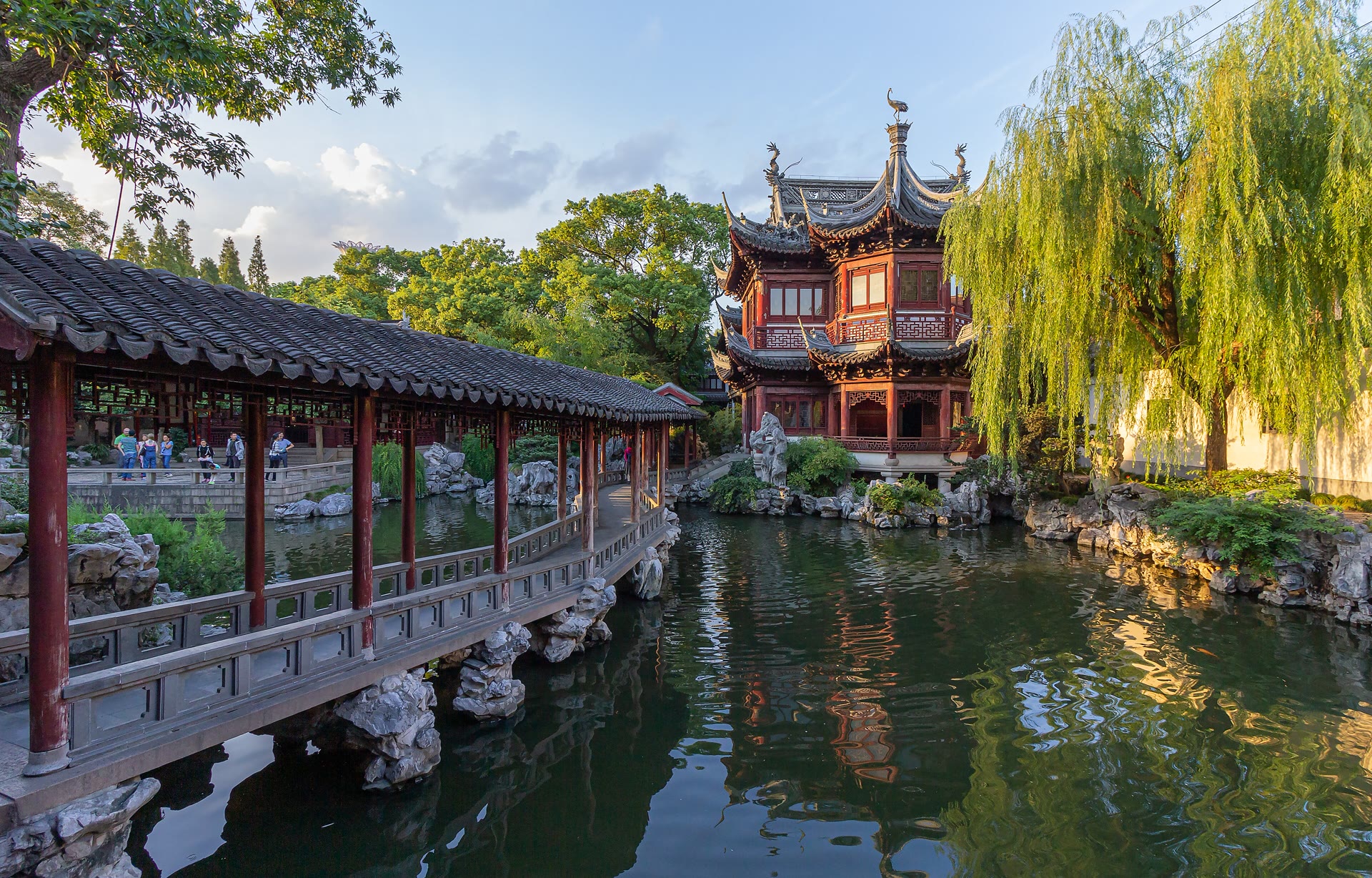
The garden covers around two hectares, which is compact by the standards of imperial parks but dense with detail. Highlights include the Grand Rockery, a towering artificial mountain of yellowstone meant to evoke the cliffs of the Yangtze region, and the Exquisite Jade Rock, a porous and dramatically eroded limestone boulder that is one of the garden's most prized objects. Look for the undulating dragon walls, where ridge tiles form the scaly body of a dragon ending in a sculpted head, a clever feature that let the owner enjoy imperial dragon imagery without breaking strict rules about who could display five-clawed dragons.
Pavilions, covered walkways, halls, and a small theater stage are scattered throughout, connected by zigzag bridges designed in part to confuse evil spirits, which were believed to travel only in straight lines. The garden suffered damage over the centuries through war and neglect, and much of what you see has been restored, but the bones and the design philosophy remain authentic and genuinely worth seeing.
Things to Do
Garden Versus Bazaar: The Key Distinction
Surrounding the walled garden is the Yuyuan Bazaar, also called the Yu Garden Market or Old Street. This is a large pedestrian district built in a traditional architectural style, with curved roofs, lanterns, and clustered shops. It looks historic but is largely a modern commercial development designed to evoke old Shanghai. Entry to the bazaar is free and open, and this is where the dense crowds concentrate.
The bazaar sells everything from silk and tea to fans, chopsticks, jade, and an enormous range of snacks. Some of it is fun and some of it is tourist tat at inflated prices. You can easily spend an hour here without ever paying to enter the actual garden. Many visitors, in fact, never realize the historic garden is a separate ticketed attraction hidden behind the shopfronts.
If your goal is the classical garden experience, you must buy a ticket and pass through the garden's own entrance. If you simply want atmosphere, photos of the rooftops, and street food, the bazaar alone may satisfy you. Most travelers do both, and that combination is the natural way to spend a morning or afternoon in the Old City.
Tickets, Hours, and Practical Access
The walled garden charges an admission fee, while the surrounding bazaar is free. Ticket prices and opening hours change periodically and vary slightly by season, so confirm the current details before you go rather than relying on older blog posts. The garden generally opens in the morning and closes in the late afternoon to early evening, with the last entry some time before closing.
In recent years many Chinese attractions have moved toward online or app-based ticketing and timed entry, and at busy sites a passport may be required at the gate for identity verification. Independent travelers should be prepared to either book through an official channel in advance or to verify on arrival whether walk-up tickets are available. Bring your passport, since it doubles as the form of ID most likely to be accepted.
The bazaar and tea house area can be enjoyed without a ticket and stay lively into the evening, when lanterns light up and the rooftops glow. The garden itself, however, closes earlier, so do not plan to enter the historic garden in the evening.
| Area | Cost | Best for | Time needed |
|---|---|---|---|
| Walled Yu Garden | Paid admission | Classical architecture, rockeries, ponds, quiet detail | 60 to 90 minutes |
| Yuyuan Bazaar | Free | Shopping, snacks, atmosphere, photos | 45 to 90 minutes |
| City God Temple | Paid admission | Active Taoist worship, incense, local color | 30 to 45 minutes |
| Huxinting Tea House | Pay per pot or cup | A sit-down break with a view over the pond | 45 to 60 minutes |
How to Get There
Yu Garden sits in the Old City district of Huangpu, roughly fifteen minutes on foot from the southern stretch of the Bund. The most reliable way to arrive is by metro. The Yuyuan Garden station on Line 10 is the closest stop, and from the exit you walk a few minutes into the bazaar area, following the crowds and the traditional rooftops. Signage in the station and on the streets is generally bilingual.
You can also reach it on foot from the Bund or Nanjing Road if you enjoy walking, threading through the older lanes of the former walled city. Taxis and ride-hailing work too, though traffic in this dense district can be slow and drivers often drop you a short walk from the pedestrian core. If you are combining Yu Garden with the Bund and Pudong in one day, the metro and a bit of walking will move you around far more efficiently than a car.
The Tea House and a Moment to Slow Down
One of the most photographed structures in the whole district is the Huxinting Tea House, sitting on a small island in the ornamental pond in front of the garden entrance. It is reached by the zigzag Nine Turn Bridge, whose deliberate angles are part decorative and part folklore, again meant to ward off straight-traveling spirits. The tea house is a working establishment where you can sit upstairs, order a pot of tea, and watch the activity below.
Tea here is priced well above what a local teahouse would charge, and you are partly paying for the setting and the history. Even so, it can be a welcome refuge. After fighting through the crowds, a seat by the lattice windows with a pot of green or oolong tea is one of the more civilized things you can do in the area. If you are sensitive to cost, simply photographing the building from the bridge is free and arguably the better-value experience.
City God Temple Next Door
Immediately beside the bazaar stands the City God Temple, a functioning Taoist temple dedicated to the protective deities of Shanghai. It gives its name to the whole district, which locals often call Chenghuangmiao. The temple charges a small admission and is a genuinely active place of worship, with incense smoke, offerings, and worshippers, rather than a museum.
For visitors interested in living religious culture, it is an easy and worthwhile add-on to a Yu Garden visit. It is compact, so half an hour is usually enough. As at any temple in China, dress with reasonable modesty, keep your voice down, and ask before photographing people who are praying. The temple complex blends naturally into the surrounding commercial streets, so it is easy to wander in and out as part of exploring the Old City.
When to Visit and How to Avoid the Crowds
Crowding is the defining challenge of Yu Garden. The narrow lanes of the bazaar and the compact garden funnel large numbers of domestic tour groups and international visitors through tight spaces, and at peak times it can feel like a slow-moving river of people.
The single best strategy is to arrive early. Get to the garden as it opens in the morning, before the tour buses unload and before the day-trip crowds build. Early light is also kinder for photography, and the rockeries and ponds feel far more like the contemplative retreat they were meant to be. By late morning the difference is dramatic.
Avoid Chinese public holidays if you possibly can. During the major holiday weeks the entire district becomes shoulder to shoulder, queues for tickets and snacks stretch long, and the experience turns into endurance rather than enjoyment. Weekdays are noticeably calmer than weekends. If your schedule only allows a holiday or weekend visit, go at opening time and accept that the bazaar will be busy regardless.
Weather matters too. Shanghai summers are hot and humid, and the bazaar offers little shade in the open lanes. Spring and autumn are the most comfortable seasons, with milder temperatures and better light. Winter is cold but quieter, and the garden takes on a stark elegance with fewer visitors.
What to See Inside the Garden
Inside the walls, slow down and look for the details that distinguish a classical scholar garden from an ordinary park. Stand at the foot of the Grand Rockery and notice how the path forces you to look up, mimicking the experience of approaching a real mountain. Find the moon gates and lattice windows and notice how each one frames a deliberate composition of rock, water, or foliage.
Trace the dragon walls and look for the sculpted heads at their ends. Seek out the Exquisite Jade Rock, displayed as a centerpiece, and read how such eroded limestone stones were prized objects of connoisseurship. Cross the small bridges over the ponds and watch for ornamental carp. Step into the halls and the small theater stage, which hint at how the garden was used for entertainment and family life, not just quiet strolling.
Because the garden is compact, you can comfortably see it all in an hour to ninety minutes. Resist the urge to rush. The whole point of the design is the rhythm of revealed and hidden views, and that rhythm only works if you move slowly.
Eating Around Yu Garden
The bazaar is famous for snacks, and trying a few is part of the experience. The most iconic item is the soup dumpling, known locally as xiaolongbao, and the area is associated with one of Shanghai's most famous dumpling houses, where queues can be long. There are also pan-fried dumplings, steamed buns, candied fruits, and a wide range of street snacks sold from windows and stalls.
Be realistic about quality and price. Some vendors here cater to tourists and charge accordingly, and not everything is the best version of itself. Treat the food as part of the atmosphere rather than as a serious culinary destination. If you want a genuinely memorable dumpling meal, be prepared to queue at the established names, or seek out a quieter spot a few streets away from the densest part of the bazaar.
Tips for a Smoother Visit
- Go at opening time. The crowd difference between early morning and midday is enormous. This one decision shapes your whole experience.
- Carry your passport. It may be required for ticketing or entry verification, and it is the ID most reliably accepted.
- Confirm tickets and hours in advance. Pricing, online booking rules, and timed entry change, so verify current details before you go.
- Separate the two attractions in your mind. Decide whether you want the paid garden, the free bazaar, or both, so you do not accidentally skip the historic core.
- Step off the main lanes. The busiest crush is along the central bazaar streets. Side alleys are calmer and often more interesting.
- Set a budget for snacks and tea. Prices in the bazaar run high. Enjoy a few things without expecting them to be cheap or always excellent.
- Watch your belongings. Dense crowds are pickpocket territory anywhere in the world. Keep bags zipped and in front of you.
- Combine it with the Bund. The riverfront is a short walk away, so you can pair an early garden visit with the Bund and Pudong views in a single, efficient outing.
Realistic Downsides
It is worth being honest. Yu Garden is heavily commercialized at the edges, the bazaar can feel like a tourist trap, and the crowds at peak times genuinely diminish the experience. Some travelers leave underwhelmed, having spent their time in the souvenir lanes without ever appreciating the historic garden.
The garden itself, though, is a real and beautiful survivor of Ming dynasty landscape design, and in a city that often feels relentlessly modern it provides valuable historical depth. The trick is to manage expectations, time your visit well, and engage with the classical garden on its own terms rather than getting lost in the shopping. Approached that way, it earns its place on a Shanghai itinerary.
Fitting Yu Garden Into a Shanghai Itinerary
Yu Garden pairs naturally with the surrounding sights of central Shanghai. The Bund and its colonial-era architecture are within walking distance, and across the river the Pudong skyline offers the dramatic contrast that makes Shanghai famous. A practical plan is to visit Yu Garden and the bazaar in the morning, walk to the Bund, and save the Pudong towers and riverfront for the evening, when the city lights up.
If you have more time, the nearby Old City lanes, the antiques and craft shops, and the City God Temple round out a deeper exploration of historic Shanghai. For broader trip planning across the city and the rest of the country, GoAsia.cc is a useful resource to map out routes, neighborhoods, and connections to other destinations in China and across Asia.
Two to three hours covers Yu Garden, the bazaar, and the City God Temple comfortably for most visitors. Add an hour for a tea house stop, and you have a satisfying half day that gives Shanghai its essential historic counterpoint before you head off to the riverfront and the towers.
Frequently Asked Questions
Allow about 60 to 90 minutes for the walled classical garden itself, plus another hour or more for the surrounding bazaar and the City God Temple. Most visitors find a half day covers everything comfortably, including a tea house break. If you only want the historic garden, two hours is plenty.
The historic walled garden charges an admission fee, while the surrounding Yuyuan Bazaar is free to wander. The City God Temple next door has its own small admission charge. Prices and booking rules change, and some sites use online or timed entry, so confirm current details and bring your passport for ID.
The easiest way is by metro to Yuyuan Garden station on Line 10, then a short walk into the bazaar. It is also about a fifteen minute walk from the southern end of the Bund. Taxis and ride-hailing work but local traffic is slow, and drivers often leave you a short walk from the pedestrian core.
Arrive right at opening time in the morning, before tour groups arrive. Weekdays are far calmer than weekends, and you should avoid major Chinese public holidays entirely if possible, since the district becomes extremely crowded. Spring and autumn offer the most comfortable weather.
The tea house sits on a pond island reached by the zigzag Nine Turn Bridge and is one of the most photogenic spots in the area. Tea is priced well above a normal local teahouse, so you are partly paying for the setting. It is a pleasant refuge from the crowds, but photographing the building from the bridge is free if you prefer.
The bazaar is known for soup dumplings and a wide range of street snacks, and trying a few is part of the fun. Quality and prices vary, and some stalls cater to tourists at inflated rates. Treat it as atmosphere rather than a serious culinary destination, and expect to queue at the famous dumpling houses.
Yu Garden is the historic Ming dynasty walled garden with rockeries, ponds, and pavilions, and it requires a ticket. The bazaar is the free commercial pedestrian district around it, full of shops and snack stalls in traditional-style buildings. Many visitors mistake the bazaar for the garden, so make sure you enter the actual walled garden if classical design is your goal.