Former French Concession, Shanghai: choose your walking route
Contents
- 1. Choose one area rather than a checklist
- 2. Understand the historical setting
- 3. A Wukang Road and Anfu Road walk
- 4. Tianzifang or Xintiandi?
- 5. Access, tickets and opening hours
- 6. Metro and onward travel
- 7. Paying for transport and cafes
- 8. Timing, weather and respectful walking
- 9. Sources and background
- 10. Frequently Asked Questions
Choose one area rather than a checklist
For a first visit, choose between a Wukang Road and Anfu Road architecture walk, Tianzifang’s narrow shopping lanes, and Xintiandi’s restored shikumen dining and retail area. They are different experiences, not three stops that must all be completed. Allow roughly half a day for one cluster with breaks as a planning suggestion, not a measured completion time. Choose a start and finish, then add a cafe or named museum only if its actual hours fit.
Things to Do
Offers are only loaded from GetYourGuide after you click. GetYourGuide can then process your IP address and set cookies. Privacy Policy
GetYourGuide partner offers. GoAsia may earn a commission if you book through these offers. Check whether tickets or transfers are included, and follow the attraction's official booking and admission rules.
Understand the historical setting
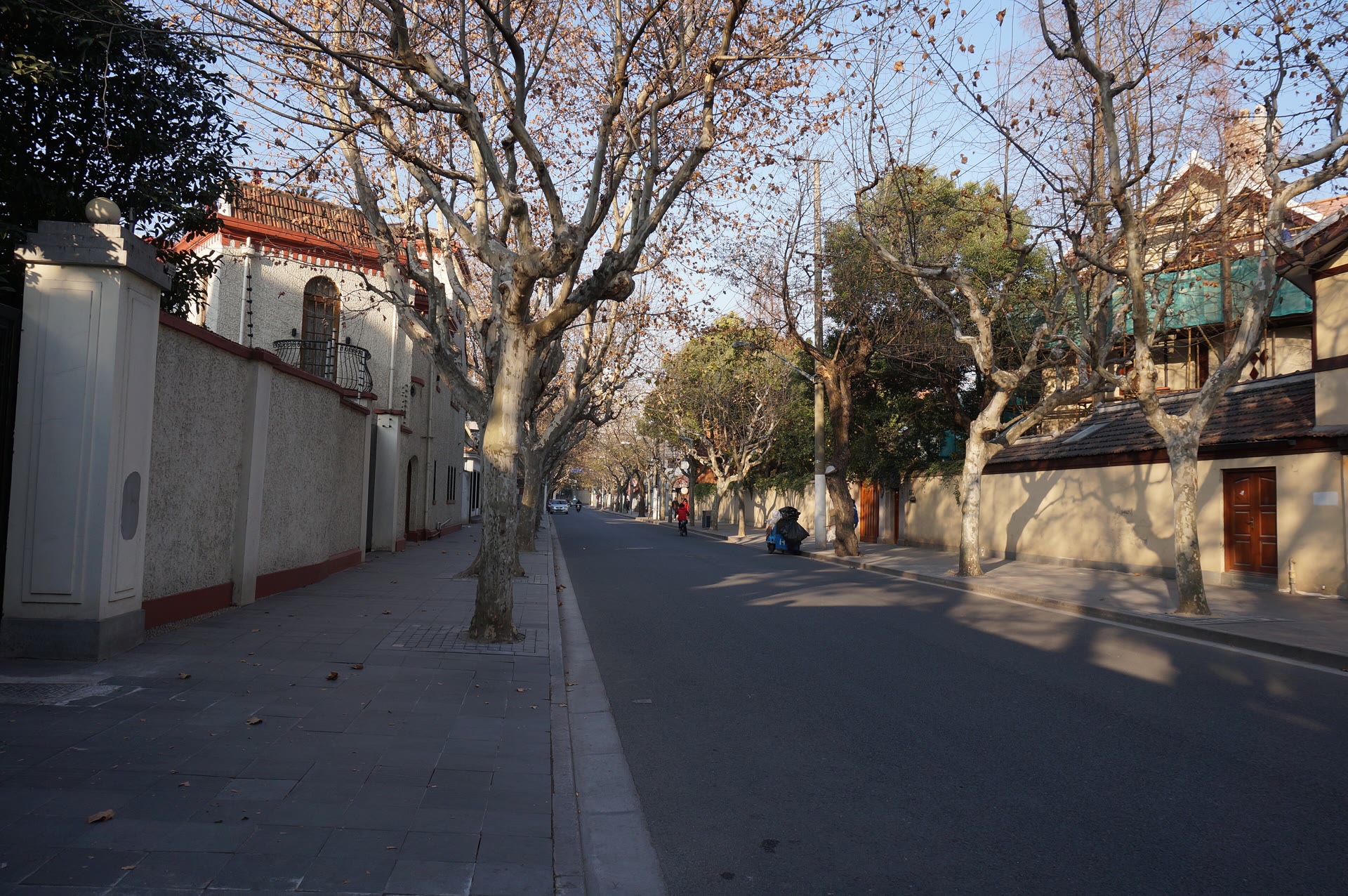
“Former French Concession” is a historical label for part of Shanghai, not a French consulate or one current visitor compound. The municipal government describes the Hengshan Road-Fuxing Road Historical and Cultural Block across Xuhui, Huangpu, Jing’an and Changning, with garden houses, lanes and apartments shaped by Chinese and foreign builders. That present heritage zone is not automatically identical to every historical concession boundary. Look at the different building forms without treating the whole area as a frozen open-air museum.
A Wukang Road and Anfu Road walk
The municipal portal’s November 2025 citywalk suggests Jiaotong University Metro Station to Changshu Road Metro Station for its Wukang Building and Anfu Road route. It describes a long four-to-six-hour itinerary with numerous shops; that is not a minimum time for a shorter walk. Use only the stops you want and confirm the actual route and station exits. Changshu Road is not Changning Road. South Shaanxi Road, named for a different route, is one station, not two separate stops with reversed English names.
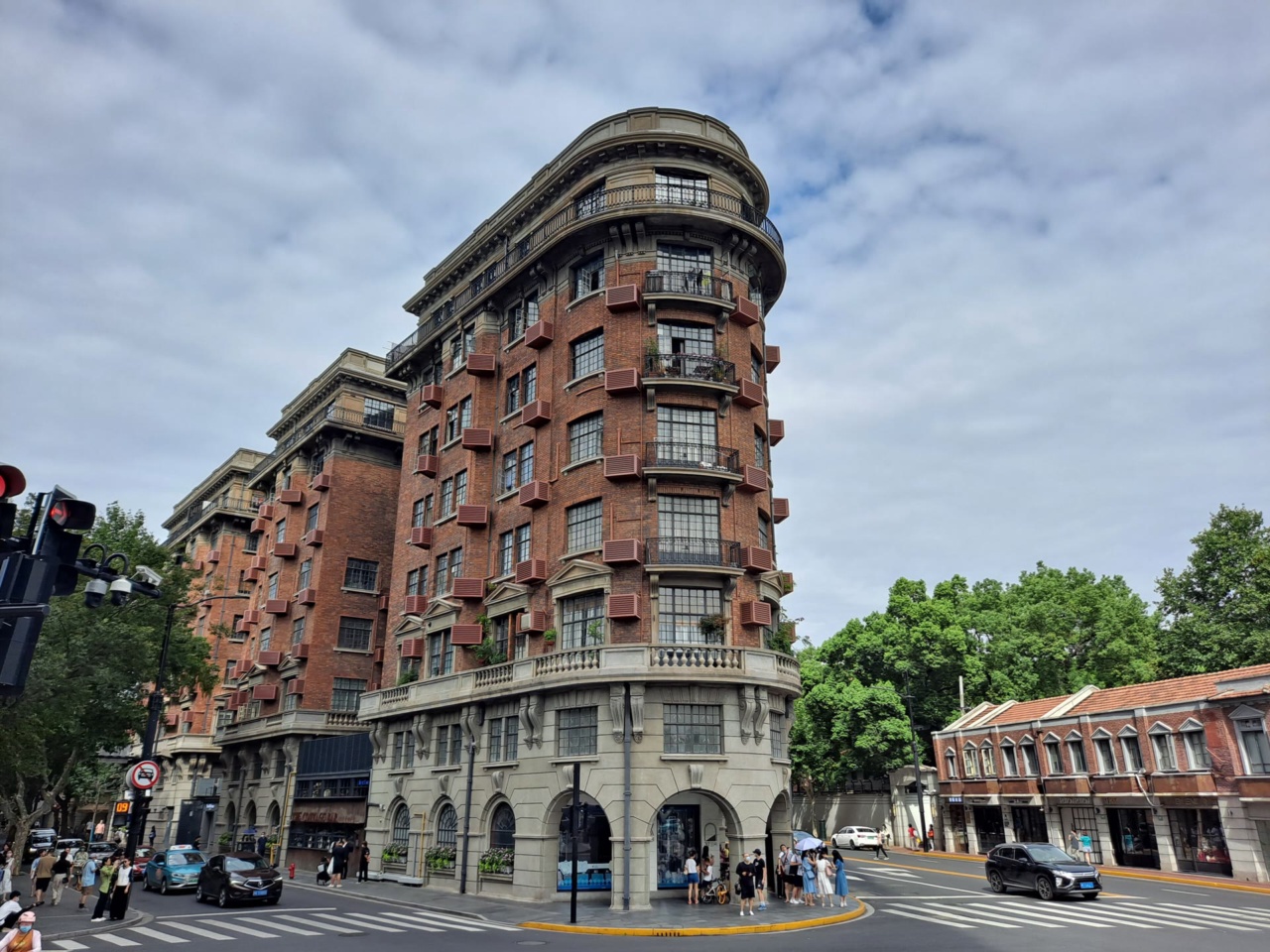
For concrete details beyond the famous corner, the official Wukang Road guide describes the 1928 villa at number 99, Ba Jin’s former residence at number 113, and number 393, partly built in 1912 and expanded in 1933, serving as the tourist information centre in that dated guide. These are useful architecture waypoints, not promises that every house interior is currently open. Observe from permitted public space, keep crossings clear and do not enter residential doorways for photographs.
Tianzifang or Xintiandi?
Tianzifang is useful if you want a compact walk through shops and eateries among shikumen, modern lane houses and other buildings. The official Huangpu listing places it at Alley 210, Taikang Road, states free admission and describes the area as open 24/7. Treat that as area access, not a promise that every shop or museum opens all night. Narrow lanes may make passing difficult; if the route is uncomfortable or busy, shorten the loop rather than seeking private shortcuts.
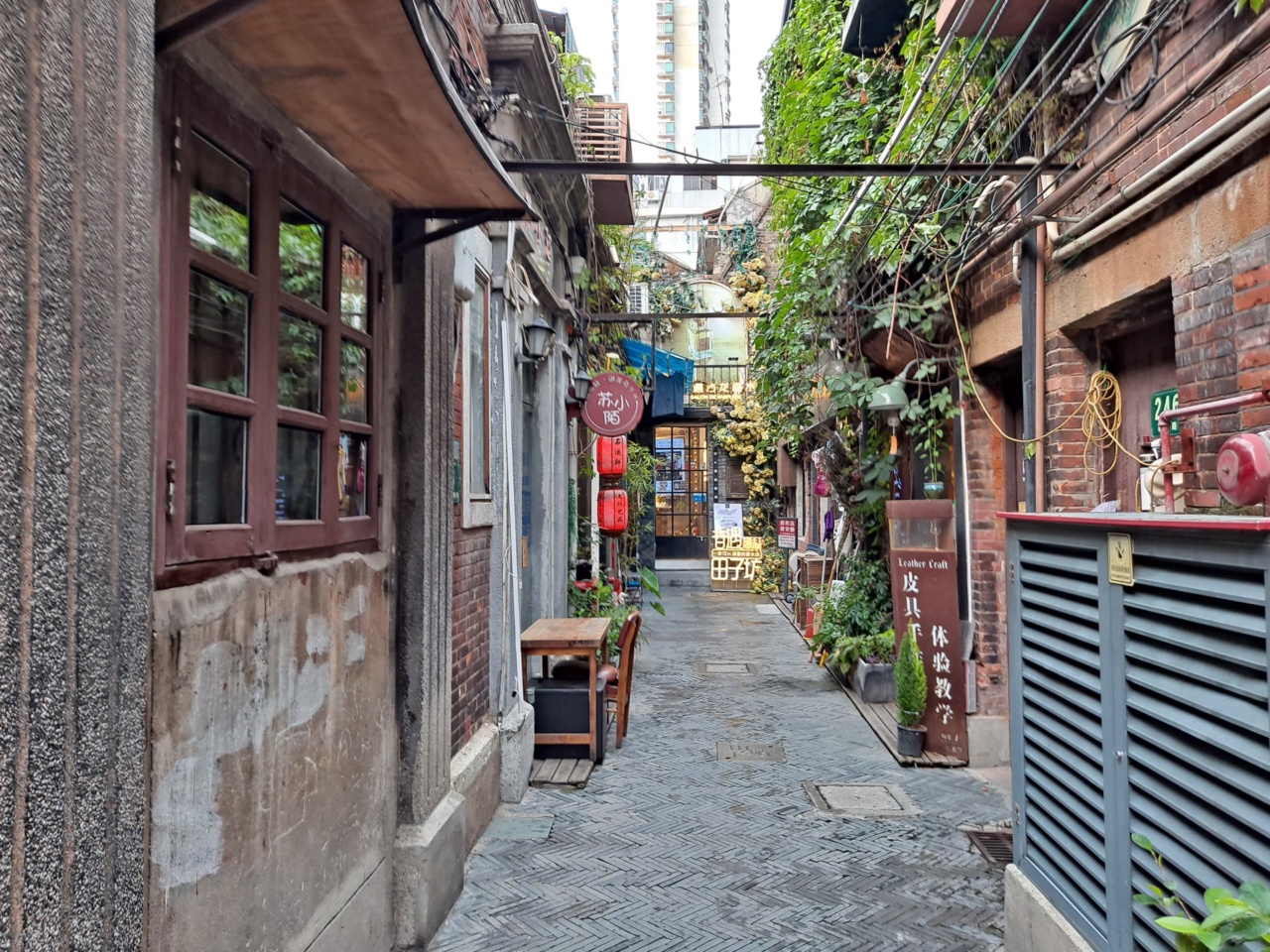
Choose Xintiandi if restored shikumen architecture combined with dining and retail is your priority. The municipal commerce guide gives Lane 181, Taicang Road and describes modern commercial uses behind retained original-looking facades, with the area open 24/7. It is not the same experience as a residential lane or Tianzifang. Check the actual restaurant, exhibition or event; the public-area listing does not establish every venue’s opening hours, prices or entry conditions.
Access, tickets and opening hours
Plan public street walking separately from paid museums, house visits, events, meals and shopping. There is no single ticket that grants access to every place discussed here. Free Tianzifang area admission does not establish a universal free rule for all buildings across the former concession. Check a named venue’s current admission product, price per person, opening and last entry before arranging your day around it. Do not use a shop’s opening time as the whole area’s timetable.
Metro and onward travel
Use the metro to reach your chosen cluster, then walk suitable public routes or use a confirmed onward service if distance or mobility needs require it. The official June 2026 transport guide lists distance-based metro fares starting at 3 yuan for up to 6 km; later-opened suburban railway lines have a separate fare mechanism. This is not a fare quotation for every route or airport connection. Confirm your actual stations, transfers, last return and accessible entrances with the operator. No fixed taxi price, cycle access or wholly step-free walk is assumed.
Paying for transport and cafes
The same official guide describes eligible contactless Visa, Mastercard, American Express and JCB at metro gates, with the required small-transaction settings and sufficient credit, and single-journey ticket purchases by international cards at station service centres. It also lists Metro Daduhui, Suishenxing, Alipay and WeChat options. App setup is an option, not proof that every visitor must use an app or that cash and cards are impossible. Transport acceptance does not guarantee a cafe accepts your particular card: check the venue before ordering and keep a workable backup.
Timing, weather and respectful walking
Choose your actual date using the forecast, current notices and the opening hours of any indoor stop. The sources do not prove that weekday mornings are always quiet, spring and autumn always mild or winter reliably empty. Comfortable shoes, water, weather-appropriate clothing and a saved usable map help you keep the walk flexible. Shorten the route when heat, rain or crowds make it unsuitable; no season guarantees an ideal photograph.
Stay on permitted public routes. An open gate or lane entrance is not an invitation into a private courtyard or home. Avoid blocking entrances, keep noise low and ask before photographing people. Residential areas are not automatically quieter, more authentic or accessible than commercial ones. If adding the Bund or another Shanghai sight, allow for the actual transfer and return rather than treating a distant second area as the final step of a guaranteed timed walk.
Sources and background
These sources support the topics listed below, not every statement or current price in this article.
- [1] Shanghai Municipal Government: Hengshan Road-Fuxing Road heritage zone, four-district context and building forms. Retrieved October 5, 2026. History, Culture
- [2] Huangpu District Government via Shanghai Municipal Government: Tianzifang: Taikang Road location, free area admission and access scope. Retrieved October 5, 2026. Admission, Opening hours, Access, Culture
- [3] Shanghai Municipal Commission of Commerce: Xintiandi: retained shikumen facades, commercial functions and Taicang Road location. Retrieved October 5, 2026. Culture, Access, Opening hours
- [4] Shanghai Municipal Government: Wukang Road building examples, dates and dated tourist-information-centre location. Retrieved October 5, 2026. History, Culture, Access
- [5] Shanghai Municipal Commission of Transport and Shanghai Municipal Government: June 2026 metro fares, distinct suburban tariffs and international-card payment options. Retrieved October 5, 2026. Transport, Registration
- [6] Shanghai International Services Portal, source Tongji University Office for International Students: Dated citywalk: Jiaotong University to Changshu Road and separate South Shaanxi Road route. Retrieved October 5, 2026. Transport, Access
- [7] Shanghai Municipal Public Security Bureau: 2025 police holiday notice confirming station names and date-bound crowd-management context. Retrieved October 5, 2026. Transport, Safety, Access
Frequently Asked Questions
For a first visit, choose between a Wukang Road and Anfu Road architecture walk, Tianzifang’s narrow shopping lanes, and Xintiandi’s restored shikumen dining and retail area. They are different experiences, not three stops that must all be completed. Allow roughly half a day for one cluster with breaks as a planning suggestion, not a measured completion time. Choose a start and finish, then add a cafe or named museum only if its actual hours fit.
Plan public street walking separately from paid museums, house visits, events, meals and shopping. There is no single ticket that grants access to every place discussed here. Free Tianzifang area admission does not establish a universal free rule for all buildings across the former concession. Check a named venue’s current admission product, price per person, opening and last entry before arranging your day around it. Do not use a shop’s opening time as the whole area’s timetable. Tianzifang is useful if you want a compact walk through shops and eateries among shikumen, modern lane houses and other buildings. The official Huangpu listing places it at Alley 210, Taikang Road, states free admission and describes the area as open 24/7. Treat that as area access, not a promise that every shop or museum opens all night. Narrow lanes may make passing difficult; if the route is uncomfortable or busy, shorten the loop rather than seeking private shortcuts.
The municipal portal’s November 2025 citywalk suggests Jiaotong University Metro Station to Changshu Road Metro Station for its Wukang Building and Anfu Road route. It describes a long four-to-six-hour itinerary with numerous shops; that is not a minimum time for a shorter walk. Use only the stops you want and confirm the actual route and station exits. Changshu Road is not Changning Road. South Shaanxi Road, named for a different route, is one station, not two separate stops with reversed English names. Use the metro to reach your chosen cluster, then walk suitable public routes or use a confirmed onward service if distance or mobility needs require it. The official June 2026 transport guide lists distance-based metro fares starting at 3 yuan for up to 6 km; later-opened suburban railway lines have a separate fare mechanism. This is not a fare quotation for every route or airport connection. Confirm your actual stations, transfers, last return and accessible entrances with the operator. No fixed taxi price, cycle access or wholly step-free walk is assumed.
Tianzifang is useful if you want a compact walk through shops and eateries among shikumen, modern lane houses and other buildings. The official Huangpu listing places it at Alley 210, Taikang Road, states free admission and describes the area as open 24/7. Treat that as area access, not a promise that every shop or museum opens all night. Narrow lanes may make passing difficult; if the route is uncomfortable or busy, shorten the loop rather than seeking private shortcuts. Choose Xintiandi if restored shikumen architecture combined with dining and retail is your priority. The municipal commerce guide gives Lane 181, Taicang Road and describes modern commercial uses behind retained original-looking facades, with the area open 24/7. It is not the same experience as a residential lane or Tianzifang. Check the actual restaurant, exhibition or event; the public-area listing does not establish every venue’s opening hours, prices or entry conditions.
Choose your actual date using the forecast, current notices and the opening hours of any indoor stop. The sources do not prove that weekday mornings are always quiet, spring and autumn always mild or winter reliably empty. Comfortable shoes, water, weather-appropriate clothing and a saved usable map help you keep the walk flexible. Shorten the route when heat, rain or crowds make it unsuitable; no season guarantees an ideal photograph.
The same official guide describes eligible contactless Visa, Mastercard, American Express and JCB at metro gates, with the required small-transaction settings and sufficient credit, and single-journey ticket purchases by international cards at station service centres. It also lists Metro Daduhui, Suishenxing, Alipay and WeChat options. App setup is an option, not proof that every visitor must use an app or that cash and cards are impossible. Transport acceptance does not guarantee a cafe accepts your particular card: check the venue before ordering and keep a workable backup.
Stay on permitted public routes. An open gate or lane entrance is not an invitation into a private courtyard or home. Avoid blocking entrances, keep noise low and ask before photographing people. Residential areas are not automatically quieter, more authentic or accessible than commercial ones. If adding the Bund or another Shanghai sight, allow for the actual transfer and return rather than treating a distant second area as the final step of a guaranteed timed walk.