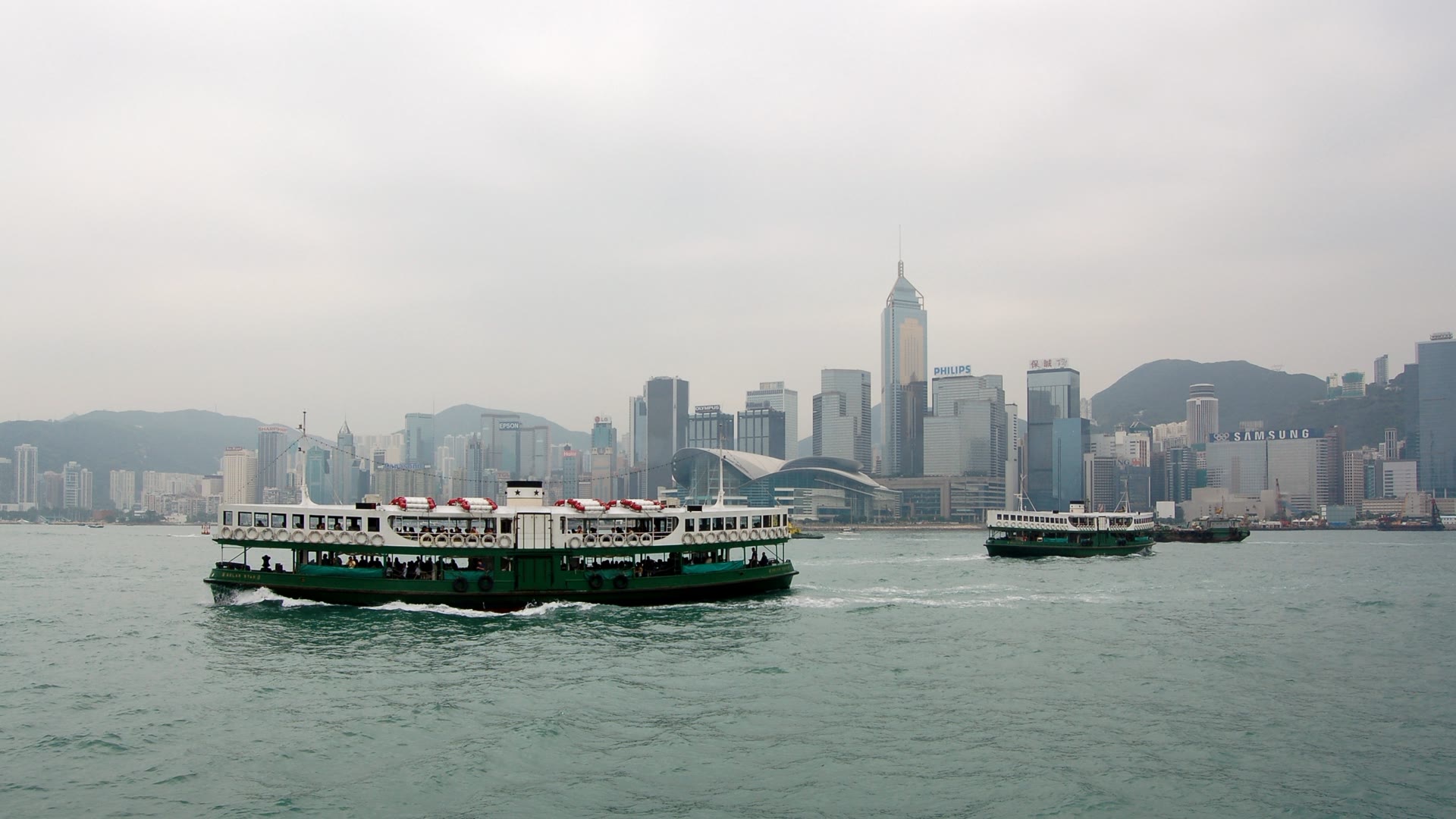
Few city experiences deliver as much for so little money as the Star Ferry crossing of Victoria Harbour. For the price of a soft drink, you board a green and white double-ended ferry that has connected Hong Kong Island and Kowloon for well over a century, and for the duration of the short ride you sit at water level while one of the planet's most photographed skylines slides past on both sides.
The crossing pairs naturally with the Tsim Sha Tsui Promenade, the waterfront walkway on the Kowloon side that frames the Hong Kong Island skyline head on. Together they form a self-contained, low-stress half day that costs almost nothing, works in most weather, and gives first-time visitors an immediate sense of why this harbour defined the city. This guide covers how the ferry works, how to use it with an Octopus card, what to expect from the promenade and the nightly Symphony of Lights show, and how weather can change your plans.
Best of all, none of it requires advance booking. You turn up, tap in, and go. That flexibility makes the Star Ferry one of the easiest things to slot into a packed Hong Kong itinerary, and one of the few classic attractions that has barely changed in feel even as the skyline around it has exploded upward.
What the Star Ferry Is and Why It Still Matters
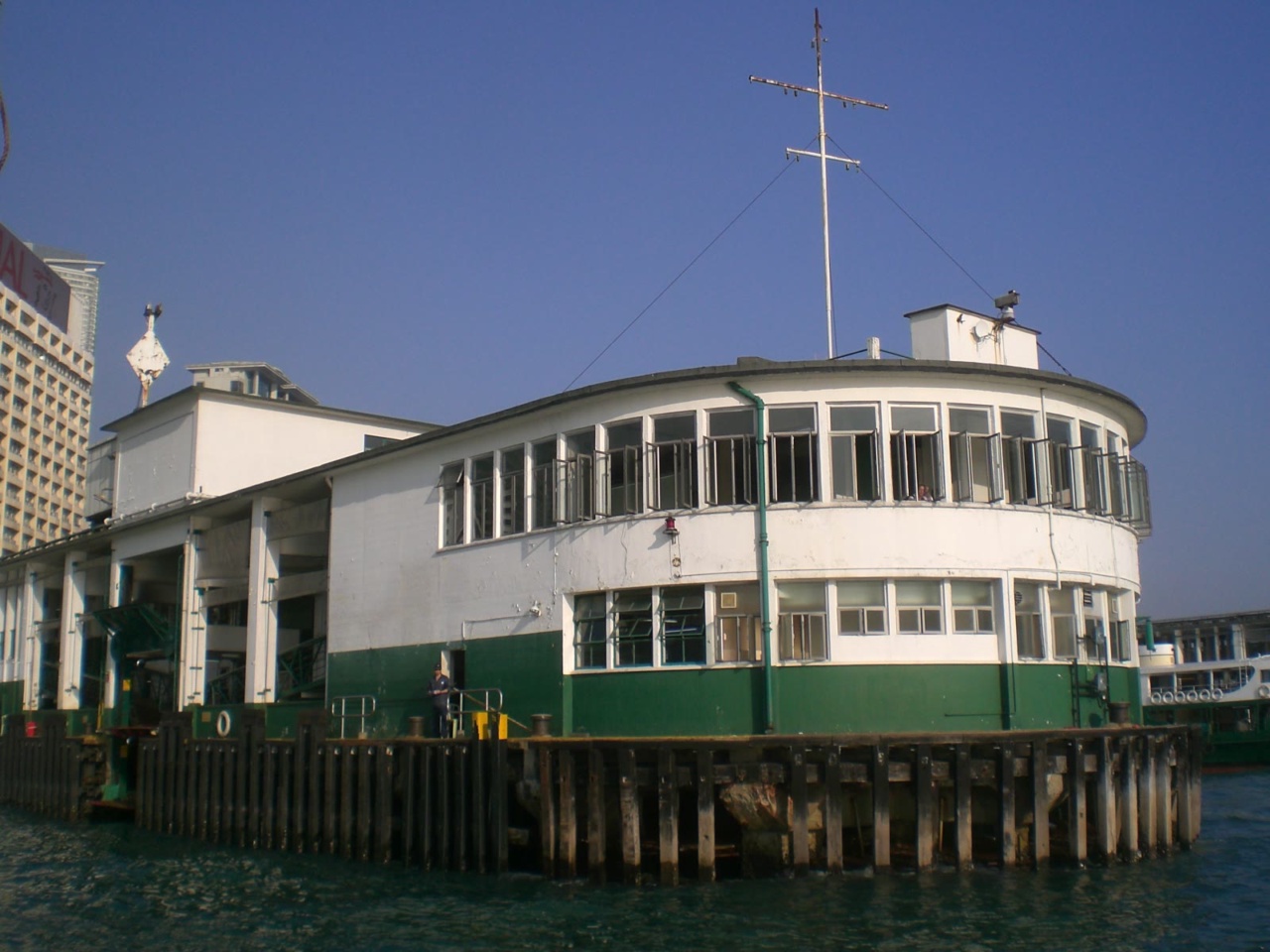
The Star Ferry is a passenger ferry service that shuttles across Victoria Harbour, the body of water separating Hong Kong Island from the Kowloon Peninsula. The vessels themselves are unmistakable: low, broad, double-ended boats painted green and white, with names like Morning Star and Twinkling Star, and an open upper deck that catches the sea breeze.
Before the cross-harbour road tunnels and the MTR subway lines existed, the ferry was the main way to cross between the island and the mainland. Today it is no longer the fastest option, but that is precisely the point. The MTR will whisk you under the harbour in a few minutes with no view at all. The ferry takes a little longer and gives you the entire skyline, the working harbour traffic, and the salt air. It is transport that happens to be one of the city's signature sightseeing experiences.
It matters for travelers because it is authentic and unpretentious. This is not a tourist novelty cruise with a premium price tag. Locals still use it as everyday transport, which means you get the genuine article rather than a staged spectacle. The cheap fare and constant departures make it endlessly repeatable, so many visitors ride it more than once, often once by day and once after dark.
Things to Do
The Routes and Where to Board
The most popular route for visitors runs between Central on Hong Kong Island and Tsim Sha Tsui on the Kowloon side. This is the crossing that puts the famous island skyline directly in front of you for most of the journey, and it is the one nearly every guide and itinerary refers to. There is also a separate route linking Wan Chai on the island with Tsim Sha Tsui, useful if your base is closer to the convention district.
On the Central side, the ferry piers sit on reclaimed land near the waterfront, a short walk from the Central and Hong Kong MTR stations and the IFC mall complex. On the Tsim Sha Tsui side, the pier is at the western end of the promenade, close to the Hong Kong Cultural Centre and an easy walk from East Tsim Sha Tsui and the main shopping streets.
The boats have two decks. The lower deck sits closer to the water; the upper deck is slightly more expensive and generally considered the better choice for views and breeze. The difference in fare is tiny, so most sightseers take the upper deck. Signage and turnstiles at the pier separate the decks, so look before you tap.
Fares, the Octopus Card, and How to Pay
Star Ferry fares are among the cheapest attractions in any major Asian city, typically only a few Hong Kong dollars per crossing, with the upper deck costing slightly more than the lower deck and weekend fares sometimes a touch higher than weekdays. Because pricing can change, treat any specific figure you read online as something to confirm at the pier, where current fares are clearly posted.
You have two easy ways to pay. The first is a single-ride token or coin payment at the turnstile, useful if you are only crossing once and do not have a stored-value card. The second, and far more convenient, is the Octopus card. The Octopus is Hong Kong's rechargeable contactless smart card, and it works on the Star Ferry, the MTR, most buses, trams, the Peak Tram queue, and countless shops and convenience stores.
If you are spending more than a day in Hong Kong, buying an Octopus card early is one of the smartest moves you can make. You buy it at MTR stations or service points, load value onto it, and simply tap at the ferry turnstile to pay. It removes the need to fumble for exact change at every turnstile and is genuinely the local way to move around the city. There are also tourist versions and a mobile app option to consider, so check what is currently available when you arrive.
What the Crossing Is Actually Like
The ride itself is short, usually under ten minutes depending on the route and harbour traffic. You board through a turnstile, walk down the gangway, and find a seat on simple wooden-backed benches that flip to face forward whichever way the boat is heading. There is no commentary, no bar, no assigned seating. It is pure, functional transport with a spectacular accidental view.
As the ferry pulls away you get the full sweep of skyscrapers, and depending on direction you will see them either receding behind you or growing larger ahead. The harbour is busy with cargo vessels, other ferries, junks, and the occasional cruise ship, so there is always movement to watch. Sit on the side that faces the island skyline for the headline view, and try to grab a spot near the open windows for photos without glass glare.
The crossing rewards both directions and both times of day. By daylight you appreciate the density and scale of the buildings against the green hills behind them. After sunset the towers light up and the ride becomes one continuous postcard. Many visitors cross to Tsim Sha Tsui in late afternoon, walk the promenade, watch the night show, and then cross back lit up by the skyline.
The Tsim Sha Tsui Promenade
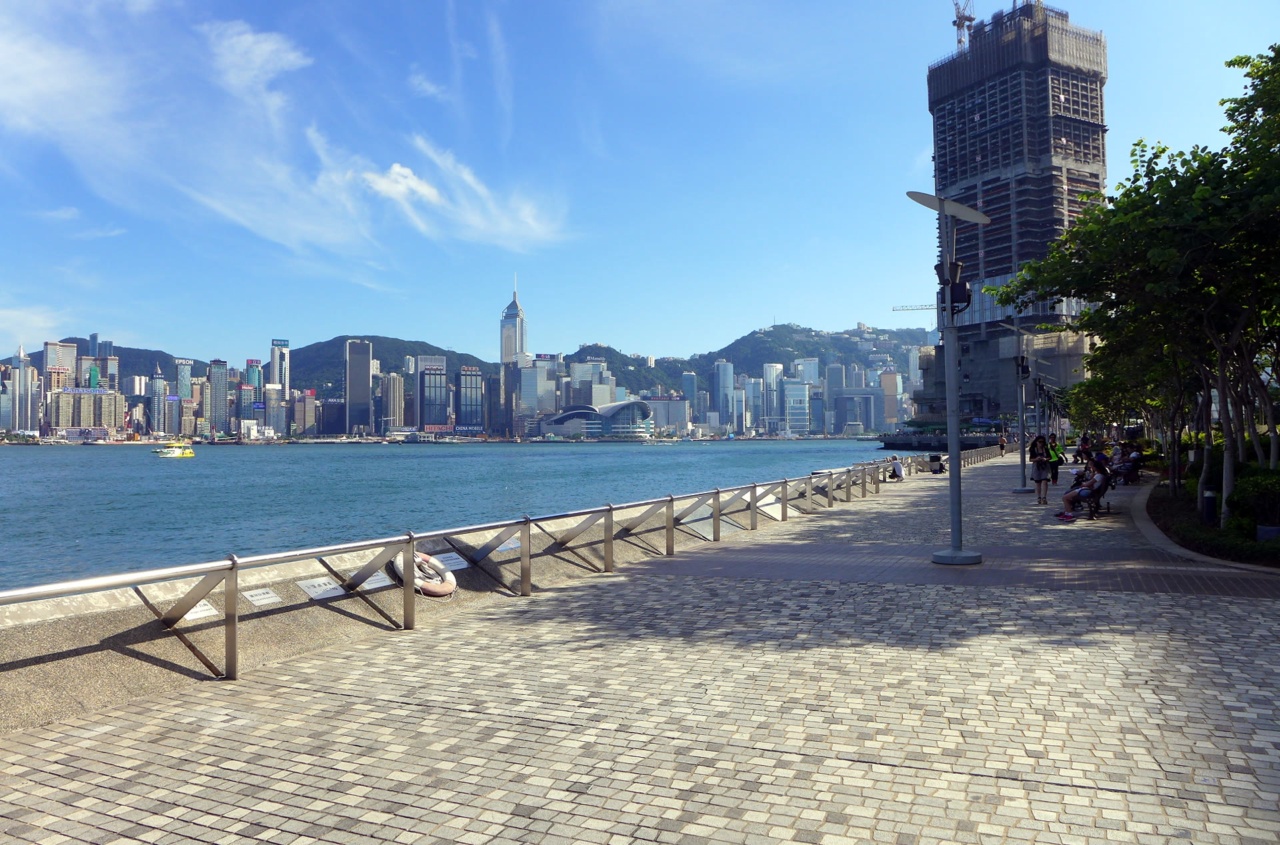
On the Kowloon side, the Tsim Sha Tsui Promenade is the waterfront walkway that runs along the southern tip of the peninsula. It is flat, wide, and pedestrianized, and it offers the single best unobstructed view of the Hong Kong Island skyline. Where the ferry gives you a moving view, the promenade lets you stand still, take your time, and frame the whole panorama.
This is where the skyline photos you have seen are usually taken. The promenade looks directly across the water at the wall of towers on the island, with the green slopes of Victoria Peak rising behind them. It is free to walk, open to the public, and pleasant at almost any hour, though it is busiest at sunset and during the evening light show.
The Avenue of Stars
Built into the promenade is the Avenue of Stars, a tribute to the Hong Kong film industry. It features handprints and plaques honoring local cinema figures, including the famous statue of Bruce Lee in a fighting stance with the skyline behind him, which is one of the most photographed spots on the entire waterfront. There are sculptures, film-themed installations, and informative markers along the way.
You do not need much time here unless you are a serious film fan. Most visitors stroll through, snap a few photos at the Bruce Lee statue, and continue along the water. The real draw remains the view across the harbour, with the Avenue of Stars serving as a pleasant themed backdrop along the route.
The Symphony of Lights
The Symphony of Lights is a nightly multimedia show in which buildings on both sides of Victoria Harbour participate in a coordinated display of lights, often with synchronized music. It is staged after dark, typically in the evening, and lasts around ten to fifteen minutes. The promenade is one of the prime viewing spots because you face the island towers directly.
Set realistic expectations. The show is not a fireworks-grade spectacle, and on a clear, dry night the skyline itself is arguably more impressive than the lighting sequence layered on top of it. Some visitors find it underwhelming; others enjoy the atmosphere of the crowd gathering along the water in the warm evening. Treat it as a bonus rather than the main event. Confirm the current start time and whether music is broadcast at your viewing spot before you commit your evening to it, as details have changed over the years.
A practical strategy is to be on the promenade before the show begins so you secure a clear spot at the railing, enjoy the skyline lighting up at dusk, watch the show, and then take the ferry back across with the towers glowing. That sequence packs the best of both experiences into one evening with minimal backtracking.
Suggested Half-Day Plan
The ferry and promenade combine into a low-effort, high-reward itinerary that suits almost any pace.
| Time | Activity | Notes |
|---|---|---|
| Late afternoon | Board the Star Ferry at Central | Take the upper deck, sit facing the island skyline |
| On arrival | Walk west to east along the promenade | Free, flat, unobstructed skyline views |
| Along the way | Avenue of Stars and Bruce Lee statue | Quick photo stop for most visitors |
| Sunset | Stake out a railing spot | Watch the towers light up over the water |
| Evening | Symphony of Lights | Confirm current start time on the day |
| After the show | Star Ferry back to Central | Skyline glows on the return crossing |
The whole sequence can take anywhere from ninety minutes to a leisurely few hours depending on how long you linger. It pairs well with shopping or dinner in Tsim Sha Tsui beforehand, or with the Peak Tram and Victoria Peak earlier in the day if you want both classic skyline perspectives in one outing. For more ways to chain Hong Kong's highlights into an efficient route, GoAsia.cc is a useful place to keep planning the rest of your Asia trip.
Weather, Timing, and Seasonal Caveats
Weather makes or breaks this experience more than ticket logistics ever will. On a clear day or crisp night the views are stunning. On a hazy, humid, or rainy day the skyline can disappear into a grey blur, and the light show loses much of its impact. Hong Kong's air can be hazy, and visibility varies considerably from day to day, so build in flexibility and aim for the clearest day in your stay.
The cooler, drier months generally offer the best visibility and the most comfortable conditions for standing on an exposed waterfront at night. The hot, humid summer months bring haze, sudden downpours, and the risk of typhoons. During a typhoon warning the Star Ferry service can be suspended for safety, so if a storm is approaching, check service status before heading to the pier and have the MTR as a backup for crossing the harbour.
The promenade is open and exposed, so sun protection by day and a light layer for the breeze by night are both worth carrying. Rain is manageable if you have an umbrella, but it will dull the views. If your schedule allows, keep the ferry and promenade as a movable item you can shift to whichever evening looks clearest.
Practical Tips for the Star Ferry and Promenade
- Get an Octopus card early. It pays for the ferry, MTR, buses, trams, and shops with a single tap, and removes the hassle of exact change at every turnstile.
- Choose the upper deck. The small extra fare buys better views and more breeze, and the views are the whole reason you are here.
- Sit on the skyline side. Face the Hong Kong Island towers for the headline panorama, and aim for a window seat to avoid glass glare in photos.
- Cross at golden hour. Late afternoon into dusk gives you daylight detail, sunset color, and the towers switching on, all in one crossing.
- Arrive at the promenade before the light show. Crowds gather at the railing, so claim a clear spot early rather than fighting for a sightline once it starts.
- Manage expectations for the Symphony of Lights. The skyline itself is often the bigger draw. Enjoy the show as a bonus, not the main reason to come.
- Have a backup crossing. The MTR runs under the harbour and is unaffected by weather, so you can still get across if the ferry is suspended.
- Check current details on the day. Fares, the upper-deck surcharge, show start times, and service status can change, so confirm at the pier and on official sources before you commit.
Realistic Downsides and Common Mistakes
The honest drawbacks are few but worth knowing. The crossing is short, so do not expect a long cruise; it is a quick hop, and that is part of its charm. The boats are basic, with hard benches and no amenities, which suits the no-frills experience but is not a luxury outing. On poor-visibility days the experience can be genuinely disappointing through no fault of the ferry, simply because the view is the product.
The most common mistake is treating the Symphony of Lights as the headline attraction and being let down. The second is going on a hazy or rainy evening when a clearer night was available earlier or later in the trip. The third is rushing the crossing as mere transport and missing the chance to enjoy it, when slowing down and taking the upper deck is the entire appeal. Avoid all three and this becomes one of the most memorable cheap experiences in the city.
For first-time visitors, the Star Ferry and Tsim Sha Tsui Promenade are close to essential. They are inexpensive, flexible, and free of the booking hassles that bog down many big attractions, and they deliver the defining image of Hong Kong from water level. Build them around a clear evening and you will understand the harbour the way locals have for generations.
Frequently Asked Questions
Aim for late afternoon into evening on the clearest day of your stay, ideally during the cooler, drier months when visibility is best. Crossing at dusk lets you see the skyline by daylight, watch it light up, and ride back after dark. Avoid hazy or rainy days, when the views can disappear entirely.
The fare is only a few Hong Kong dollars per crossing, with the upper deck costing slightly more than the lower deck. You can pay with a token or coins at the turnstile, but the easiest method is an Octopus card, which you tap and which also works on the MTR, buses, and trams. Confirm current fares posted at the pier, as prices change.
On Hong Kong Island the Central pier is a short walk from the Central and Hong Kong MTR stations near the waterfront. On the Kowloon side the Tsim Sha Tsui pier sits at the western end of the promenade, close to the Hong Kong Cultural Centre. The most scenic route for visitors is the Central to Tsim Sha Tsui crossing.
It is a free nightly light show lasting around ten to fifteen minutes, best viewed from the Tsim Sha Tsui Promenade facing the island skyline. Treat it as a bonus rather than the main event, since the illuminated skyline itself is often more impressive than the lighting sequence. Confirm the current start time on the day you visit.
During typhoon warnings or severe weather the Star Ferry service can be suspended for safety. Check service status before heading to the pier if a storm is forecast. The MTR runs under the harbour regardless of weather, so use it as a reliable backup for crossing between the island and Kowloon.
No. There is no booking, no reservation, and no fixed timeslot. Ferries depart frequently, so you simply turn up at the pier, tap your Octopus card or pay at the turnstile, and board. This flexibility makes it one of the easiest attractions to fit into any Hong Kong itinerary.