Dalian is a northern Chinese port city on the Yellow Sea, blending Russian and Japanese colonial architecture with sweeping coastline views. It suits seafood lovers, beachgoers, and those seeking a more relaxed alternative to China's inland megacities.
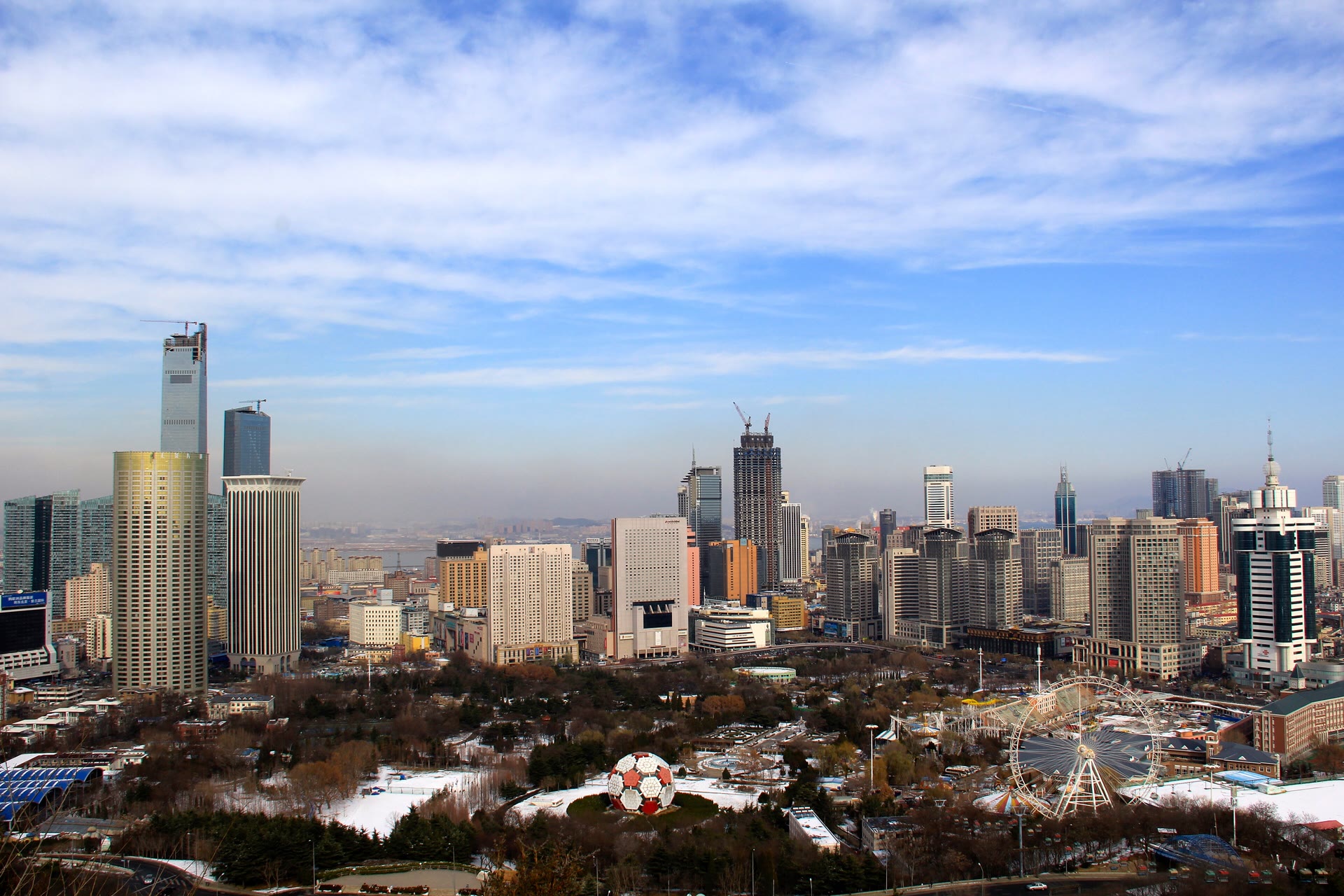
Dalian is a city defined by its relationship with the Yellow Sea. Unlike the sprawling, landlocked metropolises of northern China, Dalian feels airy and expansive, with a winding coastline that dictates the city's shape. It was founded by the Russians and later developed by the Japanese, leaving behind a unique architectural legacy of European style squares and colonial buildings that contrast sharply with the glass skyscrapers of the modern financial district.
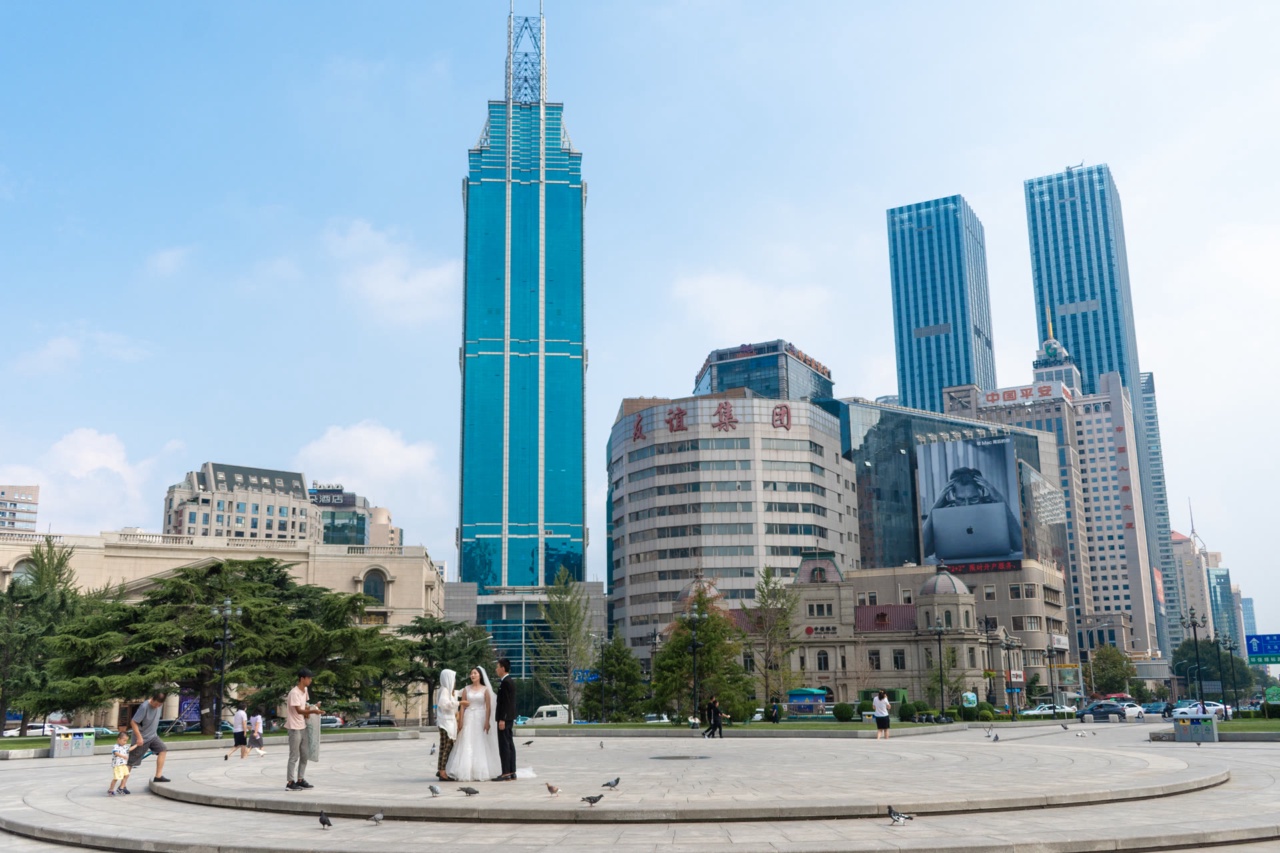
The city is famous for its 'squares' - dozens of circular plazas that act as hubs for social life and navigation. It is a place where you can spend the morning exploring a Russian-style street and the afternoon hiking along rugged cliffs overlooking the ocean. Dalian attracts travelers who want a mix of urban sophistication and natural scenery, offering a slower pace of life than Beijing or Shanghai.
Dalian is a major industrial port, but its coastline and parks give it a more relaxed feel than many inland cities. Whether you are coming for the historic trams, the massive seafood markets, or the coastal hiking trails, Dalian provides a distinctively maritime Chinese experience.
Orientation and Neighborhoods
Dalian is situated at the southern tip of the Liaodong Peninsula. The city center is compact, but the administrative area stretches far north and south along the coast. Navigation usually starts from Zhongshan Square, the city's heart.
Zhongshan District: The historical and financial core. This is where you will find the most impressive colonial architecture, luxury hotels, and high end shopping. It is the best place for first time visitors to stay due to its central location and proximity to the main train station.
Xigang District: Home to the municipal government and People's Square. This area is greener and slightly quieter, featuring the Russian Style Street and large parks. It is excellent for families and those who prefer a more residential feel.
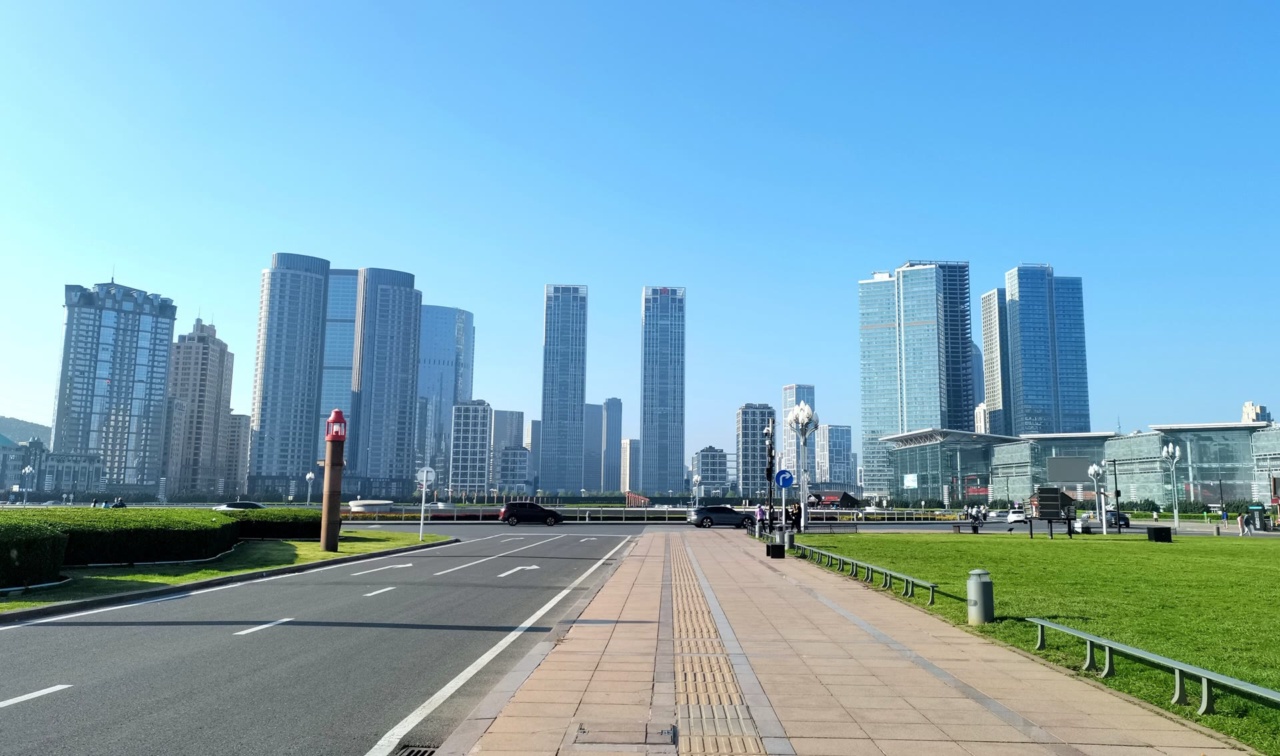
Shahekou District: A bustling commercial and educational hub. It contains Xinghai Square, the largest city square in Asia,[1] and many of the city's top museums. This is a great area for mid range dining and nightlife.
Ganjingzi District: This northern area houses the international airport and large industrial zones. While not a primary tourist hub, it is where many budget hotels are located.
Lushunkou (Port Arthur): Located at the far southern end of the peninsula, this historic district is essential for history buffs interested in the Russo-Japanese War. It requires a full day trip to explore properly.
Things to Do
Offers are only loaded from GetYourGuide after you click. GetYourGuide can then process your IP address and set cookies. Privacy Policy
GetYourGuide partner offers. GoAsia may earn a commission if you book through these offers. Check whether tickets or transfers are included, and follow the attraction's official booking and admission rules.
Best Time to Visit
Dalian has a humid continental climate with significant maritime influence, making it cooler in summer and warmer in winter than inland cities like Shenyang.
Month Range
Weather
Crowds
Prices
May - June
Mild and sunny
Moderate
Average
July - August
Hot and humid
High (Peak)
High
September - October
Cool and crisp
Moderate
Average
November - April
Cold and windy
Low
Low
Late Spring (May to June) and Early Autumn (September to October) are the ideal windows. The weather is perfect for walking the coastal trails, and the city is not yet overwhelmed by domestic tourists. Summer (July and August) is the peak season for Chinese families seeking the beach; expect high hotel prices and crowded public spaces. Winter is harsh with biting sea winds, though the city looks beautiful under snow and hotel rates drop significantly.
Getting There and Getting Around
Dalian Zhoushuizi International Airport (DLC) lies in the north-west of the city and is connected to the center by taxi, ride hailing and public transport. Dalian is also a major rail hub; high speed trains from Beijing to Dalian North take between about 3 hours 40 minutes and 5 hours, depending on the train.[2]
Within the city, the Metro system is the easiest way to cover longer distances. Fares start at 2 yuan for trips of up to 6 km and rise with distance.[3] Dalian is also famous for its historic trams (Lines 201 and 202), a nostalgic way to see the city. Taxis and Didi (the local ride hailing app) are plentiful. While the city center is walkable, the coastal areas are best explored along Binhai Road by taxi or by renting a bike.
Xinghai Square: Often described as the largest city square in Asia, this massive open space features a giant 'open book' sculpture and views of the Cross-Sea Bridge. Visit at night to see the bridge illuminated and the musical fountains.
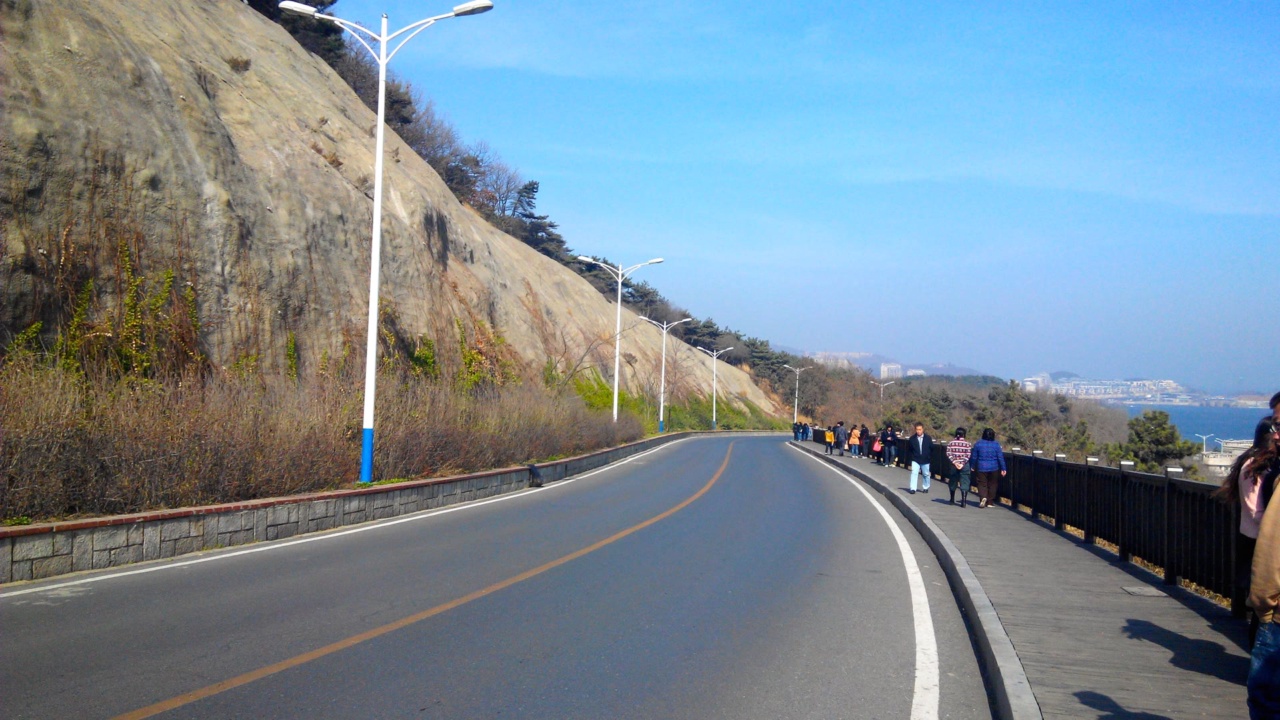
Binhai Road (The Coastal Road): A winding coastal road of about 42 kilometers that hugs the cliffs.[1] You can walk segments of the wooden boardwalk to see secluded coves, jagged rocks, and the Black Reef. The section from Tiger Beach to Fujiazhuang is particularly scenic.
Zhongshan Square: A circular plaza surrounded by historic buildings. In the evenings, locals gather here for ballroom dancing and exercise.
Lushun Museum and East Crest Hill: Located in the Lushun District, these sites offer a sobering look at the Russo-Japanese War and the complex colonial history of the region.
Lesser-Known Gems
Dalian Modern Museum: A museum in Shahekou, a quieter stop away from the main squares.
Donggang Venice Water City: A man-made canal district designed to look like Italy. While highly commercial, it provides a surreal and photogenic evening walk, especially when the gondolas are operating.
Bangchuidao Scenic Area: A quieter beach area on the eastern edge of the city with views of offshore islands.
What to Skip
Russian Style Street: While historically significant, it has become a very commercial tourist street. View the architecture from the outside but don't feel the need to spend much time here.
Tiger Beach Ocean Park: Unless you are traveling with small children who insist on seeing an aquarium, it can be crowded, and the natural coastal scenery along Binhai Road costs nothing.
Food and Drink
Dalian's cuisine is a subset of Shandong cuisine (Lu Cai), heavily focused on fresh seafood. The cold waters of the Yellow Sea produce high quality shellfish, sea urchins, and sea cucumbers.
Dish
Description
Where to Try
Sea Urchin Dumplings
Fresh uni mixed with pork or egg in a delicate wrapper
Xi He Yan or specialized dumpling shops
Salted Fish with Corn Cakes
Traditional fisherman's meal of dried, fried fish and coarse corn bread
Local homestyle restaurants
Stir-fried Menzi
A Dalian specialty made of sweet potato starch jelly, served with garlic and sesame sauce
Large, steamed scallops topped with garlic and vermicelli
Seafood markets or mid-range restaurants
For the best experience, visit the seafood markets where you can buy live produce and take it to a nearby restaurant to be cooked for a small fee. Tianjin Street is the historic go-to for street food, though many locals now prefer the night markets near the universities in Shahekou for better value and variety.
Where to Stay
Luxury: The area around Zhongshan Square and Donggang hosts international brands like the Shangri-La, Conrad, and the Castle Hotel (which looks like a Bavarian fortress overlooking Xinghai Square).
Mid-Range: Look for boutique hotels in the Xigang District or modern business hotels near Xinghai Square. These offer great amenities and easy access to the metro.
Budget: Numerous clean, reliable Chinese hotel chains (like 7 Days Inn or Hanting) are located near the Dalian Railway Station and in the Shahekou District.
Practical Tips
Payment: Digital payment is the norm. Download Alipay or WeChat Pay and link your international credit card before arrival. Even small street vendors often expect digital payment.
Internet: Most Western websites and apps (Google, Instagram, WhatsApp) are blocked. You will need a VPN or a roaming SIM card from your home country to access them.
Language: English is not widely spoken outside of major luxury hotels. Download a translation app like Pleco or use the photo translation feature on Baidu Translate.
Tipping: Tipping is not part of the culture in China and can sometimes be seen as confusing or even offensive. Simply pay the price on the bill.
Safety: Dalian is generally considered safe for tourists. The most common issues are taxi drivers not using meters (always insist on the meter) or 'tea house' scams in highly touristy areas, though these are less common here than in Beijing.
Day Trips
Golden Pebble Beach (Jinshitan): Metro Line 3 runs from Dalian Station to Jinshitan.[4] It features unique geological rock formations and a massive theme park. It is worth it for the 'Geological Park' walk along the cliffs.
Lushun (Port Arthur): As mentioned, this is essential for history enthusiasts. The district has been open to foreign visitors since 2010, with only a few military areas closed.[5]
Bingyu Valley: A scenic valley known for river rafting. It lies far outside the city, so it requires a very early start or an overnight stay.
Sample 3-Day Itinerary
Day 1: Colonial History and City Squares
Start your morning at Zhongshan Square to see the morning dancers and the colonial architecture. Walk north to the Russian Style Street for a quick look at the buildings, then ride the historic 201 Tram. In the evening, head to Xinghai Square to watch the sunset over the Cross-Sea Bridge and enjoy the light show.
Day 2: The Rugged Coastline
Dedicate this day to Binhai Road. Start at Tiger Beach (Laohutan) and walk the wooden boardwalk toward Fujiazhuang Beach. Stop for a seafood lunch at a local shack along the way. In the afternoon, take a taxi to the Bangchuidao Scenic Area for a quieter beach experience. End the night with dinner at a seafood market near the city center.
Take a taxi or bus to Lushun. Spend the morning at the Lushun Museum and the Japanese-Russian Prison Site Museum. After lunch, visit East Crest Hill (Dongjiguan Shan) to see the remains of the fortresses. Return to Dalian and spend your final evening walking through the Venice Water City in Donggang.
Frequently Asked Questions
Is Dalian worth visiting?
Yes, Dalian is worth visiting for its unique blend of Russian and Japanese history, its impressive coastal scenery, and its fresh seafood. It offers a more relaxed atmosphere than many other major Chinese cities.
How many days do you need in Dalian?
Three days is the ideal amount of time to see the city's main squares, walk the coastal Binhai Road, and take a day trip to the historic district of Lushun.
Is Dalian safe for tourists?
Dalian is generally considered safe for tourists. As in any city, watch for occasional scams in tourist areas and ensure taxi drivers use their meters.
What is the best time to visit Dalian?
The best times are May to June and September to October when the weather is mild. Summer is very crowded with domestic tourists, and winter is extremely cold and windy.
What food is Dalian famous for?
Dalian is famous for high quality seafood, particularly sea urchins, scallops, and sea cucumbers. It is also known for Menzi, a fried starch jelly snack served with garlic sauce.
Is Dalian expensive?
Dalian is moderately priced for a large Chinese city, though seafood can be expensive at high end restaurants or during the peak summer season.
Can you drink tap water in Dalian?
No, you should not drink tap water in Dalian. Bottled water is cheap and widely available at every convenience store, and most hotels provide complimentary bottles daily.
Is English widely spoken in Dalian?
English is not widely spoken. You will find English speakers at major hotels and some high end restaurants, but you should have a translation app and your hotel address written in Chinese characters.
Sources and background
Numbers in the text such as [1] refer to these sources.