Tianjin is a captivating blend of colonial European architecture and ultra-modern Chinese infrastructure. This coastal metropolis offers a relaxed alternative to Beijing, perfect for history buffs, foodies craving authentic street snacks, and architecture enthusiasts.
Tianjin is a city defined by its dual identity. As one of China's four direct-controlled municipalities, it possesses the scale of a global capital but retains a slower, more approachable pace than its neighbor, Beijing. The city is bisected by the Haihe River, which serves as both a literal and metaphorical artery, connecting the futuristic skyscrapers of the Binhai New Area with the red-tiled roofs of the former foreign concessions. It is a place where you can eat traditional steamed buns for breakfast and sip Italian espresso in a villa for lunch.
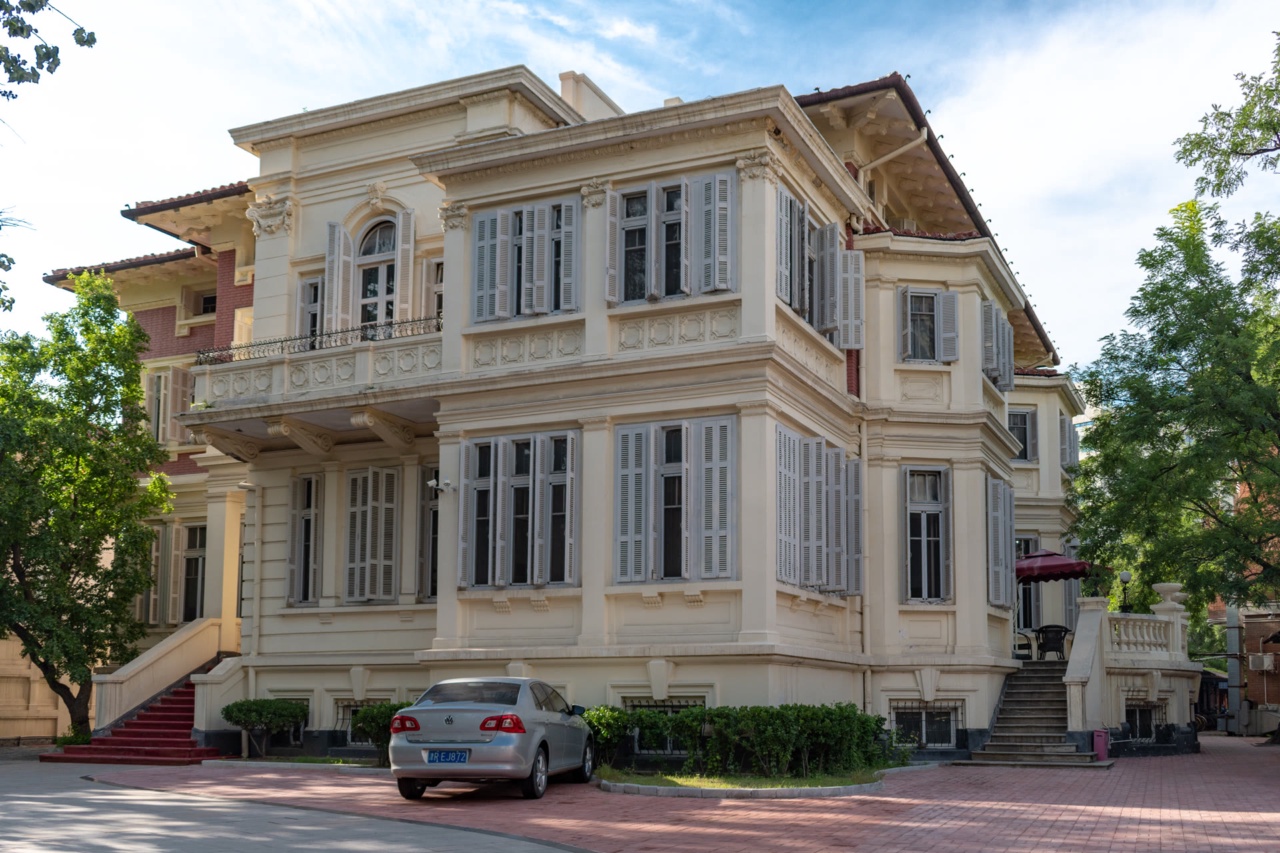
For the traveler, Tianjin offers a distinctive visual landscape. Unlike many Chinese cities that rebuilt rapidly, Tianjin kept large areas of its early 20th-century European architecture, most of it in the former concessions. The former Italian concession, for example, is an Italian-style architecture cluster.[1] This creates an unusual experience where Chinese street life unfolds against backdrops that recall European cities. It is a good destination for those who want to experience Chinese urbanity without the overwhelming intensity of Shanghai or the political gravity of Beijing.
The city is also known throughout China for its specific style of street food and snacks. From the Goubuli buns to the savory Jianbing Guozi crepes, the local food culture is deeply ingrained in daily life. Whether you are strolling along the river at night to see the illuminated bridges or exploring the quiet, tree-lined streets of the former concessions, Tianjin reveals itself as a city of subtle charms and historical layers.
Orientation and Neighborhoods
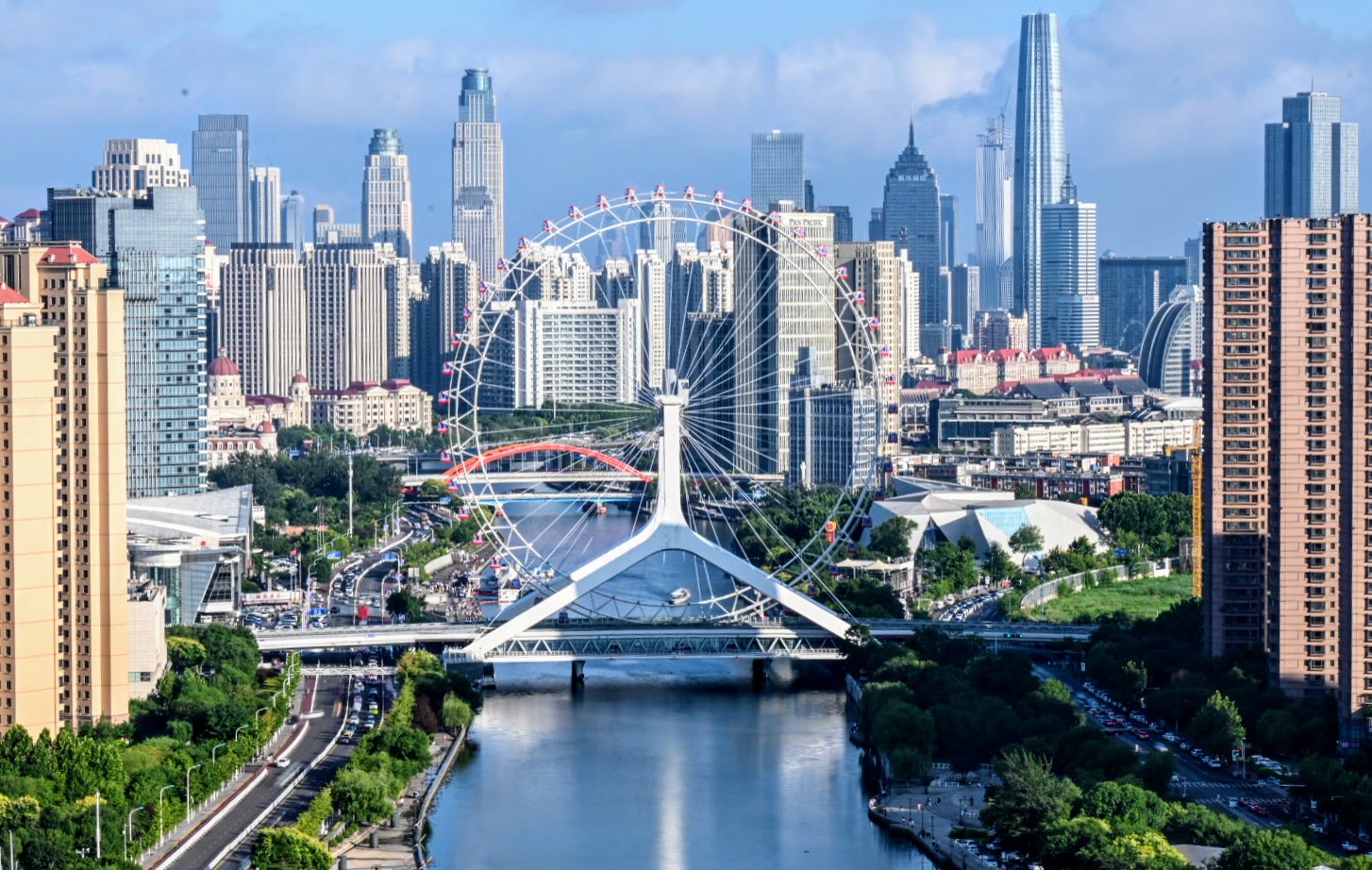
Tianjin is centered around the Haihe River, which winds through the city in a serpentine shape. Most tourist activities are concentrated in the central districts on either side of the river. The city is generally flat, making it easy to navigate once you understand the major landmarks like the Tianjin Eye and the historic train station.
Heping District: This is the commercial and historical heart of the city. It contains the Five Great Avenues (Wudadao) and the Binjiang Dao shopping pedestrian street. This is the best place to stay for first-time visitors who want to be close to major sights and high-end shopping.
Hebei District: Located across the river from Heping, this area hosts the Italian Style Town, which lies in the south of the district.[1] It offers a mix of tourist attractions and traditional residential pockets.
Nankai District: Home to the prestigious Nankai University. This area feels more academic and residential, offering a glimpse into local life.
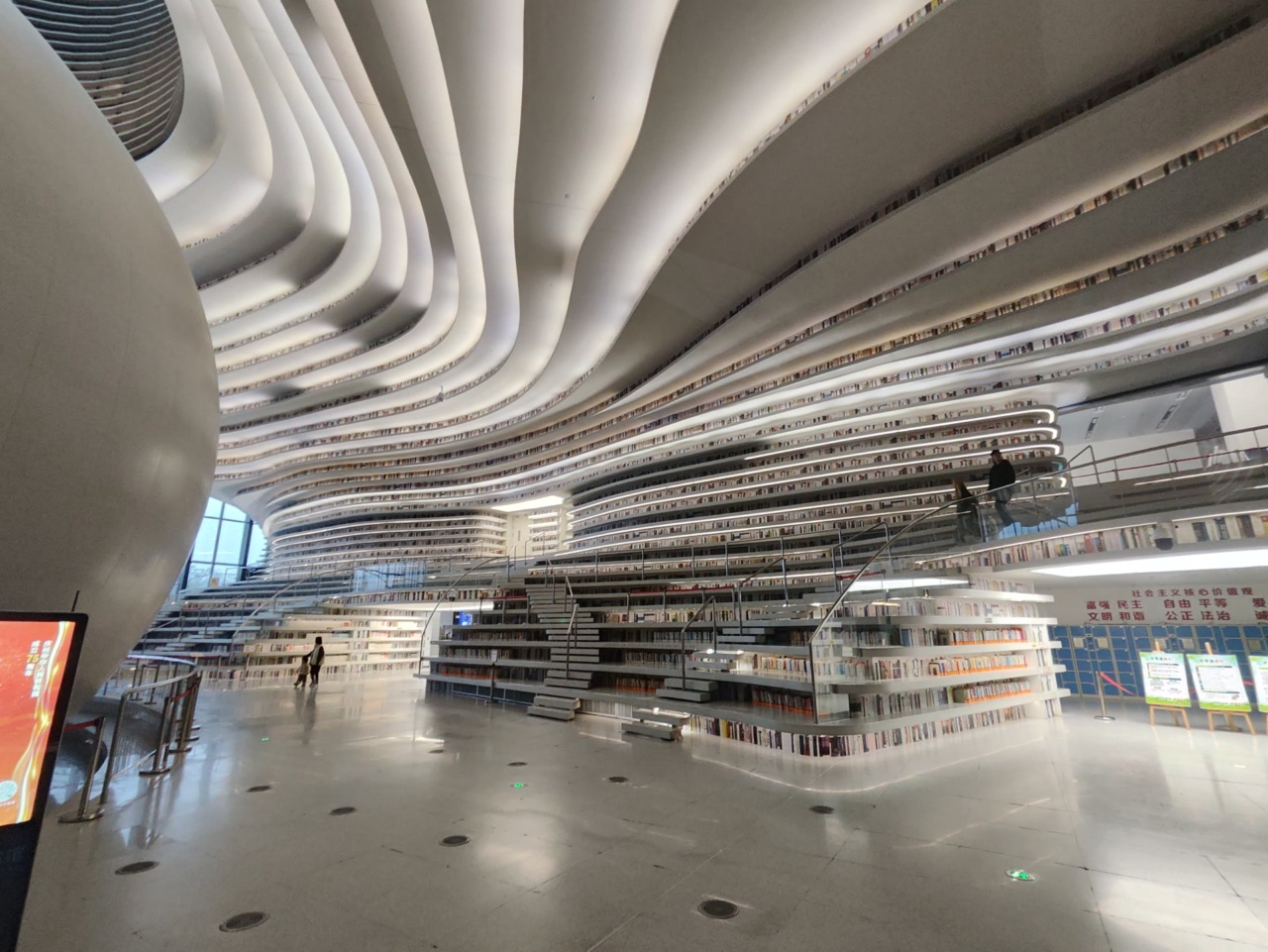
Binhai New Area: Located on the coast, east of the city center. It is a massive industrial and technological hub. While mostly commercial, it is home to the famous Tianjin Binhai Library.
Things to Do
Offers are only loaded from GetYourGuide after you click. GetYourGuide can then process your IP address and set cookies. Privacy Policy
GetYourGuide partner offers. GoAsia may earn a commission if you book through these offers. Check whether tickets or transfers are included, and follow the attraction's official booking and admission rules.
Best Time to Visit
Tianjin experiences four distinct seasons with significant temperature swings. The best times to visit are during the transitional seasons of spring and autumn when the weather is mild and the city's many parks are in full bloom or displaying fall colors.
Season
Months
Weather
Crowds
Spring
April - May
Mild and windy
Manageable crowds
Summer
June - August
Hot, humid, heavy rain in July
Very crowded during school holidays
Autumn
September - October
Cool, dry, clear skies
Peak season, crowded in early October
Winter
November - March
Cold, dry, piercing winds
Fewest tourists
Avoid the national holidays if you can, as public transport is over capacity and many local shops may close. In 2026 the National Day holiday runs from 1 to 7 October and the Spring Festival holiday from 15 to 23 February.[2] Late September is arguably the perfect window, offering crisp air and pleasant walking temperatures.
Getting There and Getting Around
Tianjin Binhai International Airport (TSN) serves many domestic and regional international Asian routes. Metro Line 2 runs between Tianjin Railway Station and the airport area.[3] However, many international travelers arrive via Beijing. The Beijing-Tianjin intercity trains from Beijing South Railway Station take about 30 minutes to reach Tianjin Railway Station.[3]
Within the city, the subway system is clean, efficient, and expanding. Didi (China's version of Uber) is a convenient option and avoids the language barrier, as you enter your destination in the app. While the riverfront is walkable, the sprawling nature of the city means you will frequently rely on the subway or taxis.
Top Sights and Experiences
The Five Great Avenues (Wudadao)
This area of tree-lined streets in Heping District is known for its early 20th-century villas in a mix of European styles. The best way to see it is on foot or by bicycle. Spend at least three hours here exploring the quiet side alleys and converted cafes.
The Tianjin Eye is a 120-meter-tall Ferris wheel built above the Yongle Bridge over the Haihe River, and it is the only such wheel in the world built over a bridge.[4] One full rotation takes 30 minutes.[4] The view at sunset provides a stunning perspective of the Haihe River winding through the city.
Ancient Culture Street (Guwenhua Jie)
This is an old street with a history of more than 600 years, 580 meters long, with the Tianhou Temple at its heart.[1] Today it is filled with traditional crafts, tea houses, and snacks. While highly commercialized, it is a good place to look for local souvenirs. Visit on a weekday morning to avoid the crowds that gather at weekends.
The Italian Style Town
Formerly the center of the Italian concession, this area features Mediterranean-style plazas and statues.[1] It is very touristy, but the architecture is genuinely beautiful. Walk through for the photos, and head elsewhere for a more local meal.
Food and Drink
Tianjin food is salty, hearty, and heavy on seafood and flour-based snacks. The city has a strong breakfast culture.
Dish
Description
Goubuli Baozi
Famed steamed buns with meat filling
Jianbing Guozi
Mung bean crepe with egg and fried dough
Erduoyan Fried Cakes
Fried glutinous rice cakes with bean paste
Mahua
Large, crunchy fried dough twists
For dinner, look for restaurants serving Tianjin cuisine, and try Zha Jiang Mian (soybean paste noodles).
Where to Stay
For most travelers, staying near the Heping District or the Tianjin Railway Station is the most practical choice.
Budget: Look for guesthouses near Nankai University for clean, basic rooms.
Mid-Range: The area around Binjiang Dao shopping street offers many international business hotels.
Upscale: Tianjin has luxury hotels housed in historic buildings, particularly near the river or the Five Great Avenues.
Practical Tips
Payment: Mobile payment is widely used. Set up Alipay or WeChat Pay and link your international credit card before you arrive, and keep some cash as a backup.
Water: Tap water is not drinkable in China, even in major cities, so use bottled or boiled water.[5]
Traffic: Drivers do not always yield to pedestrians, even on green lights, so take care when crossing.
Day Trips
The Huangyaguan Great Wall
Huangyaguan is a section of the Great Wall in the north of Tianjin municipality. It is a long day trip, so consider hiring a private driver.
The Binhai Library
Located in the Binhai Cultural Center. This futuristic "Eye" library went viral for its floor-to-ceiling terraced bookshelves. Binhai is reached by light rail (Line 9) from the city center.
A historical site at the mouth of the Haihe River. These 19th-century fortifications were key in the Opium Wars. It is a somber, educational site for history enthusiasts.
Sample 3-Day Itinerary
Day 1: Colonial History and River Views
Morning: Start at the Five Great Avenues. Rent a bike and explore the villas. Afternoon: Walk through the Italian Style Town, then cross the Jiefang Bridge. Evening: Head to the Tianjin Eye for a sunset ride, then walk along the Haihe River to see the illuminated skyline.
Day 2: Tradition and Culture
Morning: Visit the Ancient Culture Street. Try the Erduoyan fried cakes. Afternoon: Explore the Shi Family Courtyard in Yangliuqing, a well-preserved grand residence in the west of the city. Evening: Catch a traditional "Xiangsheng" (Crosstalk) comedy performance. Even if you don't speak Chinese, the atmosphere and physical comedy are fascinating.
Day 3: Modernity and Relaxation
Morning: Take the light rail to Binhai to see the Binhai Library. Afternoon: Return to the city and visit the Tianjin Museum in the Hexi District to learn about the city's history. Evening: Enjoy a final meal of authentic Tianjin buns (Baozi) and walk along Binjiang Dao.
Frequently Asked Questions
Is Tianjin worth visiting?
Yes, Tianjin is worth visiting for its blend of European colonial architecture and modern Chinese development. It offers a more relaxed atmosphere compared to Beijing and is a good choice for fans of history and street food.
How many days do you need in Tianjin?
Two to three days is enough to see the main highlights, including the Five Great Avenues, the Italian Style Town, and the Binhai Library. If you plan to visit the Huangyaguan Great Wall, add an extra day.
Is Tianjin safe for tourists?
Tianjin is generally considered a safe destination. Take common-sense precautions against petty theft in crowded markets, and be careful when crossing busy streets.
What is the best way to get from Beijing to Tianjin?
The Beijing-Tianjin intercity trains from Beijing South Railway Station are the best option, taking about 30 minutes to reach Tianjin Railway Station.
Can you drink the tap water in Tianjin?
No. Tap water is not drinkable in China, even in major cities. Most hotels provide bottled water or have kettles for boiling water, and bottled water is available at every convenience store.
Is English widely spoken in Tianjin?
English is not widely spoken by the general public. While staff at high-end hotels and some younger people may speak basic English, you should have a translation app and your destinations written in Chinese characters.
What is the signature dish of Tianjin?
The most famous dish is Goubuli Baozi (steamed meat buns). Other essential local eats include Jianbing Guozi (savory breakfast crepes) and Mahua (fried dough twists).
What should I avoid in Tianjin?
Avoid the tea house scams near major tourist sites where "students" invite you for a ceremony that ends in an exorbitant bill.
Sources and background
Numbers in the text such as [1] refer to these sources.
[1]China Daily (Exploring Tianjin): Must sees in Tianjin. Retrieved October 15, 2026.