
Guilin
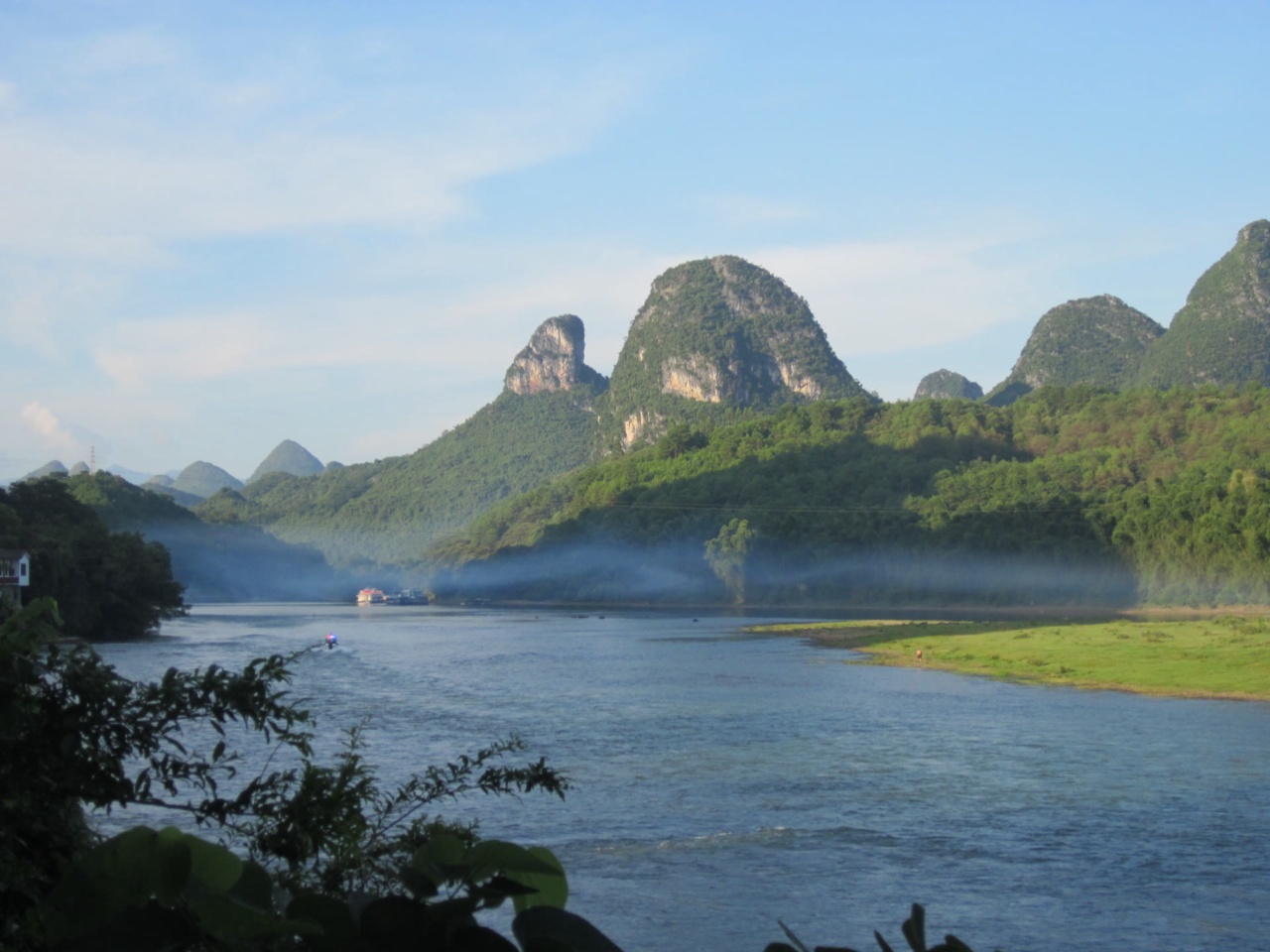
Guilin is China's quintessential landscape masterpiece, where jagged limestone karsts rise abruptly from the emerald Li River. It is a gateway for nature lovers and photographers seeking the misty, traditional scenery that has inspired Chinese ink paintings for centuries.
Last updated: October 15, 2026
When to go
Climate and best time for GuilinBest months: September to March
- January: Great. 12 °C by day, 6 °C at night, 58 mm of rain
- February: Great. 14 °C by day, 8 °C at night, 72 mm of rain
- March: Great. 17 °C by day, 11 °C at night, 126 mm of rain
- April: Good (a lot of rain). 23 °C by day, 16 °C at night, 180 mm of rain
- May: Mixed (a lot of rain). 28 °C by day, 20 °C at night, 278 mm of rain
- June: Mixed (a lot of rain). 31 °C by day, 23 °C at night, 330 mm of rain
- July: Good (a lot of rain). 33 °C by day, 25 °C at night, 193 mm of rain
- August: Good (typhoon risk). 33 °C by day, 24 °C at night, 126 mm of rain
- September: Great. 31 °C by day, 22 °C at night, 63 mm of rain
- October: Great. 26 °C by day, 18 °C at night, 64 mm of rain
- November: Great. 20 °C by day, 12 °C at night, 88 mm of rain
- December: Great. 15 °C by day, 7 °C at night, 53 mm of rain
- Great
- Good
- Mixed
- Poor
Contents
- 1. Orientation and Neighborhoods
- 2. Best Time to Visit
- 3. Getting There and Getting Around
- 4. Top Sights and Experiences
- 4.1 The Li River Cruise
- 4.2 Longji Rice Terraces
- 4.3 Reed Flute Cave
- 4.4 Sun and Moon Pagodas
- 4.5 Overrated Attractions
- 5. Food and Drink
- 6. Where to Stay
- 7. Practical Tips
- 8. Day Trips
- 9. Sample 3-Day Itinerary
- 9.1 Day 1: The City Icons
- 9.2 Day 2: The Li River Journey
- 9.3 Day 3: The Dragon's Backbone
- 10. Budget Overview
- 11. Frequently Asked Questions
Guilin is not a city of skyscrapers, but a city of stone giants. Located in the Guangxi Zhuang Autonomous Region, it sits in a basin surrounded by thousands of limestone karst hills that look as though they were dropped from the sky. The city itself is built around the winding Li and Taohua Rivers, creating a unique urban environment where nature is never more than a glance away. It serves as the primary hub for exploring Southern China's most iconic landscapes, blending a relaxed provincial pace with world-class tourism infrastructure.
For travelers, Guilin offers a transition between the hyper-modernity of China's coastal cities and the rugged, rural beauty of the countryside. While the city center provides modern comforts, the real draw lies in the surrounding areas like Yangshuo and Longsheng. It is an essential stop for those who prioritize scenery, photography, and outdoor activities like hiking and cycling. However, visitors should be prepared for the realities of a major tourist destination, including persistent touts and the occasional crowded viewpoint.
The cultural fabric of Guilin is enriched by several ethnic minority groups, including the Zhuang, Yao, Miao, and Dong people. This diversity is most visible in the local cuisine, traditional dress, and the spectacular terraced hillsides found just a few hours north of the city. Whether you are floating down the river on a bamboo raft or exploring deep limestone caverns, Guilin provides a sensory experience that feels distinctly and anciently Chinese.
Orientation and Neighborhoods
Guilin is relatively compact and easy to navigate, centered around the confluence of the Li and Taohua Rivers. The city is roughly divided by the main north-south artery, Zhongshan Road. Understanding the layout begins with the Two Rivers and Four Lakes system, which forms a scenic moat around the central district.
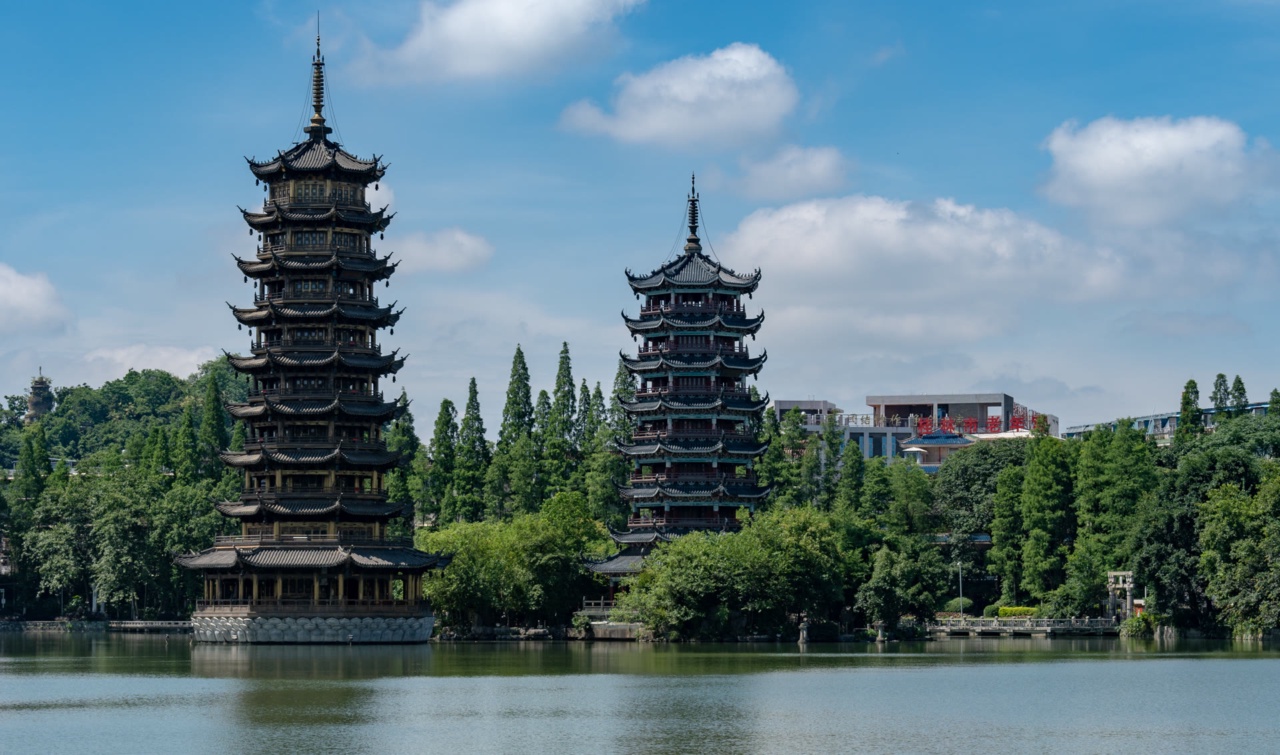
- Xiufeng District (The Center): This is the heart of the city, containing the Zhengyang Pedestrian Street and the Central Square. It is the best place to stay for first-time visitors who want easy access to shopping, restaurants, and the iconic Sun and Moon Pagodas.
- Qixing District (East Bank): Located across the Li River, this area is home to Seven Star Park and several universities. It is quieter and more residential, offering a local feel and slightly lower hotel prices while remaining close to major sights.
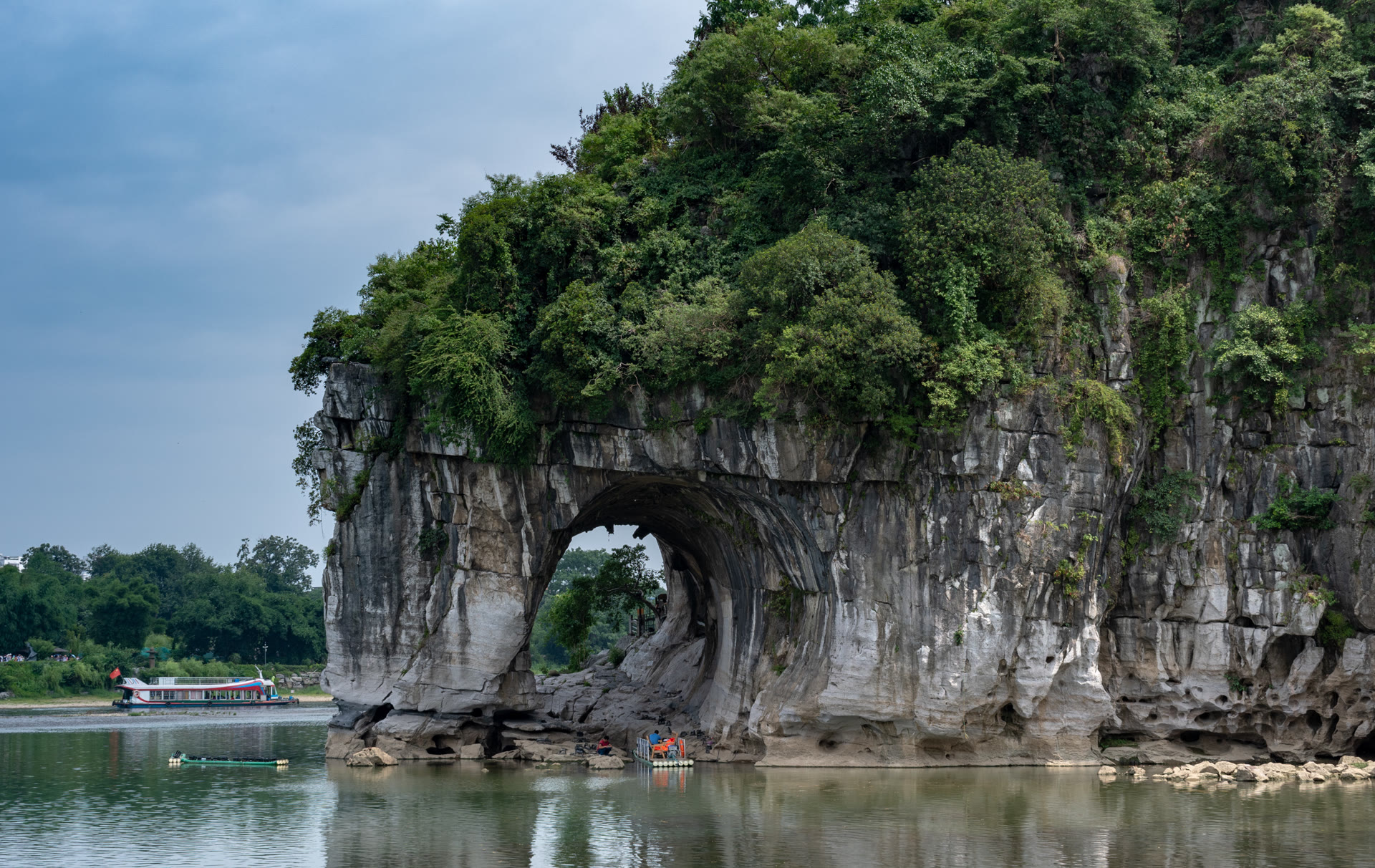
- Elephant Trunk Hill Area: Situated at the southern end of the city center, this is the most famous scenic spot. Staying here provides great river views and easy access to the train station, though it can be very busy during the day.
- Longsheng (Longji Rice Terraces): Located about 2 to 3 hours north of the city, this is where you find the famous terraced mountains. Many travelers spend one or two nights here in traditional wooden guesthouses to experience the sunrise over the fields.
- Yangshuo: While technically a separate county 40 miles south, Yangshuo is inextricably linked to Guilin. Most travelers spend the majority of their time here for the best karst scenery, using Guilin primarily as a transit hub.
Things to Do
Offers are only loaded from GetYourGuide after you click. GetYourGuide can then process your IP address and set cookies. Privacy Policy
GetYourGuide partner offers. GoAsia may earn a commission if you book through these offers. Check whether tickets or transfers are included, and follow the attraction's official booking and admission rules.
Best Time to Visit
Guilin has a humid subtropical climate with distinct seasons. The best time to visit is during the shoulder seasons when the weather is mild and the scenery is at its most vibrant.
| Month Range | Weather | Crowds | Prices |
|---|---|---|---|
| April to June | Warm and rainy (misty mountains) | Moderate | Mid-Range |
| July to August | Hot and humid | High (School holidays) | High |
| September to October | Clear, dry, and pleasant | Very High (Oct holiday) | High |
| November to March | Cool to chilly, dry | Low | Budget |
The rainy season from April to June creates the classic misty karst look seen in paintings, though heavy rain can occasionally cancel river cruises. Autumn (September and October) offers the most stable weather and the golden harvest colors in the rice terraces. Avoid the first week of October (National Day) at all costs, as sites become overwhelmingly crowded and prices triple.
Getting There and Getting Around
Guilin Liangjiang International Airport (KWL) is located about 18 miles west of the city. An airport shuttle bus runs frequently to the city center for around $3, while a taxi or Didi (ride-hailing) typically costs between $15 and $25. Guilin is also a major high-speed rail hub, with Guilin Railway Station (central) and Guilin North or West stations connecting to Hong Kong (3 hours), Guangzhou (2.5 hours), and Chengdu (5 hours).
Within the city, the bus system is extensive and costs roughly $0.30 per ride, though it can be difficult to navigate without reading Chinese. Didi is the most practical way for tourists to get around; it is reliable, transparent in pricing, and the app has an English interface. Walking is highly recommended within the central Xiufeng district, especially along the lake-side paths. For transport to Yangshuo or the rice terraces, you can find detailed schedules and booking options on GoAsia.cc.
Top Sights and Experiences
The Li River Cruise
The 50-mile stretch of water between Guilin and Yangshuo is the centerpiece of any trip. Large four-star boats depart every morning from Mopanshan or Zhujiang piers. The journey takes about 4 to 5 hours. Tip: Book the 4-star boat for better facilities and a decent buffet lunch. The most famous section is at Xingping, which is depicted on the back of the 20 Yuan banknote.
Longji Rice Terraces
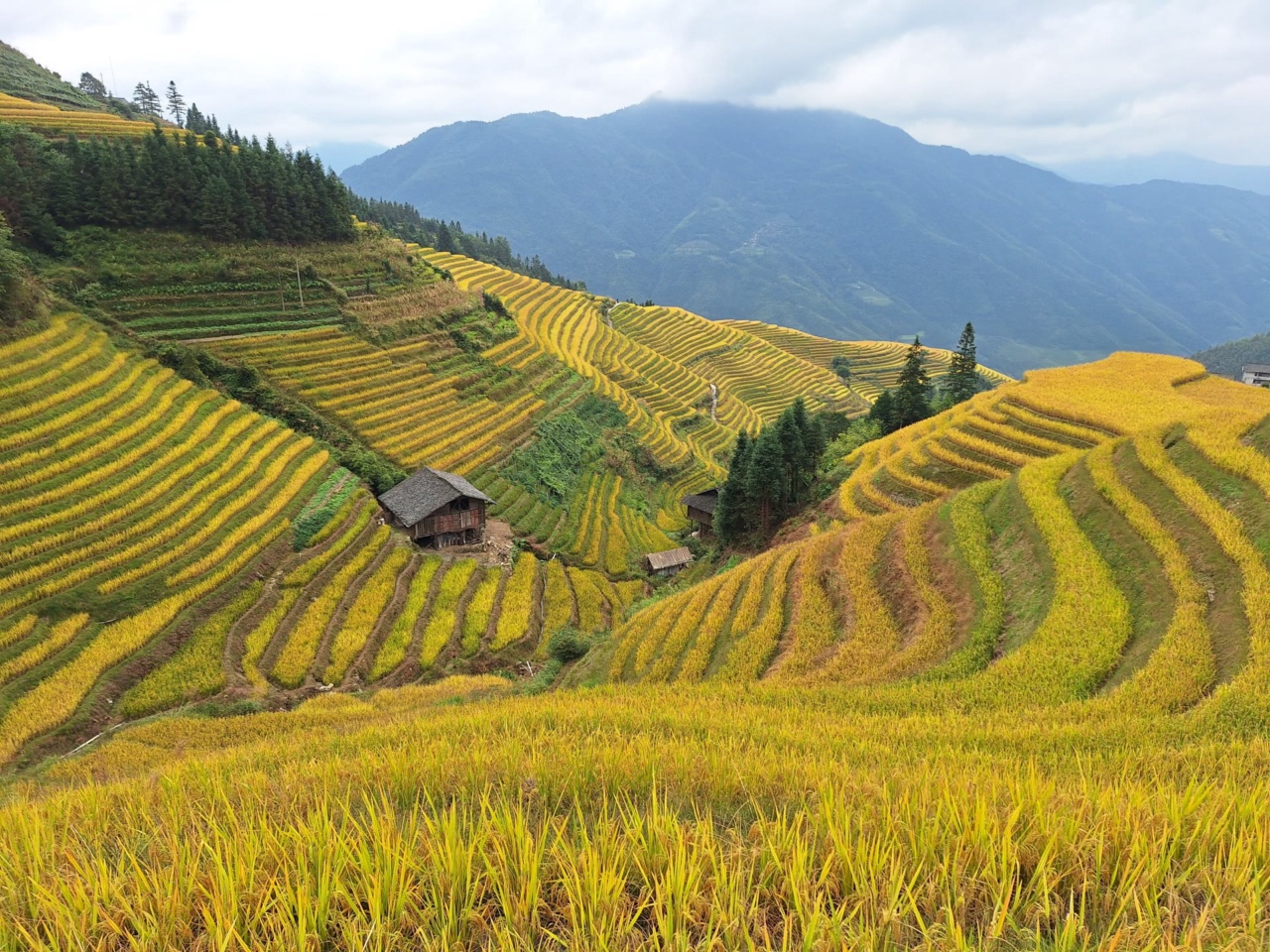
Known as the Dragon's Backbone, these terraces were carved into the mountains over 600 years ago. Visit the Ping'an or Jinkeng villages. Jinkeng is further and steeper but offers a cable car and fewer crowds. Plan to spend at least 4 hours hiking between viewpoints like the Seven Stars Accompanying the Moon.
Reed Flute Cave
A massive limestone cavern filled with stalactites and stalagmites. While the multi-colored neon lighting is a bit garish for some, the scale of the formations is genuinely impressive. It takes about an hour to walk through. Go early in the morning to avoid the large tour groups.
Sun and Moon Pagodas
Located in Banyan Lake, these pagodas are best viewed at night when they are illuminated in gold and silver. You can walk through an underwater glass tunnel connecting them. It is a pleasant, low-effort evening activity after dinner.
Overrated Attractions
Elephant Trunk Hill: While it is the symbol of the city, the entry fee is steep for what is essentially a quick photo opportunity. You can get a decent view of it from across the river or from certain hotel rooftops without paying the admission. Seven Star Park: It is a large, pleasant city park, but it lacks the unique wow factor of the surrounding countryside and can feel like a generic zoo/amusement park hybrid in sections.
Food and Drink
Guilin cuisine is famous for its balance of sour and spicy flavors, heavily influenced by the Cantonese and Hunanese styles. The local specialty is Guilin Rice Noodles (Mifen), which has been a staple for over two millennia.
| Dish | Description | Where to Try | Typical Price |
|---|---|---|---|
| Guilin Rice Noodles | Rice noodles with gravy, fried peanuts, pickled beans, and thin slices of meat. | Any small hole-in-the-wall shop | $1 to $2 |
| Beer Fish | Fresh carp from the Li River braised in local beer with tomatoes and peppers. | Yangshuo West Street | $10 to $18 |
| Stuffed River Snails | Snail shells stuffed with a mix of minced pork, mint, and snail meat. | Night markets | $5 to $8 |
| Oil Tea | A savory Gongcheng Yao drink made by frying tea leaves with ginger and garlic. | Local breakfast spots | $2 to $4 |
Street food is best explored at the Zhengyang Pedestrian Street or the smaller alleys nearby. For a more formal meal, look for restaurants specializing in 'minority cuisine' which often feature bamboo-tube rice and smoked meats.
Where to Stay
Accommodation in Guilin is very affordable compared to Western standards. For the best experience, split your time between a central Guilin hotel and a scenic guesthouse in Yangshuo or Longji.
- Budget: Hostels and local inns in the Qixing District offer clean beds for $15 to $25 per night. Look for places near the university for cheap eats.
- Mid-Range: Modern hotels around the Two Rivers and Four Lakes area typically cost $40 to $70. These often include English-speaking staff and western breakfast options.
- Upscale: International brands and luxury boutiques overlooking the Li River range from $100 to $200 per night. These provide the highest level of service and often assist with tour bookings.
Practical Tips
- Payment: Cash is rarely used. Download Alipay or WeChat Pay and link your international credit card before arriving. Most small vendors will only accept these mobile payments.
- Internet: A VPN is essential to access Google, Facebook, or Instagram. Alternatively, buy an international roaming SIM or an e-SIM tailored for China that bypasses the firewall.
- Language: English is spoken at major hotels and by tour guides, but rarely by taxi drivers or in local restaurants. Have your destination written in Chinese characters or use a translation app like Baidu Translate.
- Tipping: Tipping is not part of Chinese culture and is not expected in restaurants or taxis. Small tips for tour guides or private drivers are appreciated but not mandatory.
- Safety: Guilin is very safe for solo travelers. The main issues are petty scams involving overpriced tea ceremonies or drivers insisting that the attraction you want to see is 'closed' to take you elsewhere.
Day Trips
- Xingping Ancient Town: Located 50 minutes from Guilin by high-speed train or a bus from Yangshuo. It offers the most iconic river views and a more historic feel than central Yangshuo.
- Daxu Ancient Town: A 30-minute drive from Guilin. This is a non-commercialized village with cobblestone streets and traditional wooden houses. It is worth it for those who want to see authentic, decaying architecture.
- Crown Cave: A massive water-filled cave that you can explore by boat, train, and elevator. It is a bit of a 'theme park' experience but great for families with children.
Sample 3-Day Itinerary
Day 1: The City Icons
Morning: Visit Reed Flute Cave early to beat the crowds. Afternoon: Walk around Elephant Trunk Hill and then explore the Zhengyang Pedestrian Street for a lunch of Guilin Rice Noodles. Evening: Take a night cruise of the Two Rivers and Four Lakes or walk the perimeter to see the Sun and Moon Pagodas lit up.
Day 2: The Li River Journey
Morning: Take the 4-star cruise from Guilin to Yangshuo (approx. 4 hours). Afternoon: Upon arrival in Yangshuo, rent a bicycle or E-bike to explore the Ten-Mile Gallery and the Yulong River. Evening: Watch the 'Impression Liu Sanjie' light show, performed on the river with a backdrop of real karst mountains.
Day 3: The Dragon's Backbone
Full Day: Take a private car or tour to the Longji Rice Terraces (2.5 hours each way). Hike from the entrance up to the 'Music from Paradise' viewpoint in the Jinkeng area. Enjoy bamboo-tube rice for lunch before returning to Guilin for your flight or train.
Budget Overview
| Category | Budget | Mid-Range | Comfort |
|---|---|---|---|
| Accommodation | $20 | $55 | $130 |
| Food | $10 | $25 | $50 |
| Transport | $5 | $15 | $40 |
| Activities | $15 | $40 | $70 |
| Daily Total | $50 | $135 | $290 |
Frequently Asked Questions
Is Guilin worth visiting?
Yes, Guilin is absolutely worth visiting as it offers some of the most unique and iconic natural landscapes in the world. It is the best place in China to see limestone karst formations and traditional river life, making it a bucket-list destination for nature lovers.
How many days do you need in Guilin?
You need at least 3 to 4 days to see the highlights. This allows one day for the city sights, one full day for the Li River cruise and Yangshuo, and one full day for the Longji Rice Terraces.
Is Guilin safe for tourists?
Guilin is exceptionally safe in terms of violent crime. The biggest risks are tourist-targeted scams, such as 'tea ceremonies' that end in a massive bill, or unauthorized taxis overcharging travelers.
What is the best time to visit Guilin?
The best time is from September to October for clear weather and golden rice terraces, or April to May if you want to see the classic misty, rainy mountain scenery.
Can you drink tap water in Guilin?
No, you should not drink the tap water in Guilin. Always drink boiled water provided in hotels or purchase bottled water, which is cheap and widely available.
Is English widely spoken in Guilin?
English is spoken in major hotels, upscale restaurants, and by tour guides. However, it is not common among taxi drivers or local shopkeepers, so having a translation app is highly recommended.
How do I get from Guilin to Yangshuo?
The most scenic way is the 4-hour Li River cruise. For a faster option, you can take a high-speed train (20 minutes) or a direct bus (90 minutes) from the city center.
What should I avoid in Guilin?
Avoid visiting during the first week of October (National Day) due to extreme crowds. Also, be wary of people on the street offering 'very cheap' tours, as these often include hidden shopping stops.
Routes
Routes from Guilin (5)
Routes to Guilin (4)