
Leshan
A riverside sanctuary in Sichuan province defined by the presence of the world's largest stone Buddha and a legendary street food scene. Leshan offers a slower pace of life compared to nearby Chengdu, blending deep Buddhist heritage with lush subtropical landscapes.
Last updated: October 15, 2026
Contents
- 1. Orientation and Neighborhoods
- 2. Best Time to Visit
- 3. Getting There and Getting Around
- 4. Top Sights and Experiences
- 4.1 The Leshan Giant Buddha (Dafo)
- 4.2 The Boat View of the Buddha
- 4.3 Oriental Buddha Park (Dongfang Fodu)
- 4.4 The Ancient City Walls and Old Gates
- 4.5 Overrated: The Night Light Show
- 5. Food and Drink
- 6. Where to Stay
- 7. Practical Tips
- 8. Day Trips
- 9. Sample 3-Day Itinerary
- 9.1 Day 1: The Great Stone Giant
- 9.2 Day 2: River Culture and Ancient Towns
- 9.3 Day 3: Sacred Peaks
- 10. Budget Overview
- 11. Frequently Asked Questions
Leshan sits at the confluence of the Min, Dadu, and Qingyi rivers, a location that has defined its history for over a millennium. While most travelers view it merely as a day trip from Chengdu, this city of over three million residents possesses a distinct identity rooted in its river culture and a reputation for having the best food in Sichuan. The atmosphere is noticeably more relaxed than the provincial capital, with locals spending afternoons in riverside teahouses or strolling along the ancient city walls.
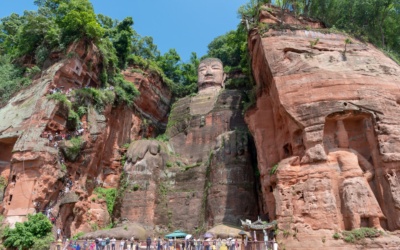
The city is dominated by the presence of the Dafo, or Giant Buddha, carved into the Lingyun Mountain cliffside. This massive red sandstone statue was commissioned in the eighth century to calm the turbulent waters that plagued shipping vessels. Today, it serves as a spiritual anchor for the region, drawing pilgrims and tourists alike. Beyond the stone monument, Leshan reveals itself through winding alleys filled with the scent of sweet-skinned duck and spicy beef tofu, offering a sensory experience that justifies a multi-day stay.
For the traveler, Leshan is a gateway to the sacred Mount Emei, but it is also a destination that rewards those who slow down. Whether you are navigating the steep staircases of the mountain parks or exploring the vibrant night markets, the city provides a balanced mix of monumental history and authentic modern Chinese life. It is a place where the grandeur of ancient engineering meets the grounded reality of a bustling river port.
Orientation and Neighborhoods
Leshan is primarily structured around its three rivers. The central urban area is located on a peninsula formed by the Min River to the east and the Dadu River to the south. Understanding this geography is key to navigating the city and choosing where to stay.
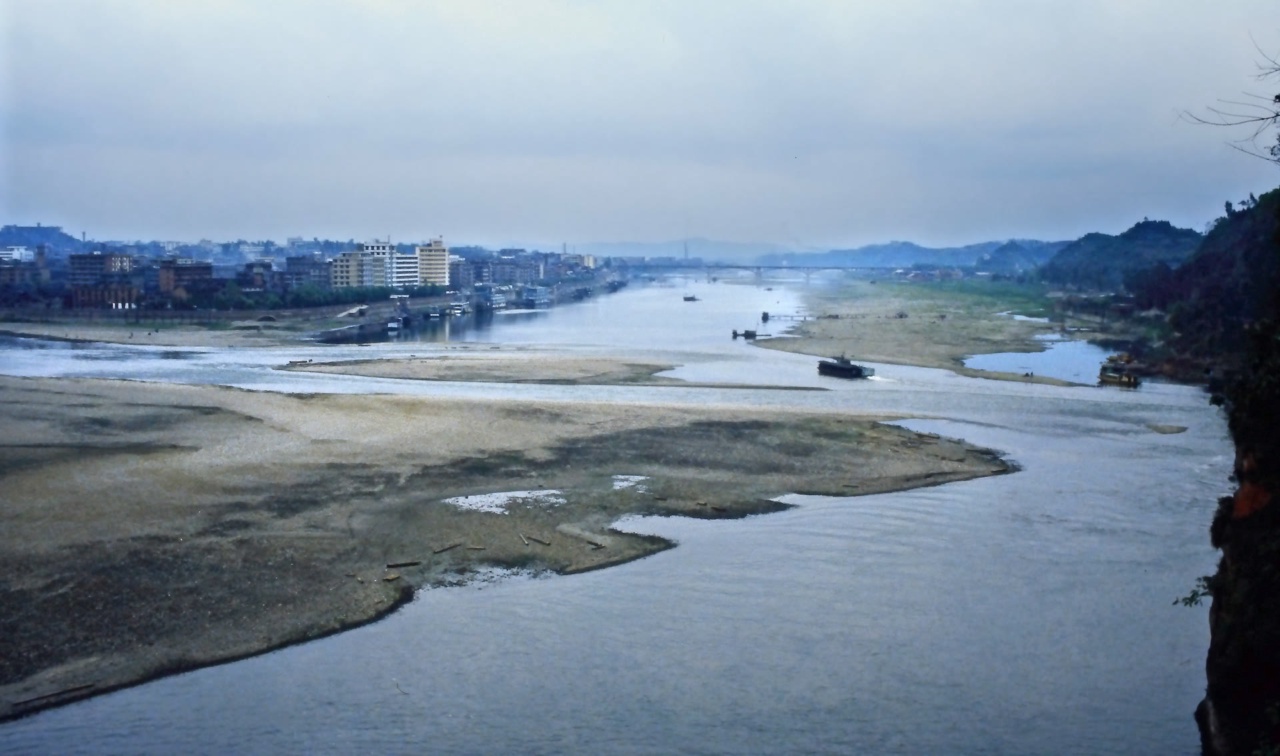
- Shizhong District (City Center): This is the heart of Leshan and the best place to stay for food lovers. The area around Zhanggongqiao and Jiading Road is packed with famous eateries and shopping malls. Staying here puts you within walking distance of the riverfront and local markets.
- Giant Buddha Area (East Bank): Located across the Min River from the city center, this area is quieter and more scenic. It is ideal for those who want to be at the Buddha park gates first thing in the morning. However, you will need to cross the bridge or take a ferry to access the wider variety of dining options in the city center.
- Luzhou Road / Riverside: The southern edge of the city along the Dadu River. This area features high-end hotels and modern residential complexes. It offers great views of the river and the reclining Buddha silhouette formed by the distant hills, making it a favorite for families and luxury travelers.
- Suji Town: A historic town about 15 kilometers from the center. It is famous for its bridge and traditional architecture. While too far for a primary base, it is an essential afternoon visit for those seeking a more traditional Sichuanese town vibe.
Things to Do
Offers are only loaded from GetYourGuide after you click. GetYourGuide can then process your IP address and set cookies. Privacy Policy
GetYourGuide partner offers. GoAsia may earn a commission if you book through these offers. Check whether tickets or transfers are included, and follow the attraction's official booking and admission rules.
Best Time to Visit
Leshan has a humid subtropical climate characterized by overcast skies and high humidity year-round. The best times to visit are during the transitional seasons of spring and autumn.
| Month Range | Weather | Crowds | Prices |
|---|---|---|---|
| March to May | Mild and pleasant | Moderate | Standard |
| June to August | Hot, humid, and rainy | High (School holidays) | Peak |
| September to November | Cool and crisp | Moderate | Standard |
| December to February | Cold, damp, and grey | Low | Lower |
Avoid visiting during the Golden Week (first week of October) and the Chinese New Year period. During these times, the Giant Buddha park can see wait times of four to five hours just to descend the stairs to the Buddha's feet. Spring is particularly beautiful as the surrounding hills and nearby Mount Emei begin to bloom.
Getting There and Getting Around
Leshan is exceptionally well-connected to the rest of Sichuan. The most common entry point is via Chengdu. High-speed trains run frequently from Chengdu East and Chengdu South stations, reaching Leshan in roughly 50 to 70 minutes for around $8 to $12. You can check schedules and book transport on GoAsia.cc to plan your arrival.
The Leshan Railway Station is located on the northwestern outskirts. From there, bus K1 or taxi/Didi rides (around $3 to $5) will take you to the city center or the Giant Buddha scenic area. For those coming from further afield, Chengdu Shuangliu International Airport is the closest major hub, with direct buses and trains linking it to Leshan.
Within the city, taxis and ride-hailing apps like Didi are affordable and ubiquitous. Most trips within the city center cost under $3. The bus system is extensive but can be difficult to navigate without reading Chinese. Leshan is quite walkable along the riverfront, but the distance between the city center and the Buddha park usually requires a short vehicle trip or a ferry ride. Ferries operate from the central piers, providing a scenic crossing for less than $1.
Top Sights and Experiences
The Leshan Giant Buddha (Dafo)
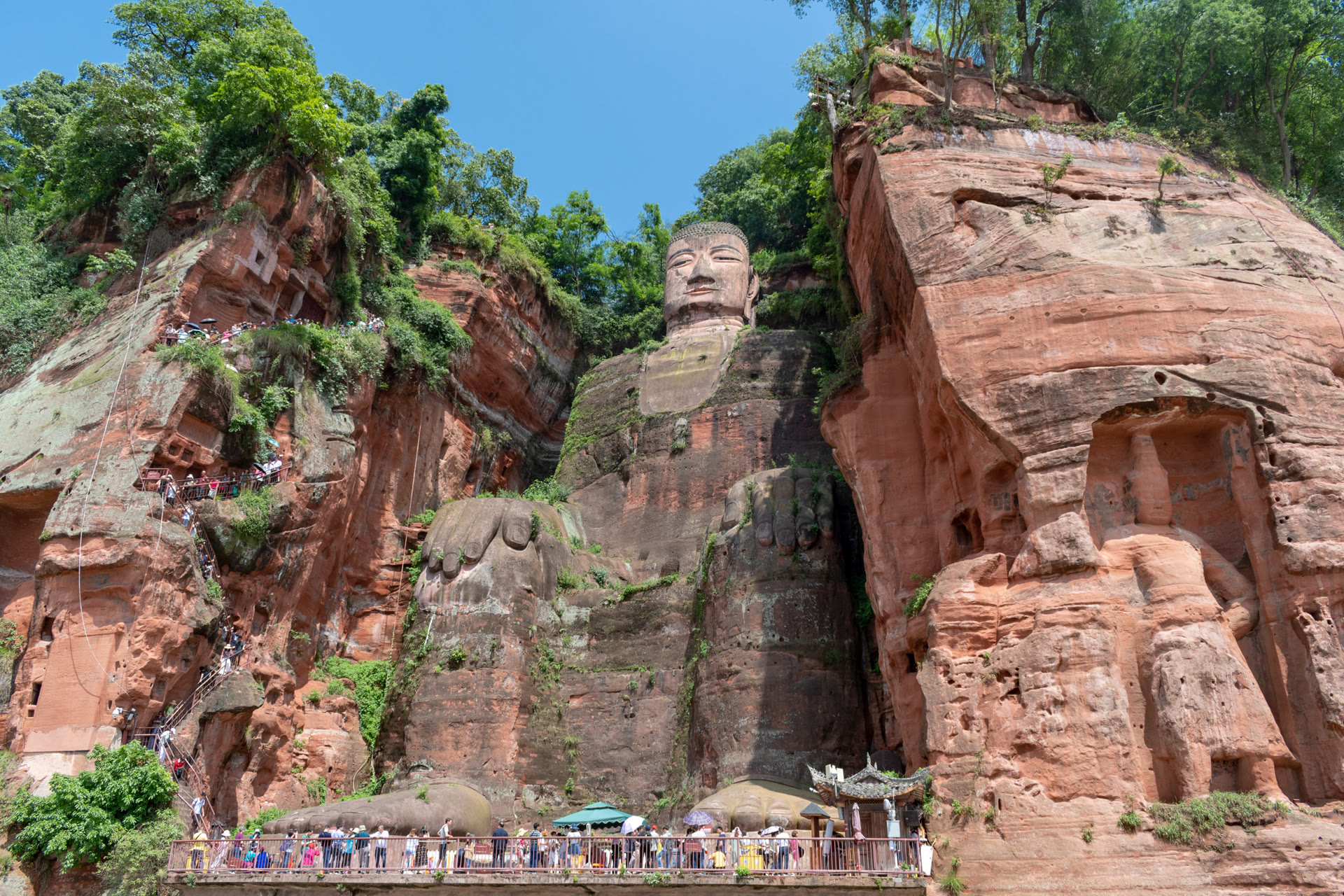
Standing 71 meters tall, this UNESCO World Heritage site is the primary reason people visit. There are two ways to experience it: by land or by water. The land entrance allows you to walk through Lingyun Temple and down a narrow, steep staircase (the Nine Turns Plank Path) to the Buddha's feet. Expect to spend 3-4 hours here. Tip: Arrive at the ticket office at 7:30 AM to beat the tour groups that arrive from Chengdu by 10:00 AM.
The Boat View of the Buddha
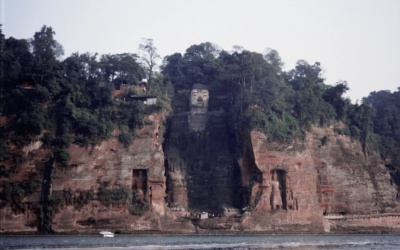
If you have limited mobility or want to see the Buddha in its entirety, take the sightseeing boat from the Bafang Pier. The boat stops in front of the statue for several minutes, allowing for the best photographs of the full figure. The ride takes about 30 minutes and costs roughly $10. It also provides a view of the "Sleeping Buddha" rock formation, of which the Giant Buddha forms the heart.
Oriental Buddha Park (Dongfang Fodu)
Located adjacent to the Giant Buddha, this park houses thousands of Buddha reproductions from across Asia, including a massive 170-meter reclining Buddha. While modern, the carvings are impressive in scale. Many travelers skip this to save time, but it is much quieter than the main attraction and offers a more peaceful walking experience through forest trails.
The Ancient City Walls and Old Gates
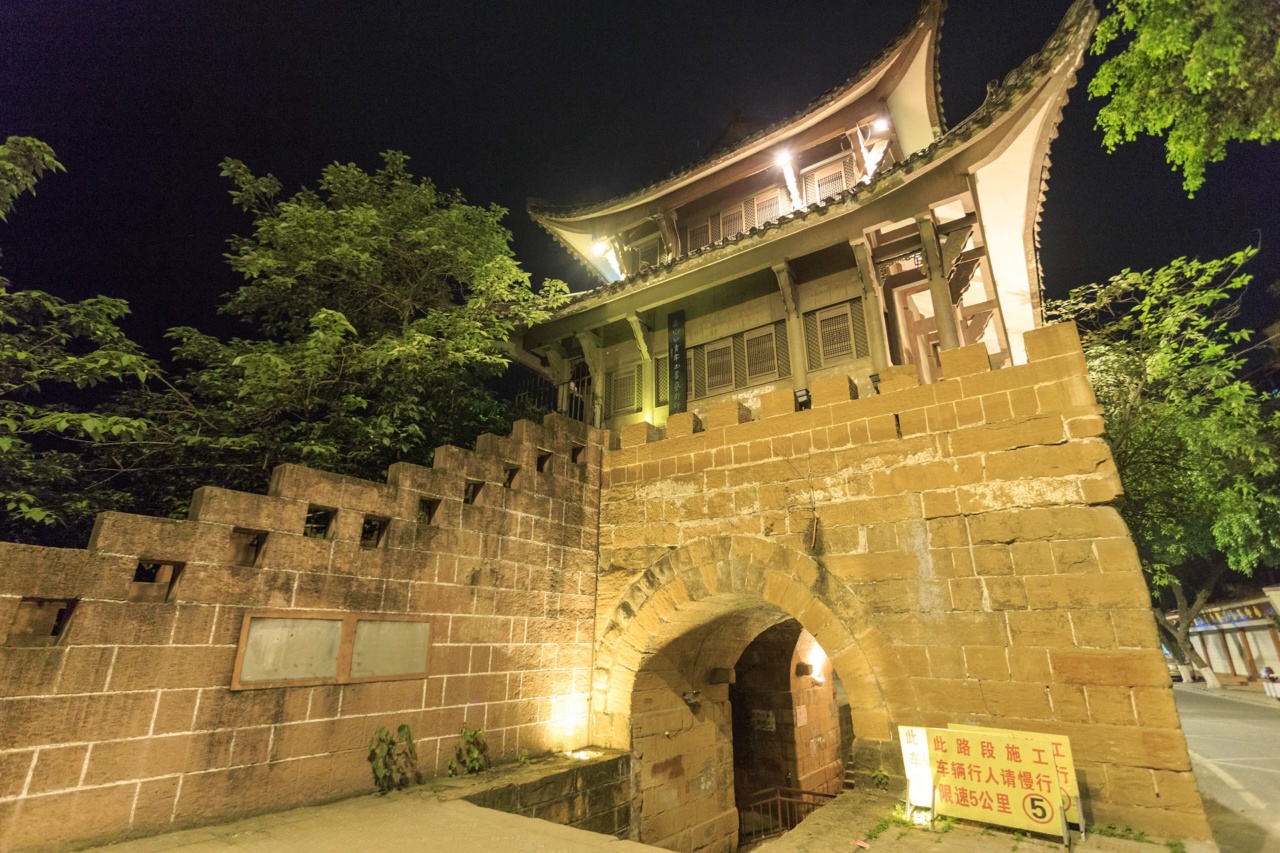
Leshan still retains sections of its red sandstone city walls along the Min River. Walking from the Old City Gate toward the river confluence provides a glimpse into the city's defensive past. The area near the gate is a hub for local life, where you can see elders playing mahjong or practicing tai chi.
Overrated: The Night Light Show
In recent years, Leshan has introduced a night tour involving neon lights and projections onto the Buddha and surrounding cliffs. While some find it colorful, it often feels artificial and detracts from the ancient, spiritual nature of the site. It is generally better to see the Buddha in natural daylight.
Food and Drink
Leshan is widely considered the culinary soul of Sichuan. Many of the dishes famous in Chengdu actually originated here. The food culture is centered around "Xiao Chi" (small eats), allowing you to try many things in one evening.
| Dish | Description | Where to Try | Typical Price |
|---|---|---|---|
| Tianpi Ya (Sweet-skinned Duck) | Crispy, honey-glazed fried duck with tender meat. | Zhanggongqiao Street | $5-$8 (half duck) |
| Bobo Ji | Skewers of meat and veg served in a cold, spicy chili oil broth. | Ye Po Po (famous local chain) | $0.20 per skewer |
| Qiaojiao Niurou | A clear, herbal beef broth with various cuts of tender beef. | Suji Town or city center | $3-$6 per bowl |
| Douhua (Tofu Pudding) | Silky tofu served with savory toppings like crispy beans and chili. | Street stalls near the Buddha | $1-$2 |
For the best experience, head to Zhanggongqiao Food Street in the evening. This pedestrian-friendly area is a neon-lit gauntlet of snack stalls and restaurants. Don't miss the Shaomai (steamed dumplings) which are distinctively large and meat-heavy in Leshan compared to the Cantonese version.
Where to Stay
Accommodation in Leshan is generally affordable, with high-quality options available for a fraction of the price in Shanghai or Beijing.
- Budget ($15 - $30): Look for boutique hostels or guesthouses in the Shizhong District. Many are located in converted apartments or older buildings near the food streets, offering a very local experience.
- Mid-Range ($40 - $75): There are several domestic Chinese hotel chains along the riverfront that offer clean, modern rooms with excellent views. These often include a buffet breakfast with local specialties like rice noodles.
- Upscale ($90 - $150): International brands and high-end resorts are located further south along the Dadu River or near the entrance to Mount Emei. These offer full amenities, including English-speaking staff and western dining options.
Practical Tips
- Payment: Cash is rarely used. Alipay and WeChat Pay are the primary methods of payment. Ensure your international card is linked to one of these apps before arriving. While some larger hotels take Visa, street food stalls will not.
- Safety: Leshan is extremely safe for tourists. The primary concern is the steep, slippery stairs at the Buddha site, especially during rain. Wear shoes with good grip.
- Language: English is not widely spoken outside of major hotel receptions. Download a translation app that works offline. Locals are generally patient and helpful with translation apps.
- Internet: A VPN is necessary to access Google, Facebook, or Instagram. Alternatively, use an international roaming SIM which often bypasses the firewall.
- Tipping: Tipping is not practiced in China and can sometimes be seen as confusing or even offensive.
Day Trips
- Mount Emei (Emeishan): Only 45 minutes away by bus or 15 minutes by high-speed train. It is one of the four sacred Buddhist mountains of China. While it can be done in a day, a two-day trip is better to reach the Golden Summit.
- Suji Ancient Town: A 20-minute taxi ride from the center. It is famous for its stone bridge and is the birthplace of Qiaojiao Niurou (herbal beef). It is a quieter alternative to the city's hustle.
- Luocheng Ancient Town: About an hour's drive away. Known for its unique boat-shaped architecture and traditional teahouse culture where locals spend the entire day playing cards. It is much more authentic and less commercialized than many other "ancient towns" in China.
Sample 3-Day Itinerary
Day 1: The Great Stone Giant
Morning: Arrive at the Giant Buddha Park at opening (7:30 AM). Walk the cliffside paths, visit Lingyun Temple, and descend to the feet of the Buddha. Afternoon: Walk through the Oriental Buddha Park and exit through the south gate. Take a taxi back to the city center and walk along the ancient city walls. Evening: Explore Zhanggongqiao Food Street for a dinner of Bobo Ji and sweet-skinned duck.
Day 2: River Culture and Ancient Towns
Morning: Take the sightseeing boat from Bafang Pier to see the Buddha from the water and witness the Sleeping Buddha silhouette. Afternoon: Head to Suji Ancient Town. Walk the old streets, cross the ancient bridge, and have a late lunch of the famous herbal beef soup. Evening: Return to Leshan and enjoy a tea by the Min River at one of the many local open-air teahouses.
Day 3: Sacred Peaks
Full Day: Take an early train to Emeishan Station. Use the park shuttle bus to reach Leidongping, then hike or take the cable car to the Golden Summit to see the massive multi-faced Samantabhadra statue. Return to Leshan in the evening for a final bowl of spicy rice noodles.
Budget Overview
| Category | Budget | Mid-Range | Comfort |
|---|---|---|---|
| Accommodation | $20 | $50 | $110 |
| Food | $10 | $25 | $50 |
| Transport | $3 | $10 | $25 |
| Activities | $15 | $25 | $40 |
| Daily Total | $48 | $110 | $225 |
Frequently Asked Questions
Is Leshan worth visiting?
Absolutely. It houses the world's largest stone Buddha and is widely considered the culinary capital of Sichuan province. It offers a more authentic and manageable experience than the larger city of Chengdu.
How many days do you need in Leshan?
Two days is the ideal amount of time. This allows one full day for the Giant Buddha and the local food scene, and a second day for exploring nearby ancient towns like Suji or Luocheng.
Is Leshan safe for tourists?
Yes, Leshan is very safe, even for solo travelers at night. Standard precautions against pickpocketing in crowded areas like the Buddha park apply, but violent crime is extremely rare.
Can you drink tap water in Leshan?
No, you should not drink tap water in Leshan. Most hotels provide bottled water or a kettle to boil water. Bottled water is cheap and available at every convenience store.
How do I get from Chengdu to Leshan?
The best way is by high-speed train from Chengdu East or Chengdu South stations. The journey takes about an hour and trains run frequently throughout the day.
What is the best way to see the Giant Buddha?
For the best perspective, do both: walk down the stairs to the feet to appreciate the scale, and take a 30-minute boat ride to see the entire statue from the front.
Is English widely spoken in Leshan?
English is limited. While major hotels and ticket offices may have English-speaking staff, you will need a translation app for restaurants, taxis, and local markets.
What should I wear to visit the Buddha?
Wear sturdy walking shoes with good grip. The stone steps can be very slippery when wet, and the climb involves many steep sections.
Guides & Tips
Routes
Routes to Leshan (1)