
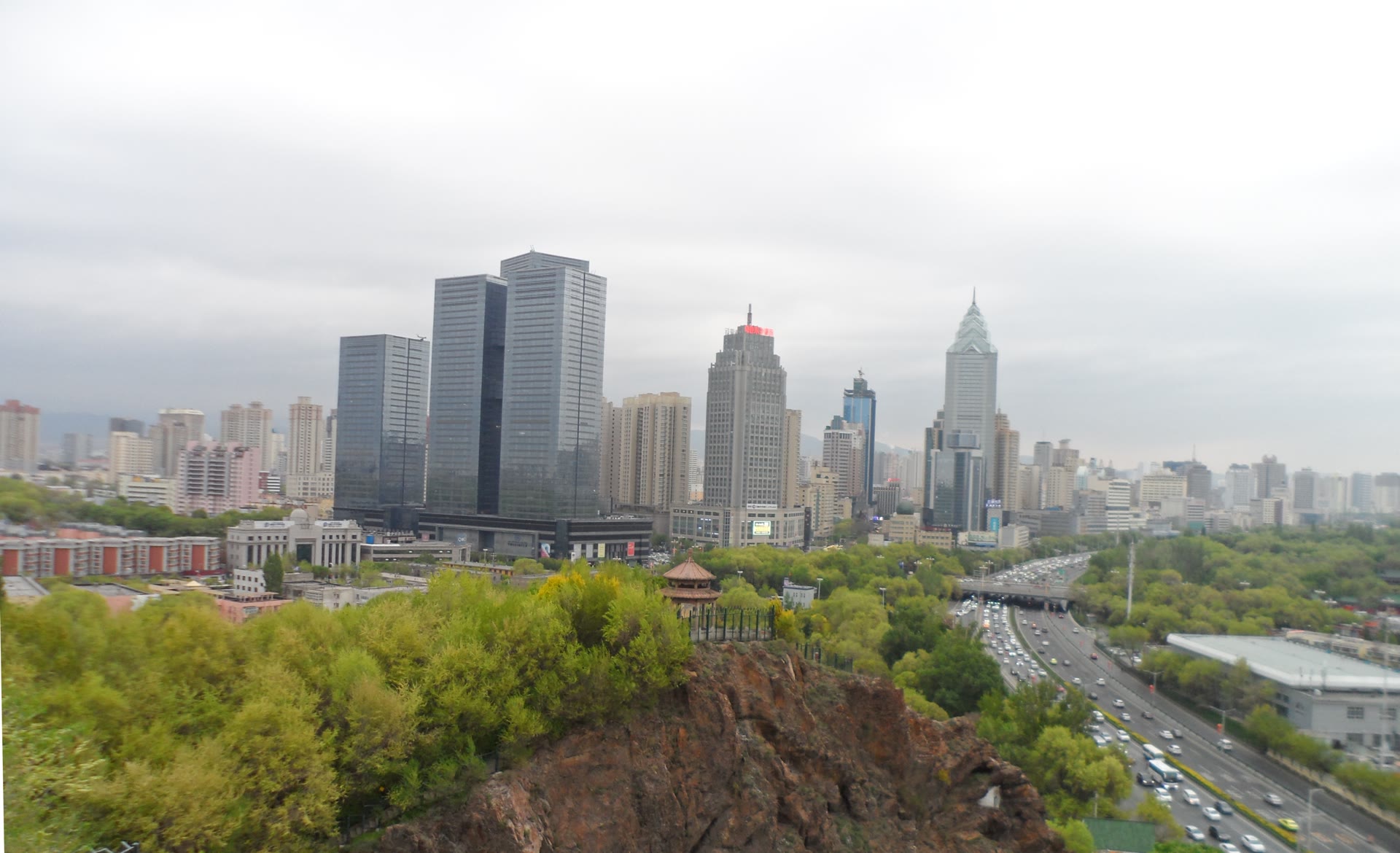
Photo: 螺钉 / Wikimedia Commons, CC BY-SA 4.0
Contents
Leaving the misty skyline of Beijing for the rugged, high-altitude landscapes of Xinjiang feels like traveling to a different country altogether. As you move west, the architecture shifts from imperial grandeur to Central Asian influence, and the air turns from the humid plains of the east to the crisp, dry breeze of the Tianshan Mountains. Urumqi is the ultimate frontier city, serving as a vital link on the ancient Silk Road and a gateway to the vast deserts and alpine lakes of Western China.
It is one of the longest domestic journeys in China, cutting across the Gobi Desert and the Hexi Corridor. Because of the massive distance, choosing your transport is a balance between saving time and soaking in the dramatic transition of the Chinese landscape. You can secure your tickets for this epic trans-continental journey through GoAsia.cc to ensure a smooth transition from the capital to the far west.
Beijing to Urumqi by Flight
Flying is the most efficient way to bridge the gap between Beijing and Urumqi. Booking platforms list flight times from about 4 hours 10 minutes for nonstop flights, and longer for options with a stopover (October 2026).[1] That saves you more than a day compared with the train. Several carriers fly the route, with departures spread from early morning until late evening.[1]
On booking platforms, economy fares start at about $127 (October 2026), and prices depend on how far in advance you book and the season.[1] Most flights depart from either Beijing Capital International Airport (PEK) or the newer Beijing Daxing International Airport (PKX). You land at Urumqi Tianshan International Airport (URC), the new name of Diwopu airport since the CAAC approved the change in March 2025.[2] The airport is a short taxi or airport bus ride from the city center. This is the preferred choice for business travelers and those on a tight schedule who want to maximize their time exploring the Grand Bazaar or Heavenly Lake.
Beijing to Urumqi by Train
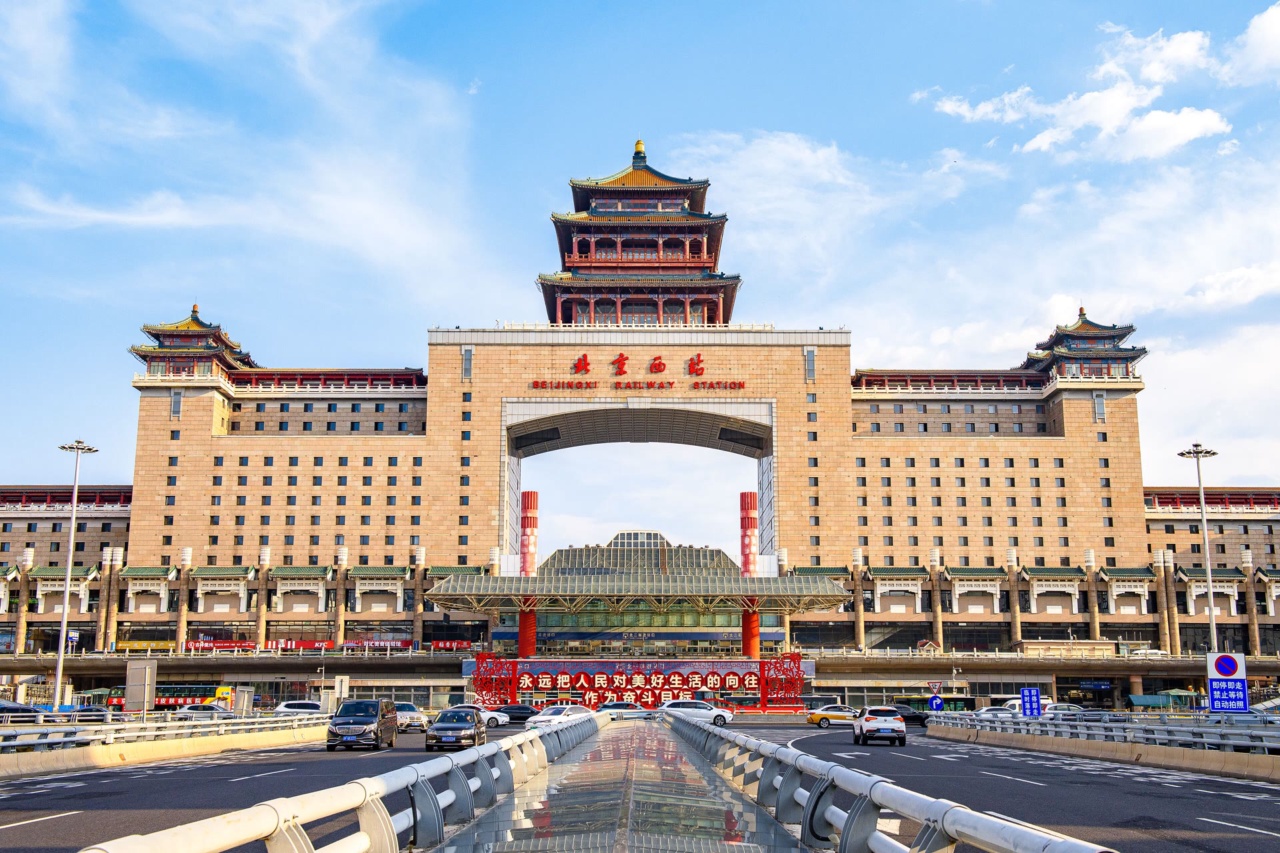
For those who view the journey as part of the adventure, the train offers a classic Chinese rail experience. The tracks follow the historic Silk Road route, offering glimpses of the Great Wall, yellow loess plateaus, and eventually the desolate beauty of the Gobi. There is no fast option: on 16 October 2026, China Railway's ticket search listed only two direct trains from Beijing West to Urumqi. The D69 left at 10:18 and arrived at 16:08 the next day (29 hours 50 minutes), and the Z179 left at 18:20 and arrived at 08:43 two days later (38 hours 23 minutes).[3]
Sleeper Carriages
On the longer overnight services, the Soft Sleeper and Hard Sleeper options are highly recommended. On conventional trains, a Soft Sleeper provides a private compartment with four bunks and a door that locks, offering the highest level of privacy and comfort. The Hard Sleeper consists of open bays with six bunks. Fares depend on the train and berth, so check the price for your date when you book. While less private, it is a fantastic way to meet locals and fellow travelers over cups of tea and instant noodles.
Seated and Standing Options
For the budget-conscious, Hard Seats are available on conventional trains. While the name suggests a wooden bench, they are actually padded seats, though they can become uncomfortable on a journey of this length. The railway also sells standing tickets when seats are sold out. These are generally not recommended for the full duration of the trip to Urumqi unless you are prepared for a very challenging experience.
Comparing Your Options
| Mode | Price (USD) | Duration | Comfort |
|---|---|---|---|
| Flight | From about $127[1] | From about 4h 10min[1] | High |
| Train (Soft Sleeper) | Varies by train | About 30h to 38h[3] | High |
| Train (Hard Sleeper) | Varies by train | About 30h to 38h[3] | Medium |
| Train (Hard Seat) | Varies by train | About 30h to 38h[3] | Low |
Tips for Traveling from Beijing to Urumqi
- Book in Advance: This is a popular route for both tourism and trade. Train tickets, especially Soft Sleepers, often sell out the moment they are released. Flights also fluctuate significantly in price, so booking at least two weeks out is wise.
- Time Zone Reality: While all of China officially operates on Beijing Time, some locals in Urumqi follow an unofficial "Xinjiang Time", which runs behind Beijing Time. Confirm which time a business or tour operator uses, as opening hours may differ from Beijing.
- Hydration is Key: The climate in Urumqi is significantly drier than in Beijing. Bring plenty of water and moisturizer for the flight or train journey to combat the dry air of the desert regions.
- Security Checks: Expect security screenings at airports and stations. Arrive early and always carry your passport with you.
- Pack Snacks: While trains have dining cars and flights provide meals, having your own supply of nuts, fruit, or chocolate is helpful for the long stretches across the desert where options might be limited.
Timetable
| Flight Beijing - Urumqi $ 127.14–1,134.34 4h 10m – 6h 35m | |
|
|
| Train Beijing - Urumqi $ 53.97–275.58 1days 5h 50m – 1days 14h 23m | |
|
Frequently Asked Questions
Use the booking tool on this page to compare the transport options currently available from Beijing to Urumqi, including current prices and schedules.
Fares depend on the date and how early you book. Booking platforms list economy flights from about $127 (October 2026), while train fares vary by train and berth, so compare both for your travel date. The train takes about 30 hours or more.
The fastest way to reach Urumqi is by flight. Booking platforms list nonstop flights from about 4 hours 10 minutes, and even with airport transit and security the total travel time is much shorter than any rail option.
A flight takes about 4 to 5 hours for nonstop options. By train, the fastest direct service listed by China Railway on 16 October 2026 took 29 hours 50 minutes, and the slower direct train took 38 hours 23 minutes.
Many full-service flights from Beijing to Urumqi include a meal. On long-distance trains, a dining car or meal service is usually available, and vendors often sell snacks, fruit and boxed meals, but it is wise to bring your own supplies.
Flights to Urumqi depart from both Beijing Capital (PEK) and Beijing Daxing (PKX). Check your ticket carefully, as Daxing is located further south of the city.
For a journey of this length, a Soft Sleeper is worth the extra cost for the added privacy and quieter environment. If you are on a budget, the Hard Sleeper is a respectable and authentic way to travel long distances in China.
Sources and background
Numbers in the text such as [1] refer to these sources.
- [1] 12Go: Timetable Beijing to Urumqi (booking platform, October 2026). Retrieved October 15, 2026.
- [2] People's Government of Xinjiang Uygur Autonomous Region: Urumqi Tianshan International Airport officially approved (name change from Diwopu). Retrieved October 15, 2026.
- [3] China Railway (12306): 12306 ticket search: Beijing to Urumqi, 16 October 2026. Retrieved October 15, 2026.
Guide prices and journey times are indicative, not live quotes. A booked package may include transfers and waiting time as well as the main journey. Check the selected offer, pickup point and current conditions before booking.