One of the most inland major cities in the world, Urumqi is a fascinating crossroads of Central Asian culture and Chinese modernization. It is the gateway to the Silk Road, offering a unique blend of Uyghur heritage, rugged mountain scenery, and bustling bazaars.
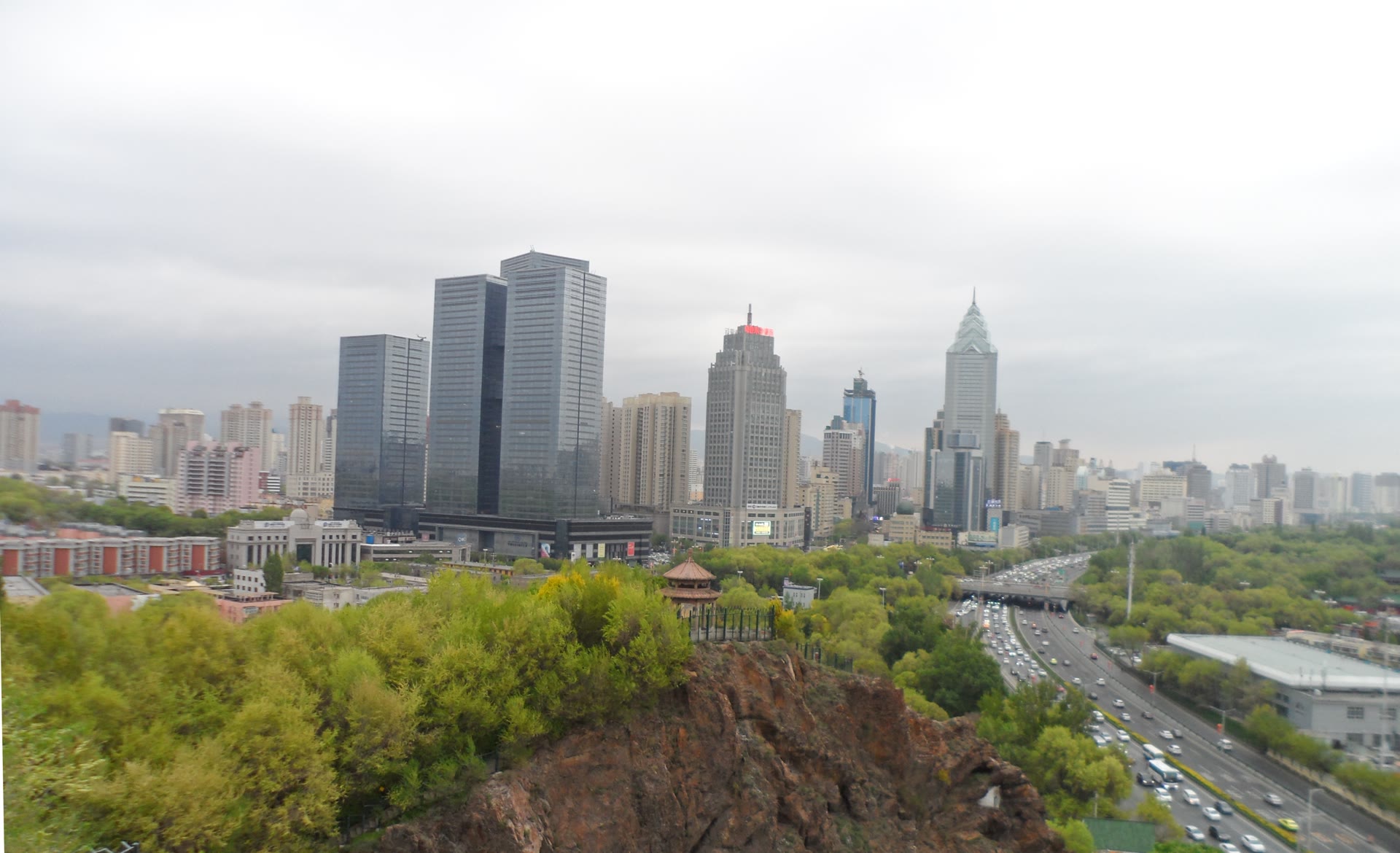
Urumqi sits as a concrete and neon oasis surrounded by the vast deserts and towering peaks of Xinjiang. As the capital of the Xinjiang Uyghur Autonomous Region, it serves as the ultimate logistical hub for any traveler exploring Northwest China. The city is a sensory overload where the smell of roasting lamb skewers competes with the hum of high-speed rail, and where traditional Islamic architecture stands in the shadow of glass skyscrapers. It is a place of stark contrasts, reflecting both the ancient history of the Silk Road and the rapid pace of 21st-century Chinese development.
For the traveler, Urumqi is less about polished tourist sites and more about the atmosphere of a frontier town. It is where you come to taste the best hand-pulled noodles in the country, browse for intricate carpets, and prepare for journeys into the Gobi Desert or the Altai Mountains. The city is home to a diverse population of Uyghurs, Kazakhs, Hui, and Han Chinese, creating a cultural tapestry that feels distinctly different from Beijing or Shanghai. You will find that the pace of life here is governed by a 'local time' that often sits two hours behind official Beijing time, reflecting the city's extreme western longitude.
While security is high and the political landscape is complex, Urumqi remains a safe and accessible destination for those who follow local regulations. It rewards the curious with some of the most dramatic landscapes in Asia just a short drive from the city center. Whether you are navigating the labyrinthine alleys of the International Grand Bazaar or trekking the alpine shores of Heavenly Lake, Urumqi offers an intensity and grit that is increasingly rare in modern global travel.
Orientation and Neighborhoods
Urumqi is divided into several districts, but most travelers will spend their time within three main areas. The city is elongated, stretched between the mountains to the east and west, with a primary north-south axis defined by the metro line. Understanding the ethnic and functional layout of these neighborhoods is key to navigating the city efficiently.
Tianshan District: This is the cultural heart of the city and the best place to stay for first-time visitors. It houses the International Grand Bazaar and the Erdaoqiao area, which is the center of Uyghur commerce and culture. Staying here puts you within walking distance of incredible street food and traditional markets. It is vibrant, crowded, and reflects the soul of old Urumqi.
Saybagh District: Located to the west of Tianshan, this area is a mix of commercial centers and residential blocks. It is a practical choice for those looking for mid-range hotel chains. It feels more like a standard Chinese metropolitan hub compared to the Tianshan District.
Xinshi District: Situated to the north, this is the modern face of Urumqi. It is home to many of the city's high-tech zones and universities. It is less convenient for sightseeing but offers high-end luxury hotels and modern shopping malls. It is the quietest area for families who want to escape the noise of the central bazaars.
Things to Do
Offers are only loaded from GetYourGuide after you click. GetYourGuide can then process your IP address and set cookies. Privacy Policy
GetYourGuide partner offers. GoAsia may earn a commission if you book through these offers. Check whether tickets or transfers are included, and follow the attraction's official booking and admission rules.
Best Time to Visit
Urumqi has a semi-arid continental climate with extreme temperature swings between summer and winter. Timing your visit is crucial to avoid the biting cold or the searing desert heat.
Month Range
Weather
Crowds
Prices
May - June
Mild and Pleasant
Moderate
Average
July - August
Hot and Sunny
High
High
September - October
Cool and Golden
High
Peak
November - April
Freezing and Snowy
Low
Low
September and October are widely considered the best months to visit. The autumn air is crisp, the surrounding mountains are vibrant with color, and the famous Xinjiang fruits (grapes, melons, and pomegranates) are at their peak harvest. July and August are the hottest months, but this is also the best time for high-altitude trekking in the nearby Tianshan range.
Winter is harsh and freezing. While the city is quiet and hotels are cheap, many mountain roads and attractions like Heavenly Lake may be difficult to access or partially closed. Avoid the 'Golden Week' national holiday in early October, as domestic tourism surges and prices for transport and accommodation skyrocket.
Getting There and Getting Around
Urumqi Tianshan International Airport (URC) was known as Diwopu International Airport until its renaming was approved in March 2025.[1] It is well-connected to major Chinese cities. To reach the city center, you can take Metro Line 1, which runs from the airport area through the city. Metro fares start at 2 yuan for the first 5 km and rise with distance.[2] Taxis are available outside the terminal; agree on the route or use a ride-hailing app.
Public Transport: The Urumqi Metro is modern and easy to use, with English signage. However, it currently has limited coverage. The BRT (Bus Rapid Transit) system is the backbone of city travel, with dedicated lanes that bypass traffic. Fares are low, and you can pay with small change or mobile payment apps like Alipay.
Taxis and Ride-Hailing: Didi (the Chinese equivalent of Uber) is the most reliable way to get around. It allows you to set your destination in the app to avoid language barriers. Standard taxis are plentiful but drivers rarely speak English and may be hesitant to pick up foreigners during shift changes (usually around 6:00 PM).
Walkability: Central Tianshan is walkable, but Urumqi is a sprawling city. You will need to rely on the BRT or Didi to move between major districts. Note that security checkpoints are common at mall entrances, markets, and transport hubs; always carry your passport.
Top Sights and Experiences
The International Grand Bazaar (Erdaoqiao)
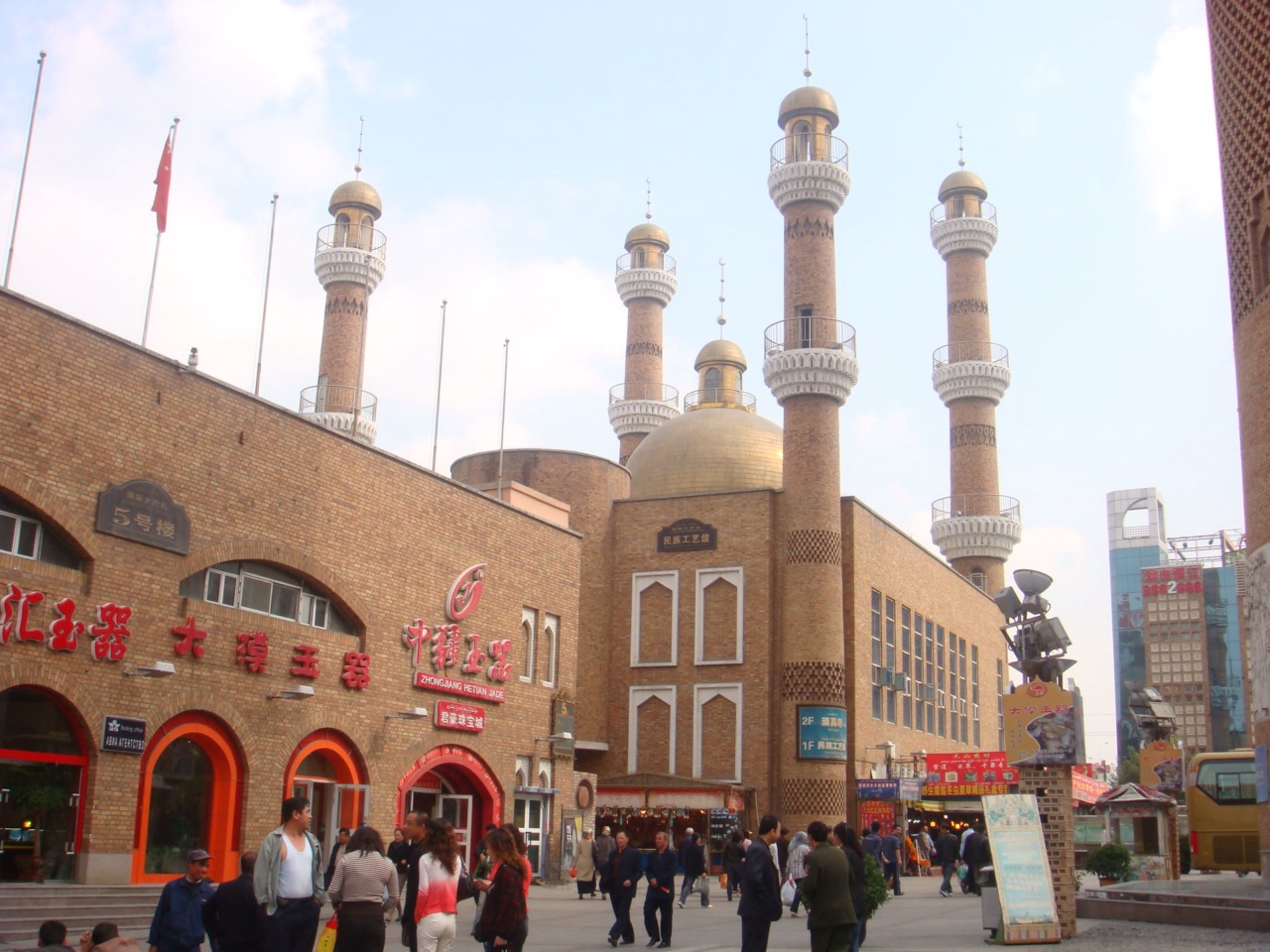
This is one of the best known bazaars in Xinjiang. While the current structure is a modern reconstruction, it remains the epicenter of trade in Xinjiang. Expect a forest of minarets, silk stalls, and spice vendors. Tip: Visit in the late afternoon to see the sunset hit the brickwork, then stay for the night market. Avoid the organized 'dinner shows' inside the main hall, which are overpriced and highly commercialized; instead, eat at the smaller stalls on the perimeter.
Heavenly Lake (Tianchi)
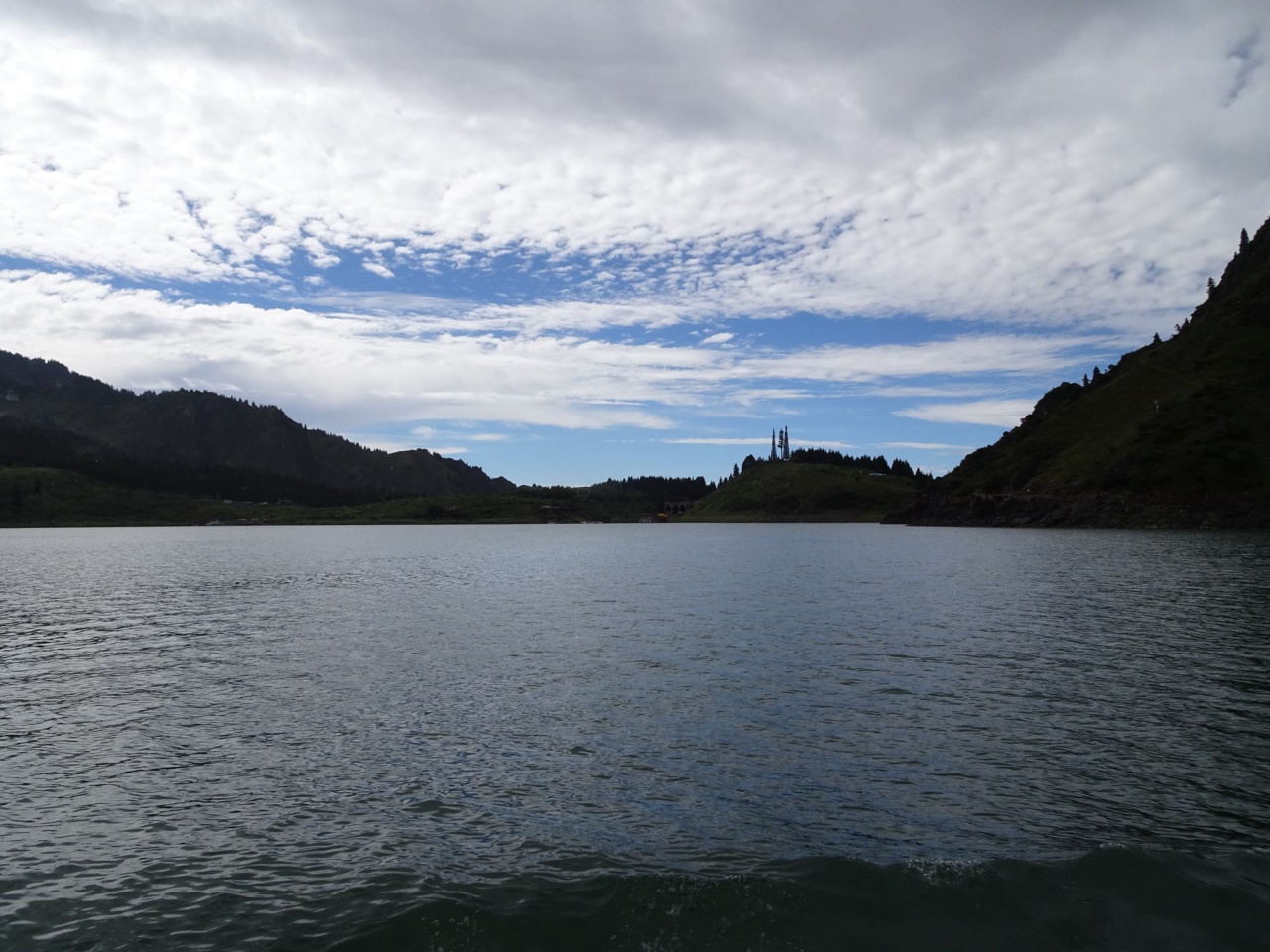
Located east of the city, this alpine lake is nestled in the Tianshan Mountains. The water is a brilliant turquoise, framed by snow-capped peaks and pine forests. Practical Tip: Plan a full day for the trip, as the journey takes a while. Wear layers, as it is significantly colder than the city. While the main boardwalk is crowded, you can hike further up the trails toward the Maya Mountain for better views and fewer tourists.
This is an essential stop for history buffs. The museum houses the 'Loulan Beauty,' an ancient mummy found in the desert that is remarkably well-preserved. The exhibits provide deep context on the Silk Road and the various ethnic groups of the region. Check the museum's current entry and reservation rules before you go, and bring your passport.
Red Mountain Park (Hongshan)
The symbolic heart of the city, this park offers a panoramic view of Urumqi's skyline against the backdrop of the Bogda Peak. It is a great place to watch locals practicing Tai Chi or playing chess. The walk to the top is relatively easy.
Food and Drink
Xinjiang cuisine is a highlight of any trip to China, characterized by bold spices (cumin and chili), heavy use of mutton, and incredible breads. It is significantly different from the rice-based diets of eastern China. Prices in this guide are rough estimates in US dollars, not official rates, and vary by venue and season.
Dish
Description
Where to Try
Typical Price
Kawap (Lamb Skewers)
Spiced grilled mutton over charcoal
Street stalls in Tianshan
$1 - $2 per skewer
Lagman
Hand-pulled noodles with meat and peppers
Local 'Noodle Houses'
$3 - $5 per bowl
Polu (Pilaf)
Fragrant rice with carrots, mutton, and oil
Grand Bazaar area
$4 - $6 per plate
Naan
Circular flatbread baked in a clay oven
Every street corner
$0.50 - $1 per loaf
Dapanji
'Big Plate Chicken' with potatoes and spices
Specialty restaurants
$12 - $18 (serves 3-4)
For the best experience, head to the streets surrounding the Grand Bazaar. Street food is generally safe, but stick to stalls with high turnover. Alcohol is less common in traditional Uyghur areas, but you can find 'Wusu' beer (a local favorite) in most Han-run restaurants and supermarkets. Try the local yogurt, which is usually served with honey and nuts to balance its extreme tartness.
Where to Stay
Accommodation in Urumqi ranges from basic guesthouses to international five-star hotels. Note: Not every hotel or guesthouse can register foreign guests, so confirm this with the property before you book.
Budget ($20 - $40 USD): Look for local business hotels near the Urumqi South Railway Station. These are basic but clean. Neighborhood: Saybagh.
Mid-Range ($50 - $90 USD): Several reliable Chinese hotel chains offer modern amenities and are often located near metro stations. Neighborhood: Tianshan or Saybagh.
Upscale ($100 - $180 USD): International hotel chains offer higher standards and English-speaking staff. Neighborhood: Xinshi or Tianshan.
Practical Tips
Security: Expect frequent ID checks and metal detectors. Carry your passport at all times. Do not take photos of police stations, checkpoints, or military personnel.
Internet: The 'Great Firewall' is active. You will need a VPN to access Google, Facebook, or WhatsApp. Local data speeds can be throttled during periods of sensitivity.
Time Zone: Xinjiang officially uses Beijing Time (GMT+8), but locals often operate on 'Xinjiang Time' (GMT+6). Always clarify which time someone is referring to when booking tours or transport.
Language: Mandarin is the official language, but Uyghur is widely spoken. English is rare outside of high-end hotels. Download an offline translation app like Baidu Translate.
Money: Cash is rarely used. Set up Alipay or WeChat Pay with your international credit card before arrival. Most small vendors do not take international cards directly.
Transport Details: You can find long-distance bus and train schedules to other Xinjiang cities on GoAsia.cc.
Day Trips
Nanshan Pastures: Located south of the city, this is a lush green valley where Kazakh herders graze their livestock. You can rent horses and stay in a yurt. It is a refreshing escape from the city heat and feels like a mini-Mongolia.
Turpan: The D-series high-speed trains from Urumqi to Turpan North take about 1 hour (57 minutes to 1h 04min on the 12306 search for 16 October 2026).[3] Turpan is one of the hottest places in China and home to the ancient Jiaohe Ruins and the Karez irrigation system. While it can be done as a day trip, the heat can make it exhausting, so staying overnight is better if you have the time.
Sample 3-Day Itinerary
Day 1: Cultural Immersion
Morning: Visit the Xinjiang Regional Museum to see the mummies and learn about Silk Road history. Afternoon: Head to the International Grand Bazaar. Explore the mosque architecture and shop for dried fruits and nuts. Evening: Walk through the Erdaoqiao night market and try various types of Kawap (skewers) and fresh naan bread.
Day 2: Alpine Escape
Full Day: Take an early morning bus or private car to Heavenly Lake (Tianchi). Spend the day hiking the trails around the lake or taking the cable car up Maya Mountain for views of the Bogda Peak. Return to Urumqi in the late evening for a hearty meal of Dapanji (Big Plate Chicken).
Day 3: City Views and Local Life
Morning: Climb Red Mountain Park for a bird's-eye view of the city. Afternoon: Visit the People's Park to see local life, then head to the Hualing Market if you want to see a massive, non-touristy local wholesale market. Evening: Enjoy a final Xinjiang feast at a Uyghur restaurant with traditional music and dance.
Budget Overview
These daily budgets are rough own estimates in US dollars, not official prices.
Category
Budget
Mid-Range
Comfort
Accommodation
$25
$65
$130
Food
$12
$25
$50
Transport
$3
$10
$30
Activities
$5
$20
$40
Daily Total
$45
$120
$250
Frequently Asked Questions
Is Urumqi worth visiting?
Yes, Urumqi is a unique destination for those interested in Silk Road history, Central Asian culture, and dramatic landscapes. It offers a cultural experience vastly different from eastern China, though travelers should be prepared for a heavy security presence.
How many days do you need in Urumqi?
You need at least 2 to 3 days. This allows one day for the city's bazaars and museums, one full day for a trip to Heavenly Lake, and a final day for local markets or a short trip to the Nanshan Pastures.
Is Urumqi safe for tourists?
Urumqi is very safe in terms of crime, but it has high levels of surveillance and police presence. Travelers should carry their passports at all times and follow local laws strictly to avoid issues at checkpoints.
Can you drink tap water in Urumqi?
No, tap water in Urumqi is not safe to drink. Always stick to bottled water, which is cheap and widely available, or use boiled water provided in hotels.
Do I need a visa to visit Urumqi?
Yes, Urumqi is part of China, so the normal Chinese entry rules apply to your passport. Check the current visa and visa-free rules with the Chinese embassy or consulate in your country before you travel.
Is English widely spoken in Urumqi?
English is not widely spoken. You will find some English speakers in high-end hotels, but you should rely on translation apps and have your hotel address written in Chinese characters for taxi drivers.
What is the best neighborhood to stay in Urumqi?
Tianshan District is the best for tourism as it is close to the Grand Bazaar and authentic food. Saybagh is better for transport links, while Xinshi is preferred for luxury hotels and proximity to the airport.
How do I get from the airport to the city center?
The most efficient way is Metro Line 1, with fares starting at 2 yuan. Alternatively, a taxi or a ride-hailing app like Didi can take you directly to your hotel.
Sources and background
Numbers in the text such as [1] refer to these sources.