Kanas Lake: China's Remote Altai Mountain Paradise in Northern Xinjiang

Kanas Lake: China's Remote Altai Mountain Paradise in Northern Xinjiang

Last updated: June 9, 2026

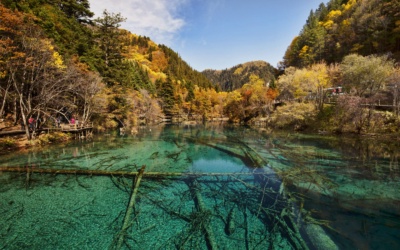
Tucked into the far northern tip of Xinjiang, where China meets Kazakhstan, Russia, and Mongolia, Kanas Lake is one of the most isolated and visually striking lakes in the country. Fed by glacial meltwater from the Altai range, its water shifts through shades of milky turquoise, deep emerald, and slate gray depending on the season and the angle of light. Around it spread dense Siberian larch and birch forests that turn gold and crimson in autumn, framed by snowcapped peaks and threaded with quiet rivers.

This is not a casual day trip. Kanas sits roughly 800 kilometers from Urumqi, the regional capital, and reaching it takes real planning. The reward is a landscape that feels closer to Siberia or the Canadian Rockies than to most people's mental image of China, plus a handful of villages inhabited by Tuvan and Kazakh communities whose log cabins and pastoral rhythms add a strong sense of place.

Because it lies in a sensitive border region and inside a protected nature reserve, getting there involves shuttles, permits worth checking, and a willingness to deal with weather that can flip from sunshine to snow within hours. This guide walks through what Kanas is, why it matters, how to actually reach it, and how to plan your time once you arrive.

What Kanas Lake Actually Is

Kanas Lake is a long, narrow alpine lake formed by ancient glacial activity, curving for about 24 kilometers through a forested valley in the Altai Mountains. It sits within the Kanas National Nature Reserve, a large protected area combining the lake, surrounding old-growth forest, river valleys, and traditional settlements. The reserve is administered with controlled access, which means private cars generally cannot drive directly to the lakeshore. Instead, visitors move around on a managed shuttle system.

The lake is famous for a few specific things. First, its color, which changes through the year as glacial sediment, temperature, and forest reflections interact. Second, its autumn foliage, widely considered among the best in China, when the birch and larch forests ignite in gold and red against the blue water. Third, the local legend of a lake monster said to lurk in the depths, which adds a touch of folklore even if you treat it as a story rather than science.

For independent travelers, the appeal is the combination of dramatic mountain scenery, walkable viewpoints, and nearby villages that give the trip more texture than a single lake overlook. You can continue planning routes like this and other corners of Asia on GoAsia.cc.

Things to Do

Why Kanas Matters

Most international visitors to China cluster around the eastern cities, the classic sights, and the well-trodden southwest. Kanas represents a completely different China: a high-latitude frontier landscape with Central Asian and Siberian influences, ethnic minority villages, and wilderness on a scale that surprises first-time visitors.

The reserve protects a rare temperate forest ecosystem and serves as one of the few places in the country where you find this particular blend of taiga forest, glacial lake, and alpine meadow. The cultural layer matters too. The Tuvan villages around the lake, especially Hemu and Baihaba, preserve building styles and herding traditions that feel distinct from anything else in China. Watching morning mist rise over wooden cabins with smoke curling from chimneys is a core part of the experience, arguably as memorable as the lake itself.

Getting There: The Long Journey from Urumqi

Kanas is remote, and there is no way around that. Plan your transport carefully because mistakes here cost full days.

Step one: reach Urumqi

Urumqi is the gateway to all of northern Xinjiang. It has a major airport with domestic connections to Beijing, Shanghai, Xian, Chengdu, and other Chinese hubs, plus rail links across the country. For most international travelers, flying into Urumqi is the practical starting point.

Step two: get to the Kanas region

From Urumqi you have three broad options to cover the long distance north.

  • Fly to Kanas Airport. There is a seasonal regional airport serving the Kanas and Burqin area, with flights from Urumqi during the main tourist season. This is the fastest option but flights are limited, often seasonal, and weather can cause cancellations. Confirm current schedules before relying on it.
  • Long-distance bus or shared car to Burqin. Burqin is the main service town near Kanas, several hours by road from Urumqi. From Burqin you transfer onward toward the reserve gate. This is cheaper and runs year-round but consumes a lot of time.
  • Organized tour transport. Many travelers book a multi-day package that bundles transport, lodging, and shuttle tickets. Even independent-minded travelers sometimes find this the least painful way to handle the distances and the permit logistics.

Step three: the reserve shuttle system

You cannot drive your own vehicle to the lakeshore. At the reserve entrance you buy an admission ticket plus shuttle (sightseeing bus) tickets, and the internal buses carry you between the gate, the lake area, and viewpoints. Within the lake zone, additional short transfers or walks connect the main observation decks. Budget extra time and money for these shuttle segments, as they are mandatory and add up.

Border Region and Permit Considerations

Kanas sits in a frontier zone close to international borders. This has practical consequences that international travelers must take seriously.

Some areas near the borders, including parts of the route toward Baihaba village, may require a border permit in addition to your regular travel documents. Rules can change, and checkpoints in Xinjiang are common, with identity checks for both Chinese citizens and foreigners. Always carry your passport, not a copy, and keep your China visa details accessible.

Before you travel, verify the current entry rules, any permit requirements for specific villages, and whether any areas are temporarily restricted. A reputable local agency or your accommodation can often arrange border permits when needed, but this takes lead time, so do not leave it to the last morning. Be patient and cooperative at checkpoints, allow buffer time in your schedule, and avoid photographing security infrastructure.

What to See Around the Lake

The reserve packs several distinct highlights into a relatively compact area once you are inside.

The lake viewpoints

The main draw is the series of bends and bays along Kanas Lake. Boats sometimes operate on the lake when conditions allow, offering a different perspective from the shore. The water color is best appreciated on clear days when sunlight reaches the surface.

Guanyu Pavilion (Fish Watching Pavilion)

This elevated viewpoint sits on a ridge above the lake and delivers the classic panoramic shot of the lake curving through the forested valley. Reaching it usually involves a shuttle to a base point followed by a steep climb on steps or a path. The effort is worth it for the wide view, especially in clear autumn light.

The river bends

Below the lake, the Kanas River winds through several photogenic curves with names like Crouching Dragon Bay, Moon Bay, and Fairy Bay. These are arranged along the shuttle and walking routes and make a natural sequence of stops. Early morning often brings mist over the water, which is when these spots look their most atmospheric.

Hemu Village

Hemu is one of the most famous Tuvan villages in the area, set in a broad valley of wooden cabins, meadows, and grazing livestock. It is celebrated for autumn scenery and for sunrise views when fog pools in the valley. Hemu typically requires a separate trip or transfer and is often best experienced with an overnight stay so you catch the dawn light.

Baihaba Village

Closer to the border, Baihaba is another traditional village with strong scenic appeal and a quieter feel. Because of its location, it is the spot most likely to involve a border permit, so confirm requirements before planning a visit there.

How Much Time to Budget

Given the distances, a rushed visit wastes the effort of getting there. Here is a realistic framework.

Trip lengthWhat you can realistically do
Day trip from BurqinTight and not recommended. You can see the main lake viewpoints and a couple of river bends but miss villages and morning light.
2 days, 1 nightLake area plus river bends, with a chance to catch sunrise or sunset. Minimal village time.
3 to 4 daysThe sweet spot. Lake, viewpoints, river bends, plus an overnight in Hemu and possibly Baihaba, with buffer for weather.
5 days or moreAdds slower exploration, side trips, and resilience against transport delays or closures.

Add at least one full day each way for travel between Urumqi and the reserve unless you fly the regional route, and even then build in margin for delays.

Best Time to Visit and Weather Reality

Season makes an enormous difference at Kanas. This is a high-altitude, high-latitude location with a short comfortable window.

Autumn

Autumn is the signature season and the reason many travelers come. The forests turn brilliant gold and red, the air is crisp, and the contrast with the lake is at its peak. The downside is that this is also the most crowded and most expensive period, and the best color lasts only a few weeks. Nights get cold fast, so pack warm layers even when days are pleasant.

Summer

Summer brings green meadows, wildflowers, milder temperatures, and the most reliable transport. It is a good choice if you want easier logistics and lower crowds than peak autumn, though the foliage spectacle is absent. Even in summer, mountain weather is changeable and evenings are cool.

Winter

Winter transforms Kanas into a deep-snow landscape and some operators offer snow-focused experiences. However, severe cold, limited services, possible road and flight disruptions, and reduced access make winter strictly for prepared travelers comfortable with extreme conditions.

Spring and shoulder periods

The transitions can be muddy, with melting snow, variable access, and lingering cold. Services may be limited as the region ramps up or winds down for the season. Confirm what is actually open before committing.

Across all seasons, expect rapid weather shifts. Sun, wind, rain, and even snow can occur in a single day at altitude. Waterproof layers and warm clothing are not optional extras here.

Where to Stay

Lodging clusters in a few areas, and your choice shapes your itinerary.

  • Inside or near the reserve. Staying close to the lake area lets you catch early morning light and avoid daily shuttle re-entry hassle, but options can be limited, basic, and pricier in peak season.
  • Hemu Village. Staying overnight in Hemu is popular specifically for sunrise. Accommodation ranges from simple guesthouses in wooden cabins to more developed lodges. Comfort levels vary, so manage expectations.
  • Burqin town. As the regional service hub, Burqin has more standard hotels and restaurants. It works as a base for shorter visits or as a staging point before and after the reserve, though it adds daily transfer time.

Book ahead during autumn peak, when rooms near the lake and in Hemu sell out and prices climb sharply. In quieter periods you have more flexibility but fewer open options.

Practical Tips for Visiting Kanas Lake

  • Carry cash as backup. Mobile payment dominates in China, but in remote villages and at small vendors, having some cash and a working local payment app both help. Connectivity can be patchy.
  • Bring your passport everywhere. Identity checks are routine in Xinjiang. Keep your passport on you, not locked in a bag at the hotel, and be ready to show it calmly at checkpoints.
  • Layer up regardless of season. Mornings and evenings are cold even in summer. A warm insulating layer, a waterproof shell, gloves, and a hat make the difference between enjoying sunrise and suffering through it.
  • Start early for the best light and fewer crowds. The famous mist over villages and river bends happens at dawn. Early starts also help you beat the busiest shuttle and viewpoint times.
  • Budget for shuttle tickets separately. The mandatory internal transport adds meaningful cost on top of admission. Factor this into your planning rather than being surprised at the gate.
  • Verify operational details before you go. Flight schedules, shuttle operations, village access, permit rules, and seasonal openings all change. Confirm current information close to your travel dates rather than relying on older accounts.
  • Build in weather buffer. A spare day protects you against flight cancellations, road delays, or a fogged-out viewpoint. Given how far you traveled to get here, the margin is worth it.
  • Respect village life and privacy. The Tuvan and Kazakh communities live here year-round. Ask before photographing people, keep noise down, and treat homestays and pastures with care.
  • Pack altitude and motion comfort items. The drives are long and winding, and the elevation can affect some travelers. Bring any medication you might need and stay hydrated.

Realistic Downsides to Weigh

Kanas is spectacular, but honesty about the tradeoffs helps you decide if it fits your trip.

The distance is the biggest issue. Reaching the lake from Urumqi consumes a large share of any short itinerary, and the internal shuttle system means even moving around the reserve takes time and money. This is not a destination you slot into a quick stopover.

Peak autumn brings crowds and inflated prices, which can dilute the wilderness feel at the most popular viewpoints. Weather can derail plans, with fog hiding views and flight cancellations stranding travelers. The border-region context adds checkpoints, possible permit steps, and the need for patience and flexibility. And outside peak season, services thin out and access can be limited.

For travelers who want a remote, scenic, culturally distinct corner of China and are willing to invest the days and logistics, the payoff is real. For those on a tight schedule wanting maximum sights per day, Kanas may be more effort than it returns.

Combining Kanas with the Rest of Xinjiang

Because you commit so much travel time, many visitors pair Kanas with other northern Xinjiang highlights. Burqin and the surrounding area offer their own landscapes, and the broader Altai region rewards travelers who linger. Routing through Urumqi also positions you to explore other parts of Xinjiang on the same trip, whether continuing to grassland, desert, or oasis-city destinations elsewhere in the region. Plan these connections in advance, since long distances and seasonal transport govern what is realistic to combine.

Whatever route you build, treat Kanas as a destination that deserves dedicated days rather than a side stop. The Altai wilderness, the shifting lake colors, and the quiet wooden villages are the kind of scenery that justifies the long road north when you give yourself time to actually experience it.

Frequently Asked Questions

How many days do I need to visit Kanas Lake?

Plan for at least 3 to 4 days to make the long journey worthwhile, including travel time from Urumqi. This lets you see the lake, the river bends, and stay overnight in a village like Hemu for sunrise. Shorter visits feel rushed and often miss the best morning light and village experiences.

What does it cost to enter Kanas, and do I need extra tickets?

You pay a reserve admission ticket plus separate mandatory shuttle (sightseeing bus) tickets to move within the protected area, since private cars cannot reach the lakeshore. Additional transfers and optional boat rides may add to the total. Because prices change, confirm current rates before you arrive and budget for the shuttle costs on top of admission.

How do I get to Kanas Lake from Urumqi?

From Urumqi you can fly to the seasonal regional airport near the Kanas and Burqin area, take long-distance road transport to Burqin and transfer onward, or join an organized multi-day tour that bundles transport and shuttle logistics. The lake sits roughly 800 kilometers from Urumqi, so allow a full travel day each way unless flying, and build in buffer for delays.

Do I need a border permit to visit Kanas?

Kanas sits in a sensitive frontier zone, and some areas near the borders, such as the route to Baihaba village, may require a border permit in addition to your passport and visa. Rules can change, so verify current requirements before traveling and arrange any needed permit in advance through a local agency or your accommodation. Always carry your actual passport for checkpoint identity checks.

When is the best time to see autumn colors at Kanas?

Autumn brings the famous gold and red forest foliage that draws most visitors, but the peak color lasts only a few weeks and varies year to year. This is also the busiest and most expensive season, so book lodging and transport well ahead. Confirm the current foliage timing close to your travel dates, as cold weather can arrive quickly.

Can I visit Kanas in winter?

Yes, Kanas becomes a deep-snow landscape in winter and some operators offer snow experiences, but severe cold, reduced services, and possible road or flight disruptions make it suitable mainly for well-prepared travelers. Many facilities scale back outside the main season. Check what is actually open and accessible before committing to a winter trip.

Where should I stay near Kanas Lake?

Options include lodging inside or near the reserve for early light access, guesthouses in villages like Hemu for sunrise views, and standard hotels in Burqin town as a service base. Comfort and availability vary, and peak autumn sells out quickly with higher prices. Book ahead during busy periods and manage expectations about amenities in remote village stays.