Yellow Crane Tower: Wuhan's Riverside Icon Above the Yangtze

Yellow Crane Tower: Wuhan's Riverside Icon Above the Yangtze

Last updated: June 9, 2026

Few buildings in China carry as much poetic weight as the Yellow Crane Tower. For more than a thousand years it has stood, in one form or another, on the south bank of the Yangtze in Wuhan, inspiring some of the most quoted lines in classical Chinese poetry. Tang dynasty poets wrote here, painters returned to it again and again, and generations of travelers have climbed it simply to watch the great river roll past.

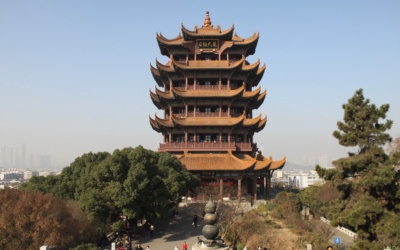
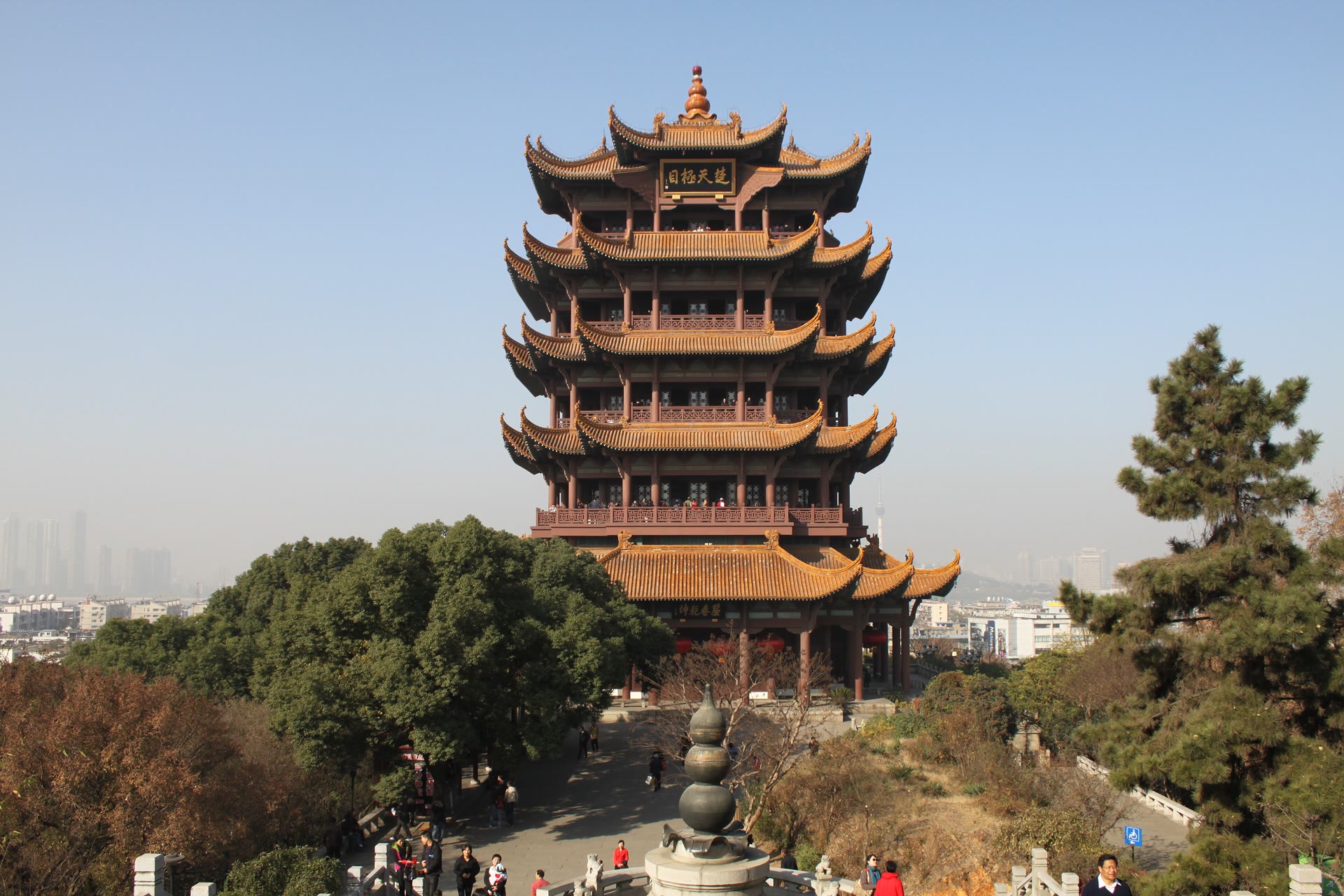
The version you see today is a modern reconstruction, and that fact shapes the whole experience. This is not an ancient timber relic you tiptoe around. It is a bold, freshly painted nine-story landmark built on a hill in a city park, designed to give you sweeping views over Wuhan's sprawl and the Yangtze River Bridge. Understanding that going in helps you enjoy it for what it is rather than feeling let down by what it is not.

For independent travelers, the tower works best as a half-day anchor in central Wuhan, easily combined with the buzzing food lanes of Hubu Alley or a quieter afternoon at East Lake. This guide covers what the tower actually is, how to reach it, what to expect inside, when to go, and how to handle Wuhan's notorious summer heat.

What the Yellow Crane Tower Actually Is

The tower sits on Snake Hill (She Shan) in Wuchang, one of the three historic districts that merged to form modern Wuhan. The original structure dates back roughly to the third century, when it likely served a military lookout function over the river. Over the centuries it burned down, was destroyed, and was rebuilt many times, and the building gradually shifted from a watchtower into a celebrated scenic and literary site.

Its fame rests heavily on poetry. The Tang poet Cui Hao wrote a famous verse about the tower that even Li Bai is said to have admired, and Li Bai himself penned lines connected to the spot when seeing off a friend bound downriver. For Chinese visitors, climbing the tower is partly an act of cultural pilgrimage, and you will see people reciting or photographing the poem inscriptions inside.

The current building is a twentieth-century reconstruction, completed after the previous structure was lost. It was not even placed on the exact original footprint, partly because the railway bridge approach occupied the old site. So what you climb is a reinforced concrete tower clad in traditional yellow-roofed style, taller and grander than most of its predecessors. Purists sometimes dismiss it, but the views and the sense of place remain genuine, and the surrounding park preserves the layered history in pavilions, steles, and gardens.

Things to Do

Why It Is Worth Visiting

The headline reason is the view. From the upper galleries you look out over the Yangtze, the city skyline, and the iconic Wuhan Yangtze River Bridge, the first bridge built across the river's middle reaches and a landmark in its own right. On a clear day you can trace the river's curve, watch barges and ferries work the channel, and grasp how Wuhan grew up around this crossing point.

The second reason is cultural texture. The tower complex is more than the main structure. The surrounding park includes smaller pavilions, bronze statues, calligraphy, bell towers, and gardens that reward a slow wander. If you have any interest in classical Chinese poetry or imperial-era aesthetics, the layers of meaning here are dense and well presented, with some English signage.

The third reason is orientation. Climbing the tower early in a Wuhan trip gives you a mental map of the city. You can see how Wuchang, Hankou, and Hanyang relate to one another across the water, which helps you plan onward sightseeing.

Getting There and Around

Wuhan is a major transport hub in central China, with high-speed rail links to Beijing, Shanghai, Guangzhou, Xian, and Chengdu, plus an international airport. Most travelers arrive by train at Wuhan Station or Hankou Station and then use the metro to reach the tower area.

The Yellow Crane Tower is in Wuchang, near the river. The most reliable way to reach it is by Wuhan Metro to a nearby station, then a short walk or taxi to the entrance, which sits at the base of Snake Hill. Ride-hailing apps and taxis are widely used and cheap by international standards, and they are often the simplest option if the heat is severe or you are carrying bags.

The park has more than one gate, and the main entrance can involve a climb up the hill once inside. There may be shuttle options or stairs depending on which gate you use, so confirm the current entrance layout when you arrive. Allow buffer time, since the complex is larger than a single building suggests.

A practical route through the city

Because Wuhan is split by the Yangtze, plan your day by district rather than trying to crisscross the river repeatedly. The tower, Hubu Alley, and East Lake are all on the Wuchang side, which makes them a natural trio. Hankou, with its colonial-era riverside architecture and shopping, sits across the water and is better treated as a separate outing.

Tickets, Hours, and What to Verify

The Yellow Crane Tower is a ticketed scenic area, and entry covers the park grounds as well as the tower itself. Like many major Chinese attractions, it has shifted toward online booking and timed entry in recent years, often requiring reservation through an app or official channel, and you may need your passport to enter even with a digital ticket.

Because rules, prices, and reservation requirements change, treat the following as things to confirm shortly before your visit rather than fixed facts:

  • Whether advance online reservation is mandatory or whether on-site purchase is allowed.
  • The current entry price and any discounts for students or seniors.
  • Opening and closing hours, which are often shorter in winter than in summer.
  • Whether your passport is required at the gate alongside a booked ticket.
  • Whether evening or illuminated visits are available, as the tower is sometimes lit at night.

If you do not read Chinese, having a translation app and a hotel staff member or guide help with the booking process can save frustration, since some reservation systems are Chinese-language only.

What to See Inside and Around the Tower

Budget around two to three hours for a relaxed visit. Rushing the tower itself takes under an hour, but the wider park deserves more if the weather cooperates.

The main tower

The tower has multiple floors connected by stairs, with an internal elevator sometimes available. Each level has exhibits, murals, and viewing galleries. The ground floor features a large mural depicting the legend of the yellow crane that gives the tower its name. As you climb, the murals and displays trace the building's history and its place in poetry and painting. The top floors are where you come for the panoramic views, so save energy and time for them.

The surrounding park

Beyond the main structure, look for:

  • Smaller pavilions and viewing terraces scattered across Snake Hill.
  • A large bell that visitors can sometimes ring for a small fee.
  • Stone steles and calligraphy walls featuring the famous poems associated with the site.
  • Bronze statues, gardens, and ornamental ponds.
  • Viewpoints angled toward the Yangtze River Bridge.

The Yangtze River Bridge

The bridge is a sight in itself and a piece of engineering history. It carries both rail and road across the river and links Wuchang with Hanyang. From the tower you get an excellent vantage on it, and energetic travelers can even walk part of the bridge for a different perspective and a closer look at the river traffic below.

Best Time to Visit

Wuhan has a humid subtropical climate, and timing matters more here than at many Chinese landmarks because of the heat.

SeasonWhat to ExpectVerdict
SpringMild, often pleasant, occasional rain, blossoms in parksExcellent for sightseeing
SummerVery hot and intensely humid, Wuhan is famously swelteringDifficult, go early or late
AutumnCooler, drier, clearer river viewsBest overall
WinterCold and damp, fewer crowds, hazier skiesQuiet but chilly

Autumn is the sweet spot, with comfortable temperatures and better visibility for the views that make the tower worthwhile. Spring is also reliable. Summer in Wuhan can be brutal, with high heat and humidity that drains energy fast, especially on an exposed hilltop with stairs to climb. If you visit in summer, go right at opening or in the late afternoon, carry water, and pace yourself.

Time of day and crowds

The tower is popular with domestic tour groups, so it gets busy on weekends and during Chinese public holidays such as the National Day week and Labour Day. Arriving at opening gives you thinner crowds and softer light. Avoid major holiday periods entirely if you can, as queues and reservation pressure spike dramatically.

Pairing the Tower With Hubu Alley and East Lake

The tower alone does not fill a full day, and the rest of Wuchang offers two strong companions.

Hubu Alley

Hubu Alley is a famous breakfast and street food lane near the river, a short ride from the tower. It is the place to try Wuhan's signature dishes, above all reganmian, hot dry noodles tossed with sesame paste, which locals eat for breakfast. The lane is narrow, crowded, and energetic, packed with vendors selling soups, dumplings, fried snacks, and bean curd dishes. Go hungry, go early since it is busiest in the morning, and treat it as a grazing experience rather than a sit-down meal.

East Lake

East Lake is one of China's largest urban lakes and a calming contrast to the tower's intensity. It has cycling and walking paths, gardens, and scenic spots that spread over a wide area, so renting a bike or using internal transport helps. The plum blossom and cherry blossom areas are popular in spring. East Lake is better as a relaxed afternoon than a quick tick, so pair it with the tower only if you have a full day and the weather is kind.

A suggested day plan

  1. Start early at Hubu Alley for a hot dry noodle breakfast.
  2. Move to the Yellow Crane Tower as it opens, before the heat and crowds build.
  3. Optionally walk part of the Yangtze River Bridge.
  4. Spend the afternoon at East Lake, or cross to Hankou's riverside if you prefer cityscapes.

Practical Tips for Visiting the Yellow Crane Tower

  • Manage your expectations on authenticity. This is a modern reconstruction. Come for the views, poetry, and atmosphere, not for an ancient relic.
  • Book ahead and bring your passport. Reservation systems and passport checks are common at major Chinese sites, so verify the current rules before you go.
  • Beat the heat. In summer, visit at opening or late afternoon, carry water, wear sun protection, and take breaks in the shaded pavilions.
  • Wear comfortable shoes. The site is on a hill with stairs both outside and inside the tower.
  • Use the upper floors wisely. Conserve time and energy for the top viewing galleries, which are the highlight.
  • Download a translation app and offline maps. English signage exists but is uneven, and booking tools may be Chinese-only.
  • Set up mobile payment. Cash is increasingly awkward in China, and most transactions, including snacks at Hubu Alley, expect mobile pay.
  • Avoid national holidays. Crowds during major holiday weeks can make the experience stressful and reservations hard to secure.
  • Combine, do not isolate. The tower pairs well with Hubu Alley and the bridge in one outing, with East Lake as a longer add-on.

Realistic Downsides

It is worth being honest about the tradeoffs. The reconstruction can feel theme-park-like to travelers expecting weathered antiquity, and the interior exhibits, while informative, are conventional. On hazy or overcast days the river views lose much of their punch, which undercuts the main draw. Summer heat and humidity can turn the visit into a sweaty endurance test. Crowds during peak periods can be intense, and the reservation process may be fiddly for non-Chinese speakers.

None of this makes the tower skippable in Wuhan, but it does mean the experience depends heavily on weather, timing, and your own interest in Chinese cultural symbolism. Travelers who care about the poetry and the panorama tend to leave satisfied. Those expecting an original historic monument may feel the gap.

Where the Tower Fits in a Wuhan Trip

Wuhan is often treated as a transit city, a place travelers pass through on the high-speed rail network. The Yellow Crane Tower gives a strong reason to stop. A focused day or two lets you climb the tower, eat your way through Hubu Alley, walk the Yangtze River Bridge, and unwind at East Lake, which together capture the city's mix of history, river geography, and street life.

If you are weaving Wuhan into a larger central China itinerary, the rail connections make it easy to continue toward Xian, Chengdu, or the eastern cities. For more route ideas and on-the-ground planning across the region, GoAsia.cc is a useful place to keep mapping out your trip.

Approach the Yellow Crane Tower as the cultural and visual anchor of Wuchang rather than as an ancient artifact, time your visit around the weather and crowds, and pair it smartly with the food lanes and the lake. Do that, and a building that has been rebuilt countless times still earns its place at the top of your Wuhan plans.

Frequently Asked Questions

How much time should I plan for the Yellow Crane Tower?

Allow two to three hours to enjoy both the main tower and the surrounding park with its pavilions and gardens. The tower itself takes under an hour, but the grounds and viewing spots reward a slower pace. If you want to walk part of the Yangtze River Bridge afterward, add another hour.

Do I need to book tickets in advance and bring my passport?

Many major Chinese attractions now use online reservations and timed entry, and a passport is often required at the gate even with a digital ticket. Rules and prices change, so confirm the current booking requirement and entry fee before you visit. Having hotel staff or a guide help with a Chinese-language booking system can save time.

How do I get to the Yellow Crane Tower from central Wuhan?

The tower is in the Wuchang district near the Yangtze. The easiest options are the Wuhan Metro to a nearby station followed by a short walk, or a taxi or ride-hailing trip, which is cheap and convenient, especially in hot weather. The park sits on Snake Hill, so expect some climbing once inside.

Is the Yellow Crane Tower an original ancient building?

No. The current structure is a modern reconstruction, since the tower has been destroyed and rebuilt many times over its long history. It was not even placed on the exact original site. Visit for the river views and the deep poetic and cultural significance rather than for original ancient architecture.

When is the best time of year to visit?

Autumn offers the most comfortable temperatures and the clearest river views, with spring a strong second choice. Wuhan summers are extremely hot and humid, so if you go then, arrive at opening or late afternoon and carry water. Winter is cold and damp but less crowded.

What can I combine with a visit to the tower?

Hubu Alley, a famous street food lane known for Wuhan hot dry noodles, is a short ride away and best visited in the morning. East Lake, one of China's largest urban lakes, makes a relaxed afternoon if you have a full day. The Yangtze River Bridge is right beside the tower and worth a closer look.

Are the views always good from the top?

The panoramic views over the Yangtze, the bridge, and the city skyline are the main draw, but they depend heavily on weather. On clear autumn or spring days the views are excellent, while haze or overcast skies can dull the experience significantly. Time your visit for a clear forecast if you can.