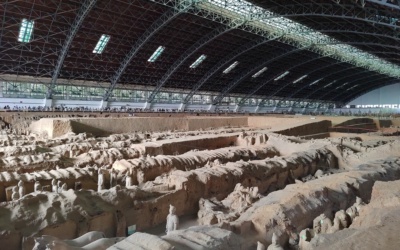
The ancient eastern terminus of the Silk Road, Xian is a living museum where massive Ming Dynasty walls encircle a vibrant Muslim Quarter and the world-famous Terracotta Army. It is an essential stop for history enthusiasts and food lovers seeking the bold, spicy flavors of Shaanxi province.
Xian serves as the historical heartbeat of China, acting as the capital for several dynasties including the powerful Zhou, Qin, Han, and Tang. Walking through the city feels like navigating a layered timeline where glass skyscrapers overlook centuries-old fortifications and Buddhist pagodas. It is a city defined by its massive scale, from the width of its ancient defensive walls to the sheer number of life-sized clay soldiers guarding an emperor in the countryside.
While Beijing is the political center and Shanghai the financial hub, Xian is where you go to understand the roots of Chinese civilization. The city retains a gritty, authentic atmosphere that has not been entirely polished away by modernization. You will find elderly men playing mahjong in the shadow of the South Gate and the smell of toasted cumin and grilled lamb wafting through the narrow alleys of the Beiyuanmen district.
This is a destination for the curious traveler who enjoys exploring on foot and isn't afraid of sensory overload. Between the heavy traffic and the bustling night markets, Xian can be intense, but it rewards visitors with some of the most significant archaeological finds on earth and a culinary scene that is vastly different from the Cantonese or Sichuan flavors found elsewhere in China.
Orientation and Neighborhoods
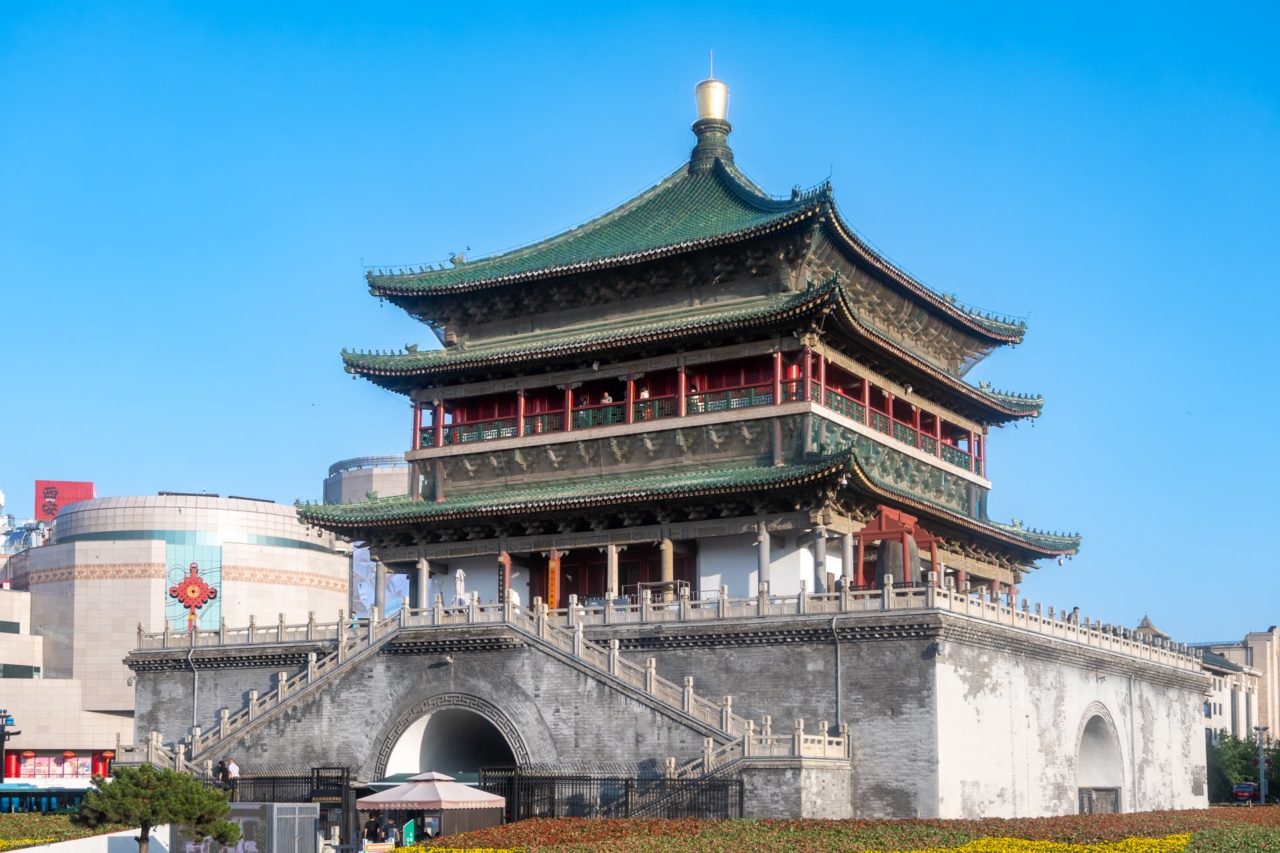
Xian is laid out on a strict grid system, centered around the iconic Bell Tower. The city center is encased within the massive Rectangular City Wall, which divides the 'inner city' from the modern sprawling districts outside. Navigating is relatively straightforward as most major landmarks align with the four cardinal directions indicated by the city gates: North, South, East, and West.
The Muslim Quarter (Huimin Jie): Located just north of the Drum Tower, this is the sensory heart of the city. It is the best place for street food and vibrant atmosphere, though it is too noisy for most to stay in directly.
South Gate (Yongningmen) Area: This is the most scenic and upscale part of the inner city. It offers a mix of traditional architecture, luxury shopping malls, and a lively bar street. It is the top choice for first-time visitors who want to be close to the walls and transit.
Big Wild Goose Pagoda District (Qujiang New District): Located south of the city walls, this is a modern, polished area with large pedestrian malls, fountains, and parks. It is excellent for families due to the wide open spaces and nightly light shows.
Beilin (Stele Forest) District: Situated in the southeast of the inner city, this area is quieter and more academic, home to museums and traditional calligraphy shops. It is ideal for travelers seeking a slower pace.
Things to Do
Offers are only loaded from GetYourGuide after you click. GetYourGuide can then process your IP address and set cookies. Privacy Policy
GetYourGuide partner offers. GoAsia may earn a commission if you book through these offers. Check whether tickets or transfers are included, and follow the attraction's official booking and admission rules.
Best Time to Visit
Xian has a continental climate with four distinct seasons. Springs are pleasant but can be dusty due to Gobi Desert sandstorms, while summers are notoriously hot and humid. Autumn is widely considered the peak window for visiting due to mild temperatures and clear skies.
Season
Months
Weather
Crowds/Prices
Spring
March to May
Mild, dry
Moderate crowds and prices
Summer
June to August
Hot, humid
High crowds, peak prices
Autumn
September to October
Cool, pleasant
Very high crowds, peak prices
Winter
November to February
Cold, gray
Low crowds, best value
Avoid the 'Golden Week' national holidays at all costs. In 2026 the National Day holiday runs from 1 to 7 October and the Spring Festival holiday from 15 to 23 February.[1] During these times, the Terracotta Army site becomes so crowded that viewing the pits is difficult.
Getting There and Getting Around
Xian Xianyang International Airport (XIY) is located northwest of the city. A taxi or Didi (the local ride-hailing app) is the simplest way into town; ask your hotel which metro or airport bus line is closest to it.
The high-speed rail network is the best way to arrive from other Chinese cities. Xian North Railway Station handles these sleek trains, and in October 2026 the fastest G-trains from Beijing West took 4 hours 10 minutes.[2] From the station you can continue by metro or taxi.
For local transport, the Xian Metro is an easy option. Taxis are plentiful but drivers rarely speak English; have your destination written in Chinese characters. Use Didi within the Alipay or WeChat apps for transparent pricing and English interface. While the city center is walkable, the scale is deceptive; a 'short' walk on the map can take much longer than expected because of the size of the city blocks.
Top Sights and Experiences
The Terracotta Army (Bingmayong)
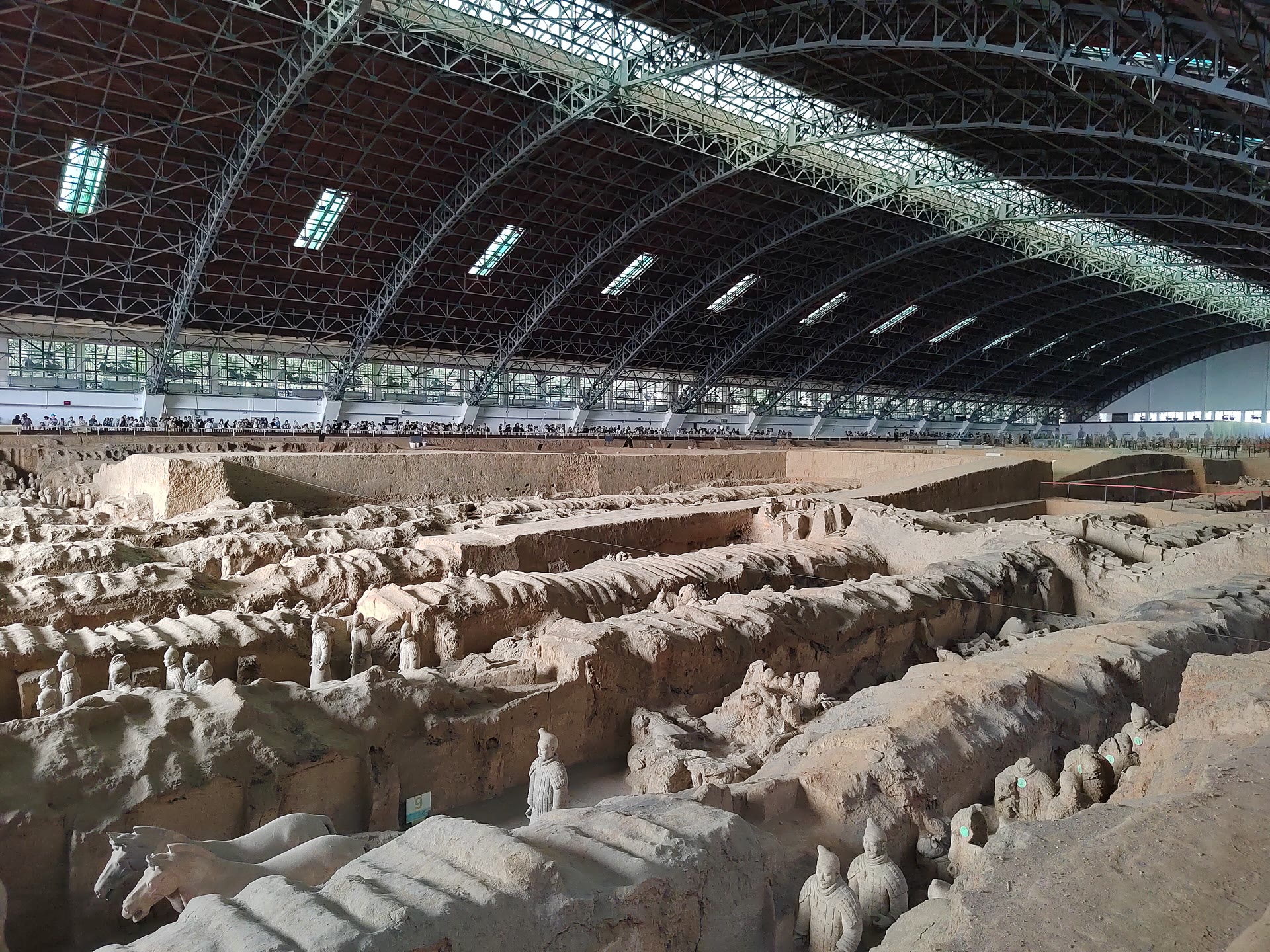
Located in Lintong, east of the city, this is the reason most people visit. You will see thousands of unique, life-sized clay soldiers, horses, and chariots built to protect Emperor Qin Shi Huang in the afterlife; Pit 1 alone holds about 6,000 figures.[3]
Tickets are sold only as real-name, time-slot reservations through the museum's website or its WeChat accounts, and this applies to foreign visitors too. Bring your original passport and arrive half an hour before your slot.[3] A ticket costs CNY 120, and the gates open at 08:30 with the last entry at 17:00 from 16 March to 15 November and at 16:30 for the rest of the year.[3] Allow about 1.5 hours for the Terracotta Army Museum and the same again for the Lishan Garden site, which a free shuttle bus connects.[3]
Pro Tip: The museum suggests a two-hour route through Pit 1, Pit 3, Pit 2, and the Bronze Chariots Hall.[3] Pit 3, the smallest, is believed to be the command post of the army.[3] You can find bus and private car booking details on GoAsia.cc.
The Ancient City Wall
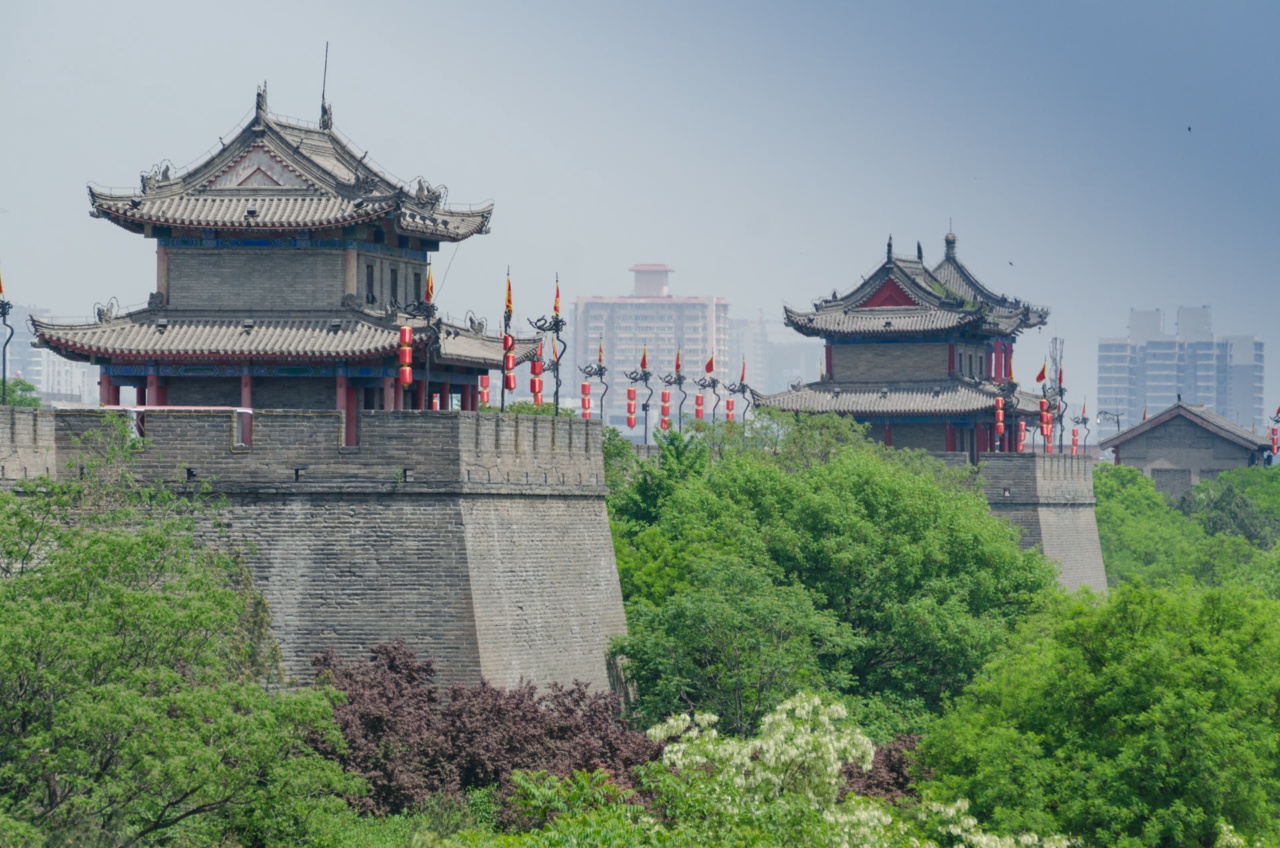
The wall runs for 13.74 kilometers around the old city.[4] The best way to experience it is by renting a bicycle on the wall: a single bike costs CNY 45 for 2 hours with a CNY 200 deposit, and rental is open from 08:00 to 19:00 (the South Gate until 22:00). The full loop normally takes less than two hours.[4] Rental points are on the East, West, South, and North gates, and you can return the bike at the nearest one.[4] You can also climb the wall in the evening to see the old city at night.[4]
The Muslim Quarter and Great Mosque
While the main street (Beiyuanmen) is a tourist circus, the back alleys are home to a centuries-old Hui Muslim community. The Great Mosque is a stunning blend of Islamic function and Chinese garden architecture. It is a peaceful escape from the chaos outside. Spend your evening here grazing on street food.
Big Wild Goose Pagoda
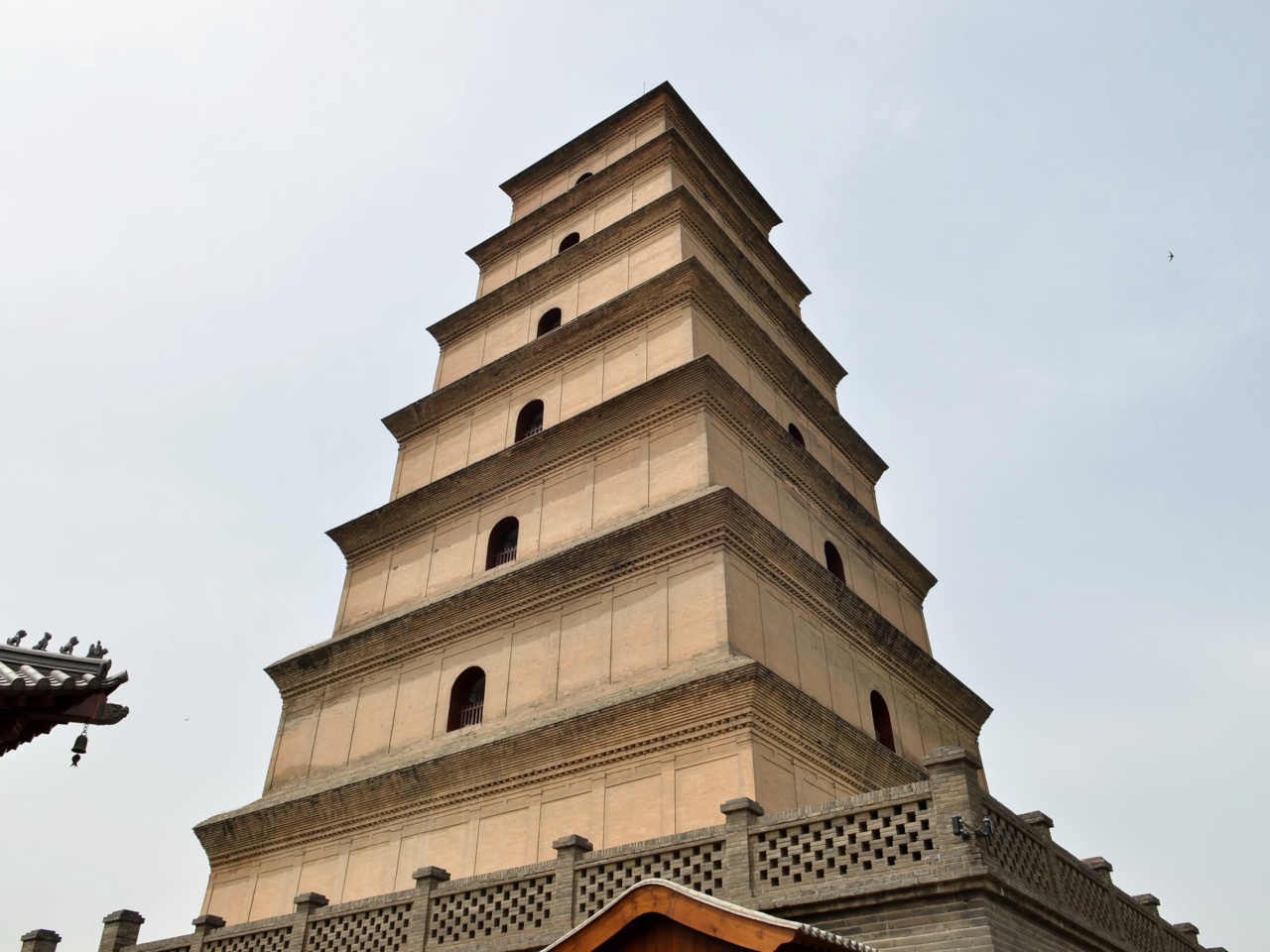
Built in 652 under the monk Xuanzang to keep the sutras and Buddha images he brought back from India along the Silk Road, this pagoda now has seven storeys and is 64.5 meters tall.[5] The surrounding North Square has a large musical fountain. The show gets incredibly crowded; watch from the elevated walkways.
While these are the iconic symbols of Xian and beautiful from the outside, the interiors are often underwhelming for the ticket price. They mostly contain small museum exhibits. You get a better view of them from the surrounding plazas or the nearby Starbucks balcony for the price of a coffee.
Food and Drink
Xian cuisine is heavy on wheat, lamb, and bold spices like cumin and chili. It is the birthplace of the 'Chinese Hamburger' and famous for hand-pulled noodles.
Dish
Description
Where to Try
Roujiamo
Stewed pork or lamb in a crispy flatbread
Muslim Quarter
Yangrou Paomo
Crumbled bread soaked in rich lamb broth
Lao Sun Jia
Biang Biang Noodles
Thick, wide hand-pulled noodles with chili
Any local noodle shop
Tangbao
Soup-filled dumplings (similar to xiaolongbao)
Jia San Tang Bao
Don't miss the 'Night Market' culture. Beyond the Muslim Quarter, the area around the South Gate has many craft beer bars and 'Chuan'er' (barbecue) stalls where you can get grilled skewers and local Hans beer for very low prices.
Where to Stay
Budget: Look for hostels and guesthouses inside the City Walls near the South Gate or the Stele Forest. These areas are social and walkable.
Mid-Range: The area around the Bell Tower and the South Gate offers many international and high-quality Chinese hotel brands.
Upscale: For luxury, stay in the Qujiang New District near the Big Wild Goose Pagoda or the high-end hotels integrated into the South Gate ramparts.
Practical Tips
Payment: China is almost cashless. Download Alipay or WeChat Pay and link your international card before arriving. While some places take cash, it is increasingly rare and inconvenient.
Internet: Most Western sites (Google, Facebook, Instagram) are blocked. Purchase an eSIM with a built-in roaming feature or a reliable VPN before you enter the country.
Safety: Xian is extremely safe for tourists, even at night. The main concern is pickpocketing in crowded markets like the Muslim Quarter. Always keep your bag in front of you.
Language: English is not widely spoken outside of hotels and major tourist sites. Use translation apps like Baidu Translate or Google Translate (offline mode) to communicate with taxi drivers and vendors.
Tipping: Tipping is not expected and can sometimes be seen as confusing or offensive. In high-end hotels, a service charge is usually included in the bill.
Day Trips
Mount Huashan
One of China's five sacred mountains, famous for its precipitous cliffs and the 'Plank Walk in the Sky.' It is reachable via high-speed train from Xian North to Huashan North, which takes about 28 minutes on the fastest G-trains, with second-class seats from CNY 56,[6] followed by a short bus ride. You can take cable cars to the peaks if you aren't a hiker. It is a long, physically demanding day but offers spectacular scenery.
Hanyangling Museum
Often overlooked in favor of the Terracotta Army, this is the Yangling Mausoleum of Emperor Jing of the Han Dynasty. Tickets are sold by real-name reservation through the museum's WeChat accounts and online travel platforms, and visitors are admitted from 08:30 to 18:30, with ticket sales until 17:00.[7]
Famen Temple
Located in Fufeng County, Baoji, west of Xian, this 5A-rated scenic area houses what it calls the world's only genuine finger bone relic of the Buddha. The Hands-Together Pagoda is 148 meters tall, and the Tang Dynasty underground palace, reopened in 1987, held 2,499 treasures.[8] It is best reached by an organized day tour or a long bus ride.
Sample 3-Day Itinerary
Day 1: The Imperial City
Morning: Start at the South Gate and rent a bike to cycle the full loop of the City Wall. Afternoon: Walk to the Bell and Drum Towers for photos, then explore the Great Mosque. Evening: Get lost in the Muslim Quarter, trying at least four different street food snacks for dinner.
Morning: Take a private car or bus to the Terracotta Army. Spend the morning exploring the three pits and the bronze chariot museum. Afternoon: On the way back, stop at the Huaqing Hot Springs, where emperors used to bathe. Evening: Return to the city and enjoy a traditional Dumpling Banquet, a Xian specialty where dumplings are shaped like the ingredients inside.
Day 3: Pagodas and Parks
Morning: Visit the Shaanxi History Museum (book tickets days in advance) to see Tang Dynasty gold and silver. Afternoon: Explore the Big Wild Goose Pagoda and the surrounding parks. Evening: Watch the musical fountain show at the North Square, then have a final meal of Biang Biang noodles in the nearby pedestrian mall.
Frequently Asked Questions
Is Xian worth visiting?
Yes, Xian is a cornerstone of Chinese history and offers a completely different atmosphere than Beijing or Shanghai. It is home to the Terracotta Army and some of the best street food in Asia, making it a mandatory stop for any cultural itinerary in China.
How many days do you need in Xian?
Three days is the ideal amount of time. This allows one full day for the Terracotta Army, one day for the City Walls and Muslim Quarter, and a third day for the museums, pagodas, or a day trip to Mount Huashan.
Is Xian safe for tourists?
Xian is exceptionally safe with very low rates of violent crime. Tourists should primarily be aware of petty theft in crowded markets and ensure they use official taxis or ride-hailing apps to avoid overcharging.
How do I get to the Terracotta Army from the city?
The site is in Lintong, east of the city. Take a Didi, taxi, or private car, or use a public or tourist bus; ask your hotel for the current departure point and allow plenty of time. Tickets must be reserved online in advance with your passport details.
Can you walk on the Xian City Wall?
Yes, you can walk, run, or rent a bicycle to traverse the top of the wall. Access is available via several gates, with the South Gate (Yongningmen) being the most popular and easiest to access via metro.
What is the best neighborhood to stay in Xian?
The area around the South Gate (Yongningmen) is best for most travelers. It is inside the city walls, highly walkable, close to the metro, and offers a great mix of traditional charm and modern amenities.
Is English widely spoken in Xian?
English is common in high-end hotels and major tourist attractions like the Terracotta Army, but rare in local restaurants and taxis. Having a translation app and your hotel address in Chinese characters is essential.
What food is Xian famous for?
Xian is world-famous for its 'Roujiamo' (meat burgers), 'Yangrou Paomo' (mutton soup with bread), and 'Biang Biang' noodles. The city's cuisine is heavily influenced by its Silk Road history, featuring lots of cumin, lamb, and wheat.
Sources and background
Numbers in the text such as [1] refer to these sources.