Terracotta Army: booking, pits and the two-site visit
Photo: 沈澄心 / Wikimedia Commons, CC0
Contents
Visit the Terracotta Army for archaeology and the detail of Qin-era warriors, not just one photograph. Plan whether you want the pits alone or also Lishan Garden, then reserve the required entry slot and arrange transport. The museum includes two separate areas with the same ticket. Travel, entry checks and the transfer between them need time beyond the displays.
What the visit includes
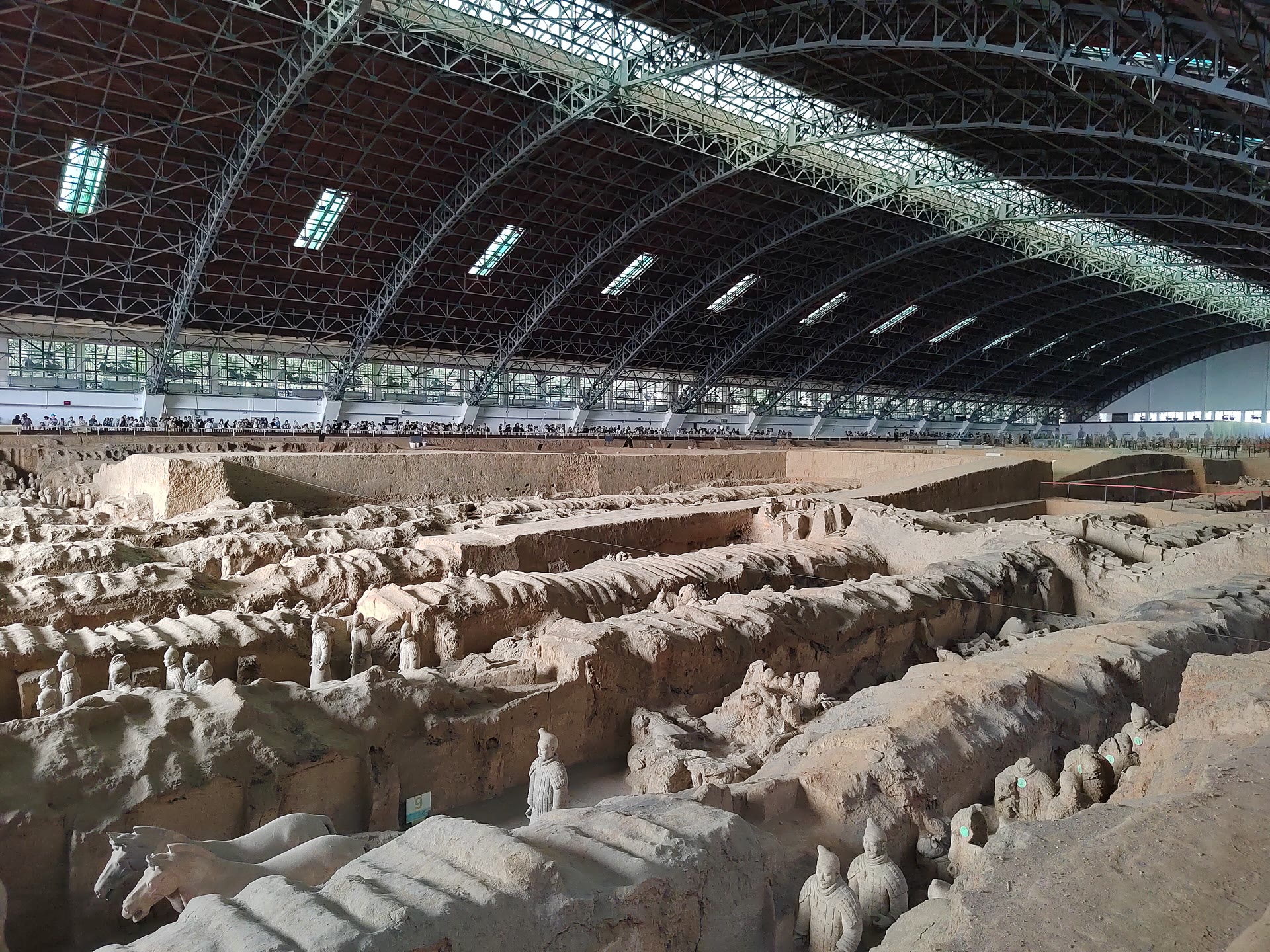
UNESCO places the mausoleum complex about 35 km northeast of Xi’an and records the army’s discovery in 1974. The warriors, horses, weapons and bronze chariots form part of the burial landscape of Qin Shi Huang, the first emperor to unify China. Differences in figures and equipment make a closer look worthwhile. This is a protected archaeological site, not a promise of a fully restored army or an open central burial chamber.
Things to Do
Offers are only loaded from GetYourGuide after you click. GetYourGuide can then process your IP address and set cookies. Privacy Policy
GetYourGuide partner offers. GoAsia may earn a commission if you book through these offers. Check whether tickets or transfers are included, and follow the attraction's official booking and admission rules.
Reserve before arrival
The museum’s current visitor page requires real-name online reservation for all visitors, explicitly including foreign visitors and people eligible for free admission. Use the official website or its named official WeChat channels and read the selected product’s rules. The published standard adult ticket is RMB120 per person, checked 5 October 2026. Concessions require specific eligibility and documents; do not assume a foreign student or senior qualifies under every listed category. A reservation does not remove identity or security checks.
Published ticket checks begin at 08:30 and end at 16:30 from 16 November through 15 March, or 17:00 from 16 March through 15 November. These are entry-check windows, not guaranteed final visiting times. Follow your reserved slot; the operator asks visitors to be ready half an hour beforehand. The live instructions are dated April 2023 and were checked 5 October 2026; holiday notices can change arrangements. Confirm your visit date rather than arriving at the final minute.
Match your ticket and document
Carry the original valid document used to reserve, including a passport where accepted. The person, ticket and document must match. The museum identifies the North Gate as its entrance and uses a one-way entry and exit route. Keep your booking confirmation available offline and allow for assistance if a document cannot be read. A 2024 government report describes an overseas booking service, but does not establish a current universal payment method or booking lead time.
Choose the pits and Lishan Garden
Pit 1 gives the broad view of ranks; Pit 2 introduces different units including archers, cavalry and chariots. The operator interprets Pit 3 as a command post. Compare organisation and details instead of treating all three as identical rooms. Follow the posted visitor route and barriers. Do not expect to walk among the figures or to see a restoration team at every visit; use current displays for the conservation explanation, without an unverified precise paint-loss timeline.
Lishan Garden is the mausoleum’s archaeological park, not merely a hill or an optional extra included only in some tours. The museum confirms the same-day ticket covers both areas and a free shuttle connects them from the Terracotta Warriors parking area after the exit. The Bronze Chariots and Horses Exhibition Hall is listed in Lishan Garden. This transfer is different from paid electric-cart services within either area. Confirm boarding, return and the remaining entry window before transferring.
Travel from Xi’an
Plan from your actual Xi’an accommodation to the museum entrance and back. Compare current local public transport with a taxi, app car or organised transfer; the sources checked here do not confirm a present bus number, boarding point or a fixed 40-50-minute drive. A private vehicle may suit a group or luggage, but compare the full price, waiting and return arrangements. For a tour, verify whether entry reservation, guide, both museum areas and any shopping or extra attraction are included.
Time, guides and practical choices
The operator’s Chinese instructions suggest about 1.5 hours for each of the two areas. Treat that as a planning example, adding transport, checks, walking, breaks and the shuttle. An early slot or a different order of pits does not guarantee fewer people; obey the reserved time and visitor management. A guide is optional: agree on language, scope, duration and total cost, or read the museum and UNESCO context beforehand. Do not assume every audio service or entrance guide is currently available.
Ask the visitor centre about an accessible route, wheelchair or stroller arrangements for your needs. The museum lists luggage storage subject to security and exclusions, not storage for every valuable or document; keep your passport and essentials with you. Check its current equipment and photography rules before packing. Comfortable shoes, water and weather-appropriate clothing help. Huaqing Palace or Xi’an City Wall are separate choices with their own tickets and schedules, not automatically included or necessary for a complete museum day.
Sources and background
These sources support the topics listed below, not every statement or current price in this article.
- [1] Qin Shi Huang Emperor's Mausoleum Site Museum: Current visitor instructions: required online reservation, original documents, seasonal entry and two-site ticket. Retrieved October 5, 2026. Admission, Registration, Opening hours, Access, Culture, History
- [2] State Council of the People's Republic of China, Xinhua: April 2024 launch of the museum's overseas online ticket service. Retrieved October 5, 2026. Registration, Admission
- [3] UNESCO World Heritage Centre: Mausoleum of the First Qin Emperor: archaeological context and 1974 discovery. Retrieved October 5, 2026. History, Culture
Frequently Asked Questions
The operator’s Chinese instructions suggest about 1.5 hours for each of the two areas. Treat that as a planning example, adding transport, checks, walking, breaks and the shuttle. An early slot or a different order of pits does not guarantee fewer people; obey the reserved time and visitor management. A guide is optional: agree on language, scope, duration and total cost, or read the museum and UNESCO context beforehand. Do not assume every audio service or entrance guide is currently available.
The museum’s current visitor page requires real-name online reservation for all visitors, explicitly including foreign visitors and people eligible for free admission. Use the official website or its named official WeChat channels and read the selected product’s rules. The published standard adult ticket is RMB120 per person, checked 5 October 2026. Concessions require specific eligibility and documents; do not assume a foreign student or senior qualifies under every listed category. A reservation does not remove identity or security checks. Published ticket checks begin at 08:30 and end at 16:30 from 16 November through 15 March, or 17:00 from 16 March through 15 November. These are entry-check windows, not guaranteed final visiting times. Follow your reserved slot; the operator asks visitors to be ready half an hour beforehand. The live instructions are dated April 2023 and were checked 5 October 2026; holiday notices can change arrangements. Confirm your visit date rather than arriving at the final minute.
Plan from your actual Xi’an accommodation to the museum entrance and back. Compare current local public transport with a taxi, app car or organised transfer; the sources checked here do not confirm a present bus number, boarding point or a fixed 40-50-minute drive. A private vehicle may suit a group or luggage, but compare the full price, waiting and return arrangements. For a tour, verify whether entry reservation, guide, both museum areas and any shopping or extra attraction are included.
The operator’s Chinese instructions suggest about 1.5 hours for each of the two areas. Treat that as a planning example, adding transport, checks, walking, breaks and the shuttle. An early slot or a different order of pits does not guarantee fewer people; obey the reserved time and visitor management. A guide is optional: agree on language, scope, duration and total cost, or read the museum and UNESCO context beforehand. Do not assume every audio service or entrance guide is currently available.
The operator’s Chinese instructions suggest about 1.5 hours for each of the two areas. Treat that as a planning example, adding transport, checks, walking, breaks and the shuttle. An early slot or a different order of pits does not guarantee fewer people; obey the reserved time and visitor management. A guide is optional: agree on language, scope, duration and total cost, or read the museum and UNESCO context beforehand. Do not assume every audio service or entrance guide is currently available.
Ask the visitor centre about an accessible route, wheelchair or stroller arrangements for your needs. The museum lists luggage storage subject to security and exclusions, not storage for every valuable or document; keep your passport and essentials with you. Check its current equipment and photography rules before packing. Comfortable shoes, water and weather-appropriate clothing help. Huaqing Palace or Xi’an City Wall are separate choices with their own tickets and schedules, not automatically included or necessary for a complete museum day.
Pit 1 gives the broad view of ranks; Pit 2 introduces different units including archers, cavalry and chariots. The operator interprets Pit 3 as a command post. Compare organisation and details instead of treating all three as identical rooms. Follow the posted visitor route and barriers. Do not expect to walk among the figures or to see a restoration team at every visit; use current displays for the conservation explanation, without an unverified precise paint-loss timeline. Lishan Garden is the mausoleum’s archaeological park, not merely a hill or an optional extra included only in some tours. The museum confirms the same-day ticket covers both areas and a free shuttle connects them from the Terracotta Warriors parking area after the exit. The Bronze Chariots and Horses Exhibition Hall is listed in Lishan Garden. This transfer is different from paid electric-cart services within either area. Confirm boarding, return and the remaining entry window before transferring.