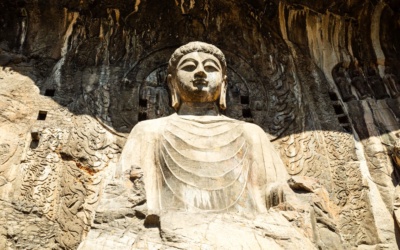
Luoyang is one of China's four great ancient capitals, where the Silk Road began and Buddhism first took root in the country. It is a city of massive rock-cut grottoes, ancient peony gardens, and a deep historical legacy that appeals to culture seekers and history buffs alike.
Luoyang sits at the confluence of the Luo and Yi rivers in Henan Province, serving as a silent witness to many Chinese dynasties. Unlike the modern sprawl of Shanghai or the political weight of Beijing, Luoyang feels like a lived-in museum where history is etched into the very cliffsides. It was the eastern terminus of the Silk Road and remains an important center of Chinese Buddhism, offering a more grounded, less commercialized alternative to the crowded streets of Xi'an.
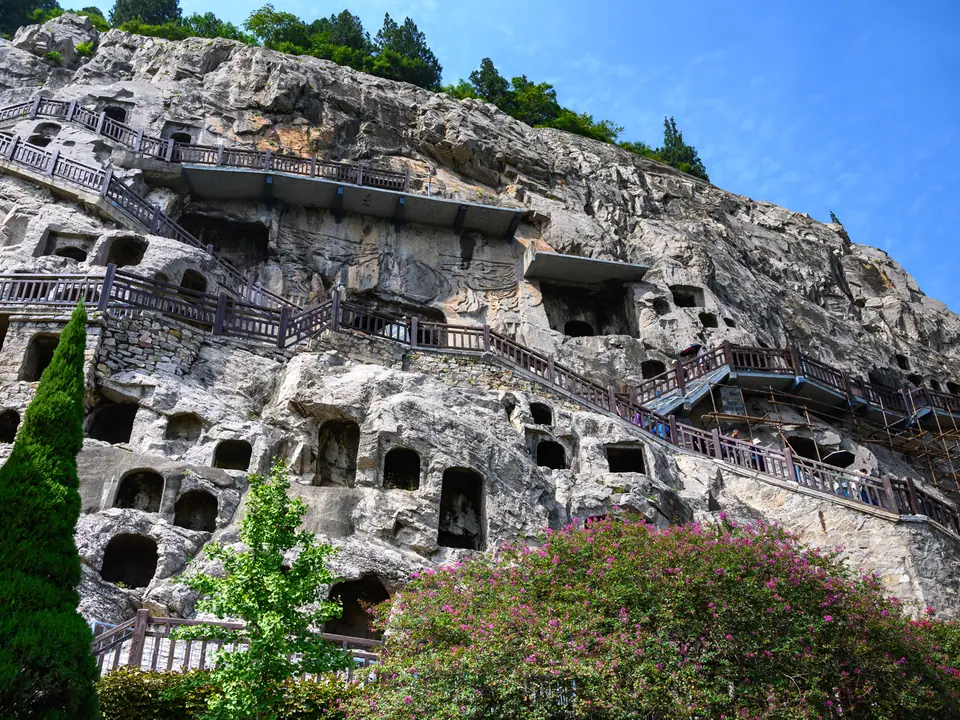
The city is most famous for the Longmen Grottoes, a UNESCO World Heritage site with more than 2,300 caves and niches carved into limestone cliffs, holding almost 110,000 Buddhist stone statues.[1] Beyond the stone, Luoyang is the city of peonies; during the spring bloom, the entire urban landscape transforms into a floral festival. It is a destination for travelers who prefer archaeological depth over modern skylines and those who want to understand the origins of Chinese civilization without the high-octane pace of the coastal megacities.
While the city center has undergone significant modernization, the surrounding countryside and the preserved old quarters maintain a distinct character. You will find yourself navigating between sleek high-speed rail stations and dusty, atmospheric temple complexes. Luoyang is practical, affordable, and deeply rewarding for those willing to look past its industrial facade to find the imperial ghosts that still haunt its parks and riverbanks.
Orientation and Neighborhoods
Luoyang is divided into several districts, but most travelers will spend their time in three main areas. The city is generally split by the Luo River, with the newer development to the south and the historical core to the north. Understanding the layout is key to minimizing travel time between the spread-out attractions.
Xigong District: This is the commercial heart of the city. It is the best place to stay for first-time visitors who want easy access to shopping, mid-range hotels, and the Luoyang Railway Station. It is central and well-connected by the subway system.
Old Town (Lao Cheng): Located in the eastern part of the city center, this area contains the Lijing Gate and the bustling Cross Street night market. Stay here if you want an atmospheric, traditional feel, though hotels are often smaller boutique styles or guesthouses.
Luolong District: The new city area to the south. It is home to the Longmen High-Speed Railway Station and is much closer to the Longmen Grottoes. This area is characterized by wide boulevards, upscale international hotels, and modern parks. It is quieter but requires a commute to reach the historical sights in the north.
Jianxi District: Formerly an industrial hub, this area now offers a glimpse into China's mid-century Soviet-influenced architecture. It is less touristy and offers some of the best value for local dining and budget accommodation.
Things to Do
Offers are only loaded from GetYourGuide after you click. GetYourGuide can then process your IP address and set cookies. Privacy Policy
GetYourGuide partner offers. GoAsia may earn a commission if you book through these offers. Check whether tickets or transfers are included, and follow the attraction's official booking and admission rules.
Best Time to Visit
The timing of a Luoyang trip is critical because the city’s climate is continental and seasonal. Spring is the peak season because of the Peony Festival. During this time, the city is beautiful but extremely crowded and hotel prices rise.
Month Range
Weather
Crowds
Prices
March - May
Mild and pleasant
Very High (Peony Peak)
High
June - August
Hot and humid
Moderate
Average
September - November
Cool and dry
Moderate
Average
December - February
Cold and windy
Low
Low
Autumn (September to October) is the second-best window. The weather is crisp, the summer rains have ceased, and the crowds are manageable. Winter is bone-dry and cold, often with gray skies, but hotels are usually easy to book. Avoid the first week of October (National Day) and the Lunar New Year period, as transport and hotels become hard to book.
Getting There and Getting Around
Luoyang Beijiao Airport (LYA) handles domestic flights. A taxi or ride-hail takes you from the airport to the city center. However, most travelers arrive via the high-speed rail network. Luoyang Longmen Station has high-speed trains to and from Xi'an North that take from about 1 hour 15 minutes.[2] Note that Luoyang Railway Station (the older one) is in the city center, while Longmen Station is a separate high-speed station near the Longmen Grottoes.
The city has a subway system that makes north-south travel easier. For areas not served by the subway, the bus network is extensive, though it requires a transit app like Alipay or WeChat Pay. Didi (the Chinese equivalent of Uber) is highly recommended and affordable. Walking is feasible within the Old Town, but the city is too spread out to navigate entirely on foot.
Top Sights and Experiences
The Longmen Grottoes
This is Luoyang's crowning jewel. The grottoes stretch for 1 km along the Yi River and hold more than 2,300 caves and niches with almost 110,000 Buddhist stone statues, mostly from the Northern Wei and Tang dynasties.[1] The highlight is the Fengxian Temple cave, featuring a giant Vairocana Buddha said to be modeled after Empress Wu Zetian. Tip: Visit in the late afternoon to see the sun hit the carvings. Plan for at least 3-4 hours here.
White Horse Temple (Baima Si)
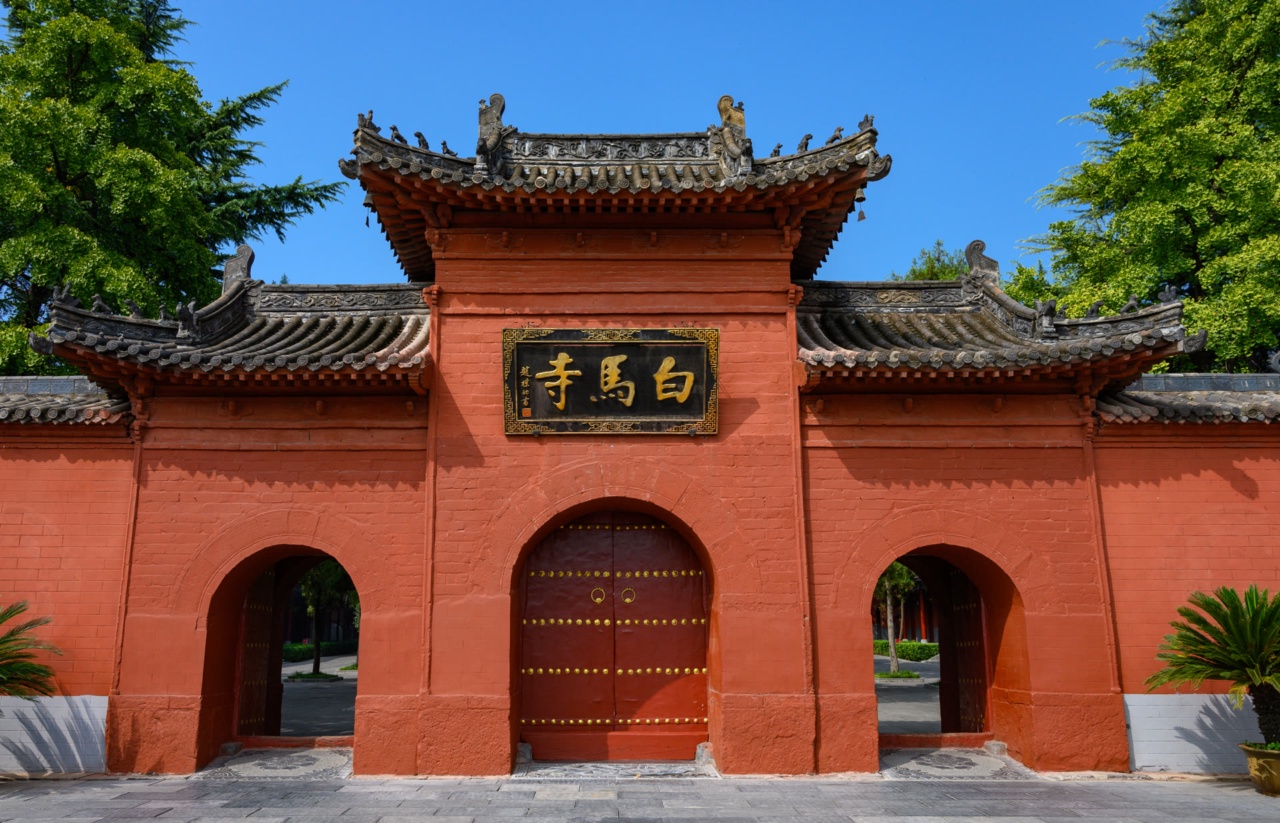
Construction of this temple began in AD 68 in the Eastern Han dynasty, making it one of China's oldest Buddhist temples.[3] While many buildings are more recent reconstructions, the site retains a profound spiritual energy. The complex also features an international zone with shrines built in Indian, Thai, and Burmese styles. It is located outside the city center; take a taxi or a dedicated tourist bus.
The Lijing Gate is a massive reconstructed fortification that marks the entrance to the historic district. Behind it lies a maze of pedestrian streets filled with traditional crafts, calligraphy shops, and local snacks. It is best visited after dark when the lanterns are lit and the Cross Street night market comes alive with food stalls. This is the best place to experience the city's living history.
The Peony Gardens
If visiting in April, the Luoyang National Peony Garden or Wangcheng Park are essential. These parks house thousands of varieties of China’s national flower. Be prepared for intense crowds and security barriers. If you are not visiting in April, these parks are still pleasant for a walk but lose their primary draw.
Overrated: Luoyang Museum (on weekends)
While the collection includes Tang Dynasty tri-color glazed pottery, the museum becomes incredibly loud and crowded on weekends with tour groups. If you go, visit on a Tuesday or Wednesday morning to actually see the artifacts without being pushed through the galleries.
Food and Drink
Luoyang’s culinary claim to fame is the "Water Banquet" (Shui Xi). This is a series of courses, mostly soups and stews, served in a specific order. It was designed to mimic the flow of water. While a full banquet is too much for a solo traveler, many restaurants offer smaller versions.
Dish
Description
Where to Try
Luoyang Bu Cai
A peppery, sour soup with vegetables and meat
Old Town stalls
Peony Cake
A sweet pastry made with flower petals
Any bakery
Hu La Tang
Spicy, peppery beef soup (breakfast staple)
Street side vendors
Tangmian Pie
Sweet, fried dough pockets
Cross Street Market
The street food scene is dominated by wheat-based dishes, reflecting northern China's climate. Look for "Mo" (flatbread) stuffed with braised pork or spicy tofu. For a mid-range sit-down meal, head to the restaurants along Zhongzhou Road.
Where to Stay
Accommodation in Luoyang is available across all price ranges.
Budget: Look for boutique guesthouses inside the Old Town or near the Luoyang Railway Station. These are often basic but clean and culturally immersive.
Mid-Range: The Xigong District has many domestic 4-star hotels that offer excellent service and western-style breakfasts. This is the most convenient tier for most travelers.
Upscale: The Luolong District (New City) hosts international brands like Marriott and Courtyard. These offer a high level of comfort but require more travel time to reach the historical sites.
Practical Tips
Payment: Cash is rarely used. You must have Alipay or WeChat Pay set up and linked to your international card before arriving. Most small vendors in the night market will not have change for large bills.
Internet: A VPN is essential to access Google, Facebook, or Instagram. Alternatively, buy an international roaming e-SIM before you land, which often bypasses the Great Firewall.
Language: English is not widely spoken outside of major hotel receptions. Download a translation app like Baidu Translate or Google Translate (offline mode) to communicate with taxi drivers and restaurant staff.
Tipping: Tipping is not expected and can sometimes be seen as confusing or offensive. Simply pay the price on the bill.
Safety: Luoyang is extremely safe for foreigners. Standard precautions against pickpockets in crowded markets like Cross Street are all that is required.
Day Trips
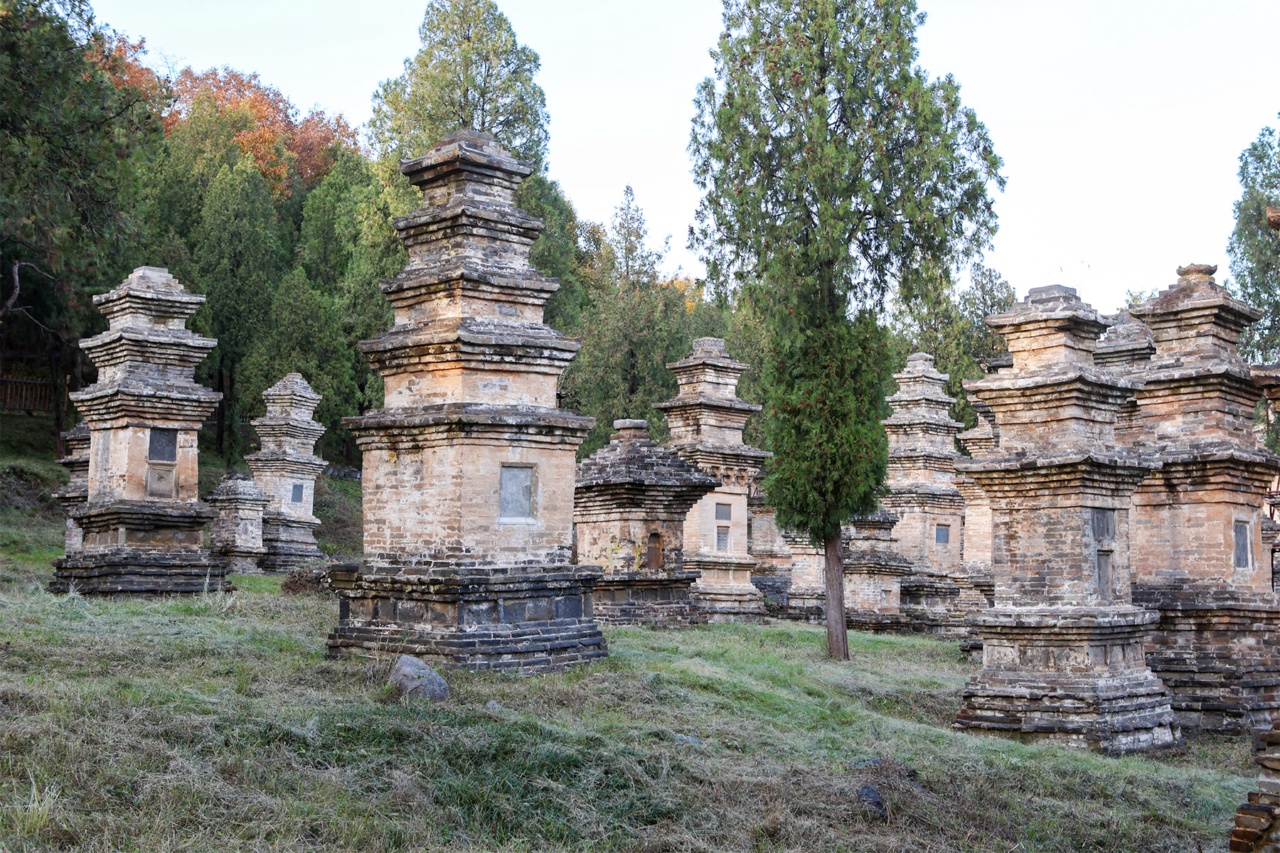
Shaolin Temple (Dengfeng): Located in Dengfeng and reached by bus or private car. This is famous for Zen Buddhism and Shaolin Kung Fu. While very commercialized, the Pagoda Forest is stunning. Expect a full day trip.
Guanlin Temple: Located on the southern outskirts of the city, this temple honors Guan Yu, a famous general from the Three Kingdoms period. It is unique because it contains the general's head (according to legend). It is an easy half-day trip via city bus.
Yuntai Mountain: A massive geological park. It features red rock formations and deep gorges. It is beautiful but requires significant hiking and is often overcrowded. Only worth it if you have more than three days in Luoyang.
Sample 3-Day Itinerary
Day 1: The Imperial Legacy
Morning: Explore the Longmen Grottoes early to avoid the heat and the largest tour groups. Cross the river to see the Xiangshan Temple. Afternoon: Return to the city and visit the Luoyang Museum to see the Tang Dynasty artifacts. Evening: Walk through the Lijing Gate and explore the Old Town, ending with dinner at the Cross Street Night Market.
Day 2: Religious Roots and Gardens
Morning: Take a taxi to the White Horse Temple. Spend several hours exploring the various international shrines. Afternoon: Visit Wangcheng Park (especially if in bloom) or the Sui and Tang Dynasties Botanical Garden. Evening: Watch a traditional "Water Banquet" performance or enjoy a quiet meal in the Jianxi District.
Day 3: Kung Fu and History
Full Day: Take a pre-arranged car or bus to the Shaolin Temple in Dengfeng. Watch the Kung Fu demonstration, visit the Pagoda Forest, and take the cable car up Songshan Mountain if time permits. Return to Luoyang for a final evening stroll along the Luo River waterfront.
Frequently Asked Questions
Is Luoyang worth visiting?
Yes, Luoyang is essential for anyone interested in Chinese history, Buddhism, or ancient art. The Longmen Grottoes alone are worth the trip, offering some of the finest examples of rock-cut architecture in the world.
How many days do you need in Luoyang?
Two full days are enough to see the city's highlights (Longmen Grottoes, White Horse Temple, and Old Town). A third day is recommended if you plan to take a day trip to the Shaolin Temple.
Is Luoyang safe for tourists?
Luoyang is incredibly safe, with very low rates of violent crime. Visitors should only watch out for standard tourist scams like overpriced taxis or unofficial tour guides at the entrance of major sites.
What is the best time to visit Luoyang?
April is the best time for the Peony Festival, though it is very crowded. For better weather and fewer people, visit in September or October when the air is clear and the temperatures are mild.
What food is Luoyang famous for?
The city is famous for the 'Water Banquet,' a series of soup-based dishes. It is also known for spicy beef soup (Hu La Tang) and various wheat-based street snacks found in the Old Town.
Is Luoyang expensive?
Luoyang is generally more affordable than Beijing or Shanghai, although hotel prices rise during the Peony Festival.
Can you drink tap water in Luoyang?
No, tap water in Luoyang is not safe to drink. Stick to bottled water, which is available everywhere for a very low price, or use the boiled water provided in hotels.
Is English widely spoken in Luoyang?
English is not widely spoken. While major hotels and ticket offices at tourist sites may have English speakers, you will need a translation app for daily interactions with drivers and restaurants.
Sources and background
Numbers in the text such as [1] refer to these sources.
[1]UNESCO World Heritage Centre: Longmen Grottoes. Retrieved October 19, 2026.