
Luoyang
लुओयांग चीन की चार महान प्राचीन राजधानियों में से एक है। यहीं से सिल्क रोड का पूर्वी मार्ग शुरू हुआ और चीन में बौद्ध धर्म ने जड़ें जमाईं। विशाल शैल गुफाएं, प्राचीन पेओनी उद्यान और गहरी ऐतिहासिक विरासत संस्कृति तथा इतिहास में रुचि रखने वाले यात्रियों को आकर्षित करती है।
अंतिम अपडेट: 15 अक्तूबर 2026
विषय-सूची
- 1. शहर का परिचय और पड़ोस
- 2. लुओयांग जाने का सबसे अच्छा समय
- 3. लुओयांग कैसे पहुंचें और शहर में कैसे घूमें
- 4. मुख्य दर्शनीय स्थल और अनुभव
- 4.1 लॉन्गमेन ग्रोटोज
- 4.2 व्हाइट हॉर्स टेंपल, बाइमा सी
- 4.3 लुओयांग पुराना शहर और लिजिंग गेट
- 4.4 पेओनी उद्यान
- 4.5 अतिशयोक्तिपूर्ण आकर्षण: सप्ताहांत का लुओयांग संग्रहालय
- 5. भोजन और पेय
- 6. कहां ठहरें
- 7. व्यावहारिक सुझाव
- 8. आसपास की एक-दिवसीय यात्राएं
- 9. 3-दिन की नमूना यात्रा
- 9.1 दिन 1: शाही विरासत
- 9.2 दिन 2: धार्मिक जड़ें और उद्यान
- 9.3 दिन 3: कुंग फू और इतिहास
- 10. बजट का अनुमान
- 11. अक्सर पूछे जाने वाले प्रश्न
लुओयांग हेनान प्रांत में लुओ और यी नदियों के संगम पर बसा है और तेरह अलग-अलग चीनी राजवंशों का मौन साक्षी रहा है। शंघाई के आधुनिक फैलाव या बीजिंग के राजनीतिक महत्व के विपरीत, लुओयांग एक जीवित संग्रहालय जैसा लगता है, जहां इतिहास चट्टानों की ढलानों पर खुदा हुआ है। यह सिल्क रोड का पूर्वी छोर था और आज भी चीनी बौद्ध धर्म का आध्यात्मिक केंद्र है। इस कारण यह शीआन की भीड़ भरी सड़कों का अधिक शांत, स्थानीय और कम व्यावसायिक विकल्प देता है।
शहर की सबसे प्रसिद्ध पहचान लॉन्गमेन ग्रोटोज हैं। यह यूनेस्को विश्व धरोहर स्थल है और चूना पत्थर में काटी गई हजारों बौद्ध प्रतिमाओं को समेटे हुए है। पत्थर की गुफाओं के अलावा लुओयांग पेओनी का शहर भी है। वसंत में फूल खिलने पर पूरा शहरी परिदृश्य उत्सव जैसा हो जाता है। यह उन यात्रियों के लिए अच्छा गंतव्य है जो आधुनिक स्काईलाइन से अधिक पुरातात्विक गहराई पसंद करते हैं और तटीय महानगरों की तेज रफ्तार के बिना चीनी सभ्यता की जड़ों को समझना चाहते हैं।
शहर का केंद्र काफी आधुनिक हो चुका है, लेकिन आसपास के गांव और सुरक्षित पुराने इलाके अपनी अलग पहचान बनाए हुए हैं। एक ही यात्रा में चमकदार हाई-स्पीड रेल स्टेशन, धूल भरे मंदिर परिसर और ऐतिहासिक नदी किनारे दिखाई दे सकते हैं। लुओयांग व्यावहारिक, किफायती और उन यात्रियों के लिए बहुत संतोषजनक है जो इसके औद्योगिक बाहरी रूप के पीछे पार्कों और नदी तटों में बचे शाही इतिहास को खोजने के लिए समय देते हैं।
शहर का परिचय और पड़ोस
लुओयांग कई जिलों में बंटा है, लेकिन अधिकांश यात्री तीन मुख्य क्षेत्रों में समय बिताते हैं। शहर को सामान्यतः लुओ नदी दो हिस्सों में बांटती है। दक्षिण में नया विकास है और उत्तर में ऐतिहासिक केंद्र। यह नक्शा समझना जरूरी है, क्योंकि मुख्य आकर्षण एक-दूसरे से काफी दूर हैं।
- शिगोंग जिला: यह शहर का व्यावसायिक केंद्र है। पहली बार आने वाले यात्रियों के लिए यह सबसे सुविधाजनक इलाका है, क्योंकि यहां खरीदारी, मध्यम श्रेणी के होटल और लुओयांग रेलवे स्टेशन पास हैं। मेट्रो से भी अच्छी कनेक्टिविटी है।
- पुराना शहर, लाओ चेंग: शहर के पूर्वी केंद्र में स्थित इस इलाके में लिजिंग गेट और चहल-पहल वाला क्रॉस स्ट्रीट नाइट मार्केट है। पारंपरिक और वातावरणपूर्ण ठहराव चाहिए तो यहां रहें, हालांकि होटल अक्सर छोटे बुटीक या गेस्टहाउस होते हैं।
- लुओलोंग जिला: दक्षिण का नया शहर। यहां लुओयांग लॉन्गमेन हाई-स्पीड रेलवे स्टेशन है और लॉन्गमेन ग्रोटोज भी काफी पास हैं। चौड़े रास्ते, अंतरराष्ट्रीय होटल और आधुनिक पार्क इसकी विशेषता हैं। यह शांत है, लेकिन उत्तर के ऐतिहासिक स्थलों तक पहुंचने में समय लगता है।
- जियान्शी जिला: कभी औद्योगिक केंद्र रहा यह क्षेत्र अब चीन की बीसवीं सदी के मध्य की सोवियत प्रभाव वाली वास्तुकला दिखाता है। यहां पर्यटक कम आते हैं और स्थानीय भोजन तथा बजट आवास का अच्छा मूल्य मिलता है।
करने योग्य चीज़ें
ऑफ़र आपके क्लिक करने के बाद ही GetYourGuide से लोड होते हैं। इसके बाद GetYourGuide आपके IP पते को प्रोसेस कर सकता है और कुकीज़ सेट कर सकता है। गोपनीयता नीति
GetYourGuide के साझेदार ऑफ़र। इन ऑफ़र से बुकिंग करने पर GoAsia को कमीशन मिल सकता है। जांचें कि प्रवेश टिकट या परिवहन सेवा शामिल है या नहीं और पर्यटन स्थल के आधिकारिक बुकिंग तथा प्रवेश नियमों का पालन करें।
लुओयांग जाने का सबसे अच्छा समय
लुओयांग की जलवायु महाद्वीपीय और मौसमी है, इसलिए यात्रा का समय अनुभव पर बहुत असर डालता है। वसंत पेओनी महोत्सव के कारण स्पष्ट रूप से चरम मौसम है, जो सामान्यतः अप्रैल के मध्य से मई की शुरुआत तक चलता है। इस समय शहर सुंदर होता है, लेकिन बहुत भीड़ रहती है और होटल की कीमतें दोगुनी हो सकती हैं।
| महीनों की अवधि | मौसम | भीड़ | कीमतें |
|---|---|---|---|
| मार्च - मई | मध्यम और सुखद | बहुत अधिक, पेओनी का चरम | अधिक |
| जून - अगस्त | गर्म और उमस भरा | मध्यम | औसत |
| सितंबर - नवंबर | ठंडा और शुष्क | मध्यम | औसत |
| दिसंबर - फरवरी | ठंडा और तेज हवा वाला | कम | कम |
सितंबर से अक्टूबर शरद ऋतु की दूसरी सबसे अच्छी अवधि है। मौसम साफ और ठंडा होता है, गर्मियों की बारिश खत्म हो जाती है और भीड़ संभालने योग्य रहती है। सर्दी बहुत शुष्क और ठंडी होती है, अक्सर आसमान धूसर रहता है, लेकिन बजट यात्रियों को लक्जरी कमरा बहुत कम कीमत में मिल सकता है। अक्टूबर का पहला सप्ताह, यानी राष्ट्रीय दिवस, और चीनी नववर्ष से बचें, क्योंकि उस समय परिवहन बुक करना लगभग असंभव हो सकता है।
लुओयांग कैसे पहुंचें और शहर में कैसे घूमें
लुओयांग बेइजियाओ हवाई अड्डा (LYA) बीजिंग, शंघाई और ग्वांगझोउ जैसे बड़े शहरों से घरेलू उड़ानें संभालता है। हवाई अड्डे से शिगोंग जिले तक टैक्सी में लगभग 25 मिनट लगते हैं और किराया करीब $8 से $12 है। हालांकि अधिकांश यात्री हाई-स्पीड रेल से पहुंचते हैं। लुओयांग लॉन्गमेन स्टेशन से शीआन लगभग 1.5 घंटे और बीजिंग लगभग 4 घंटे दूर है। ध्यान रखें कि पुराना लुओयांग रेलवे स्टेशन शहर के केंद्र में है, जबकि लॉन्गमेन स्टेशन बहुत दक्षिण में है।
आधुनिक मेट्रो से उत्तर-दक्षिण यात्रा आसान हो गई है। लाइन 1 और लाइन 2 प्रमुख पर्यटन केंद्रों को जोड़ती हैं। मेट्रो से बाहर के क्षेत्रों के लिए बस नेटवर्क विस्तृत है और प्रति यात्रा किराया $0.30 से कम है, हालांकि परिवहन ऐप जैसे Alipay या WeChat Pay की जरूरत पड़ सकती है। चीनी Uber जैसी Didi सेवा बहुत उपयोगी है। शहर के अलग-अलग हिस्सों के बीच अधिकांश यात्राओं का खर्च $3 से $7 होता है। पुराने शहर के भीतर पैदल चलना संभव है, पर पूरा लुओयांग पैदल देखने के लिए बहुत फैला हुआ है।
मुख्य दर्शनीय स्थल और अनुभव
लॉन्गमेन ग्रोटोज
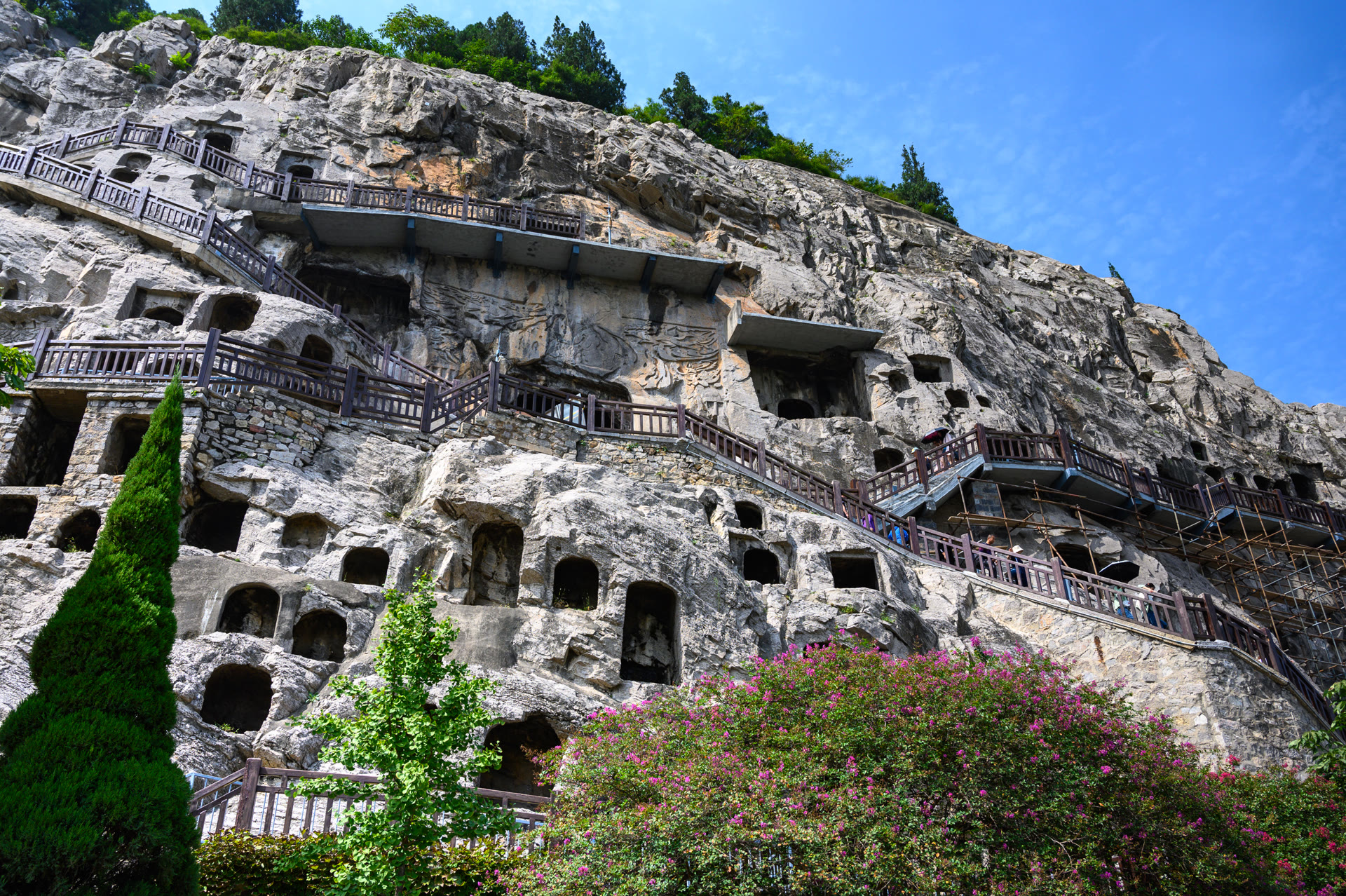
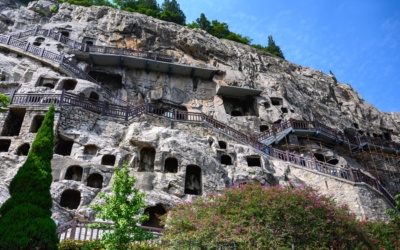
यह लुओयांग का सबसे बड़ा आकर्षण है। यी नदी के साथ एक किलोमीटर तक फैली इन गुफाओं में उत्तरी वेई और तांग राजवंशों की 100,000 से अधिक बौद्ध प्रतिमाएं हैं। मुख्य आकर्षण फेंग्शियान मंदिर है, जहां 17 मीटर ऊंची वैरोचन बुद्ध प्रतिमा है। कहा जाता है कि इसका रूप महारानी वू जेटियन से प्रेरित था। सुझाव: दोपहर बाद जाएं, जब धूप नक्काशियों पर पड़ती है, और शाम तक रुकें, क्योंकि कभी-कभी गुफाओं में रोशनी की जाती है। यहां कम से कम 3 से 4 घंटे रखें।
व्हाइट हॉर्स टेंपल, बाइमा सी
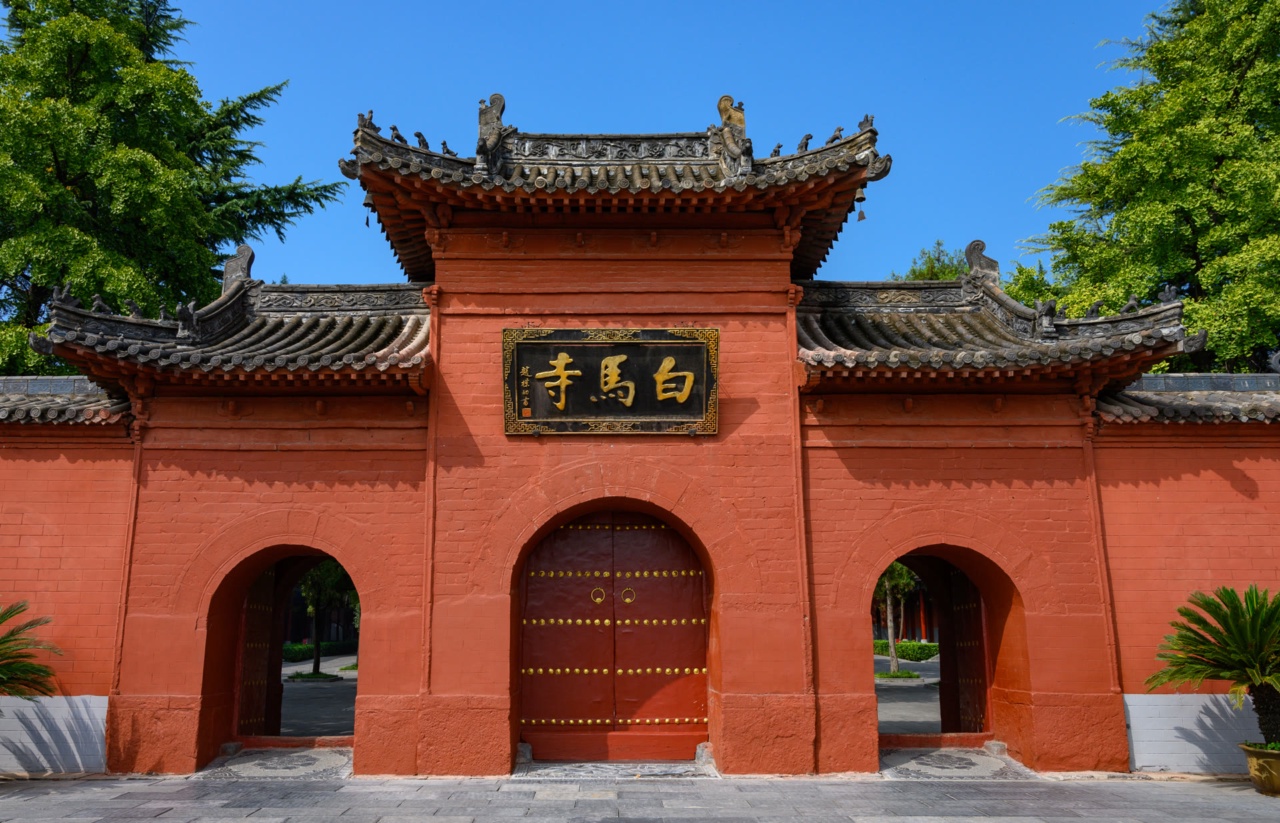
68 ईस्वी में स्थापित यह चीन का आधिकारिक रूप से पहला बौद्ध मंदिर है। कई इमारतें बाद की पुनर्निर्मित संरचनाएं हैं, फिर भी परिसर में गहरा आध्यात्मिक वातावरण बना हुआ है। यहां भारतीय, थाई और बर्मी शैली के मंदिरों वाला अंतरराष्ट्रीय क्षेत्र भी है। यह शहर के केंद्र से करीब 12 मील दूर है। टैक्सी या समर्पित पर्यटक बस लें।
लुओयांग पुराना शहर और लिजिंग गेट
लिजिंग गेट एक विशाल पुनर्निर्मित किलेबंदी है, जो ऐतिहासिक जिले के प्रवेश को चिह्नित करती है। इसके पीछे पैदल गलियों का जाल है, जहां पारंपरिक शिल्प, सुलेख की दुकानें और स्थानीय नाश्ते मिलते हैं। लालटेन जलने और क्रॉस स्ट्रीट का नाइट मार्केट शुरू होने के बाद रात में आना सबसे अच्छा है। शहर के जीवित इतिहास को महसूस करने के लिए यही सबसे अच्छी जगह है।
पेओनी उद्यान
यदि आप अप्रैल में आ रहे हैं तो लुओयांग नेशनल पेओनी गार्डन या वांगचेंग पार्क जरूर जाएं। इन उद्यानों में चीन के राष्ट्रीय फूल की हजारों किस्में हैं। बहुत घनी भीड़ और सुरक्षा बैरियर के लिए तैयार रहें। अप्रैल के बाहर भी उद्यान में टहलना अच्छा है, लेकिन तब उनका मुख्य आकर्षण नहीं रहता।
अतिशयोक्तिपूर्ण आकर्षण: सप्ताहांत का लुओयांग संग्रहालय
संग्रहालय का संग्रह विश्वस्तरीय है और इसमें तांग राजवंश की शानदार तीन-रंगी चमकीली मिट्टी की वस्तुएं शामिल हैं। फिर भी सप्ताहांत में यह टूर समूहों के कारण बहुत शोरगुल वाला और भीड़ भरा हो जाता है। यदि जाना हो तो मंगलवार या बुधवार सुबह जाएं, ताकि लोगों की धक्का-मुक्की के बिना वस्तुएं देख सकें।
भोजन और पेय
लुओयांग की सबसे प्रसिद्ध पाक परंपरा वाटर बैंक्वेट, यानी शुई शी है। इसमें खास क्रम में परोसे जाने वाले 24 व्यंजन होते हैं, जिनमें अधिकतर सूप और स्ट्यू होते हैं। इसकी प्रस्तुति पानी के बहाव की नकल करती है। अकेले यात्री के लिए पूरा भोज बहुत अधिक हो सकता है, लेकिन कई रेस्तरां छोटे संस्करण देते हैं।
| व्यंजन | विवरण | कहां आजमाएं | सामान्य कीमत |
|---|---|---|---|
| लुओयांग बू कै | सब्जियों और मांस वाला काली मिर्च के स्वाद का खट्टा सूप | पुराने शहर के स्टॉल | $2 - $4 |
| पेओनी केक | फूल की पंखुड़ियों से बनी मीठी पेस्ट्री | कोई भी बेकरी | $1 प्रति टुकड़ा |
| हू ला थांग | तीखा और काली मिर्च वाला बीफ सूप, नाश्ते का लोकप्रिय व्यंजन | सड़क किनारे विक्रेता | $1.50 |
| टैंगमियन पाई | मीठी तली हुई आटे की जेब जैसी पेस्ट्री | क्रॉस स्ट्रीट मार्केट | $1 |
स्ट्रीट फूड में गेहूं से बने व्यंजन प्रमुख हैं, जो उत्तरी चीन की जलवायु को दर्शाते हैं। मांस या तीखे टोफू से भरे मो नामक फ्लैटब्रेड खोजें। मध्यम श्रेणी के भोजन के लिए झोंगझोउ रोड के रेस्तरां जाएं। स्थानीय रेस्तरां में दो लोगों का सामान्य भोजन करीब $15 से $25 का होगा।
कहां ठहरें
लुओयांग में आवास चीन के प्रथम श्रेणी वाले शहरों की तुलना में आम तौर पर सस्ता है। उचित कीमत पर अच्छे होटल आसानी से मिल जाते हैं।
- बजट, प्रति रात $15 - $30: पुराने शहर या लुओयांग रेलवे स्टेशन के पास छोटे बुटीक गेस्टहाउस खोजें। ये अक्सर साधारण लेकिन साफ और स्थानीय संस्कृति के करीब होते हैं।
- मध्यम श्रेणी, प्रति रात $40 - $80: शिगोंग जिले में कई घरेलू 4-सितारा होटल हैं, जहां अच्छी सेवा और पश्चिमी शैली का नाश्ता मिलता है। अधिकांश यात्रियों के लिए यह सबसे सुविधाजनक श्रेणी है।
- उच्च श्रेणी, प्रति रात $90 - $160: नए शहर वाले लुओलोंग जिले में Marriott और Courtyard जैसे अंतरराष्ट्रीय ब्रांड हैं। आराम सर्वोत्तम होता है, लेकिन ऐतिहासिक स्थलों तक आने-जाने में अधिक समय लगेगा।
व्यावहारिक सुझाव
भुगतान: नकद का उपयोग बहुत कम होता है। पहुंचने से पहले Alipay या WeChat Pay तैयार करके अंतरराष्ट्रीय कार्ड से जोड़ें। नाइट मार्केट के छोटे दुकानदारों के पास बड़े नोटों के लिए छुट्टे नहीं होते।
इंटरनेट: Google, Facebook या Instagram खोलने के लिए VPN जरूरी है। विकल्प के तौर पर उतरने से पहले अंतरराष्ट्रीय रोमिंग e-SIM खरीदें, जो अक्सर ग्रेट फायरवॉल को पार कर देती है।
भाषा: बड़े होटल के रिसेप्शन के बाहर अंग्रेजी बहुत कम बोली जाती है। टैक्सी ड्राइवर और रेस्तरां कर्मचारियों से बात करने के लिए Baidu Translate या Google Translate का ऑफलाइन मोड डाउनलोड करें।
टिप: टिप की उम्मीद नहीं की जाती और कभी-कभी इससे सामने वाला उलझन में पड़ सकता है। बिल पर लिखी कीमत ही दें।
सुरक्षा: लुओयांग विदेशियों के लिए बेहद सुरक्षित है। क्रॉस स्ट्रीट जैसे भीड़ वाले बाजारों में जेबकतरे से बचने जैसी सामान्य सावधानी काफी है।
आसपास की एक-दिवसीय यात्राएं
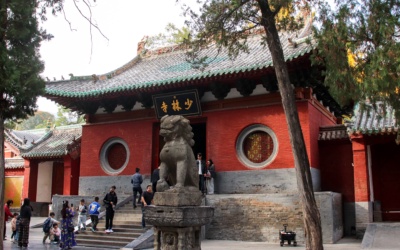
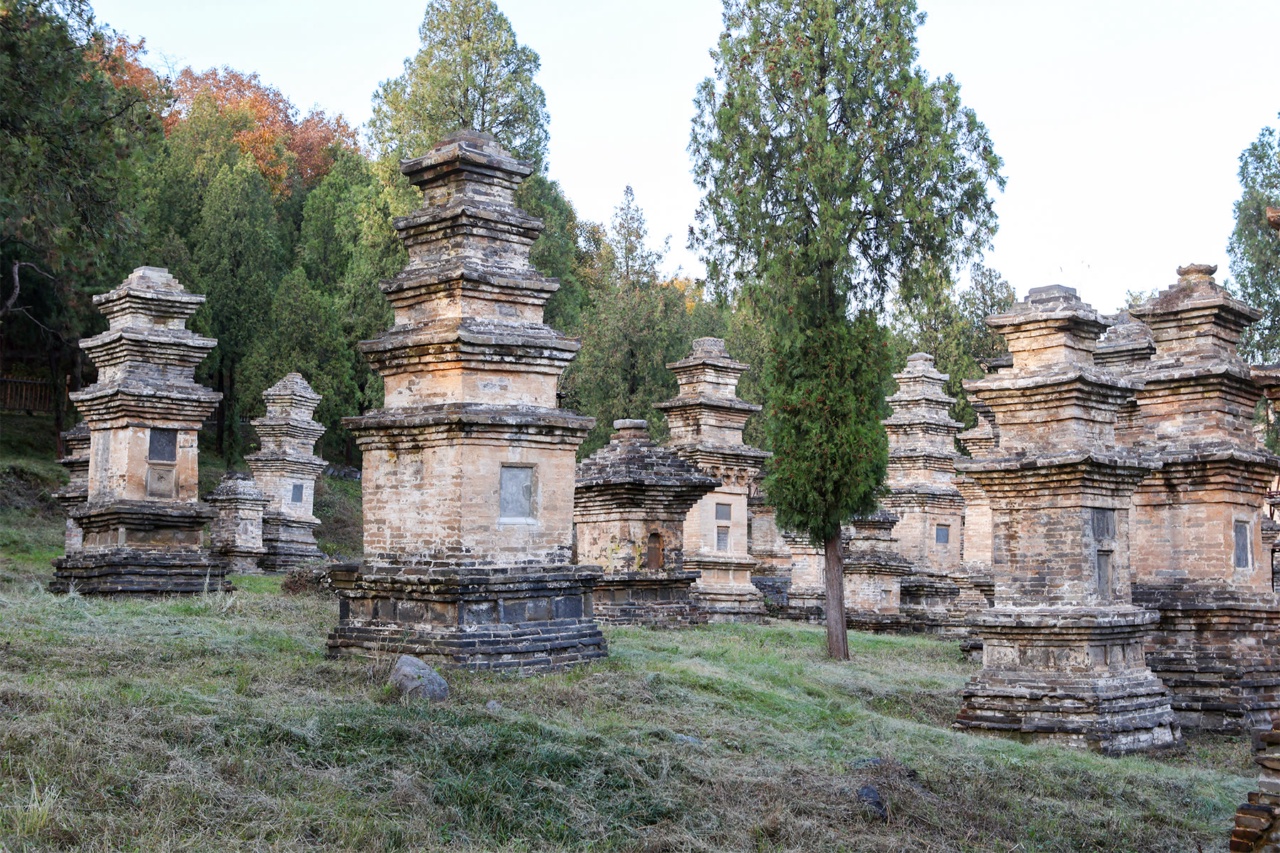
शाओलिन मंदिर, देंगफेंग: बस या निजी कार से करीब 1.5 घंटे दूर। यह ज़ेन बौद्ध धर्म और शाओलिन कुंग फू का जन्मस्थान है। बहुत व्यावसायिक हो चुका है, लेकिन पगोडा वन शानदार है। परिवहन और टिकट सहित पूरे दिन की यात्रा का खर्च करीब $50 मानें।
गुआनलिन मंदिर: शहर के दक्षिणी बाहरी इलाके में स्थित यह मंदिर थ्री किंगडम्स काल के प्रसिद्ध सेनापति गुआन यू को समर्पित है। किंवदंती के अनुसार यहां सेनापति का सिर रखा है, इसलिए यह अनोखा है। शहर की बस से आसान आधे दिन की यात्रा की जा सकती है।
युंताई पर्वत: लगभग 2 घंटे दूर विशाल भूवैज्ञानिक पार्क, जिसमें लाल चट्टानें और गहरी घाटियां हैं। दृश्य सुंदर हैं, लेकिन काफी पैदल चलना पड़ता है और अक्सर बहुत भीड़ होती है। लुओयांग में तीन दिन से अधिक हों तभी इसे चुनें।
3-दिन की नमूना यात्रा
दिन 1: शाही विरासत
सुबह जल्दी लॉन्गमेन ग्रोटोज जाएं, ताकि गर्मी और बड़े टूर समूहों से बच सकें। नदी पार करके शियांगशान मंदिर देखें। दोपहर में शहर लौटकर लुओयांग संग्रहालय में तांग राजवंश की वस्तुएं देखें। शाम को लिजिंग गेट से पुराने शहर में टहलें और क्रॉस स्ट्रीट नाइट मार्केट में रात का भोजन करें।
दिन 2: धार्मिक जड़ें और उद्यान
सुबह टैक्सी से व्हाइट हॉर्स टेंपल जाएं और अलग-अलग अंतरराष्ट्रीय मंदिरों को देखने में कुछ घंटे बिताएं। दोपहर में वांगचेंग पार्क, खासकर फूल खिले हों तो, या सुई और तांग राजवंशों का बॉटनिकल गार्डन देखें। शाम को पारंपरिक वाटर बैंक्वेट प्रदर्शन देखें या जियान्शी जिले में शांत भोजन करें।
दिन 3: कुंग फू और इतिहास
पूरा दिन पहले से बुक की गई कार या बस से देंगफेंग के शाओलिन मंदिर जाएं। कुंग फू प्रदर्शन देखें, पगोडा वन जाएं और समय हो तो केबल कार से सोंगशान पर्वत चढ़ें। लुओयांग लौटकर लुओ नदी के किनारे अंतिम शाम की सैर करें।
बजट का अनुमान
| श्रेणी | बजट | मध्यम | आरामदायक |
|---|---|---|---|
| आवास | $20 | $55 | $110 |
| भोजन | $10 | $25 | $50 |
| परिवहन | $3 | $10 | $25 |
| गतिविधियां | $15 | $25 | $40 |
| दैनिक कुल | $48 | $115 | $225 |
अक्सर पूछे जाने वाले प्रश्न
क्या लुओयांग घूमने लायक है?
हां। चीनी इतिहास, बौद्ध धर्म या प्राचीन कला में रुचि रखने वालों के लिए लुओयांग जरूरी है। अकेले लॉन्गमेन ग्रोटोज की शैल वास्तुकला दुनिया के श्रेष्ठ उदाहरणों में है और यात्रा के योग्य है।
लुओयांग में कितने दिन चाहिए?
शहर के मुख्य स्थलों, यानी लॉन्गमेन ग्रोटोज, व्हाइट हॉर्स टेंपल और पुराने शहर के लिए दो पूरे दिन पर्याप्त हैं। शाओलिन मंदिर की एक-दिवसीय यात्रा जोड़नी हो तो तीसरा दिन रखें।
क्या लुओयांग पर्यटकों के लिए सुरक्षित है?
लुओयांग बहुत सुरक्षित है और हिंसक अपराध की दर बहुत कम है। प्रमुख स्थलों के प्रवेश पर महंगी टैक्सी या गैर-आधिकारिक गाइड जैसे सामान्य पर्यटक धोखों से सावधान रहें।
लुओयांग जाने का सबसे अच्छा समय क्या है?
अप्रैल पेओनी महोत्सव के लिए सबसे अच्छा है, लेकिन बहुत भीड़ रहती है। बेहतर मौसम और कम भीड़ के लिए सितंबर या अक्टूबर चुनें, जब हवा साफ और तापमान हल्का रहता है।
लुओयांग का प्रसिद्ध भोजन क्या है?
शहर वाटर बैंक्वेट के लिए प्रसिद्ध है, जिसमें सूप आधारित 24 व्यंजन होते हैं। हू ला थांग नाम का तीखा बीफ सूप और पुराने शहर के गेहूं से बने स्ट्रीट स्नैक्स भी लोकप्रिय हैं।
क्या लुओयांग महंगा है?
नहीं। लुओयांग बीजिंग और शंघाई से काफी सस्ता है। $5 से कम में अच्छा भोजन और $60 से कम में उच्च गुणवत्ता वाला होटल मिल सकता है।
क्या लुओयांग का नल का पानी पी सकते हैं?
नहीं। बोतलबंद पानी लें, जो हर जगह बहुत कम कीमत पर मिलता है, या होटल में दिया गया उबला पानी इस्तेमाल करें।
क्या लुओयांग में अंग्रेजी बोली जाती है?
अंग्रेजी व्यापक रूप से नहीं बोली जाती। बड़े होटल और पर्यटन स्थलों के टिकट कार्यालय में कुछ अंग्रेजी बोलने वाले मिल सकते हैं, लेकिन रोजमर्रा में ड्राइवर और रेस्तरां कर्मचारियों से बात करने के लिए अनुवाद ऐप चाहिए।
गाइड और सुझाव
मार्ग
Luoyang तक मार्ग (1)