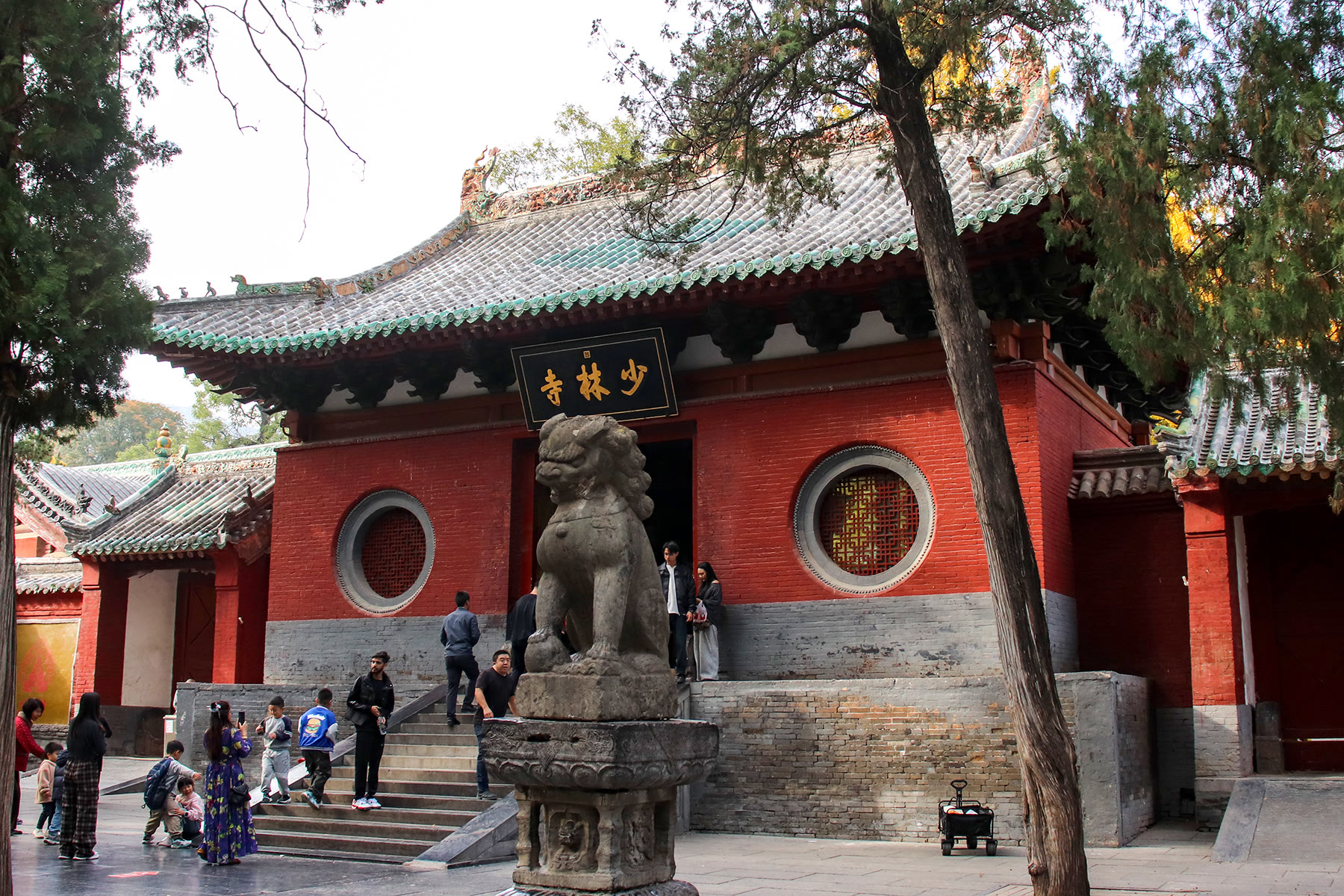
Tucked into the forested slopes of Mount Song in central China, Shaolin Temple is one of those rare places where myth and reality genuinely overlap. This is the legendary home of both Chan (Zen) Buddhism and Shaolin kung fu, a working monastery that has been rebuilt, burned, restored, and commercialized over roughly fifteen centuries. For many international travelers, it is the single most recognizable name in Chinese martial arts.
The honest truth is that Shaolin today is part spiritual site, part martial arts spectacle, and part tourist machine. You will see genuine monks and serious kung fu students alongside souvenir stalls, performance halls, and tour groups moving in waves. Knowing what to expect lets you appreciate the remarkable history and atmosphere without feeling let down by the crowds.
This guide covers how to reach the temple from Zhengzhou or Luoyang, what is actually inside the scenic area, when to see a kung fu demonstration, how to find the quieter Pagoda Forest, and how to fit Shaolin into a wider Henan itinerary that includes some of China's most important historical sites.
What Shaolin Temple Actually Is
Shaolin Temple sits on the northern foot of Mount Song (Songshan), one of China's five sacred mountains, near the city of Dengfeng in Henan Province. The temple was founded in the late fifth century and became closely linked to Bodhidharma, the Indian monk traditionally credited with bringing Chan Buddhism to China. Over time, the monks here developed a tradition of physical training and martial arts that evolved into what the world now calls Shaolin kung fu.
The site is best understood as a scenic area rather than a single building. The main temple complex includes a series of halls along a central axis, climbing gently uphill. Beyond it lie the Pagoda Forest, the Dharma Cave associated with Bodhidharma, and several martial arts schools whose students you may see training outdoors. Today Shaolin is a UNESCO-listed component of the broader Historic Monuments of Dengfeng, recognized for its concentration of ancient ritual and astronomical sites.
It is worth setting expectations early. Much of the visible architecture has been rebuilt, partly because a major fire in the early twentieth century destroyed numerous original structures. What you experience is layered: real heritage, careful reconstruction, and a thoroughly modern visitor operation.
Things to Do
Why It Still Matters
Despite the commercialism, Shaolin remains genuinely significant on several levels. As a religious site, it is one of the foundational centers of Chan Buddhism, a tradition that later spread to Japan as Zen and influenced spiritual practice across East Asia. As a martial arts site, it is the symbolic root of countless kung fu lineages, and the surrounding area hosts large training academies where thousands of students live and practice.
For travelers, the value lies in standing in a place whose name carries enormous cultural weight, surrounded by mountain scenery, ancient stone pagodas, and the living rhythm of a martial arts community. Even if parts feel staged, the Pagoda Forest in particular delivers a quiet, atmospheric experience that justifies the trip on its own.
Where It Is and How to Get There
Shaolin Temple lies roughly between two major Henan cities, which makes it convenient as a day trip from either:
- Zhengzhou, the provincial capital, sits to the east. It has a large high-speed rail station, a major airport, and the widest range of accommodation. Many independent travelers base here.
- Luoyang, an ancient capital famous for the Longmen Grottoes and its peony season, sits to the west and is often combined with Shaolin in the same trip.
- Dengfeng is the nearest town to the temple itself. Some travelers stay here to get an early start and beat the tour buses.
Getting to the temple usually involves reaching one of these cities by high-speed train, then continuing by bus, organized tour, or taxi. From Zhengzhou and Luoyang there are tourist buses and coach services that run toward Dengfeng and Shaolin, particularly in the morning. The road journey from either city typically takes around one and a half to two hours depending on traffic and the exact departure point.
For full independence, hiring a car with driver for the day is the most flexible option, since it lets you control timing and combine Shaolin with nearby Dengfeng sites. Ride-hailing apps work in the cities but can be less reliable for the return trip from the temple, so confirm your way back before committing. Always verify current bus schedules and departure stations locally or online before you set out, as these change seasonally.
Getting around inside the scenic area
The scenic area is large and spread out. From the main entrance you walk or take an electric shuttle cart toward the temple complex. Within the grounds, expect a fair amount of walking on paved paths and steps. Comfortable shoes matter, especially if you plan to reach the Dharma Cave on the hillside, which involves a longer uphill walk or a cable car for part of the way.
What to See Inside the Scenic Area
Plan to spend roughly half a day here, longer if you want to hike higher on Mount Song or watch more than one performance. The core highlights cluster into a few distinct experiences.
The main temple complex
The temple proper runs along a central axis of halls leading uphill. You will pass gates, courtyards, and halls dedicated to various Buddhist figures. Look for old stone steles, weathered carvings, and the famous depressions in the stone floor of one hall, traditionally said to have been worn down by generations of monks practicing their stances. Whether literally true or not, it captures the spirit of the place.
The Pagoda Forest
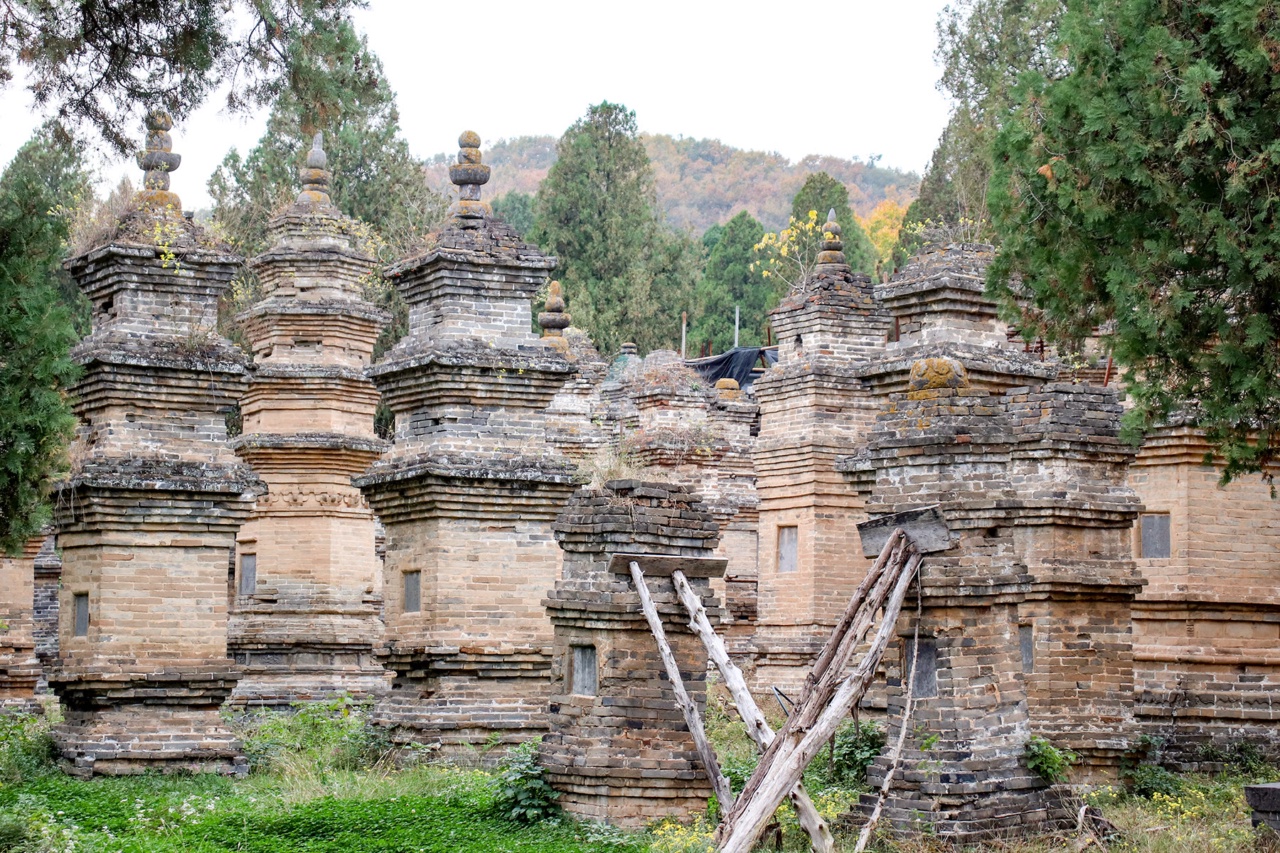
The Pagoda Forest (Talin) is for many visitors the most rewarding and atmospheric part of the entire site. It is a cluster of hundreds of brick and stone pagodas built over many centuries as memorial stupas for eminent monks. The pagodas vary in height, shape, and decoration, and walking among them feels far more contemplative than the busy temple halls. Arrive here early or linger after the tour groups thin out, and you can have surprisingly peaceful moments.
The kung fu performance hall
Inside the scenic area there is a dedicated hall where martial arts demonstrations are staged at scheduled times during the day. These shows feature young performers displaying forms, weapons routines, acrobatics, and feats of strength and flexibility. They are choreographed and clearly aimed at tourists, but the skill level is genuinely high and the demonstrations are short and energetic.
The Dharma Cave and upper mountain
On the hillside above the temple is the cave traditionally associated with Bodhidharma's years of meditation. Reaching it involves a climb, and a cable car covers part of the route for those who prefer not to walk the whole way. The views over the valley and the chance to escape the crowds make this worthwhile if you have the time and energy. Confirm cable car operation and pricing on the day, as services can pause for weather or maintenance.
Martial arts academies
Around the temple and in the wider Dengfeng area are large kung fu schools where students train. From certain vantage points you may see groups practicing in unison outdoors, which is one of the more authentic sights of the trip. These are working institutions rather than tourist attractions, so observe respectfully and do not disrupt training.
Tickets, Hours, and Practical Access
A single scenic area entrance ticket typically covers the main temple, the Pagoda Forest, and the martial arts performance hall, while the cable car to the upper mountain is usually a separate charge. Because pricing, packaging, and any combined tickets change over time, treat any figure you read in advance as approximate and confirm the current cost when you buy.
The site is open daily, with the temple generally welcoming visitors from morning until late afternoon. The kung fu shows run at fixed times during the day, so it pays to check the day's performance schedule on arrival and plan your route around the next one rather than wandering and missing it. Foreign visitors should carry their passport, since identification is commonly required for ticketing and entry to attractions across China.
For independent travelers, the cleanest approach is to buy entry on arrival or through a reputable platform, then move on your own pace rather than committing to a rigid group tour. If you prefer not to deal with transport logistics at all, a day tour from Zhengzhou or Luoyang bundles the bus ride, entry, and timing, at the cost of flexibility and frequent shopping or photo stops.
The Commercial Atmosphere: An Honest Look
It is fair to say plainly that Shaolin is heavily commercialized, and some visitors leave disappointed because they expected a serene, isolated monastery. In reality you will encounter ticket gates, shuttle carts, souvenir vendors, photo opportunities with costumed performers, snack stalls, and large numbers of domestic tour groups, especially on weekends and Chinese public holidays.
This does not mean the visit is not worthwhile. The history is real, the Pagoda Forest is beautiful, and the martial arts tradition is alive in the surrounding schools. The trick is to go in with realistic expectations, prioritize the parts that resonate with you, and use timing to avoid the worst of the crush.
A few honest tradeoffs to weigh:
- The performances are polished entertainment, not spontaneous monastic practice.
- The site can feel more like a theme park than a temple at peak times.
- The Pagoda Forest and upper mountain paths offer the most genuine atmosphere.
- If you have limited time in China and are not specifically drawn to kung fu or Chan Buddhism, you may find other Henan sites more rewarding per hour.
When to Visit
Henan has a temperate climate with four distinct seasons. Spring and autumn are the most comfortable times to visit, with mild temperatures and clearer conditions for walking the temple grounds and the mountain paths. Summer is hot and can be humid, with afternoon heat making the uphill climb to the Dharma Cave tiring. Winter is cold and quieter, which means fewer crowds but a starker landscape.
Regardless of season, timing within the day matters more than most travelers realize. Tour buses tend to arrive in mid to late morning, so an early start gives you a window of relative calm in the temple and especially in the Pagoda Forest. Avoid Chinese national holidays if you possibly can, as the site becomes extremely crowded during those periods.
Combining Shaolin With Luoyang and Zhengzhou
Shaolin works best as one piece of a Henan itinerary rather than a standalone destination. The province packs in an unusual concentration of historical heavyweights within a compact area, and high-speed rail connects them efficiently.
| Base city | Travel time to Shaolin | What else to combine |
|---|---|---|
| Zhengzhou | Around 1.5 to 2 hours by road | Provincial museum, transport hub for onward travel |
| Luoyang | Around 1.5 to 2 hours by road | Longmen Grottoes, White Horse Temple, peony season in spring |
| Dengfeng | Short transfer, closest base | Other Dengfeng heritage sites and earliest access to the temple |
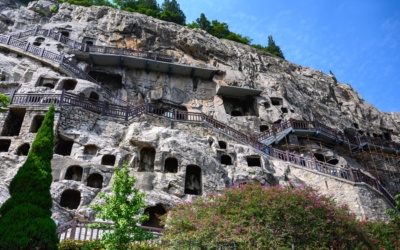
A popular route runs Zhengzhou to Shaolin to Luoyang (or the reverse), seeing the temple on the way between the two cities. Luoyang's Longmen Grottoes, with their thousands of carved Buddhist statues along the river cliffs, pair naturally with a Chan Buddhist temple and make a strong cultural combination. Allowing a full day for Shaolin and a full day for Longmen, with a night in Luoyang in between, is a sensible pace. For a deeper look at routing across the region and other destinations, GoAsia.cc is a useful place to continue planning your wider Asia trip.
Tips for a Smoother Shaolin Visit
- Start early. The single biggest improvement to the experience is arriving before the tour buses. The Pagoda Forest in particular rewards an early, quiet visit.
- Check the show schedule first. On arrival, find the next kung fu demonstration time and build your walking route around it so you do not miss it or waste time waiting.
- Wear proper walking shoes. There is significant walking and stair climbing, especially if you head up toward the Dharma Cave.
- Carry your passport. Foreigners typically need ID for ticketing and entry.
- Bring water and snacks. Onsite food is mostly basic and touristy. Some travelers prefer to carry their own and avoid stall prices.
- Set a budget for extras. The cable car, photos, and souvenirs add up. Decide in advance what is worth it to you.
- Confirm your return transport. Before exploring, know exactly how you are getting back to Zhengzhou, Luoyang, or Dengfeng, particularly in the late afternoon when options thin out.
- Be respectful at active areas. When you see monks or students training, keep a respectful distance and avoid intrusive filming.
- Manage your expectations. Treat the commercial layer as background noise and focus on the history, the pagodas, and the mountain setting.
How Much Time You Really Need
For most independent travelers, half a day inside the scenic area is enough to see the main temple, watch a kung fu performance, and walk the Pagoda Forest at an unhurried pace. Add a couple of hours if you intend to climb toward the Dharma Cave or spend longer absorbing the mountain scenery. Factor the round-trip road transport from your base city on top of that, which realistically turns Shaolin into a full-day outing.
If you are short on time in central China and have to choose, weigh how much the kung fu and Chan Buddhism story means to you against the pull of Luoyang's grottoes and other regional highlights. Travelers genuinely interested in martial arts almost always feel the trip is worthwhile despite the crowds, while those expecting a tranquil hidden temple should temper their hopes.
Final Thoughts
Shaolin Temple is a place where you have to accept the modern reality to enjoy the ancient one. The legend of warrior monks, the home of Chan Buddhism, and the symbolic root of kung fu are all real and rooted here, even as the site has been polished and packaged for mass tourism. Go early, focus on the Pagoda Forest and the mountain, catch a performance, and pair it with Luoyang or Zhengzhou, and you will come away with a far richer sense of central China's cultural depth than the name alone suggests.
Frequently Asked Questions
Yes, if you go in with realistic expectations. The history, the Pagoda Forest, and the mountain setting are genuinely rewarding, and the kung fu demonstrations are skillful. Travelers expecting a quiet, untouched monastery may be disappointed by the crowds and souvenir stalls, so prioritize the atmospheric parts and visit early in the day.
A single scenic area ticket usually covers the main temple, the Pagoda Forest, and the martial arts performance hall, while the cable car to the upper mountain is typically a separate charge. Prices and ticket packaging change over time, so confirm the current cost when you buy and budget extra for the cable car, photos, and souvenirs.
Both cities are connected to the temple area by tourist buses, coach services, organized day tours, and private cars, with road travel taking roughly one and a half to two hours. High-speed rail links Zhengzhou and Luoyang, so many travelers base in one and day-trip to Shaolin. Always confirm current bus schedules and your return transport before setting out.
The main highlights are the central temple complex, the atmospheric Pagoda Forest of memorial stupas, a scheduled kung fu demonstration, and the Dharma Cave on the hillside above. The Pagoda Forest is often the most memorable, especially if you visit before the tour groups arrive.
Allow about half a day inside the scenic area to see the temple, a performance, and the Pagoda Forest, plus extra time if you climb toward the Dharma Cave. Adding round-trip road transport from Zhengzhou or Luoyang makes it a full-day outing in practice.
Spring and autumn offer the most comfortable temperatures for walking the grounds and the mountain paths. Whatever the season, arrive early in the day to beat the tour buses and avoid Chinese national holidays, when the site becomes extremely crowded.
Yes, it pairs naturally with Luoyang's Longmen Grottoes and White Horse Temple, since both relate to Buddhist history, or with the museums and transport links of Zhengzhou. A common route sees the temple on the way between the two cities, with a night in Luoyang in between.