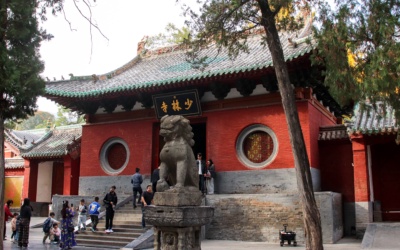
A massive logistics hub and the capital of Henan Province, Zhengzhou serves as the gateway to China's ancient heartland and the legendary Shaolin Temple. It is a city where rapid modernization meets deep archaeological roots, perfect for travelers seeking an authentic look at urban China without the coastal polish.
Zhengzhou is a city defined by motion. As one of China's most important railway intersections, it pulses with the energy of a provincial capital that has grown from a dusty crossroads into a sprawling metropolis. While it lacks the immediate aesthetic charm of Hangzhou or the historical density of nearby Luoyang, Zhengzhou offers a raw, unfiltered look at the scale of Chinese development and serves as the indispensable base for exploring the cradle of Chinese civilization along the Yellow River.
For the traveler, Zhengzhou is a city of layers. Beneath the neon-lit skyscrapers of the Zhengdong New District lie the rammed-earth walls of a Shang Dynasty city founded about 3,600 years ago, still traceable in the city center.[1] It is a place where you can spend your morning watching high-tech drones in a futuristic business park and your afternoon witnessing the ancient martial arts traditions of the nearby Song Shan mountains. It is gritty, ambitious, and surprisingly hospitable once you navigate its massive scale.
This is not a city for those seeking a quiet retreat. It is for the curious explorer who wants to understand how modern China functions. From the steam rising off bowls of spicy lamb noodle soup in crowded back alleys to the silent hum of the high-speed trains departing the Zhengzhou East station, the city is a testament to the country's relentless forward momentum. It is also the most practical jumping-off point for the Shaolin Temple, making it a mandatory stop for any martial arts enthusiast or history buff.
Orientation and Neighborhoods
Zhengzhou is broadly divided into the Old City (Jinshui and Erqi districts) and the New City (Zhengdong New District). The city is centered around the Erqi Memorial Tower, which marks the traditional commercial heart. Understanding the contrast between the crowded, organic streets of the west and the planned, lake-centric architecture of the east is key to navigating the city.
Erqi District: The traditional center. This is where you will find the main railway station, massive wholesale markets, and the most vibrant street life. It is the best area for budget travelers and those who want to be in the thick of the action.
Jinshui District: The administrative and cultural hub. Home to the Henan Museum and many provincial government offices, this area offers a middle ground with better hotels, wide boulevards, and a mix of old and new Zhengzhou.
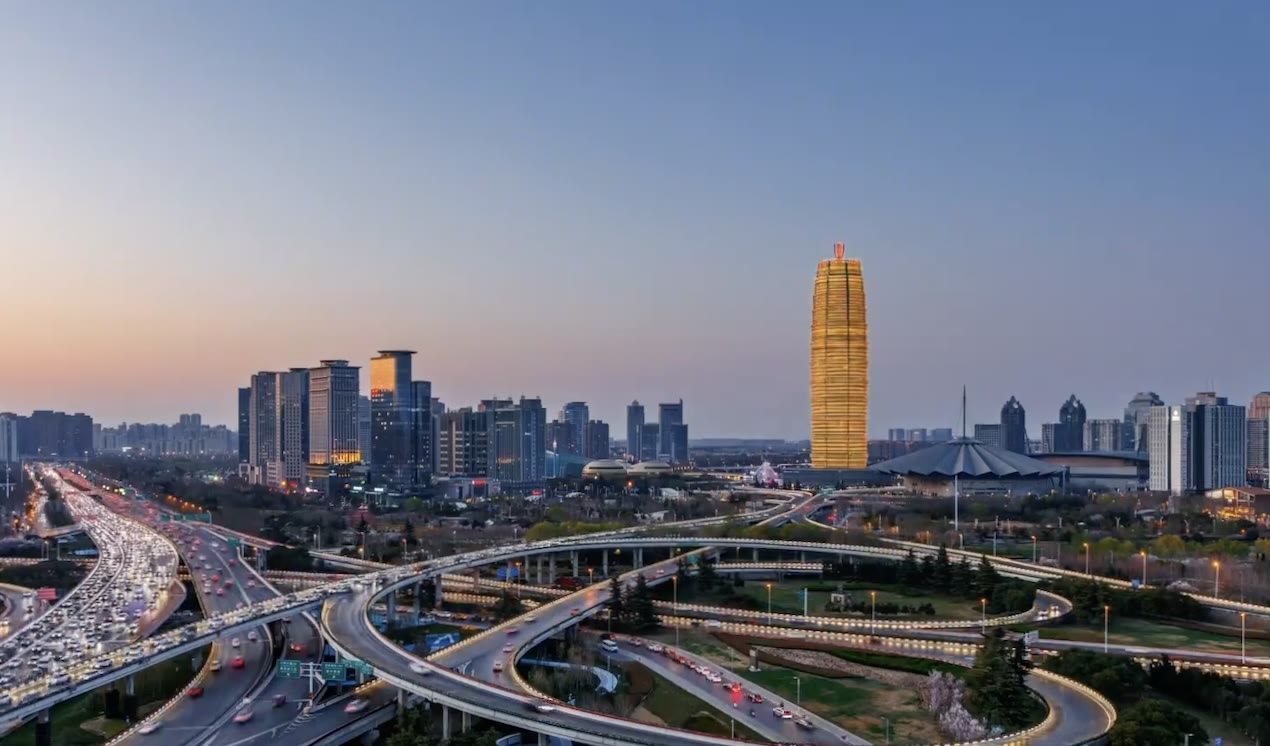
Zhengdong New District (ZND): The face of modern Zhengzhou. Designed around the circular Ruyi Lake, this area features futuristic architecture, luxury hotels, and high-end shopping malls. It is quiet, spacious, and ideal for business travelers or families seeking comfort.
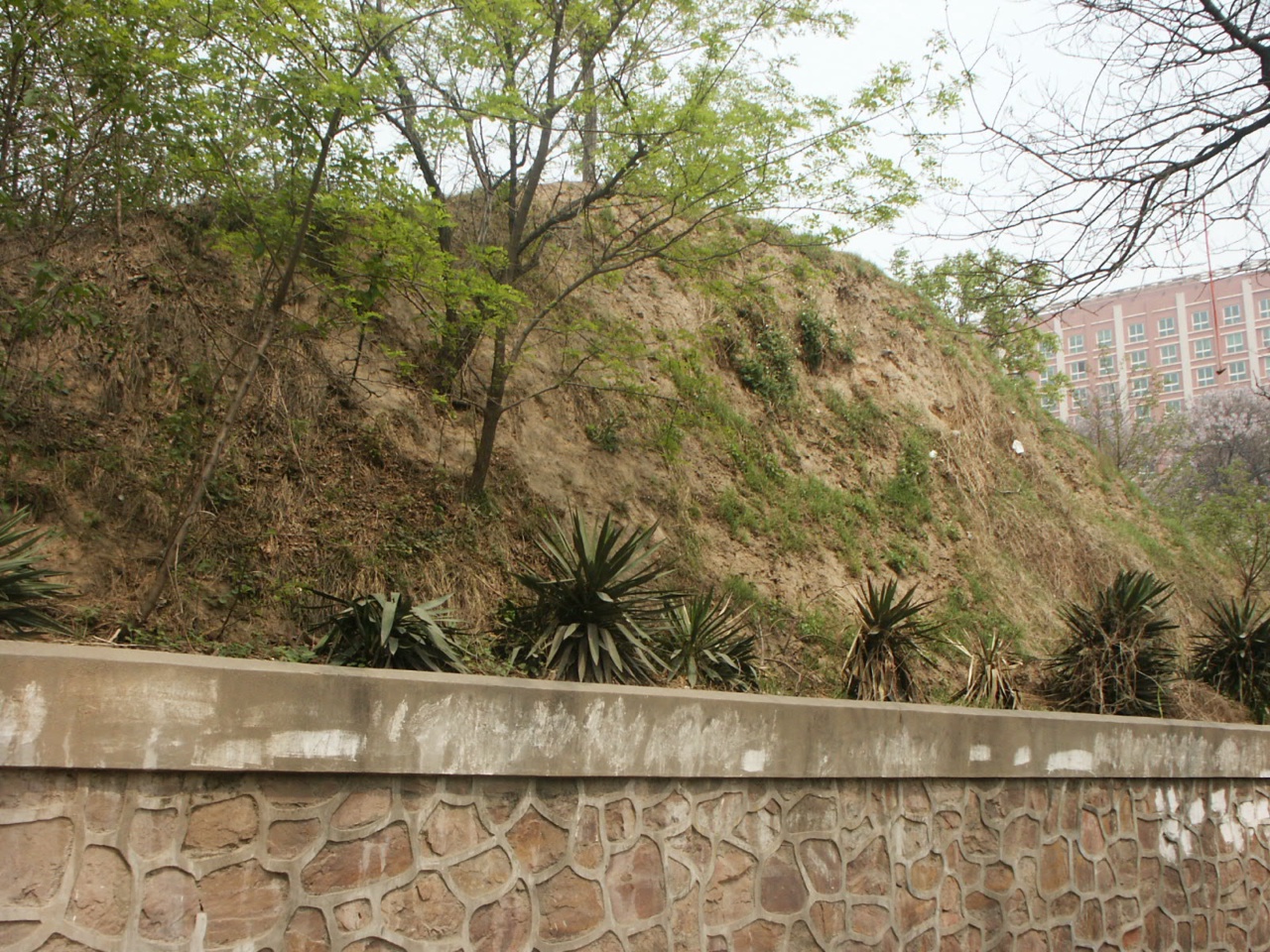
Huancui Valley / Shang City: Located within the central districts, these areas contain the ancient Shang Dynasty ruins. While not a place to stay, they are essential landmarks for orientation.
Things to Do
Offers are only loaded from GetYourGuide after you click. GetYourGuide can then process your IP address and set cookies. Privacy Policy
GetYourGuide partner offers. GoAsia may earn a commission if you book through these offers. Check whether tickets or transfers are included, and follow the attraction's official booking and admission rules.
Best Time to Visit
Zhengzhou experiences a monsoon-influenced humid subtropical climate. Springs are often dusty due to winds from the Gobi Desert, while summers are intensely hot and humid. Autumn is a good time to visit thanks to mild temperatures and clear skies.
Month Range
Weather
Crowds
Prices
March to May
Warm, breezy, occasional dust
Moderate
Average
June to August
Hot, humid, heavy rain
High (School holidays)
High
September to November
Cool, dry, pleasant
Moderate
Average
December to February
Cold, dry, gray
Low
Low
Avoid the Golden Week national holiday in early October and the Chinese New Year period, as transport hubs in Zhengzhou become extremely congested and accommodation costs more.
Getting There and Getting Around
Zhengzhou Xinzheng International Airport (CGO) is a major cargo and passenger hub south of the city. A suburban metro line joins Metro Line 2 at Shibalihe and ends at Xinzheng Airport station, which connects to Terminal 2.[2] Taxis and ride-hailing are the alternative if you arrive with heavy luggage.
Zhengzhou is a railway powerhouse and Zhengzhou East is a major high-speed rail hub with connections to Beijing, Xi'an and many other cities. Local transport is dominated by an expanding metro system. Metro fares depend on the distance travelled and start at 2 yuan.[3] Use a transport app or the Alipay transport QR code for seamless entry. Taxis and Didi (ride-hailing) are plentiful. The city is too large to be truly walkable, though individual neighborhoods like Zhengdong are pleasant for strolling.
Top Sights and Experiences
The Henan Museum
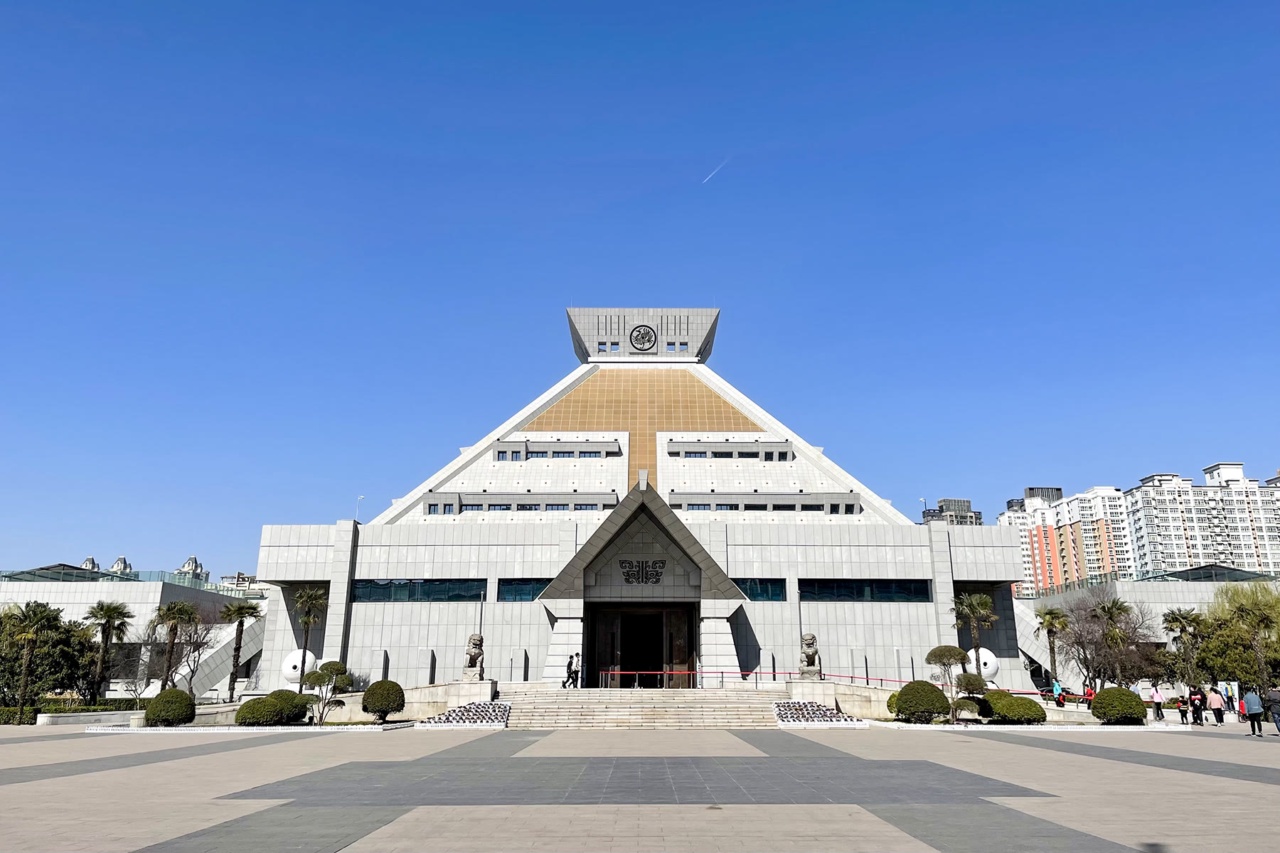
This is one of China's premier museums and an absolute must-visit. The collection focuses on the history of the Yellow River valley, featuring Shang and Zhou dynasty bronzes and prehistoric pottery. The building itself is shaped like a pyramid-style sundial. Tip: Entry is free but needs a reservation in the museum's official system, made with your passport; show the original document at the manual ticket-checking entrance. The museum is open Tuesday to Sunday from 09:00 to 20:30 and closed on Mondays.[4] Allow at least three hours here.
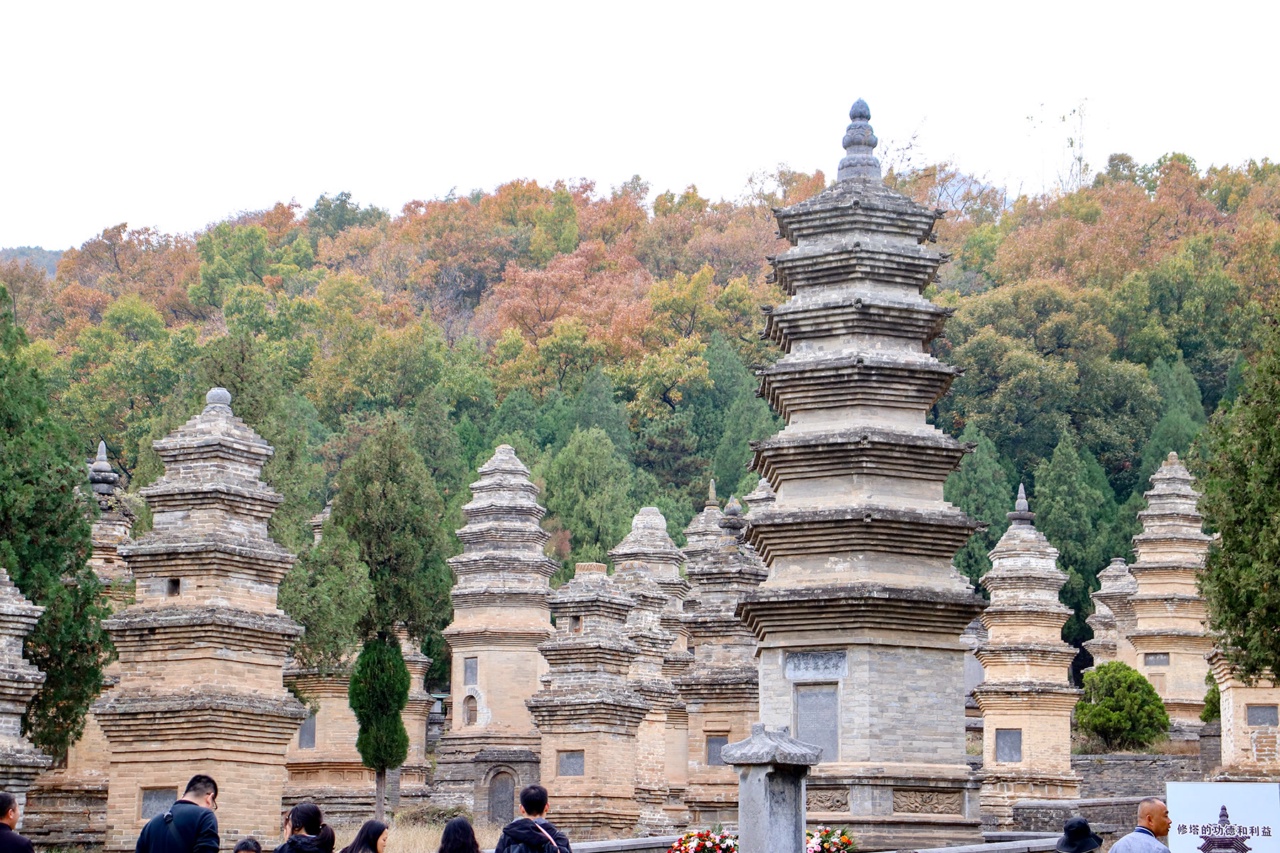
Located in the Dengfeng area at the foot of Mount Song, which is a UNESCO World Heritage Site, this is the birthplace of Chan Buddhism and Shaolin Kung Fu.[5] While highly commercialized, the Pagoda Forest and the live martial arts performances are genuinely impressive. Tip: Avoid the weekend crowds and leave Zhengzhou early. You can find more transport connections on GoAsia.cc.
The Shang Dynasty Walls
Zhengzhou is one of the few places where you can walk alongside the remains of a city wall about 3,600 years old.[1] These massive earthen mounds snake through the modern city center. It is a surreal experience to see elderly locals practicing Tai Chi or playing cards in the shadow of Bronze Age fortifications.
Zhengdong New District Waterfront
For a change of pace, head to Ruyi Lake at night. The illuminated Big Corn tower (Greenland Plaza) and the Henan Art Center (shaped like ancient musical instruments) provide a stunning backdrop for a walk. It showcases the scale of China's urban planning.
Overrated Attractions
The Yellow River Scenic Area: While the statues of Emperors Yan and Huang are massive, the area is often kitschy and the river itself can be underwhelmingly muddy and distant. Unless you have extra days, skip this in favor of more time at the museum or Shaolin. Erqi Tower Interior: The tower is iconic from the outside, but the interior exhibits are small and often crowded; a photo from the square is usually sufficient.
Food and Drink
Henan cuisine, known as Yu Cai, is hearty and emphasizes noodles and soups. It is less spicy than Sichuan food but more savory than Cantonese fare.
Dish
Description
Where to Try
Hui Mian
Hand-pulled wide noodles in a rich lamb broth with kelp and tofu skin.
Local noodle restaurants
Hu La Tang
Spicy, peppery beef soup thickened with flour, served for breakfast.
Street stalls in Erqi
Guo Tie
Crispy potstickers filled with pork and leeks.
Night markets
Yellow River Carp
Deep-fried or braised fish, often served with a sweet and sour sauce.
Upscale restaurants in Jinshui
For street food, look for the night markets, with grilled skewers, stinky tofu and local snacks. Henan is also known for Du Kang baijiu, a strong grain spirit that should be approached with caution.
Where to Stay
Budget: Look for guesthouses and local business hotels near the Zhengzhou Railway Station (not the East station). It is chaotic but convenient for transport and cheap eats.
Mid-range: The Jinshui District offers international brands and local four-star hotels. This area is cleaner and quieter than the station area but still centrally located.
Upscale: The Zhengdong New District around Ruyi Lake has the city's newer luxury hotels, with views of the futuristic skyline.
Practical Tips
Payment: Cash is rarely used. Download Alipay or WeChat Pay and link your international card before arrival. Most vendors, even street stalls, prefer QR codes.
Internet: A VPN is essential to access Google, Facebook, or Instagram. Alternatively, buy an international roaming SIM or an eSIM that bypasses the Great Firewall.
Language: English is not widely spoken outside of luxury hotels. Have your destination written in Chinese characters or use a translation app like Baidu Translate.
Safety: The biggest risks are traffic (watch out for silent electric scooters) and occasional pickpockets in crowded markets around the train station.
Tipping: Tipping is not expected and can sometimes be seen as confusing or offensive.
Day Trips
Luoyang: A short high-speed train ride away. Home to the Longmen Grottoes, a UNESCO World Heritage Site with more than 2,300 caves and niches carved into limestone cliffs along the Yi River.[6] Absolutely worth the trip.
Kaifeng: One of the ancient capitals of China, famous for its night market and the Iron Pagoda, and within easy reach of Zhengzhou. It feels much more traditional and low-rise than Zhengzhou.
Mount Song (Song Shan): Beyond the Shaolin Temple, the mountain offers hiking trails with views of the Central Plains.
Sample 3-Day Itinerary
Day 1: Ancient and Modern Roots
Morning: Visit the Henan Museum to understand the province's role as the center of early Chinese civilization. Afternoon: Walk the Shang Dynasty City Walls and explore the bustling markets of the Erqi District. Evening: Dinner of Hui Mian (lamb noodles) followed by a walk around the Erqi Memorial Square to see the tower lit up.
Day 2: Martial Arts and Mountains
Full Day: Head out early to Dengfeng to visit the Shaolin Temple. Watch the Kung Fu performance, walk through the Pagoda Forest, and if time permits, explore the mountain trails. Return to Zhengzhou for a late dinner at a night market.
Morning: Explore the Zhengdong New District. Walk around Ruyi Lake and admire the architecture of the Henan Art Center. Afternoon: Visit the Yellow River Marsh Park for a glimpse of the river without the heavy tourist crowds of the main scenic area. Evening: Farewell dinner featuring Yellow River Carp in the Jinshui District.
Frequently Asked Questions
Is Zhengzhou worth visiting?
Yes, especially as a gateway to Chinese history. While the city itself is a modern industrial hub, its proximity to the Shaolin Temple and the world-class Henan Museum makes it an essential stop for those interested in the roots of Chinese civilization.
How many days do you need in Zhengzhou?
Two to three days are sufficient. This allows one full day for the Shaolin Temple, one day for the Henan Museum and ancient city walls, and a third day for a nearby trip to Kaifeng or exploring the modern Zhengdong district.
Is Zhengzhou safe for tourists?
Zhengzhou is generally considered safe for visitors. The main concerns are the heavy traffic and unlicensed taxis at the major train stations.
What is the best time to visit Zhengzhou?
Autumn (September to November) is the best time. The weather is cool and dry, avoiding the blistering heat of summer and the dusty winds that often plague the city in spring.
Can you drink tap water in Zhengzhou?
No, you should not drink the tap water. Boiled water provided in hotels is safe, but most travelers stick to bottled water which is very cheap and available at every street corner.
Is English widely spoken in Zhengzhou?
English is limited. You will find English speakers in high-end hotels and some younger people may speak basic English, but you should have translation apps and your hotel address in Chinese characters ready.
How do I get to the Shaolin Temple from Zhengzhou?
The Shaolin Temple is in Dengfeng, at the foot of Mount Song, west of Zhengzhou. Most visitors go by road, on a coach or with a private car, so check the current schedule before you set out and leave early to avoid the crowds.
What food is Zhengzhou famous for?
Zhengzhou is famous for Hui Mian (hand-pulled lamb noodles) and Hu La Tang (spicy, peppery soup). Both are hearty, warming dishes that reflect the agricultural heritage of Henan province.
Sources and background
Numbers in the text such as [1] refer to these sources.