Changsha is a high energy metropolis where ancient Chu culture meets a fiery modern food scene and a massive media industry. It is the spiritual home of Chairman Mao and the undisputed capital of spicy Hunan cuisine, making it perfect for foodies and history buffs.
Changsha is a city that hums with a restless, spicy energy. Unlike the polished internationalism of Shanghai or the imperial weight of Beijing, Changsha feels raw, authentic, and unapologetically loud. It is a place where the scent of stinky tofu wafts through neon-lit alleys and where the Xiang River carves a path through a landscape of glass skyscrapers and ancient academy grounds. This is the heart of Hunan province, a region famous for producing revolutionary leaders and some of the most heat-heavy food in China.
The city appeals most to travelers who prioritize flavor and local atmosphere over traditional sightseeing. While there are significant historical landmarks, the real joy of Changsha is found in its late-night supper culture. Locals, known for their fiery temperaments and hospitality, stay out until the early hours of the morning peeling crawfish and drinking local craft brews. It is a city that celebrates the hustle of the modern Chinese dream while keeping its feet firmly planted in the muddy banks of its storied river.
Strategically located as a major transport hub in South Central China, Changsha serves as the gateway to the ethereal mountains of Zhangjiajie. However, those who skip the city miss out on one of China's most vibrant urban experiences. From the scholarly quiet of Yuelu Academy to the chaotic brilliance of Huangxing Road, Changsha offers a sensory overload that is both exhausting and deeply rewarding.
Orientation and Neighborhoods
Changsha is divided by the Xiang River, with the historic and commercial heart located on the east bank and the educational and scenic areas on the west bank. The city center is relatively compact, centered around the intersection of Wuyi Avenue and Huangxing Road.
Furong District: The traditional city center. This is where you will find the main shopping pedestrian streets, the highest concentration of street food, and major department stores. It is the best place for first-time visitors who want to be in the thick of the action.
Yuelu District: Located on the west bank, this area is dominated by the Yuelu Mountain and the University Town. It has a more relaxed, academic vibe with plenty of greenery and cheaper eats catering to students. Ideal for those who prefer nature and a quieter atmosphere.
Kaifu District: Home to the historic Kaifu Temple and the Hunan Broadcasting System (HBS). This area blends old residential charms with the glitz of China's massive television industry.
Tianxin District: Southern part of the city center, known for the Tianxin Pavilion and the ancient city wall remains. It offers a mix of historical sites and modern nightlife hubs like Jiefang West Road.
Things to Do
Offers are only loaded from GetYourGuide after you click. GetYourGuide can then process your IP address and set cookies. Privacy Policy
GetYourGuide partner offers. GoAsia may earn a commission if you book through these offers. Check whether tickets or transfers are included, and follow the attraction's official booking and admission rules.
Best Time to Visit
Changsha has hot, humid summers, so timing your visit is crucial for comfort. Spring and autumn are the most pleasant periods, offering mild temperatures and manageable humidity.
Month Range
Weather
Crowds
Prices
March to May
Mild and rainy
Moderate
Average
June to August
Extremely hot and humid
High (School holidays)
High
September to November
Cool and dry
Moderate
Average
December to February
Cold and damp
Low
Low
Avoid the first week of October (National Day) and the Chinese New Year period, as transport becomes difficult and major sites are overwhelmed. The Dragon Boat Festival in June is a lively time to see races on the Xiang River, though the heat can be punishing.
Getting There and Getting Around
By Air: Changsha Huanghua International Airport (CSX) is well-connected to major Asian hubs and almost every large city in China. The Maglev Express connects the airport to Changsha South Railway Station in about 20 minutes, and the one-way fare was 20 yuan when it began service in 2016.[1] Alternatively, airport buses and taxis or Didi run to the city center.
By Train: Changsha is a major stop on the Beijing-Guangzhou High-Speed Railway. High-speed trains call at Changsha South Station, and some services, for example to Zhangjiajie, leave from Changsha Station instead.[2] High-speed rail is the most efficient way to arrive from cities like Wuhan (fastest train 1 hour 22 minutes), Guangzhou (2 hours 5 minutes) or Shanghai (about 4 hours), according to the 12306 timetable of October 2026.[3][4][5]
Public Transport: The Changsha Metro is clean, fast, and expanding rapidly. Buy tickets at machines using cash or mobile payment (Alipay/WeChat Pay). Buses are extensive but can be confusing for non-Chinese speakers.
Ride-Hailing: Didi is the primary ride-sharing app and has an English interface. It is highly recommended over traditional taxis as it eliminates the language barrier and ensures fair pricing.
Top Sights and Experiences
Must-See Attractions
Orange Isle (Juzizhou): This long, narrow island sits in the middle of the Xiang River. Its most famous feature is the massive, 32-meter tall statue of a young Mao Zedong.[6] The park is beautifully landscaped and offers great views of the city skyline. Tip: Take the small sightseeing train to the tip of the island to save your legs; it is a long walk.
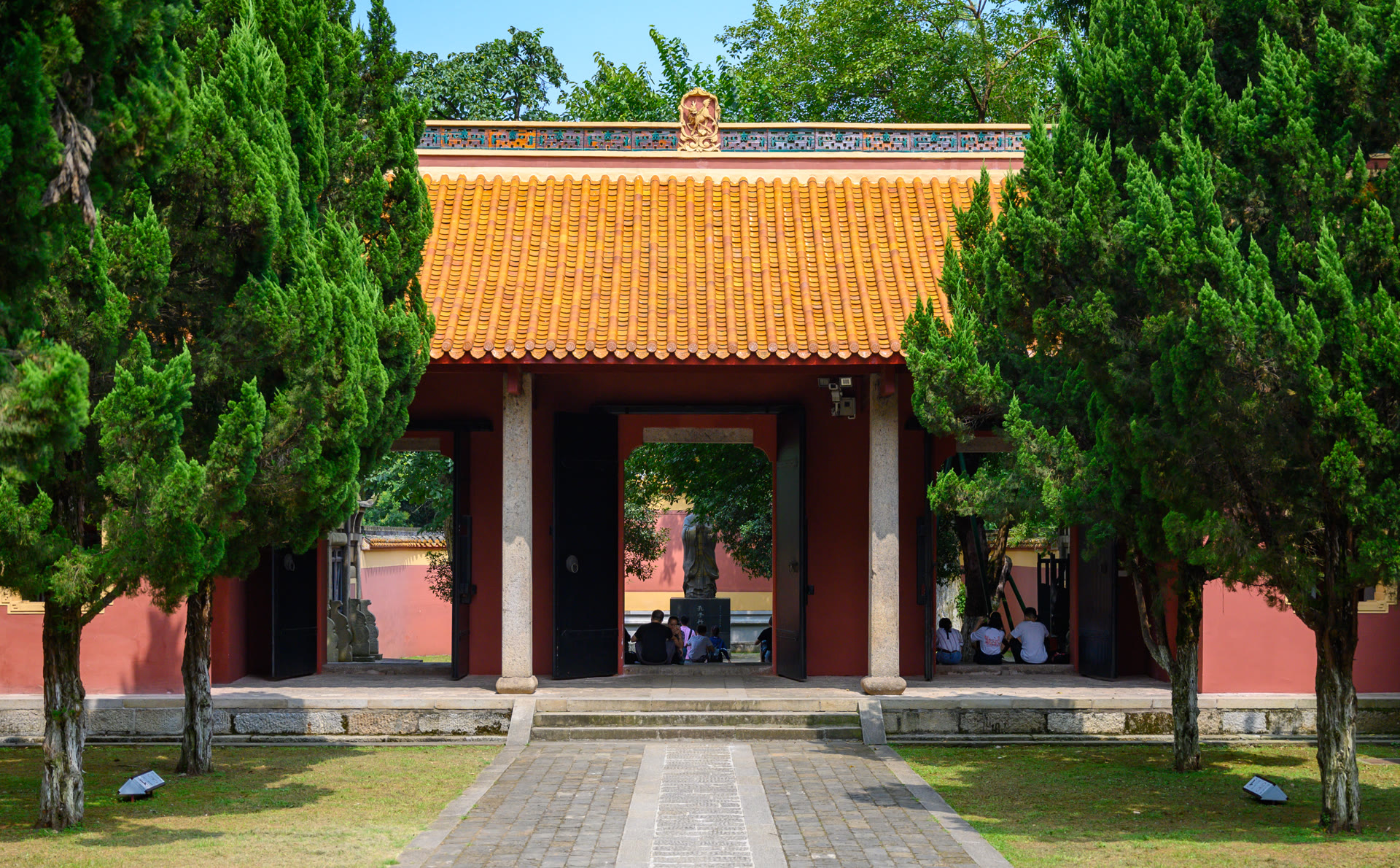
Yuelu Academy and Yuelu Mountain: Founded in 976 AD, Yuelu Academy is one of the oldest centers of learning in China and the origin of Hunan University.[7] Behind it lies Yuelu Mountain, featuring the Aiwan Pavilion and Lushan Temple. Tip: Visit early in the morning to avoid the student crowds and take the chairlift up for a panoramic view of the river.
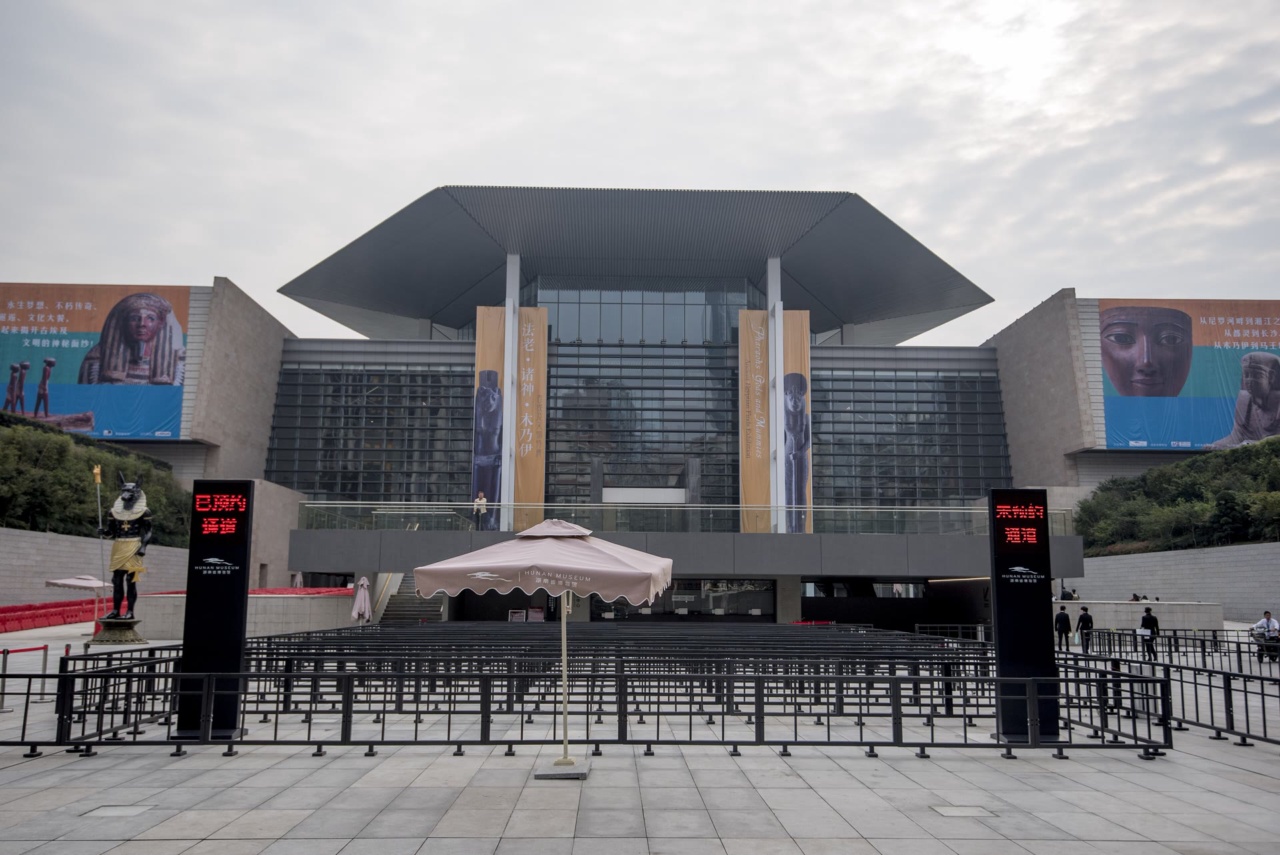
Hunan Museum: This museum houses the Mawangdui Han Tombs artifacts, including the incredibly well-preserved mummy of Lady Dai (Xin Zhui), shown on the 2nd and 3rd floors.[8] The silk garments and lacquerware are stunning. Tip: Reserve your visit in advance through the museum's official WeChat mini-program, which also lists the opening hours.[8]
Lesser-Known Gems
Xiejia Courtyard: A rare surviving example of traditional Hunan residential architecture tucked away in the backstreets. It provides a quiet contrast to the surrounding skyscrapers.
Chaozong Street: A refurbished historical area that manages to feel less commercial than the main pedestrian streets. It is full of boutique coffee shops and small art galleries.
Overrated Attractions
Huangxing Road Pedestrian Street: While essential for the energy, don't expect a unique shopping experience. It is mostly international brands and overpriced snack stalls. Walk through it once at night, then head to the smaller side alleys for better food and lower prices.
Window on the World: A dated theme park with replicas of global landmarks. Unless you are traveling with small children and have extra days, your time is better spent on Changsha's unique cultural sites.
Food and Drink
Hunan cuisine (Xiang Cai) is characterized by dry spice, pickled chilies, and smoked meats. Unlike Sichuan food, it does not use the numbing peppercorn, focusing instead on pure heat and savory depth.
Dish
Description
Where to Try
Stinky Tofu
Fermented tofu fried until black and crispy, soaked in spicy broth.
Huo Gong Dian or street stalls
Mao's Braised Pork
Fatty pork belly simmered in soy, sugar, and spices. Mao's favorite.
Any Hunan restaurant
Spicy Crawfish
Boiled in a heavy chili and garlic broth. A late-night staple.
Wenheyou
Fish Head with Chopped Chilies
Steamed bighead carp covered in salted red and green chilies.
Mid-range restaurants
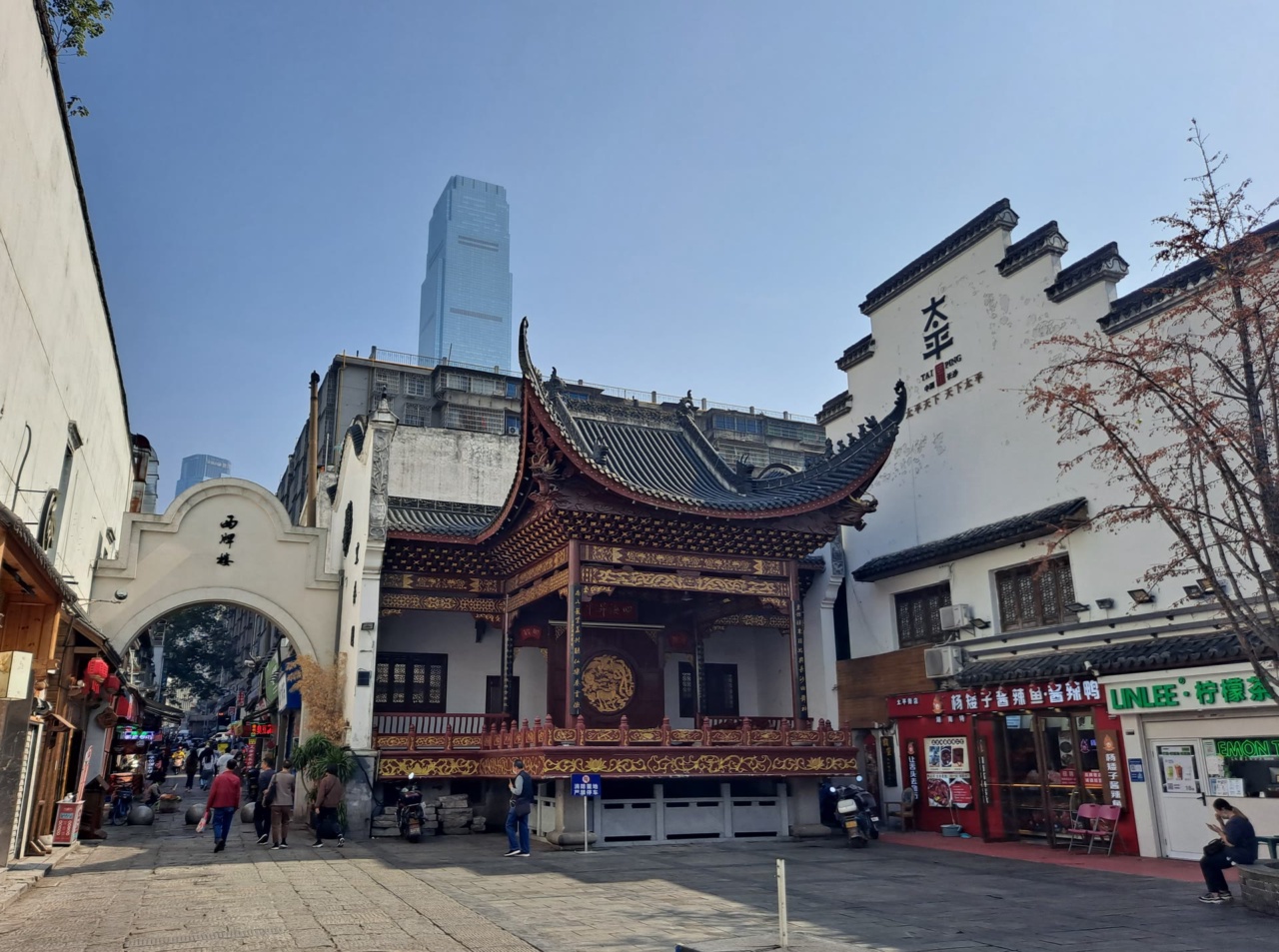
Street Food Culture: Head to Pozi Street or the area around Taiping Street. Look for the longest queues, especially for 'Sexy Tea' (Cha Yan Yue Se), a local milk tea brand so popular that people travel to Changsha just to drink it.
Budget: The area around the University Town in Yuelu District has numerous hostels and budget hotels. It is lively and full of cheap food.
Mid-Range: Look for hotels near Wuyi Square or Furong Square. You will be within walking distance of the metro and major food streets. Many local boutique brands offer high-quality rooms in this bracket.
Upscale: The Meixi Lake area and the skyscrapers along the Xiang River are home to international hotel brands. These offer spectacular views and western-standard amenities.
Practical Tips
Payment: Cash is rarely used. You must have Alipay or WeChat Pay set up with your international credit card. Even street vendors use QR codes.
Internet: A VPN is necessary to access Google, Facebook, and Instagram. Alternatively, buy an international roaming SIM or an eSIM before arrival.
Language: English is not widely spoken outside of high-end hotels. Download a translation app like Baidu Translate or Google Translate (with offline packs).
Spiciness: 'Mild' (Wei La) in Changsha is often 'Extra Hot' elsewhere. If you cannot handle spice, look for Cantonese restaurants or specify 'Bu La' (not spicy), though this may limit your options significantly.
Tipping: Tipping is not expected and can sometimes be seen as confusing.
Day Trips
Shaoshan: The birthplace of Mao Zedong can be reached from Changsha by train or bus. You can see his childhood home and a massive bronze statue. It is a site of 'Red Tourism' pilgrimage. Worth it for history enthusiasts.
Jinggang Ancient Town: Located north of the city, this water town offers a glimpse into Ming and Qing dynasty architecture. It is more authentic than many 'reconstructed' old towns in China. Easily reached by local bus or Didi.
Zhangjiajie: While often treated as a separate trip, high-speed trains connect Changsha to Zhangjiajie West in as little as 1 hour 45 minutes, and most services take about 2 to 3 hours 30 minutes.[2] You can find transport details on GoAsia.cc to plan this extension. It is absolutely worth it for the 'Avatar' mountains.
Sample 3-Day Itinerary
Day 1: The Heart of the City
Morning: Head to the Hunan Museum early to see the Mawangdui relics. Afternoon: Walk through Taiping Ancient Street to see the old guild halls, then cross the bridge to Orange Isle to see the Mao Statue at sunset. Evening: Explore the neon lights of Huangxing Road and eat dinner at the theatrical Wenheyou for a nostalgic retro experience.
Morning: Cross the river to Yuelu Mountain. Visit Yuelu Academy and hike (or take the slide) down the mountain. Afternoon: Visit the Xie Zilong Photography Museum or Li Zijian Art Museum for modern architecture and art. Evening: Head to Jiefang West Road to experience Changsha's famous bar and club scene.
Day 3: Local Life and History
Morning: Visit Kaifu Temple, one of the most active Buddhist temples in the city. Afternoon: Wander the Tianxin Pavilion and the remaining sections of the ancient city wall. Evening: Do a 'food crawl' on Pozi Street, trying stinky tofu, sugar oil rice cakes, and spicy crawfish.
Frequently Asked Questions
Is Changsha worth visiting?
Yes, especially for food lovers and those interested in modern Chinese history. It offers a more authentic, gritty urban experience compared to China's 'Tier 1' cities and serves as the best culinary hub in the country's central region.
How many days do you need in Changsha?
Two to three days is sufficient to see the major sights like Orange Isle, Yuelu Mountain, and the Hunan Museum while leaving enough time to explore the extensive night markets and street food scenes.
Is Changsha safe for tourists?
Changsha is extremely safe, even late at night. Violent crime against tourists is almost non-existent. Standard precautions against pickpocketing in crowded markets and ensuring you use official ride-hailing apps are all that is required.
What food is Changsha famous for?
Changsha is world-famous for its Stinky Tofu (black and spicy), Mao's Braised Pork, Spicy Crawfish, and its unique local milk tea brand, Sexy Tea (Cha Yan Yue Se).
How spicy is the food in Changsha?
Hunan cuisine is significantly spicier than most Westernized Chinese food. It uses fresh and pickled chilies rather than the numbing peppercorns of Sichuan. Be prepared for high heat levels in almost every local dish.
Can you drink tap water in Changsha?
No, tap water is not potable. Always drink boiled or bottled water, which is readily available and very cheap at every convenience store.
Is English widely spoken in Changsha?
English proficiency is generally low. While younger people and hotel staff may speak some English, you should rely on translation apps and have your destination addresses written in Chinese characters.
What is the best way to get to Zhangjiajie from Changsha?
The most efficient way is by high-speed train from Changsha Railway Station or Changsha South, which takes from about 1 hour 45 minutes to 3 hours 30 minutes. Frequent departures make it a very easy transition.
Sources and background
Numbers in the text such as [1] refer to these sources.