A surreal landscape of sandstone pillars and misty canyons that inspired the world of Avatar. This destination is essential for hikers, photographers, and nature lovers seeking China's most dramatic mountain scenery.
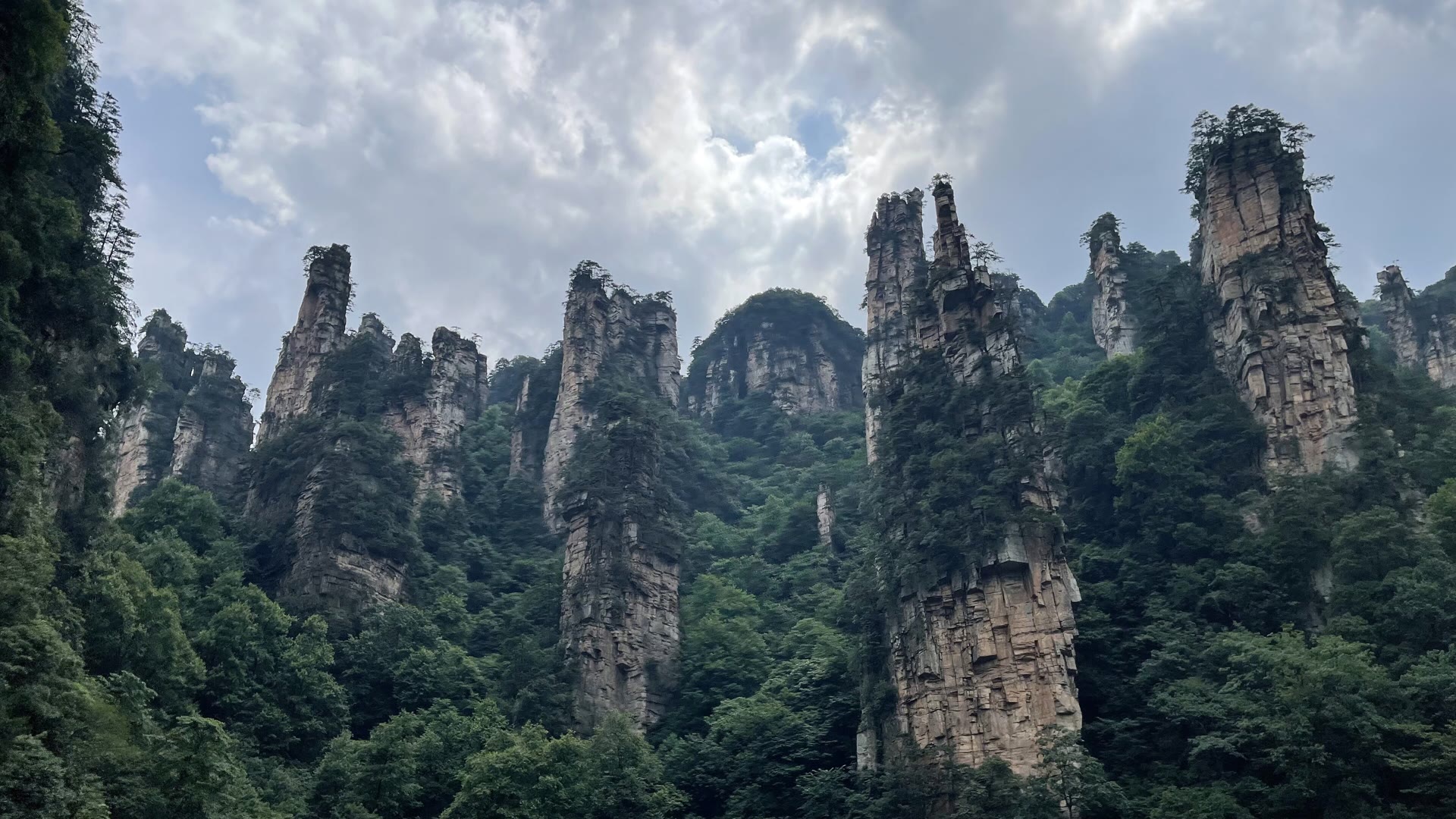
Zhangjiajie is a vertical labyrinth of sandstone pillars rising from a subtropical forest floor. Located in the northwestern corner of Hunan Province, it feels less like a traditional city and more like a gateway to a prehistoric world. While the urban centers of Yongding and Wulingyuan provide the necessary infrastructure, the true draw is the UNESCO-listed Wulingyuan Scenic Area, where the Hallelujah Mountains of cinematic fame are a physical, misty reality. UNESCO describes the site as dominated by more than 3,000 narrow sandstone pillars and peaks, many over 200 m high.[1]
This is a destination defined by scale and height. Visitors spend their days traversing glass skywalks bolted to cliff faces, riding the Bailong Elevator, and navigating a complex network of cable cars that bridge massive chasms. It is a place that rewards the physically active, though modern engineering has made many of its most daunting peaks accessible to those who prefer to avoid strenuous climbing.
Beyond the geological wonders, Zhangjiajie offers a glimpse into the culture of the Tujia, Miao, and Bai ethnic minorities. Their influence is visible in the local architecture, the spicy and sour flavors of the Hunanese cuisine, and the vibrant evening performances that tell legends of mountain spirits. It is a high-energy destination where the logistical complexity of navigating massive crowds is balanced by the sheer, breathtaking impact of the landscape.
Orientation and Neighborhoods
Zhangjiajie is split into two primary areas a drive apart. Understanding this split is vital for planning your logistics and choosing where to sleep.
Yongding District (Zhangjiajie City Center): This is the functional heart of the region, located near the airport and the main railway station. It is the base for visiting Tianmen Mountain, as the cable car starts right in the city. Stay here for a night upon arrival or if your primary goal is the Tianmen Mountain experience.
Wulingyuan District: Located north of the city center, this is a dedicated tourist town sitting at the gates of the National Forest Park. It is cleaner, more scenic, and offers the best access to the main pillar forests. Most travelers should spend the majority of their trip here.
Sanguansi: A more rural area further out, primarily useful for those visiting the Zhangjiajie Grand Canyon and the Glass Bridge. It offers quieter, high-end boutique stays away from the town bustle.
Things to Do
Offers are only loaded from GetYourGuide after you click. GetYourGuide can then process your IP address and set cookies. Privacy Policy
GetYourGuide partner offers. GoAsia may earn a commission if you book through these offers. Check whether tickets or transfers are included, and follow the attraction's official booking and admission rules.
Best Time to Visit
Zhangjiajie experiences a humid subtropical climate. The scenery changes dramatically with the seasons, often dictated by the presence of mountain mist.
Month Range
Weather
Crowds
Prices
March to May
Cool, misty, occasional rain
Moderate
Mid-range
June to August
Hot, humid, heavy rain
Very High
High
September to November
Clear skies, crisp air, colorful leaves
High
High
December to February
Cold, occasional snow, icy paths
Low
Low
Spring (March-May): The forest is lush and the famous sea of clouds is most frequent after rain. Autumn (September-November): This is the most comfortable time for hiking with dry weather and clear views of the peaks. Winter (December-February): It is bitterly cold, but seeing the sandstone pillars dusted in snow is a rare, ethereal sight. Avoid the first week of October (National Day) and the Lunar New Year, as crowds become overwhelming and prices rise.
Getting There and Getting Around
Getting There: Zhangjiajie Hehua International Airport (DYG) serves major Chinese cities like Beijing, Shanghai, and Guangzhou. High-speed trains connect Changsha with Zhangjiajie West: on 16 October 2026 the fastest took 1 hour 45 minutes, and many services took between 1 hour 52 minutes and 2 hours 30 minutes.[2] Taxis and buses link the airport and the station with the city center and with Wulingyuan.
Getting Around: Between Yongding and Wulingyuan, buses run from the central bus stations. Within the National Forest Park, shuttle buses move visitors between cable car stations and trailheads; check whether your ticket includes them. For personalized travel, ride-hailing apps like Didi work well in the city, but taxis are more common in Wulingyuan. Most of your time at the sights will be spent walking or using park-specific transport like the Bailong Elevator or various cable cars.
Top Sights and Experiences
Wulingyuan Scenic Area (The Avatar Mountains)
This is the main attraction, a massive park that deserves at least two full days. Highlight areas include Yuanjiajie, home to the First Bridge Under Heaven and the Hallelujah Mountain; and Tianzi Mountain, known for its thinner, more needle-like spires. To save your knees, use the Bailong Elevator, a glass lift built into a cliff face. Tip: Enter through the Wulingyuan Sign Gate early to beat the tour groups to the elevator.
Tianmen Mountain
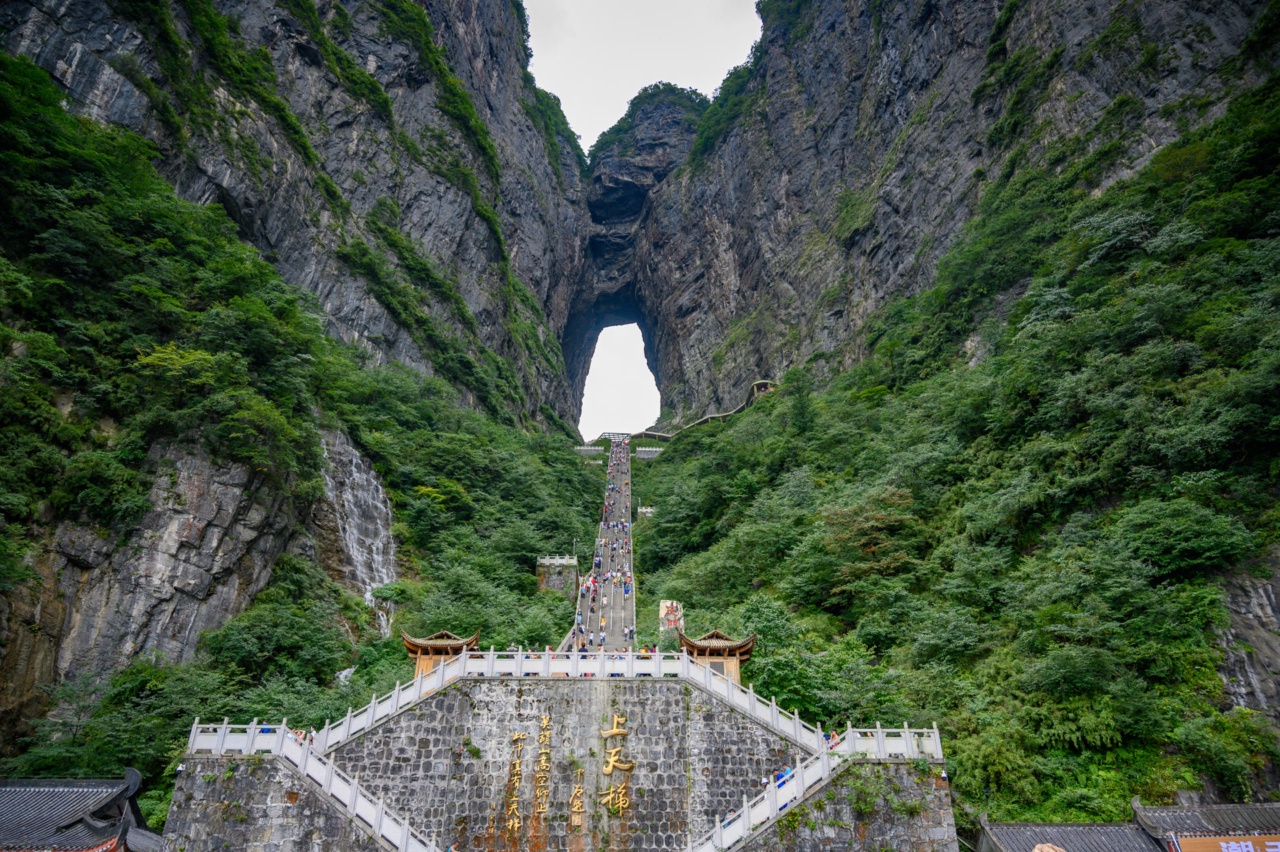
Located near the city center, this mountain is famous for the Tianmen Cave (Heaven's Gate), a natural karst arch. You reach the top by a long cable car. Once at the summit, you can walk across the Coiling Dragon Cliff glass skywalk. The descent usually involves a bus ride down the 99 Bends, a road full of hairpin turns. Tip: Book tickets in advance for specific time slots, as they can sell out.
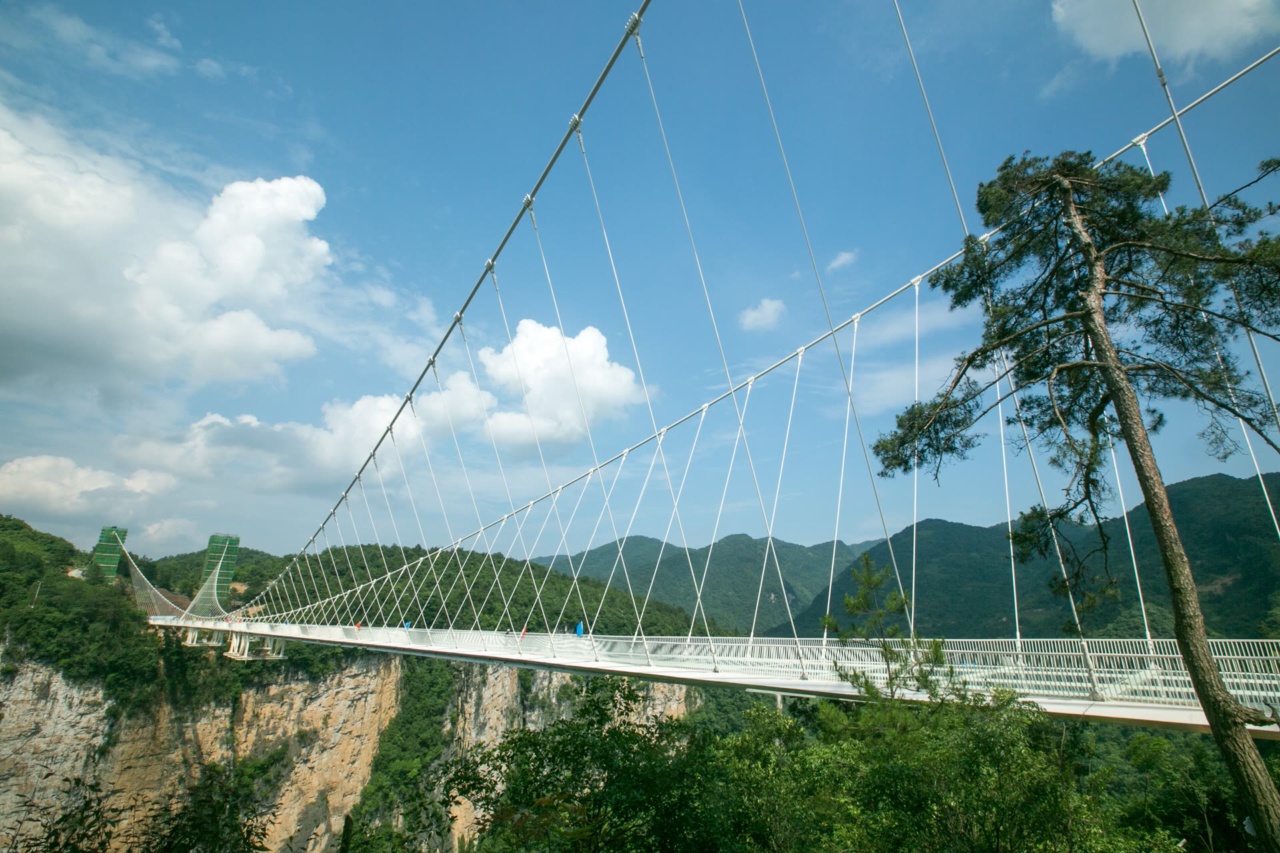
Located a drive from Wulingyuan, this area features a massive glass-bottomed bridge suspended high above a canyon. While the bridge is the photo-op, the walk through the canyon floor below is equally beautiful, featuring waterfalls and boat rides. Overrated Alert: If you are short on time, skip the bridge; the views in the National Park are superior, and the bridge can feel like a crowded photo factory.
Lesser-Known Gems
Yellow Dragon Cave: A massive underground cavern system with an internal river. It is a great escape if it is raining heavily outside.
Baofeng Lake: A high-altitude lake surrounded by peaks. The boat tour is peaceful, featuring traditional songs performed by local singers on wooden docks.
Yangjiajie: A more rugged, less-visited section of the main park featuring the Stone Wall of the Great Wall, which offers more challenging hikes and fewer crowds.
Food and Drink
Hunan cuisine (Xiang cuisine) is famous for being 'gan la' (dry spicy). Unlike Sichuan food which uses numbing peppercorns, Hunan food uses fresh chilis, garlic, and smoked meats.
Dish
Description
Where to Try
Sanxia Guo
A spicy dry pot with three types of meat (usually pork, beef, lamb) and veggies.
Local restaurants in Wulingyuan
Smoked Pork with Bamboo
Salty, smoky ham stir-fried with crisp mountain bamboo shoots.
Any Tujia-style eatery
Miao Sour Fish
Fish cooked in a fermented tomato and chili broth.
Ethnic theme restaurants
Street food is abundant in the Wulingyuan evening market. Look for grilled river fish, fried potatoes with chili powder, and 'stinky tofu.' For a break from the spice, local blueberries and kiwi fruit are grown in the mountains and sold everywhere. Western-style coffee is mostly limited to hotels and a few cafes in Wulingyuan town.
Where to Stay
Budget: Wulingyuan town has many hostels and guesthouses, and some owners speak basic English and can help with park logistics.
Mid-Range: Boutique hotels in Wulingyuan or Sanguansi offer mountain views and traditional Chinese decor. Some include breakfast and shuttle services to the park gates.
Upscale: For luxury, look for international brands or high-end Chinese resorts near the Wulingyuan entrance. These tend to have more English-speaking staff who can help with bookings.
Practical Tips
Payment: Cash is rarely used. Download Alipay or WeChat Pay and link your international credit card before arrival. Small vendors may struggle with large bills.
Internet: The Great Firewall blocks Google, Facebook, and Instagram. Purchase an eSIM with a built-in VPN or download a reliable VPN service before entering China.
Language: English is limited outside of high-end hotels. Download an offline translation app like Baidu Translate or Google Translate (with offline packs).
Crowd Management: Chinese tourism is managed in waves. If a viewpoint is packed, wait ten minutes; the tour group will likely move on together, leaving a window of quiet.
Safety: The mountains are safe, but monkeys in the park are aggressive. Do not hold plastic bags or food in your hands, as they will snatch them.
Day Trips
Furong Town: A historic village hanging over a waterfall, reachable by road or rail. It is stunning at night when the lights come on. Verdict: Highly recommended.
Fenghuang Ancient Town: A famous riverside town with stilt houses. It can be reached by high-speed train. While very commercialized, its nighttime scenery is iconic. Verdict: Worth an overnight stay rather than a rushed day trip.
Dehang Miao Village: A traditional ethnic village set in a deep valley near the Aizhai Bridge. It offers a more authentic look at Miao culture than the tourist shows in Zhangjiajie.
Sample 3-Day Itinerary
Day 1: The Pillars of Wulingyuan
Morning: Enter through Wulingyuan Gate, take the shuttle to the Bailong Elevator. Spend the morning in Yuanjiajie viewing the Avatar Hallelujah Mountain. Afternoon: Take the park shuttle to Tianzi Mountain for the 'Imperial Brush Peaks.' Evening: Descend via the Tianzi Mountain Cable Car and explore the Wulingyuan evening market for Sanxia Guo.
Day 2: Canyons and Water
Morning: Head to Zhangjiajie Grand Canyon. Walk the Glass Bridge if you have the nerve, then hike down into the canyon for the boat ride. Afternoon: Visit Baofeng Lake for a relaxing boat tour. Evening: Watch the 'Romantic Show' or 'Tianmen Fox Fairy' outdoor performance.
Morning: Take the long cable car from Zhangjiajie City center up to Tianmen Mountain. Walk the cliffside paths and the glass skywalk. Afternoon: Take the mountain escalator down to Tianmen Cave, then walk down the steps. Evening: Enjoy a final Hunan feast in Yongding before your flight or train. You can check GoAsia.cc for updated transport schedules between these locations.
Frequently Asked Questions
Is Zhangjiajie worth visiting?
Yes, it is one of the most unique geological landscapes on Earth. While it requires significant walking and navigating crowds, the visual payoff of the sandstone pillars is unlike anything else in Asia.
How many days do you need in Zhangjiajie?
You need a minimum of three full days: two days for the Wulingyuan National Forest Park and one day for Tianmen Mountain. A fourth day allows for a visit to the Grand Canyon or nearby ancient towns.
Is Zhangjiajie safe for tourists?
It is extremely safe in terms of crime. The primary safety concerns are slippery mountain paths during rain and aggressive wild monkeys that may try to steal food or bags.
What is the best time to visit Zhangjiajie?
September and October offer the best combination of clear skies and comfortable temperatures. Spring is also beautiful but much rainier and mistier.
Is Zhangjiajie expensive?
It can cost more than many other Chinese cities because the National Park, the cable cars and the elevator charge separate entry fees. Food and local accommodation remain affordable. Check current ticket prices before you go.
Can you drink tap water in Zhangjiajie?
No, tap water is not safe for drinking. Use boiled water provided in hotels or purchase bottled water, which is widely available and inexpensive.
Do I need a visa to visit Zhangjiajie?
Whether you need a visa to enter China depends on your passport, purpose and itinerary. The National Immigration Administration page dated 17 February 2026 lists specified countries whose ordinary passport holders may enter without a visa for business, tourism, visits to relatives and friends, exchange visits or transit for up to 30 days. This does not provide a general exemption for every nationality, and transit has separate conditions. Before booking, check the current official NIA list and the Chinese embassy information.
Is English widely spoken in Zhangjiajie?
English is limited. While staff at major hotels and ticket counters may speak basic English, you should have translation apps and your hotel address written in Chinese characters.
Sources and background
Numbers in the text such as [1] refer to these sources.