किनमेन चीन के श्यामेन तट से कुछ किलोमीटर दूर, लेकिन ताइवान के अधीन एक शांत द्वीपसमूह है। सैन्य इतिहास, पारंपरिक फुजियानी गांव, सफेद समुद्र तट, पवन सिंह देवताओं की पत्थर प्रतिमाएं और स्थानीय काओलियांग शराब यहां साथ मिलते हैं।
किनमेन वह जगह है जहां तोपों की गूंज अब लोहार की हथौड़ी की आवाज में बदल गई है। चीन के श्यामेन तट से कुछ ही किलोमीटर दूर, लेकिन ताइवान के एक काउंटी के रूप में प्रशासित यह द्वीपसमूह समय में रुका हुआ सैन्य सीमांत जैसा है। छद्मावरण वाले बंकर, चौड़े सफेद समुद्र तट और पारंपरिक लाल ईंट के गांवों की घुमावदार छतें एक साथ दिखाई देती हैं। यहां तेज नाइटलाइफ या चमकदार मॉल नहीं हैं। स्कूटर पर धीरे-धीरे घूमना इसका सही तरीका है, क्योंकि हर मोड़ पर कोई छिपी सुरंग या मौसम से रक्षा करता पत्थर का विंड लायन गॉड मिल सकता है।
द्वीप की पहचान बीसवीं सदी के मध्य में अग्रिम रक्षा क्षेत्र की भूमिका से गहराई से जुड़ी है। फिर भी सैन्य परत के नीचे आधुनिक संघर्ष से पहले की समृद्ध संस्कृति है। पुराने कुल अब भी पैतृक घरों में रहते हैं और स्थानीय बोली तथा भोजन ऐतिहासिक फुजियानी जीवन की झलक देते हैं। यात्रियों को प्रतिबंधित युद्ध क्षेत्र से शांत गंतव्य में बदले समुदाय को देखने का दुर्लभ अवसर मिलता है। स्थानीय लोग खुले दिल से स्वागत करते हैं और ज्वार से भी तेज असर वाली ज्वारघर की काओलियांग शराब पेश करते हैं।
यहां शांत ग्रामीण वातावरण की अपेक्षा रखें, जहां जीवन की गति सूरज और ज्वार तय करते हैं। हवा साफ है, सड़क किनारे ऊंचे ज्वार के खेत हैं और मेहमाननवाजी सच्ची है। जाईशान सुरंग के विशाल भूमिगत नेटवर्क में रेंगते हुए चलना हो या बहाल किए गए छिंग राजवंश के आंगन में चाय पीना, किनमेन पूर्वी एशिया में तेजी से बदलती दुनिया के बीच दुर्लभ स्थानबोध देता है।
द्वीप और पड़ोस
किनमेन दो मुख्य द्वीपों में बंटा है: ग्रेटर किनमेन और लेसर किनमेन, जिसे लीयू भी कहते हैं। ग्रेटर किनमेन का आकार डंबल जैसा है, बीच में पतली कमर और पूर्व तथा पश्चिम में चौड़े छोर हैं। अधिकांश यात्री ग्रेटर किनमेन पर समय बिताते हैं, जो चार मुख्य टाउनशिप में व्यवस्थित है।
किंचेंग टाउनशिप, पश्चिम: द्वीप का प्रशासनिक और व्यावसायिक केंद्र। रेस्तरां, दुकानें और मुख्य बस टर्मिनल तक आसान पहुंच चाहने वाले पहली बार के यात्रियों के लिए सबसे अच्छा ठिकाना। यहां ऐतिहासिक मोफान स्ट्रीट और छिंग राजवंश का किनमेन मिलिटरी हेडक्वार्टर है।
किंनिंग टाउनशिप, उत्तर-पश्चिम: कुनिंगतोउ सहित महत्वपूर्ण युद्धभूमियां यहां हैं। इलाका अधिक ग्रामीण है और शांति तथा तटीय रक्षा स्थलों के करीब रहना चाहने वालों के लिए अच्छा है।
किन्हू टाउनशिप, दक्षिण-पूर्व: सुंदर झीलों और शानवाई गांव के लिए प्रसिद्ध। यहां द्वीप का सबसे बड़ा ड्यूटी-फ्री मॉल और ताइवू पर्वत की खुरदरी ग्रेनाइट चोटियों तक पहुंच है।
किन्शा टाउनशिप, उत्तर-पूर्व: सबसे पारंपरिक और कम विकसित क्षेत्र। यहां विंड लायन गॉड की सबसे अधिक प्रतिमाएं और खूबसूरती से सुरक्षित शान्होउ सांस्कृतिक गांव है। असली शांत अनुभव और पारंपरिक गेस्टहाउस चाहिए तो यहीं रहें।
Lieyu (Lesser Kinmen): जिनमेन ब्रिज 30 अक्टूबर 2022 को आधिकारिक रूप से खुला और अब इसे मुख्य द्वीप से जोड़ता है।[1] यह छोटा और बेहद शांत है; एक दिन की यात्रा या रात ठहरने के लिए उपयुक्त है, खासकर उन लोगों के लिए जो सचमुच सबसे दूर जाना चाहते हैं।
करने योग्य चीज़ें
ऑफ़र आपके क्लिक करने के बाद ही GetYourGuide से लोड होते हैं। इसके बाद GetYourGuide आपके IP पते को प्रोसेस कर सकता है और कुकीज़ सेट कर सकता है। गोपनीयता नीति
GetYourGuide के साझेदार ऑफ़र। इन ऑफ़र से बुकिंग करने पर GoAsia को कमीशन मिल सकता है। जांचें कि प्रवेश टिकट या परिवहन सेवा शामिल है या नहीं और पर्यटन स्थल के आधिकारिक बुकिंग तथा प्रवेश नियमों का पालन करें।
किनमेन जाने का सबसे अच्छा समय
किनमेन में अलग-अलग मौसम वाला उपोष्णकटिबंधीय मानसूनी जलवायु है। समुद्री स्थिति के कारण मौसम अनिश्चित हो सकता है। वसंत में अक्सर कोहरा और गर्मियों के अंत में तूफान आते हैं।
महीनों की अवधि
मौसम
भीड़
कीमतें
मार्च - मई
कोहरा और उमस
मध्यम
औसत
जून - अगस्त
गर्म और धूप वाला
अधिक
अधिक
सितंबर - नवंबर
ठंडा और शुष्क
मध्यम
औसत
दिसंबर - फरवरी
ठंडा और तेज हवा वाला
कम
कम
सितंबर से नवंबर की शरद ऋतु को आम तौर पर सबसे अच्छा समय माना जाता है। मौसम स्थिर होता है, उमस घटती है और सुनहरे ज्वार के खेत कटाई के लिए तैयार होते हैं। वसंत में समस्या हो सकती है: मार्च के अंत से मई के मध्य तक कोहरे से एक-दो दिन तक उड़ानें और फेरी रद्द हो सकती हैं।[2]सर्दी में मुख्यभूमि से चुभती हवाएं आती हैं, जिससे स्कूटर चलाना कम आरामदायक होता है, लेकिन यही पक्षी देखने का सबसे अच्छा समय है क्योंकि हजारों कॉर्मोरेंट द्वीप पर प्रवास करते हैं।
किनमेन कैसे पहुंचें और कैसे घूमें
किनमेन ताइवान के प्रमुख शहरों से हवाई मार्ग द्वारा पहुंचा जा सकता है। मुख्यभूमि चीन के श्यामेन से फेरी भी चलती है। श्यामेन के वुतोंग फेरी टर्मिनल से फेरी लगभग 30 मिनट लेती है और किराया 160 RMB है। इस मार्ग पर लगभग 10 कंपनियां चलती हैं, और वुतोंग से फेरी 09:00 से 17:30 के बीच रवाना होती हैं। टिकट हर रवानगी से एक घंटा पहले बिकने लगते हैं, और सवार होने के लिए पासपोर्ट जैसा पहचान पत्र चाहिए। किनमेन काउंटी पोर्ट अथॉरिटी इन फेरी का मासिक समय-सारणी प्रकाशित करती है, इसलिए यात्रा से पहले इस महीने का समय-सारणी देख लें।[2][3]
सार्वजनिक परिवहन: बस व्यवस्था आश्चर्यजनक रूप से प्रभावी है और अधिकतर मुख्य स्थलों तक पहुंचती है। पर्यटक शटल बसें (Taiwan Trip बस) द्वीप के अलग-अलग क्षेत्रों में चक्कर लगाती हैं। अपने वाहन के बिना यात्रा करने वालों के लिए यह अच्छा विकल्प है। वर्तमान मार्ग और समय-सारणी स्थानीय रूप से जांच लें।
स्कूटर और कार किराया: द्वीप देखने का सबसे लोकप्रिय तरीका है। किराए की कीमतें मौसम और दुकान के अनुसार अलग होती हैं। यात्रा से पहले जांच लें कि ताइवान में स्कूटर या कार किराए पर लेने के लिए आपका ड्राइविंग लाइसेंस स्वीकार्य है, उदाहरण के लिए International Driving Permit (IDP) के साथ। सड़कें पक्की और सपाट हैं, यातायात कम है, इसलिए कम अनुभवी चालक भी यहां अपेक्षाकृत सुरक्षित महसूस कर सकते हैं।
पैदल चलना: किंचेंग और शानवाई के शहर केंद्र पैदल घूमने योग्य हैं, लेकिन दर्शनीय स्थल पूरे द्वीप में फैले हैं। केवल पैदल किनमेन देखना व्यावहारिक नहीं है।
मुख्य दर्शनीय स्थल और अनुभव
जरूर देखने वाले सैन्य स्थल
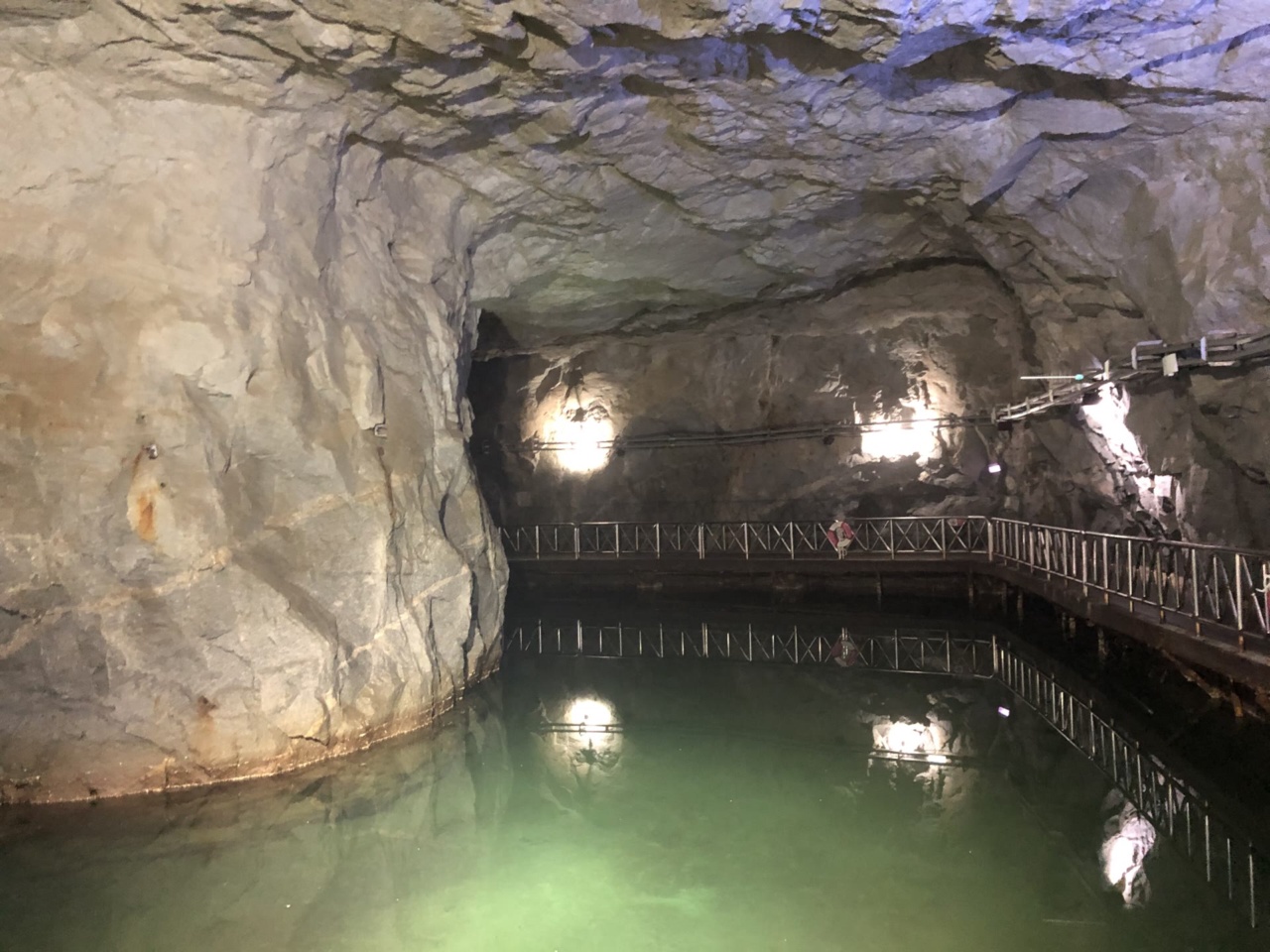
जाईशान सुरंग: ठोस ग्रेनाइट काटकर बनाई गई इंजीनियरिंग की अद्भुत रचना। यह A आकार की सुरंग तोपों की आग से आपूर्ति नावों की रक्षा के लिए बनाई गई थी। स्थिर पानी में खुरदरी चट्टानों के प्रतिबिंब भयावह और सुंदर वातावरण बनाते हैं। सबसे अच्छी तस्वीरों के लिए दोपहर के आसपास जाएं, जब सुरंग के मुहाने से रोशनी अंदर आती है।
कुनिंगतोउ युद्ध संग्रहालय: यह स्थल 1949 की उस लड़ाई की स्मृति में है जिसने कम्युनिस्ट आगे बढ़ने को रोक दिया था। संग्रहालय में संघर्ष के चित्र, पकड़े गए हथियार और रक्षा में इस्तेमाल मूल टैंक हैं। किनमेन का आधुनिक इतिहास समझने के लिए यह जरूरी है।
माशान ऑब्जर्वेशन स्टेशन: मुख्यभूमि चीन के सबसे निकट बिंदुओं में से एक। लंबी भूमिगत गलियारे से अवलोकन चौकी तक जाएं, जहां शक्तिशाली दूरबीन से श्यामेन के समुद्र तट पर लोगों को देखा जा सकता है। यह निकटता द्वीप की रणनीतिक स्थिति की सीधी याद दिलाती है।
सांस्कृतिक और प्राकृतिक रत्न
शान्होउ सांस्कृतिक गांव: अच्छी तरह सुरक्षित पारंपरिक फुजियानी घरों का परिसर। बारीक पत्थर नक्काशी और घुमावदार छतें शानदार हैं। कई घर छोटे संग्रहालय, नाश्ते की दुकान या गेस्टहाउस बन चुके हैं।
ताइवू पर्वत: द्वीप का सबसे ऊंचा बिंदु। पक्की सड़क शिखर तक जाती है और प्रसिद्ध Forget Not That We Are in Ju पत्थर नक्काशी के पास से गुजरती है। ऊपर शांत हाइयिन मंदिर है।
विंड लायन गॉड: गांवों में दर्जनों पत्थर के सिंह बिखरे हुए हैं। ये किनमेन की खास पहचान हैं और तेज हवाओं से निवासियों की रक्षा के लिए बनाए गए थे। इन प्रतिमाओं को खोजते हुए कम प्रसिद्ध कोनों में घूमना लोकप्रिय अनुभव है।
अतिशयोक्तिपूर्ण आकर्षण
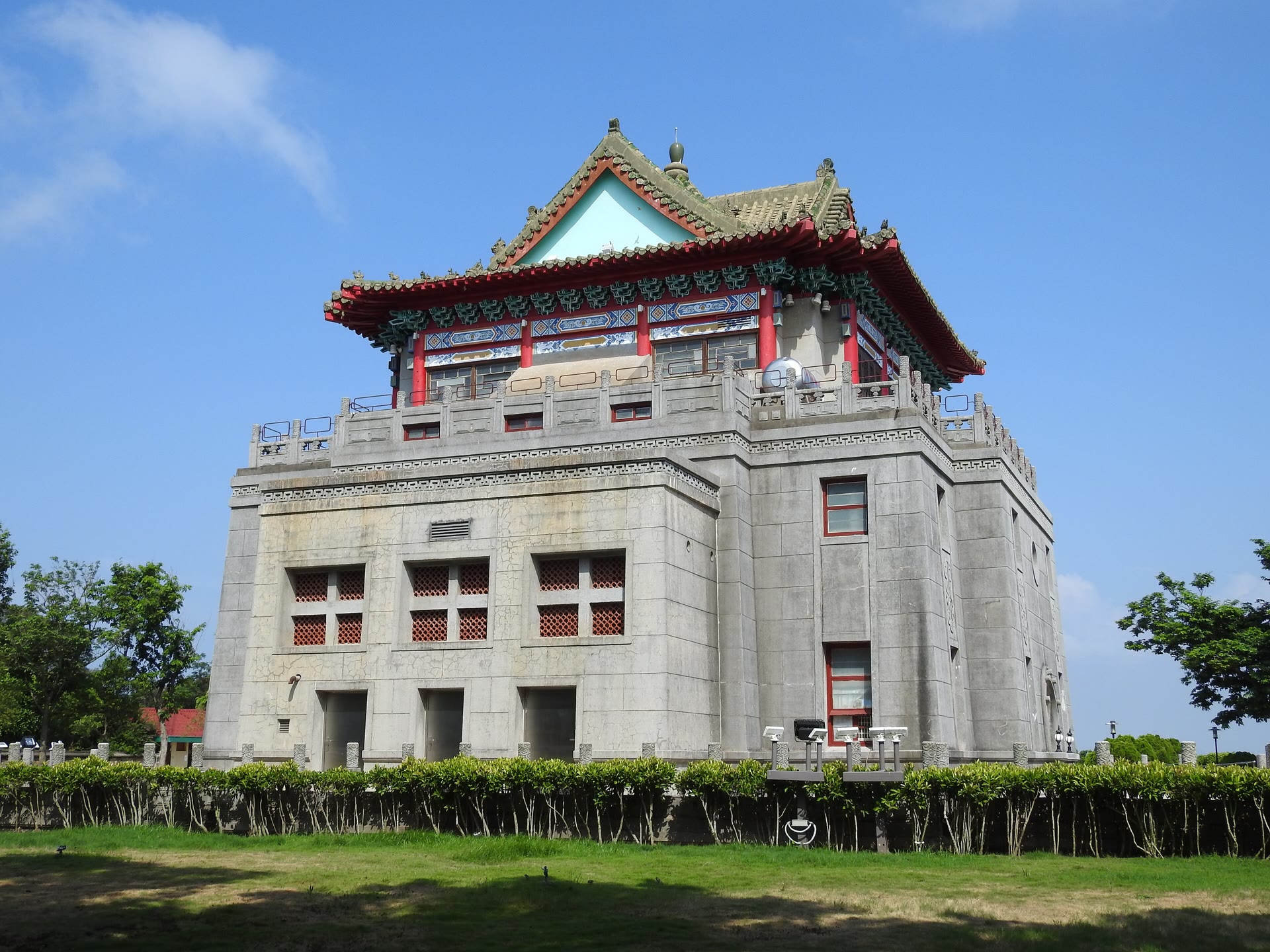
जुगुआंग टावर: किनमेन का प्रतिष्ठित प्रतीक और पोस्टकार्डों का पसंदीदा दृश्य, लेकिन अंदर का संग्रहालय सामान्य है। वास्तुकला के लिए त्वरित फोटो पड़ाव पर्याप्त है। कोई विशेष अस्थायी प्रदर्शनी पसंद न हो तो अंदर लंबा समय न दें।
Everrich ड्यूटी-फ्री प्लाजा: महंगे ब्रांड की खरीदारी खास उद्देश्य न हो तो यह विशाल मॉल द्वीप के देहाती आकर्षण से अलग लगता है। कीमतें एशिया के दूसरे बड़े केंद्रों से खास कम नहीं हैं।
भोजन और पेय
किनमेन का भोजन ताइवान और मुख्यभूमि चीन दोनों से अलग है। तटीय स्थिति और पुराने सैन्य राशन की जरूरतों ने इसकी शैली को प्रभावित किया है। इस गाइड की कीमतें अमेरिकी डॉलर में मोटे अनुमान हैं, आधिकारिक दरें नहीं, और स्थान व मौसम के अनुसार अलग हो सकती हैं।
व्यंजन
विवरण
कहां आजमाएं
सामान्य कीमत
ग्वांगडोंग दलिया
चावल को इतना उबाला जाता है कि वह मलाईदार सूप में घुल जाए, फिर मीटबॉल और लीवर के साथ परोसा जाता है।
किंचेंग पुराना शहर
$2 - $4
तले आटे की स्टिक्स
ताइवानी संस्करण से अधिक मोटी और चबाने योग्य, दलिया में डुबोने के लिए अच्छी।
सुबह के नाश्ते के स्टॉल
$0.50 - $1
तारो शेव्ड आइस
लेसर किनमेन सुगंधित और मलाईदार तारो के लिए प्रसिद्ध है।
लीयू टाउनशिप
$3 - $5
ऑयस्टर ऑमलेट
स्थानीय तट से मिलने वाले छोटे, स्वादिष्ट पत्थरीले सीप से बना।
कुनिंगतोउ गांव
$3 - $4
किनमेन काओलियांग
तेज ज्वार शराब, द्वीप का सबसे प्रसिद्ध निर्यात।
कहीं भी
$10 से अधिक प्रति बोतल
स्ट्रीट फूड: सबसे अच्छा क्षेत्र किंचेंग की मोफान स्ट्रीट और किंचेंग बस स्टेशन के आसपास की गलियां हैं। अधिकतर स्थानीय भोजनालय शाम 7:00 या 8:00 बजे तक बंद हो जाते हैं, इसलिए रात का भोजन देर से न करें। अनोखे नाश्ते के लिए गोंग थांग, मूंगफली की मिठाई, आजमाएं।
कहां ठहरें
किनमेन में आधुनिक होटल से लेकर वातावरणपूर्ण पारंपरिक गेस्टहाउस तक कई विकल्प हैं। अच्छे अनुभव के लिए बहाल किए गए मिननान शैली के घर में ठहरें।
बजट, $20 - $40: किंचेंग में साधारण हॉस्टल या गांवों में बुनियादी गेस्टहाउस खोजें। इस कीमत में साफ और आरामदायक कमरे मिल सकते हैं।
मध्यम श्रेणी, $50 - $90: किनमेन में यह सबसे संतुलित विकल्प है। शुइथोउ या झुशान जैसे गांवों में बहाल किए गए पारंपरिक गेस्टहाउस चुनें। ऐतिहासिक और सुंदर आंगन के भीतर AC, निजी बाथरूम जैसी आधुनिक सुविधाएं मिलती हैं।
उच्च श्रेणी, $100 से अधिक: किन्हू और किंचेंग में कुछ बड़े आधुनिक होटल पूर्ण सेवा, जिम और बुफे नाश्ता देते हैं। ये कम प्रामाणिक हैं, लेकिन आराम का स्तर सबसे अधिक है।
व्यावहारिक सुझाव
सुरक्षा: किनमेन बेहद सुरक्षित है और अपराध लगभग नहीं के बराबर है। सबसे बड़ा खतरा प्रतिबंधित सैन्य क्षेत्रों या चिह्नित रास्तों से बाहर के तटीय इलाकों में चले जाना है।
भुगतान: छोटे गांवों और स्थानीय भोजनालयों में नकद रखें। बड़े होटल और ड्यूटी-फ्री मॉल कार्ड लेते हैं। किंचेंग और शानवाई में ATM आसानी से मिलते हैं।
इंटरनेट: ताइवान की SIM ठीक से काम करती है। श्यामेन से आने पर मुख्यभूमि चीन की SIM रोमिंग मोड में जा सकती है।
भाषा: मंदारिन आधिकारिक भाषा है और स्थानीय होक्किएन बोली भी व्यापक है। बड़े होटल और कुछ पर्यटन सूचना केंद्रों के बाहर अंग्रेजी कम बोली जाती है। अनुवाद ऐप रखना बहुत उपयोगी है।
पानी: नल का पानी न पिएं। बोतलबंद पानी सस्ता और हर जगह उपलब्ध है।
शिष्टाचार: पैतृक मंदिरों में शांत और सम्मानजनक रहें। खासकर बुजुर्ग स्थानीय लोगों की तस्वीर लेने से पहले अनुमति मांगें।
आसपास की यात्राएं
Lieyu (Lesser Kinmen): जिनमेन ब्रिज Lieyu को मुख्य द्वीप से जोड़ता है, इसलिए वहां जाने के लिए अब फेरी जरूरी नहीं है। Lieyu घूमने के लिए स्थानीय परिवहन की व्यवस्था पहले से कर लें।[1]
दादन और एरदान द्वीप: ये पुराने अग्रिम सीमांत टापू हैं। पहुंच सीमित हो सकती है, इसलिए स्थानीय पर्यटन ब्यूरो से पूछें कि वहां जाना संभव है या नहीं और कैसे।
श्यामेन, चीन: उचित वीजा या वीजा-मुक्त ट्रांजिट वाले देश की नागरिकता हो तो श्यामेन की एक दिन की यात्रा संभव है। फिर भी श्यामेन बहुत बड़ा शहर है और उसके लिए अलग समय चाहिए। किनमेन की शांति से उसका अंतर तीखा लग सकता है।
3-दिवसीय नमूना यात्रा
दिन 1: सैन्य इतिहास का केंद्र
सुबह: पहुंचकर किंचेंग में स्कूटर किराए पर लें। टूर बसों से पहले जाईशान सुरंग जाएं। फिर पास के शुइथोउ गांव में देयुए गन टावर और विदेश से लौटे चीनी लोगों द्वारा बनाए पारंपरिक पश्चिमी शैली के मकान देखें।
दोपहर: उत्तर की ओर कुनिंगतोउ युद्ध संग्रहालय और बेईशान प्राचीन घर जाएं, जिसकी दीवारों पर 1949 के संघर्ष की गोलियों के निशान अब भी हैं। पास की चट्टानों पर चलकर चीन की ओर मुंह किए विशाल Sonic Warfare लाउडस्पीकर देखें।
शाम: किंचेंग पुराने शहर में घूमें। मोफान स्ट्रीट और छिंग सैन्य मुख्यालय देखें तथा रात में ग्वांगडोंग दलिया खाएं।
दिन 2: चोटियां और परंपराएं
सुबह: द्वीप के पूर्व में ताइवू पर्वत पर पैदल चढ़ें। यह द्वीपसमूह का सबसे अच्छा दृश्य देती है। शिखर पर हाइयिन मंदिर देखें।
दोपहर: नीचे उतरकर शान्होउ सांस्कृतिक गांव में भोजन करें। दोपहर पारंपरिक घरों में बिताएं। लौटते समय माशान ऑब्जर्वेशन स्टेशन पर रुककर मुख्यभूमि की ओर देखें।
शाम: अलग माहौल के लिए शानवाई गांव जाएं। स्थानीय बीफ नूडल दुकान में खाएं। किनमेन अपने पीले बीफ के लिए प्रसिद्ध है, जिसे अक्सर ज्वार के अवशेष पर पाला जाता है।
दिन 3: लेसर किनमेन और विंड लायन
सुबह: जिनमेन ब्रिज पार करके Lieyu (Lesser Kinmen) जाएँ। स्कूटर किराए पर लेकर द्वीप का चक्कर लगाएँ, लिंगशुई झील में पक्षी देखें और विभिन्न तटीय बंकरों को देखें।
दोपहर: मुख्य द्वीप लौटकर अंतिम घंटे Wind Lion Hunting में बिताएं। आगंतुक केंद्र का नक्शा लेकर किन्शा या किंनिंग टाउनशिप में कम से कम पांच अलग प्रतिमाएं खोजें। हर प्रतिमा का भाव और केप अलग है।
शाम: हवाई अड्डे या फेरी टर्मिनल जाने से पहले काओलियांग शराब और गोंग थांग मूंगफली मिठाई स्मृति के रूप में खरीदें।
बजट का अनुमान
ये दैनिक बजट अमेरिकी डॉलर में मोटे अनुमान हैं, आधिकारिक कीमतें नहीं।
श्रेणी
बजट
मध्यम
आरामदायक
आवास
$25
$65
$120
भोजन
$15
$30
$60
परिवहन
$5, बस
$15, स्कूटर
$50, कार
गतिविधियां
$5
$10
$20
दैनिक कुल
$50
$120
$250
अक्सर पूछे जाने वाले प्रश्न
क्या किनमेन घूमने लायक है?
हां। सैन्य इतिहास, शांत ग्रामीण द्वीप, पारंपरिक फुजियानी गांव, सफेद समुद्र तट और असली स्थानीय जीवन पसंद करने वालों के लिए किनमेन बहुत खास है। यह नाइटलाइफ या मॉल की जगह धीमी खोज का गंतव्य है।
किनमेन में कितने दिन चाहिए?
मुख्य द्वीप के सैन्य स्थलों, गांवों और भोजन के लिए दो पूरे दिन पर्याप्त हैं। लीयू और अधिक धीमी खोज जोड़नी हो तो तीन दिन रखें।
क्या किनमेन पर्यटकों के लिए सुरक्षित है?
किनमेन को अपराध कम होने के कारण बेहद सुरक्षित माना जाता है। मुख्य सुरक्षा बातें स्कूटर चलाते समय यातायात और तटीय इलाकों में चिह्नित रास्तों पर रहना है, क्योंकि कुछ दूरस्थ क्षेत्र प्रतिबंधित सैन्य क्षेत्र हैं।
किनमेन घूमने का सबसे अच्छा तरीका क्या है?
स्कूटर सबसे सुविधाजनक है और करीब $पंद्रह प्रतिदिन में मिलता है। बस शटल अधिकतर मुख्य स्थलों तक जाती हैं। वाहन किराए के लिए International Driving Permit जरूरी है।
क्या किनमेन से चीन को देख सकते हैं?
हां। उत्तर-पश्चिमी और उत्तर-पूर्वी तट से मुख्यभूमि, खासकर श्यामेन, स्पष्ट दिखाई देती है। माशान ऑब्जर्वेशन स्टेशन पर पानी के एक छोटे से हिस्से के पार दूसरी ओर की इमारतें और लोग भी दिख सकते हैं।
किनमेन की सबसे प्रसिद्ध स्मृति क्या है?
किनमेन काओलियांग यानी ज्वार शराब और आर्टिलरी चाकुओं के लिए प्रसिद्ध है। ये चाकू द्वीप पर दागे गए गोले के अवशेषों से लोहार बनाते हैं। अन्य लोकप्रिय वस्तुओं में गोंग थांग, यानी मूंगफली की मिठाई, और सूखा बीफ जर्की शामिल हैं।
यदि मैं ताइवान में हूं तो क्या किनमेन के लिए अलग वीजा चाहिए?
किनमेन ताइवान के प्रशासन में है, लेकिन मुख्यभूमि चीन से फेरी और दादन जैसे सीमित क्षेत्रों के नियम अलग हो सकते हैं। अपनी नागरिकता, यात्रा मार्ग और मौजूदा प्रवेश नियम स्थानीय अधिकारियों से पहले जांचें।
क्या किनमेन में अंग्रेजी बोली जाती है?
बड़े होटल और कुछ पर्यटन सूचना केंद्रों के बाहर अंग्रेजी की क्षमता कम है। मंदारिन आधिकारिक भाषा है और होक्किएन बोली भी आम है। अनुवाद ऐप और चीनी अक्षरों में लिखे पते साथ रखें।
स्रोत और पृष्ठभूमि
पाठ में [1] जैसे अंक इन स्रोतों को दर्शाते हैं।
[1]Kinmen County Government (Kinmen Travel): Kinmen Bridge. देखा गया: 15 अक्तूबर 2026.
[2]Kinmen County Government (Kinmen Travel): How to get to Kinmen. देखा गया: 15 अक्तूबर 2026.