A living museum of Cold War history and traditional Minnan architecture, Kinmen offers a unique blend of fortified military installations and peaceful rural villages. It is an essential destination for history buffs and those seeking an off-the-beaten-path island experience between Taiwan and mainland China.
Kinmen is a place where the echoes of artillery shells have been transformed into the ringing of blacksmith hammers. Located just a few kilometers off the coast of Xiamen, China, but governed as a county of Taiwan, this archipelago serves as a fascinating military frontier frozen in time. The landscape is a striking juxtaposition of camouflaged bunkers, sweeping white sand beaches, and intricate swallow-tail ridges of traditional red-brick villages. It is not a place of high-octane nightlife or glitzy shopping malls; rather, it is a destination for slow exploration by scooter, where every turn reveals a hidden tunnel or a stone Wind Lion God guarding against the elements.
The island's identity is deeply rooted in its role as a frontline defense during the mid-twentieth century. However, beneath the military veneer lies a rich cultural heritage that predates the modern conflict. Ancient clans still inhabit ancestral homes, and the local dialect and cuisine offer a window into the historic Fujianese way of life. For travelers, Kinmen provides a rare opportunity to witness how a community has transitioned from a restricted war zone into a peaceful destination that welcomes visitors with open arms and potent sorghum liquor.
Expect a quiet, rural atmosphere where the pace of life is dictated by the sun and the tides. The air is clean, the roads are lined with towering sorghum stalks, and the hospitality is genuine. Whether you are crawling through the vast underground network of the Zhaishan Tunnel or sipping tea in a restored Qing Dynasty courtyard, Kinmen offers a profound sense of place that is increasingly hard to find in rapidly modernizing East Asia.
Orientation and Neighborhoods
Kinmen is divided into two main islands: Greater Kinmen and Lesser Kinmen (Lieyu). Greater Kinmen is shaped like a dumbbell, with a narrow central waist and wider eastern and western ends. Most visitors spend the majority of their time on Greater Kinmen, which is organized into four main townships.
Kincheng Township (West): The administrative and commercial heart of the island. This is the best place to stay for first-time visitors who want easy access to restaurants, shops, and the main bus terminal. It contains the historic Mofan Street and the Kinmen Military Headquarters of the Qing Dynasty.
Kinning Township (Northwest): Home to the most significant battlefields, including Kuningtou. This area is more rural and ideal for those seeking peace and proximity to the coastal defense sites.
Kinhu Township (Southeast): Known for its scenic lakes and the bustling village of Shanwai. It offers a mix of modern amenities, including the island's largest duty-free shopping mall, and proximity to the rugged granite peaks of Mount Taiwu.
Kinsha Township (Northeast): The most traditional and least developed area. It is famous for its high concentration of Wind Lion Gods and the beautifully preserved Shanhou Cultural Village. Stay here if you want an authentic, quiet experience in a traditional guesthouse.
Lieyu (Lesser Kinmen): Kinmen Bridge officially opened on October 30, 2022, connecting it to the main island.[1] It is tiny, incredibly quiet, and best explored as a day trip or an overnight stay for those who truly want to get away from it all.
Things to Do
Offers are only loaded from GetYourGuide after you click. GetYourGuide can then process your IP address and set cookies. Privacy Policy
GetYourGuide partner offers. GoAsia may earn a commission if you book through these offers. Check whether tickets or transfers are included, and follow the attraction's official booking and admission rules.
Best Time to Visit
Kinmen has a subtropical monsoon climate with distinct seasons. The weather can be unpredictable due to its maritime location, often featuring fog in the spring and typhoons in the late summer.
Month Range
Weather
Crowds
Prices
March to May
Foggy and humid
Moderate
Average
June to August
Hot and sunny
High
Higher
September to November
Cool and dry
Moderate
Average
December to February
Cold and windy
Low
Lower
Autumn (September to November) is widely considered the best time to visit. The weather is stable, the humidity drops, and the golden sorghum fields are ready for harvest. Spring can be problematic: fog from the end of March to mid May can cancel flights and ferries for a day or two.[2]Winter brings biting winds from the mainland, making scooter travel less comfortable, though it is the best time for birdwatching as thousands of cormorants migrate to the island.
Getting There and Getting Around
Kinmen is accessible by air from major cities in Taiwan and by ferry from Xiamen in mainland China. The ferry from Xiamen's Wutong Ferry Terminal takes about 30 minutes and costs 160 RMB; about 10 companies run the service, and the ferries leave Wutong between 09:00 and 17:30. Tickets go on sale one hour before each departure, and you need ID such as your passport to board.[2] The Kinmen County Port Authority publishes a monthly timetable for these ferries, so check the current month before you plan the crossing.[3]
Public Transport: The bus system is surprisingly efficient and reaches most major sights. Tourist shuttle buses (Taiwan Trip buses) loop through specific regions of the island, which is an excellent option for those without their own transport. Check the current routes and timetables locally.
Scooter and Car Rental: This is the most popular way to see the island. Rental prices vary by season and shop. Check before you travel that your driving licence is accepted for renting a scooter or car in Taiwan, for example together with an International Driving Permit. The roads are well-paved, flat, and generally have very little traffic, making it a safe place for less experienced riders.
Walkability: While the town centers of Kincheng and Shanwai are walkable, the sights are spread across the island. You cannot realistically see Kinmen on foot alone.
Top Sights and Experiences
Must-See Military Sites
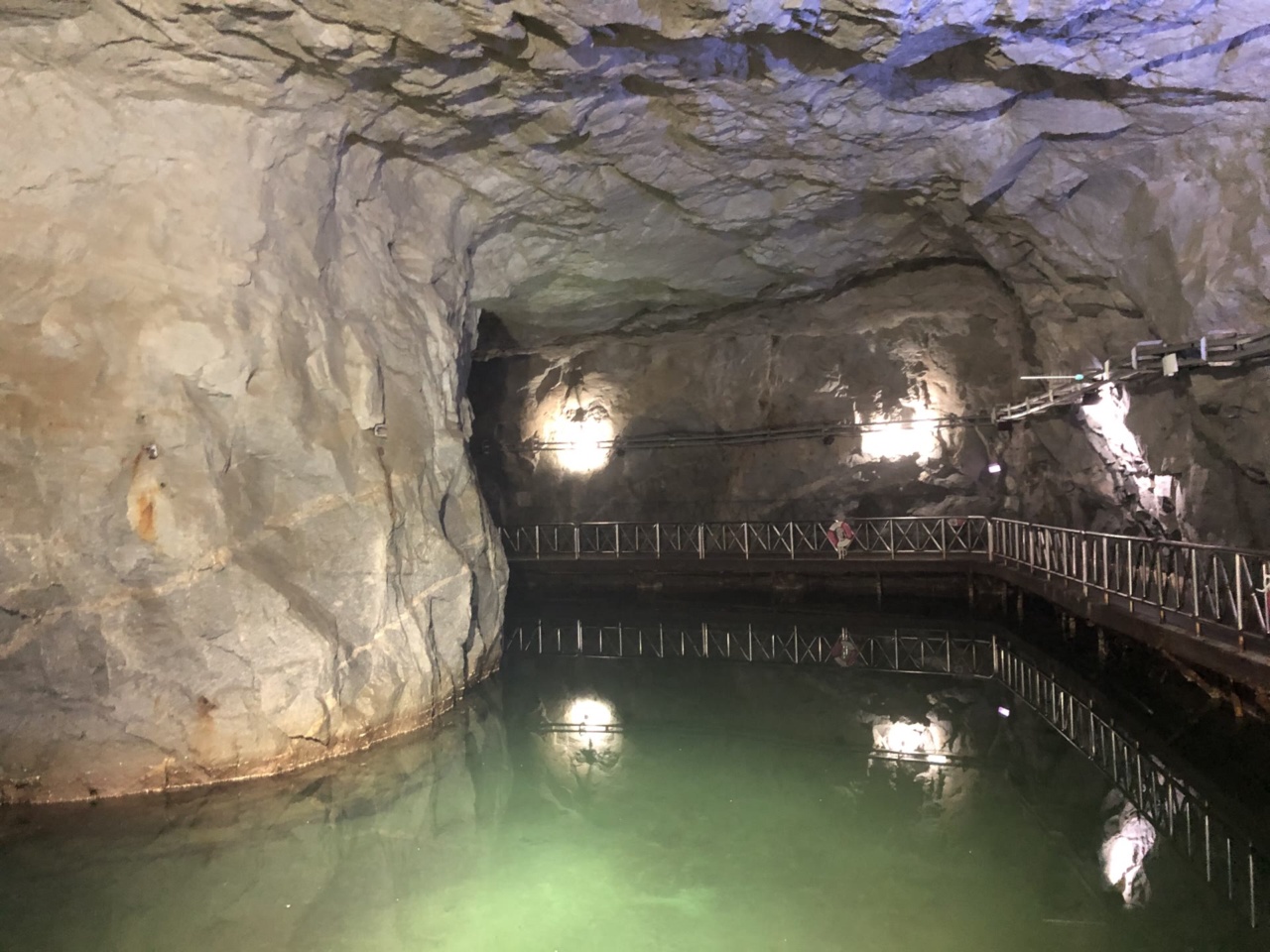
Zhaishan Tunnel: An engineering marvel carved out of solid granite. This A-shaped tunnel was built to protect supply boats from artillery fire. The reflections of the jagged rock in the still water create a hauntingly beautiful atmosphere. Visit around midday when the light enters the tunnel mouth for the best photos.
Kuningtou Battle Museum: This site commemorates the 1949 battle that halted the Communist advance. The museum displays paintings of the conflict, captured weapons, and the original tanks used in the defense. It is essential for understanding Kinmen's modern history.
Mashan Observation Station: The closest point to mainland China. You can walk through a long underground corridor to an observation post where high-powered binoculars allow you to see people on the beaches of Xiamen. The proximity is a stark reminder of the island's strategic position.
Cultural and Natural Gems
Shanhou Cultural Village: A well preserved complex of traditional Fujianese houses. The intricate stone carvings and sweeping swallow-tail roofs are stunning. Many of the houses now serve as small museums, snack shops, or guesthouses.
Mount Taiwu: The highest point on the island. A paved road leads to the summit, passing the famous "Forget Not That We Are in Ju" stone carving. At the top, you will find the serene Haiyin Temple.
Wind Lion Gods: Scattered throughout the villages are dozens of stone lion statues. These are unique to Kinmen and were erected to protect the residents from the fierce winds. Hunting for these statues is a popular way to explore the lesser-known corners of the island.
Overrated Attractions
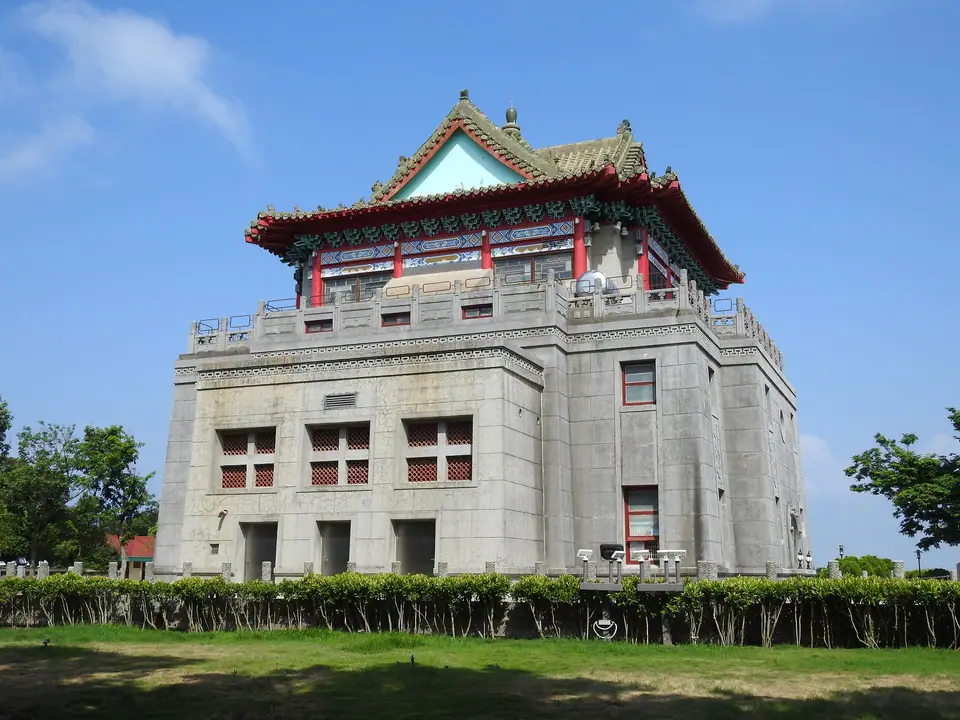
Juguang Tower: While it is the iconic symbol of Kinmen and appears on many postcards, the interior is a fairly standard museum. It is worth a quick photo stop for the architecture, but do not feel the need to spend a lot of time inside unless there is a specific temporary exhibit that interests you.
Everrich Duty-Free Plaza: Unless you are specifically looking for high-end luxury goods, this massive mall feels out of place with the rest of the island's rustic charm. Prices are not significantly lower than in other major Asian hubs.
Food and Drink
Kinmen's cuisine is distinct from both Taiwan and mainland China, influenced by its coastal location and the necessity of military rations in the past. Prices in this guide are rough estimates in US dollars, not official rates, and vary by venue and season.
Dish
Description
Where to Try
Typical Price
Guangdong Porridge
Rice grains boiled until they dissolve into a creamy soup, served with meatballs and liver.
Kincheng Old Town
$2 - $4
Fried Dough Sticks
Deeper and chewier than the Taiwanese version, perfect for dipping in porridge.
Breakfast stalls
$0.50 - $1
Taro Shaved Ice
Lesser Kinmen is famous for its fragrant, creamy taro.
Lieyu Township
$3 - $5
Oyster Omelet
Uses tiny, flavorful stone oysters harvested from the local coast.
Kuningtou Village
$3 - $4
Kinmen Kaoliang
A potent sorghum liquor. The island's most famous export.
Anywhere
$10+ per bottle
Street Food Culture: The best place for street food is Kincheng's Mofan Street and the surrounding alleys near the Jincheng Bus Station. Most local eateries close early, often by 7:00 PM or 8:00 PM, so do not wait too late for dinner. For a unique snack, try "Gong Tang" (peanut candy).
Where to Stay
Accommodation in Kinmen ranges from modern hotels to atmospheric traditional guesthouses. For the best experience, stay in a restored Minnan-style house.
Budget ($20 - $40): Look for simple hostels in Kincheng or basic guesthouses in the villages. You can find clean, comfortable rooms at these prices.
Mid-Range ($50 - $90): This is the sweet spot for Kinmen. Stay in a restored traditional guesthouse in villages like Shuitou or Zhushan. These offer modern amenities (AC, private bathrooms) inside historic, beautifully restored courtyards.
Upscale ($100+): There are a few larger, modern hotels in Kinhu and Kincheng that offer full services, gyms, and breakfast buffets. These are less "authentic" but offer the highest level of comfort.
Practical Tips
Safety: Kinmen is incredibly safe. Crime is almost non-existent. The biggest danger is wandering into restricted military zones or coastal areas outside the marked paths.
Payment: Cash is king in small villages and local eateries. Larger hotels and the duty-free mall accept credit cards. ATMs are widely available in Kincheng and Shanwai.
Internet: Taiwan-based SIM cards work perfectly. If you are arriving from Xiamen, your mainland Chinese SIM will likely go into roaming mode.
Language: Mandarin is the official language, and the local Hokkien dialect is widely spoken. English proficiency is generally low outside of major hotels and some tourist information centers. Using a translation app is highly recommended.
Water: Do not drink the tap water. Bottled water is cheap and available everywhere.
Etiquette: When visiting ancestral shrines, be respectful and avoid loud behavior. Ask permission before photographing locals, especially the elderly.
Day Trips
Lieyu (Lesser Kinmen): Kinmen Bridge connects Lieyu to the main island, so reaching the island no longer depends on a ferry. To explore Lieyu, arrange local transport in advance.[1]
Dadan and Erdan Islands: These are former frontline islets. Access can be restricted, so check with the local tourism bureau whether and how you can visit.
Xiamen, China: If you have the appropriate visa (or are from a country with visa-free transit), a day trip to Xiamen is possible. However, Xiamen is a massive city that deserves its own time, and the contrast with Kinmen's quietude can be jarring.
Sample 3-Day Itinerary
Day 1: The Heart of Military History
Morning: Arrive and rent a scooter in Kincheng. Head straight to the Zhaishan Tunnel to beat the tour buses. Afterward, explore the nearby Shuitou Village to see the Deyue Gun Tower and traditional Western-style villas built by returning overseas Chinese.
Afternoon: Drive north to the Kuningtou Battle Museum and the Beishan Ancient House, which still bears the bullet holes from the 1949 conflict. Walk along the nearby cliffs to see the massive "Sonic Warfare" loudspeakers facing China.
Evening: Explore Kincheng Old Town. Walk through Mofan Street, visit the Qing Military Headquarters, and have a bowl of Guangdong Porridge for dinner.
Day 2: Peaks and Traditions
Morning: Head to the eastern side of the island and hike up Mount Taiwu. It offers the best views of the archipelago. Visit the Haiyin Temple at the summit.
Afternoon: Descend and head to Shanhou Cultural Village for lunch. Spend the afternoon exploring the traditional houses. On your way back, stop at the Mashan Observation Station to peer across to the mainland.
Evening: Visit the village of Shanwai for a different vibe. Eat at a local beef noodle shop. Kinmen is famous for its yellow beef, often raised on sorghum mash.
Day 3: Lesser Kinmen and Wind Lions
Morning: Cross Kinmen Bridge to Lieyu (Lesser Kinmen). Rent a scooter and circle the island, visiting the Lingshui Lake for birdwatching and the various coastal bunkers.
Afternoon: Return to the main island and spend your final hours "Wind Lion Hunting." Use a map from the visitor center to find at least five different statues in the Kinsha or Kinning townships. Each one has a unique expression and cape.
Evening: Pick up some Kaoliang liquor and Gong Tang (peanut candy) as souvenirs before heading to the airport or ferry terminal.
Budget Overview
These daily budgets are rough own estimates in US dollars, not official prices.
Category
Budget
Mid-Range
Comfort
Accommodation
$25
$65
$120
Food
$15
$30
$60
Transport
$5 (Bus)
$15 (Scooter)
$50 (Car)
Activities
$5
$10
$20
Daily Total
$50
$120
$250
Frequently Asked Questions
Is Kinmen worth visiting?
Yes, Kinmen is a unique destination that offers a rare blend of Cold War military history and authentic Minnan culture. It is perfect for travelers who enjoy exploring at a slower pace, historical enthusiasts, and those looking for a destination that feels significantly different from the urban centers of Taiwan or mainland China.
How many days do you need in Kinmen?
Three days is the ideal amount of time to see the main highlights of both Greater and Lesser Kinmen. If you are a serious history buff or want to explore every traditional village and find all the Wind Lion Gods, you could easily spend five days without getting bored.
Is Kinmen safe for tourists?
Kinmen is considered very safe with low crime. The main safety considerations are traffic if you are riding a scooter and staying within marked paths in coastal areas, as some remote regions are restricted military zones.
What is the best way to get around Kinmen?
Renting a scooter is the best way to get around as it provides the most flexibility to visit remote villages and coastal bunkers. For those who don't ride, the 'Taiwan Trip' tourist shuttle buses are an excellent and affordable alternative that covers all major sights.
Can you see China from Kinmen?
Yes, the mainland (specifically Xiamen) is clearly visible from the northwestern and northeastern coasts of Kinmen. At the Mashan Observation Station you can see buildings and even people on the other side across a short stretch of water.
What is the most famous souvenir from Kinmen?
Kinmen is most famous for its Kaoliang (sorghum) liquor and its 'artillery knives,' which are blacksmith-forged from the remains of shells fired at the island. Other popular items include Gong Tang (peanut candy) and dried beef jerky.
Do I need a different visa for Kinmen if I am in Taiwan?
No, if you have a valid visa or visa-exempt entry for Taiwan, you can travel to Kinmen freely. However, if you are planning to travel between Kinmen and mainland China via the ferry, you must ensure you have the appropriate visas for both jurisdictions.
Is English widely spoken in Kinmen?
English is not widely spoken by the general population, especially in rural villages. While younger people and staff at major hotels or the visitor center may speak some English, it is helpful to have a translation app and your destination names written in Chinese characters.
Sources and background
Numbers in the text such as [1] refer to these sources.
[1]Kinmen County Government (Kinmen Travel): Kinmen Bridge. Retrieved October 15, 2026.
[2]Kinmen County Government (Kinmen Travel): How to get to Kinmen. Retrieved October 15, 2026.