Arugam Bay surfing: season, lessons and practical planning
Photo: Max Ravier / Pexels
Contents
Arugam Bay is Sri Lanka's surf town on the east coast, a string of point breaks along the coast. Plan the trip around your level, the season and how you will reach the break you choose. For a first lesson, pick a good instructor and a supervised session over a famous name. If you already surf, look at the day's conditions and the access to each point.
The four main surf points include Arugam Point and Crocodile Rock, and the most talked-about of all is Pottuvil Point, also known as Peanut Farm.[1]
Choose the session before the surf spot
| Your experience | Good starting point | What to ask |
|---|---|---|
| First-time surfer | A beginner lesson with an instructor who reads the conditions that day | Group size, board type, briefing and where you will enter the water |
| Learning to catch waves on your own | An intermediate session that works on paddling, positioning and wave choice | How the instructor will support you in the lineup |
| Experienced surfer | The break that suits the swell, the tide and your ability | The way in, the way back and any local lineup rules |
A friendly name such as Baby Point does not mean flat water or no current. Whiskey Point, Elephant Rock and the more remote breaks are not automatically right for every level either. Ask which break your session uses; schools move between spots as conditions change.
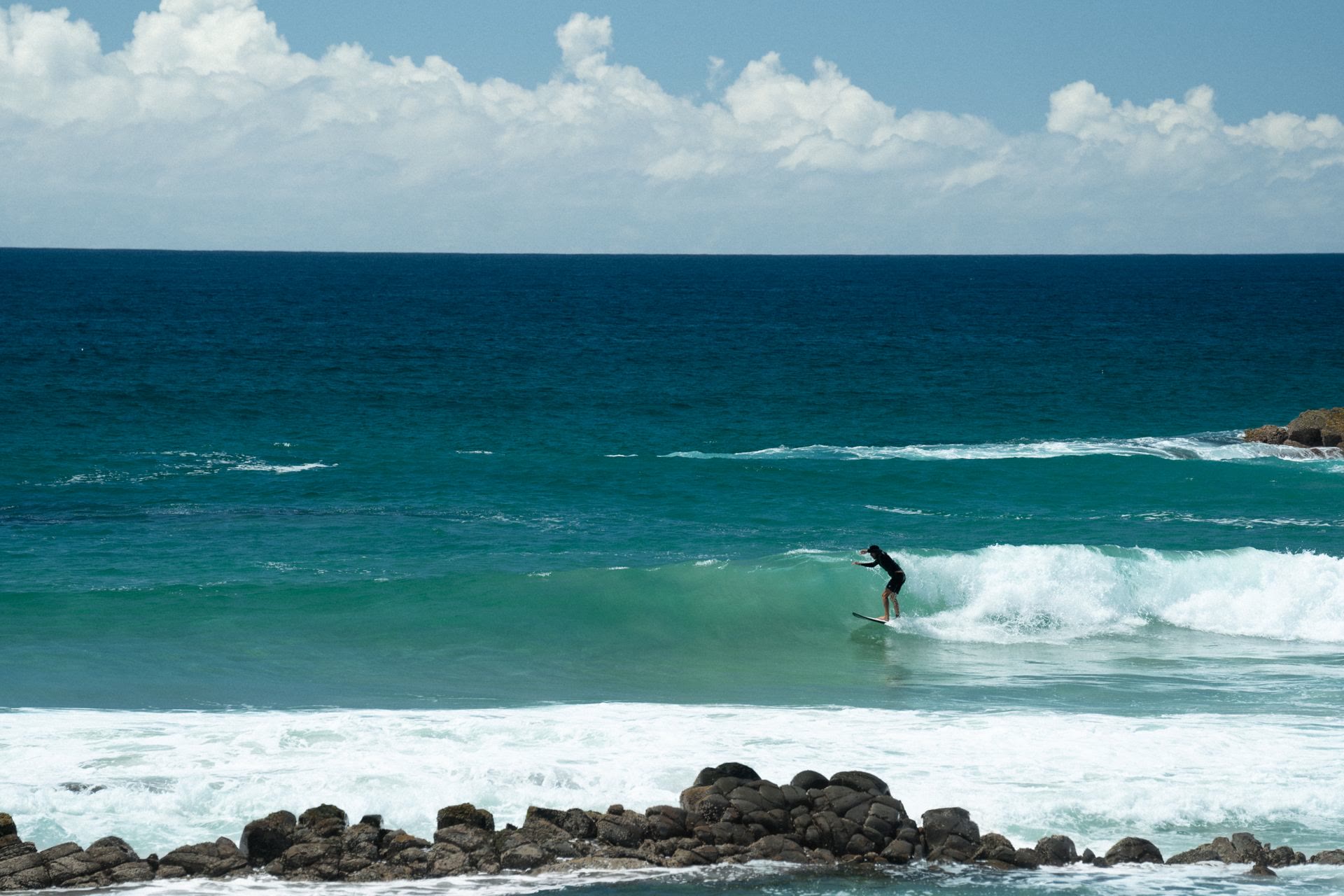
Pottuvil Point is the one for experienced surfers who like long waves: a sandy point beach dotted with big boulders, with rides of about 800 metres from the outside section through to the beach.[1] The wave builds through the day, so be on the beach by 10:00.[1]
Things to Do
Offers are only loaded from GetYourGuide after you click. GetYourGuide can then process your IP address and set cookies. Privacy Policy
GetYourGuide partner offers. GoAsia may earn a commission if you book through these offers. Check whether tickets or transfers are included, and follow the attraction's official booking and admission rules.
Season and conditions
The surf season runs from April to October.[2][1] Sri Lanka Tourism also names May to November as the best period, so the shoulders of the season can still deliver.[2] Before you paddle out, read the Department of Meteorology forecasts and sea-area advisories.[3]
Schools also teach outside the main season: Dylan's runs beginner classes from November to March when conditions allow.[4] Ask what happens if a session cannot go ahead, and whether a change of break adds transport costs.
A lesson-price example
Dylan's Surf Company, a school in Arugam Bay, publishes these prices per person per lesson.[4]
| Lesson | Duration | Price per person, per lesson |
|---|---|---|
| Beginner | 1 hour 15 minutes | LKR 5,000[4] |
| Beginner | 2 hours 30 minutes | LKR 9,000[4] |
| Intermediate | 2 hours 30 minutes | LKR 9,500[4] |
| Guaranteed private lesson | 1 hour 15 minutes / 2 hours 30 minutes | LKR 7,000 / LKR 13,000[4] |
A lesson includes a surfboard (a soft top for beginners) and a rashguard. Transport is extra. Each instructor teaches at most 3 people, and several of the instructors are accredited by the International Surfing Association.[4] Packages of several lessons bring the price per lesson down, for example LKR 4,700 per beginner lesson in a package of 3 to 5 lessons of 1 hour 15 minutes.[4]
Transport to the break is paid separately. In a table dated 8 March 2024, Dylan's lists tuk-tuk transport from LKR 600 to Baby Point to LKR 3,000 to Whiskey Point, Pottuvil Point and Peanut Farm, so ask for today's price.[4]
Boards, accommodation and the complete budget
Compare whole-session prices: instruction, board, rashguard, transport, deposit and cancellation. Keep board hire per day separate from instruction per lesson. If you bring your own board, check the airline's size limits and fees, and agree with your driver how the board will travel.
Choose your room by its real location, board storage, meals and distance from the pickup point. Ask for the total per room or bed for your dates, and check whether air conditioning or a pool is included.
Arrival and separate outings
Get a dated quote for the journey from your starting point, whether Colombo, the airport, Ella or another east-coast town. Ask about the departure point, any changes, luggage and board space, and the final drop-off.
For a national-park outing, visitors enter with a permit issued by the Department of Wildlife Conservation for the prescribed fee.[5] Ask your guesthouse which park and route the safari uses and what the total is. The drive to the Peanut Farm takes about 20 minutes through forest where elephants live.[1]
Practical checks for a better trip
- Ask who teaches: experience, qualifications, group size and how the session fits your level.
- Check the break for today: a named break is not always gentle or free of currents.
- Respect the lineup: follow local instructions and keep out of other surfers' way.
- Compare complete prices: include transport for people, boards and instructors, and the cancellation terms.
- Keep your return clear: agree pickup time, waiting and where the boards are kept.
Use Sri Lanka travel information for the wider journey and the Unawatuna guide if you add a stay on the southern coast.
Sources and background
Numbers in the text such as [1] refer to these sources.
- [1] Sri Lanka Tourism Promotion Bureau: Arugambay and Pottuvil Point: named surf destinations. Retrieved October 21, 2026.
- [2] Sri Lanka Tourism Promotion Bureau: Arugam Bay: published surf-season descriptions. Retrieved October 21, 2026.
- [3] Department of Meteorology, Sri Lanka: Current weather forecasts and warnings. Retrieved October 21, 2026.
- [4] Dylan's Surf Company: Own published surf-lesson prices and transport exclusions. Retrieved October 21, 2026.
- [5] Department of Wildlife Conservation, Sri Lanka: National-park permit requirements. Retrieved October 21, 2026.
Frequently Asked Questions
The surf season runs from April to October, and Sri Lanka Tourism names May to November as the best period. Check the forecast and ask your school about the actual session before you book.
At Dylan's Surf Company, a beginner lesson costs LKR 5,000 for 1 hour 15 minutes or LKR 9,000 for 2 hours 30 minutes, per person per lesson. The price includes a board and rashguard but not transport.
Yes, with a supervised beginner session. Ask the instructor about the break, equipment and group size, and what happens if conditions are unsuitable. Do not judge a break by its name alone.
Pottuvil Point, also called Peanut Farm, with rides of about 800 metres from the outside section to the beach. It suits experienced surfers.
Schools include a board in the lesson price. If you bring your own, check your airline's size limits and fees and agree with your driver how the board will travel.
Get a dated quote for the journey from your starting point, including changes, board luggage and the final drop-off. Ask whether the price is for the whole vehicle or per person, and arrange your return.
Visit a national park with a permit from the Department of Wildlife Conservation, or ask your guesthouse about lagoon and temple trips. Check access, providers and the total price first.
Yes. Book your room, transport and a supervised lesson in advance, agree pickup and return times with your provider, and choose sessions that match your ability.