Peradeniya Botanical Gardens: Plan Your Kandy Visit
Contents
- 1. Choose the collections that interest you
- 2. Published entrance prices and opening hours
- 3. Getting there from Kandy or by train
- 4. Weather, walking and visitor facilities
- 5. A botanical institution, not only a park
- 6. Combining Peradeniya with the rest of Kandy
- 7. Sources and background
- 8. Frequently Asked Questions
Peradeniya suits a Kandy itinerary when you want time among plants rather than another tightly scheduled sightseeing stop. Pick a few interests first, such as orchids, palms or the great Java fig tree, and build a walk around them. Allow time for the journey, tickets, breaks and the return, and do not treat the gardens as a checklist.
| Visit choice | When it suits you | What to plan |
|---|---|---|
| A focused garden walk | You have limited time or want a manageable outing. | Your priority collections |
| A longer botanical visit | You want to read labels, photograph plants and explore several collections. | More time, weather protection and rest stops |
| Gardens plus central Kandy | You want another stop later in the day. | The return transfer and separate venue times |
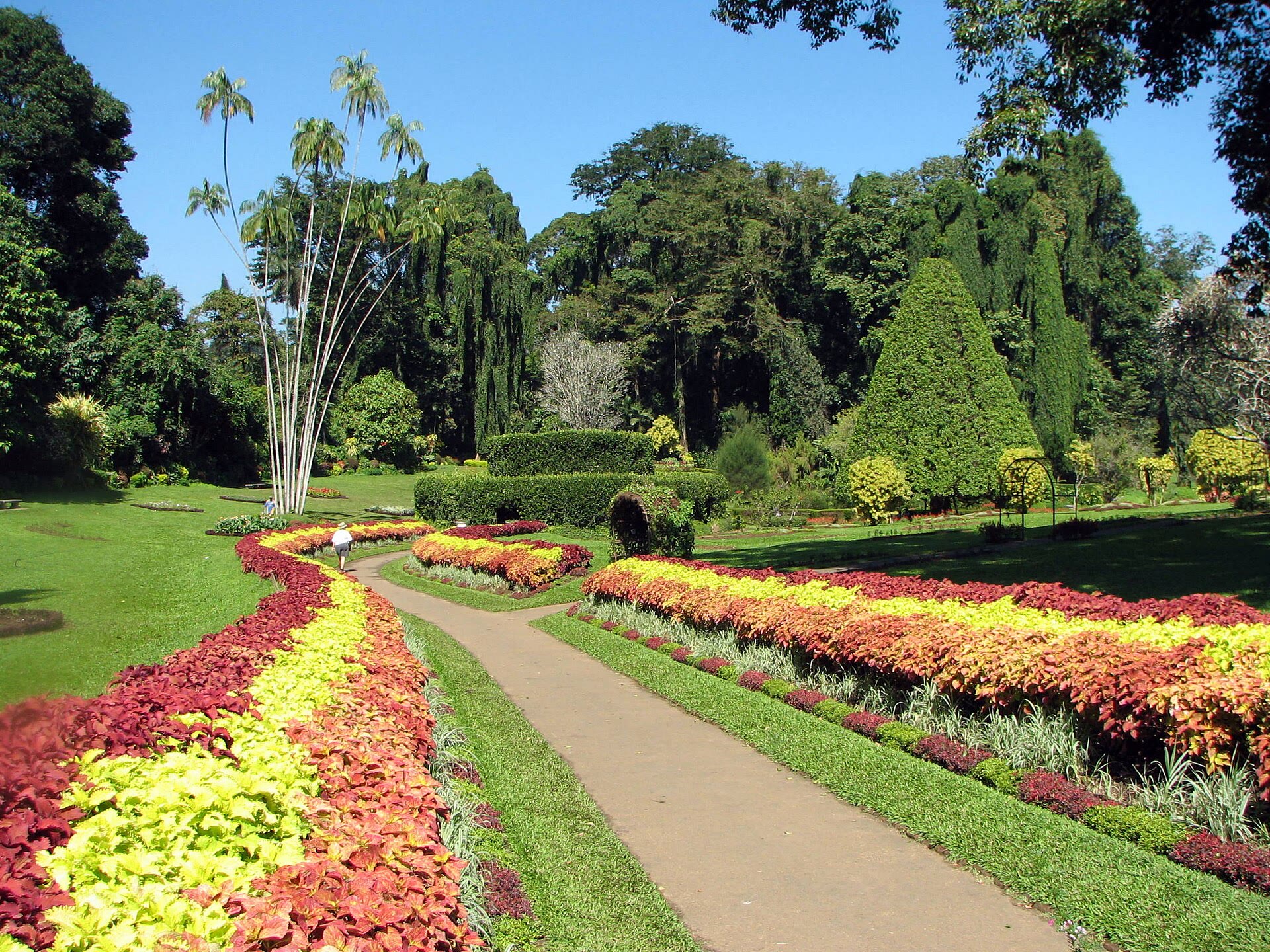
Peradeniya lies less than 5.5 km from Kandy on the Colombo Road, in a loop of the Mahaweli River that surrounds it on all sides except the south.[1] The gardens cover about 60 hectares and hold more than 4,000 plant species, from woody trees and palms to ferns and orchids.[1]
Choose the collections that interest you
The official garden page describes the main collections. Choose a few, ask staff which paths are open and let the rest go.
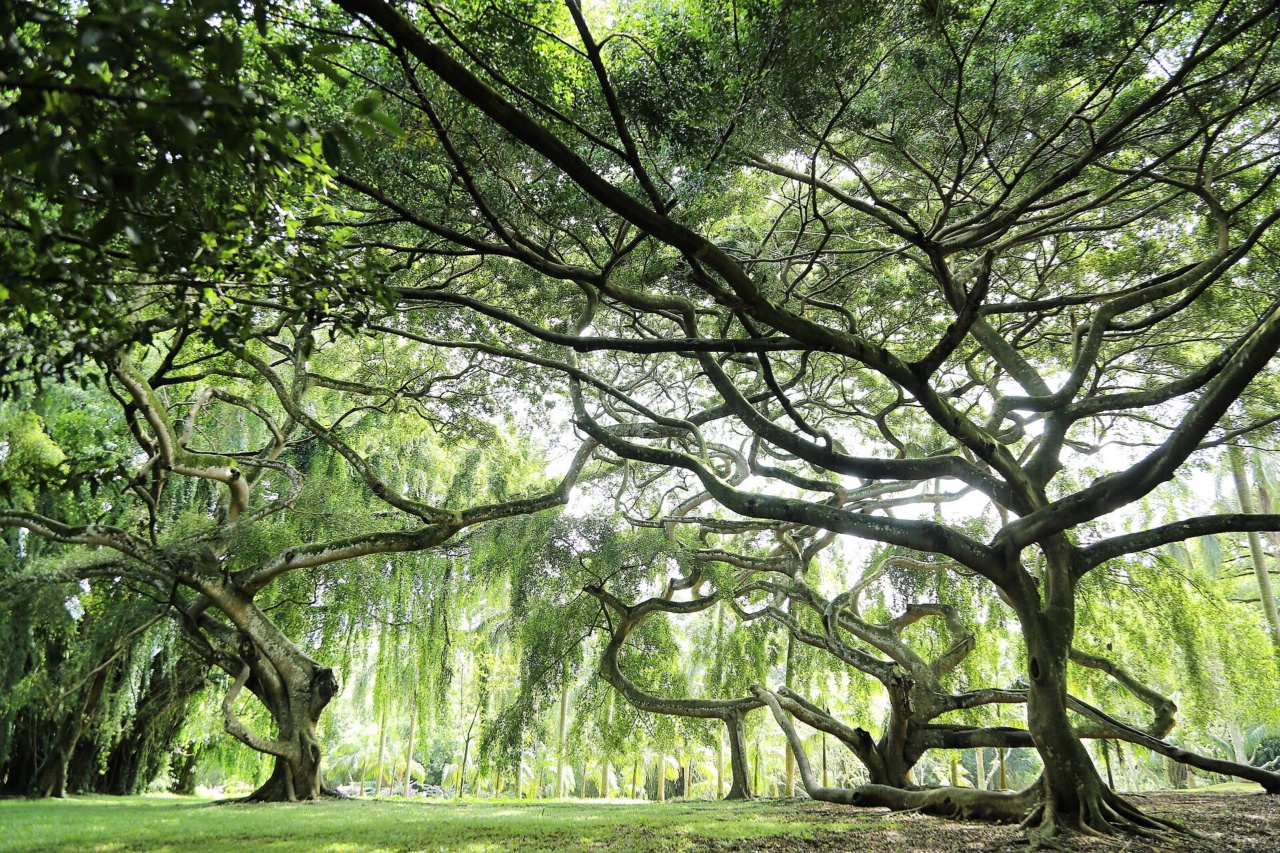
- Great Lawn and Java fig: Close to Monument Road, the Great Lawn is centred on a Java fig (Ficus benjamina) that stands like a giant living umbrella.[1]
- Palms: There are over 200 species of palms in the gardens, and the most remarkable is the double coconut (Lodoicea maldivica) from the Seychelles.[1]
- Spice trees: Some of the oldest nutmeg trees, planted in 1840, are still in full bearing, alongside bay leaf (Pimenta racemosa) and allspice (Pimenta dioica) trees.[1] Look and smell, but do not pick plants.
- Orchids and ferns: Orchids and ferns are among the main collections, so ask staff what is on display on your day.[1]
- Arboretum and cacti: An extensive arboretum of 20 ha holds approximately 10,000 trees, and the gardens also grow aloes, agaves and other cacti.[1]
If particular plants are your main reason for going, ask what is flowering rather than relying on a calendar. A guide can help identify species: ask the garden for the current fee and availability.
Things to Do
Offers are only loaded from GetYourGuide after you click. GetYourGuide can then process your IP address and set cookies. Privacy Policy
GetYourGuide partner offers. GoAsia may earn a commission if you book through these offers. Check whether tickets or transfers are included, and follow the attraction's official booking and admission rules.
Published entrance prices and opening hours
The gardens are open from 07:30 to 18:00 on 365 days of the year, with ticketing from 07:30 to 17:00. The café and restaurant are open from 08:00 to 17:00.[1]
| Overseas category | Admission per visit | Condition |
|---|---|---|
| Foreign adult | LKR 3,540[1] | Older than 12 |
| Foreign student | LKR 2,360[1] | Proof of student status required |
| Foreign child | LKR 1,770[1] | Ages 5 to 12 |
Keep admission, transport and guiding as separate budget items, and bring your student ID if you hold one.
Getting there from Kandy or by train
From Kandy, take a bus or tuk-tuk out along the Colombo Road. For a bus, ask the driver or conductor to confirm the garden stop. For a tuk-tuk or car, agree the price before you set off, say whether it is one-way or includes waiting and the return, and settle where you will meet again.
If you arrive by train, check that your train stops at Peradeniya Junction and arrange the separate leg to the garden entrance. Sri Lanka Railways publishes service notices and timetables.
Weather, walking and visitor facilities
Check the Department of Meteorology forecast before you set out, and shift the route or timing when the weather makes a long walk unpleasant. A morning start is cooler and quieter.
Wear walking shoes and bring drinking water and sun or rain protection. Ask staff about open paths and accessibility for your needs, and eat at the café or in places where eating is permitted.
Watch animals without feeding, approaching or blocking them, and follow staff instructions if wildlife is nearby. Keep belongings secure and take your waste with you.
A botanical institution, not only a park
The Royal Botanic Gardens at Peradeniya were established in 1821, six years after the final occupation of the Kandyan Kingdom by the English.[1] The National Herbarium of Sri Lanka is attached to the gardens.[1]
Read the labels and take time with the differences between plants rather than judging the visit by photographs. Stay on permitted paths and follow instructions about plants and restricted areas.
Combining Peradeniya with the rest of Kandy
A later visit to the Temple of the Tooth, time by Kandy Lake or a cultural performance each have their own opening and show times, so agree the return from the gardens before you book anything else.
If the gardens are your main interest, keep the later itinerary flexible instead of rushing between collections. Use Sri Lanka travel information to connect Kandy with the wider hill-country journey.
Sources and background
Numbers in the text such as [1] refer to these sources.
- [1] Department of National Botanic Gardens, Sri Lanka: Royal Botanic Gardens Peradeniya. Retrieved October 21, 2026.
Frequently Asked Questions
Yes, if you like plants. The gardens hold more than 4,000 species, including over 200 palms, orchids, ferns and spice trees. Choose a focused walk or allow longer, depending on your interests and mobility.
Overseas visitors pay LKR 3,540 per visit if they are older than 12, LKR 2,360 for foreign students with proof of status and LKR 1,770 for foreign children aged 5 to 12. Transport and guiding are separate.
The gardens are open from 07:30 to 18:00 on 365 days of the year, with ticketing from 07:30 to 17:00. The café and restaurant are open from 08:00 to 17:00.
The gardens are less than 5.5 km from Kandy on the Colombo Road. Take a bus, ask the driver or conductor to confirm the stop, or agree a tuk-tuk price in advance. By train, check that your train stops at Peradeniya Junction and arrange the leg to the entrance.
Choose the collections you want to see, then add walking, breaks and the return journey. Plant enthusiasts will want more time than visitors on a focused walk.
Ask staff where eating is permitted. The café and restaurant are open from 08:00 to 17:00.
Yes. Plan the garden visit, return transport and temple access as separate parts of the day, and confirm any ceremony or cultural-show times.