Temple of the Tooth in Kandy: tickets and daily services
Contents
- 1. Understand the relic, buildings and royal setting
- 2. Choose a daily service or a broader visit
- 3. Admission categories and what the ticket includes
- 4. Clothing, screening and assistance
- 5. Reach Kandy and finish the journey to the entrance
- 6. Combine Kandy stops
- 7. Festivals and expositions
- 8. Sources and background
- 9. Frequently Asked Questions
The Temple of the Sacred Tooth Relic is a living place of worship, so go for the services and the atmosphere, not for a guaranteed view of the relic. Sri Dalada Maligawa in Kandy combines religious services, Kandyan architecture and museums. Decide whether you want to attend a daily service or spend your time on the wider complex, then plan your arrival around that.
Leave one to two hours for a first visit, and more if you add the museums. Allow for security, queues and transport, and keep any time-bound onward travel apart from your service plans.
Understand the relic, buildings and royal setting
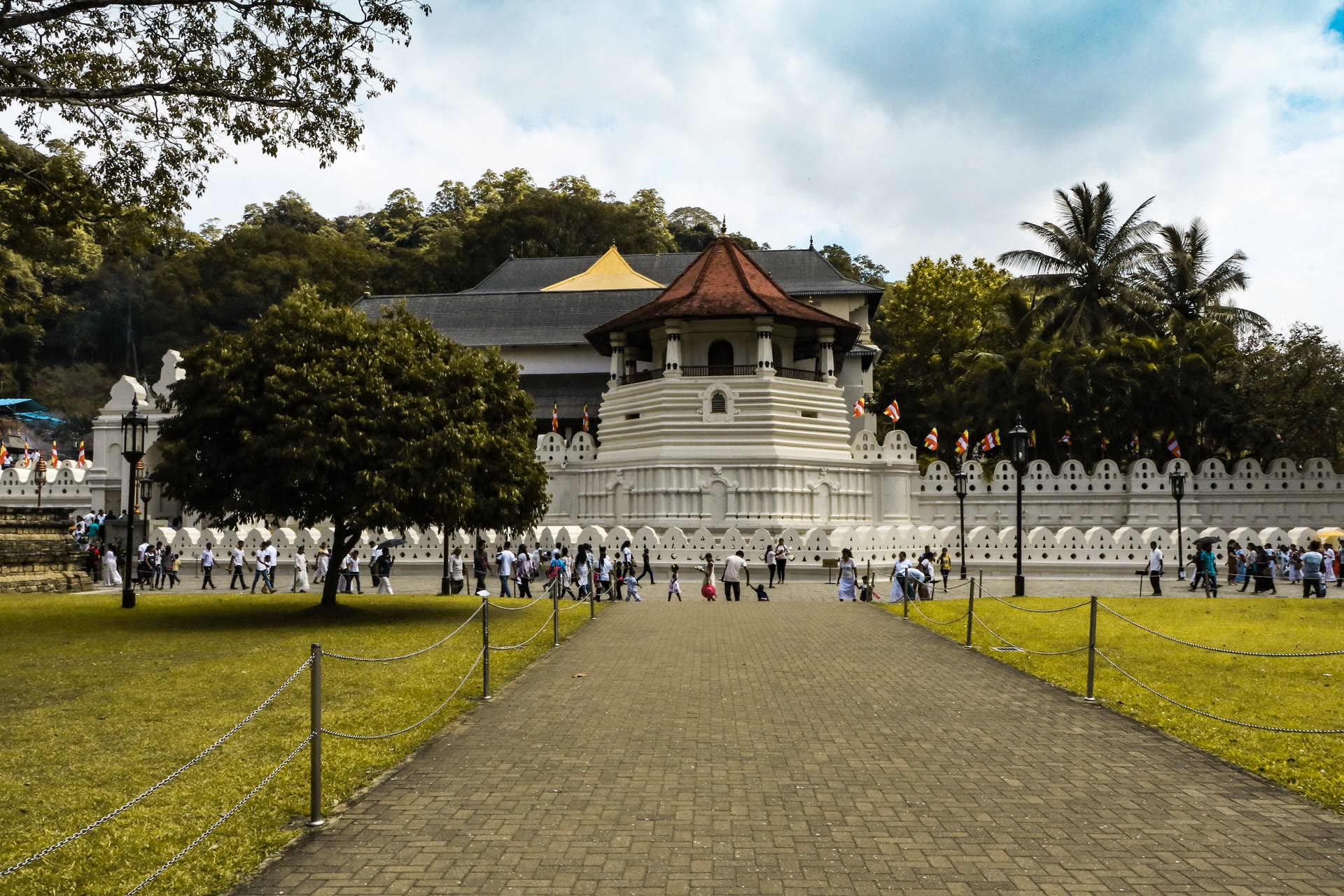
The temple's historical account describes the enshrined relic as a tooth of Gautama Buddha, venerated by Buddhists, and explains its role as a symbol of Sri Lankan kingship. The complex stands beside the former Royal Palace and Kandy Lake.[1] Its religious role is the key to the visit.
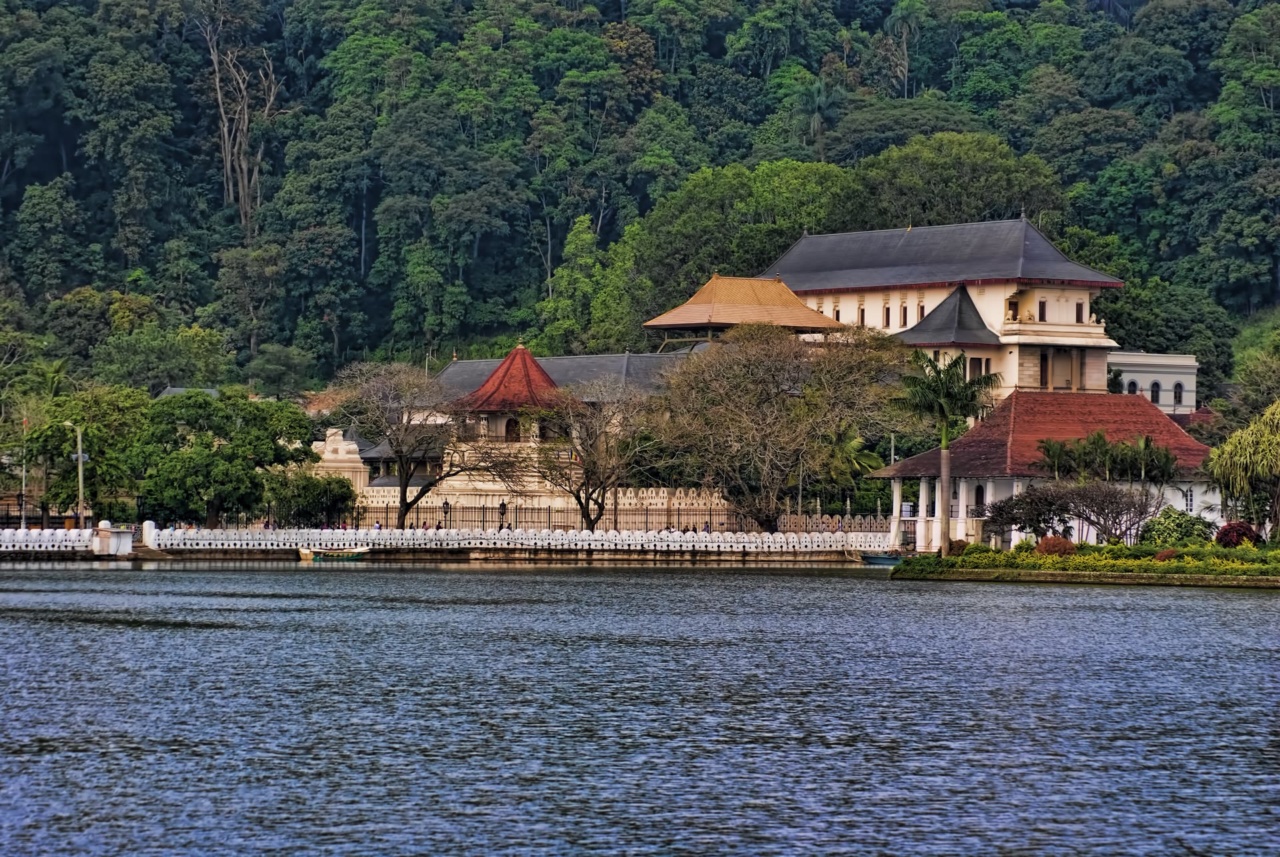
The first shrine in Kandy was built during the reign of Wimaladharmasuriya I, from 1592 to 1604, and later rulers built and renovated successive structures. An eighteenth-century two-storey shrine is among the buildings visible today.[1] The carved Kandyan decoration belongs to a layered complex, not to one unchanged building from the sixteenth century.
UNESCO lists the Sacred City of Kandy, the last capital of the Sinhala kings until British occupation in 1815, and its description includes the Temple of the Tooth as a pilgrimage site.[2] The royal setting and the temple belong together.
Things to Do
Offers are only loaded from GetYourGuide after you click. GetYourGuide can then process your IP address and set cookies. Privacy Policy
GetYourGuide partner offers. GoAsia may earn a commission if you book through these offers. Check whether tickets or transfers are included, and follow the attraction's official booking and admission rules.
Choose a daily service or a broader visit
The temple holds three daily Thewawa services, in Sri Lankan local time.[3] Pick the one that fits your day and arrive early for screening and footwear storage. Every Wednesday at 09:30 the Nanumura Mangallaya takes place, the bathing of the Sacred Tooth Relic with a special herbal preparation.[3]
| Daily service | Time | Good to know |
|---|---|---|
| Early morning | 05:30 to 07:00[3] | Arrive early and plan your onward journey |
| Middle morning | 09:30 to 11:00[3] | Leave time for the museums and other visitor areas |
| Evening | 18:30 to 20:00[3] | Plan your return transport and a lake walk by daylight first |
A daily service is not a public showing of the relic. The relic is displayed only at specially announced expositions, which have their own visitor instructions.[4] If seeing the relic is your main reason for travelling, wait for an announced exposition.
Admission categories and what the ticket includes
| Visitor category or detail | Official information |
|---|---|
| SAARC countries | 2,500 LKR per visitor[3] |
| Thailand and Myanmar | 2,500 LKR per visitor[3] |
| Other foreign countries | 3,000 LKR per visitor[3] |
| Included places | Temple, Dalada Museum, World Buddhist Museum, Tusker Museum and Royal Elephant Stable[3] |
| Ordinary opening | Daily 05:30 to 20:00[3] |
Visitors from Thailand and Myanmar pay the same 2,500 LKR as SAARC visitors.[3] Confirm any child or local arrangements at the entrance, where two separate booths serve local devotees and foreign tourists.[3]
Tickets are issued automatically by the temple's own machines, and tickets or fees issued by other individuals or institutions are not valid.[3] Buy at the official counter, not from someone offering admission elsewhere. The ticket covers the museums, but check which of them are open when you arrive.
Clothing, screening and assistance
Shorts, sleeveless tops and body-revealing clothing are not permitted.[3] Wear clothing that covers your shoulders and knees. Appropriate clothing can be obtained at the entrances.[3] Hand over footwear, bulky luggage and non-essential items at the reception booths and keep the token.[3]
Everyone and everything, including offerings, is screened. Avoid plastic or polythene packaging for offerings and do not bring pets.[3] Follow staff instructions and keep worship routes clear. Ask before taking photographs indoors.
If you need assistance, call the administration on 0812234226 before you arrive. It arranges transport from the main entrance and the use of a lift.[3]
Reach Kandy and finish the journey to the entrance
Kandy is the hub for the highlands, with train, bus and car links from Colombo and beyond. Add the final stretch from the station or drop-off to the temple entrance, and the time for security, to your plan.
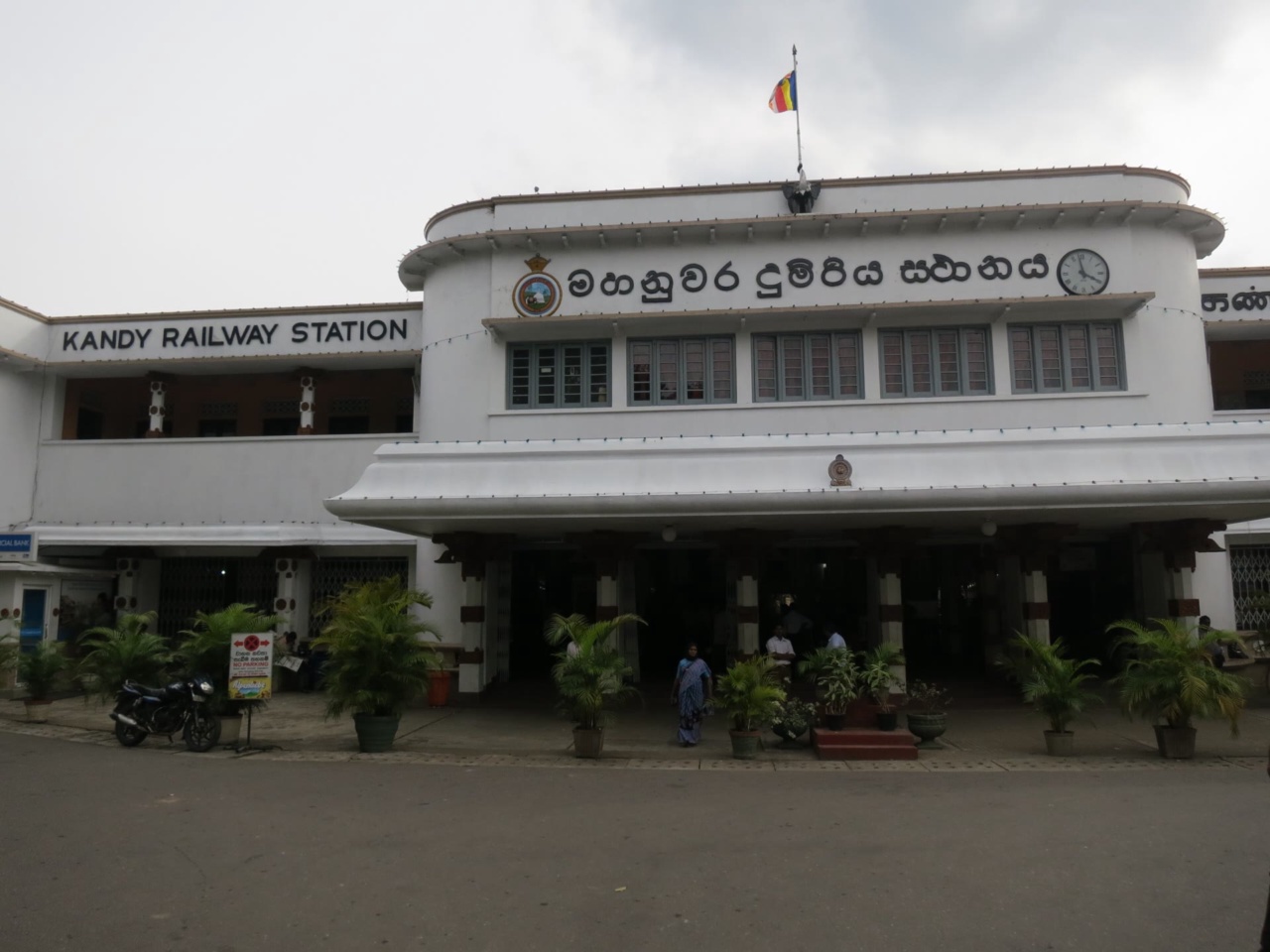
With a driver, agree the full price, the drop-off point and the return in advance. By public transport, work out how you will continue to the temple from your arrival point. Our Sri Lanka travel overview helps place Kandy in your wider journey.
Combine Kandy stops
Take a walk around Kandy Lake in daylight before the evening service, which ends at 20:00.[3] The museums on the temple ticket make a separate outing from off-site attractions or a dance performance, so check each venue's opening time, price and return transport if you add a show to your service.
Festivals and expositions
If the Esala Perahera procession or a special relic exposition is the reason for your trip, follow the temple's announcements for your year. They set the programme, visitor access and viewing arrangements, so book your stay only once the dates are public.
Sources and background
Numbers in the text such as [1] refer to these sources.
- [1] Sri Dalada Maligawa: History of the Temple of the Sacred Tooth Relic. Retrieved October 15, 2026.
- [2] UNESCO World Heritage Centre: Sacred City of Kandy. Retrieved October 15, 2026.
- [3] Sri Dalada Maligawa: Visitor FAQ: admission, daily services, clothing and assistance. Retrieved October 20, 2026.
- [4] Sri Dalada Maligawa: Siri Dalada Vandanawa exposition FAQ: special-event visitor arrangements. Retrieved October 15, 2026.
Frequently Asked Questions
Not on an ordinary visit or at a daily service. The relic is shown only at specially announced expositions with their own arrangements. If seeing it is the point of your trip, wait for an announced exposition.
Visitors from SAARC countries pay 2,500 LKR, and so do visitors from Thailand and Myanmar. Visitors from all other foreign countries pay 3,000 LKR. Confirm child or local arrangements at the entrance.
The ticket covers the temple, Dalada Museum, World Buddhist Museum, Tusker Museum and Royal Elephant Stable. Only tickets issued by the temple's own machines are valid, so buy at the official counter.
The temple is open daily from 05:30 to 20:00 in Sri Lankan local time. The three daily services run from 05:30 to 07:00, from 09:30 to 11:00 and from 18:30 to 20:00. Arrive early for screening and footwear storage.
Wear clothing that covers your shoulders and knees; shorts, sleeveless and body-revealing clothing are not permitted, and appropriate clothing is available at the entrances. Leave footwear, bulky luggage and non-essential items at the reception booths and keep the token. Avoid plastic packaging for offerings and do not bring pets.
Yes. The administration arranges transport from the main entrance and the use of a lift. Call 0812234226 before you arrive.
Choose a train, bus or driver for your date, and add the last stretch to the temple, screening and waiting to your plan. With a driver, agree the price, drop-off and return in advance.
Yes. Walk around Kandy Lake in daylight before the evening service, which runs to 20:00. The museums on the temple ticket have their own opening times. For Esala Perahera or a relic exposition, follow the temple's announcements for your year.