Ban Gioc Waterfall: Reaching Vietnam's Most Spectacular Border Cascade

Ban Gioc Waterfall: Reaching Vietnam's Most Spectacular Border Cascade

Last updated: March 18, 2026

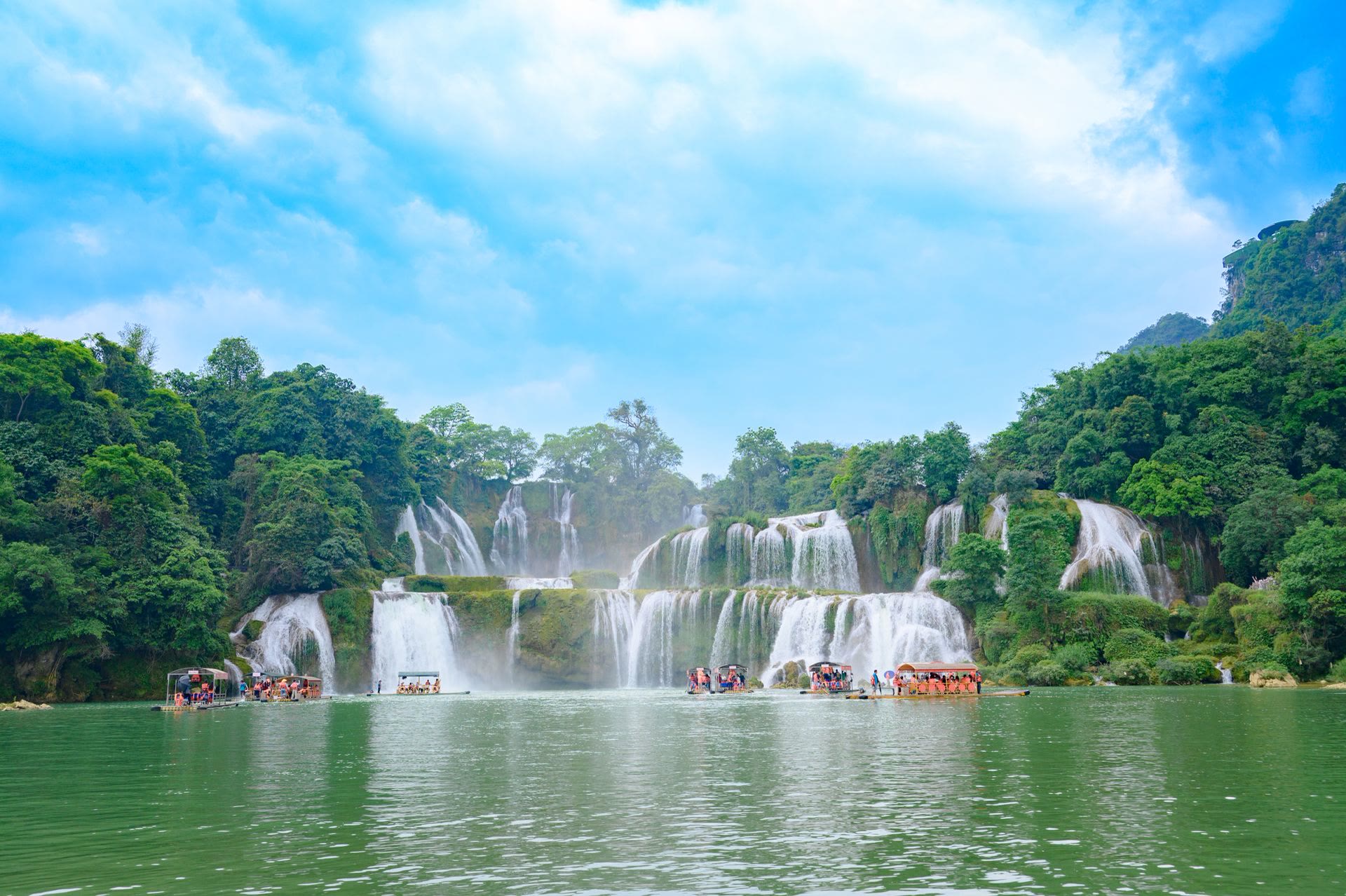
Ban Gioc Waterfall splits the border between Vietnam and China with 300 meters of thundering white water plunging 30 meters into a turquoise pool surrounded by jungle-covered karst peaks. It is the largest waterfall in Vietnam, the fourth-largest cross-border waterfall in the world, and one of the most remote major natural attractions in Southeast Asia. The Chinese side is known as Detian Falls, and on clear days you can see visitors from both countries watching the same cascade from opposite banks of the Quay Son River.

Getting here requires commitment. Ban Gioc sits in Cao Bang Province, roughly 335 kilometers north of Hanoi by winding mountain roads that pass through some of the most dramatic scenery in all of Vietnam. There are no direct flights, no trains, and no quick transfers. Most travelers spend at least two days making the journey, and those who do are rewarded with a waterfall that feels genuinely undiscovered compared to the well-trodden tourist circuits of Ha Long Bay or Sapa.

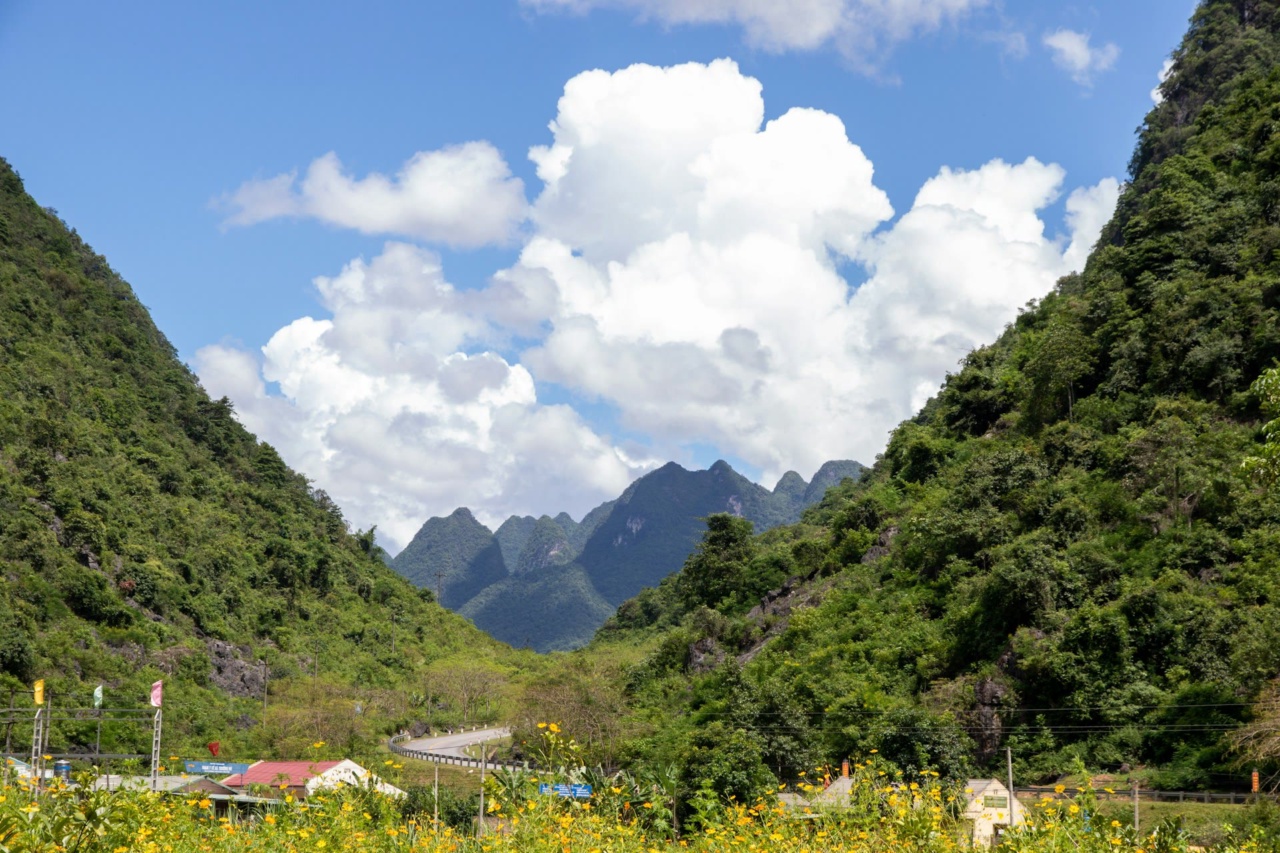
The payoff extends beyond the waterfall itself. The drive through Cao Bang's limestone valleys, terraced rice paddies, and ethnic minority villages is an experience in its own right. Combined with nearby attractions like Nguom Ngao Cave and the ancient stone village of Khuoi Ky, Ban Gioc makes a compelling case as the highlight of any northern Vietnam itinerary.

The Waterfall Up Close

Ban Gioc Waterfall is actually a system of cascades. The main falls drop in three tiers across the full width of the Quay Son River, creating a curtain of mist that hangs in the valley even on dry days. During the wet season (June through September), the volume can be staggering - the river swells to fill the entire 300-meter span, and the noise is loud enough to make conversation difficult near the base.

From the Vietnamese side, a paved path leads from the ticket office down to viewing platforms at the base of the falls. The walk takes about 10 minutes and includes steps, so wear proper footwear. Multiple vantage points along the path offer different perspectives - the upper viewpoints give you the full panorama, while the lower platforms put you close enough to feel the spray.

Bamboo Raft Rides

For 50,000 VND per person, local boatmen will punt you on bamboo rafts directly toward the base of the falls. The ride lasts about 10 minutes and takes you close enough to get thoroughly soaked by the mist. Vietnamese rafts are blue; Chinese rafts are green - both operate simultaneously, sometimes passing within meters of each other at the invisible border line in the middle of the river. This is one of those rare travel experiences where you can literally wave at people in another country while standing on a raft beneath a waterfall.

Dry Season vs. Wet Season

SeasonMonthsWater LevelProsCons
Wet seasonJune - SeptemberMaximum flowMost dramatic waterfall, lush green sceneryWater can be muddy brown, rain disrupts travel, roads can be slippery
TransitionSeptember - OctoberHigh flow, clearing waterBest combination of volume and water clarity, pleasant weatherStill some rain possible
Dry seasonNovember - MayLower flowClear blue-green water, easier travel, dry roadsWaterfall is narrower, less dramatic

The sweet spot is September through October, when the rains begin to ease but the river still carries significant volume and the water clears to a striking blue-green color. During the dry season, a controlled water release from a dam upstream on the Quay Son River occurs daily between approximately 10:30 AM and 1:00 PM, temporarily bringing the falls up to a more impressive flow. If visiting in dry months, time your arrival to catch this window.

Things to Do

Getting to Ban Gioc from Hanoi

There is no way around it - Ban Gioc is a long journey from Hanoi. The 335-kilometer drive takes 7-9 hours depending on road conditions and your mode of transport. Most travelers break the trip in Cao Bang city, which sits about 85 kilometers (2-3 hours) from the waterfall.

By Bus

Buses depart from Hanoi's My Dinh bus station to Cao Bang city. The journey takes approximately 7-8 hours and costs around 250,000-350,000 VND ($10-15). Several companies run daily departures, with most leaving in the morning and evening. From Cao Bang city, local buses and minivans run to the waterfall area (another 2-3 hours, approximately 80,000-100,000 VND).

By Motorbike

Riding a motorbike from Hanoi to Ban Gioc is one of the great road trips in Vietnam, but it demands experience and confidence. The route passes through spectacular mountain scenery with hairpin turns, steep gradients, and unpredictable road surfaces. Allow two days each way, stopping overnight in Cao Bang. Motorbike rental in Hanoi costs approximately 150,000-250,000 VND per day for a semi-automatic Honda.

By Organized Tour

Two-day, one-night tours from Hanoi are the most convenient option for travelers with limited time. Prices range from $80-150 per person and typically include transport, an English-speaking guide, one night in a Cao Bang hotel, meals, and entrance fees. Tours usually stop at Nguom Ngao Cave and other sights along the route.

By Private Car

Hiring a private car with driver from Hanoi costs approximately $100-150 per day. This gives you flexibility to stop at viewpoints along the way and set your own pace. A driver familiar with the Cao Bang route is essential - the mountain roads require local knowledge.

Practical Information

DetailInformation
Entrance fee45,000 VND (~$2)
Bamboo raft ride50,000 VND (~$2) per person
Opening hoursDaily, 7:00 AM - 5:00 PM
Distance from Hanoi335 km (~7-9 hours by road)
Distance from Cao Bang85 km (~2-3 hours by road)
Suggested visit duration2-3 hours at the waterfall
Best monthsSeptember - October

What to See Nearby

The Ban Gioc area has several attractions worth combining into a full day or multi-day itinerary.

Nguom Ngao Cave

Located just 3 kilometers from Ban Gioc Waterfall, this impressive limestone cave system extends over 2 kilometers underground. The illuminated walkways pass through chambers filled with stalactites, stalagmites, and unusual rock formations. Entrance costs 40,000 VND and a visit takes about 45 minutes. The cave stays cool year-round, making it a welcome break from the heat.

Phat Tich Truc Lam Pagoda

This Buddhist temple sits on a hilltop right at the entrance to the Ban Gioc waterfall area. The climb up the steep staircase is rewarded with panoramic views over the falls and the surrounding karst valley. Free to enter, it takes about 20-30 minutes to explore.

Khuoi Ky Stone Village

A short drive from Ban Gioc, this tiny village of about 14 houses dates back to the 1590s. Unlike the wooden stilt houses typical of northern Vietnam, Khuoi Ky's homes are built entirely from stone, giving the village a distinctive and photogenic character. Visitors can walk through the village, meet residents, and see traditional Tay minority craftsmanship. A small entrance fee of 20,000 VND applies.

The Cao Bang Geopark Loop

Cao Bang was designated a UNESCO Global Geopark, and a scenic loop road connects Ban Gioc with other geological highlights including Ma Phuc Pass, Phia Oac mountain, and several ethnic minority markets. The full loop takes 2-3 days by motorbike and passes through some of the least-visited landscapes in Vietnam. More details on exploring northern Vietnam's remote regions can be found on GoAsia.cc.

Where to Stay

Accommodation near Ban Gioc is limited but growing. Options fall into three categories.

  • Ban Gioc area homestays: Several family-run homestays operate within a few kilometers of the waterfall. Expect basic but clean rooms with fans or basic air conditioning, home-cooked meals, and a genuine local experience. Prices range from 200,000-400,000 VND ($8-16) per night including dinner and breakfast.
  • Ban Gioc area hotels: A handful of small hotels near the waterfall entrance offer more comfortable rooms with private bathrooms and air conditioning. Expect 400,000-800,000 VND ($16-32) per night.
  • Cao Bang city: The provincial capital has a wider selection of hotels and guesthouses at all price points. Staying here means a 2-3 hour drive to the waterfall but gives you more dining and supply options. Budget hotels start around 300,000 VND; mid-range options run 500,000-1,000,000 VND.

Tips for Visiting Ban Gioc Waterfall

  • Allow at least two days. Trying to visit Ban Gioc as a day trip from Hanoi is technically possible but exhausting and leaves almost no time at the waterfall. A two-day, one-night trip is the minimum; three days allows you to enjoy the journey and explore nearby attractions properly.
  • Bring waterproof protection for electronics. The mist from the falls reaches well beyond the viewing platforms, especially during the wet season. A dry bag or ziplock bag for your phone and camera is essential if you take the bamboo raft ride.
  • Carry cash. There are very few ATMs near the waterfall. The nearest reliable ATMs are in Cao Bang city. Bring enough Vietnamese dong for entrance fees, raft rides, meals, and accommodation.
  • Time the dry season water release. If visiting between November and May, arrive before 10:30 AM to position yourself for the controlled dam release that temporarily boosts the waterfall's volume. The falls look noticeably thinner outside this window during dry months.
  • Do not cross the border. The international boundary runs through the middle of the river. Bamboo raft operators know the limits, but do not attempt to wade, swim, or cross to the Chinese side. This is an active border with real consequences.
  • Pack layers for the drive. The mountain roads climb to significant elevation, and temperatures in Cao Bang Province can drop sharply compared to Hanoi, especially from October through March. Morning departures can be chilly on a motorbike.
  • Book accommodation in advance during holidays. Ban Gioc's limited hotel supply fills up quickly during Vietnamese public holidays and the Tet period. Booking a few days ahead is wise during peak periods.

Frequently Asked Questions

What makes Ban Gioc Waterfall special?

Ban Gioc is the largest waterfall in Vietnam and the fourth-largest cross-border waterfall in the world, spanning 300 meters wide and dropping 30 meters at the Vietnam-China border. Its remote location in Cao Bang Province means it sees far fewer tourists than other Vietnamese natural attractions, and the surrounding karst landscape adds to the dramatic setting.

How much does it cost to visit Ban Gioc Waterfall?

The entrance fee is 45,000 VND (about $2). A bamboo raft ride to the base of the falls costs an additional 50,000 VND per person. Budget approximately $10-15 for a bus from Hanoi to Cao Bang, plus 80,000-100,000 VND for local transport to the waterfall. Organized tours from Hanoi range from $80-150 for a two-day trip.

How do I get to Ban Gioc Waterfall from Hanoi?

The waterfall is 335 kilometers from Hanoi, requiring 7-9 hours by road. Options include public buses to Cao Bang city then local transport (cheapest), organized two-day tours (most convenient), motorbike riding (most adventurous but requires experience), or hiring a private car with driver ($100-150 per day).

When is the best time to visit Ban Gioc Waterfall?

September through October offers the ideal combination of high water volume and clearing skies. The wet season (June-September) produces the most dramatic flow but water can be muddy. During the dry season (November-May), a daily dam release between 10:30 AM and 1:00 PM temporarily boosts the flow.

Can I visit Ban Gioc Waterfall as a day trip from Hanoi?

It is technically possible but not recommended. The 7-9 hour drive each way leaves almost no time at the waterfall and makes for an exhausting day. A minimum of two days and one night is strongly advised, with three days being ideal for exploring nearby caves, temples, and villages.

Is it safe to ride a motorbike to Ban Gioc?

The route involves steep mountain passes, hairpin turns, and variable road surfaces. Only experienced riders should attempt it. Allow two days each way with an overnight stop in Cao Bang city. The scenery is spectacular but the roads demand full attention and confidence on a motorbike.

What else is there to see near Ban Gioc Waterfall?

Nguom Ngao Cave (3 km away, 40,000 VND entrance) features over 2 kilometers of illuminated underground passages. Phat Tich Truc Lam Pagoda offers panoramic views of the falls from a hilltop. Khuoi Ky Stone Village dates to the 1590s with unique stone houses. The broader Cao Bang UNESCO Geopark has a multi-day scenic loop.

Where should I stay when visiting Ban Gioc?

Homestays near the waterfall cost 200,000-400,000 VND per night including meals and offer an authentic local experience. Small hotels near the entrance run 400,000-800,000 VND. Cao Bang city (2-3 hours away) has more options. Book ahead during Vietnamese holidays as supply is limited.